
DEQE Official William Slagle Reveals Strict Two-to-One Leakage Reduction Rule as Park Place Industrial Park, Shattuck School Elderly Housing, and Homebuilders Stall
NORWOOD – State environmental regulators delivered an unexpected jolt to Norwood officials when William Slagle, chief of the enforcement and permit section of the state Department of Environmental Quality Engineering (DEQE) Division of Water Pollution Control, clarified that the state-imposed moratorium on new sewer connections applied to all new construction—including individual single-family homes. Reported in The Patriot Ledger on Tuesday, November 28, 1978, the clarification stunned the town manager, town engineer, members of the Board of Selectmen, and the Norwood Housing Authority during a Wednesday morning meeting with Slagle.
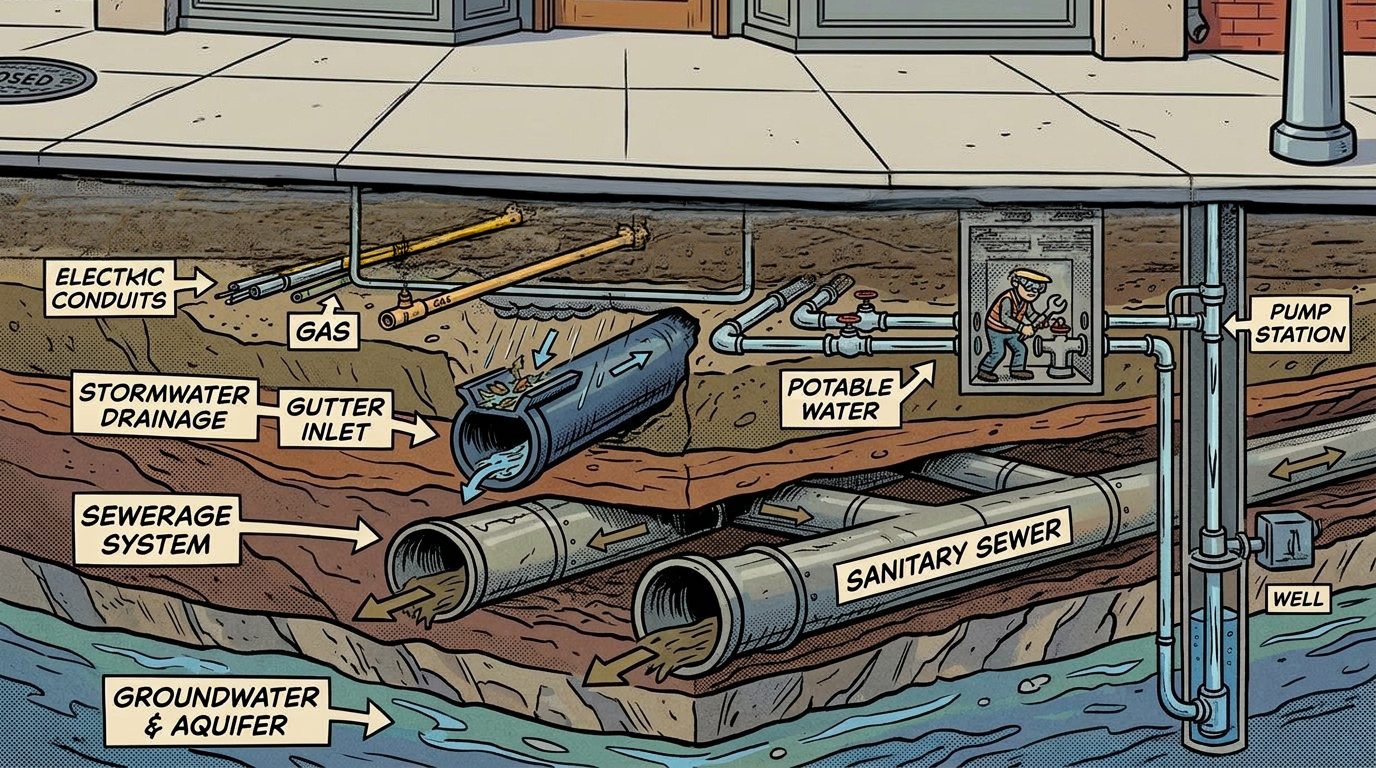
Since the moratorium took effect in the spring of 1978, local officials had operated under the assumption that the ban applied strictly to larger developments adding more than 2,000 gallons of sewage per day to Norwood’s municipal system—well above the 400 gallons per day generated by an average single-family house. Slagle explained, however, that the state moratorium barred every new connection until the town eliminated two gallons of groundwater infiltration and leakage for every one gallon of new sewage proposed to be pumped into the network.
Although the Division of Water Pollution Control had issued “conditional” sewer permits to several major developments—including the Park Place Industrial Park under construction on the former Norwood Arena site, a motel on Route 1, the Shattuck School housing for the elderly, and the Blossom Street subdivision—Building Inspector John E. Grover had refused to issue building permits based on conditional approvals. Grover feared legal liability if structures were completed but barred from occupancy for lack of permanent sewer clearance. “I have had no official communication as to whether the moratorium applies to those buildings under 2,000 gallons, but I will not issue any building permit unless the superintendent of public works approves a sewer entrance permit,” Grover stated.
During the meeting, Slagle offered his personal opinion that Grover could legally issue building permits under conditional sewer approvals—citing a Massachusetts Supreme Judicial Court precedent involving neighboring Dedham—while stressing that Town Counsel Justin C. Barton (printed as “Justin S Barton” in OCR) should formally advise the building inspector. Selectman Walter J. Dempsey and Assistant Town Manager Bernard C. Cooper confirmed that the legal questions surrounding the moratorium and building permits, together with a copy of the Dedham court ruling, had been referred to Town Counsel Barton.
The groundwater infiltration crisis originally drew state enforcement scrutiny when MJS Realty Trust applied for a sewer hookup for the Park Place Industrial Park on the old Norwood Arena property. Subsequent repair work—funded by a $10,000 Town Meeting appropriation for sewer maintenance, engineered by Fay, Spofford and Thorndike Inc. (spelled “Faye” in newsprint), and executed by the Norwood Department of Public Works along the Traphole Brook interceptor near the arena—successfully shut off enough infiltration to earn the town a 24,000-gallon “reserve” credit available for allocation. Meanwhile, Norwood was launching a broader infiltration and inflow study estimated to cost nearly $100,000—reimbursable by state and federal grants—though major fieldwork awaited rising groundwater levels in the spring. Until Town Counsel resolved the legal questions and officials established a priority list for allocating sewer entrance permits, all proposed construction across Norwood remained on hold.
(Note: Multi-column newsprint OCR transpositions across the clipping—where lines from adjacent columns interleaved mid-sentence—have been cleanly reassembled into chronological reading order.)
Source: The Patriot Ledger • Tuesday, November 28, 1978
“I have had no official communication as to whether the moratorium applies to those buildings under 2,000 gallons, but I will not issue any building permit unless the superintendent of public works approves a sewer entrance permit.”
| 1978 Norwood Sewer Program Outlay | 1978 Amount | Est. 2026 Value |
|---|---|---|
| Traphole Brook Sewer Maintenance Appropriation | $10,000 | $48,100 |
| Town-Wide Infiltration & Inflow Engineering Study | $100,000 | $481,000 |
*Equivalent purchasing power based on U.S. Bureau of Labor Statistics CPI data.
Archival Note: This article has been dynamically reconstructed from the original public record print archives of the Patriot Ledger
More…
-
State Sewer Moratorium Bans All New Hookups Including Single-Family Homes-November 28, 1978
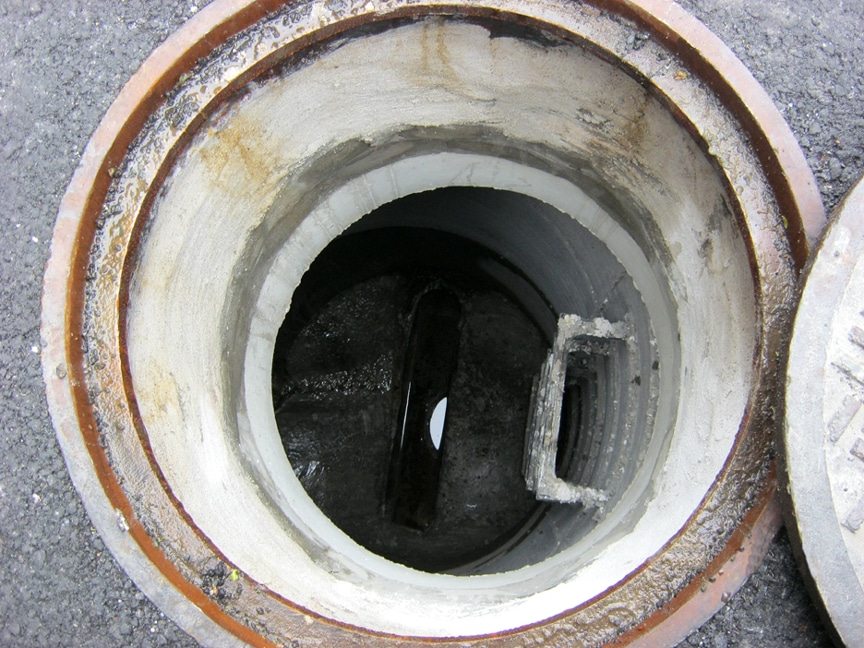
State environmental official William Slagle surprised Norwood leaders in November 1978 by clarifying that the sewer connection moratorium barred all new hookups—including single-family homes—until twice the new sewage volume was eliminated in groundwater leakage.
-
Road Resurfacing Project in Norwood-This Day In Norwood History-July 21, 1978

Faced with decades of neglected road maintenance, Norwood officials debated an ambitious $1.9 million resurfacing plan in 1978. While proponents saw it as a path to smooth roads, others questioned the feasibility of the massive effort.
-
Businessman John P. Alevizos Willing to Pay for Walpole Street Traffic Lights-November 7, 1977
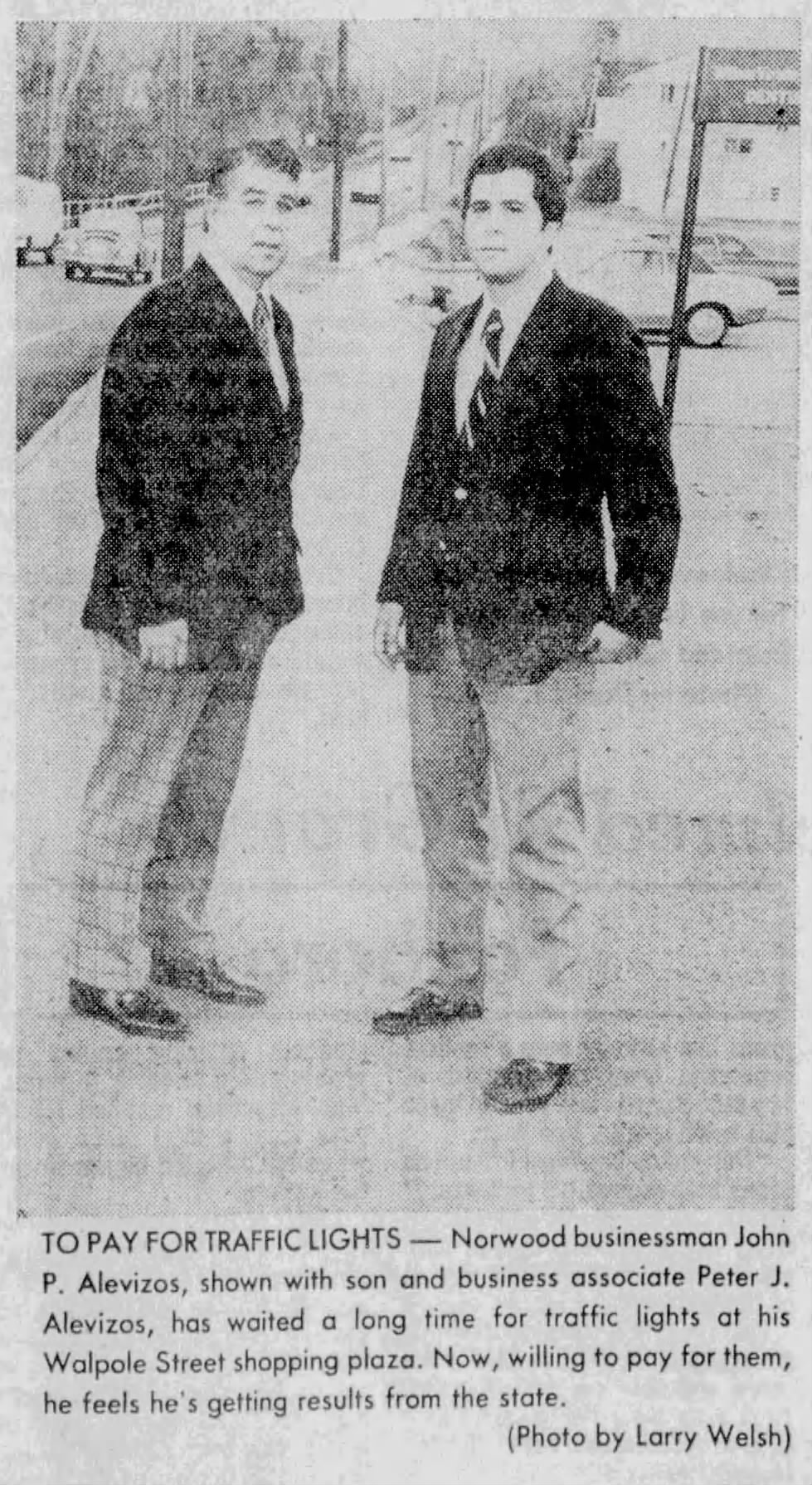
Tired of waiting for state action, shopping center developer John P. Alevizos has agreed to privately finance $60,000 in traffic signalization and road improvements at Walpole and Wilson Streets.
-
Uncertainty Looms Over Norwood Junior High South Opening Date-July 12, 1974
After three years of double sessions following a 1971 fire, Norwood officials faced the possibility of further delays for the new Junior High South.
-
Unfinished Junior High To Open On Schedule-July 8, 1974

Discover the construction history of the $4.5 million Junior High South project in 1974, detailing the challenges faced during the transition from the old Washington Street school.
-
FinCom Summons James Capaldo in Garbage Contract Investigation-June 26, 1974
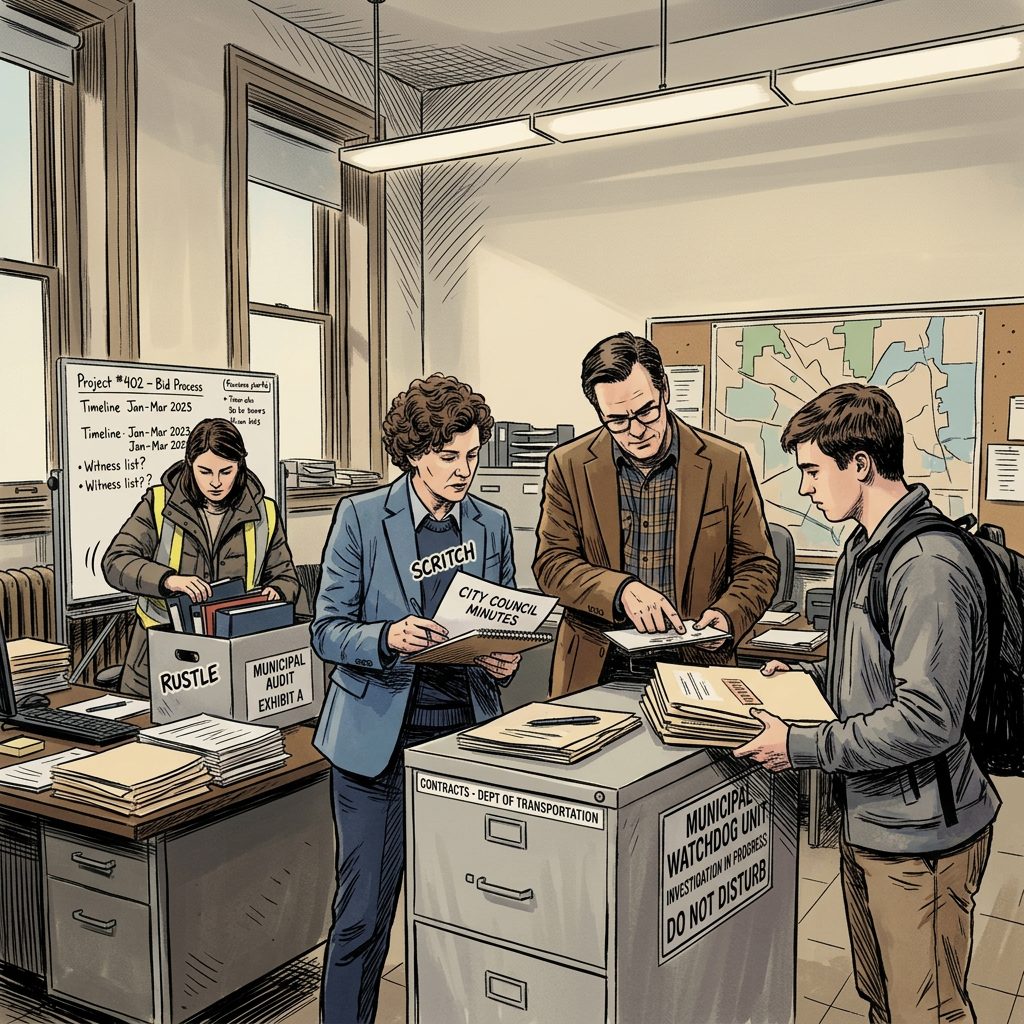
A heated public trust battle deepens in Norwood as a plumbing inspector refuses to testify, forcing watchdogs to deploy full town charter powers. Categories: Town Government, Municipal Finance
-
Selectmen Authorize Water Main Connection and Space Transfers for Phased-Out Schools-June 26, 1974
Shaw Street Infrastructure Upgrades Approved While Winslow and Shattuck Buildings Repurposed for Town Services The Board of Selectmen enacted a series of municipal infrastructure and real estate management decisions during last night’s executive session. In a unanimous vote, selectmen approved a formal request to seek a $16,000 budget transfer from the Finance Commission to construct…
-
Norwood Board Weighs Alternatives For Two Lyman Place Houses-October 17, 1973

Rewritten Narrative Feature A Town Divided Over Municipal Property The future of two Lyman Place houses—purchased by Town Meeting for $25,000—remains completely unresolved following a tense and ultimately inconclusive joint meeting between the Board of Selectmen, the Youth Commission, and representatives from the Pulse hotline. Situated near the public works yard, the properties were initially…
-
Alandale Parkway Residents Demand Answers on Long-Delayed Street Acceptance-September 13, 1972
Alandale Parkway residents demand answers from Norwood selectmen regarding a decade-long delay in street acceptance and severe sidewalk deterioration.
-
$1.8 Million in Major Traffic and Safety Improvements Recommended-September 1, 1972
Comprehensive Traffic and Safety Overhaul Recommended for Norwood in Final Federal TOPICS Report A comprehensive and exhaustive final engineering report, recently delivered to local town selectmen, has outlined a sweeping, multi-faceted proposal to dramatically overhaul Norwood’s municipal road network, upgrade intersection safety, and alleviate escalating vehicular congestion throughout the community. Prepared by the prominent Chestnut…
Discover more from Norwood Historical Society
Subscribe to get the latest posts sent to your email.