An Ambitious Vision for Norwood’s

On July 21, 1978, the town of Norwood found itself contemplating a transformative infrastructure proposal that promised to fundamentally alter the local landscape. According to a report in The Patriot Ledger, the local Department of Public Works (DPW) unveiled a comprehensive, massive road resurfacing project estimated to cost $1.9 million. This sweeping initiative sought to address the long-standing issue of deteriorating street conditions, with the proposed scope detailed across 14 pages of a technical report containing over 300 individual line items.
The project was championed by Selectman Walter J. Dempsey, who argued that the town’s traditional approach to maintenance had proven inadequate. Walter J. Dempsey contended that for the previous 40 years, road upkeep had been systematically neglected. He specifically criticized the annual road maintenance budget of $150,000, characterizing it as a “drop in the bucket” and stating, “You’re not even keeping pace.” Walter J. Dempsey firmly believed that a complete resurfacing of the town’s network was both a practical necessity and a politically viable objective, even amidst the era’s prevailing public sentiment against increased government spending.
To mitigate the financial burden on residents, Walter J. Dempsey proposed a strategic five-year plan funded through a bond issue, which would distribute the $1.9 million cost over an extended timeframe. He also suggested that streets already recently improved and currently in good condition would be excluded from the scope of work. By ensuring that every motorist could depart their home onto smooth, high-quality pavement, Walter J. Dempsey hoped to foster town-wide unity and eliminate the “small sectional jealousies” that often arose from prioritized or uneven local maintenance schedules.
The plan faced significant practical and fiscal scrutiny. DPW Supt. Nicholas G. Joseph provided a more immediate outlook, listing 19 specific streets slated for standard resurfacing in 1979 at a projected cost of $169,975. Howard, a finance commissioner, voiced skepticism regarding the feasibility of such a wide-scale project within a single year, flatly stating, “No way you do that in one year.” He further questioned whether the standard annual budget was simply too lean to address the systemic needs of the town’s roadways. Walter J. Dempsey acknowledged that the support of the Finance Commission (FinCom) was essential for the plan’s success, noting that without such institutional backing, the proposal was “hopeless.”
Archival Note: This article has been dynamically reconstructed from the original public record print archives of the Patriot Ledger
More…
-
State Approves Traffic Barrier to Block East Cross Street Access from Route 1-August 12, 1988

Following a resident petition led by Joseph Burke and Rep. Gregory Sullivan after a child’s injury, the state approved a barrier blocking Route 1 access to East Cross Street.
-
Norwood Committee Faults T Study-July 9, 1987
Discover the 1987 conflict between the Norwood Parking Committee and the MBTA regarding station parking statistics and the pushback against multi-level parking deck plans at the Norwood Depot.
-
SOfficials Tour Ellis Pond Dam and Meadow Brook Sites-August 22, 1984

State Waterways Director John J. Hannon joined Norwood officials to inspect Ellis Pond Dam and the Meadow Brook watershed, targeting $850,000 in state funds toward critical flood mitigation.
-
Adams-Russell Cable Services Tells Norwood Selectmen Local Cable System is Completed-August 8, 1984
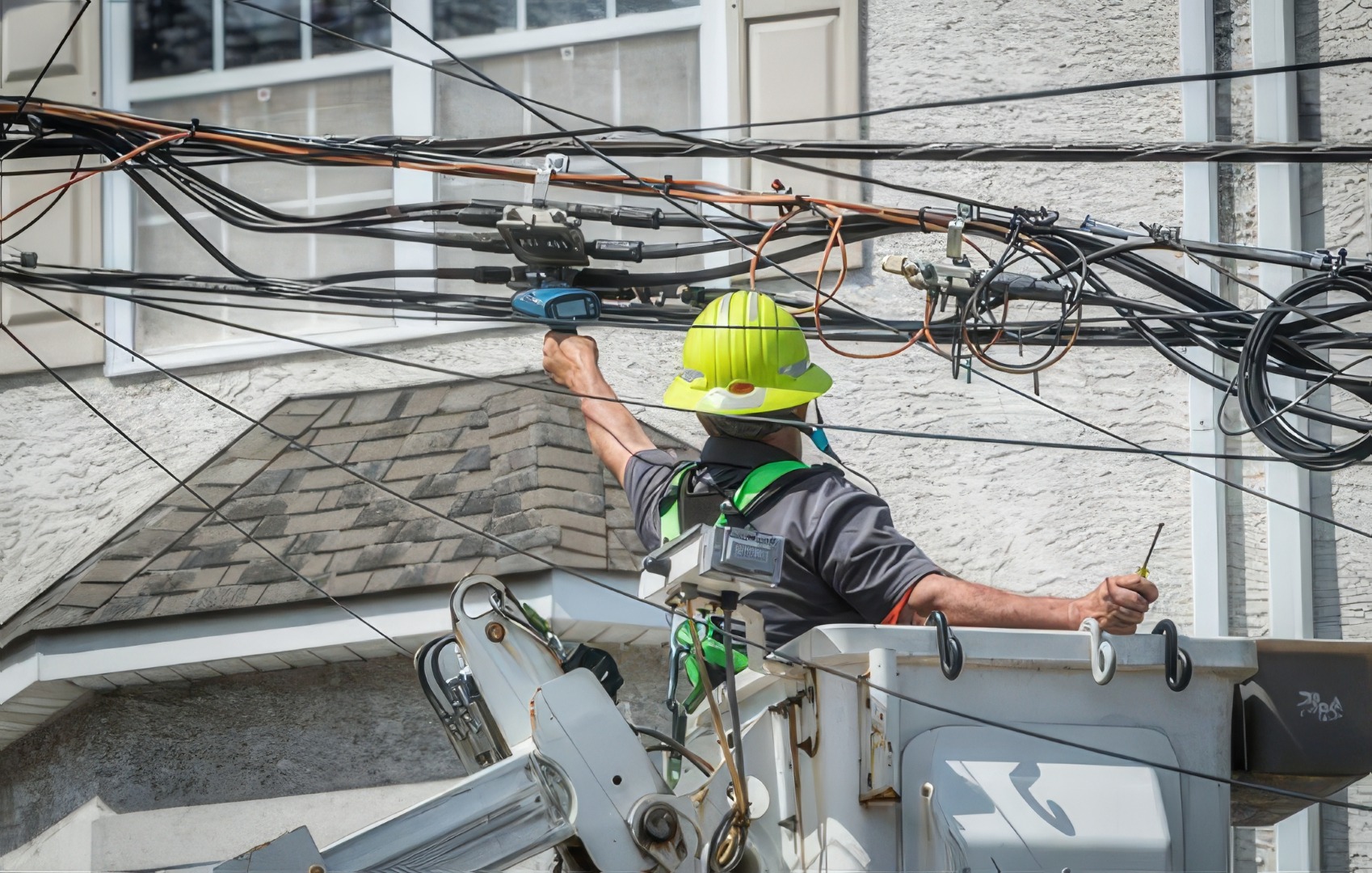
Company Announces Energizing of Public Institutional Loop as Two-Year Rate Freeze Certification Process Approaches NORWOOD — Representatives from Adams-Russell Cable Services informed town selectmen last night that Norwood’s cable television system is officially complete. The declaration marks a critical milestone for both the Waltham-based company and local subscribers, as certification triggers the start of a…
-
State Official Douses Hopes for New I-95 Connector Road to Relieve Heavy Neponset Street Traffic-October 14, 1983
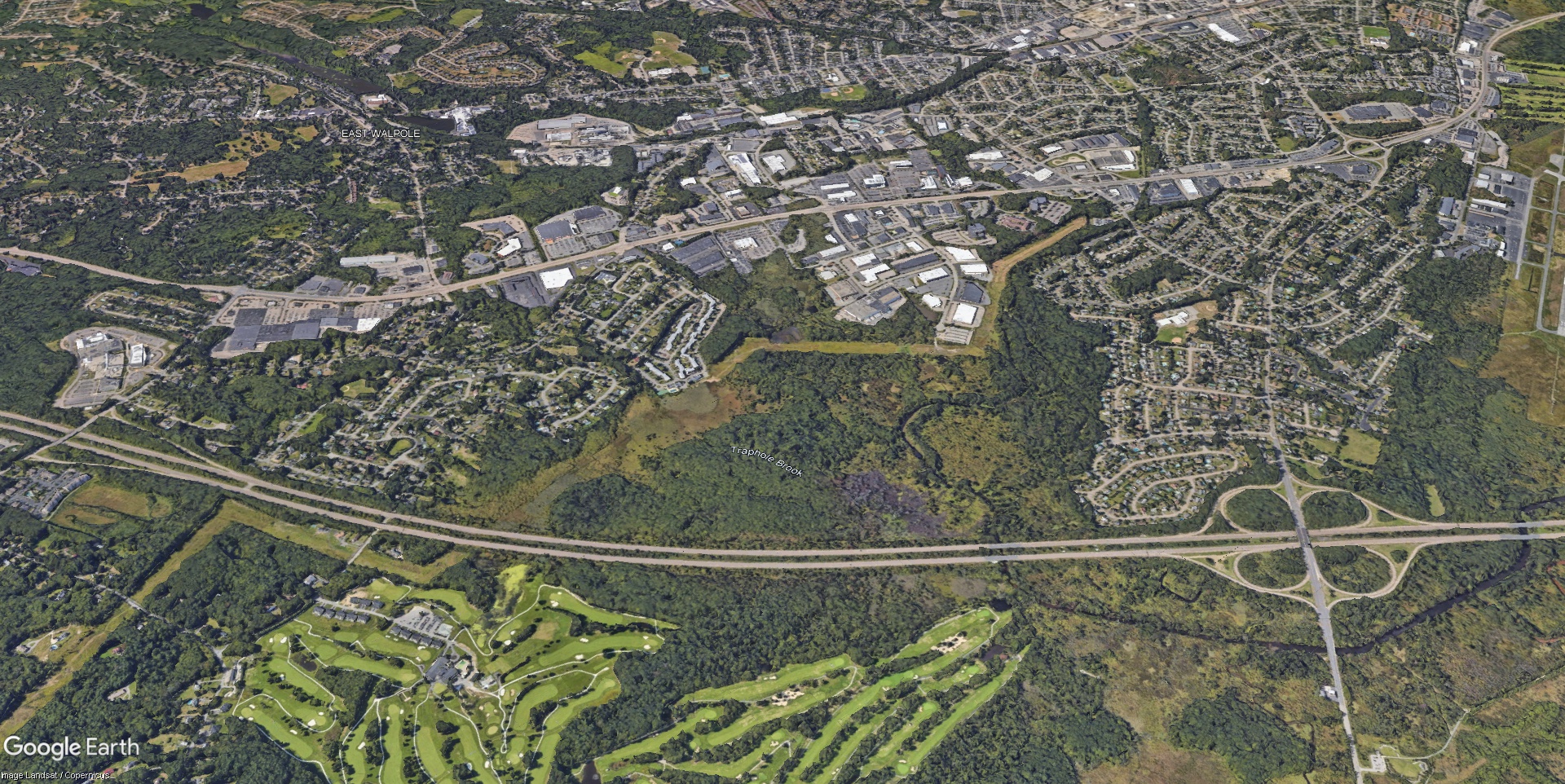
State transportation officials dash hopes for a multi-million dollar I-95 connector road to ease Neponset Street’s daily 24,000-vehicle traffic volume, citing spacing and environmental hurdles.
-
Closed for Years, Repaved Section of Bond Street Set to Reopen-September 21, 1983
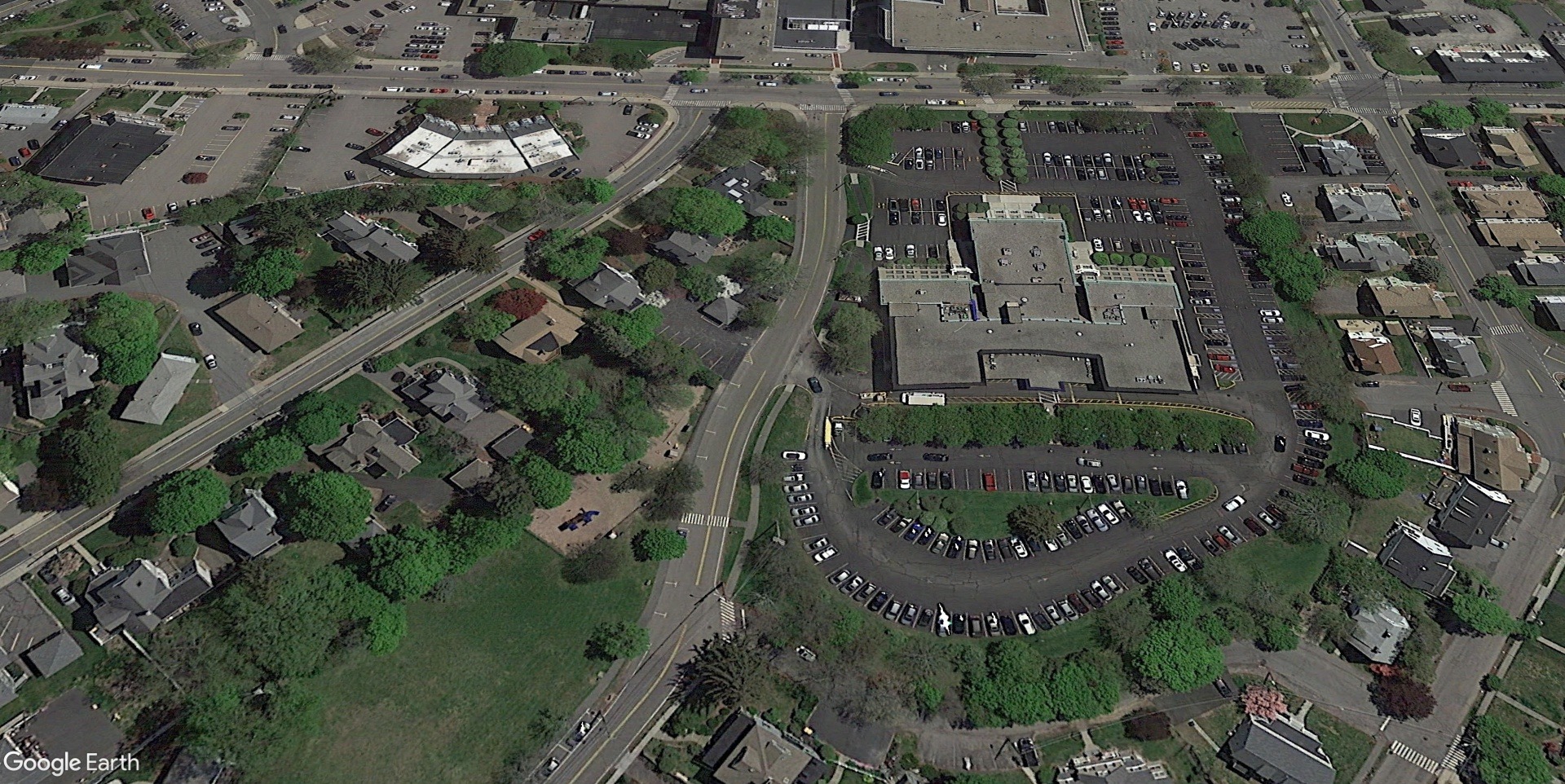
Norwood selectmen order the reopening of a closed, repaved section of Bond Street and review upcoming town meeting warrant proposals for Route 1 reconstruction.
-
High Costs and Traffic Surge Persuade Norwood Selectmen to Abandon Neponset Street Relief Plan-October 22, 1982

Citing a $130,000 price tag and projected traffic surges exceeding 650 percent on Cherrywood Drive, Norwood selectmen abandoned a proposed roadway connection designed to ease neighborhood traffic.
-
Ground Broken for University Avenue Industrial Road Extension-August 30, 1982
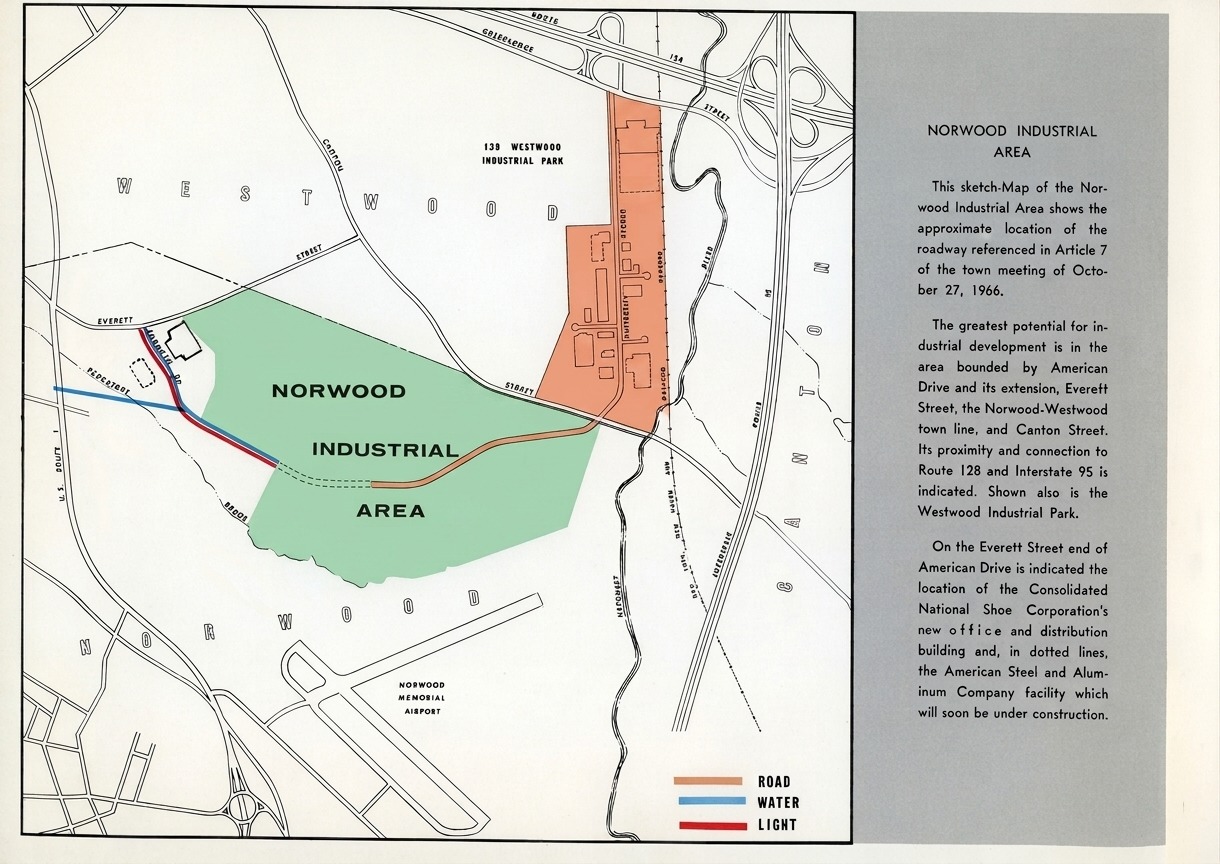
State and local officials break ground on a $1 million University Avenue extension project designed to unlock prime industrial development in Norwood.
-
Broken Water Main Leaves Norwood Hospital Without Sprinkler System for Hours-October 21, 1981
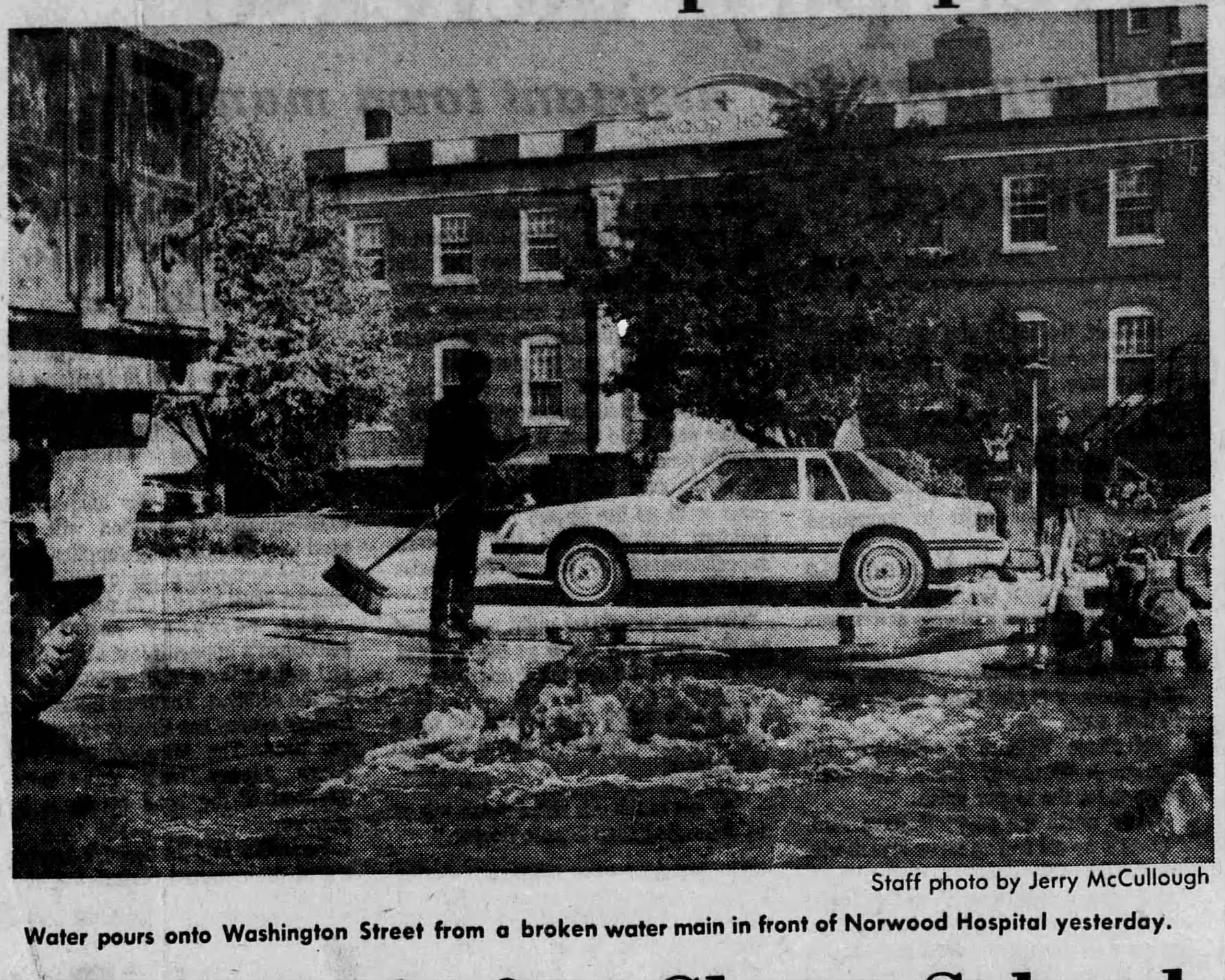
A water main break on Washington Street flooded the area, leaving Norwood Hospital without sprinkler coverage for hours while fire officials maintained a close watch.
-
$1.5 Million Uptown Washington Street Reconstruction and Traffic Improvement Project Scheduled to Begin by Spring 1982-September 10, 1981
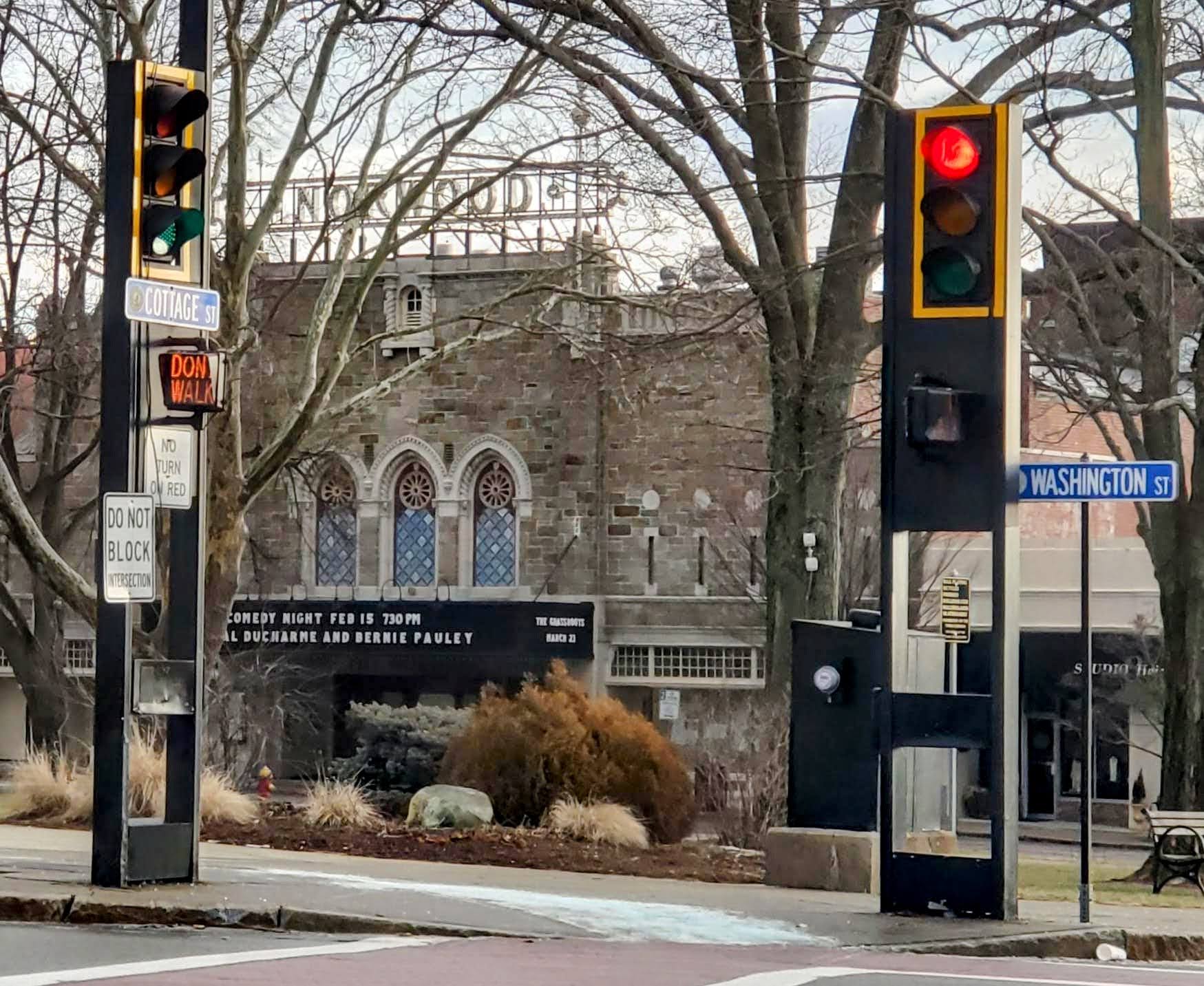
State and local officials outline a $1.5 million Washington Street reconstruction project at a public hearing, targeting spring 1982 construction for traffic and street improvements.
Discover more from Norwood Historical Society
Subscribe to get the latest posts sent to your email.