A simmering dispute over the proposed expansion of commuter rail parking reached a new stage on July 09, 1987, as the Norwood Parking Committee formally challenged the statistical findings of an MBTA study.
The conflict centers on a proposed parking deck at the Norwood Depot—a project that has met with significant resistance from local residents, hundreds of whom have attended public hearings and signed petitions to oppose the construction. The MBTA has used its April parking study to argue that a significant portion of vehicles parked at the Norwood stations are owned by non-residents from across the region, thereby justifying the need for a large-scale parking structure. However, the Norwood Parking Committee claims these findings are skewed by the inclusion of data from distant towns, misrepresenting the actual daily usage patterns of local commuters.
Edward McKenna, chairman of the parking study, spearheaded an effort to re-examine the data by excluding vehicles from communities considered too far away to provide daily rail commuters. By filtering out these 76 vehicles, the committee concluded that 57 percent of the cars in the lots are owned by Norwood residents, a figure substantially higher than the 49 percent reported by the MBTA. According to the MBTA’s original breakdown, residents from Walpole, Westwood, and Medfield made up a combined majority of the parking lot occupancy. Conversely, the committee’s recalculated figures suggest a far more localized reliance on the lots: 57 percent from Norwood, 16 percent from Walpole, 15 percent from Westwood, and 3 percent from Medfield, with all other municipalities accounting for less than 1.5 percent each.
The discrepancy in these figures is central to the debate over whether the town requires the significant infrastructure investment of a multi-level parking deck. The current proposals on the table include a more modest option of repaving and relining the existing lot at the Norwood Depot, which would add roughly 64 spaces to the current capacity of 143. More ambitious proposals involve the construction of a one- or two-deck parking facility. Residents have been vocal in their opposition to the deck, viewing it as an unnecessary transformation of the station area that does not accurately reflect the parking needs of the local population. As the parking committee continues to advocate for its own interpretation of the usage data, the town remains divided on how best to accommodate the demand for commuter parking while preserving the character of the surrounding neighborhoods.
Archival Note: This article has been dynamically reconstructed from the original public record print archives of the Patriot Ledger
More…
-
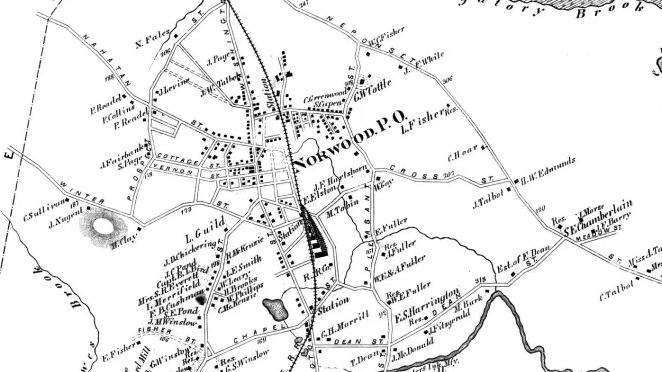
Norwood in 1876: What the Old Map Reveals
1876 Map of Norwood
-
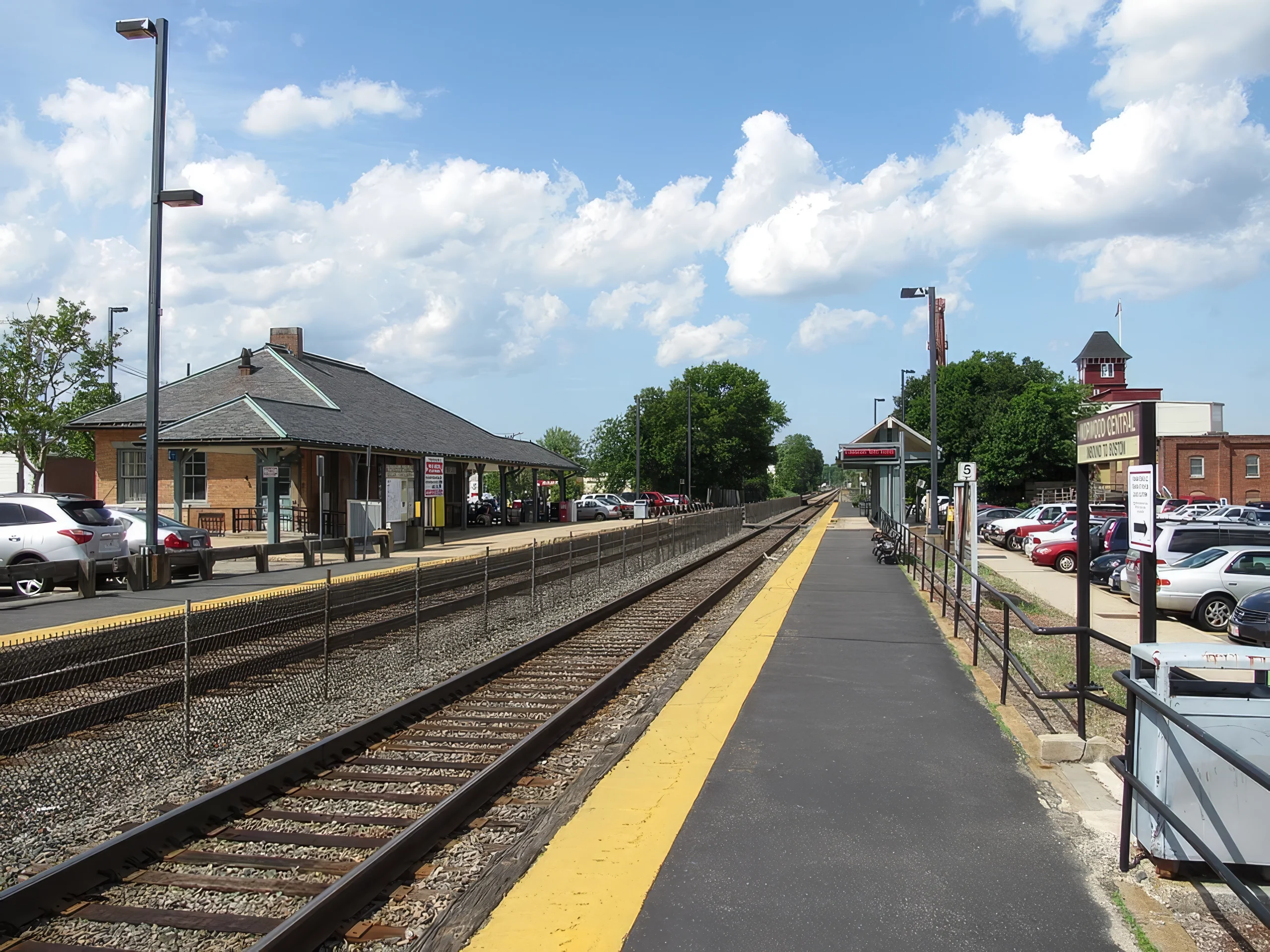
MBTA Adding Long-Awaited Wheelchair Accessibility to Norwood Central-August 24, 1989
Following years of advocacy and a dramatic protest by Robert Haskell, the MBTA signed a $1.4 million contract to build a wheelchair ramp and renovate the Norwood Central commuter rail station.
-
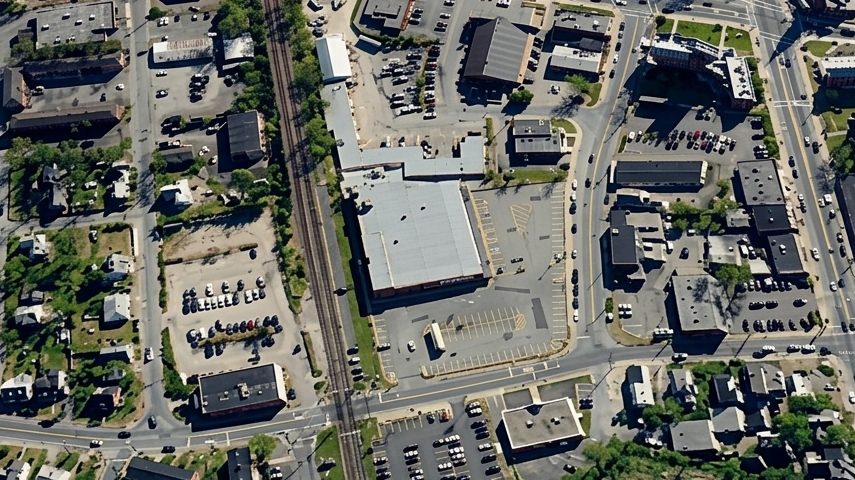
Selectmen Oppose MBTA Plans for Parking at Ex-Stop & Shop-July 13, 1988
The Patriot Ledger’s July 13, 1988 edition carried a significant story that highlighted the concerns of Norwood selectmen regarding the Massachusetts Bay Transportation Authority (MBTA) plans to establish a commuter parking lot at the site of the former Stop & Shop store in Norwood Center. The proposal, which aimed to provide 315 spaces for commuters,…
-
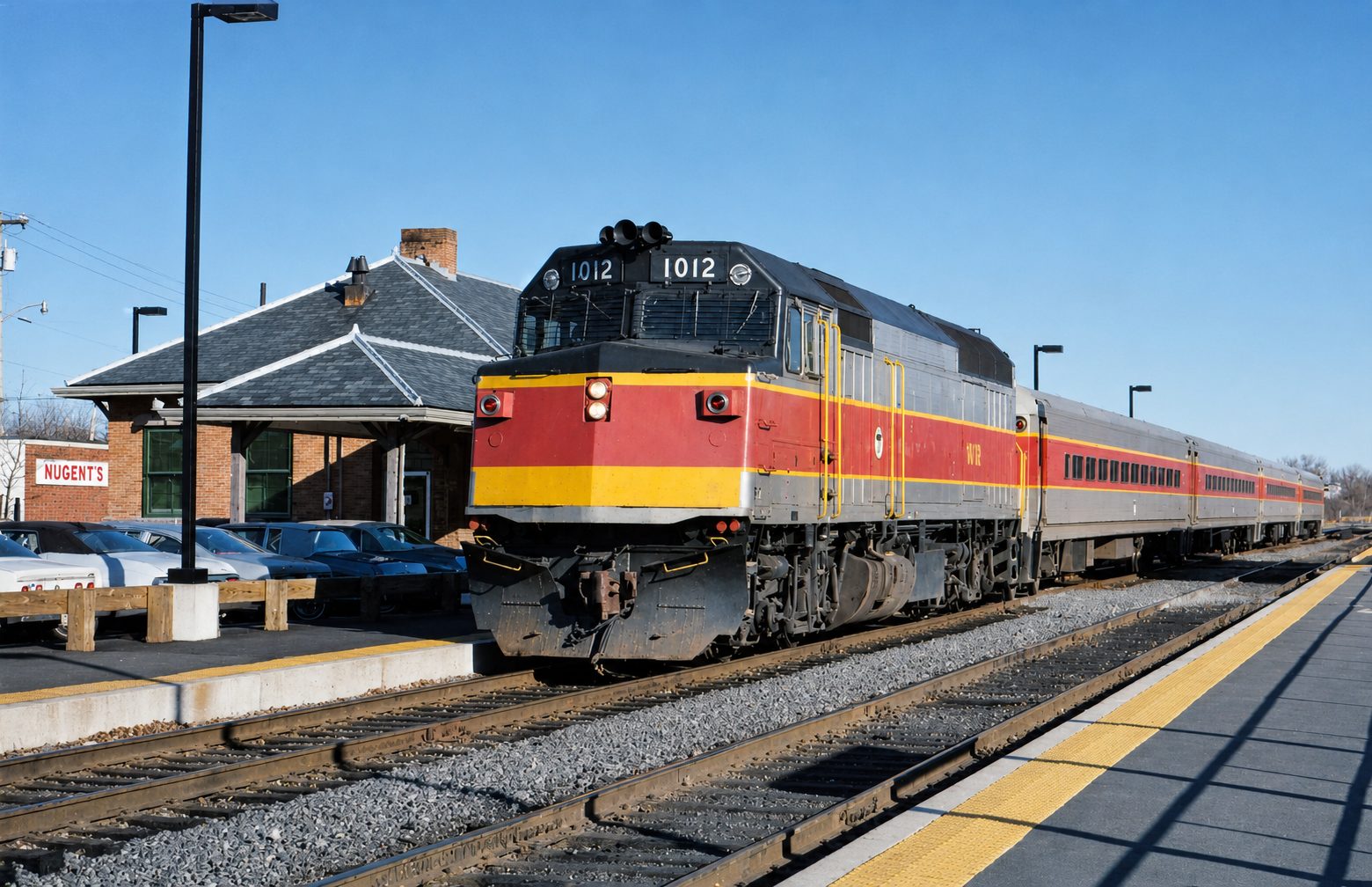
Norwood Commuters Don’t Cut Train-June 24, 1981
Transit officials lay out a proposal reducing the Norwood line to six daily runs each way while pushing one-way ticket prices up to $1.75.
-
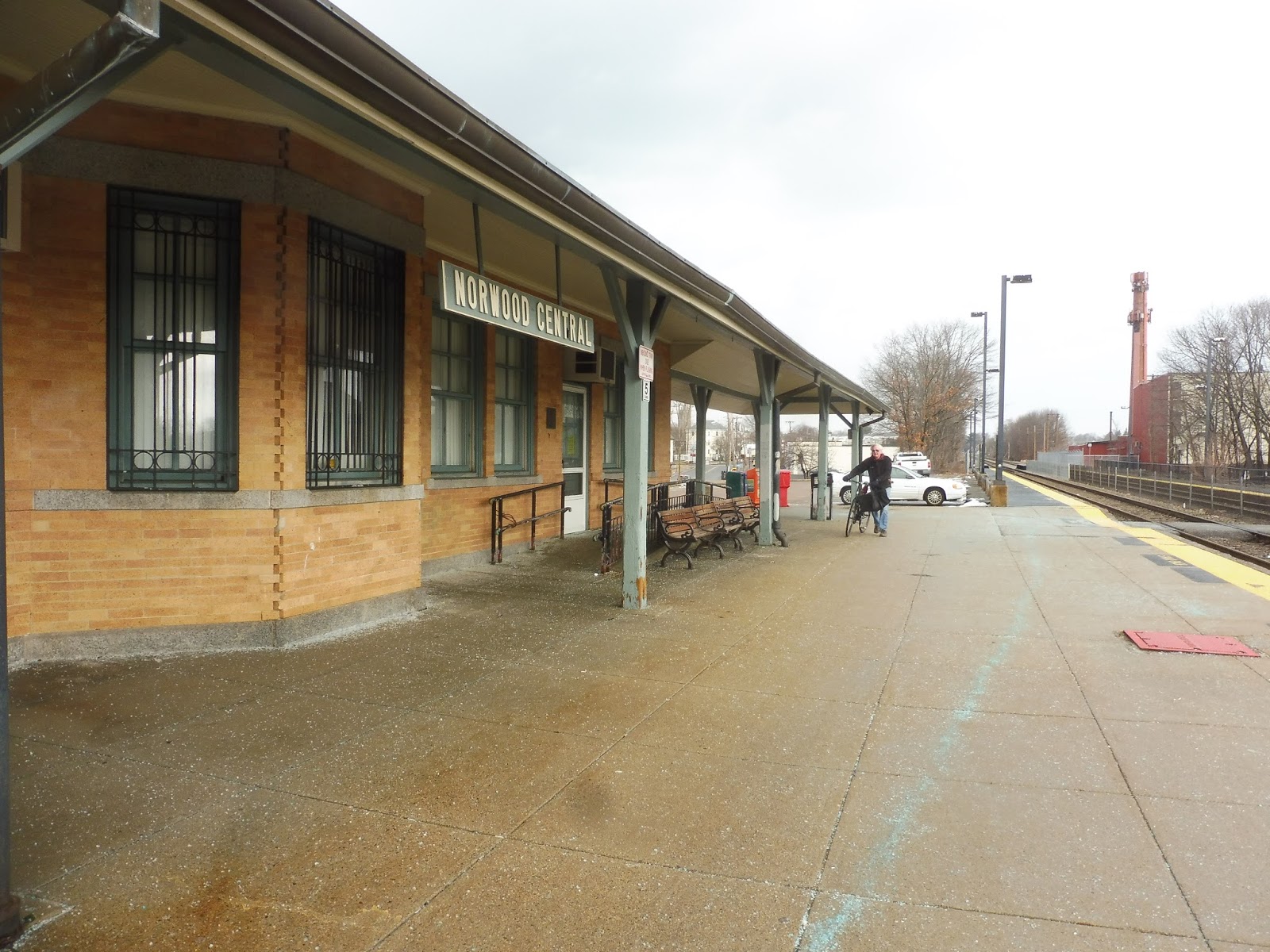
Railroad Tracks Through Norwood Center Become a “No-Man’s Land” of Vandalism and Frustration-October 8, 1979
Railroad tracks running through Norwood center become a magnet for vandals, costing local businesses thousands in property damage and prompting police intervention.
-
The Good Old Days on the Trolley-July 28, 1979
Lifelong Norwood resident and trolley historian Carl L. Smith reflected on the golden age of electric street railways, scenic cross-country routes, and freight delivery.

-
Norwood Commuting Hearing Requested-June 26, 1968
Planners present data showing a two-dollar weekly savings per rider, while state lawmakers scramble to pass emergency MBTA subsidy extensions.

-
New York Express Jumps Track at Norwood, But None Injured-This Day In Norwood History-June 26, 1920
SCENE IMMEDIATELY AFTER THE TRAIN WRECK IN NORWOOD ON THE NEW HAVEN. More than 135 passengers escaped serious injury yesterday when the 11:21 train from Boston for Hartford and New York on the Midland Division, jumped the rails at Winslow station in Norwood. The steel cars prevented a big loss of life. The photo shows…

-
The New Railroad Station-This Day In Norwood History-July 26, 1897
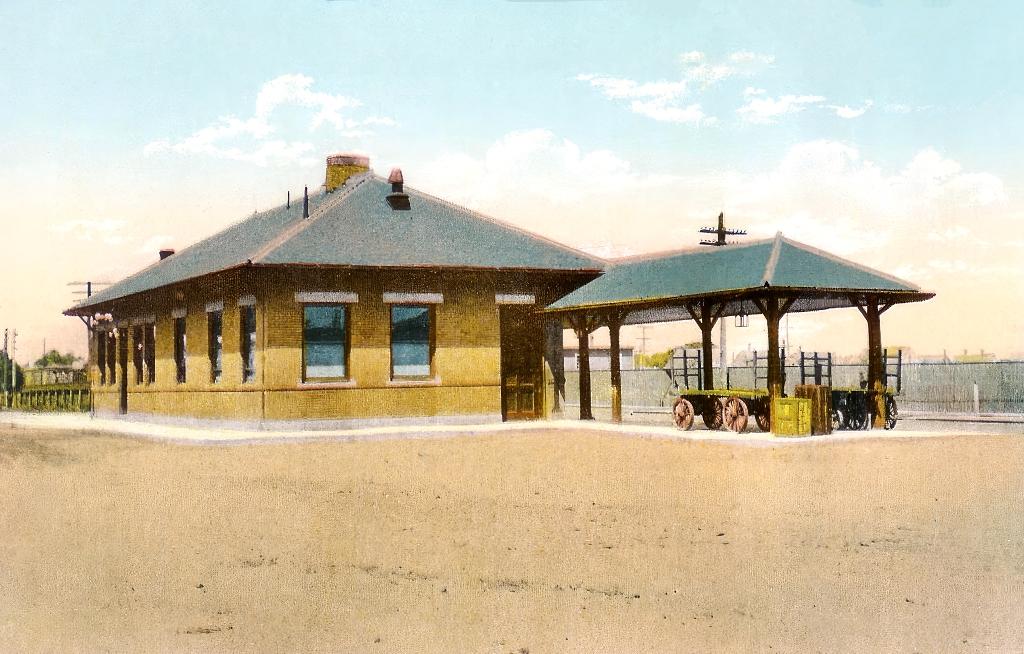
Directors of the New England Railroad inspected sites in town alongside local prominent leaders like Edmund J Shattuck, George F Willett, and Charles T Wheelock, sparking local debate over whether to move the Norwood Central Station west and place a depot at Nahatan Street or stick to consolidating stations at Day Street.
-
Grade Crossing Matter to be Referred by Court to a Master-This Day In Norwood History-March 25, 1892
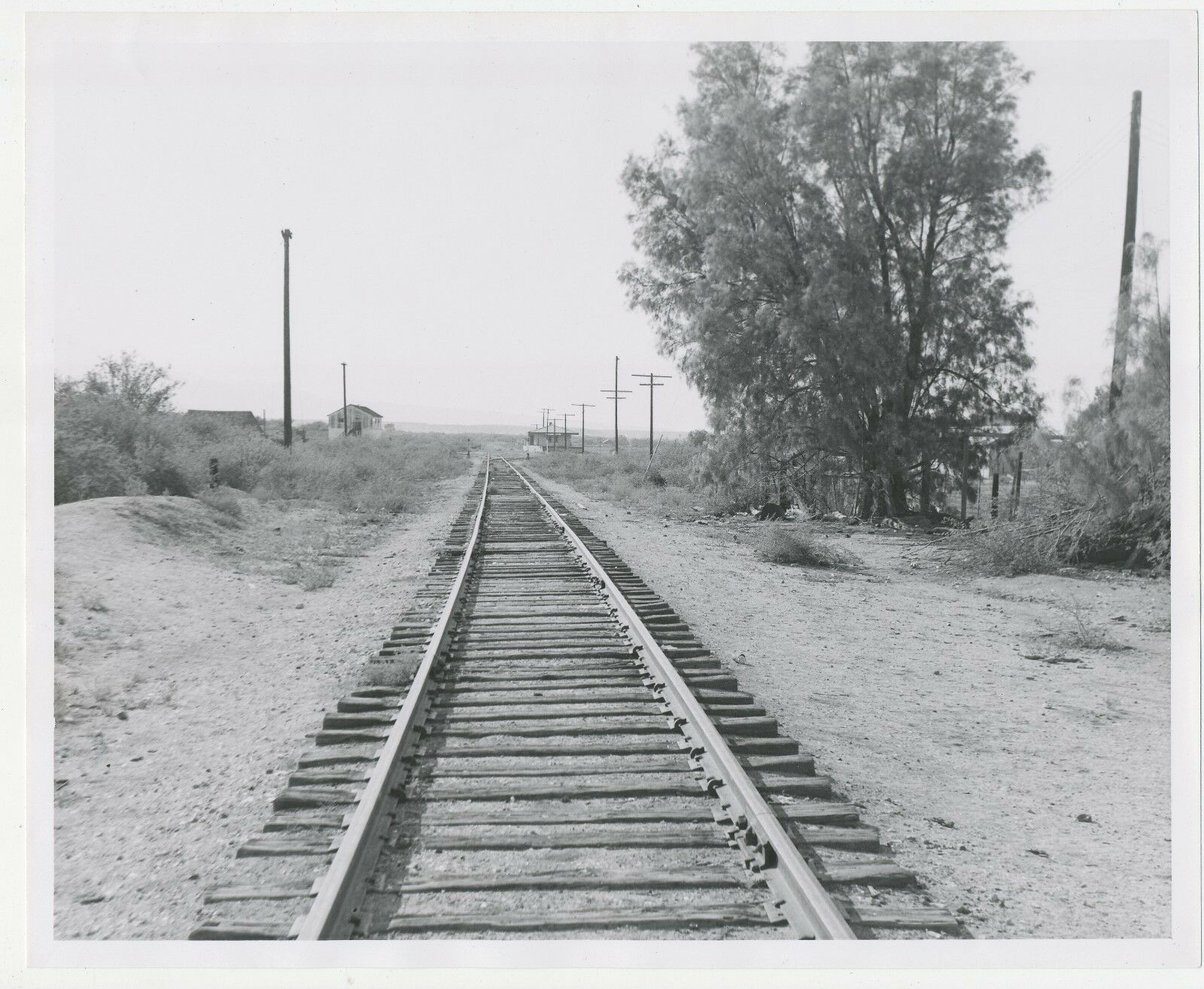
COSTLY CHANGES IN NORWOOD. After a lengthy discussion between counsel for the New York & New England Railroad Company and counsel for the town of Norwood, the objections filed by the railroad company to the acceptance of the report of commissioners in relation to the abolition of four-grade crossings in Norwood, were referred by Justice…
Discover more from Norwood Historical Society
Subscribe to get the latest posts sent to your email.