
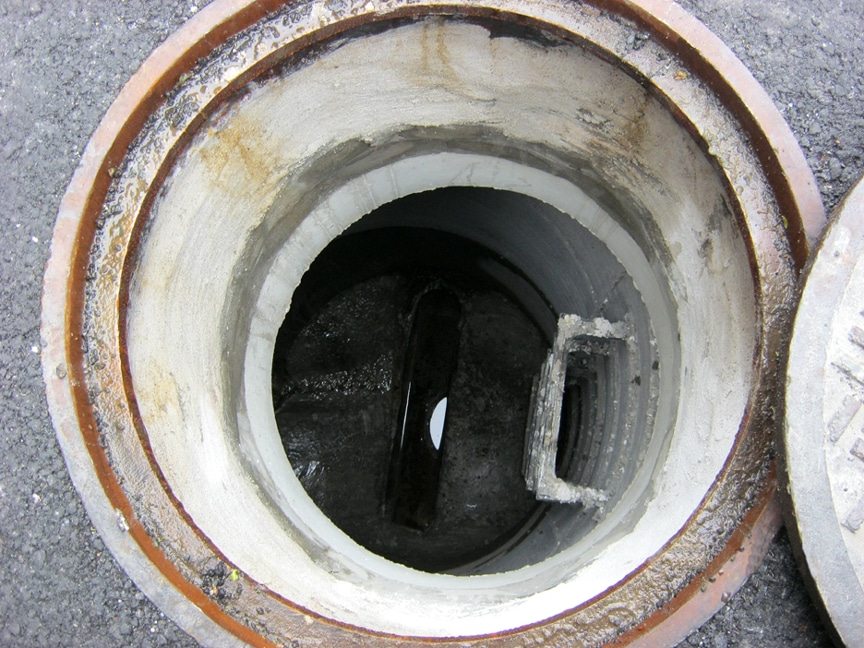
DEQE Official William Slagle Reveals Strict Two-to-One Leakage Reduction Rule as Park Place Industrial Park, Shattuck School Elderly Housing, and Homebuilders Stall
NORWOOD – State environmental regulators delivered an unexpected jolt to Norwood officials when William Slagle, chief of the enforcement and permit section of the state Department of Environmental Quality Engineering (DEQE) Division of Water Pollution Control, clarified that the state-imposed moratorium on new sewer connections applied to all new construction—including individual single-family homes. Reported in The Patriot Ledger on Tuesday, November 28, 1978, the clarification stunned the town manager, town engineer, members of the Board of Selectmen, and the Norwood Housing Authority during a Wednesday morning meeting with Slagle.
Since the moratorium took effect in the spring of 1978, local officials had operated under the assumption that the ban applied strictly to larger developments adding more than 2,000 gallons of sewage per day to Norwood’s municipal system—well above the 400 gallons per day generated by an average single-family house. Slagle explained, however, that the state moratorium barred every new connection until the town eliminated two gallons of groundwater infiltration and leakage for every one gallon of new sewage proposed to be pumped into the network.
Although the Division of Water Pollution Control had issued “conditional” sewer permits to several major developments—including the Park Place Industrial Park under construction on the former Norwood Arena site, a motel on Route 1, the Shattuck School housing for the elderly, and the Blossom Street subdivision—Building Inspector John E. Grover had refused to issue building permits based on conditional approvals. Grover feared legal liability if structures were completed but barred from occupancy for lack of permanent sewer clearance. “I have had no official communication as to whether the moratorium applies to those buildings under 2,000 gallons, but I will not issue any building permit unless the superintendent of public works approves a sewer entrance permit,” Grover stated.
During the meeting, Slagle offered his personal opinion that Grover could legally issue building permits under conditional sewer approvals—citing a Massachusetts Supreme Judicial Court precedent involving neighboring Dedham—while stressing that Town Counsel Justin C. Barton (printed as “Justin S Barton” in OCR) should formally advise the building inspector. Selectman Walter J. Dempsey and Assistant Town Manager Bernard C. Cooper confirmed that the legal questions surrounding the moratorium and building permits, together with a copy of the Dedham court ruling, had been referred to Town Counsel Barton.
The groundwater infiltration crisis originally drew state enforcement scrutiny when MJS Realty Trust applied for a sewer hookup for the Park Place Industrial Park on the old Norwood Arena property. Subsequent repair work—funded by a $10,000 Town Meeting appropriation for sewer maintenance, engineered by Fay, Spofford and Thorndike Inc. (spelled “Faye” in newsprint), and executed by the Norwood Department of Public Works along the Traphole Brook interceptor near the arena—successfully shut off enough infiltration to earn the town a 24,000-gallon “reserve” credit available for allocation. Meanwhile, Norwood was launching a broader infiltration and inflow study estimated to cost nearly $100,000—reimbursable by state and federal grants—though major fieldwork awaited rising groundwater levels in the spring. Until Town Counsel resolved the legal questions and officials established a priority list for allocating sewer entrance permits, all proposed construction across Norwood remained on hold.
(Note: Multi-column newsprint OCR transpositions across the clipping—where lines from adjacent columns interleaved mid-sentence—have been cleanly reassembled into chronological reading order.)
Source: The Patriot Ledger • Tuesday, November 28, 1978
“I have had no official communication as to whether the moratorium applies to those buildings under 2,000 gallons, but I will not issue any building permit unless the superintendent of public works approves a sewer entrance permit.”
| 1978 Norwood Sewer Program Outlay | 1978 Amount | Est. 2026 Value |
|---|---|---|
| Traphole Brook Sewer Maintenance Appropriation | $10,000 | $48,100 |
| Town-Wide Infiltration & Inflow Engineering Study | $100,000 | $481,000 |
*Equivalent purchasing power based on U.S. Bureau of Labor Statistics CPI data.
Archival Note: This article has been dynamically reconstructed from the original public record print archives of the Patriot Ledger
More…
-
State Approves Traffic Barrier to Block East Cross Street Access from Route 1-August 12, 1988

Following a resident petition led by Joseph Burke and Rep. Gregory Sullivan after a child’s injury, the state approved a barrier blocking Route 1 access to East Cross Street.
-
Norwood Committee Faults T Study-July 9, 1987

Discover the 1987 conflict between the Norwood Parking Committee and the MBTA regarding station parking statistics and the pushback against multi-level parking deck plans at the Norwood Depot.
-
SOfficials Tour Ellis Pond Dam and Meadow Brook Sites-August 22, 1984

State Waterways Director John J. Hannon joined Norwood officials to inspect Ellis Pond Dam and the Meadow Brook watershed, targeting $850,000 in state funds toward critical flood mitigation.
-
Adams-Russell Cable Services Tells Norwood Selectmen Local Cable System is Completed-August 8, 1984

Company Announces Energizing of Public Institutional Loop as Two-Year Rate Freeze Certification Process Approaches NORWOOD — Representatives from Adams-Russell Cable Services informed town selectmen last night that Norwood’s cable television system is officially complete. The declaration marks a critical milestone for both the Waltham-based company and local subscribers, as certification triggers the start of a…
-
Norwood Reaps Up To $50,000 Windfall Selling Historic Washington Street Belgian Block Cobblestones-November 30, 1983

Town Manager John J. Carroll announced in November 1983 that Norwood drew 22 sealed bids for salvaged Washington Street Belgian block cobblestones, led by Victor Babel at 63 cents each and a New Jersey dealer buying up to 100,000 blocks for $50,000.
-
Massachusetts House Approves $400,000 in Capital Funds to Repair Aging Ellis Pond Dam-November 18, 1983
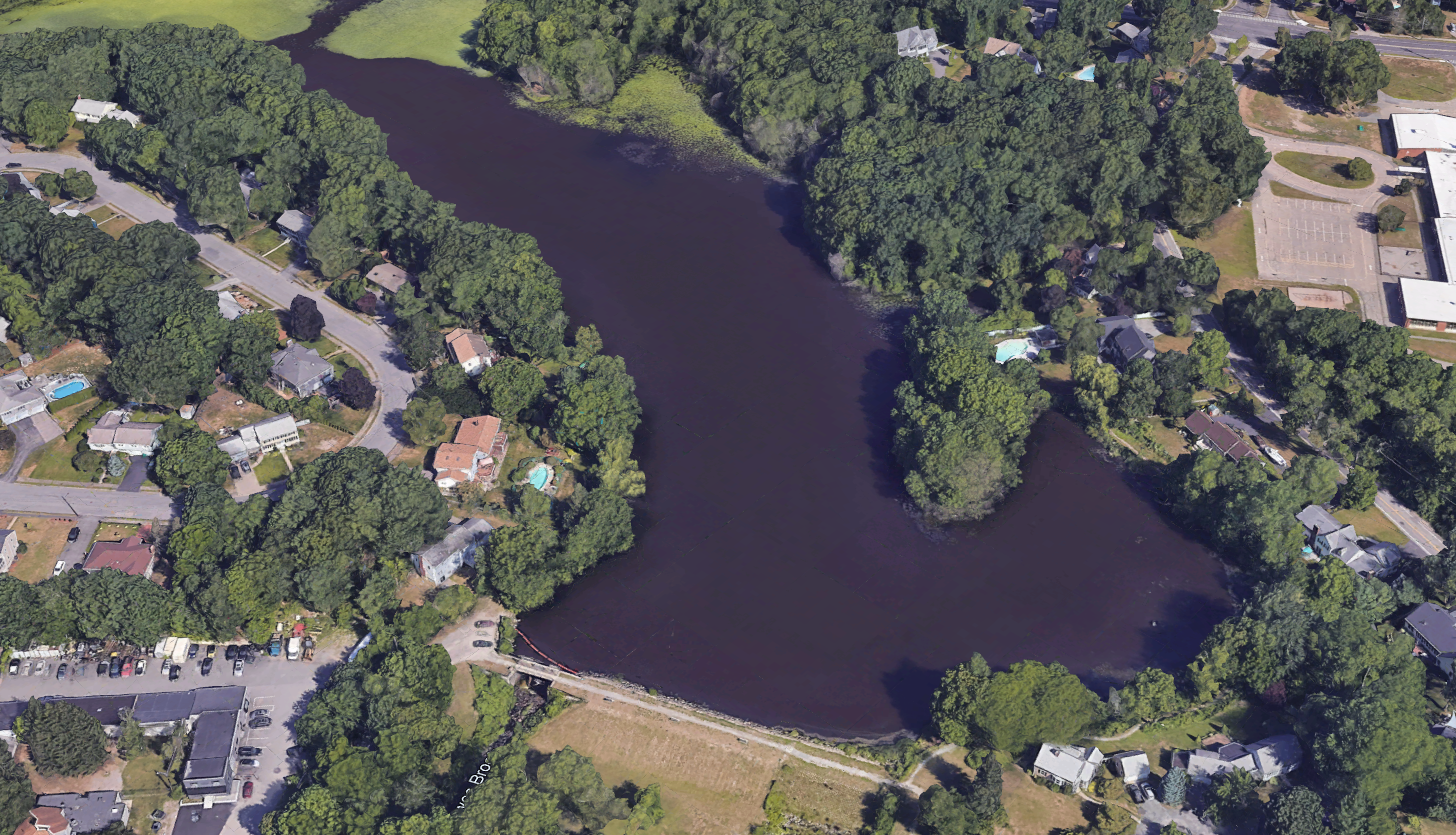
The Massachusetts House voted in November 1983 to include $400,000 in state capital outlay funds to repair Norwood’s 150-year-old Ellis Pond Dam near Walpole and Endicott streets.
-
State Official Douses Hopes for New I-95 Connector Road to Relieve Heavy Neponset Street Traffic-October 14, 1983
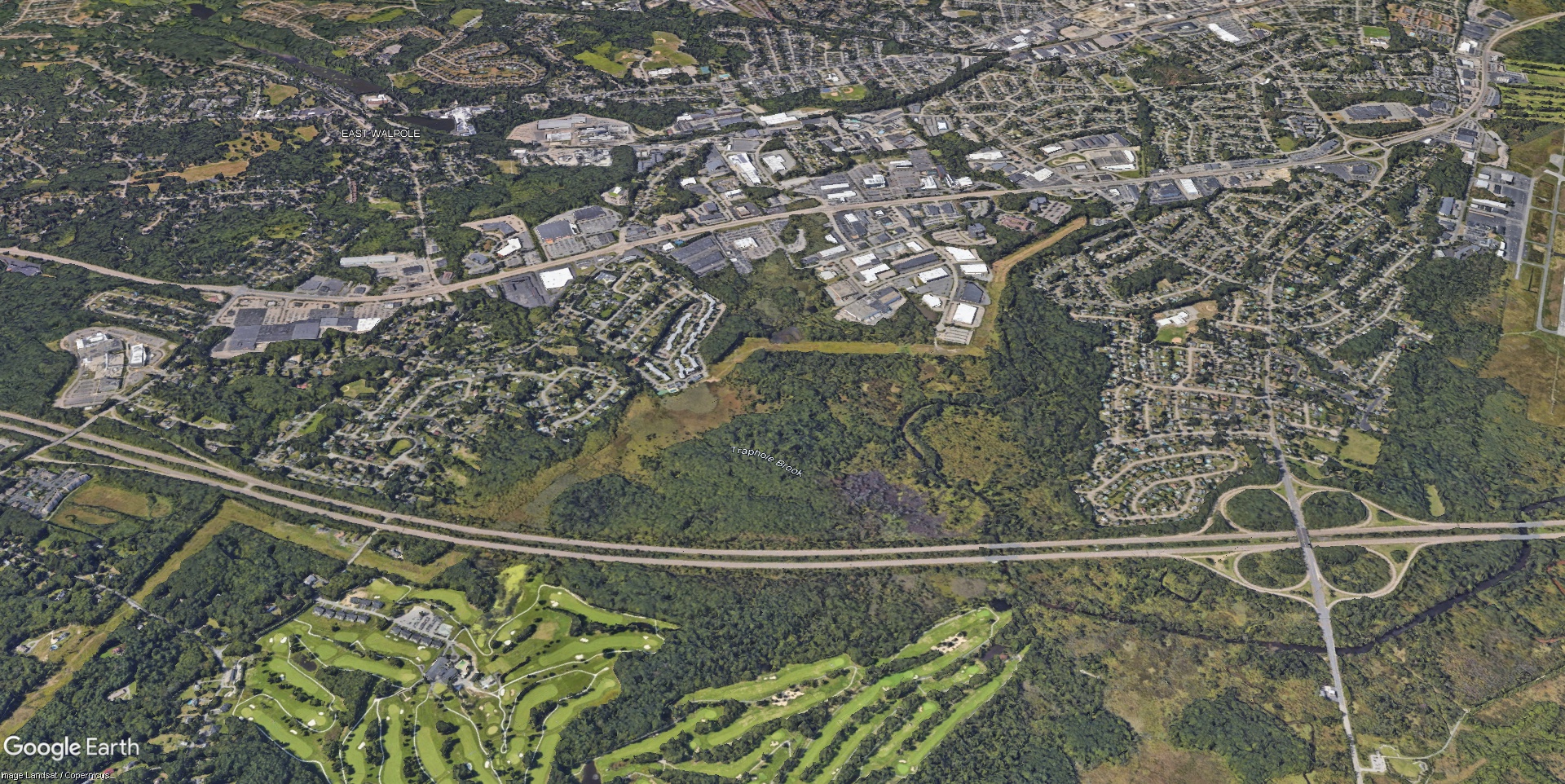
State transportation officials dash hopes for a multi-million dollar I-95 connector road to ease Neponset Street’s daily 24,000-vehicle traffic volume, citing spacing and environmental hurdles.
-
Closed for Years, Repaved Section of Bond Street Set to Reopen-September 21, 1983
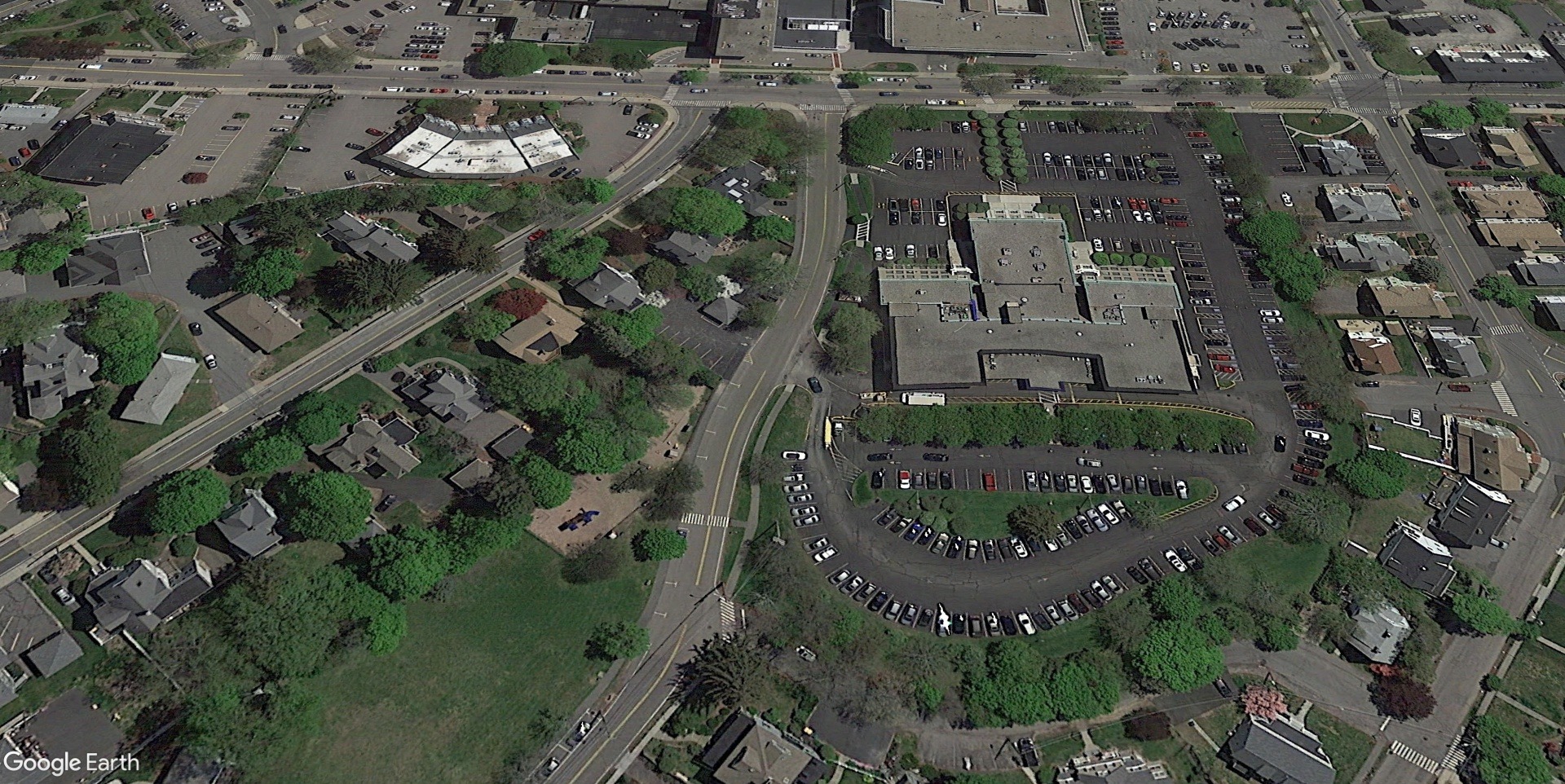
Norwood selectmen order the reopening of a closed, repaved section of Bond Street and review upcoming town meeting warrant proposals for Route 1 reconstruction.
-
Former Selectman William J. Plasko Proposes Raised Municipal Parking Lot Near Town Hall-November 15, 1982

William J. Plasko proposed building a $500,000 raised parking platform near Town Hall to ease downtown congestion, though Selectmen Chairman William F. Butters deferred action
-
High Costs and Traffic Surge Persuade Norwood Selectmen to Abandon Neponset Street Relief Plan-October 22, 1982

Citing a $130,000 price tag and projected traffic surges exceeding 650 percent on Cherrywood Drive, Norwood selectmen abandoned a proposed roadway connection designed to ease neighborhood traffic.
Discover more from Norwood Historical Society
Subscribe to get the latest posts sent to your email.