
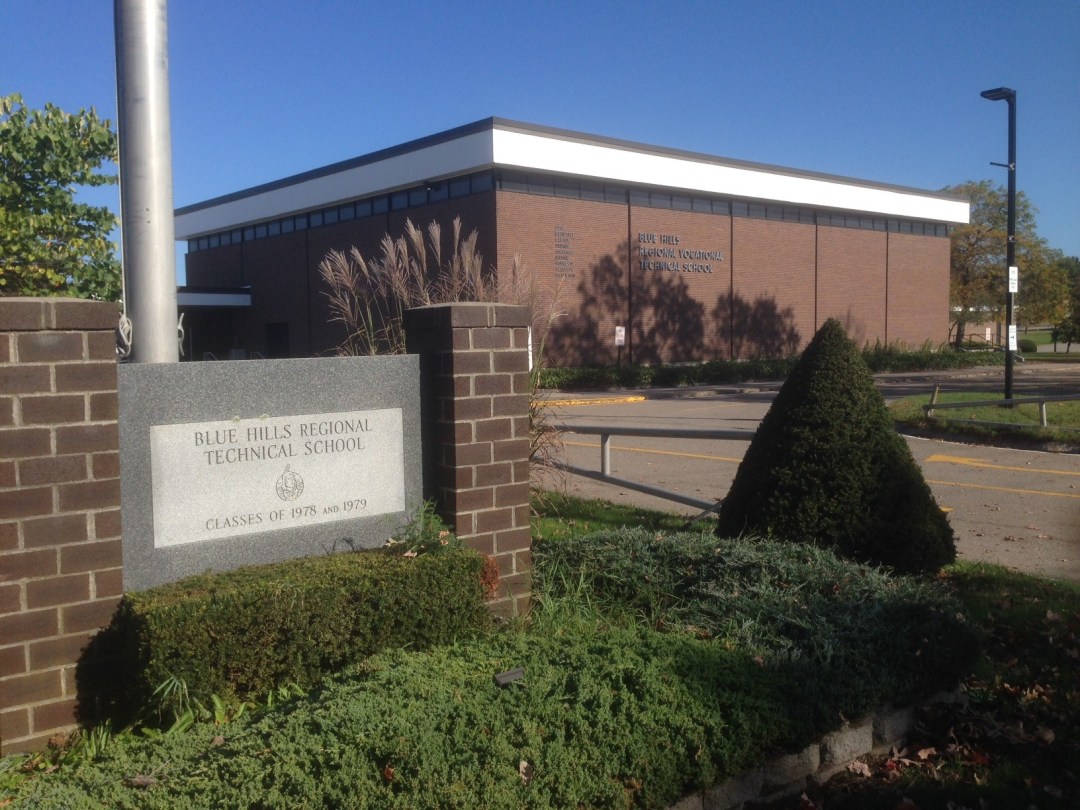
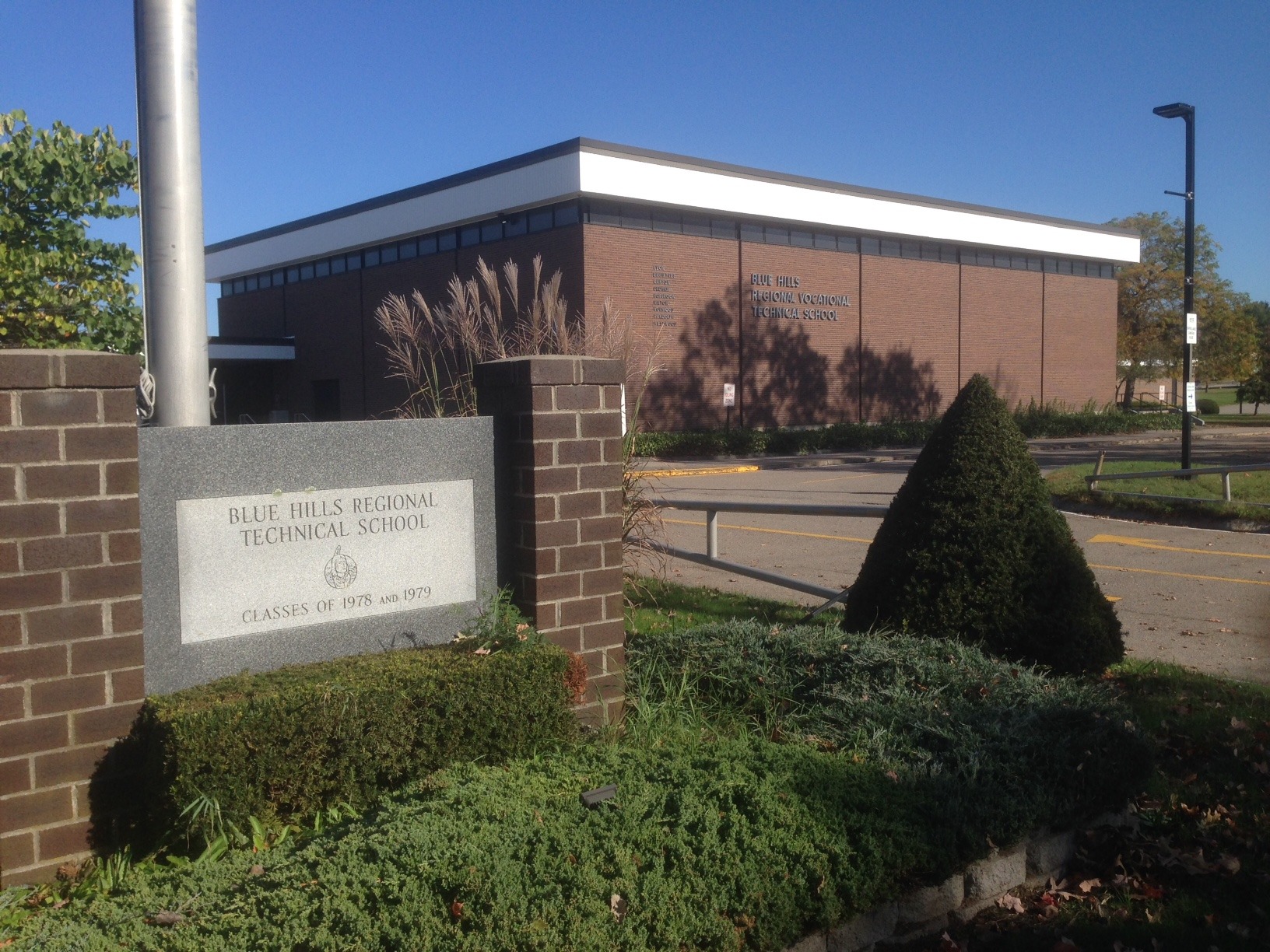
The summer of 1976 was a time of great change and uncertainty for the town of Norwood, Massachusetts. As the nation celebrated its bicentennial, local residents were grappling with issues of education, finance, and community involvement. One such issue that dominated the headlines in July 1976 was the proposed Blue Hills Collaborative, a vocational school program designed to train marginally employable students for jobs in the region.
The Blue Hills Regional Vocational School had been established in 1965 as part of an effort to provide specialized education and training to students in the surrounding towns. However, by the early 1970s, concerns began to arise about the effectiveness and efficiency of the program. In response, a group of educators and administrators proposed the creation of a collaborative program that would bring together local schools and businesses to provide job training and placement services for students with special needs.
The proposal for the Blue Hills Collaborative was met with enthusiasm by some in the community, but it also sparked intense debate and opposition. One of the main objections raised by critics was that the regional school committee had not fully backed the program or funded it. School Superintendent Philip O. Coakley, a vocal critic of the collaborative, argued that the program was essentially a “collaborative within a collaborative,” meaning that it would duplicate existing efforts and create unnecessary bureaucracy.
Coakley’s concerns were echoed by other members of the Norwood school committee, who voted unanimously to reject local participation in the Blue Hills Collaborative. The decision was based on several factors, including the lack of funding from the regional school committee and the perceived duplication of services offered by the program.
However, Coakley’s opposition to the collaborative went beyond mere bureaucratic concerns. He also took issue with the way that the regional school committee had managed its finances, pointing out that a recent state audit had revealed an $820,000 surplus account under the control of the committee. Coakley suggested that this surplus could be used to subsidize programs or provide tax relief to member towns, including Norwood.
Norwood’s contribution to the Blue Hills operating budget was significant, accounting for approximately 27 percent of the total. The audit report, which Coakley cited as evidence of the need for greater transparency and accountability in the regional school committee’s finances, recommended that the committee provide an annual recapitulation of its finances to member towns.
In following Coakley’s recommendation, the Norwood school committee agreed to advise the town’s Finance Commission about the audit report and its recommendations. This decision marked a significant turning point in the debate over the Blue Hills Collaborative, as it highlighted the need for greater transparency and accountability in the management of regional school funds.
Archival Note: This article has been dynamically reconstructed from the original public record print archives of the Patriot Ledger
-
Selectmen Target $82,500 for Gymnasium Repairs While Uncovering Wider $750,000 School Roof Crisis-September 9, 1982
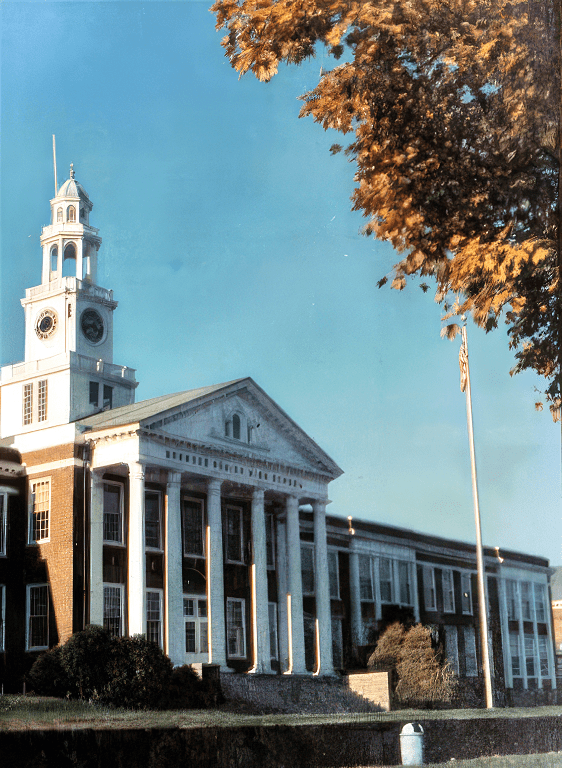
Facing extensive water damage at Norwood High School, selectmen tentatively agreed to recommend an $82,500 appropriation at the September 20 special town meeting—while a broader engineering survey revealed an estimated $750,000 in necessary roof repairs across the school district. Gym Floor Damage and Architectural Estimates An August 9 rainstorm caused severe rainwater leakage from a…
-
John Poce Appointed Acting Principal of Junior High School North-September 9, 1982
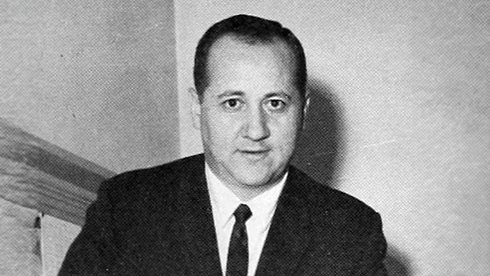
Junior High School North vice-principal John Poce is unanimously appointed acting principal by the school committee following James R. Savage’s promotion to superintendent.
-
Norwood Public School Students Score Strongly on State Basic-Skills Exams-September 2, 1982

Students across Norwood public schools have demonstrated exceptional academic performance, scoring remarkably well on state-mandated basic-skills tests for the second consecutive year. Released recently following examinations administered last spring, the district data reveals that only a very small handful of students across grades three, five, and eight failed to achieve minimum passing standards in reading,…
-
School Long-Range Planning Panel to Deliver Progress Report-August 24, 1982

Facing declining enrollments, Norwood’s school planning panel will deliver a progress report in October and final recommendations on grade configurations and potential school closures in January.
-
Norwood School Committee to Ask Teachers to Renegotiate Contracts-August 20, 1982

Citing finance commission opposition and Proposition 2 1/2 limits, the school committee will ask teachers to renegotiate 8 percent pay raises or face town meeting review on September 20.
-
Norwood School Committee Narrows Superintendent Search to Three Finalists, Including Junior High North Principal James R. Savage-August 11, 1982
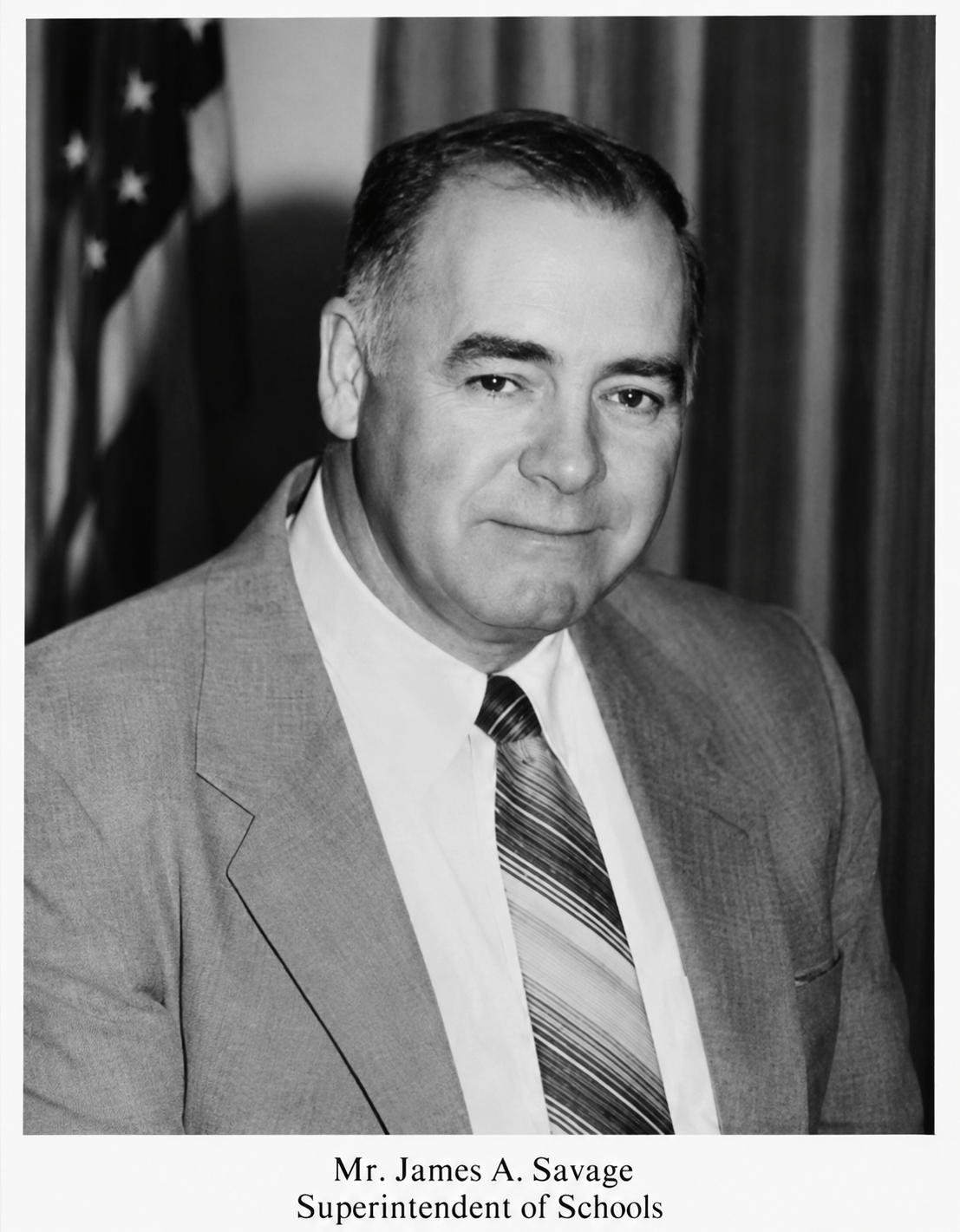
Junior High North Principal James R. Savage was named one of three finalists for Norwood superintendent of schools, alongside Arlington assistant superintendent William J. Birmingham and Rhode Island administrator Nora M. Walker.
-
Peabody School Graduates Told Of Obligation To Support Education-June 25, 1982

School officials emphasize community obligations and moral commitments to public education during exercises at Junior High School South.
-
Junior High South Approves ‘Project Adventure’ Obstacle Course Gym Class-October 15, 1981

Junior High South introduces “Project Adventure,” an outdoor physical education obstacle course designed to build teamwork and move away from competitive sports.
-
Norwood High School Senior Edward J. Skricki Named Merit Scholarship Semi-Finalist; Three Peers Commended-October 13, 1981

Norwood High senior Edward J. Skricki achieves National Merit Scholarship semi-finalist standing, joined by commended classmates Judith Martowska, Susan O’Brien, and Joseph Petrie Jr.
-
Superintendent Taris Seeks to Curb Rising Costs of After-Hours School Building Use-September 4, 1981
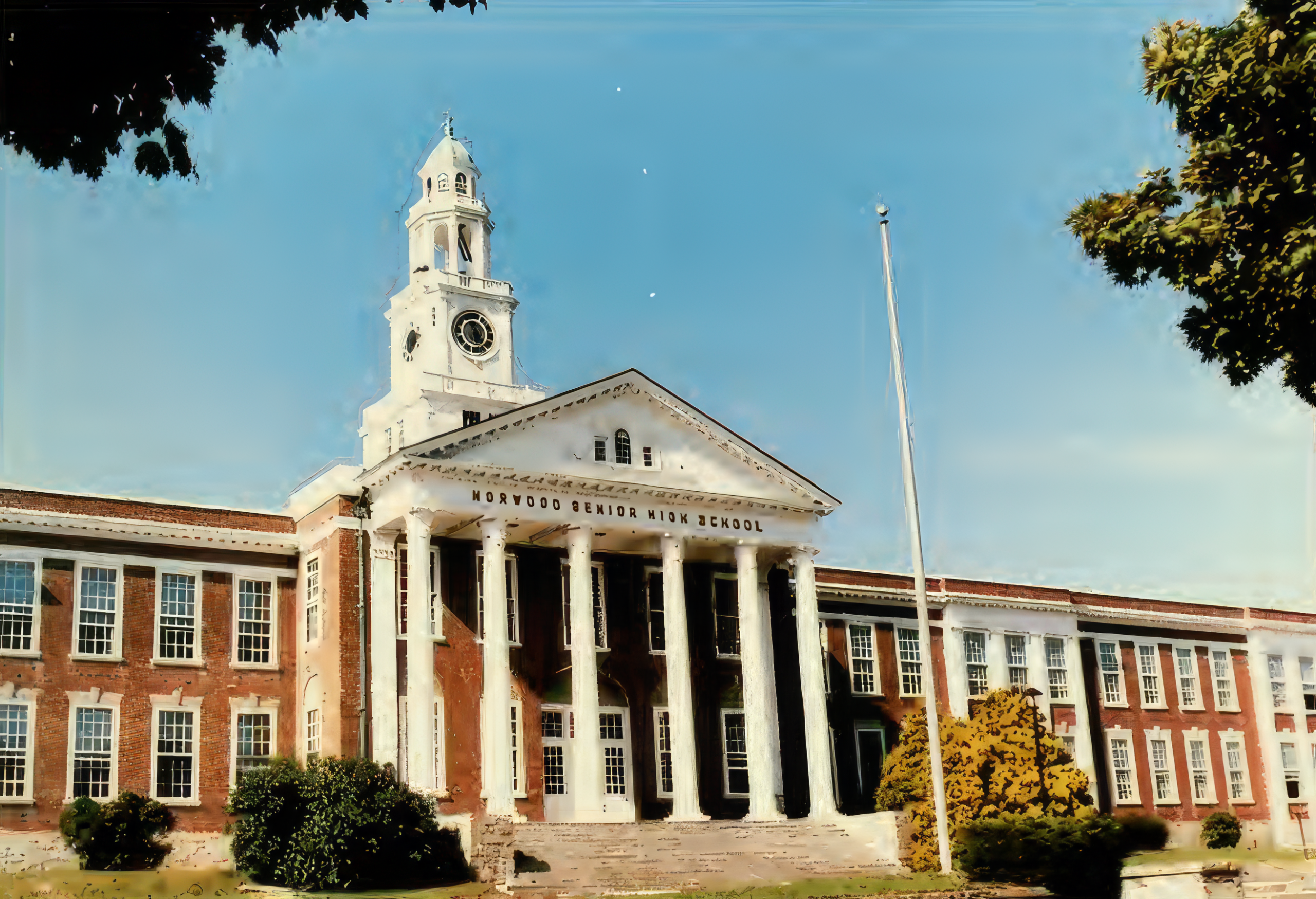
Superintendent of Schools Louis J. Taris is pushing to rein in the surging volume of outside organizations utilizing school facilities during evening and weekend hours, citing mounting financial burdens on the school department. Dr. Taris informed the school committee that dozens of local organizations currently utilize school buildings after hours, frequently without paying any rental…
Discover more from Norwood Historical Society
Subscribe to get the latest posts sent to your email.