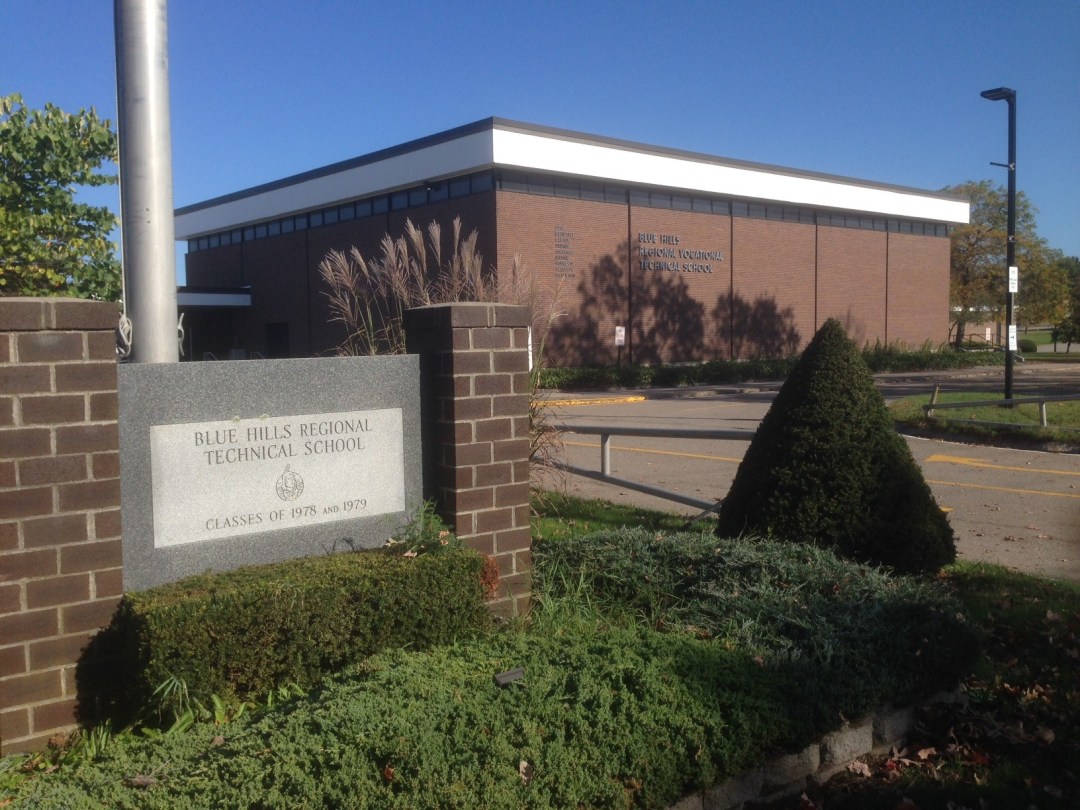
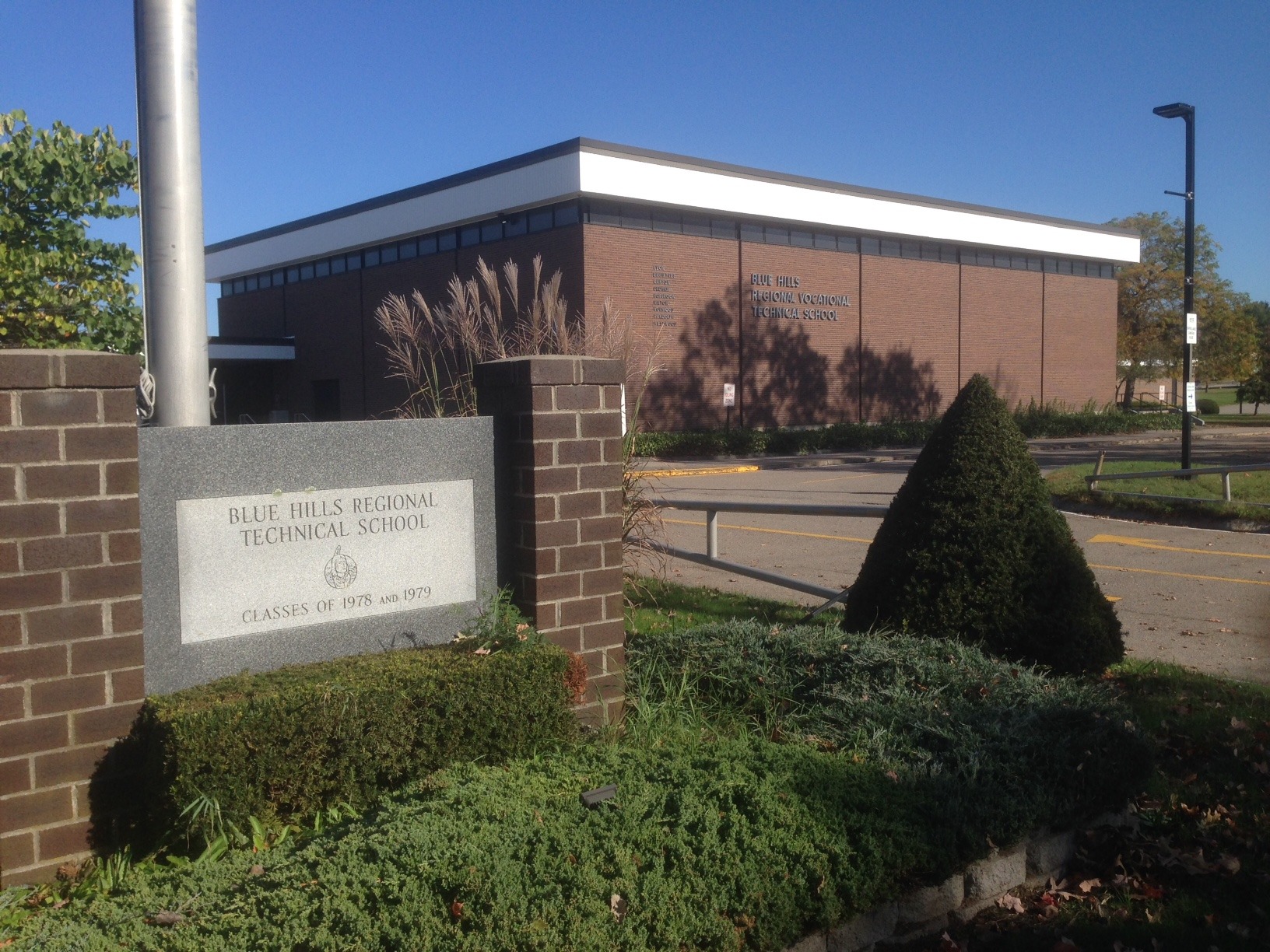
The summer of 1976 was a time of great change and uncertainty for the town of Norwood, Massachusetts. As the nation celebrated its bicentennial, local residents were grappling with issues of education, finance, and community involvement. One such issue that dominated the headlines in July 1976 was the proposed Blue Hills Collaborative, a vocational school program designed to train marginally employable students for jobs in the region.
The Blue Hills Regional Vocational School had been established in 1965 as part of an effort to provide specialized education and training to students in the surrounding towns. However, by the early 1970s, concerns began to arise about the effectiveness and efficiency of the program. In response, a group of educators and administrators proposed the creation of a collaborative program that would bring together local schools and businesses to provide job training and placement services for students with special needs.
The proposal for the Blue Hills Collaborative was met with enthusiasm by some in the community, but it also sparked intense debate and opposition. One of the main objections raised by critics was that the regional school committee had not fully backed the program or funded it. School Superintendent Philip O. Coakley, a vocal critic of the collaborative, argued that the program was essentially a “collaborative within a collaborative,” meaning that it would duplicate existing efforts and create unnecessary bureaucracy.
Coakley’s concerns were echoed by other members of the Norwood school committee, who voted unanimously to reject local participation in the Blue Hills Collaborative. The decision was based on several factors, including the lack of funding from the regional school committee and the perceived duplication of services offered by the program.
However, Coakley’s opposition to the collaborative went beyond mere bureaucratic concerns. He also took issue with the way that the regional school committee had managed its finances, pointing out that a recent state audit had revealed an $820,000 surplus account under the control of the committee. Coakley suggested that this surplus could be used to subsidize programs or provide tax relief to member towns, including Norwood.
Norwood’s contribution to the Blue Hills operating budget was significant, accounting for approximately 27 percent of the total. The audit report, which Coakley cited as evidence of the need for greater transparency and accountability in the regional school committee’s finances, recommended that the committee provide an annual recapitulation of its finances to member towns.
In following Coakley’s recommendation, the Norwood school committee agreed to advise the town’s Finance Commission about the audit report and its recommendations. This decision marked a significant turning point in the debate over the Blue Hills Collaborative, as it highlighted the need for greater transparency and accountability in the management of regional school funds.
Archival Note: This article has been dynamically reconstructed from the original public record print archives of the Patriot Ledger
-
School Opening Delayed for High School Students-August 27, 1985
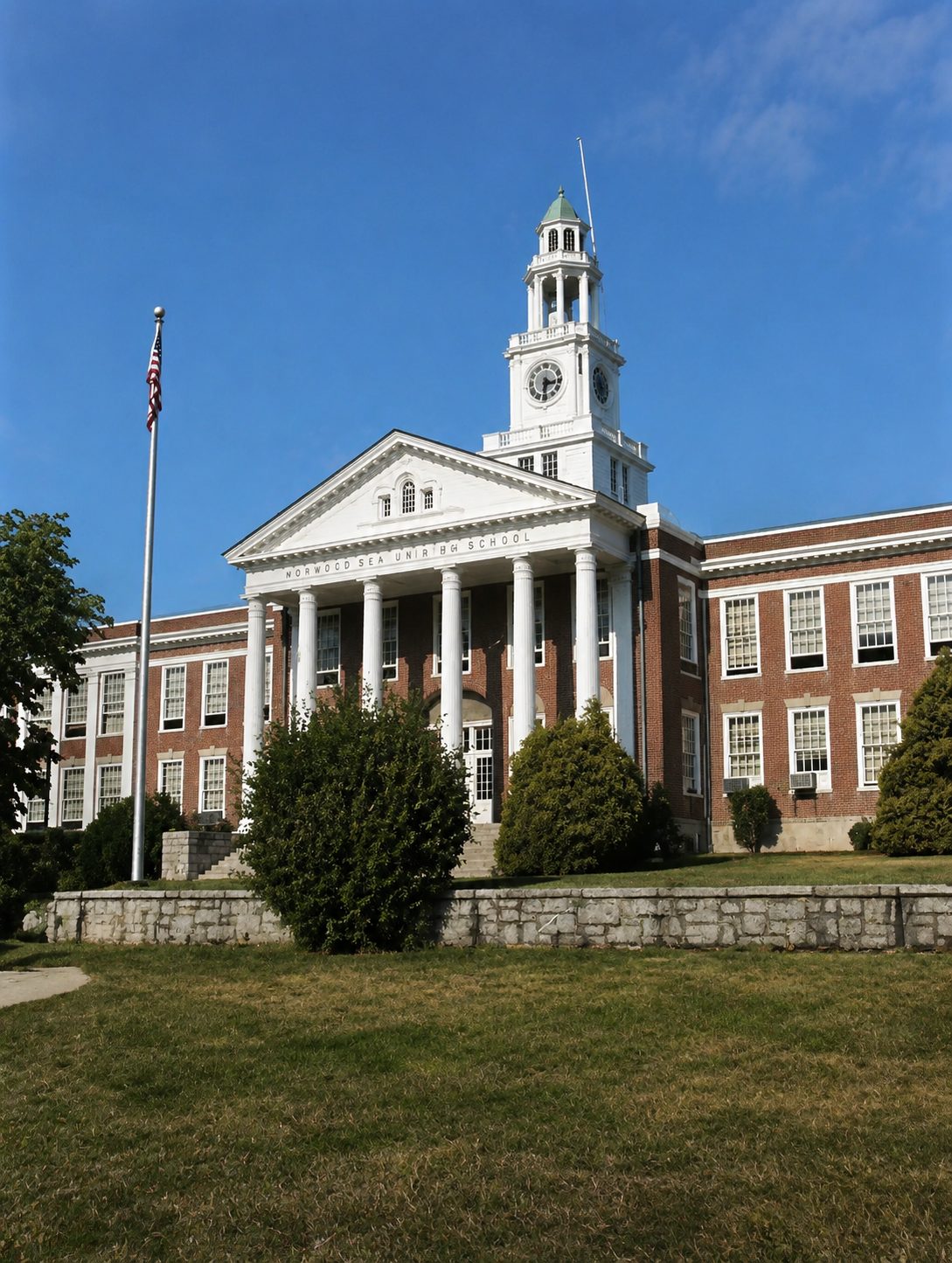
Norwood high school classes are delayed to September 9 as students temporarily relocate to Junior High North during a $5 million renovation project.
-
High School Students to Relocate to Vacant Junior High School North-August 21, 1985
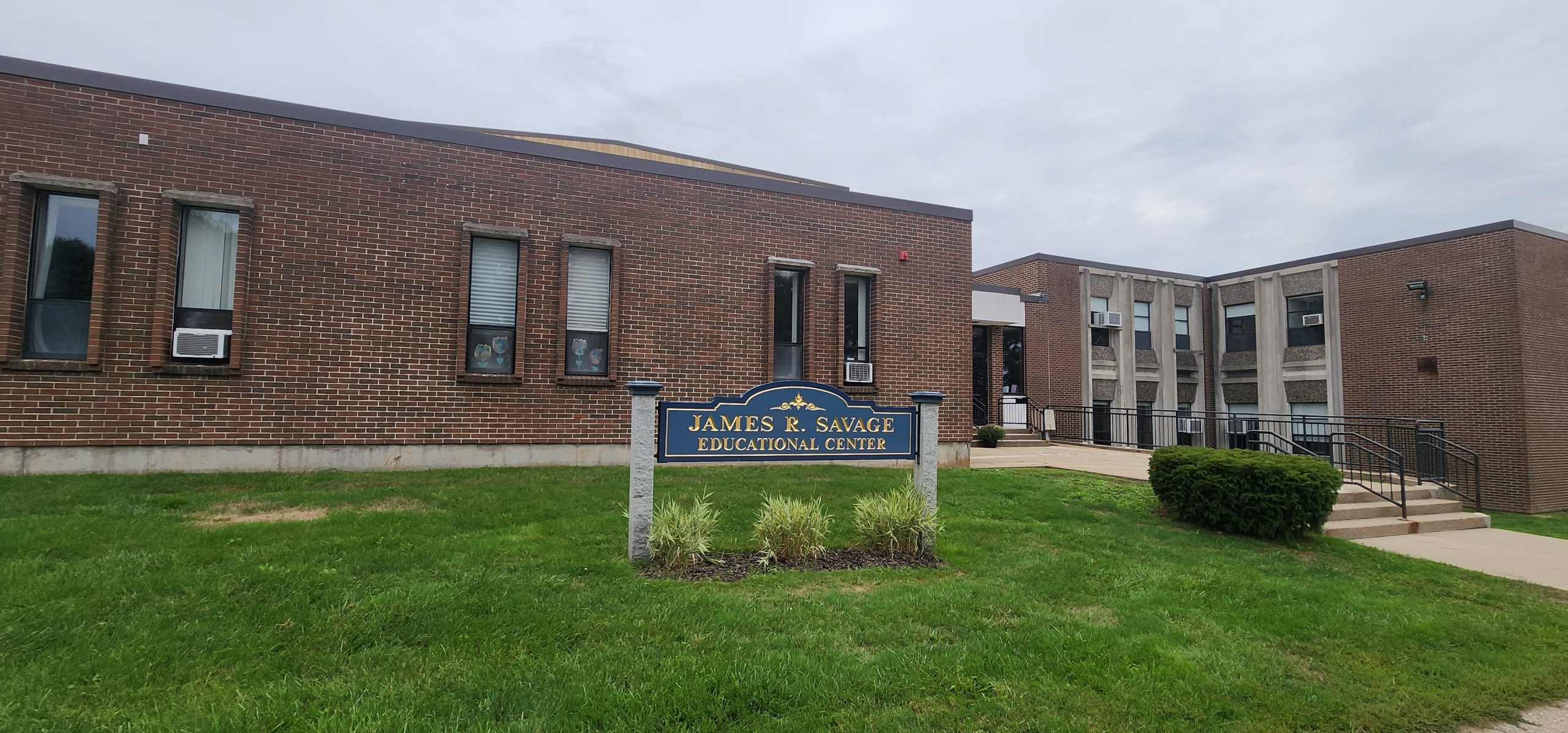
Citing extensive construction delays by Anchor Construction Co., Norwood school officials voted to move nearly 950 high school students to Junior High School North for the start of the school year.
-
Norwood School Officials Weigh Alternatives as Renovation Delays Threaten High School Opening-August 8, 1985
Norwood school officials discussed seven alternatives for opening day if $5 million high school renovations are not finished, while firmly rejecting double sessions.
-
Norwood Rejects Rockland Offer of Part Payment-July 16, 1985
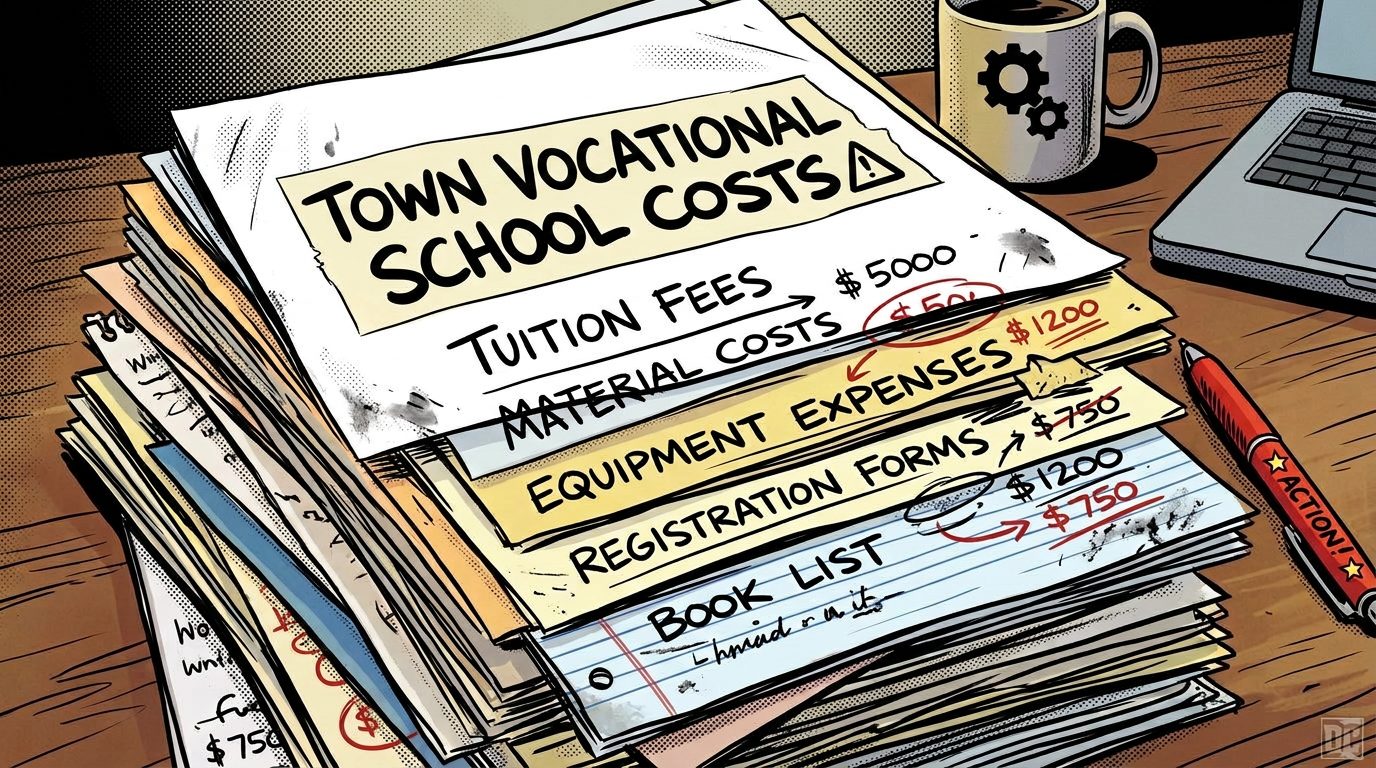
The summer of 1985 was a time of great economic uncertainty in Massachusetts, with the state facing significant budget deficits and high unemployment rates. However, amidst this backdrop of fiscal woes, the town of Norwood found itself embroiled in a dispute with its neighboring municipality, Rockland, over tuition fees for vocational school students. The issue…
-
Norwood High School Implements Total Smoking Ban-July 3, 1985
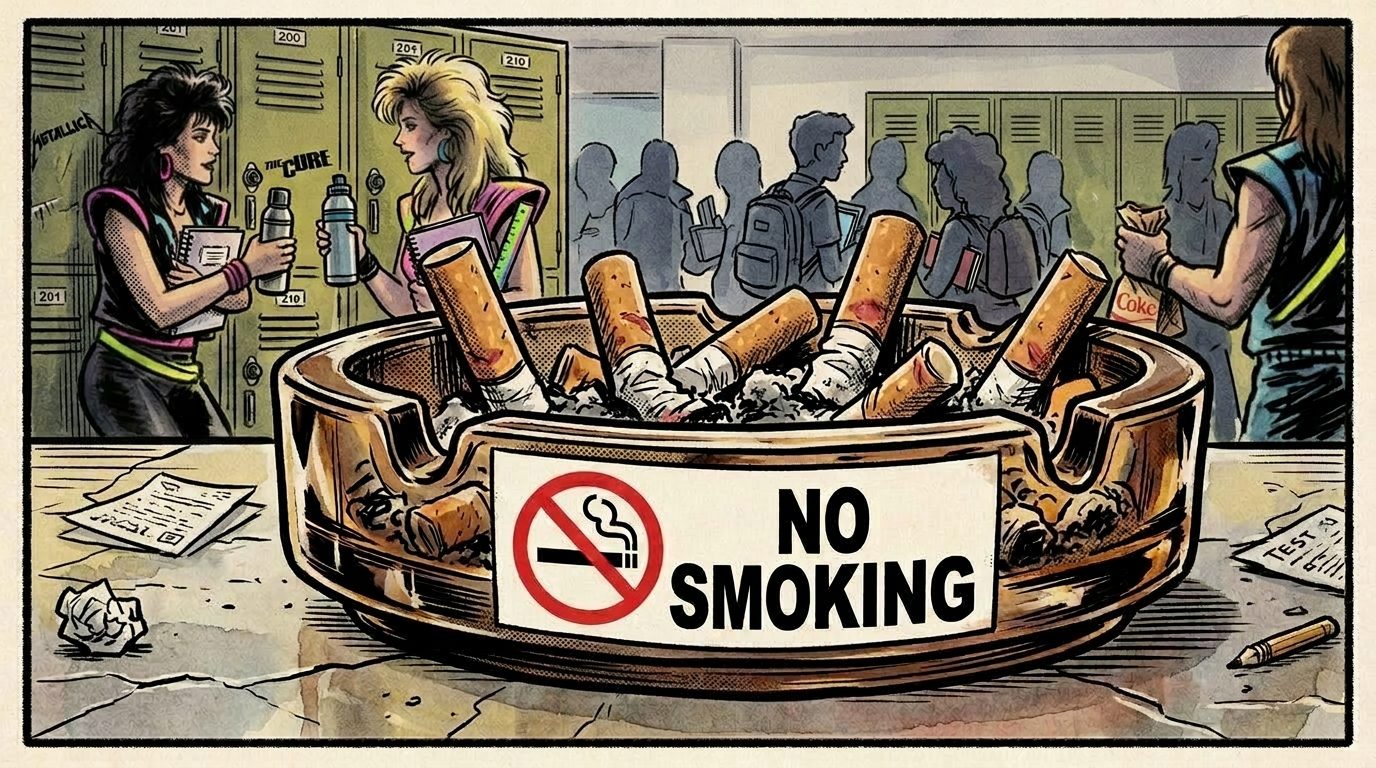
In July 1985, the Norwood School Committee unanimously approved a total smoking ban at Norwood High School to begin in September, prioritizing the health of its students.
-
Recess is a Popular Subject Among Crop of First Graders-September 6, 1984
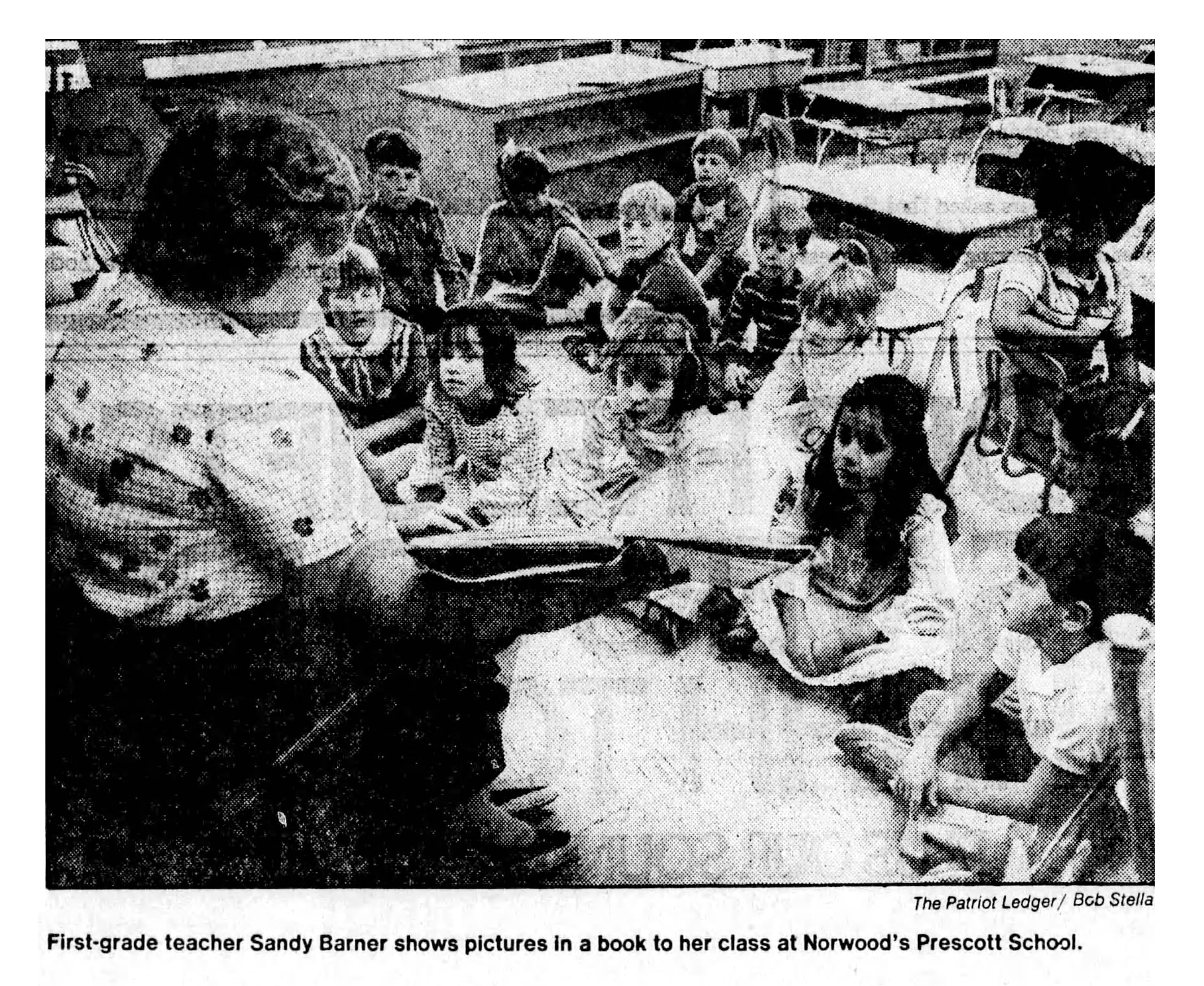
First-grader Amy Frigulietti sat at her desk yesterday, reaching inside to rearrange her freshly sharpened pencils, pens, and a notebook featuring a picture of Michael Jackson on the cover. Like many of her peers across Norwood, 6-year-old Amy was eager for the new term in teacher Sandy Barner‘s class at Prescott Elementary School, though she…
-
Norwood Kindergarten Bus Routes Announced for Fall Term-September 9, 1983

School officials have officially released the comprehensive morning and afternoon bus route schedules for Norwood kindergarten students, with classes set to begin on Monday. Schedule and School-Specific Route Details The morning kindergarten session commences at 8:40 a.m. (with first pickups beginning at 8:20 a.m. and dismissal at 11:15 a.m.), while the afternoon session begins at…
-
Rain-Damaged Cleveland and Prescott Schools Expected to Be Repaired by September-August 17, 1983
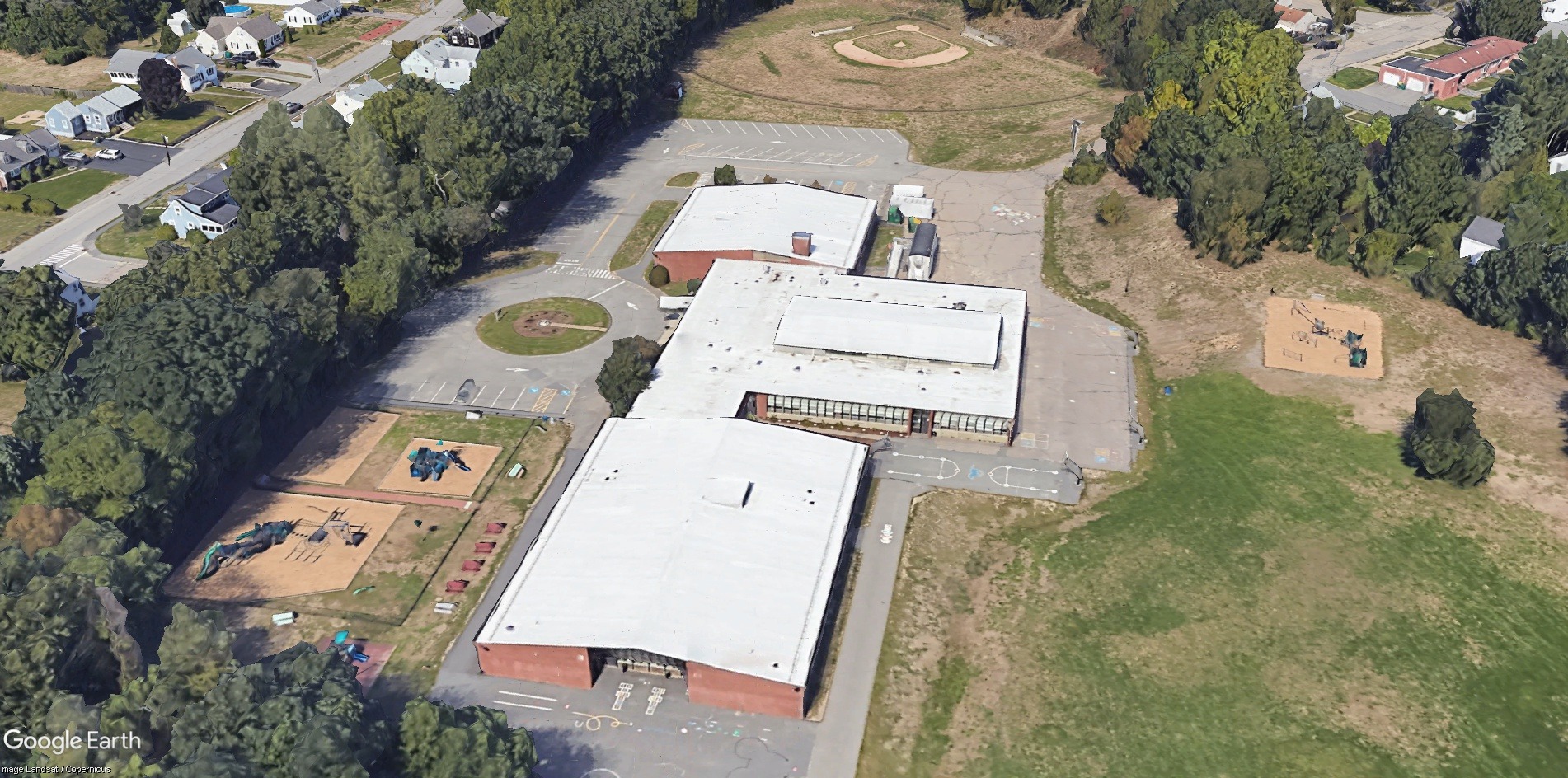
Unexpected rainstorms caused roof leaks at the Cleveland and Prescott schools during active construction, though officials expect full contractor-funded repairs before the September opening.
-
School Committee Warns of Political Firestorms Over Forthcoming School Closing Study-October 21, 1981

Praising the progress of a long-range school planning study, Norwood School Committee members warned that recommendations regarding school closures could spark emotional political debates in January.
-
School Officials Seek $62,700 from Town Meeting to Fund Classroom Computers-September 10, 1982
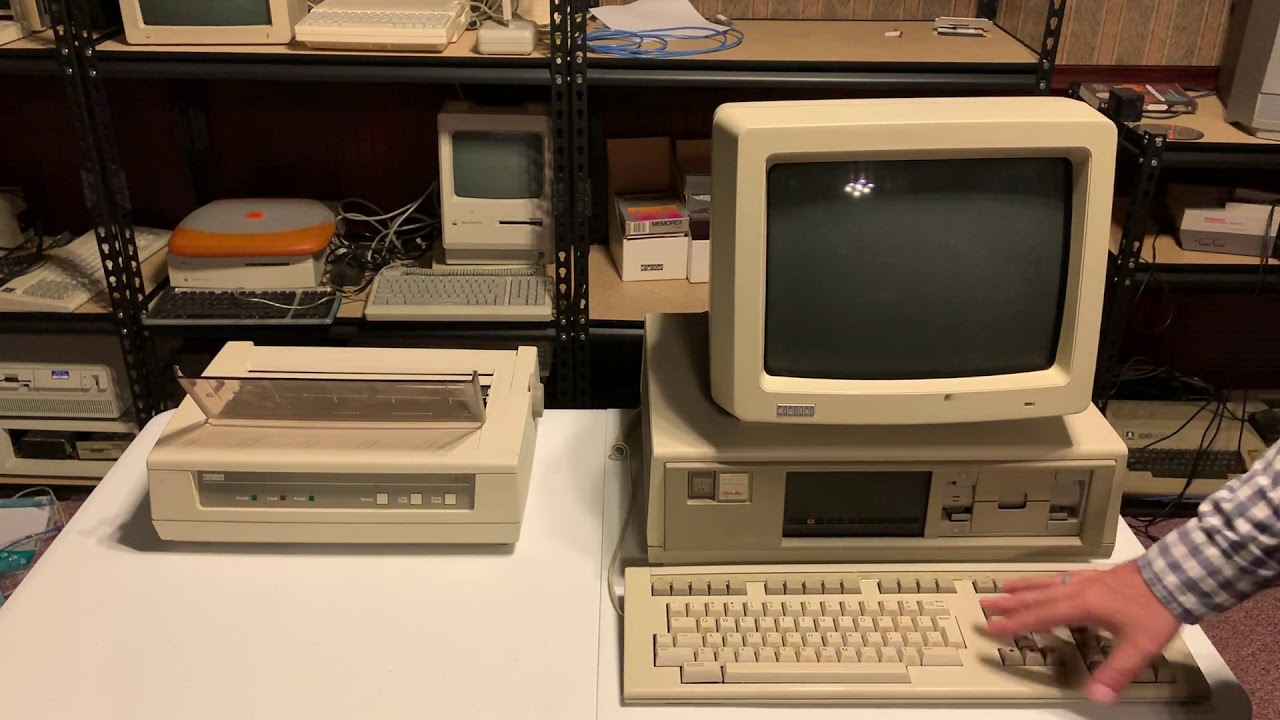
School officials plan to ask town meeting for $62,700 to purchase 16 computers for elementary, junior high, and high schools to introduce students to computer technology.
Discover more from Norwood Historical Society
Subscribe to get the latest posts sent to your email.