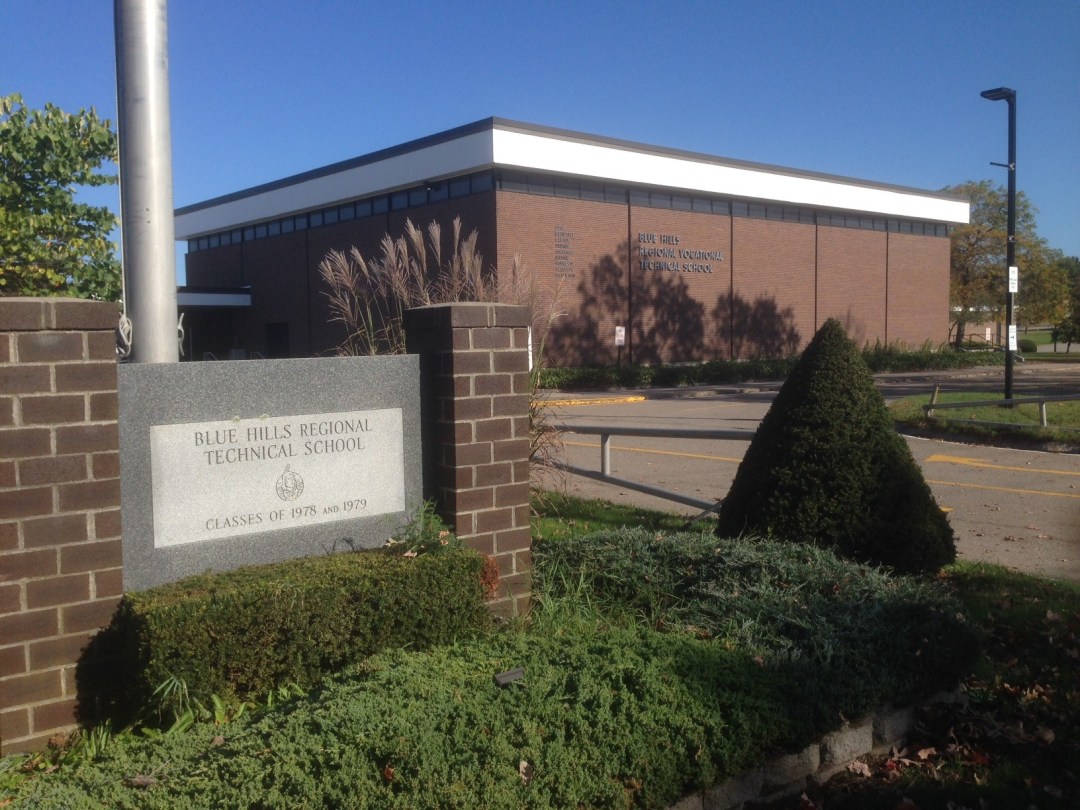
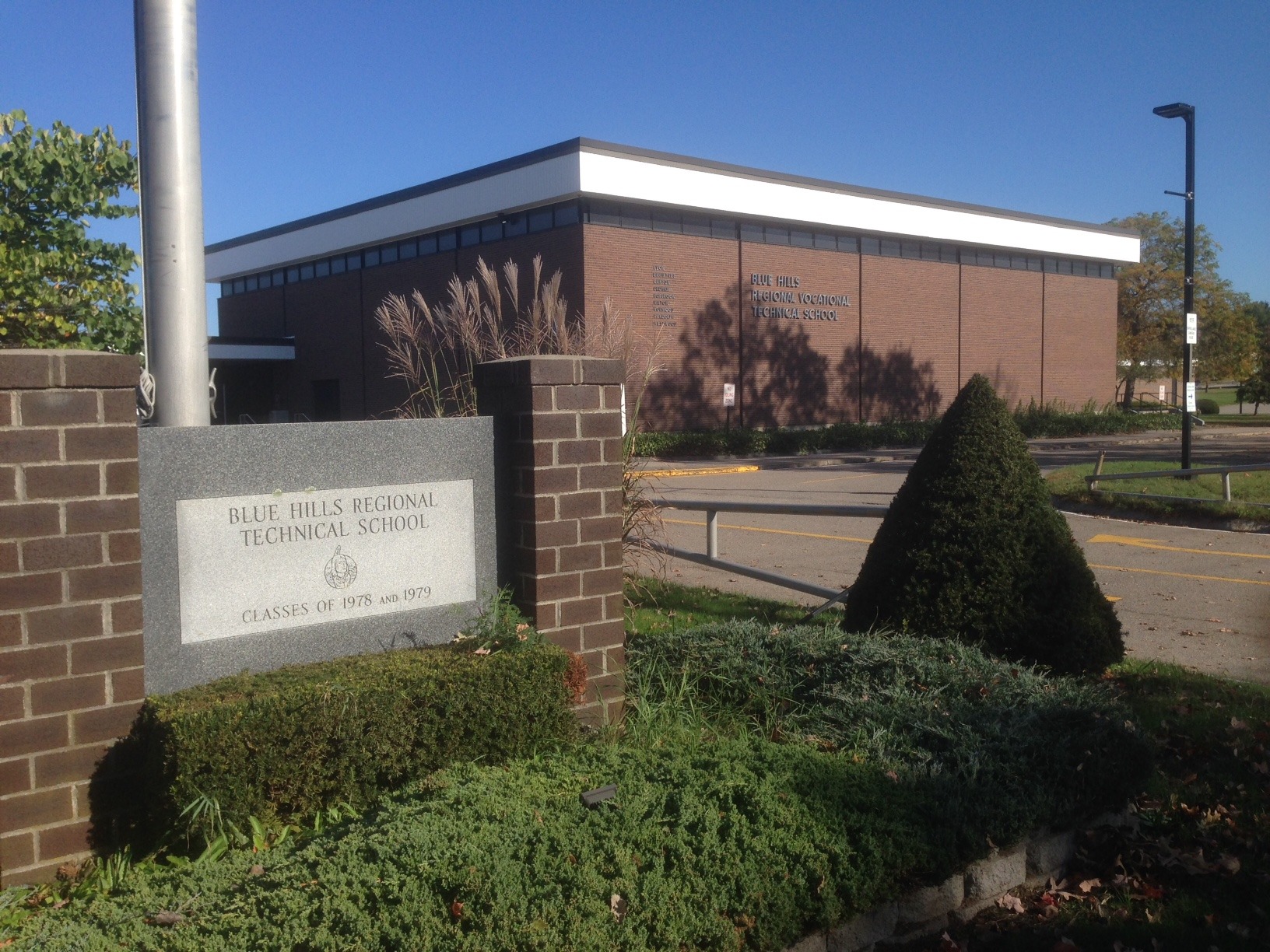
The summer of 1976 was a time of great change and uncertainty for the town of Norwood, Massachusetts. As the nation celebrated its bicentennial, local residents were grappling with issues of education, finance, and community involvement. One such issue that dominated the headlines in July 1976 was the proposed Blue Hills Collaborative, a vocational school program designed to train marginally employable students for jobs in the region.
The Blue Hills Regional Vocational School had been established in 1965 as part of an effort to provide specialized education and training to students in the surrounding towns. However, by the early 1970s, concerns began to arise about the effectiveness and efficiency of the program. In response, a group of educators and administrators proposed the creation of a collaborative program that would bring together local schools and businesses to provide job training and placement services for students with special needs.
The proposal for the Blue Hills Collaborative was met with enthusiasm by some in the community, but it also sparked intense debate and opposition. One of the main objections raised by critics was that the regional school committee had not fully backed the program or funded it. School Superintendent Philip O. Coakley, a vocal critic of the collaborative, argued that the program was essentially a “collaborative within a collaborative,” meaning that it would duplicate existing efforts and create unnecessary bureaucracy.
Coakley’s concerns were echoed by other members of the Norwood school committee, who voted unanimously to reject local participation in the Blue Hills Collaborative. The decision was based on several factors, including the lack of funding from the regional school committee and the perceived duplication of services offered by the program.
However, Coakley’s opposition to the collaborative went beyond mere bureaucratic concerns. He also took issue with the way that the regional school committee had managed its finances, pointing out that a recent state audit had revealed an $820,000 surplus account under the control of the committee. Coakley suggested that this surplus could be used to subsidize programs or provide tax relief to member towns, including Norwood.
Norwood’s contribution to the Blue Hills operating budget was significant, accounting for approximately 27 percent of the total. The audit report, which Coakley cited as evidence of the need for greater transparency and accountability in the regional school committee’s finances, recommended that the committee provide an annual recapitulation of its finances to member towns.
In following Coakley’s recommendation, the Norwood school committee agreed to advise the town’s Finance Commission about the audit report and its recommendations. This decision marked a significant turning point in the debate over the Blue Hills Collaborative, as it highlighted the need for greater transparency and accountability in the management of regional school funds.
Archival Note: This article has been dynamically reconstructed from the original public record print archives of the Patriot Ledger
-
Joseph Katchpole Succeeds George Usevich as Vice Principal of Norwood High School-August 23, 1990

Health and physical education department head Joseph Katchpole has been named acting vice principal of Norwood High School, succeeding George Usevich in the school administration.
-
Norwood to Sue Blue Hills School to Block Budget-July 19, 1990
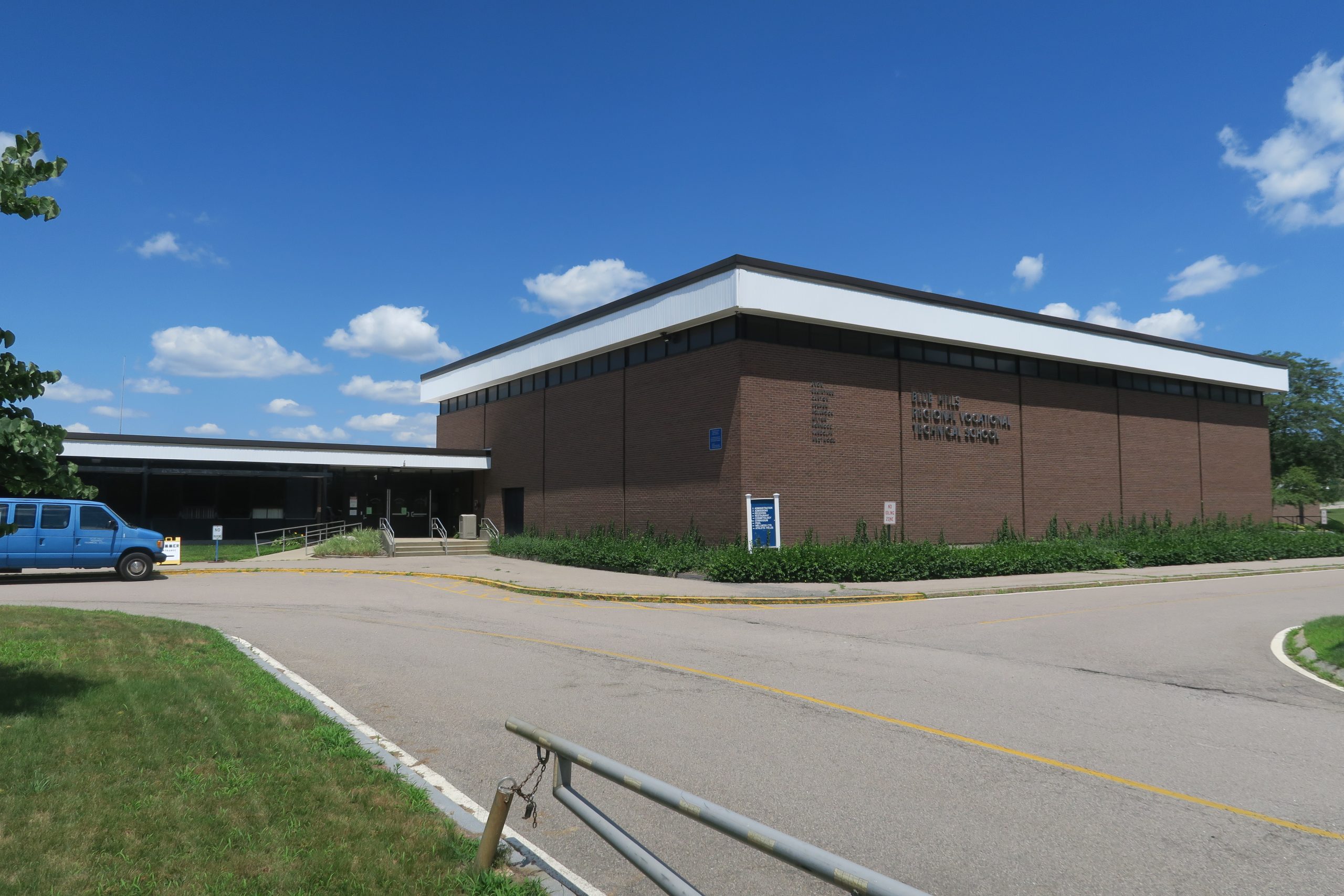
The town of Norwood was on a collision course with the Blue Hills Regional Technical School in July 1990, as officials prepared to file a lawsuit to block the school’s revised budget for the upcoming academic year. The dispute had been brewing for several weeks, ever since the four district towns – Norwood, Holbrook, Dedham,…
-
Oldham School Portable Classroom Nears Completion-October 12, 1989
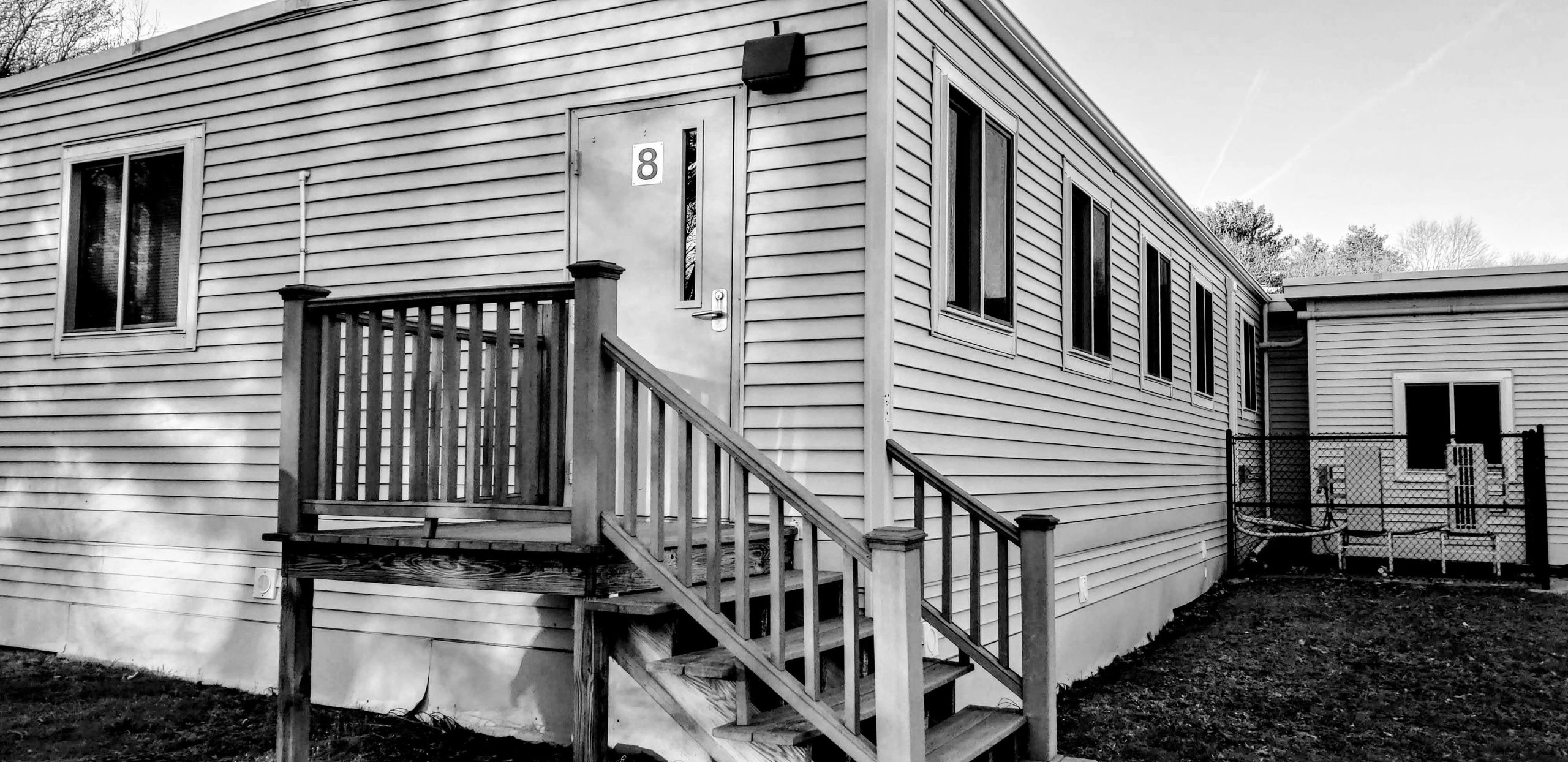
Norwood’s Oldham School prepares to open a long-awaited portable classroom by month’s end, and veteran teacher Thomas MacDonough recounts his educational fellowship in West Germany.
-
Newcomers Learn to Take Middle School in Their Stride-September 7, 1989
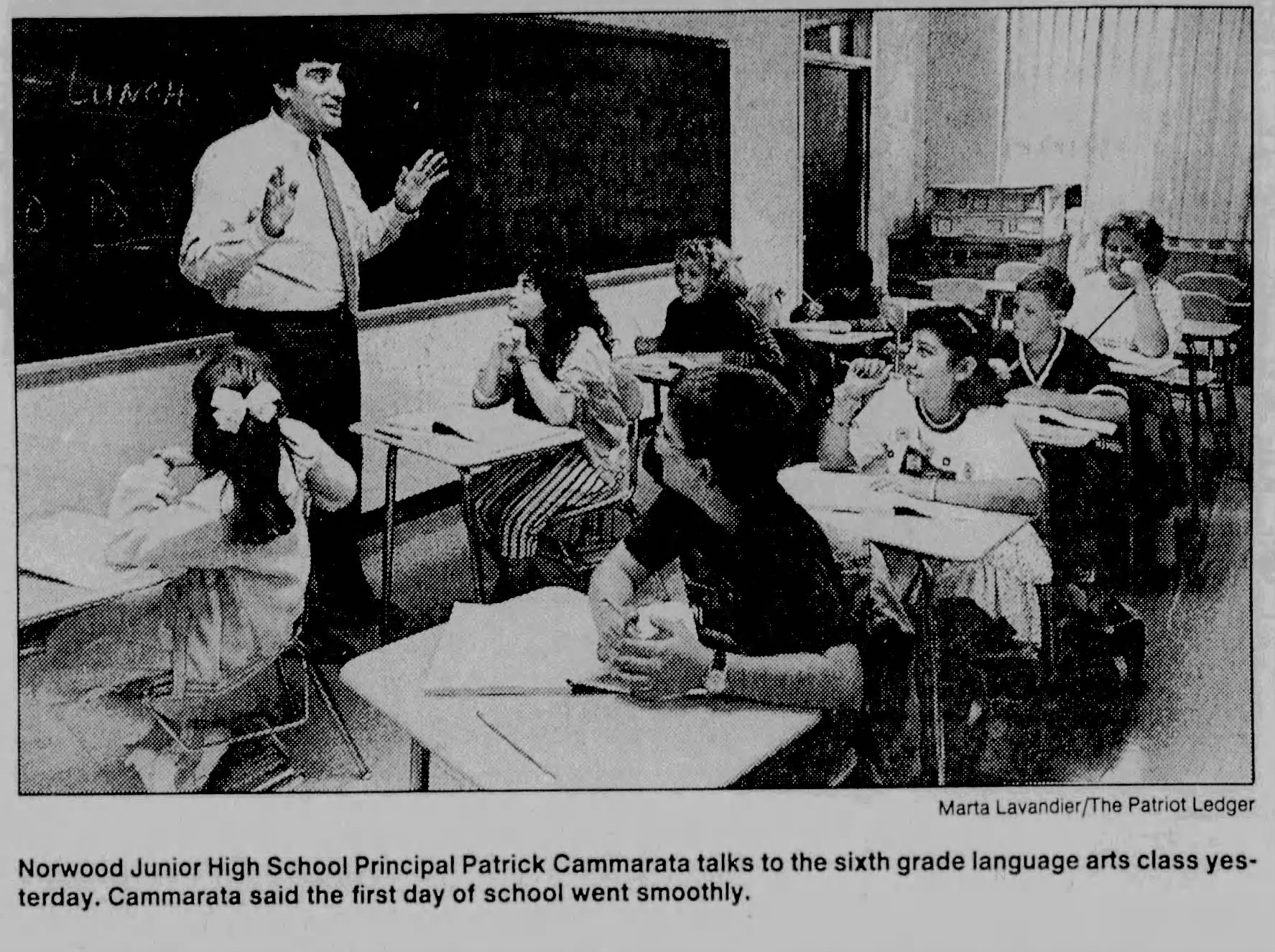
Transitioning from elementary school to middle school can be an intimidating milestone for any young student, but as classes officially got underway this week, Norwood’s newest middle schoolers quickly learned to take the change in stride. Navigating larger hallways, adjusting to rotating class schedules, and meeting new teachers mark a major rite of passage for…
-
First Day of School Brings Excitement and New Beginnings for Norwood’s Class of 1999-September 10, 1987
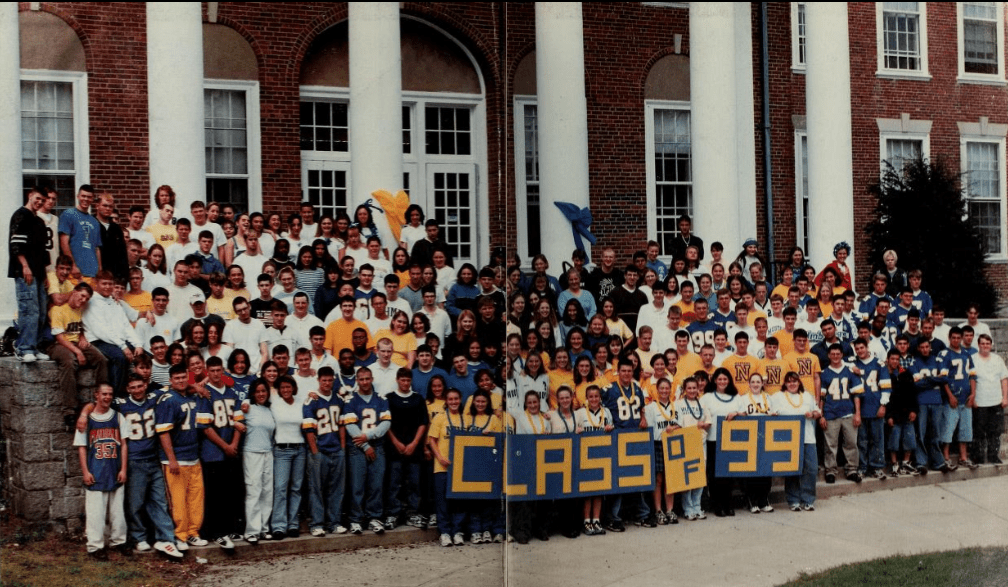
Norwood students return to class for the 1987-88 school year, marking the first day of school for the Balch Elementary first-graders who make up the graduating class of 1999.
-
Balch and Norwood High Welcome Students on the First Day of School for the Class of 1999-September 10, 1987
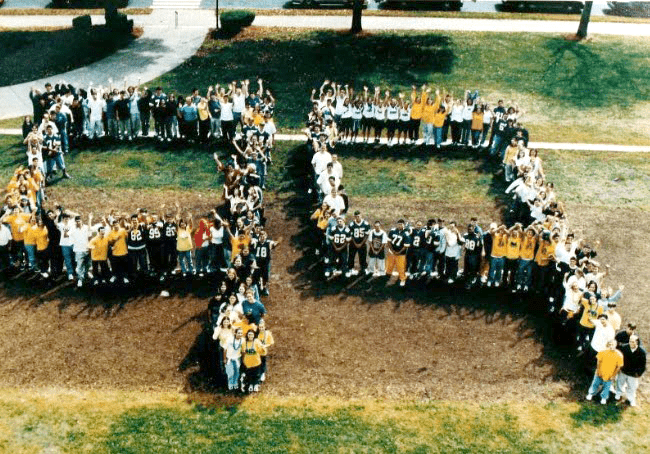
Balch Elementary and Norwood High welcome students back for the 1987-88 academic year, marking the first day of school for the graduating Class of 1999.
-
Norwood High Teachers to Implement Uniform Curriculum Guides Starting Next Week-September 3, 1987

When classes resume next week, high school teachers across Norwood will officially be “going by the book.” Superintendent of Schools James Savage informed the school committee that faculty members teaching every course—from woodshop to algebra—will be required to follow newly established, standardized curriculum guides authored by Norwood educators. Closing the Gap in District Education The…
-
$16,600 Grant Equips New Norwood High School Cable Television Studio-August 18, 1987
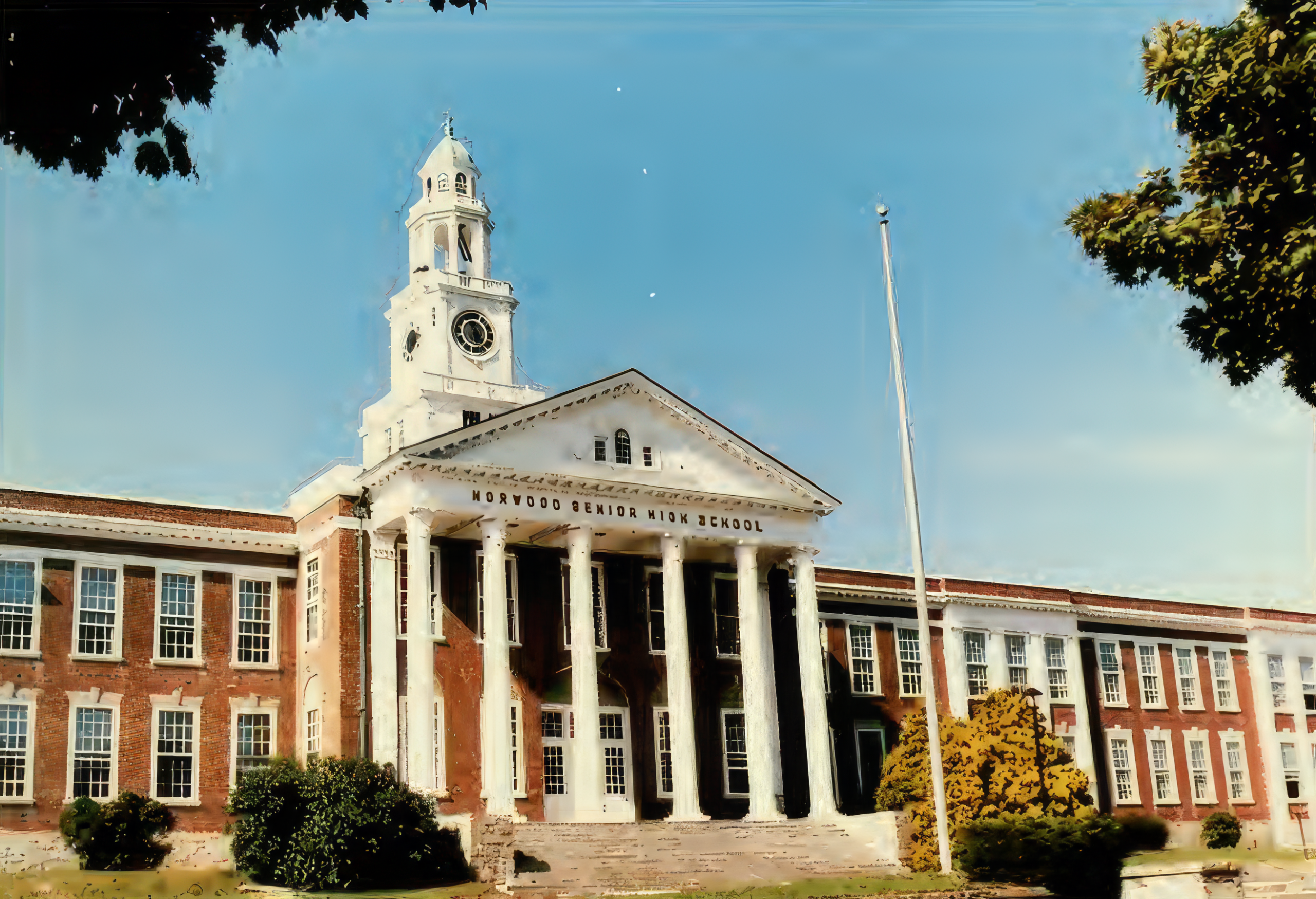
Norwood Community Television awarded a $16,600 grant to equip a new student-run television studio at Norwood High School, expanding local cable programming and production training.
-
Norwood High School Releases Fourth-Quarter Honor Roll-August 14, 1986

Norwood High School announced its student honor roll for the fourth quarter of the 1985-1986 academic year, recognizing academic achievement across senior, junior, and sophomore classes.
-
Extra $10,000 Approved for High School Renovation-August 7, 1986
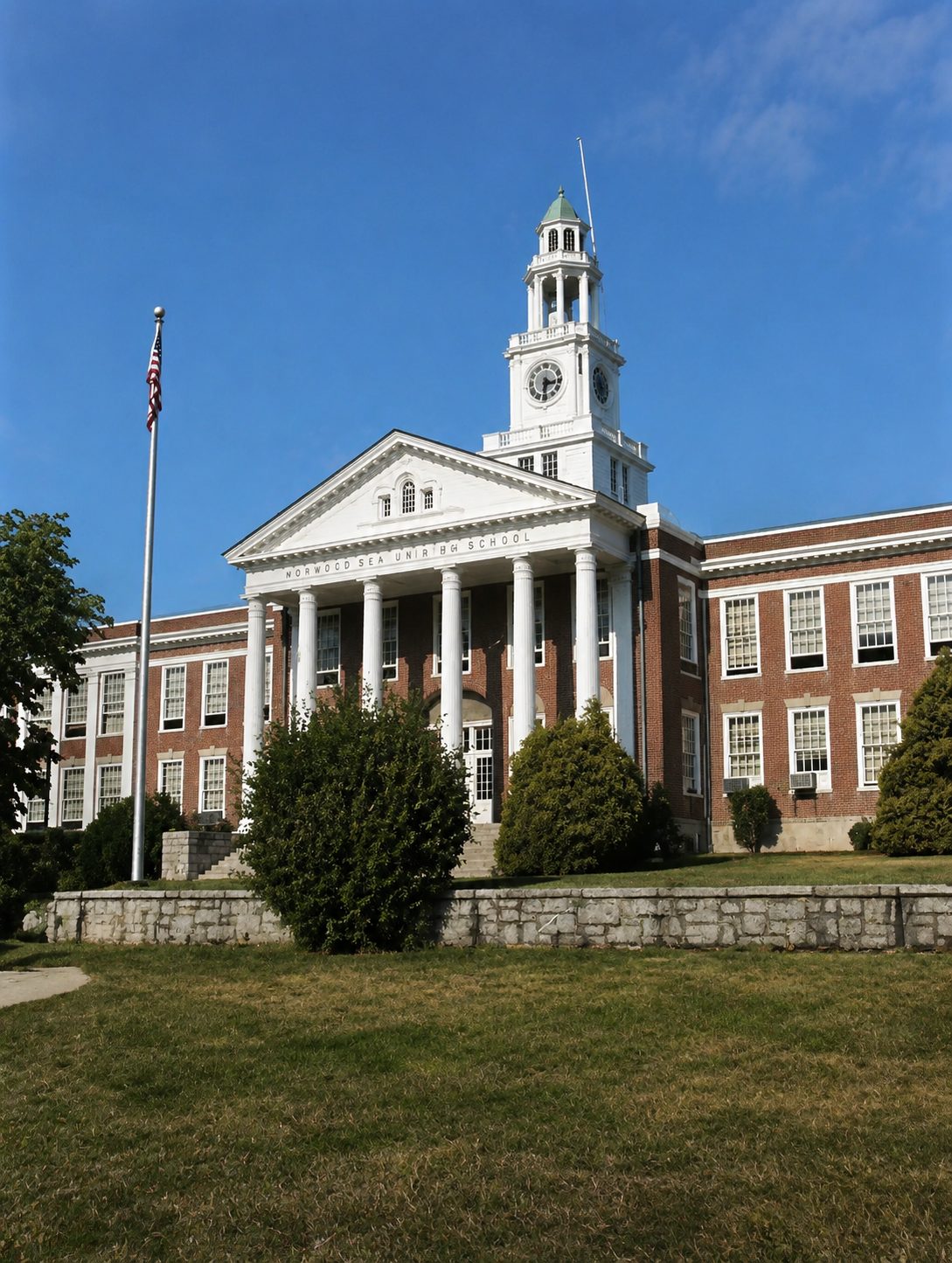
Amid project delays tied to Anchor Construction Corp., the Norwood Finance Commission voted 3-1 to approve an extra $10,000 for KL&Q Architects to oversee the completion of the $5 million high school renovation.
Discover more from Norwood Historical Society
Subscribe to get the latest posts sent to your email.