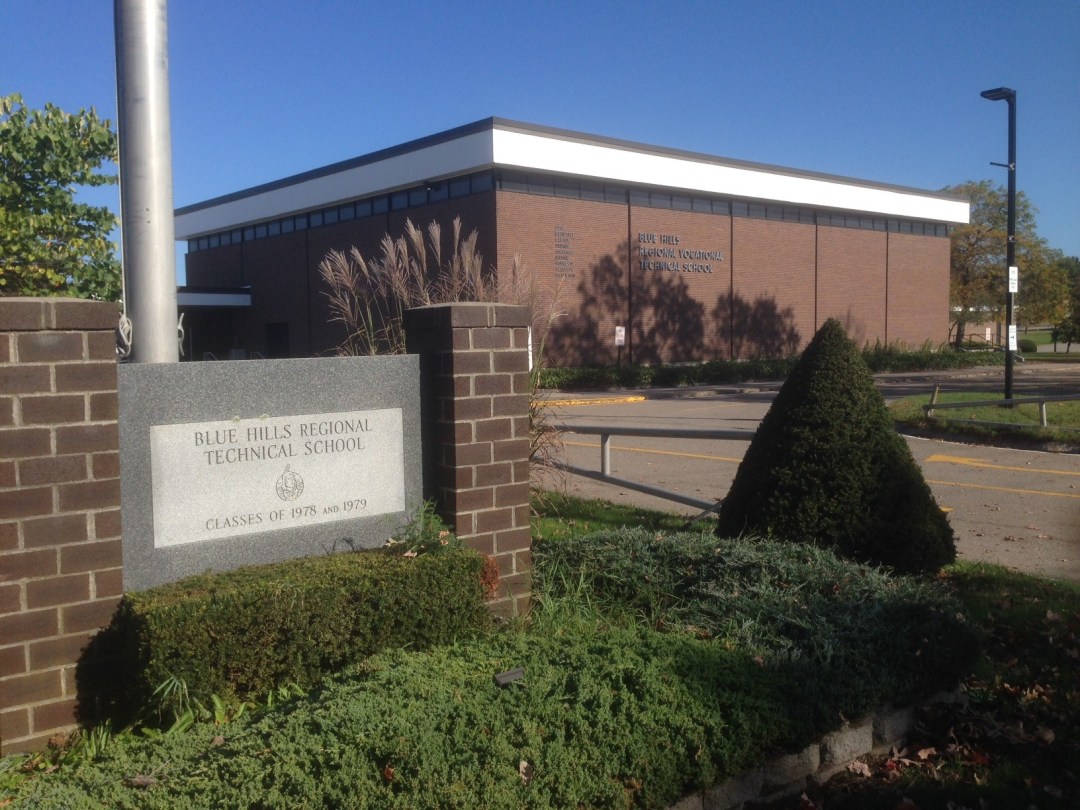
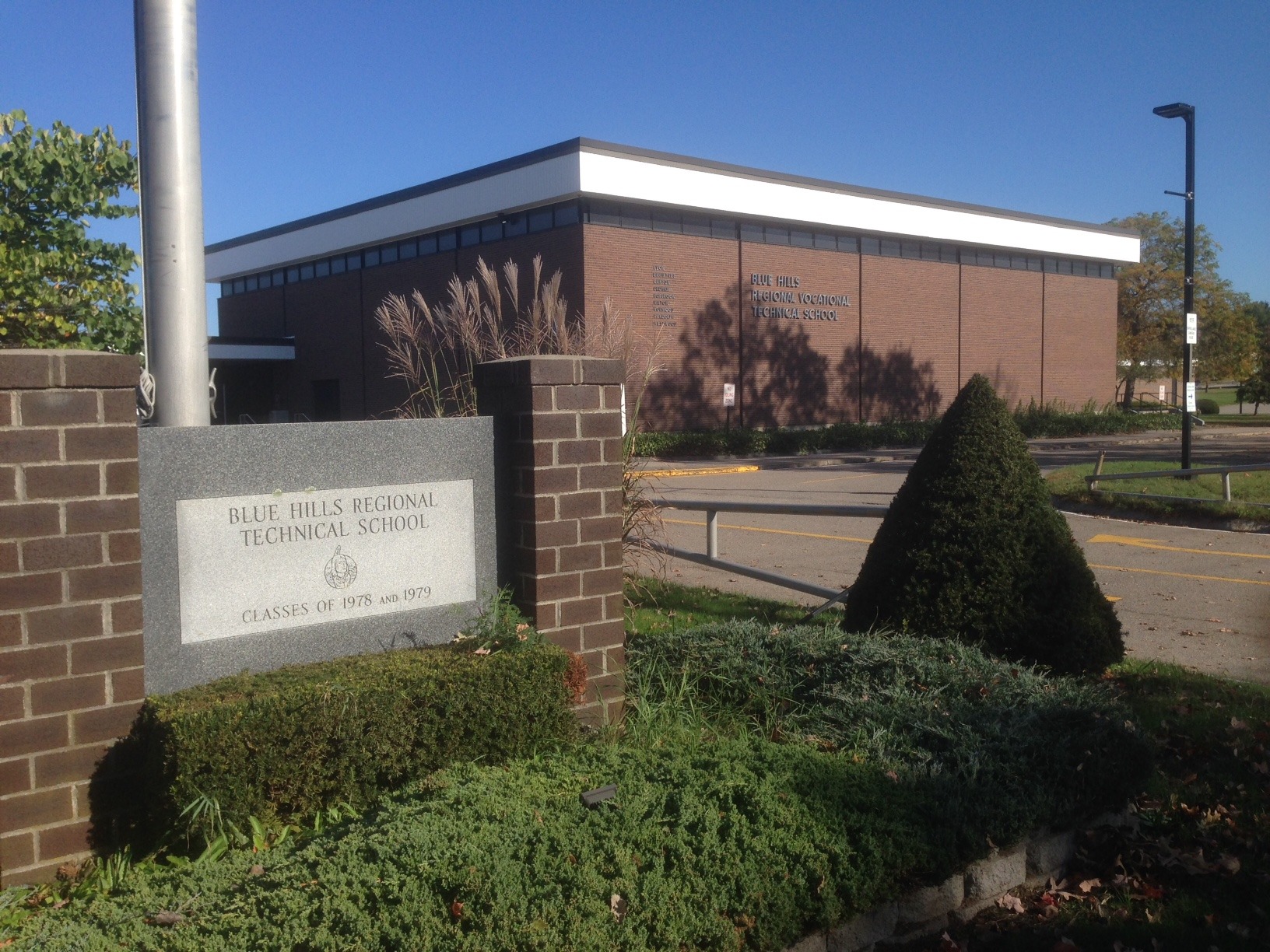
The summer of 1976 was a time of great change and uncertainty for the town of Norwood, Massachusetts. As the nation celebrated its bicentennial, local residents were grappling with issues of education, finance, and community involvement. One such issue that dominated the headlines in July 1976 was the proposed Blue Hills Collaborative, a vocational school program designed to train marginally employable students for jobs in the region.
The Blue Hills Regional Vocational School had been established in 1965 as part of an effort to provide specialized education and training to students in the surrounding towns. However, by the early 1970s, concerns began to arise about the effectiveness and efficiency of the program. In response, a group of educators and administrators proposed the creation of a collaborative program that would bring together local schools and businesses to provide job training and placement services for students with special needs.
The proposal for the Blue Hills Collaborative was met with enthusiasm by some in the community, but it also sparked intense debate and opposition. One of the main objections raised by critics was that the regional school committee had not fully backed the program or funded it. School Superintendent Philip O. Coakley, a vocal critic of the collaborative, argued that the program was essentially a “collaborative within a collaborative,” meaning that it would duplicate existing efforts and create unnecessary bureaucracy.
Coakley’s concerns were echoed by other members of the Norwood school committee, who voted unanimously to reject local participation in the Blue Hills Collaborative. The decision was based on several factors, including the lack of funding from the regional school committee and the perceived duplication of services offered by the program.
However, Coakley’s opposition to the collaborative went beyond mere bureaucratic concerns. He also took issue with the way that the regional school committee had managed its finances, pointing out that a recent state audit had revealed an $820,000 surplus account under the control of the committee. Coakley suggested that this surplus could be used to subsidize programs or provide tax relief to member towns, including Norwood.
Norwood’s contribution to the Blue Hills operating budget was significant, accounting for approximately 27 percent of the total. The audit report, which Coakley cited as evidence of the need for greater transparency and accountability in the regional school committee’s finances, recommended that the committee provide an annual recapitulation of its finances to member towns.
In following Coakley’s recommendation, the Norwood school committee agreed to advise the town’s Finance Commission about the audit report and its recommendations. This decision marked a significant turning point in the debate over the Blue Hills Collaborative, as it highlighted the need for greater transparency and accountability in the management of regional school funds.
Archival Note: This article has been dynamically reconstructed from the original public record print archives of the Patriot Ledger
-
Norwood School Committee Votes Eliminate Youth Hangout-July 31, 1981

Following rampant vandalism, late-night drinking, and brush fires near Callahan Elementary School, the Norwood School Committee voted to fund a $6,000 clearing project to eliminate a notorious youth hangout.
-
School Committee Awards New Transportation Contracts-July 16, 1981

After a difficult budget cycle in 1980, the committee avoided controversy by budgeting accurately and selecting trusted local transportation providers.
-
Winslow School eyed for elderly housing-September 3, 1980
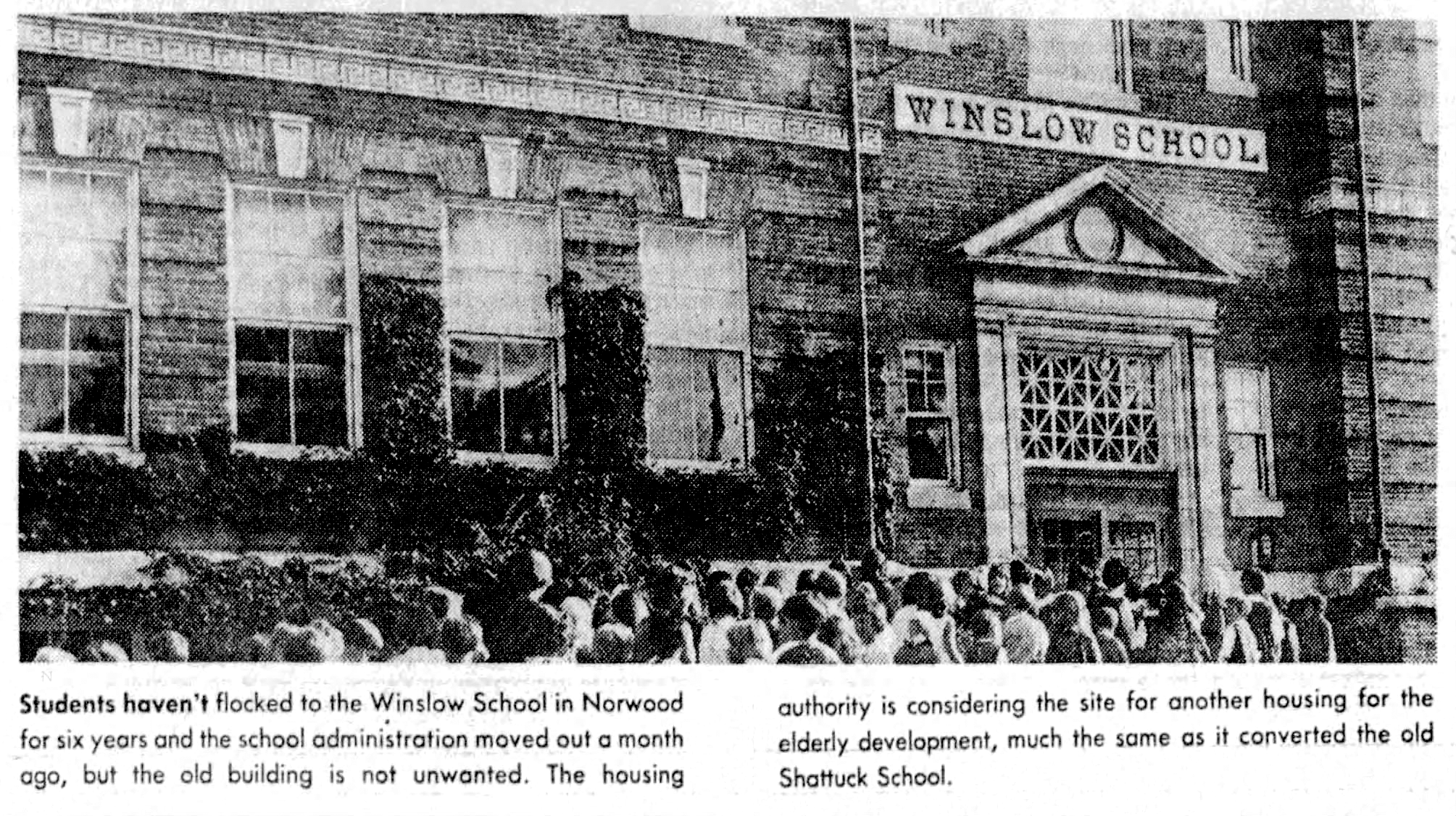
Following the closure of school administrative offices at the Winslow School, the Norwood Housing Authority is actively setting its sights on converting the historic four-acre property at the corner of Chapel Street and Winslow Avenue into much-needed housing for the elderly. During a unanimous vote last night, the housing authority agreed to submit a formal…
-
Norwood School Board Rejects All Special Needs Busing Bids-August 21, 1980
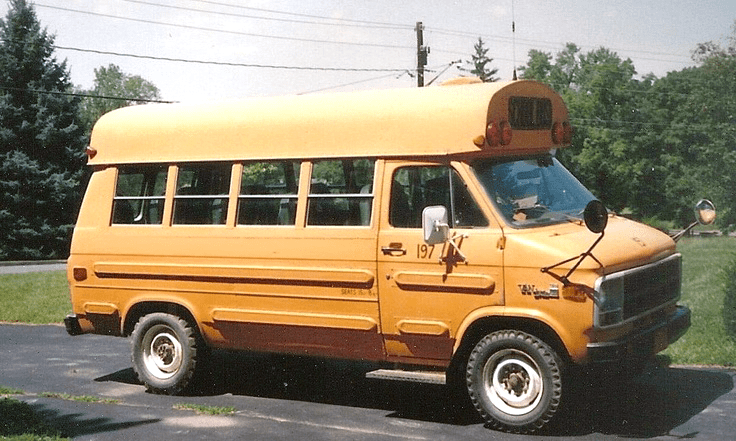
With opening day just two weeks away, the Norwood School Committee voted 4-3 to reject all bids received the previous week for special needs student transportation. Acting under emergency procedures, the board announced it will call for new bids by Tuesday, with a potential contract award scheduled for Wednesday night. The rejected proposals came from…
-
Henry O. Peabody School Director Ruth Shea Ponders Retirement After 14 Years-August 12, 1980
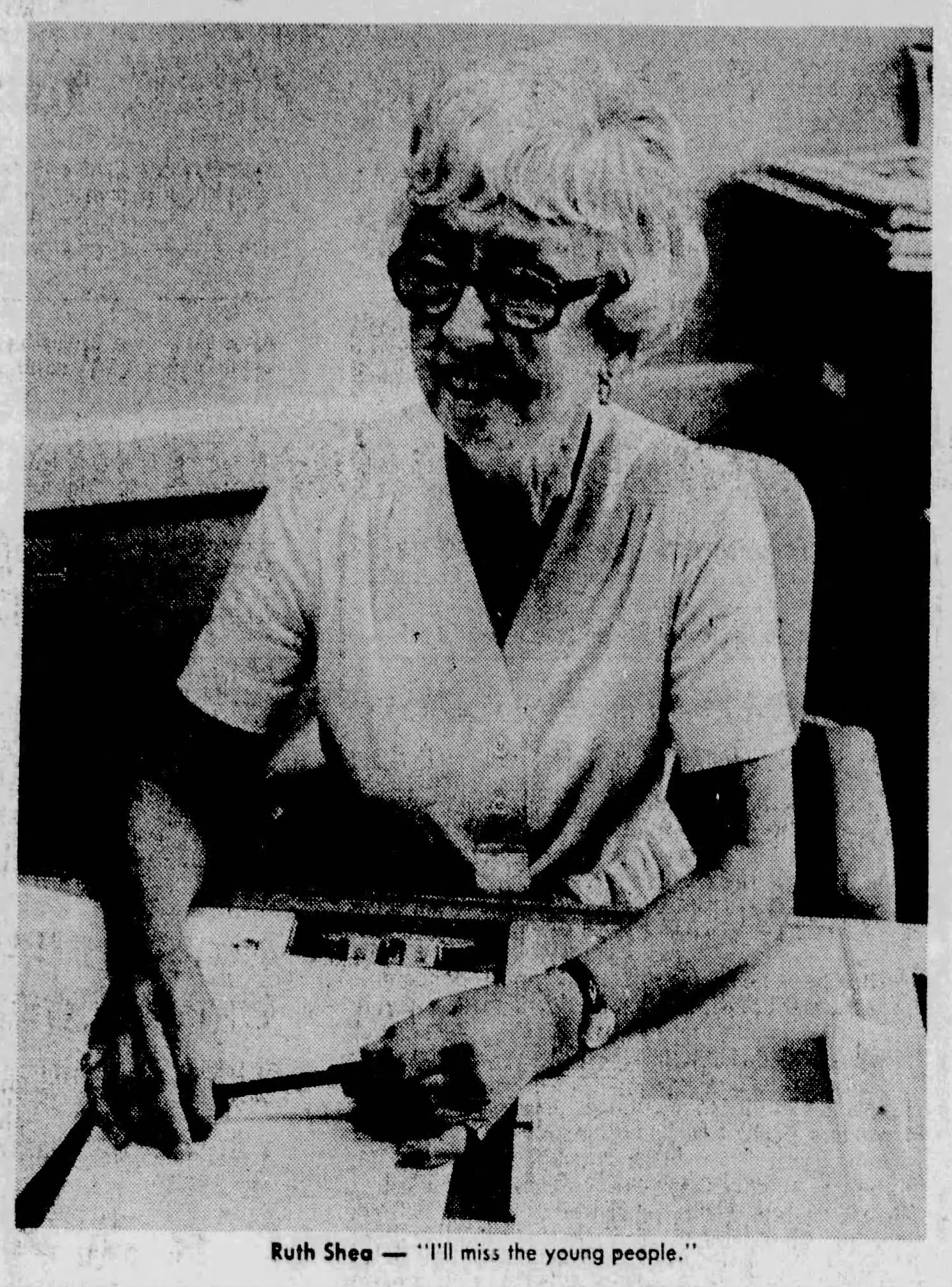
After 14 years expanding vocational education, Henry O. Peabody School director Ruth Shea ponders retirement while securing a 97 percent graduate job placement rate.
-
Norwood School Administration Relocates to Willett School-July 24, 1980
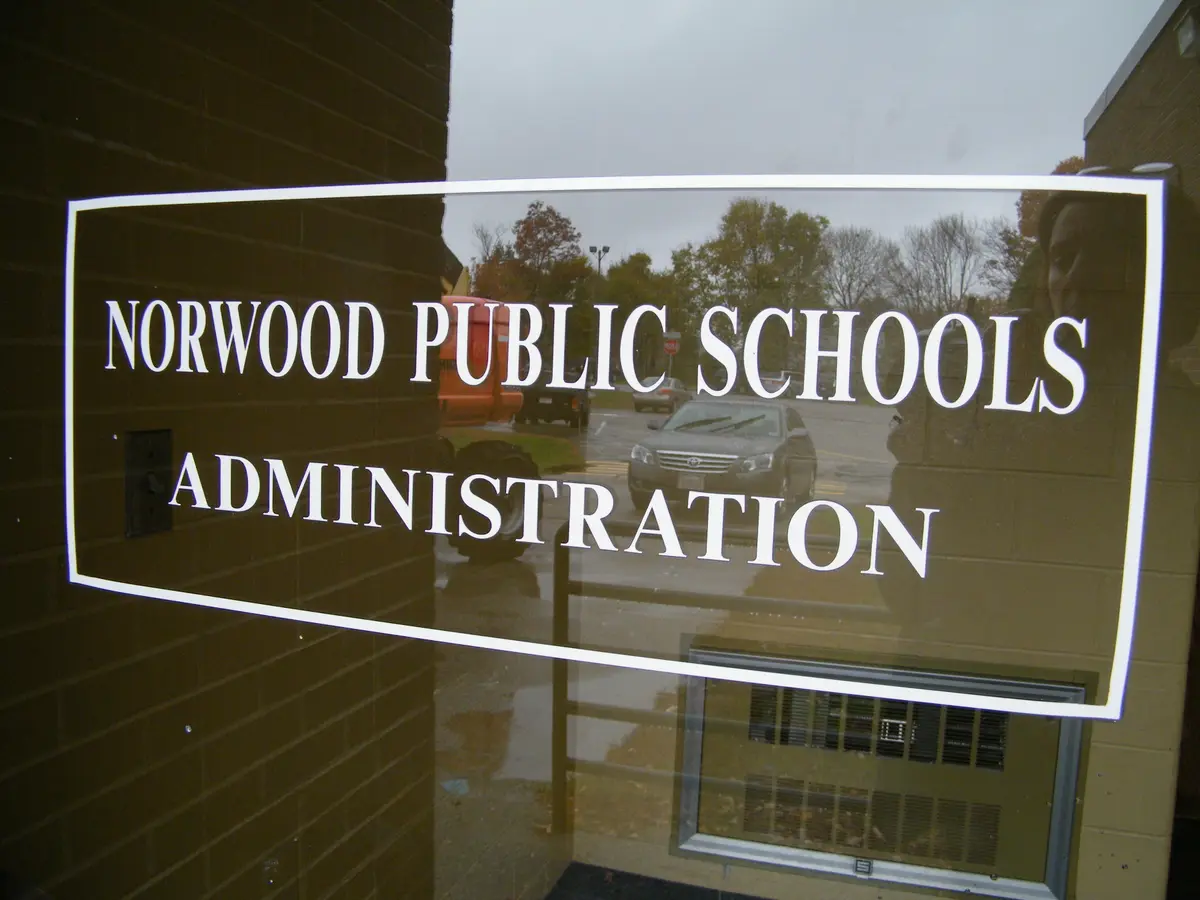
The Norwood School Administration relocated to the George F. Willett School and enacted strict new graduation credit requirements.
-
Students to Face Stiffer Standards-July 18, 1990

In 1990 the town of Norwood was on the cusp of a significant change in its educational system. The school administration, led by Superintendent Louis J. Taris, had been studying ways to improve academic standards for over a year and a half. The result of this study was a proposal to double the number of…
-
George F. Willett School Faces Potential Temporary Reprieve-October 18, 1979
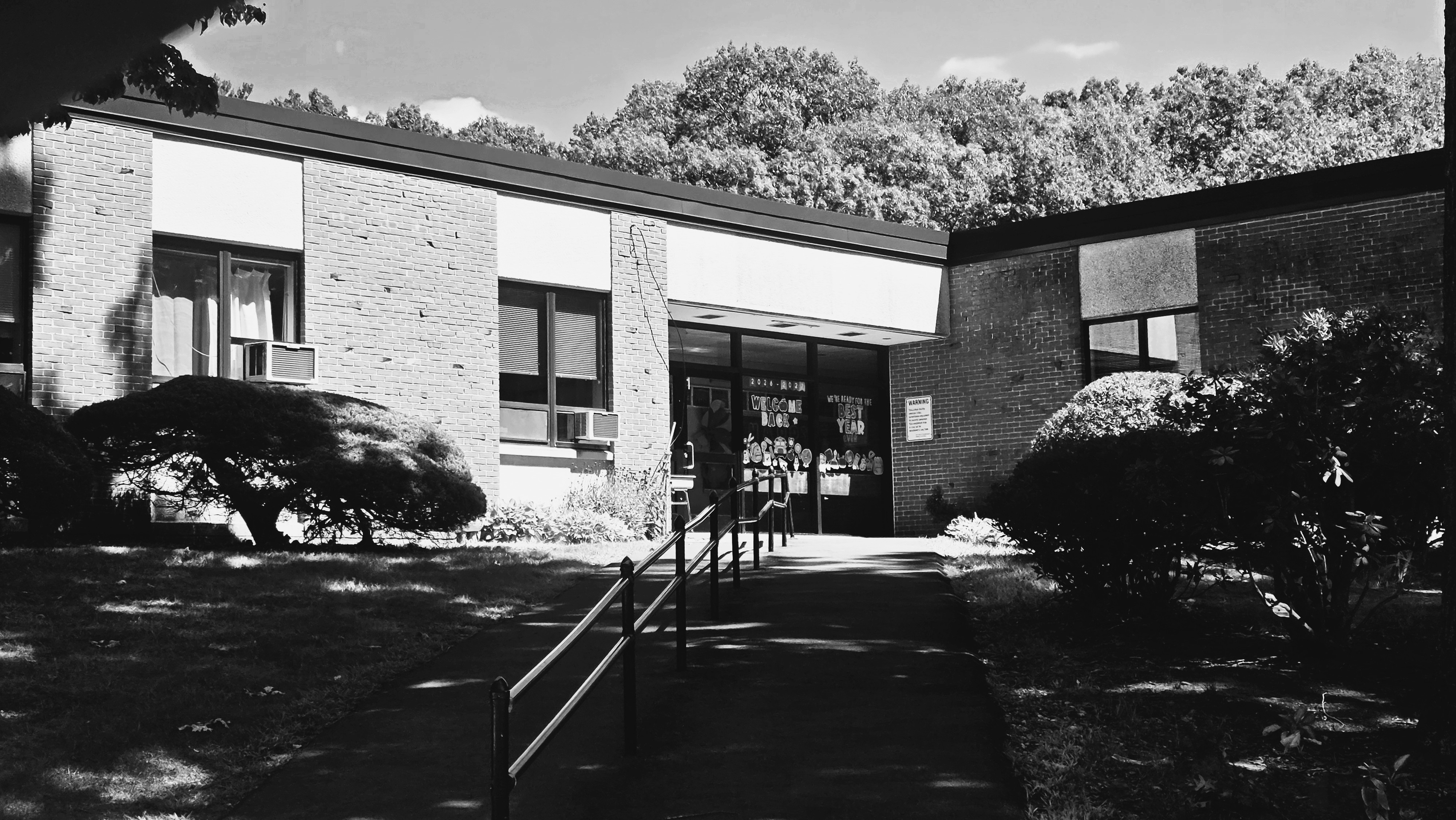
Enrollment and Space Questions Revive Closing Debate-October 18, 1979 The future of the George F. Willett School is back under intense scrutiny. Although the School Committee voted on January 17 to shutter the facility in 1980, School Superintendent Louis J. Taris told the committee last night that the timeline might be flexible. “The timing hinges…
-
Prescott School Security Roadway Proposal Sparks Opposition from Residents &PTA-September 14, 1979
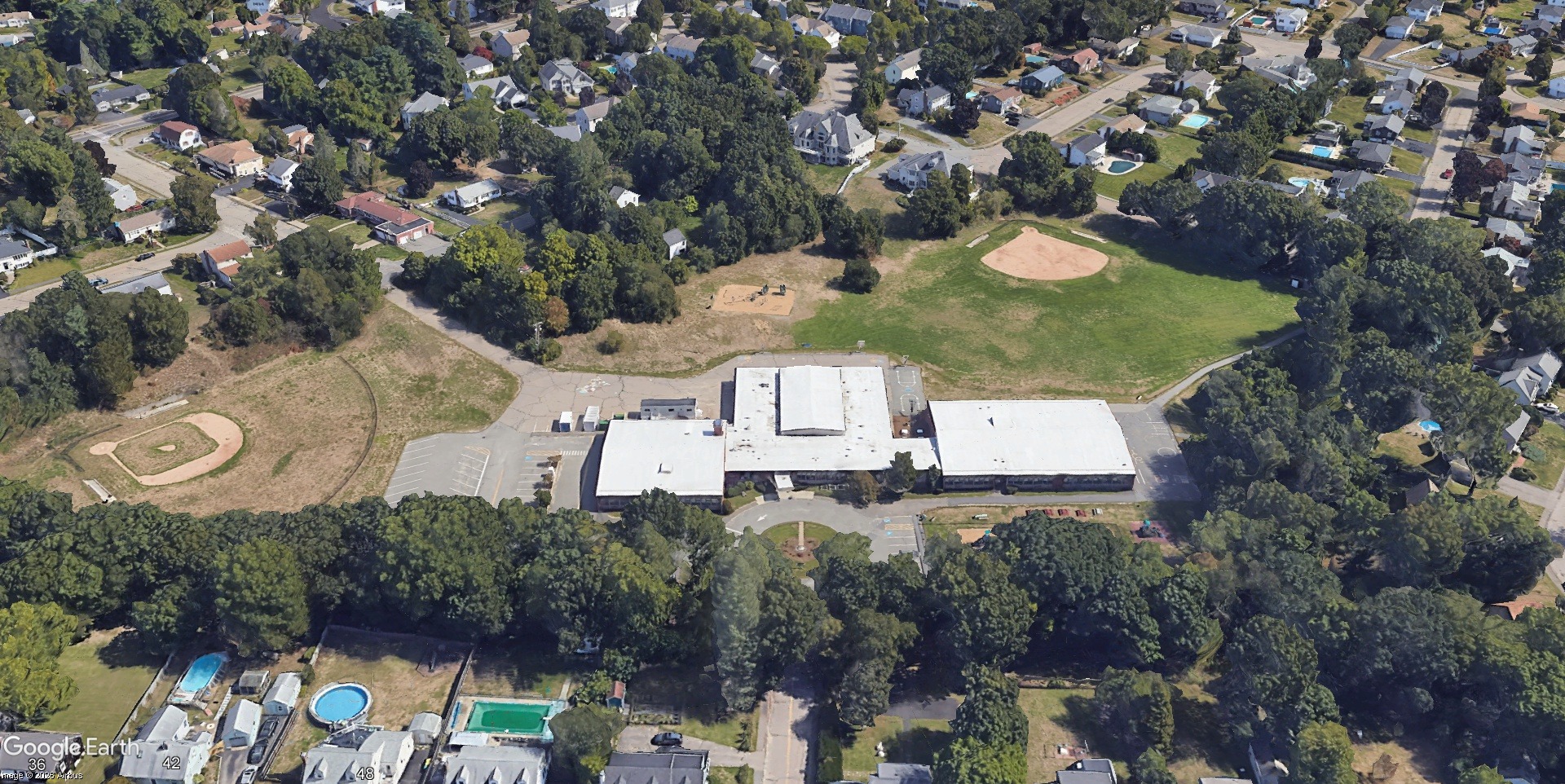
Prescott School neighbors and the PTA oppose a security committee proposal to pave a perimeter roadway for police patrols, citing student safety and vandalism concerns.
-
School Enrollment Shows Drop of 382 from Last Year-September 6, 1979
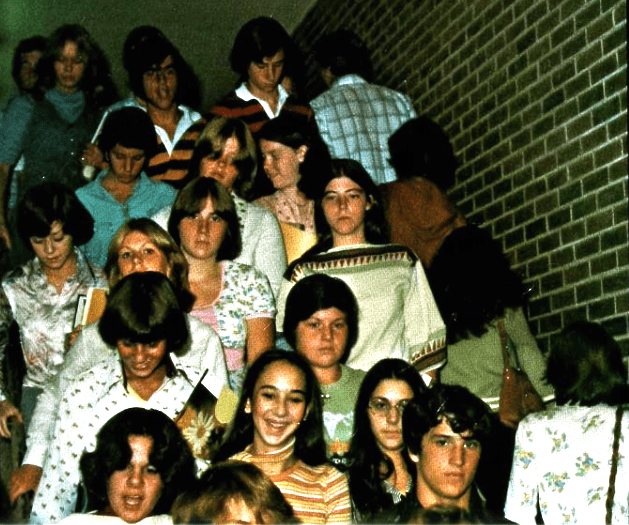
Norwood public school enrollment drops by 382 students to 5,078, while administrators outline major scheduling and open-campus policy changes at the senior high school.
Discover more from Norwood Historical Society
Subscribe to get the latest posts sent to your email.