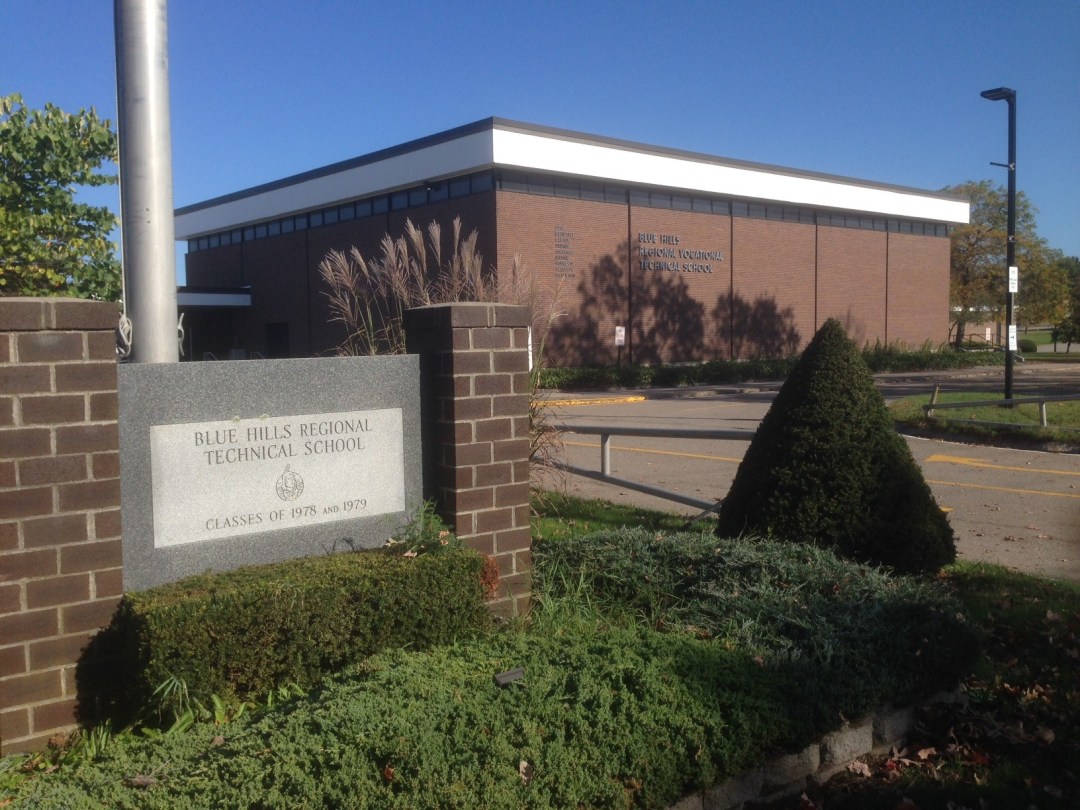
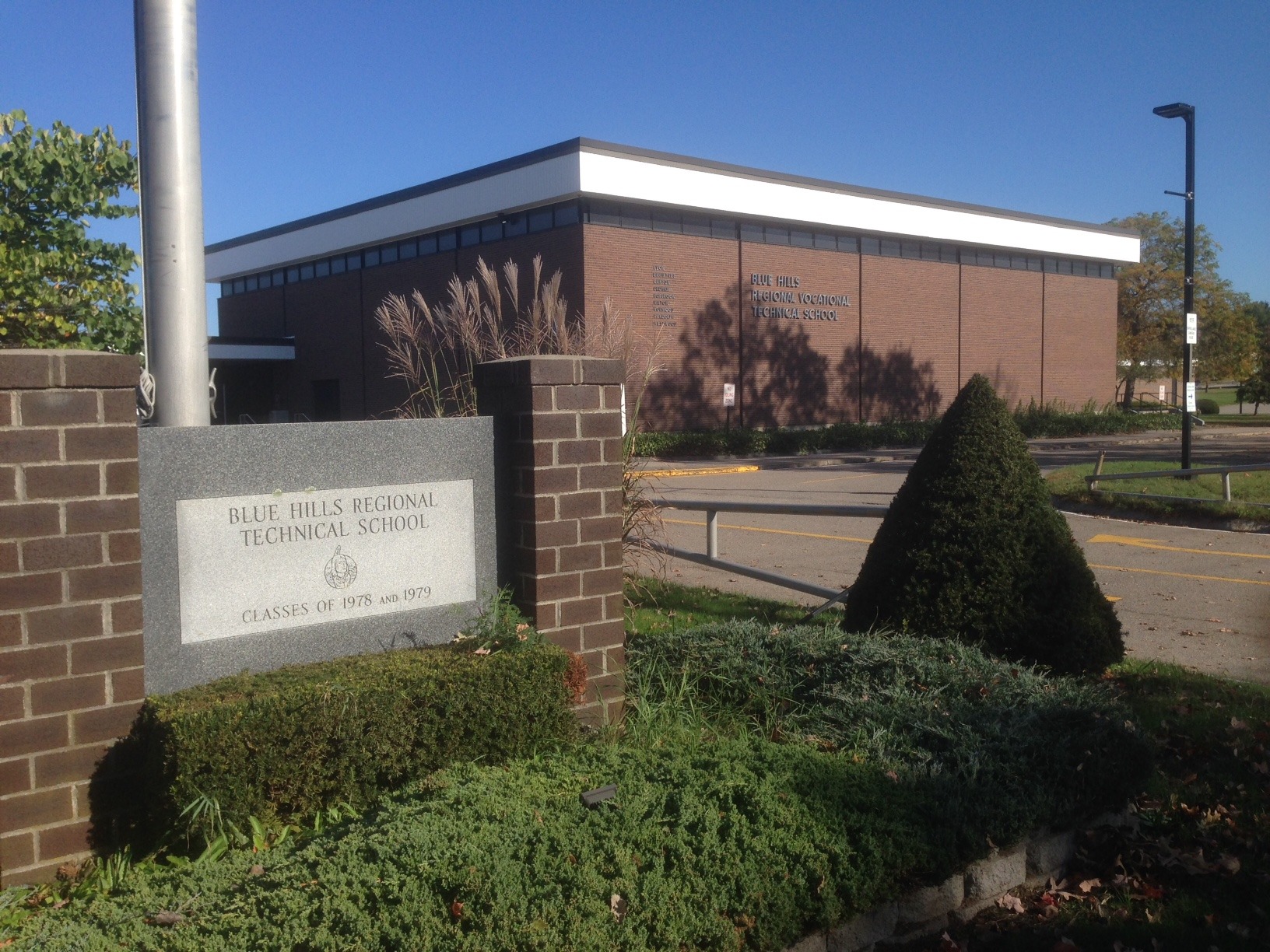
The summer of 1976 was a time of great change and uncertainty for the town of Norwood, Massachusetts. As the nation celebrated its bicentennial, local residents were grappling with issues of education, finance, and community involvement. One such issue that dominated the headlines in July 1976 was the proposed Blue Hills Collaborative, a vocational school program designed to train marginally employable students for jobs in the region.
The Blue Hills Regional Vocational School had been established in 1965 as part of an effort to provide specialized education and training to students in the surrounding towns. However, by the early 1970s, concerns began to arise about the effectiveness and efficiency of the program. In response, a group of educators and administrators proposed the creation of a collaborative program that would bring together local schools and businesses to provide job training and placement services for students with special needs.
The proposal for the Blue Hills Collaborative was met with enthusiasm by some in the community, but it also sparked intense debate and opposition. One of the main objections raised by critics was that the regional school committee had not fully backed the program or funded it. School Superintendent Philip O. Coakley, a vocal critic of the collaborative, argued that the program was essentially a “collaborative within a collaborative,” meaning that it would duplicate existing efforts and create unnecessary bureaucracy.
Coakley’s concerns were echoed by other members of the Norwood school committee, who voted unanimously to reject local participation in the Blue Hills Collaborative. The decision was based on several factors, including the lack of funding from the regional school committee and the perceived duplication of services offered by the program.
However, Coakley’s opposition to the collaborative went beyond mere bureaucratic concerns. He also took issue with the way that the regional school committee had managed its finances, pointing out that a recent state audit had revealed an $820,000 surplus account under the control of the committee. Coakley suggested that this surplus could be used to subsidize programs or provide tax relief to member towns, including Norwood.
Norwood’s contribution to the Blue Hills operating budget was significant, accounting for approximately 27 percent of the total. The audit report, which Coakley cited as evidence of the need for greater transparency and accountability in the regional school committee’s finances, recommended that the committee provide an annual recapitulation of its finances to member towns.
In following Coakley’s recommendation, the Norwood school committee agreed to advise the town’s Finance Commission about the audit report and its recommendations. This decision marked a significant turning point in the debate over the Blue Hills Collaborative, as it highlighted the need for greater transparency and accountability in the management of regional school funds.
Archival Note: This article has been dynamically reconstructed from the original public record print archives of the Patriot Ledger
-
Aaron Guild School Leased to Norwood CETA Consortium and EdCo for One Year-August 1, 1979

Norwood selectmen voted unanimously to lease the closed Aaron Guild School for one year to the Norwood CETA Consortium and the Educational Collaborative of Greater Boston (EdCo) for $148,000.
-
Norwood School Bus Billing Questioned-July 31, 1979
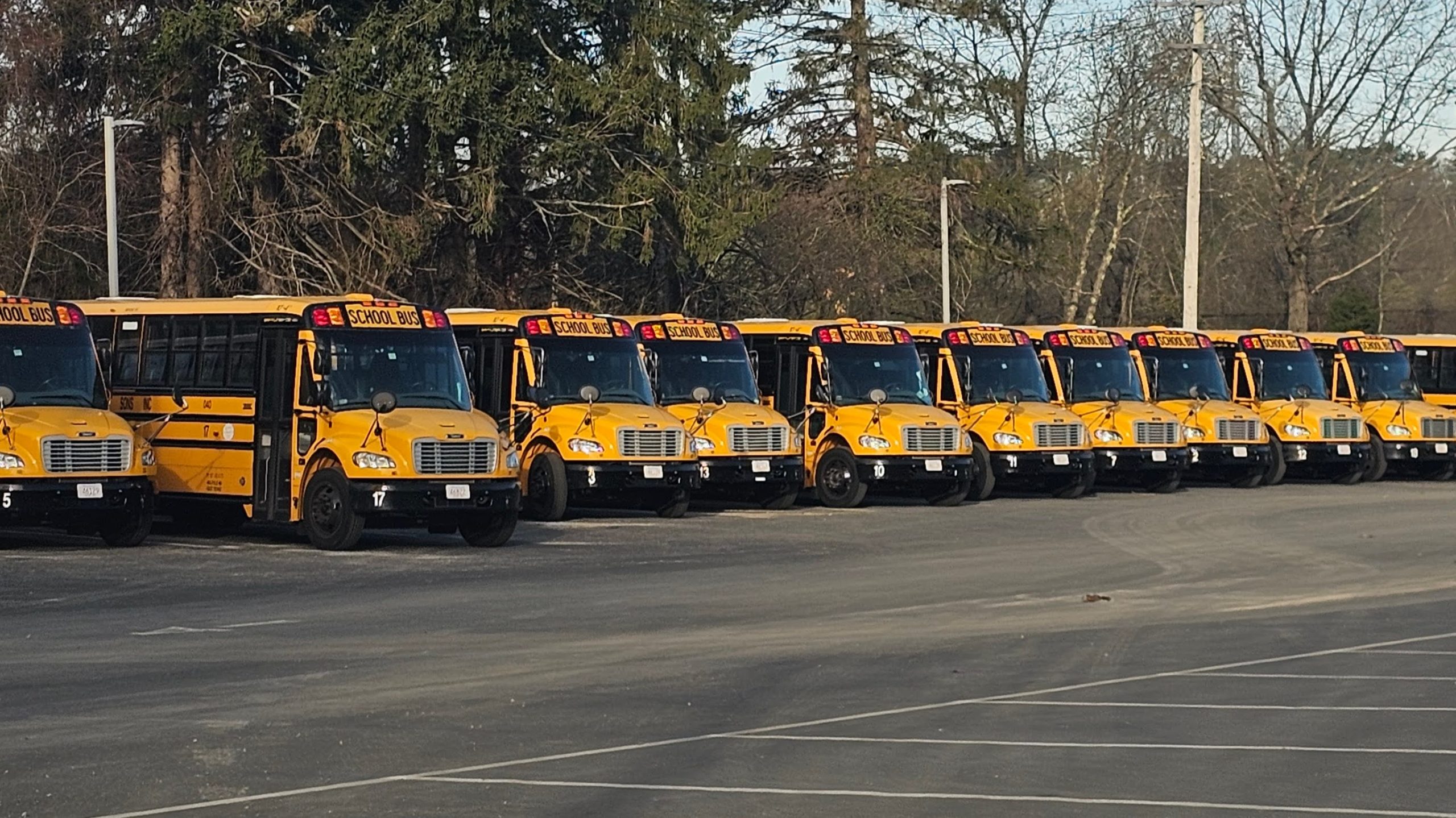
The Patriot Ledger’s July 31, 1979 edition brought to light a controversy surrounding the billing practices of Kiessling School Transportation of Dedham, which had been contracted by the town of Norwood to transport special needs children. The issue at hand was whether the company had overcharged the town for mileage on certain routes. According to…
-
School Supplies Budget Maintained at Prior Year Level Amid Spending Pressures and Utility Shortfall Concerns-September 14, 1978

Superintendent Louis J. Taris reports that Norwood’s school instructional supplies budget maintains prior-year per-pupil rates despite tight spending constraints.
-
School Department Releases Bus Routes and Eligibility Rules-August 30, 1978

As the late-summer excitement of a new academic year approached in 1978, the Norwood School Department officially released its comprehensive student transportation schedules, route mappings, and eligibility guidelines for the upcoming school term. Designed to ensure safe and orderly transit for thousands of local students, the announcement established clear boundaries and behavioral expectations for families…
-
Norwood School Committee Considers Staggered School Closing Plan-July 14, 1978
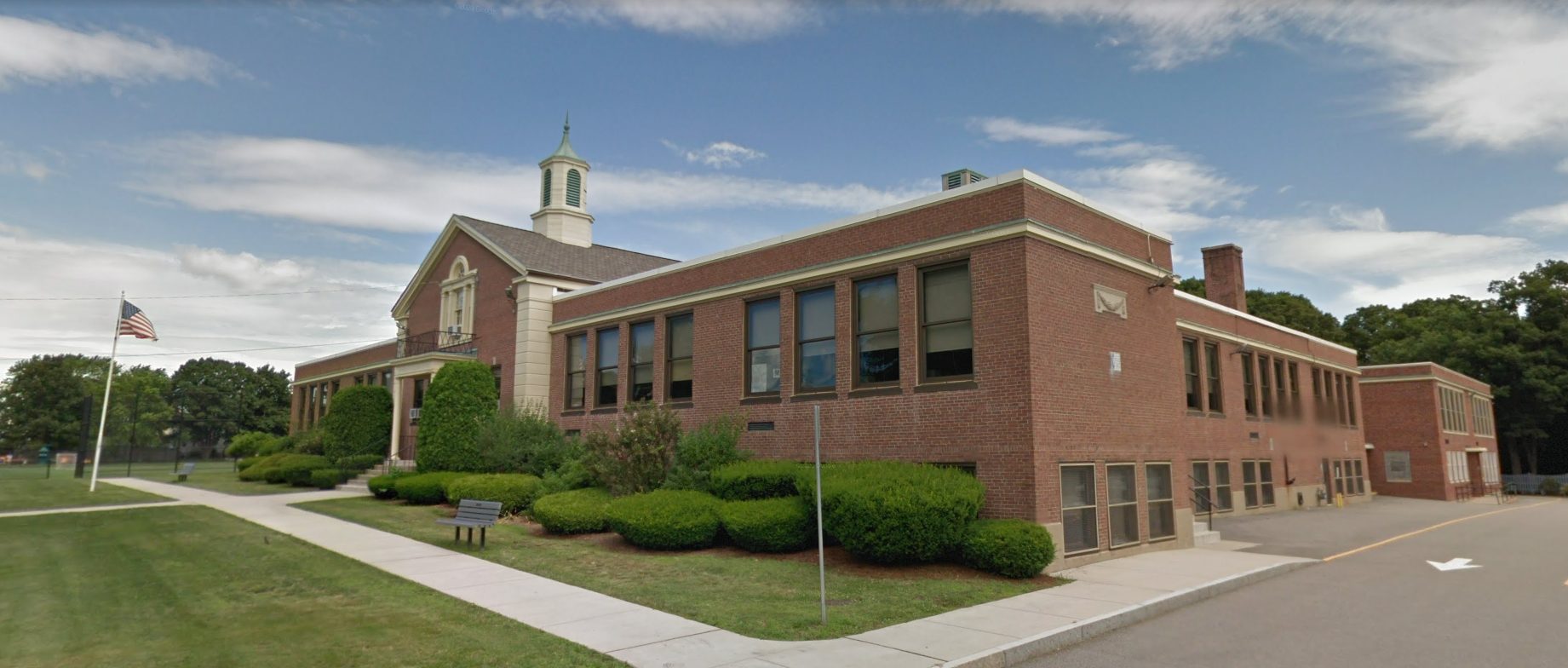
The school housing needs committee last night recommended a second school closing plan that would close the doors of the Callahan School in September, shut down the Balch School in 1981 and close a third, unnamed elementary school in 1983. The plan was backed by seven of the nine members voting and was billed as…
-
Norwood High School Accessibility Concerns-July 10, 1978

On July 10, 1978, parents of handicapped students in Norwood voiced serious concerns regarding the lack of physical accessibility at the local high school. Mrs. Charlotte Haskell, president of the Norwood Special Needs Parents Group, recently sent a formal letter to School Superintendent Philip O. Coakley. In the communication, she urged the district to take…
-
School Board Recall Urged-July 8, 1978
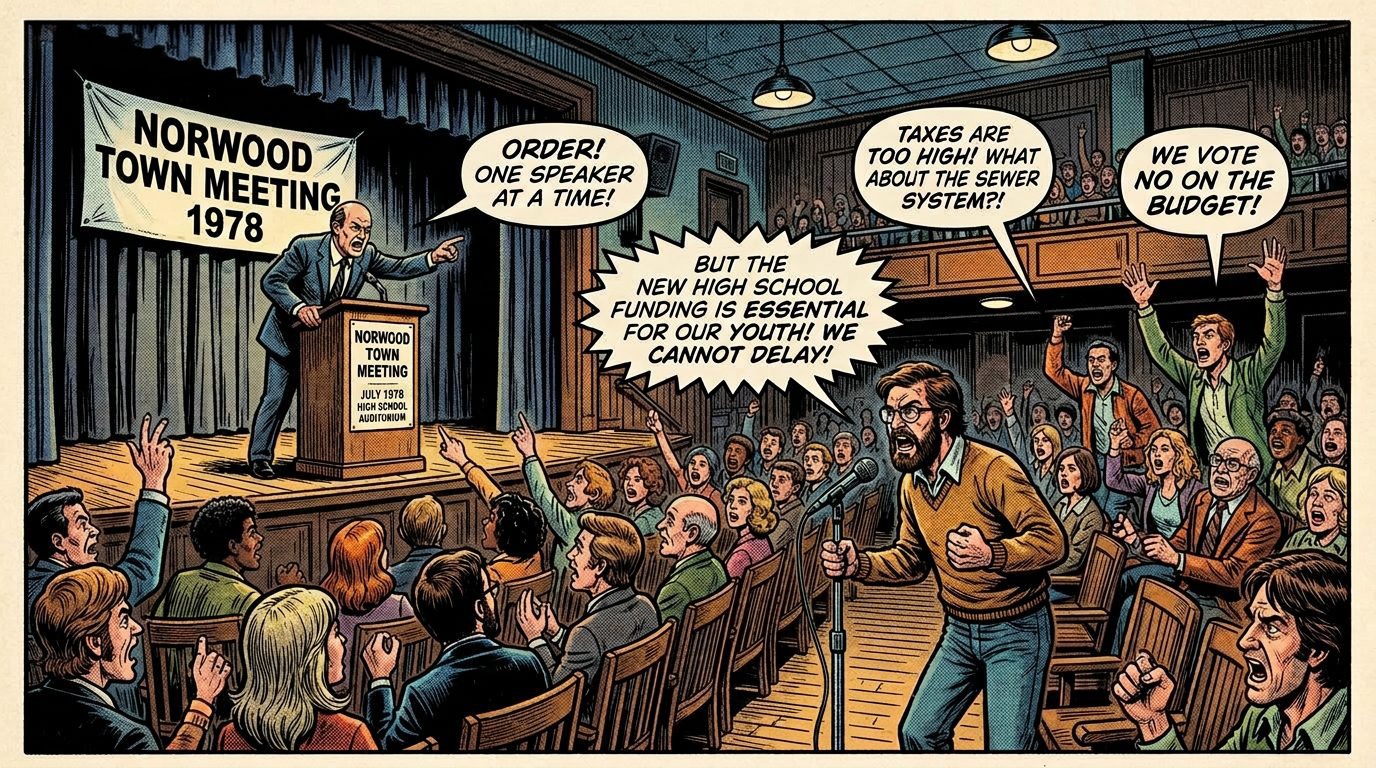
Discover the 1978 budget battle in Norwood, where deep cuts to the school district’s $11.3 million budget led to a controversial recall effort and a lawsuit involving the Massachusetts Teachers Association.
-
Taxpayers Sue to Restore School Budget-July 6, 1978

Seeking to prevent a mid-summer school closure, 36 Norwood taxpayers filed a lawsuit in 1978 to restore $600,000 in education funding.
-
Henry O. Peabody School Hosts Fifth Annual Harvest Fair and Flea Market-October 15, 1977
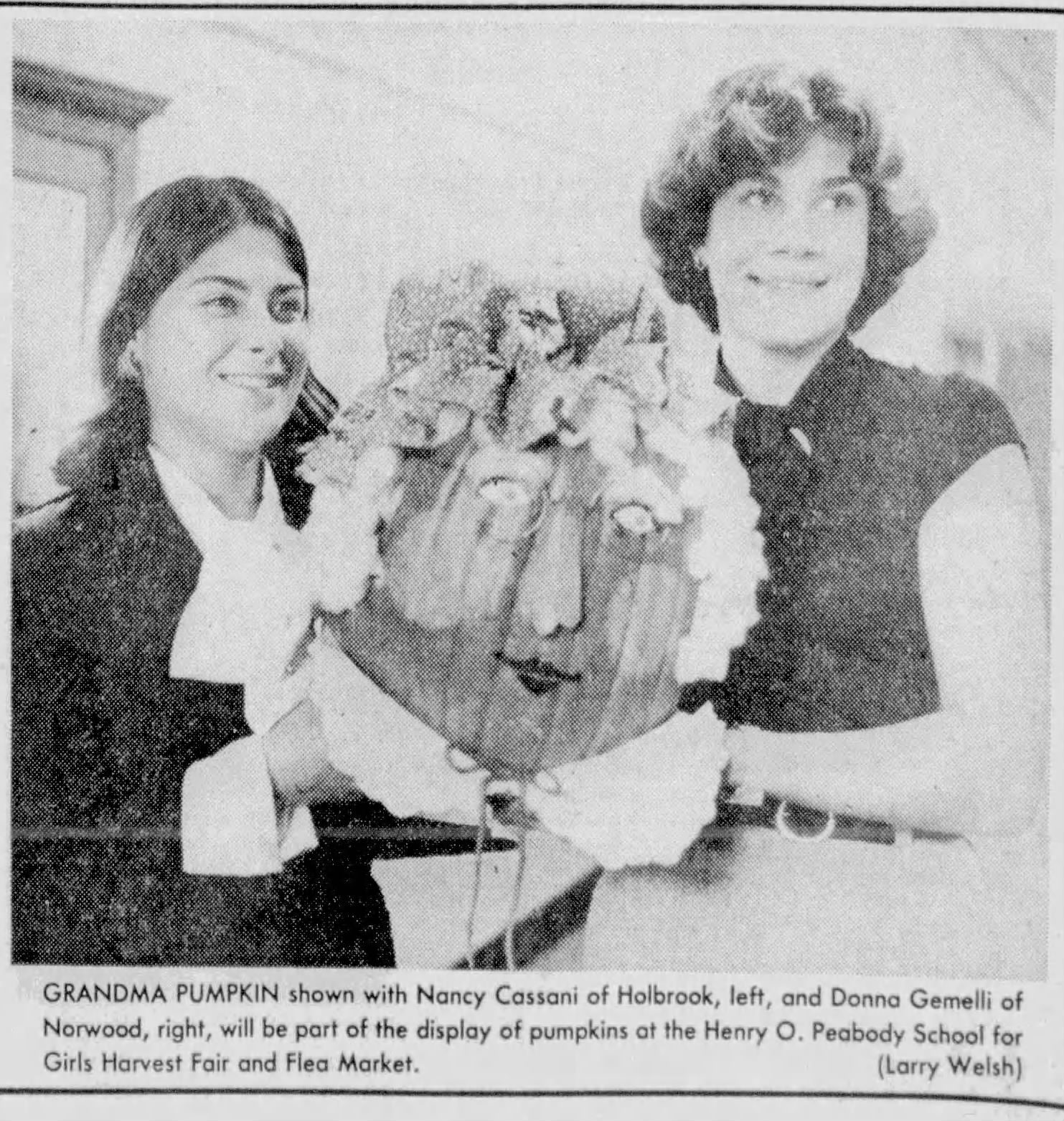
The Henry O. Peabody School for Girls holds its fifth annual Harvest Fair featuring food booths, crafts, flea market treasures, and student fundraiser activities.
-
Willett School PTA Launches Petition Drive to Fight Potential School Closure-October 11, 1977
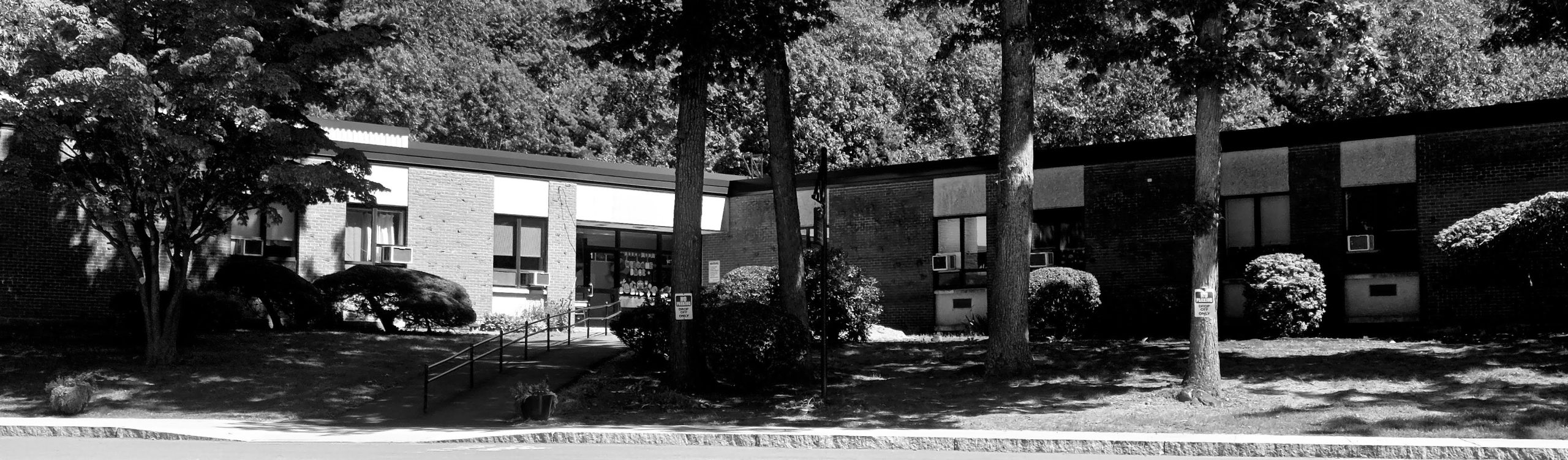
Facing declining student enrollments across Norwood, the Willett School PTA initiates a petition drive to keep their school open, while school officials weigh options.
Discover more from Norwood Historical Society
Subscribe to get the latest posts sent to your email.