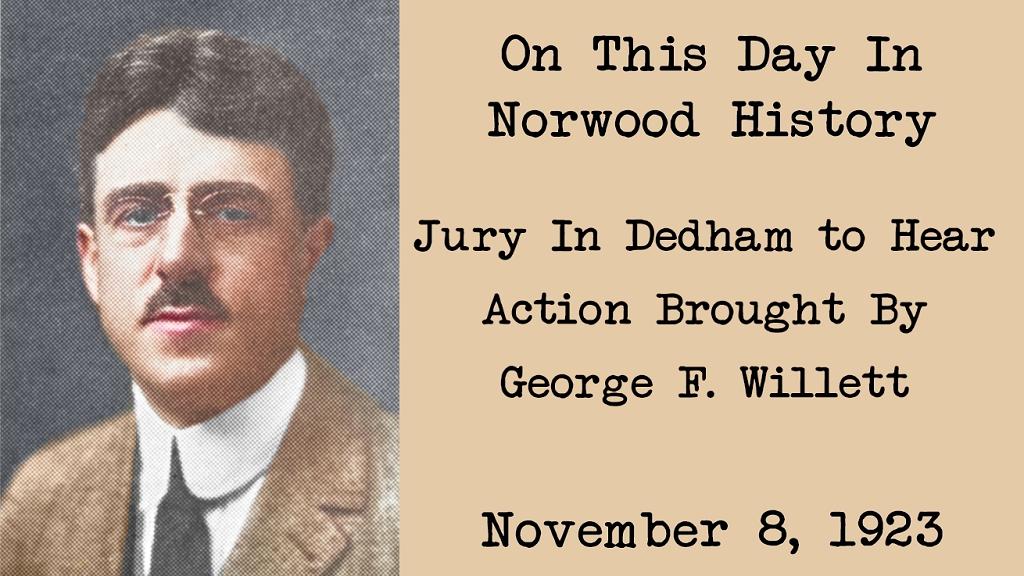
Jury Empaneled at Dedham to Hear Action Brought By George F. Willett
PLAINTIFF BEGINS IN S15,000,000 SUIT
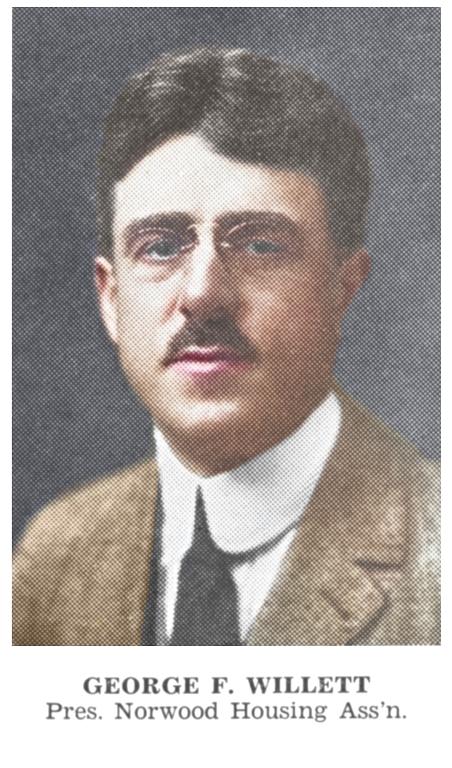
THE JURY
Thomas W. Hayes of Stoughton, mason.
Frank I. Stoddard, Weymouth, shoe worker.
Edmund T. Harmon, Dedham, clerk.
Joseph L. Day, Medway, clerk.
Henry B. Stiles, Weymouth, painter.
Myron A. Day, Plainville, clerk.
Charles R. Powers, Randolph, clergyman.
Chester C. Morton, Braintree, railroad man.
Fred A. Clark, Foxboro, clerk.
William T. Small, Brookline, printing.
George H. Heal, Braintree, machlnist.
J. Edward Kennedy, Medfield, carpenter.
DEDHAM, Nov 8, 1923
When the Willett suit for $15,000,000 damages against, Kidder, Peabody & Co, Robert F. Herrick, F. S. Moseley Co, Daniel G. Wing, and others made its second start, this morning. Judge Callahan said, “I am ready now to hear any motions along the lines suggested in conference. Now, Mr. Mayberry, If you represent the defendants—
“I think we have nothing to add to what we said in the lobby.”
“I will overrule the motion.”
Three more defense lawyers came forward and filed motions similar to Mr. Mayberry’s, all of which were overruled. Clerk Worthington now began the process of empaneling the jury, calling a boxful at a time and submitting them to examination.
“Gentlemen,” began Judge Callahan, “this is an action of George F. Willett and Edmund H. Ledis—” and went on to name each plaintiff and every defendant. asking the jurors all together If they were related to or indebted to any of the parties.
“Is Robert Herrick president of the Pacific Mills?” asked juror James R. Holden. “Because I am employed in the treasurer’s office of those mills.”
He was excused.
“Have any of you read a pamphlet entitled “An Answer?” was the next question. Nobody had, but George H. Briggs was excused because he lives in Norwood, the hometown of the plaintiff.
The plaintiff now challenged one man and the defendant’s two, without any explanations. But with no more objections, the jury was accepted, and Rev Charles R. Powers, a retired minister from Randolph” was appointed foreman. Judge Callahan warned the jury that it was probably facing a long case, that it was important not to form an opinion too soon, not to be influenced by any consideration outside the evidence, and to refuse to listen to any person trying to talk to a juror about the case, to report any such attempt to the court at once, to be careful not to be influenced by a reporter’s interpretation of the evidence—and important not to characterized evidence as to its weight.
Many Defendants
With less than 40 minutes of preliminaries, the trial began.
Damon E. Hahn opened for the plaintiff, describing the process by which a case comes to trial, by filing of a plaintiff’s declaration and the defense’s answer, both of which he proceeded to read.
The suit was dated Feb 14, 1921, the plaintiffs being George F. Willett of Norwood and Edmund H. Sears of Wayland, formerly partners; the unit indicating that the partnership has been dissolved.
The defendants are Robert F. Herrick and Daniel G. Wing of Newton; Frederick S. Mosely, Neil Rantoul, Stephen U. R. Crossby, Ben Moseley Sewell II. Fessenden of Brookline, Louis B. Wellington of Weston, Herbert F. Boynton of Cambridge. Charles Auchincloss and William 8. Clough of New York; of Kidder, Peabody & Co Frank G. Webster, William Endicott, Albert S. West, all of Boston: Robert Winsor, Frank W. Remlck of Newton, William L. Benedict and Charles S. Sargent Jr of New York Atty. The Chase National Bank has been named in the suit but there has been no service.
The action is one of tort and the ad damnum is $15,000,000.
Mr. Hall now read the plaintiff’s declaration, which is a printed pamphlet of many pages, setting forth, first, the existence of the firm of Willet & Sears in July 1918 and its business of conducting mill business, their principal companies being the American Felt Company and the Daniel Green Felt Shoe Company.
During the month of July 1918, the declaration says, the defendants conspired, the scheme being devised by Robert F. Derrick, to take the plaintiff’s business away from them.
The allegation is that the conspirators first took steps to prevent the plaintiffs from raising money anywhere else, and then, in the guise of a loan, arranged to manage and get into their own hands the control of the felt and felt shoe companies.
Allege Mismanagement
The shares of the companies which gave control of them were required to be turned over, the declaration says, to the defendants, and are now owned In fact by Moseley & Co, Kidder, Peabody & Co and Robert F. Herrick.
The next step alleged was to mismanage the companies, to wreck some of them and to keep the two principal ones, the felt company and the shoe company.
In July 1918, the declaration goes on, Willett & Sears needed a loan of nearly $1,000,000 and asked Mosely & Co to arrange for it. The job was turned over to Mr. Fessenden, who formed a syndicate. which agreed to make the loan. But the plaintiffs said that Mr. Fessenden concealed the fact and said the loan could not go through unless the Chase National Bank of New York, which already held notes of Willett Scars & Co., could be placated.
A new set of terms was thereupon drawn up; Willett, Sears & Co agree to make $600,000 of nonliquid assets in the felt company’s treasury to more liquid form and to turn the management of the companies over to a committee composed of the heads of the loaning banks. Then the syndicate was to loan $2,992,000, which would be due in February of 1919. about seven months away.
“Made to Seem Bankrupt”
The drawing of the agreement was turned over to Robert T. Herrick, counsel for and director for members of the syndicate. Thon the declaration goes on with the story of Willett Sears & So trying vainly to raise money elsewhere and finally being obliged to agree to the terms of the syndicate. To get an extension of notes amounting to $500,000, Willett Sears says, they had to turn over millions of dollars in shares, pay a bonus of $750,000 and liquify slow-selling assets to the amount of $500,000. This being done, and the properties being turned over to Messrs Herrick, Fessenden & Winsor, the $2,992,000 loan was allowed to go through. At the end of a named period, the plaintiffs say, they were to be allowed to buy their stock back.
The next charge was that some of the subsidiary companies were deliberately made to appear bankrupt, that it was arranged that the principal ones should never earn themselves out of debt.
The next step was to buy in secretly Willett, Sears & Co’s notes, getting $490,000 for $44,500. The plaintiffs charge that a dummy was used, that Mr. Herrick secretly furnished the money and that the notes later fetched $103,000. In a similar fashion, the remaining liabilities of the firm were acquired.
The dependents next, according to the declaration, urged Willett, Sears Co to settle some still outstanding claims, and offered to buy the shares still held by the firm and the right to redeem the shares that had already been pledged. This removed the last of Willett Stars’ interest in the companies; they got $125,000 for the bargain under the agreement which was described, though no money at all was actually paid to them.
In March, 1919, the firm of Willett, Sears & Co was dissolved and Mr Willett took the firm’s assets and is now sole plaintiff.
Archival Note: This article has been dynamically reconstructed from the original public record print archives of the Boston Globe
-
Willett Outlines Major Housing Survey; Lifeguard Issue at Willett Pond Resolved-May 21, 1953
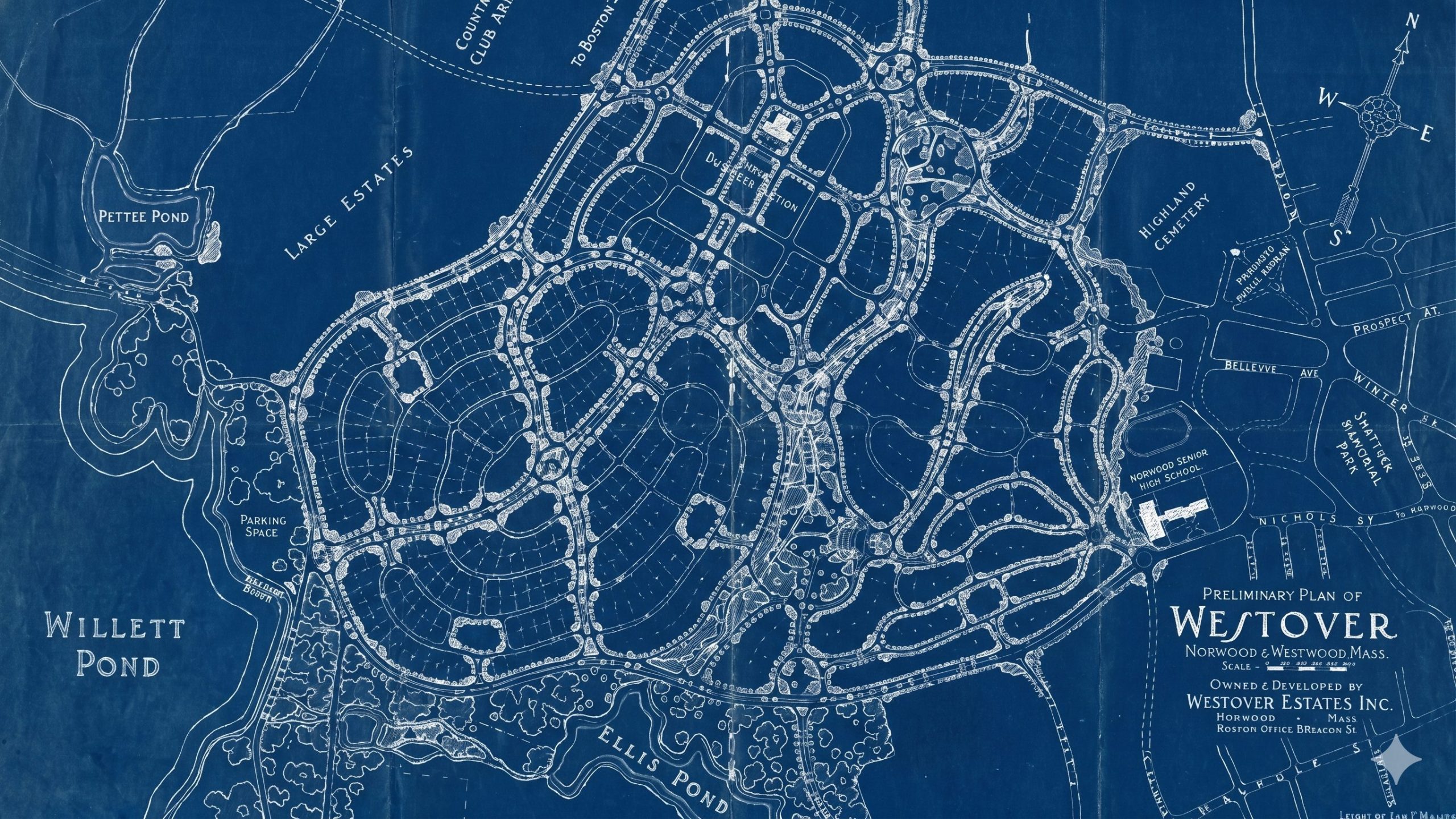
In a wide‑ranging presentation before the Norwood Board of Selectmen, civic leader George F. Willett unveiled plans for a professional survey of the Holmwood and Westover sections—an early step toward a cooperative housing development that could bring modern, affordable homes to Norwood and neighboring towns. Willett also addressed the Board regarding the status of Willett…
-
Special Meeting Backs Willett On Cemetery Study-December 22, 1949
Citizens attending the Special Town Meeting held in Memorial Hall Monday unanimously approved 12 of the 13 articles on the special warrant and ratified a substitute .motion submitted by George F. Willett which called for the appointment by the moderator of a committee of seven citizens to make a further study of the cemetery situation…
-
Sheepskins Processed At Tannery In One Year Would Stretch 2100 Miles-This Day In Norwood History-August 4, 1949

INDUSTRIAL NORWOOD (This is the second installment of an article on Norwood Industries by Robert A Chadbourne appearing in the current issue of “Industry,’* official spokesman for the Associated. Industries of Massachusetts, being reprinted here by special permission of the publishers.) Winslow Brothers & Smith Co. Massachusetts can take full-blown paternal pride in the birth,…
-
George Willett ’s Westover Dreams Near Fulfillment-This Day in Norwood History-January 29, 1948
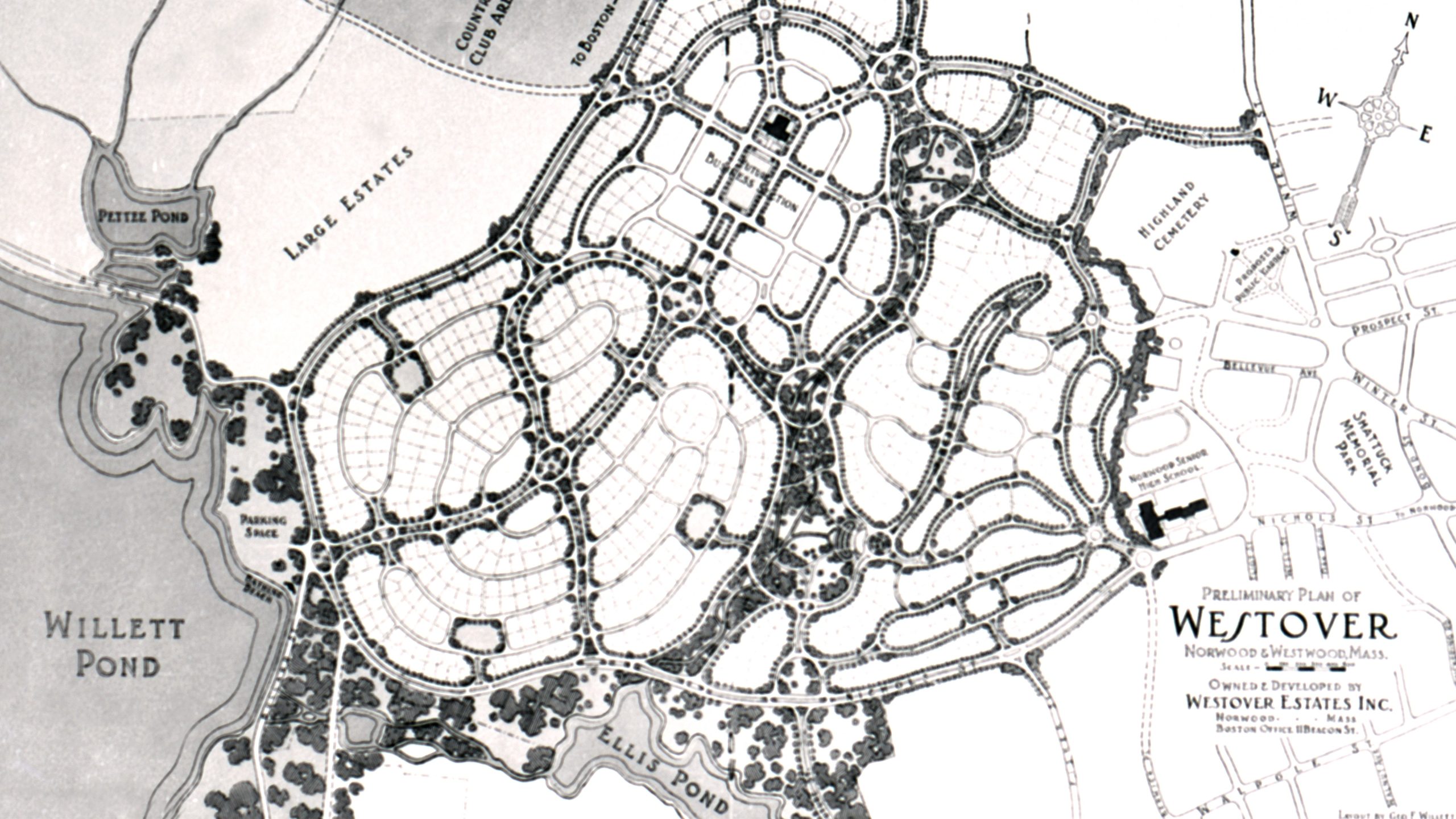
Town Country Homes Spokesman Tells Selectmen Plans Are All Set George F. Willett’s dream for the development of the Westover and Holmwood properties as a model ‘’garden village,” are about to be fulfilled, the Board of Selectmen was informed Tuesday night by the president of Town and Country Homes Inc., which has taken over management…
-
Norwood 25 Years Ahead Of Dedham In Master Planning-This Day in Norwood History-January 22, 1948
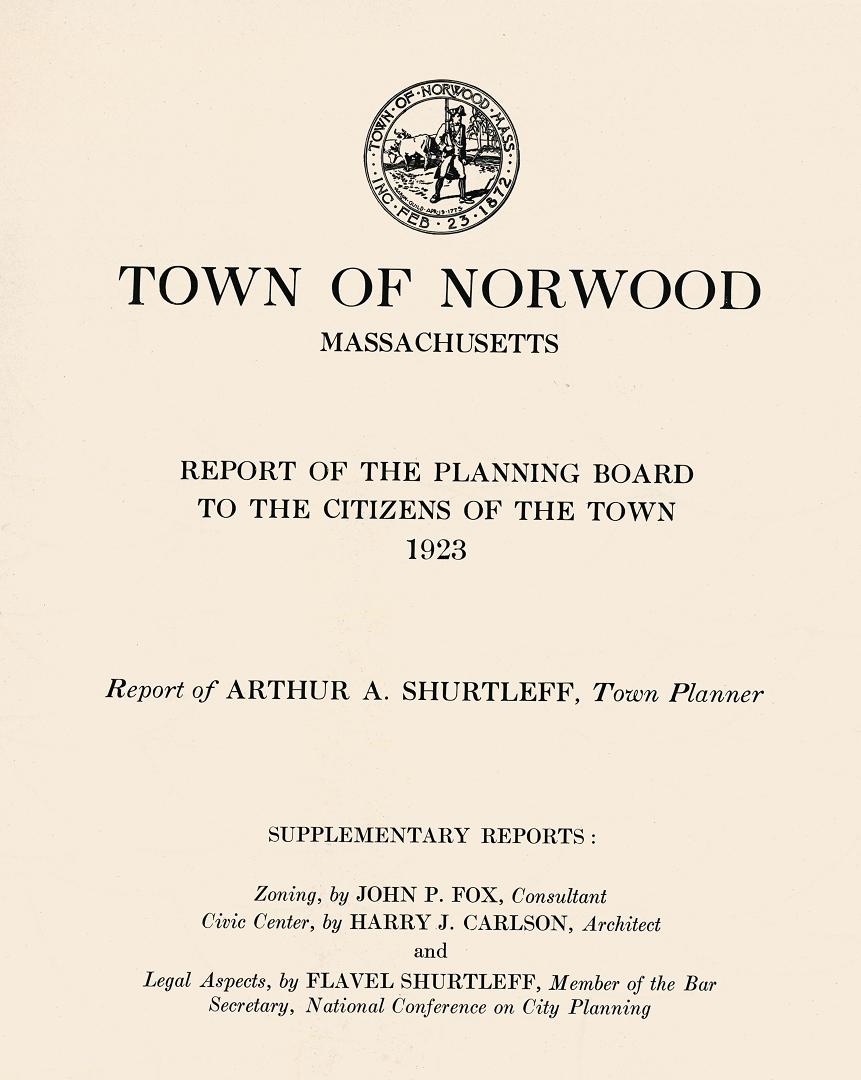
But Many Phases Of Shurcliff Report Never Carried Out Here The neighboring town of Dedham has received the spotlight of publicity since the appearance, four weeks ago, of an Attractive 100-page booklet, profusely illustrated with diagrams, maps, statistical charts, and an artists pictures of Dedham’s future. This is a master plan prepared by the firm…
-
To Bring In Plans For New Town Yard-This Day in Norwood History-January 22, 1948
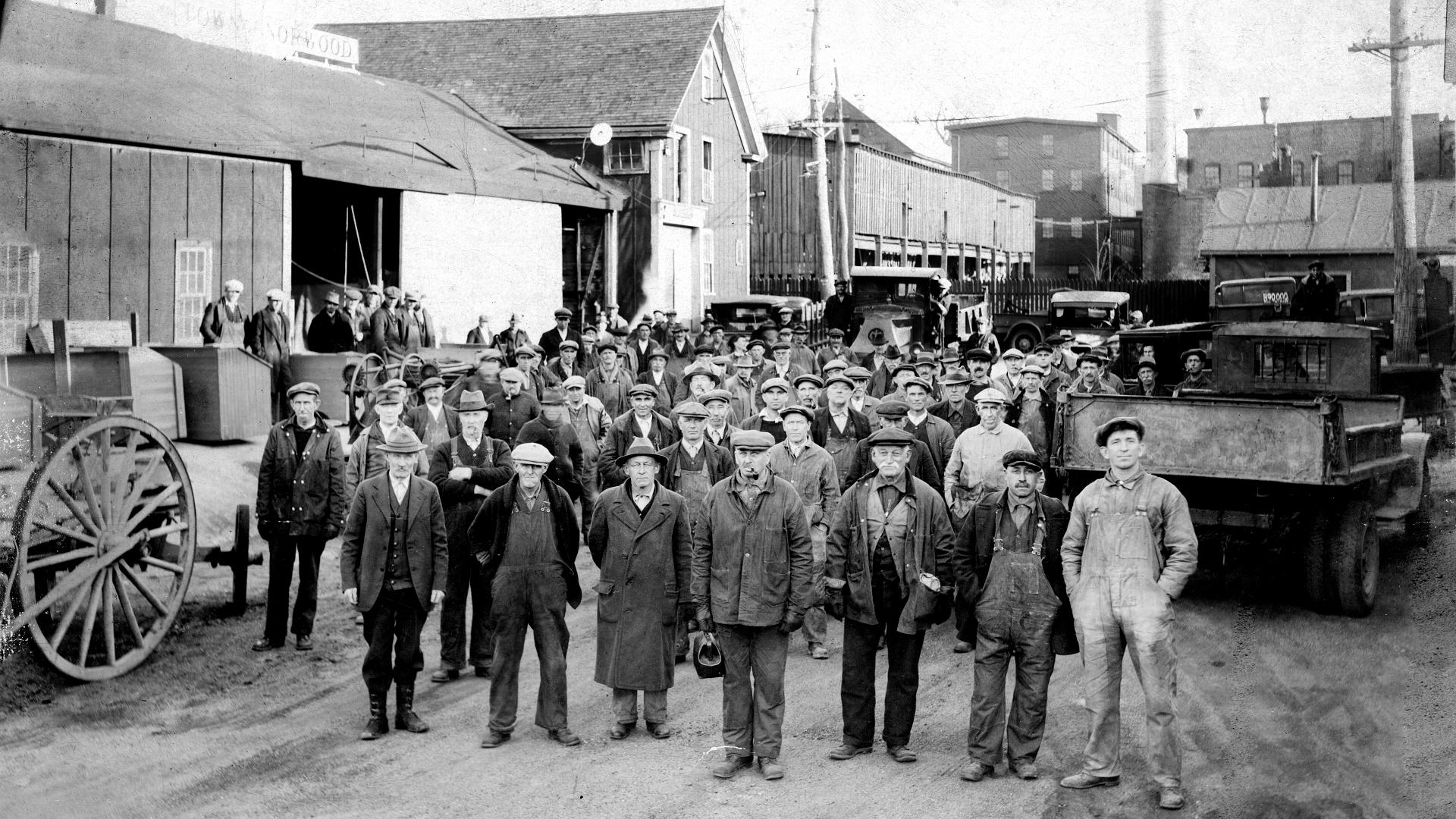
Town Engineer Albert W. Thompson will bring all plans and specifications for a new town yard to the meeting of the Board of Selectmen next Tuesday evening In order that the long-discussed project may -be considered at the budget meeting and brought before the voters at the annual town meeting in March. The motion for…
-
Land Available For Expansion Of Highland Cemetery-This Day in Norwood History-January 13, 1948
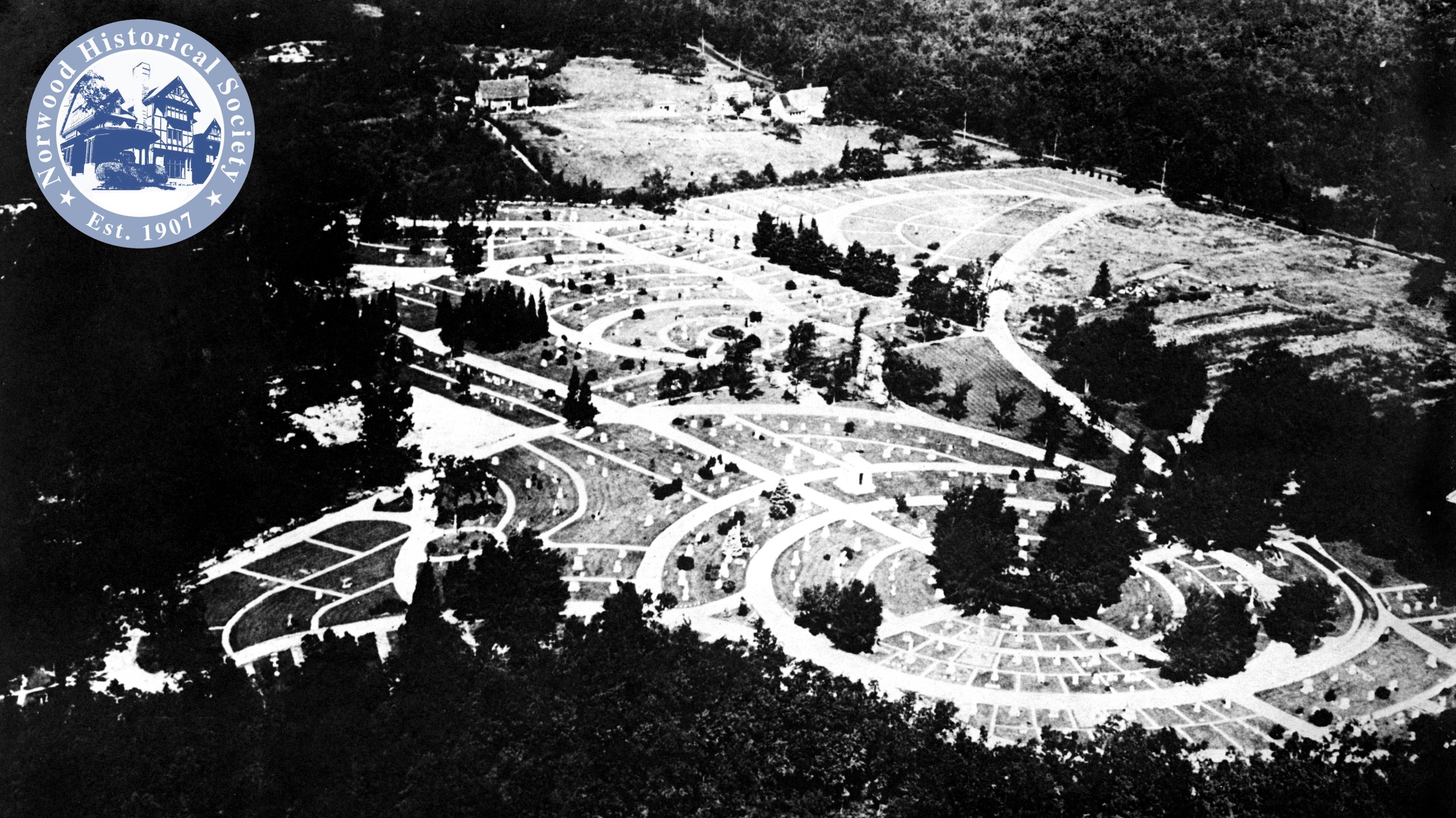
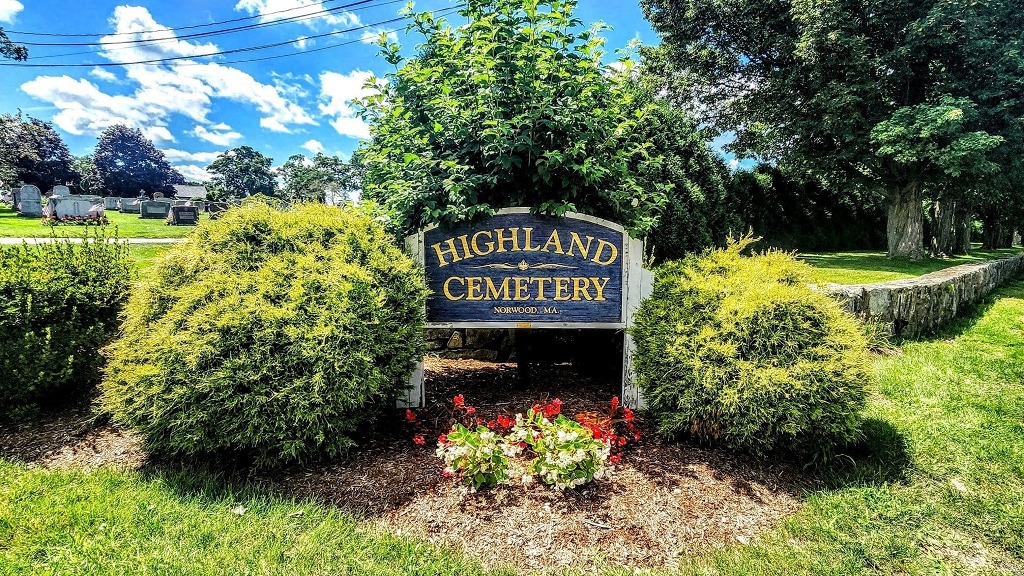
George F. Willett has called the attention of the Selectmen to the availability of 16 acres of land near Highland Cemetery which he owns and suggests it may be purchased by the town for cemetery expansion. Last spring the attention of the Board was called to the fact that before many years the purchase of…
-
1947 Historical Sketch-The Norwood Business Association
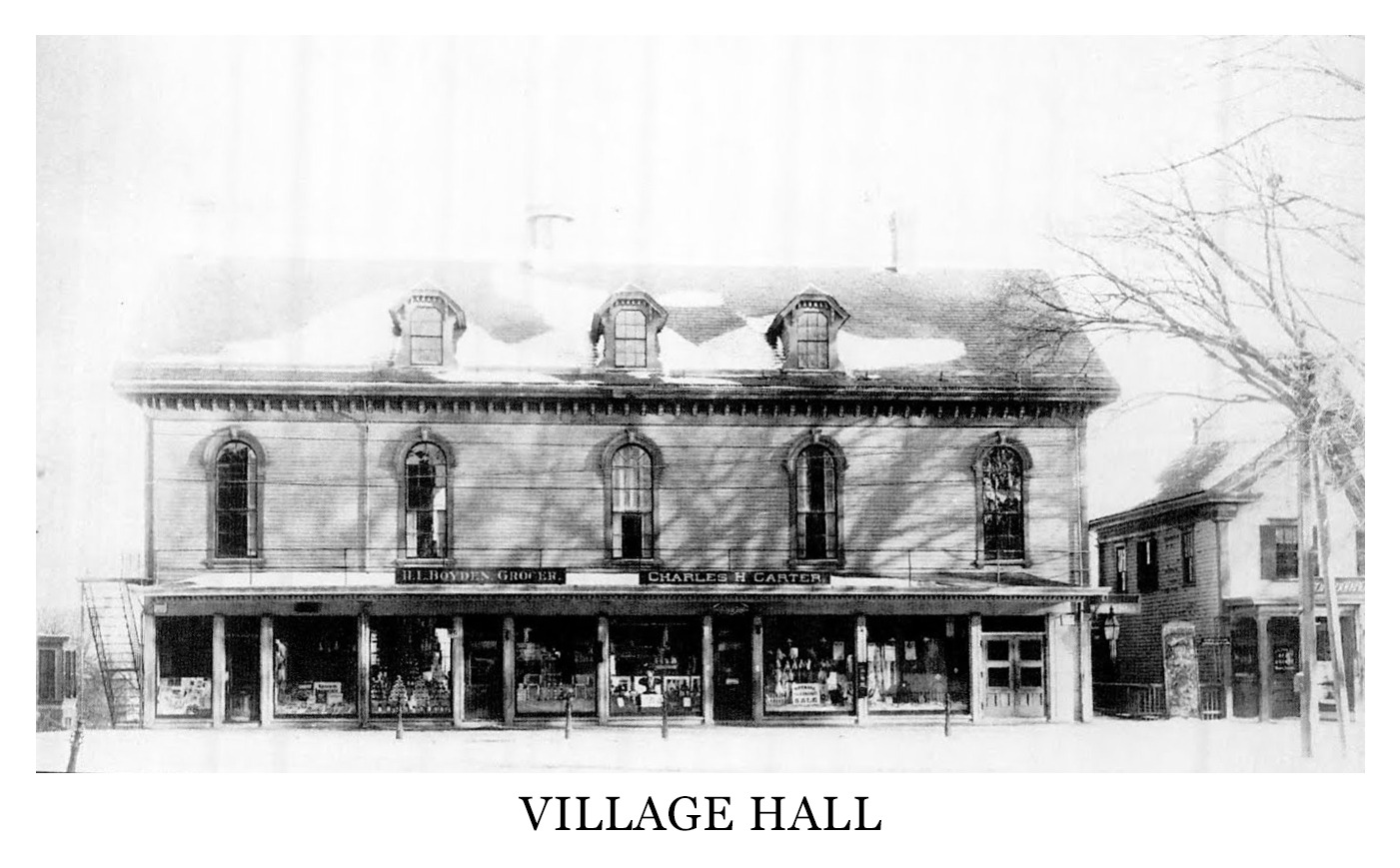
At the annual town meeting on March 7, 1892, a motion was made by John C. Lane and unanimously adopted by the town: “That a standing committee be appointed to further the general interests of the town and especially to consider and devise ways and means of increasing the business done in the town, such…
-
Norwood Selectmen Decline Seats on Private Westover Estates Development Committee-August 1, 1947
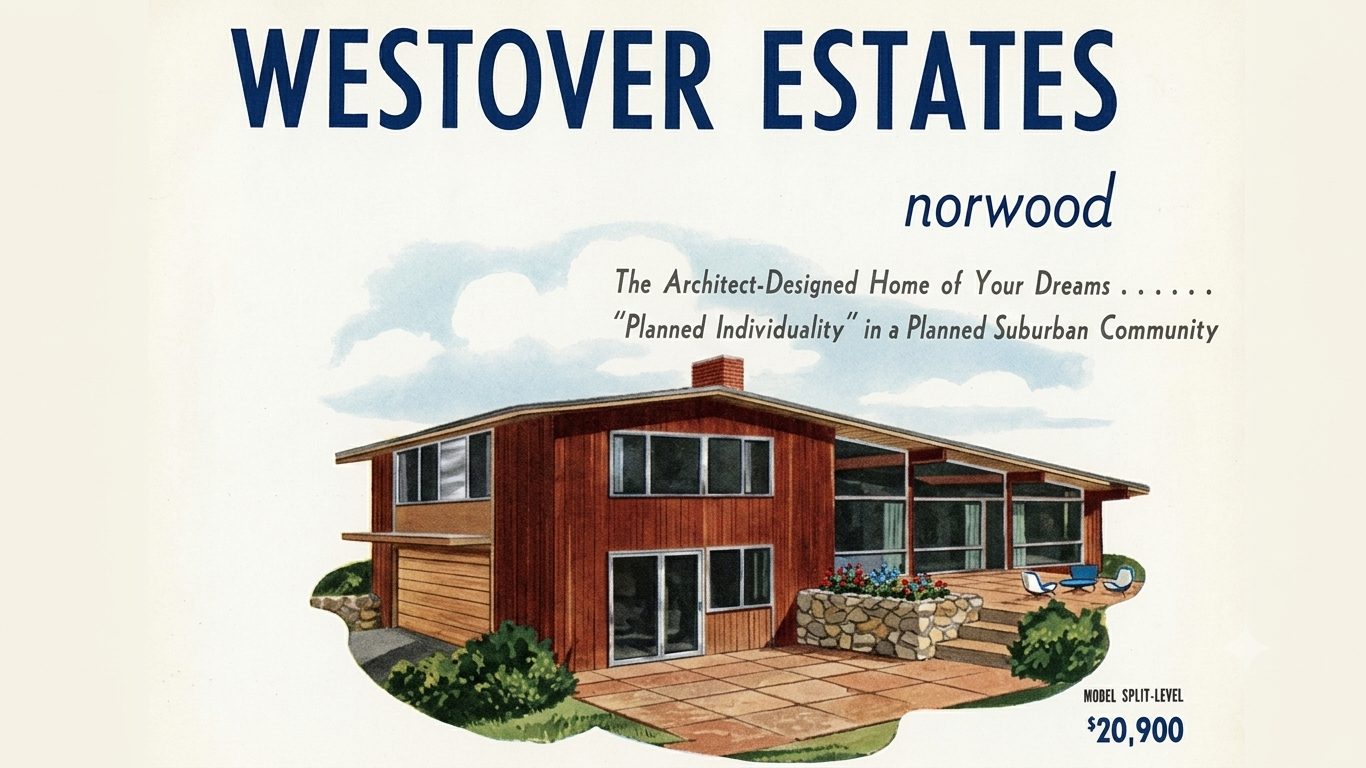
Unwilling To Name Officials To Special Westover Group ⠀ Pointing out that it is inconsistent with the best interests of the people of the town for either an elected or appointed official of the town government to serve on a committee for the private development of the real estate, irrespective of what possible future benefits…
-
Big Strides Made On Willett Beach Project-This Day in Norwood History-July 18, 1947
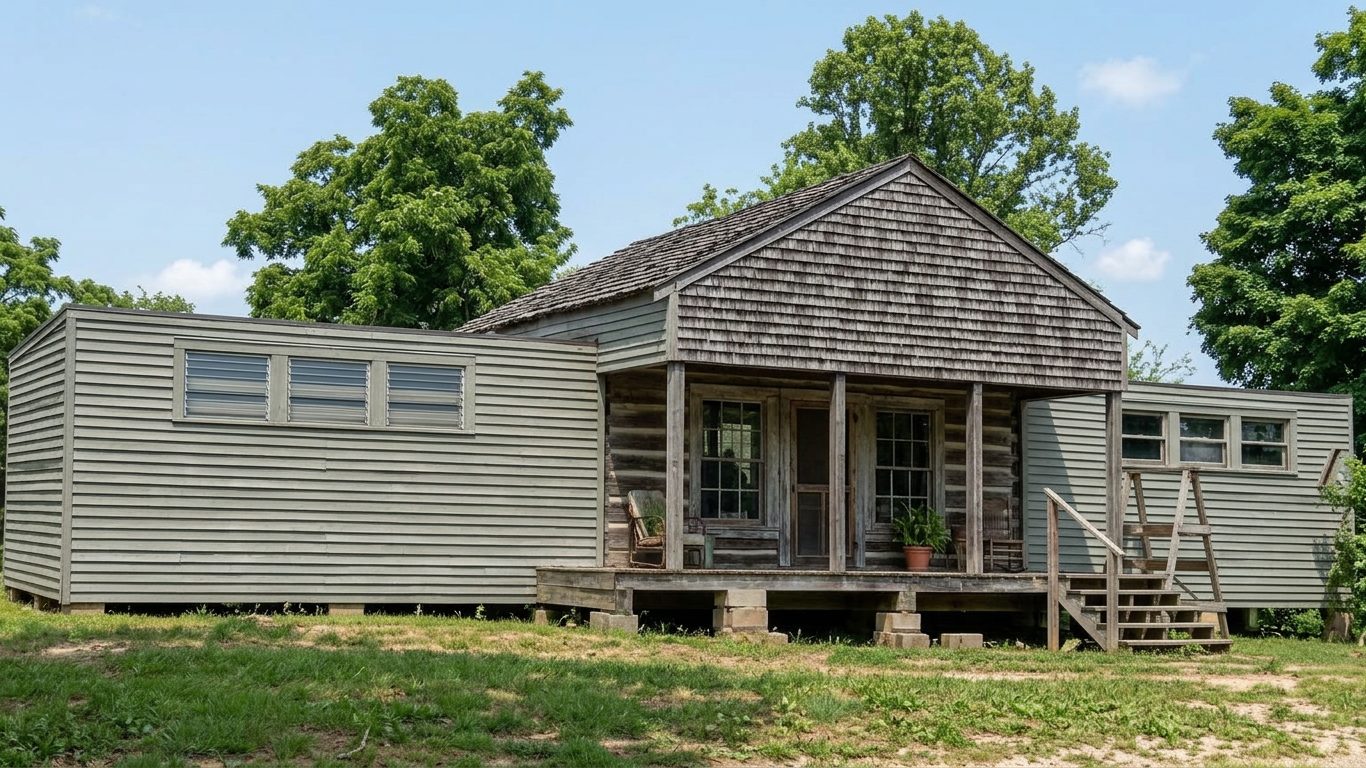
This Day in Norwood History-July 18, 1947-Big Strides Made On Willett Beach Project
Discover more from Norwood Historical Society
Subscribe to get the latest posts sent to your email.
One thought on “George F. Willett FIles $15 Million Lawsuit-November 8, 1923”
Comments are closed.