
Gary Lee and Thomas Riolo Back Live Cable Coverage, Cablevision Manager Henry Ferris Says Remote Van Could Make It Easy, and William Butters Questions Technical Readiness
NORWOOD – Aiming to inject new energy into Tuesday-night local television viewing—and fix persistent audio complaints on delayed broadcasts—Norwood’s Board of Selectmen discussed airing their weekly meetings live on local cable television during a Tuesday, November 28, 1989 session with Cablevision executives. Reported in The Patriot Ledger on Wednesday, November 29, 1989, by staff writer Lyndsey Layton, the proposal resurfaced as selectmen met with cable officials to air complaints about local service quality.
“I’d like to see us go live,” Selectman Gary Lee declared moments after a cameraman finished taping Tuesday’s session for its usual Wednesday-evening replay. “I think it’s more fun. The State House and Congress are live and I find that extremely interesting to watch. So why shouldn’t people in Norwood also be able to watch us live?”
Selectman Thomas A. Riolo agreed that real-time coverage would boost civic engagement: “If it’s live, I think more people will watch it. People want to get the news while it’s happening. They don’t want to wait a day to find out what’s going on.”
According to Gordon Smith of the town’s Cable Commission, the majority of viewer calls he received involved trouble tuning in to Wednesday-night replays of selectmen’s meetings—particularly uneven microphone audio. “Most of the time, they complain about the volume,” Smith noted. “They can hear [Selectmen Chairman John] Kinnaly all right, but they can’t hear any of the other selectmen.”
“What’s wrong with that?” Chairman John F. Kinnaly quipped, before pointing out a practical benefit of live broadcasts: viewers could call the station immediately if audio levels dropped, allowing technicians to fix the sound while the meeting was still underway.
Henry Ferris, general manager for Cablevision, told the board that live transmission would be straightforward and would not significantly raise costs, requiring only a remote transmission van parked outside Memorial Hall and one additional crew member to operate it. Selectman William F. Butters, visibly frustrated with Cablevision’s service record, doubted the company’s readiness: “I don’t think they’re equipped to do it. They can’t even do the taping right. How are they going to go live?”
Selectmen also traded good-natured remarks over how live cameras might affect boardroom theatrics. Butters observed that speakers “have a tendency to gesticulate a little more on live TV—real hamming it up—you see it in the State House,” adding he hoped to avoid that unless it carried a “political advantage.” Riolo insisted live cameras would not alter his demeanor at all: “It won’t change me. No, I never change. I’m me. Live or not.”
Source: The Patriot Ledger • Wednesday, November 29, 1989 • By Lyndsey Layton
“Most of the time, they complain about the volume. They can hear [Selectmen Chairman John] Kinnaly all right, but they can’t hear any of the other selectmen.”
| Official / Executive | Take on Live Cablevision Selectmen Broadcasts (Nov. 1989) |
|---|---|
| Gary Lee (Selectman) | Supports going live like Congress and the State House, calling live broadcasts more engaging and fun for Norwood viewers. |
| Thomas A. Riolo (Selectman) | Believes more residents will tune in for news as it happens rather than waiting until Wednesday night; says cameras will not change him. |
| John F. Kinnaly (Chairman) | Notes live viewers could alert the station to volume problems so technicians can adjust audio during the meeting. |
| William F. Butters (Selectman) | Skeptical of Cablevision’s technical readiness after taping flaws, and jokes live TV tempts politicians to “ham it up.” |
| Henry Ferris (Cablevision GM) | Says live broadcasts from Memorial Hall require only a remote transmission van and one extra crew member at minimal added cost. |
Archival Note: This article has been dynamically reconstructed from the original public record print archives of the Patriot Ledger
More…
-
Norwood Public Access Dedicates Dick Kief TV Studio-January 3, 2013
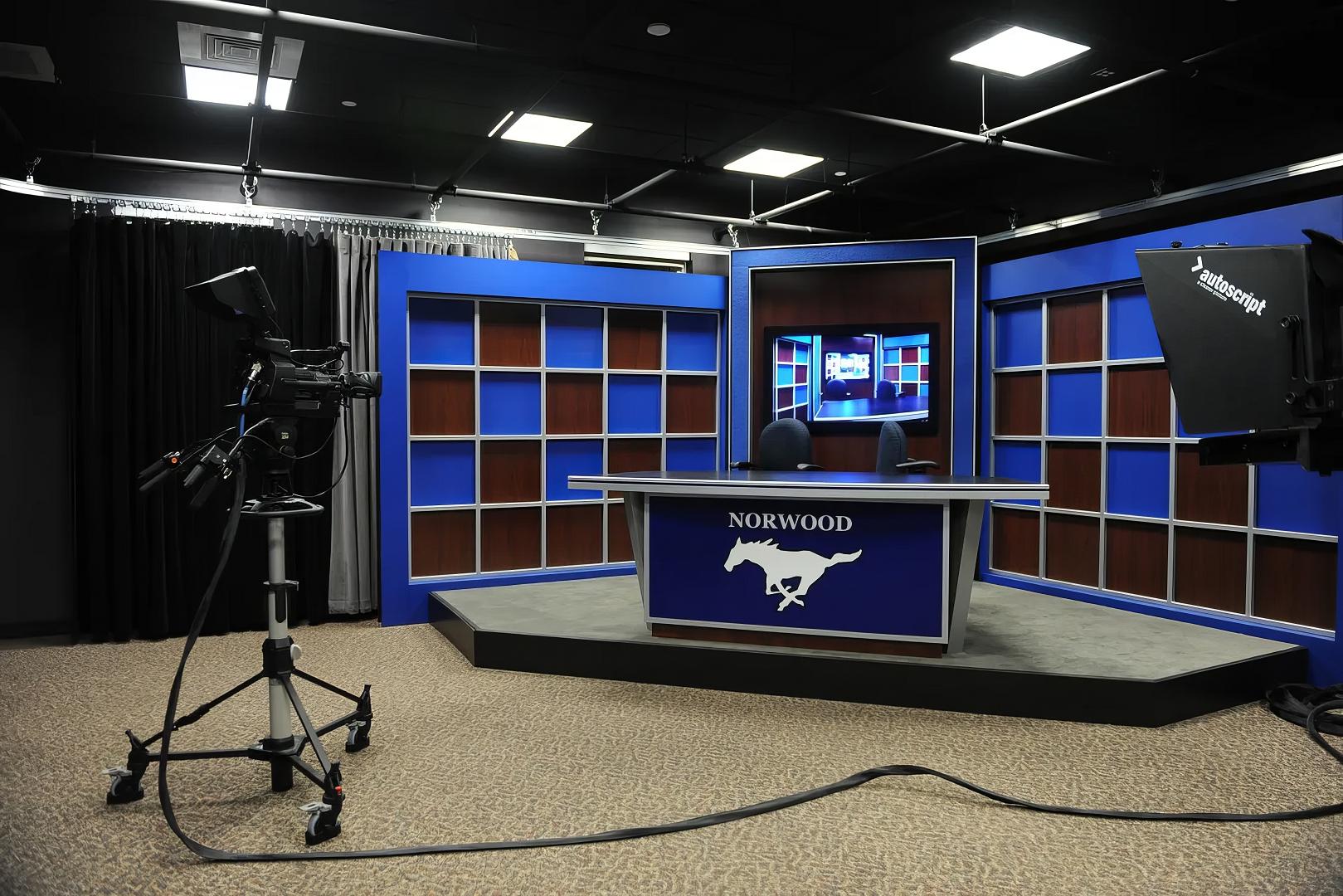
In a heartfelt dedication ceremony on Thursday, January 3, members of Dick Kief’s family celebrated the unveiling of the TV studio named in his honor at Norwood High School. Scott Murphy, President of the NPA-TV Board of Directors, emphasized Kief’s preference for being called “Dick” rather than Richard or Richard W. The plaque now proudly…
-
Lights, Camera, Summer: Norwood Public Access’s Youth Media Program-July 19, 2012
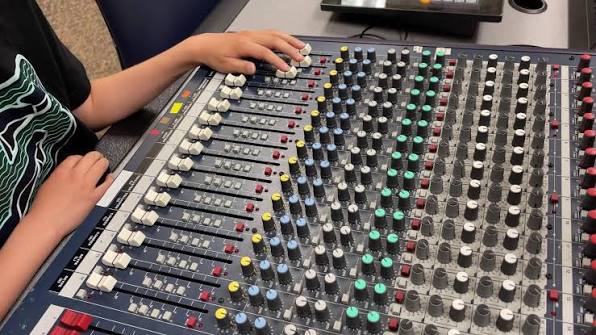
The Lights, Camera, Summer program was a huge success for Norwood Public Access (NPA) and its participants. The program allowed 15 students to learn about video production and create their own content, which was then broadcast on NPA-TV.
-
Norwood Public Access Television Finds a State-of-the-Art Home Inside the New Norwood High School-October 10, 2011
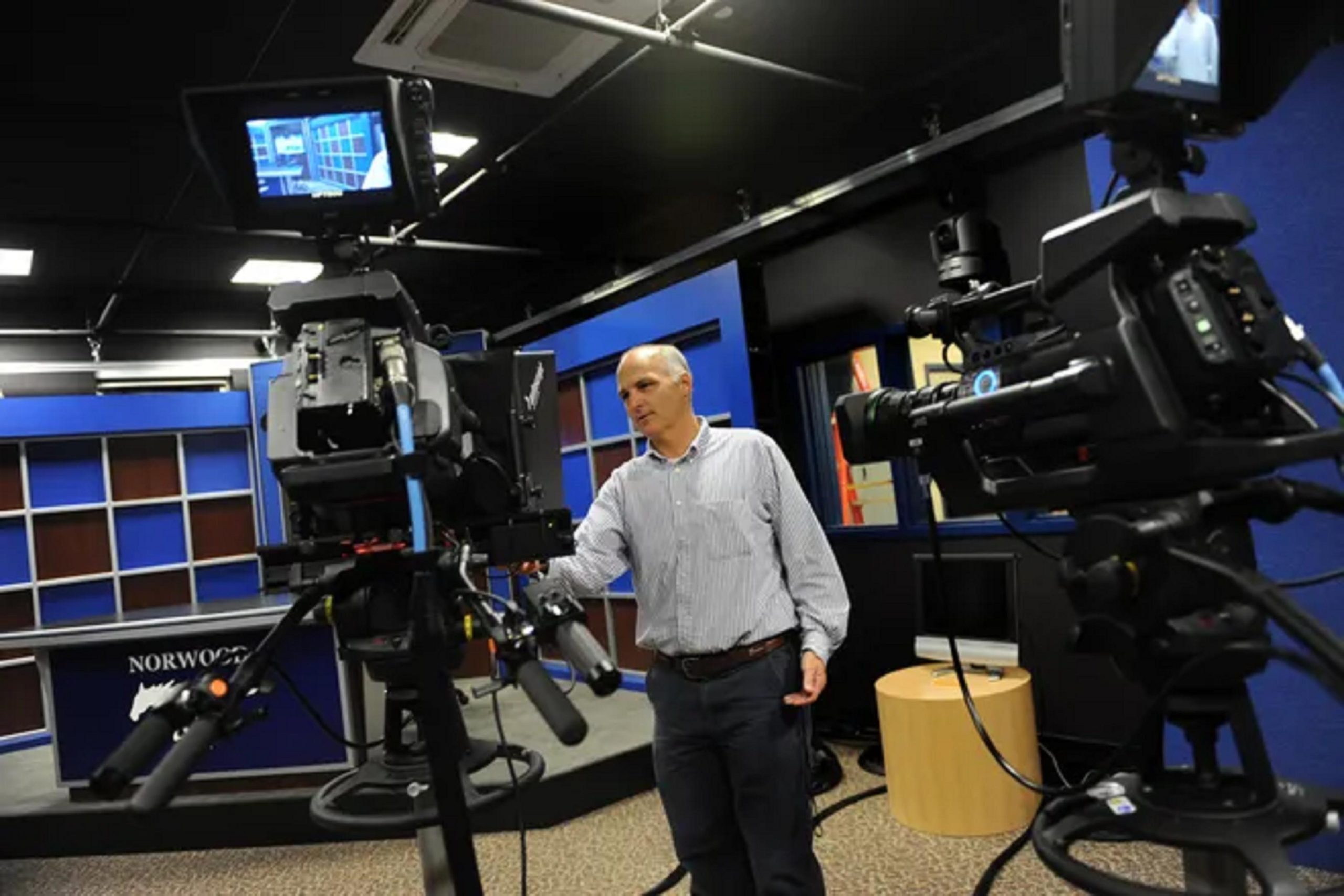
NPA-TV completes a $520,000 relocation into the new Norwood High School, providing state-of-the-art broadcast equipment for both student media classes and community programming.
-
Board of Selectmen Approves Verizon FiOS Cable Franchise-August 23, 2007
Norwood selectmen approved a cable franchise for Verizon, making it the 55th Massachusetts town to get FiOS and giving residents a third TV provider alongside Comcast and Norwood Light.
-
Cablevision Announces Rate Increases for Norwood Subscribers-August 5, 1992
Cable television rates for Norwood residents increased in September 1992 across basic, family, and premium packages as Cablevision simultaneously prepared for a corporate takeover by A-R Cable Services.
-
Norwood to Re-Examine Cable Request-July 18, 1992
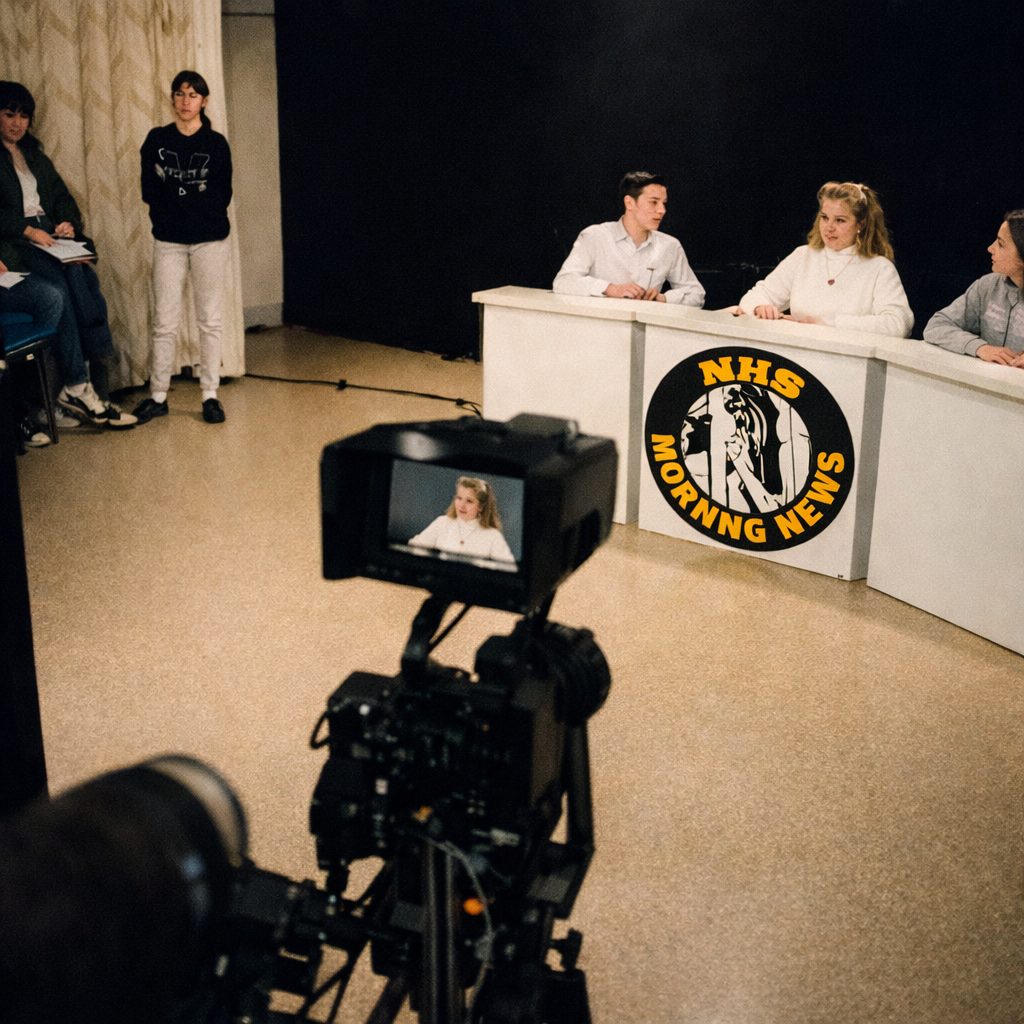
Norwood was on the cusp of a significant decision regarding its cable television infrastructure. On this fateful day, July 18, 1992, selectmen were poised to take action on a long-delayed and contentious request from the school system for $80,000 to upgrade the high school’s television studio into a community facility. The proposal had been in…
-
Norwood High Opens Communications Through TV-December 1, 1991
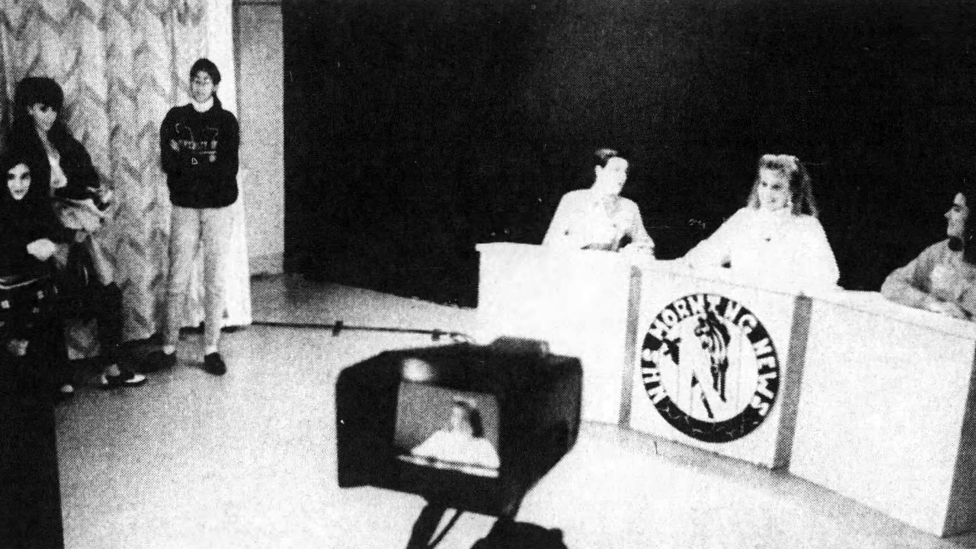
Producing a daily morning show and broadcasting live local events, Norwood High’s student-run TV studio combines hands-on media training with advanced satellite learning technology.
-
Norwood Schools Get Backing for Cable TV-July 24, 1991
The Norwood School Committee unanimously voted to pursue a $530,000 federal Even Start grant utilizing cable television to expand early childhood education for Norwood and Westwood.
-
Selectmen Weigh Live Tuesday-Night Cablevision Broadcast-November 29, 1989
Norwood Selectmen Gary Lee, Thomas A. Riolo, Chairman John F. Kinnaly, and William F. Butters met with Cablevision General Manager Henry Ferris and Cable Commission member Gordon Smith on November 28, 1989, to consider airing Tuesday meetings live from Memorial Hall.
-
$16,600 Grant Equips New Norwood High School Cable Television Studio-August 18, 1987
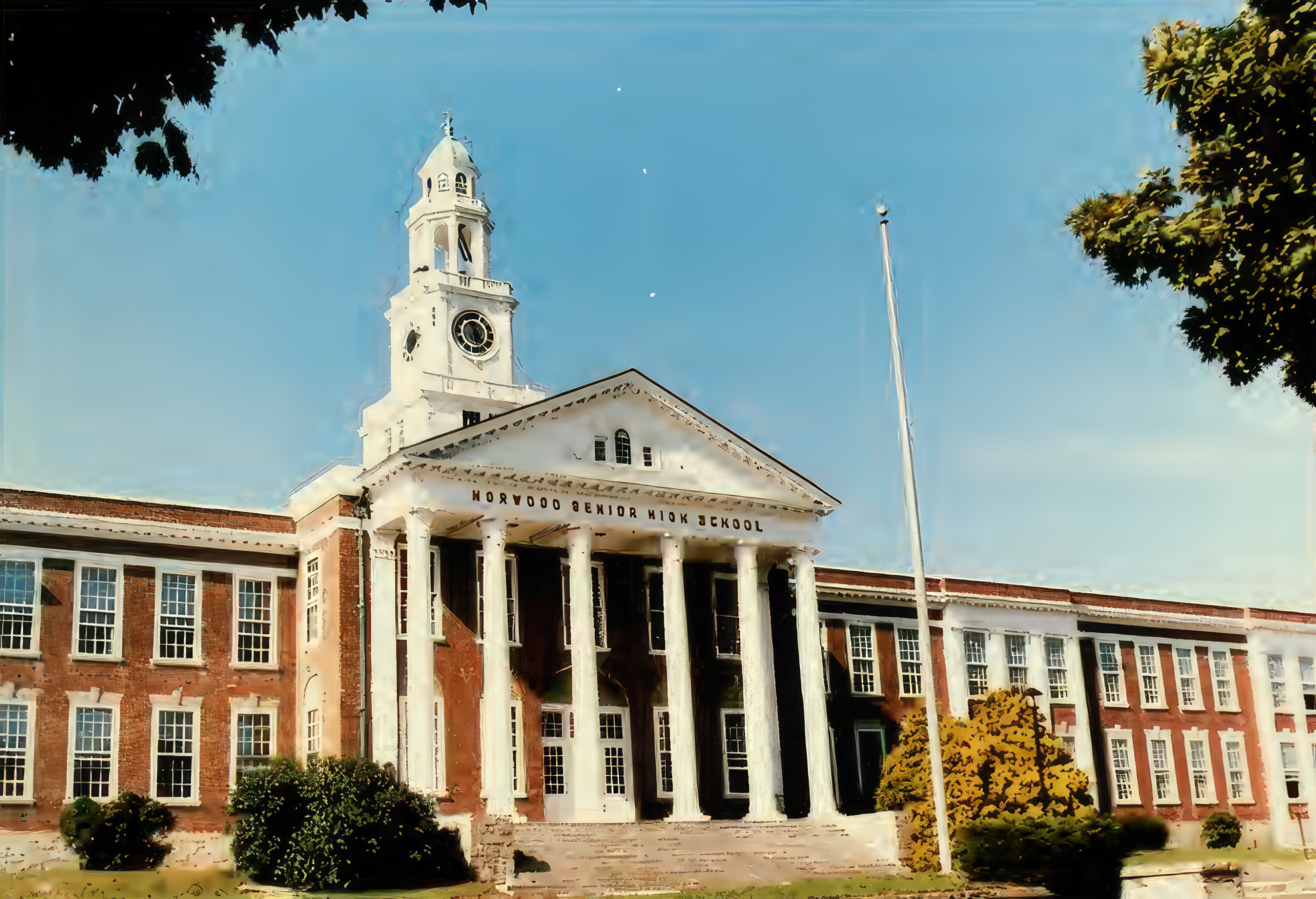
Norwood Community Television awarded a $16,600 grant to equip a new student-run television studio at Norwood High School, expanding local cable programming and production training.
Discover more from Norwood Historical Society
Subscribe to get the latest posts sent to your email.