Norwood was on the cusp of a significant decision regarding its cable television infrastructure.
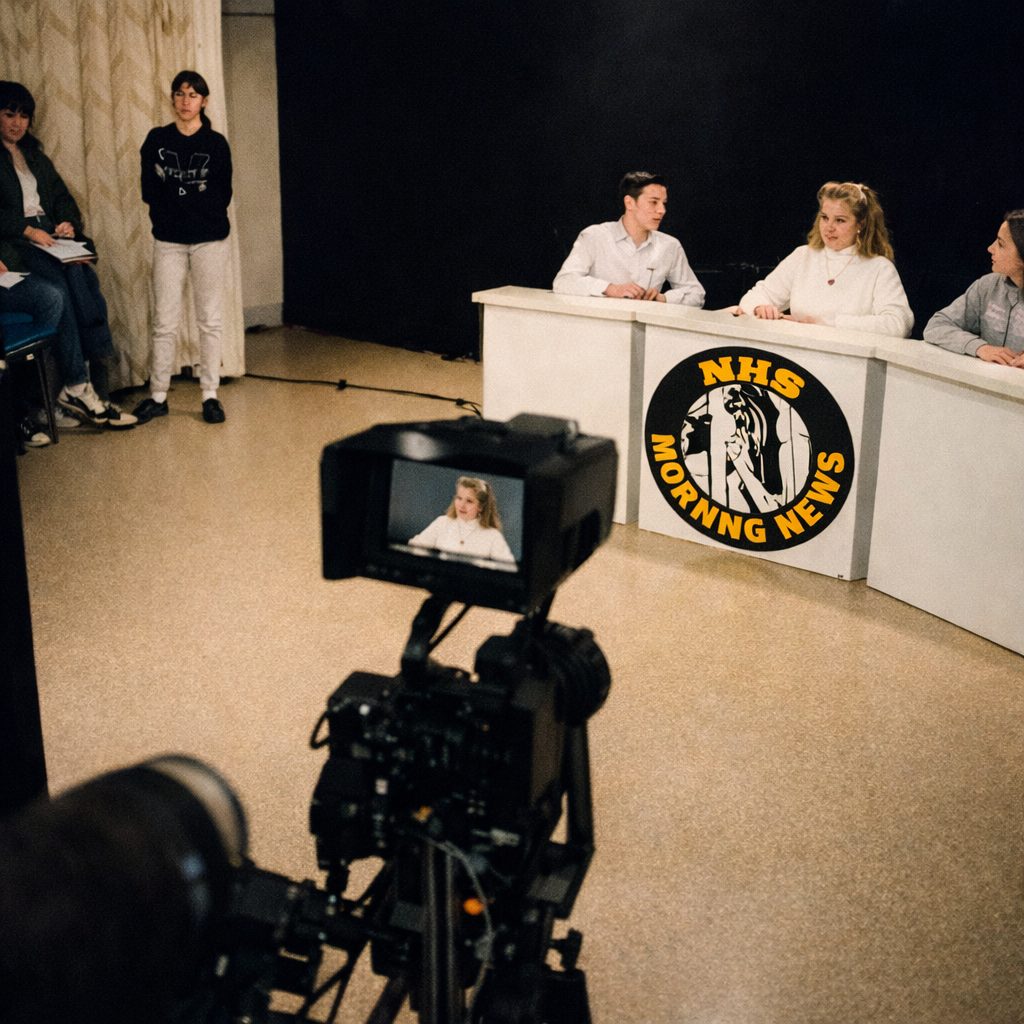
On this fateful day, July 18, 1992, selectmen were poised to take action on a long-delayed and contentious request from the school system for $80,000 to upgrade the high school’s television studio into a community facility.
The proposal had been in limbo for seven months, with selectmen repeatedly postponing votes and seeking input from Town Counsel Michael Lehane. After Lehane’s approval, the plan was sent to the cable commission for review, which ultimately gave its backing to the initiative. However, when it came time for selectmen to vote on the proposal two weeks prior, a 2-2 tie left the request hanging in the balance.
Thomas Riolo and Joseph Curran had voted in favor of the plan, while Gary Lee and William Butters opposed it. The latter argued that the school proposal should not be financed from the refund, citing the stipulation that the cable money could only be used for educational projects or charitable causes. As a lawyer, Lee contended that using the funds for the schools would essentially mean paying for town operations.
“I still think if the schools want this, it should come from their budget,” Lee told selectmen earlier in the month. “This is not what the refund is supposed to cover.” His words highlighted the contentious nature of the debate and underscored the need for a clear understanding of the refund’s intended purpose.
In an effort to break the impasse, members agreed to revisit the question before a full board when it met on Tuesday at 7:30 p.m. The proposal had garnered support from those who believed it would enhance the school’s academic programs and create a community resource simultaneously. However, critics like Lee remained unconvinced, emphasizing that the refund was meant for specific purposes and should not be used to fund general town operations.
As selectmen prepared to reconvene and deliberate on the proposal once more, the fate of the $80,000 request hung precariously in the balance. Would they ultimately approve the plan, or would it fall victim to the ongoing debate? Only time would tell as the town of Norwood continued to grapple with the complexities of its cable television infrastructure.
The school system’s request for $80,000 was not an isolated incident; rather, it was part of a larger narrative surrounding the town’s efforts to utilize its Cablevision refund. The refund itself had been the result of a lawsuit won by Norwood against the company, which had been forced to pay court-ordered rebates. These rebates were subsequently divided among various initiatives, including $8,000 for the historical commission and $31,000 for an alcohol and drug counseling program.
The allocation of these funds served as a testament to the town’s commitment to using its resources effectively. However, the debate surrounding the school proposal highlighted the challenges that arose when attempting to balance competing interests and priorities. As selectmen continued to deliberate on the matter, they were faced with the daunting task of navigating the intricacies of the refund and determining the best course of action for the town.
In doing so, they would need to weigh the potential benefits of upgrading the high school’s television studio against the concerns raised by critics like Lee. The outcome was far from certain, leaving the fate of the $80,000 request hanging precariously in the balance.
Archival Note: This article has been dynamically reconstructed from the original public record print archives of the Patriot Ledger
More…
-
Norwood Public Access Dedicates Dick Kief TV Studio-January 3, 2013
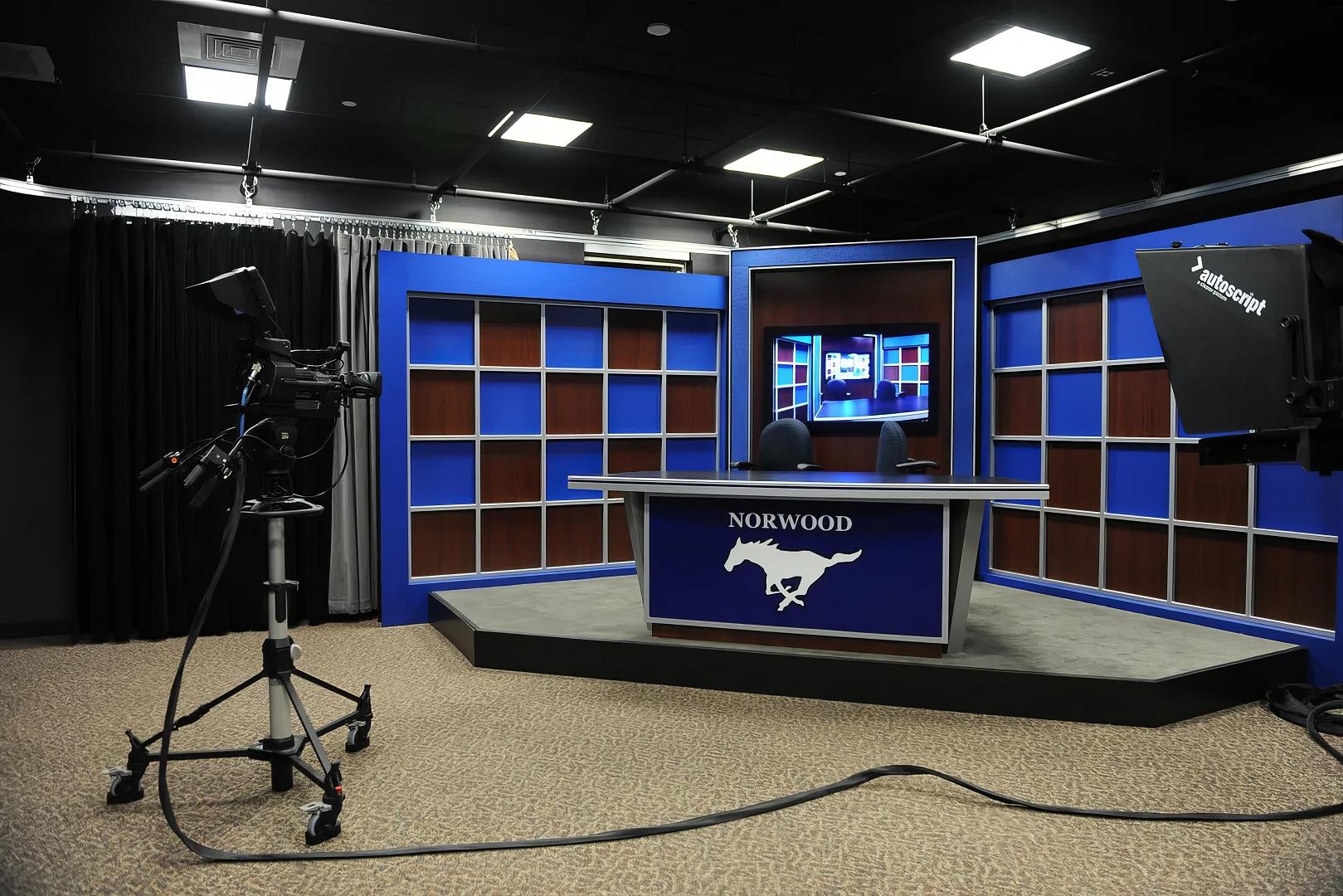
In a heartfelt dedication ceremony on Thursday, January 3, members of Dick Kief’s family celebrated the unveiling of the TV studio named in his honor at Norwood High School. Scott Murphy, President of the NPA-TV Board of Directors, emphasized Kief’s preference for being called “Dick” rather than Richard or Richard W. The plaque now proudly…
-
Lights, Camera, Summer: Norwood Public Access’s Youth Media Program-July 19, 2012
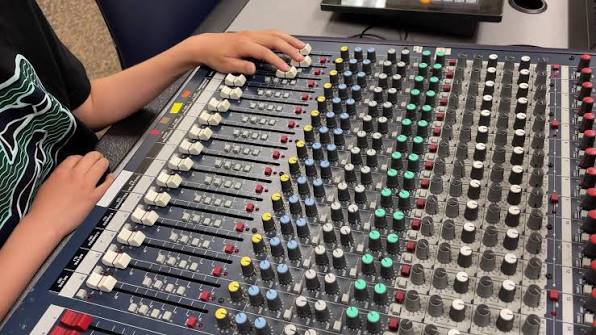
The Lights, Camera, Summer program was a huge success for Norwood Public Access (NPA) and its participants. The program allowed 15 students to learn about video production and create their own content, which was then broadcast on NPA-TV.
-
Norwood Public Access Television Finds a State-of-the-Art Home Inside the New Norwood High School-October 10, 2011
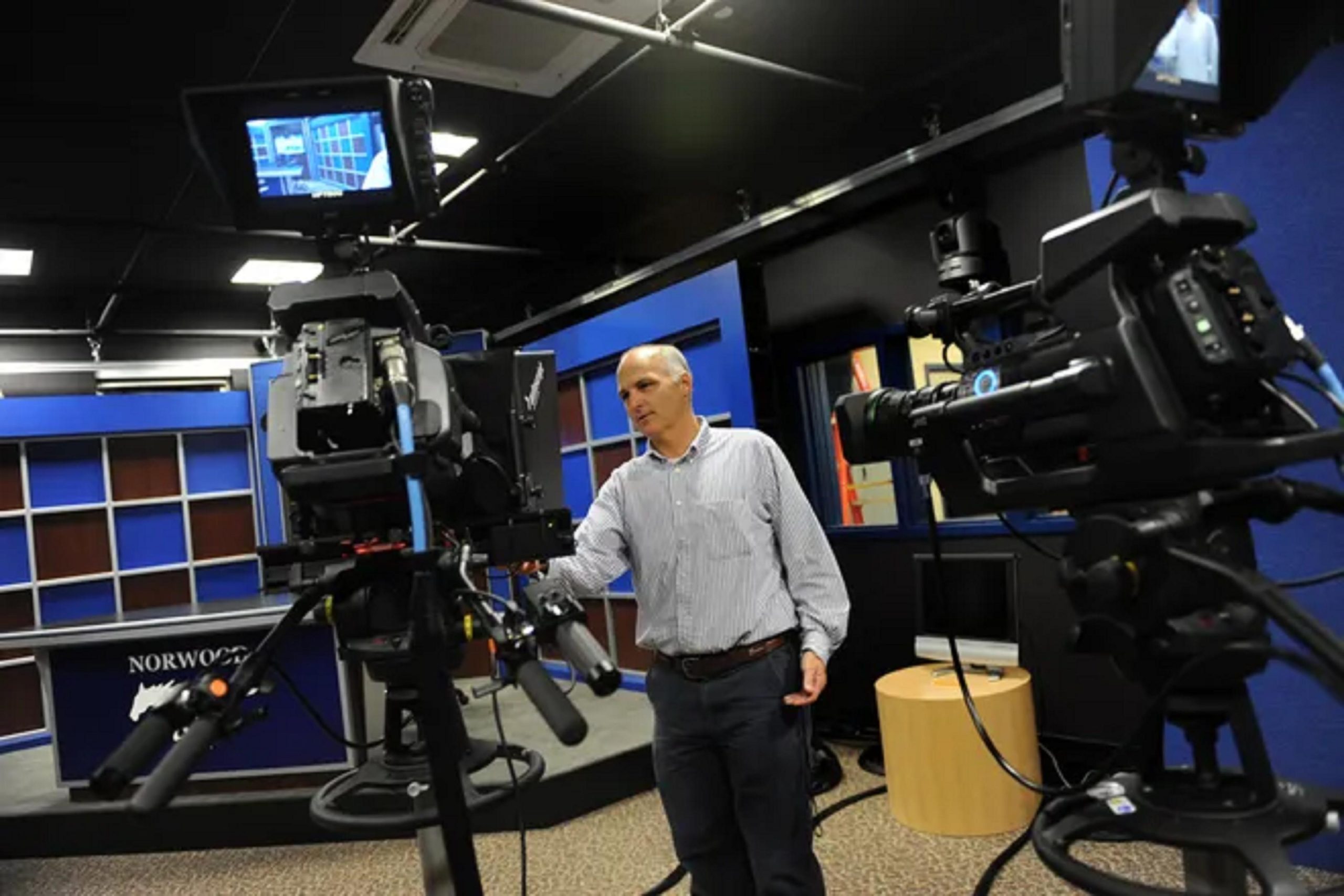
NPA-TV completes a $520,000 relocation into the new Norwood High School, providing state-of-the-art broadcast equipment for both student media classes and community programming.
-
Board of Selectmen Approves Verizon FiOS Cable Franchise-August 23, 2007

Norwood selectmen approved a cable franchise for Verizon, making it the 55th Massachusetts town to get FiOS and giving residents a third TV provider alongside Comcast and Norwood Light.
-
Cablevision Announces Rate Increases for Norwood Subscribers-August 5, 1992
Cable television rates for Norwood residents increased in September 1992 across basic, family, and premium packages as Cablevision simultaneously prepared for a corporate takeover by A-R Cable Services.
-
Norwood to Re-Examine Cable Request-July 18, 1992
Norwood was on the cusp of a significant decision regarding its cable television infrastructure. On this fateful day, July 18, 1992, selectmen were poised to take action on a long-delayed and contentious request from the school system for $80,000 to upgrade the high school’s television studio into a community facility. The proposal had been in…
-
Norwood High Opens Communications Through TV-December 1, 1991
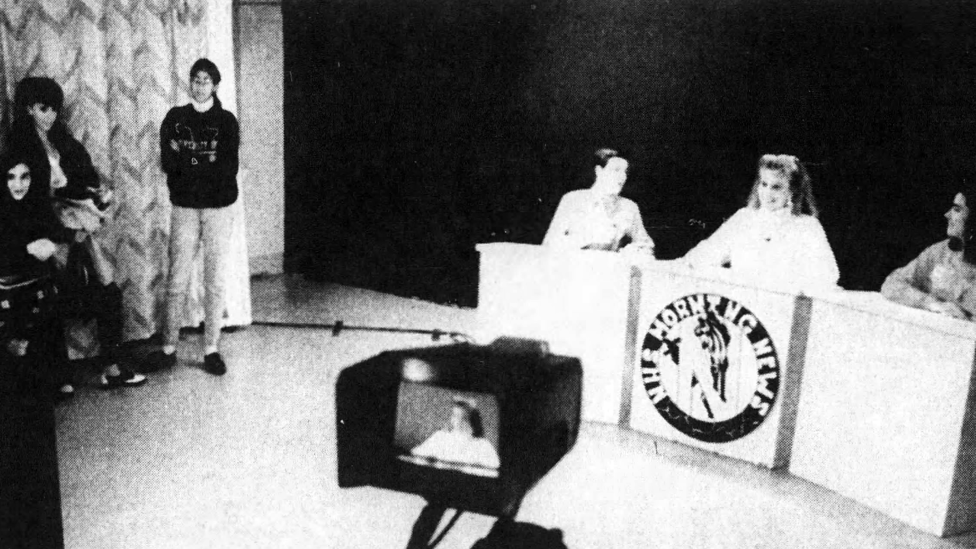
Course provides on-air education from school studio NORWOOD-At 7:30 a.m. Katy Kale, a high school senior, pasted on a smile, folded her hands, looked straight into the camera and said, “Good morning and welcome to Norwood High School News.” For the last four years, Norwood students have been learning what it takes to be a…
-
Norwood Schools Get Backing for Cable TV-July 24, 1991
The Norwood School Committee unanimously voted to pursue a $530,000 federal Even Start grant utilizing cable television to expand early childhood education for Norwood and Westwood.
-
$16,600 Grant Equips New Norwood High School Cable Television Studio-August 18, 1987
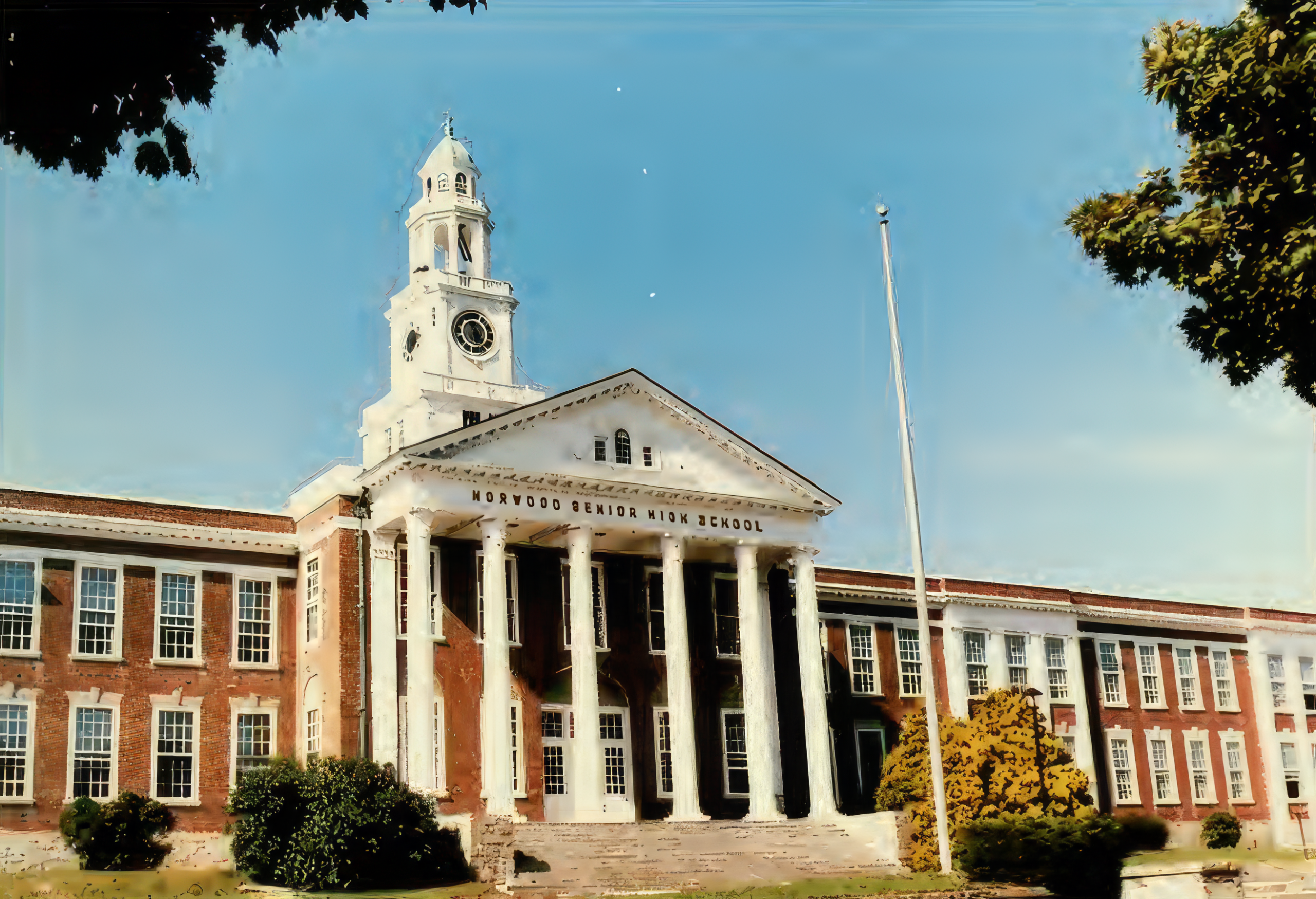
Norwood Community Television awarded a $16,600 grant to equip a new student-run television studio at Norwood High School, expanding local cable programming and production training.
-
Local Cable Television Program “For the Record” Wins National Defense Recognition-August 30, 1986
Norwood cable television program “For the Record,” hosted by Jeff and Debby Briggs, receives a U.S. Defense Department award for featuring the National Guard.
Discover more from Norwood Historical Society
Subscribe to get the latest posts sent to your email.