
Gary Lee and Thomas Riolo Back Live Cable Coverage, Cablevision Manager Henry Ferris Says Remote Van Could Make It Easy, and William Butters Questions Technical Readiness
NORWOOD – Aiming to inject new energy into Tuesday-night local television viewing—and fix persistent audio complaints on delayed broadcasts—Norwood’s Board of Selectmen discussed airing their weekly meetings live on local cable television during a Tuesday, November 28, 1989 session with Cablevision executives. Reported in The Patriot Ledger on Wednesday, November 29, 1989, by staff writer Lyndsey Layton, the proposal resurfaced as selectmen met with cable officials to air complaints about local service quality.
“I’d like to see us go live,” Selectman Gary Lee declared moments after a cameraman finished taping Tuesday’s session for its usual Wednesday-evening replay. “I think it’s more fun. The State House and Congress are live and I find that extremely interesting to watch. So why shouldn’t people in Norwood also be able to watch us live?”
Selectman Thomas A. Riolo agreed that real-time coverage would boost civic engagement: “If it’s live, I think more people will watch it. People want to get the news while it’s happening. They don’t want to wait a day to find out what’s going on.”
According to Gordon Smith of the town’s Cable Commission, the majority of viewer calls he received involved trouble tuning in to Wednesday-night replays of selectmen’s meetings—particularly uneven microphone audio. “Most of the time, they complain about the volume,” Smith noted. “They can hear [Selectmen Chairman John] Kinnaly all right, but they can’t hear any of the other selectmen.”
“What’s wrong with that?” Chairman John F. Kinnaly quipped, before pointing out a practical benefit of live broadcasts: viewers could call the station immediately if audio levels dropped, allowing technicians to fix the sound while the meeting was still underway.
Henry Ferris, general manager for Cablevision, told the board that live transmission would be straightforward and would not significantly raise costs, requiring only a remote transmission van parked outside Memorial Hall and one additional crew member to operate it. Selectman William F. Butters, visibly frustrated with Cablevision’s service record, doubted the company’s readiness: “I don’t think they’re equipped to do it. They can’t even do the taping right. How are they going to go live?”
Selectmen also traded good-natured remarks over how live cameras might affect boardroom theatrics. Butters observed that speakers “have a tendency to gesticulate a little more on live TV—real hamming it up—you see it in the State House,” adding he hoped to avoid that unless it carried a “political advantage.” Riolo insisted live cameras would not alter his demeanor at all: “It won’t change me. No, I never change. I’m me. Live or not.”
Source: The Patriot Ledger • Wednesday, November 29, 1989 • By Lyndsey Layton
“Most of the time, they complain about the volume. They can hear [Selectmen Chairman John] Kinnaly all right, but they can’t hear any of the other selectmen.”
| Official / Executive | Take on Live Cablevision Selectmen Broadcasts (Nov. 1989) |
|---|---|
| Gary Lee (Selectman) | Supports going live like Congress and the State House, calling live broadcasts more engaging and fun for Norwood viewers. |
| Thomas A. Riolo (Selectman) | Believes more residents will tune in for news as it happens rather than waiting until Wednesday night; says cameras will not change him. |
| John F. Kinnaly (Chairman) | Notes live viewers could alert the station to volume problems so technicians can adjust audio during the meeting. |
| William F. Butters (Selectman) | Skeptical of Cablevision’s technical readiness after taping flaws, and jokes live TV tempts politicians to “ham it up.” |
| Henry Ferris (Cablevision GM) | Says live broadcasts from Memorial Hall require only a remote transmission van and one extra crew member at minimal added cost. |
Archival Note: This article has been dynamically reconstructed from the original public record print archives of the Patriot Ledger
More…
-
Local Cable Television Program “For the Record” Wins National Defense Recognition-August 30, 1986
Norwood cable television program “For the Record,” hosted by Jeff and Debby Briggs, receives a U.S. Defense Department award for featuring the National Guard.
-
Norwood Selectmen Oppose Cablevision’s Proposed Rate Hike-August 7, 1986

Faced with a proposed 32 percent rate hike by Adams Russell Cablevision that would boost “Supercable” packages from $7.50 to $14.50 monthly, Norwood selectmen scheduled a public hearing at Junior High South.
-
Adams-Russell Cable Co. Plans September Rate Hike-August 16, 1985

Adams-Russell Cable Co. announced a September 1 rate hike from $25 to $32 per month, triggering a contract dispute with town officials over uncompleted municipal cable loops.
-
Adams-Russell Cable Services Tells Norwood Selectmen Local Cable System is Completed-August 8, 1984
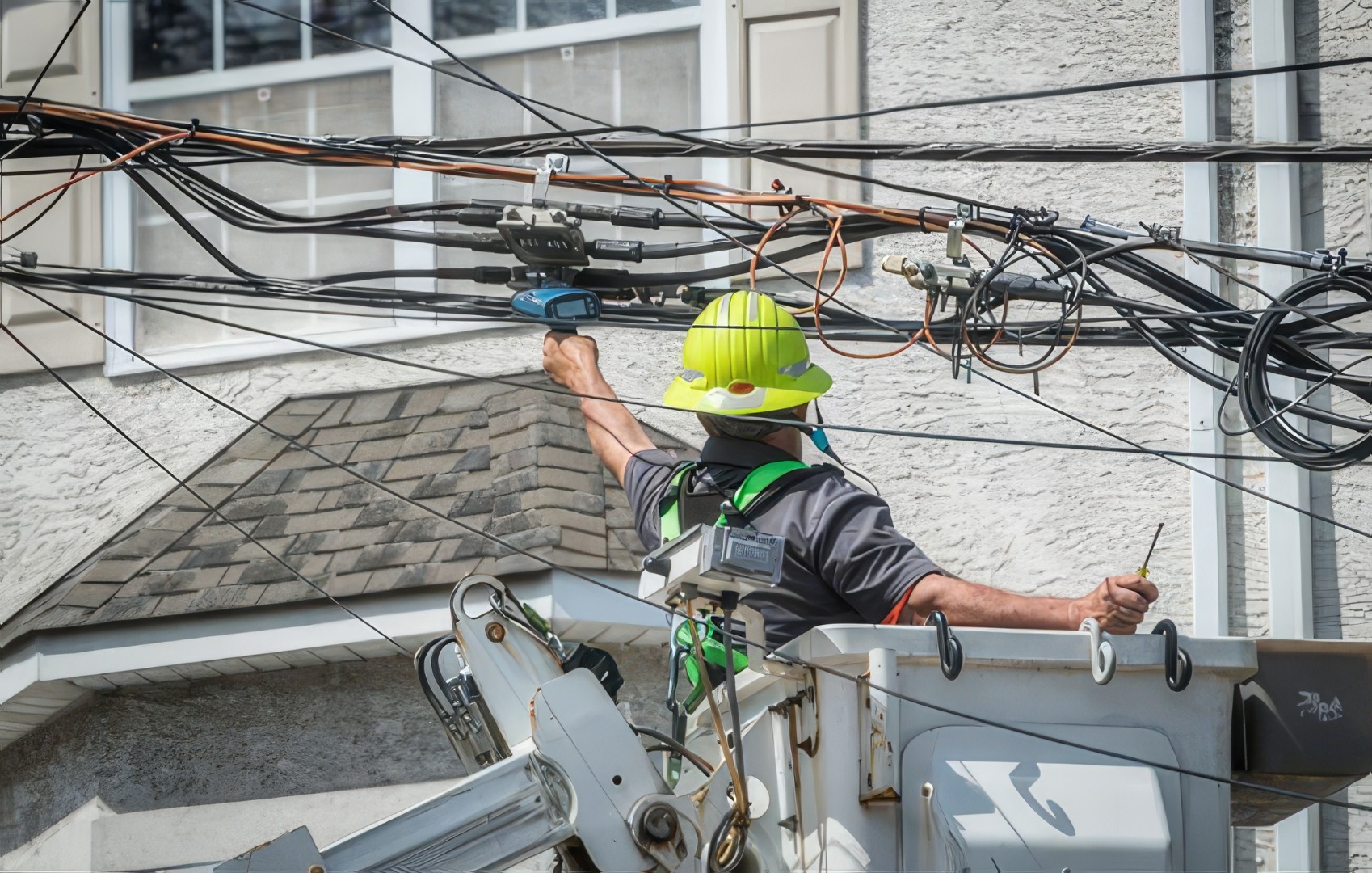
Company Announces Energizing of Public Institutional Loop as Two-Year Rate Freeze Certification Process Approaches NORWOOD — Representatives from Adams-Russell Cable Services informed town selectmen last night that Norwood’s cable television system is officially complete. The declaration marks a critical milestone for both the Waltham-based company and local subscribers, as certification triggers the start of a…
-
Selectmen Approve High School as Site for New Local Cable Television Studio-October 15, 1983

Overcoming earlier anxieties regarding municipal oversight and public accessibility, the Board of Selectmen voted 4 to 1 on Wednesday night to authorize the construction of a new local cable television studio inside Norwood High School. Protecting Public Access and Licensing Authority The decision came after Selectman John F. Kinnaly reported receiving firm assurances from school…
-
Norwood Cable Television Advisory Committee Reports Smooth Progress in Franchise Negotiations-August 11, 1981

With negotiations progressing smoothly, CATV Advisory Chairman Edward F. McKenna announced that Adams-Russell Co. is on schedule to bring a 52-channel cable television system to Norwood by the spring of 1982.
-
Norwood Awards CATV; Service In Year-June 24, 1981
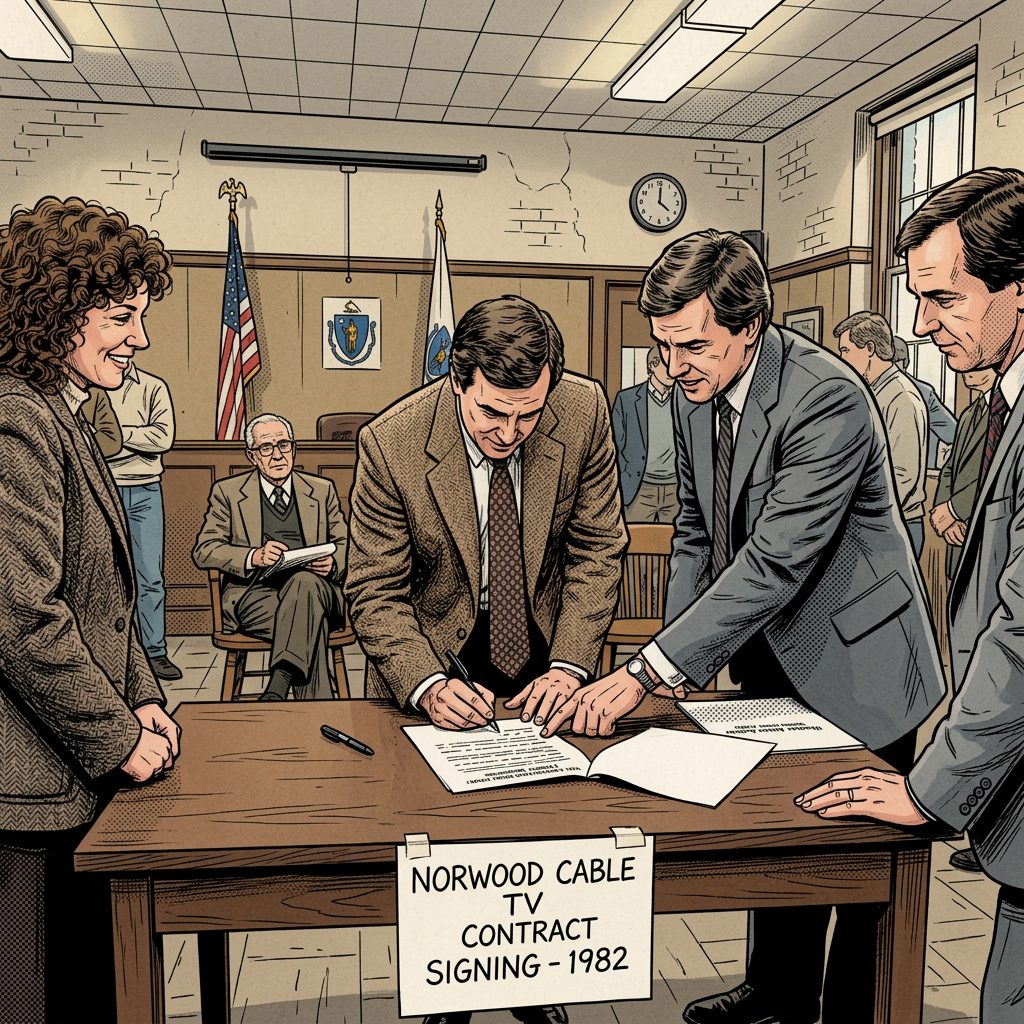
Following a extensive year-long review by the CATV advisory panel, developers map out a 100-mile infrastructure network to deliver over 50 channels to local homes.
-
Norwood Citizens Overwhelmingly Back Cable TV-August 21, 1980
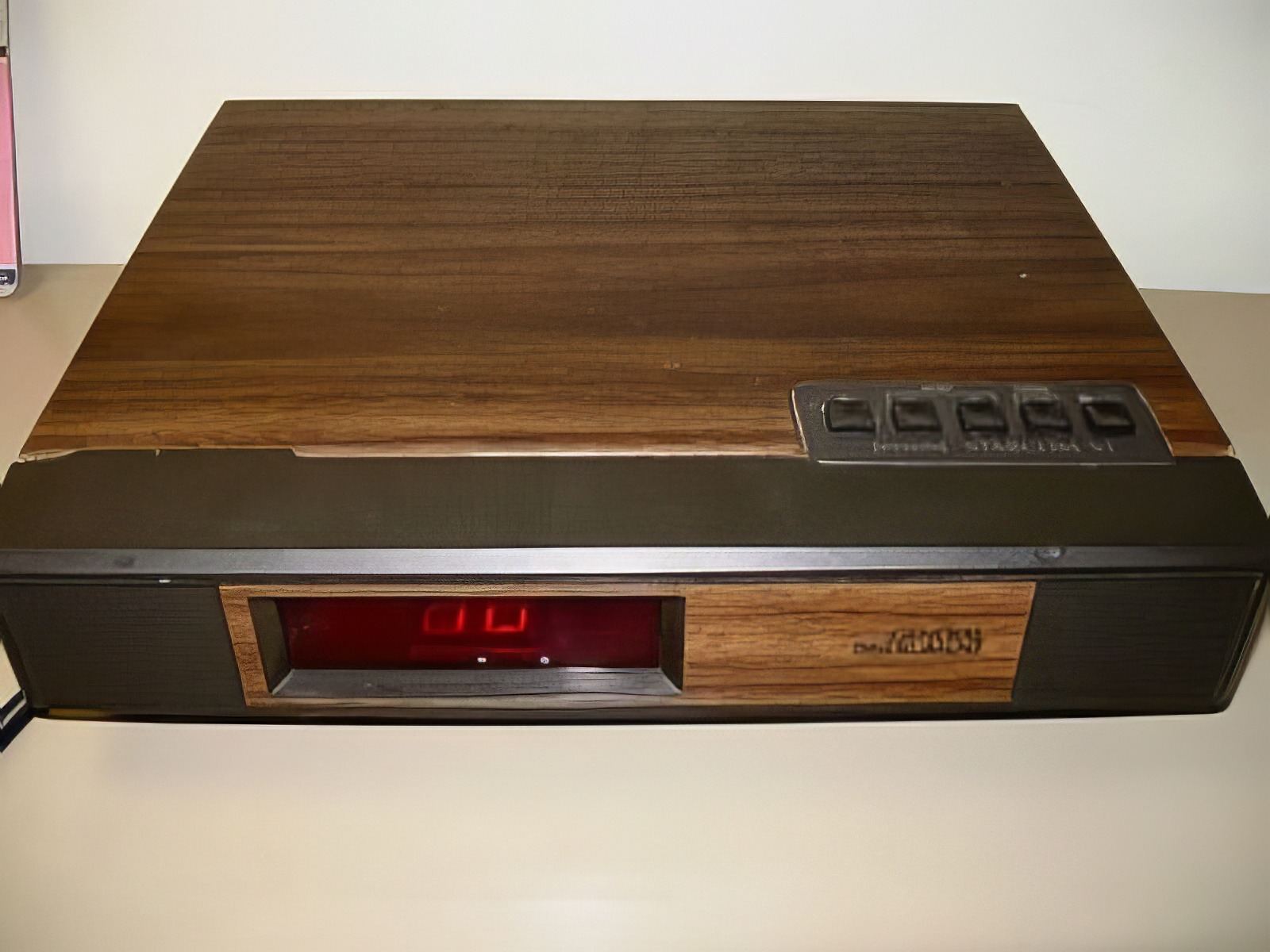
An informal poll by the Norwood CATV Committee reveals that 80 percent of surveyed residents strongly favor bringing cable television to town. Ten firms are vying for the contract, which will utilize municipal utility poles.
-
Norwood CATV Committee Debates Public Outreach Methods for Cable Television-July 31, 1978
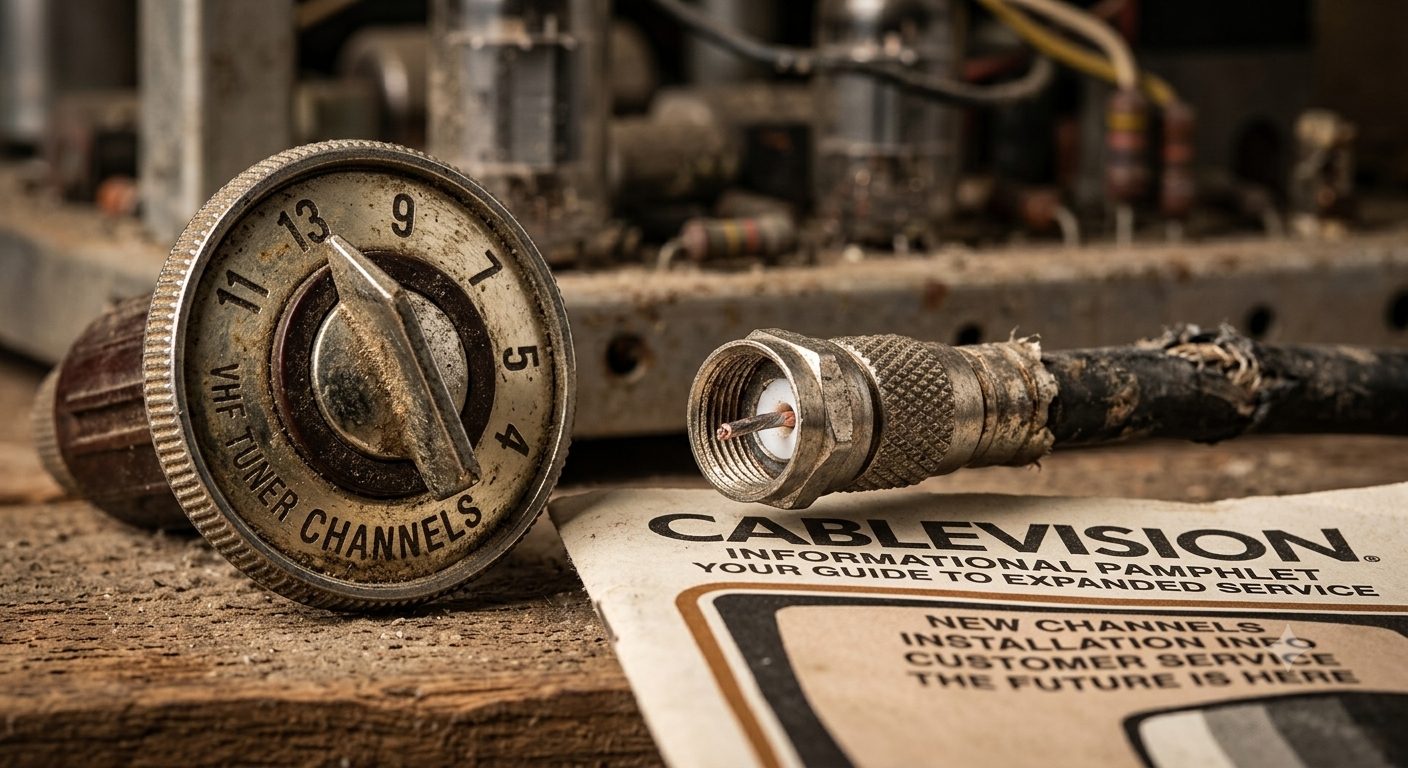
The Norwood CATV Committee debated various public outreach strategies—including informational brochures, mail questionnaires, and shopping center booths—to gauge resident interest in cable television.
Discover more from Norwood Historical Society
Subscribe to get the latest posts sent to your email.