
Operating Out of a Willett School Supply Room With an $8,900 Budget, Roving Educators Rotate Through All Five Elementary Schools to Boost Hands-On Learning and State Test Scores
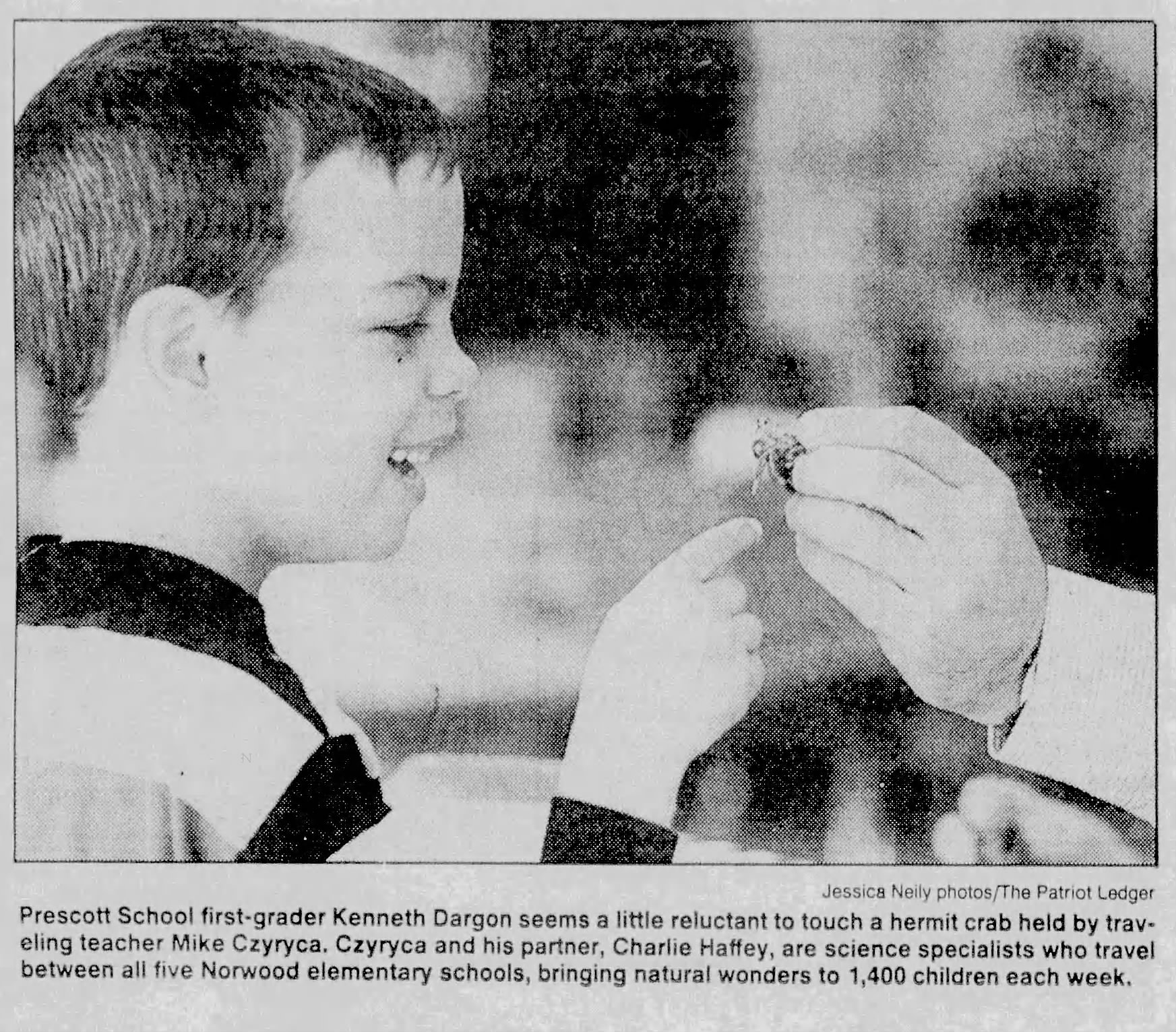
NORWOOD – Packed into the backseat of Mike Czyryca’s red Subaru were hermit land crabs, homemade thermometers fashioned from soda bottles, and tubs of pink homemade playdough—mobile classroom gear ready to roll across town. Reported in The Patriot Ledger on Tuesday, November 28, 1989, by staff writer Lyndsey Layton—accompanied by four photographs by Jessica Neily—Czyryca and his partner Charlie Haffey served as Norwood’s new traveling elementary science specialists, shuttling between all five Norwood elementary schools to bring weekly, 45-minute hands-on science lessons to 1,400 students.
Launched the previous month as the only initiative of its kind in the region, the program was designed to strengthen elementary science instruction after Norwood students scored below average on recent state assessments. “It was clear that we needed science resource people to go into the schools and do experimentation — not demonstration — on a regular basis,” explained Assistant Superintendent Ralph Toran, who helped conceive the initiative two years earlier. Toran noted that regular classroom instructors faced steep barriers to staging laboratory activities on their own: “The average classroom teacher in Norwood graduated college 27 years ago. With the knowledge explosion, it’s hard for the classroom teacher to prepare experiments, on top of everything else we ask them to do.”
To launch the program, Norwood recruited Czyryca—a 21-year Cleveland school teacher with a strong reputation in elementary science—who in turn helped bring aboard Haffey, an outreach educator from Boston’s Museum of Science who had previously carried portable experiment kits to schools from Manchester, New Hampshire, to Fall River. Starting each morning from a large supply and staging room at the Willett School, the two specialists rolled out around 8:30 a.m. for full schedules of six classes a day across different buildings, ensuring every elementary pupil received a 45-minute session each week. “This lets the kids try things they wouldn’t normally be exposed to — like these tuning forks,” Haffey said, gesturing toward a bag of metal instruments for sound experiments. “Elementary school kids never get anywhere near this stuff. It’s pretty well-documented when you teach textbook science, you get nothing. This way, we motivate the kids.”
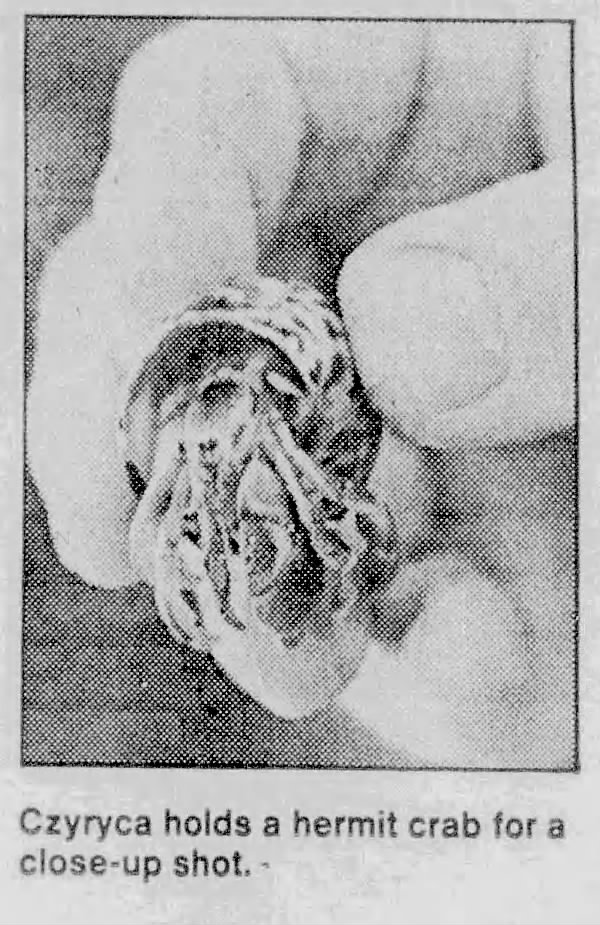
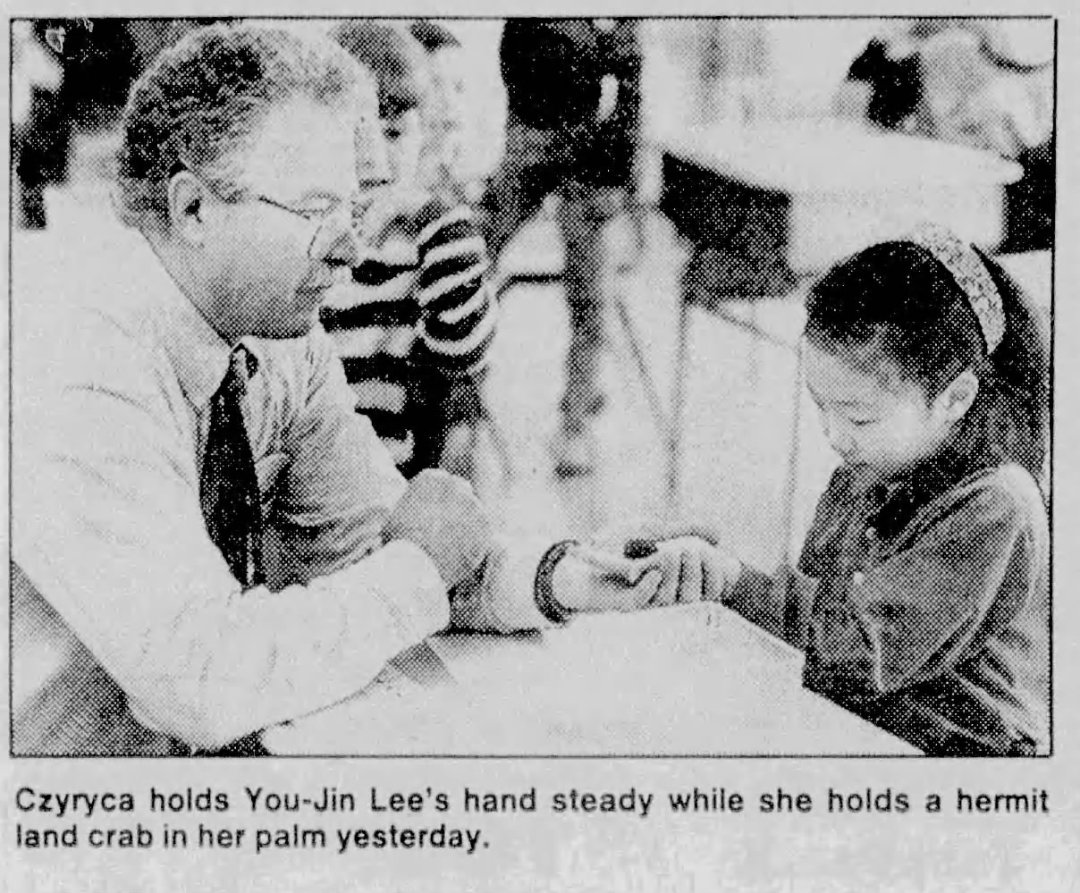
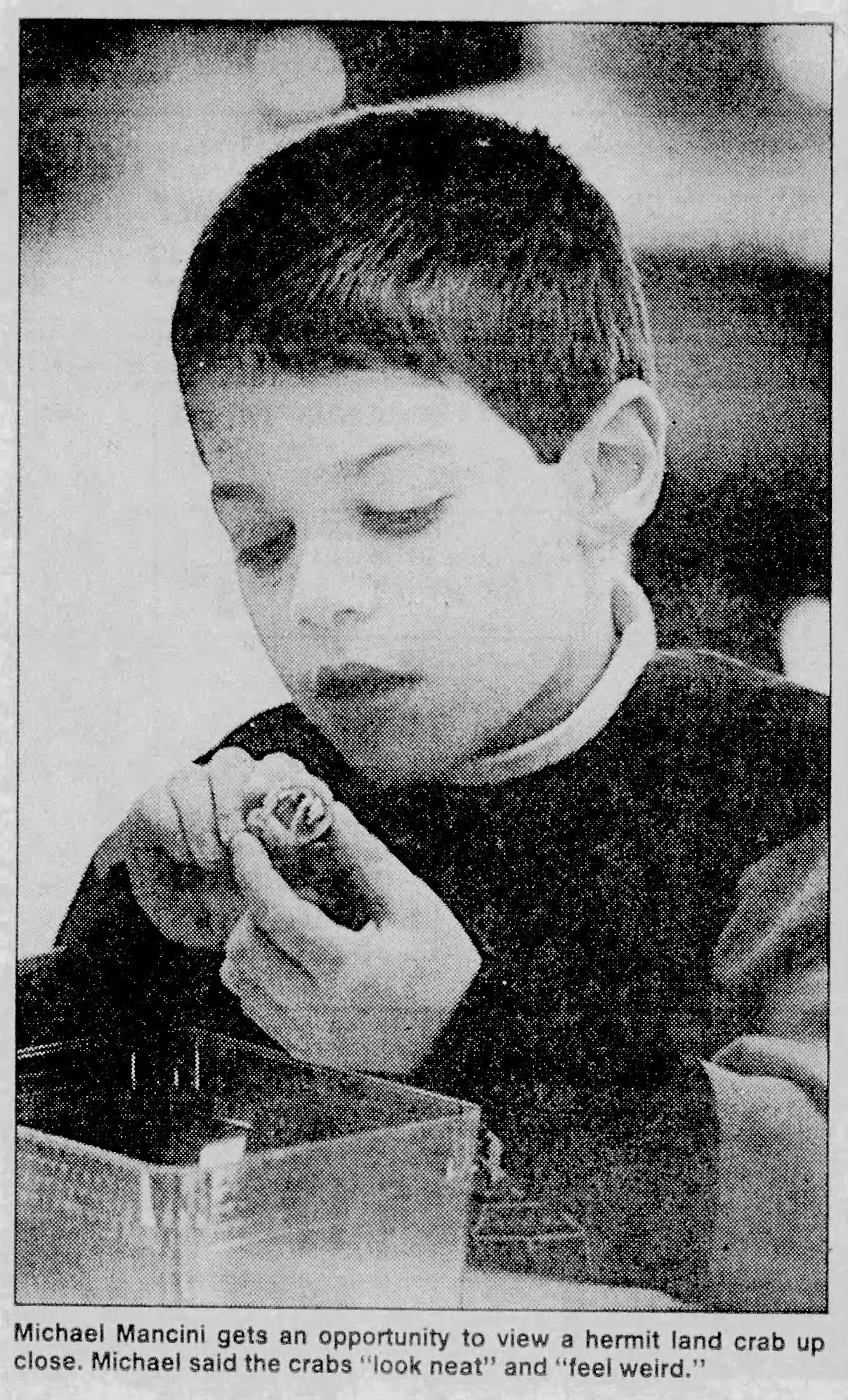
Inside the classrooms, the results were immediate. At the Prescott School, where Jessica Neily photographed Czyryca steadying first-grader You-Jin Lee’s hand as she held a hermit crab and guiding hesitant classmate Kenneth Dargon, first-grade teacher Nancy Loftus described Czyryca as a weekly celebrity. “The kids are so fascinated, it’s amazing to see them get so involved,” Loftus said. “Every Monday, they ask me, ‘When is Mr. Czyryca coming?'” Seven-year-old Michael Mancini, peering closely at a crab emerging from its shell through a magnifying glass, summed up the appeal: “The best part about him is when he brings in the pets and stuff. They look neat, and they feel weird.” Over at the Callahan School, nine-year-old Aaron Birklind—making an igneous rock model with Haffey—contrasted the new approach with past years: “Last year all they did is talk with a book. But this way, you get to do the actual things. It’s a lot more fun.”
Classroom teachers prepared students beforehand with key science vocabulary and followed up afterward, relieving faculty who previously had to buy experiment supplies out of pocket. “Science tended to be at the bottom of the list,” acknowledged Prescott Principal Alan Wonson. “Teachers relied on textbooks, and if they didn’t get through the whole thing by the end of the year, they didn’t get through it.” Loftus praised the support as indispensable: “He finds the materials, he sets up the lesson and you carry it further. I couldn’t do this sort of thing on my own. It’s so hard for me to get a crab for everyone.”
The program’s main drawback, Toran admitted, was heavy workload. “We’ve stretched these two people too far; they’re overscheduled,” he said, noting that after-hours lesson planning, weekend supply runs using their $8,900 budget, and even evening cabinet-building at the Willett School consumed the specialists’ personal time. Even so, Toran voiced confidence that test scores—and critical thinking—would climb: “We’re going to need to get down to the real business of teaching our kids to think critically and to problem solve. Science teaches qualitative analysis, a way to address problems in a way that is not just random thinking.”
(Note: Multi-column newsprint OCR transpositions across the clipping—where four photo captions and narrow column lines interleaved mid-sentence—have been cleanly restored into continuous narrative order.)
Source: The Patriot Ledger • Tuesday, November 28, 1989 • Byline: Lyndsey Layton • Photos: Jessica Neily
“It was clear that we needed science resource people to go into the schools and do experimentation — not demonstration — on a regular basis.”
| 1989 Elementary Science Program Budget | 1989 Amount | Est. 2026 Value |
|---|---|---|
| Traveling Science Experiment Supplies Budget | $8,900 | $22,600 |
*Equivalent purchasing power based on U.S. Bureau of Labor Statistics CPI data.
Archival Note: This article has been dynamically reconstructed from the original public record print archives of the Patriot Ledger
More…
-
Norwood Honors Rhodes Scholar Mary Elizabeth Cleary-July 15, 1981
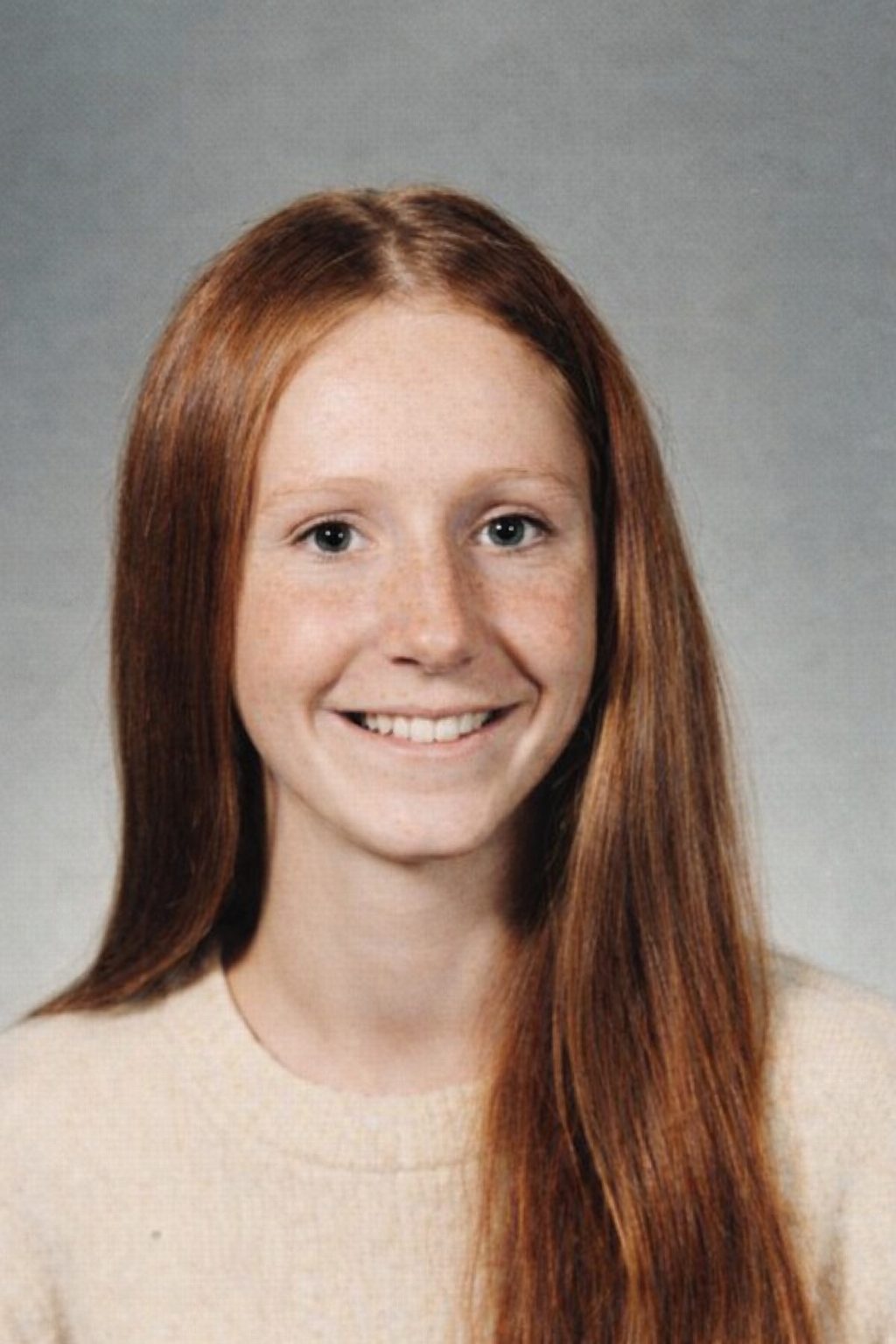
A Norwood High School alumna and Dartmouth graduate, Mary Elizabeth Cleary received a town plaque for her exceptional academic achievements.
-
Peabody School Celebrates 169 Graduates-June 17, 1981
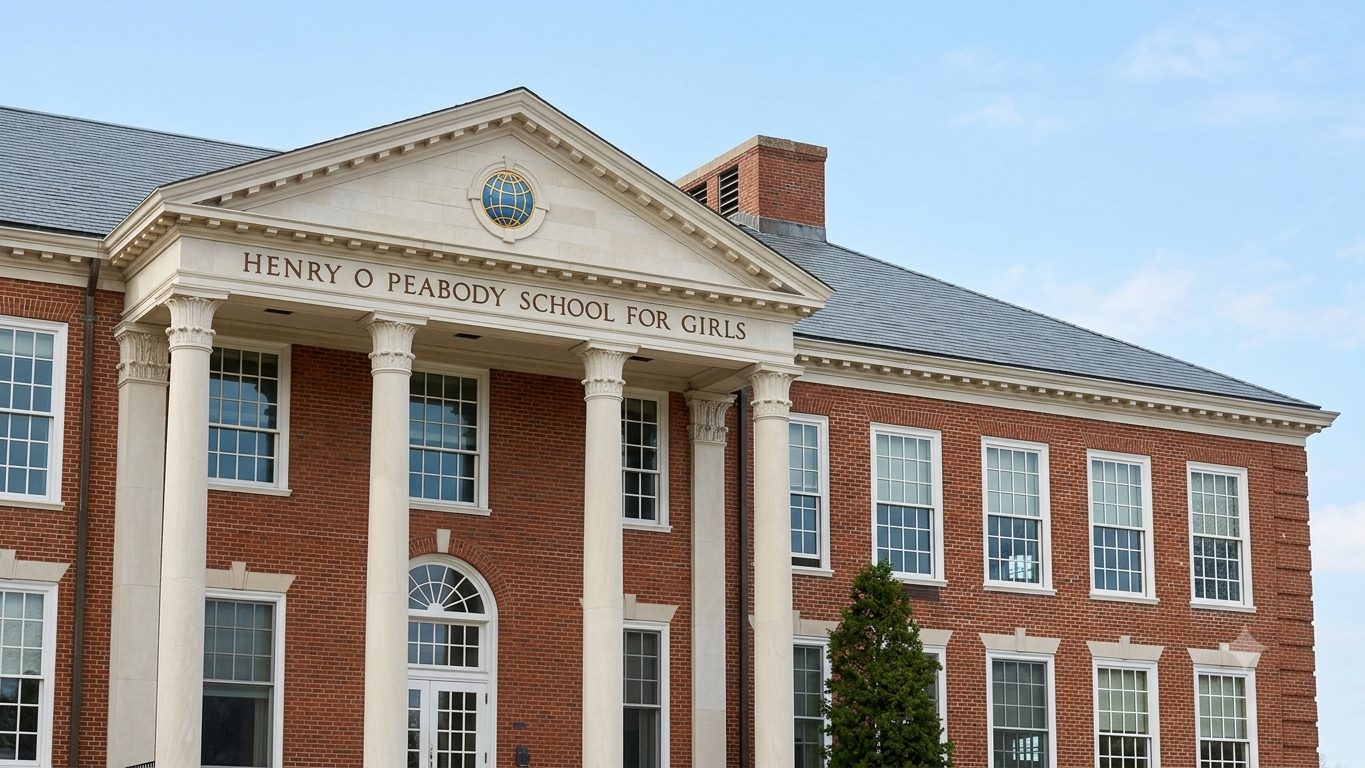
The Peabody School in Norwood recently held a commencement ceremony at the South Junior High School, honoring a class of 169 graduates. The cohort, comprised of both seniors and post-graduate students, gathered to mark the culmination of their vocational training. The guest speaker for the evening was Martin Martinian, a regional program officer for Title…
-
Norwood High Students Elect New Class And Council Leaders-July 1, 1977

Norwood High School elected new senior, junior, and student council leaders, highlighting the school’s commitment to student involvement and leadership.
Discover more from Norwood Historical Society
Subscribe to get the latest posts sent to your email.