
Massachusetts Legislature Passes Bill to Expand Norwood Town Meeting Membership to 300
⠀
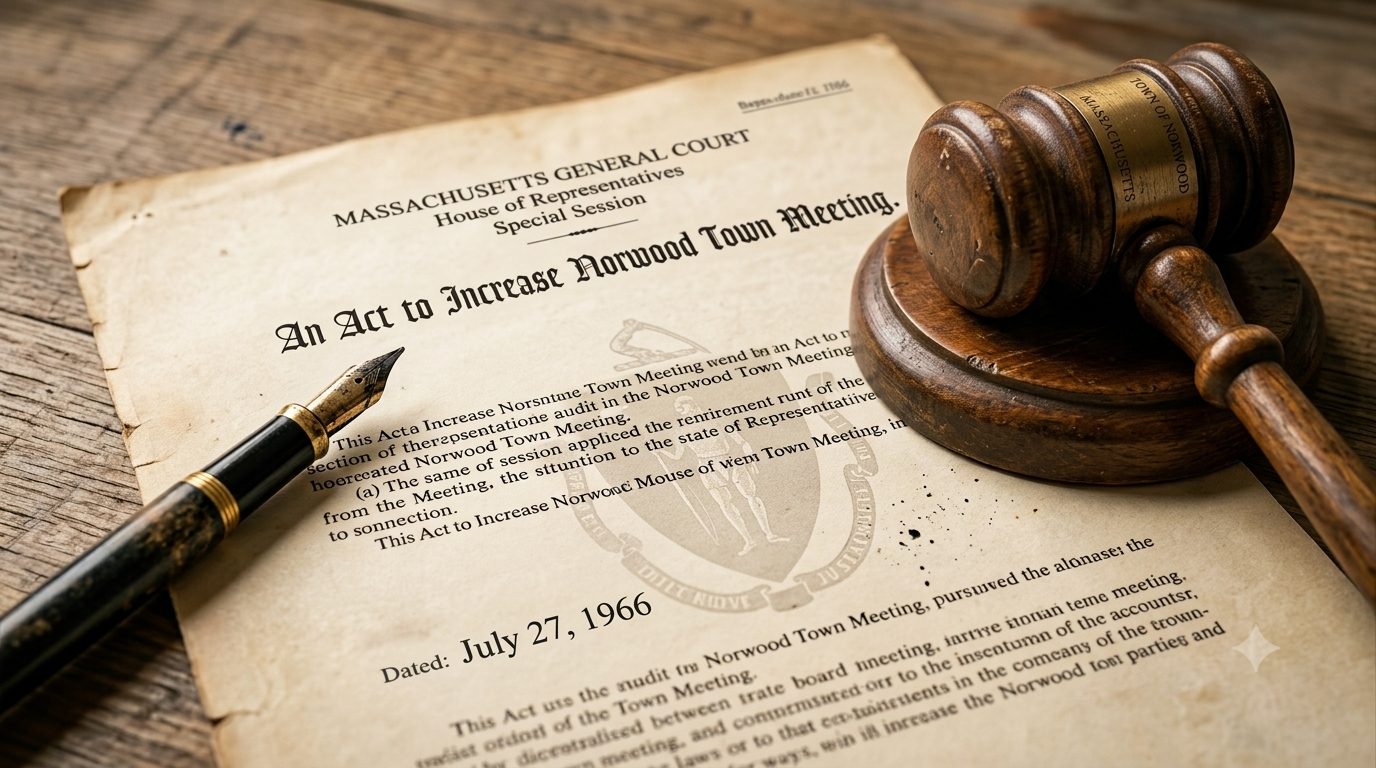
On July 27, 1966, the Massachusetts Legislature took a crucial step towards expanding the town meeting membership from 200 to 300. This decision, spearheaded by Rep. William Butters, D-Norwood, would have far-reaching implications for the community.
As we delve into the history of this pivotal moment, it is essential to understand the context in which it unfolded. The population of Norwood had been steadily increasing, and with it, the need for a more representative town meeting became increasingly pressing. According to the last redistricting, the membership was capped at 185, but based on the present formula of one member per every 1.5 percent of registered voters, the assembly already warranted a membership in excess of the state-set ceiling of 200.
The bill, introduced by Rep. William Butters, aimed to address this issue and provide a more accurate representation of the town’s population. However, its passage was not without challenges. The summer vacations and the Republican State Convention had delayed the bill’s progress, pushing it beyond the expected deadline of July 1st.
Despite these setbacks, the Massachusetts Legislature remained committed to passing the bill. As Rep. William Butters noted, unless the town meeting membership was enlarged, Norwood would have to redistrict in a manner that may not stand up in court due to the increased town population. This prospect was unacceptable, and the legislature’s decision to expand the town meeting membership was a crucial step towards ensuring the town’s continued growth and development.
The bill now rested with Gov. John A. Volpe, who had five days to act on it. The governor’s approval would be instrumental in cementing this change, and the people of Norwood eagerly awaited his decision. As they looked towards a brighter future, they knew that this moment marked a significant turning point in their town’s history.
The expansion of the town meeting membership from 200 to 300 was not merely a numerical increase; it represented a fundamental shift in the way Norwood would govern itself. It acknowledged the growing population and the need for more representative leadership. This decision would have far-reaching implications, shaping the course of Norwood’s history for generations to come.
As we reflect on this pivotal moment, we are reminded of the importance of representation and the impact it can have on a community. The passage of the bill was a testament to the power of collective action and the dedication of individuals like Rep. William Butters, who worked tirelessly to ensure that the voice of Norwood was heard.
Archival Note: This article has been dynamically reconstructed from the original public record print archives of the Patriot Ledger
More Town Meeting Stories
-
Town Meeting Votes to Replace Both Water Towers-November 1, 2023
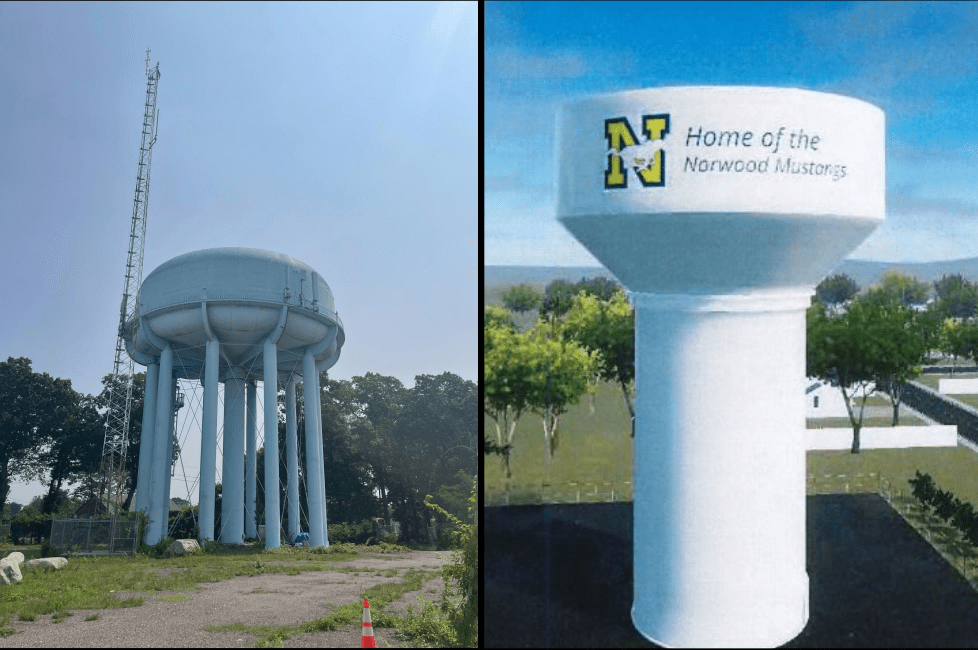
Town Meeting members approced a major infrastructure project to replace its two aging water storage tanks, located between Highland Cemetery and Norwood High School. These tanks, a 4-million-gallon steel reservoir from 1958 and a smaller elevated steel tank built in 1939, are essential for local water storage. However, recent inspections have identified significant rehabilitation needs,…
-
In Memoriam-Gary M. Lee
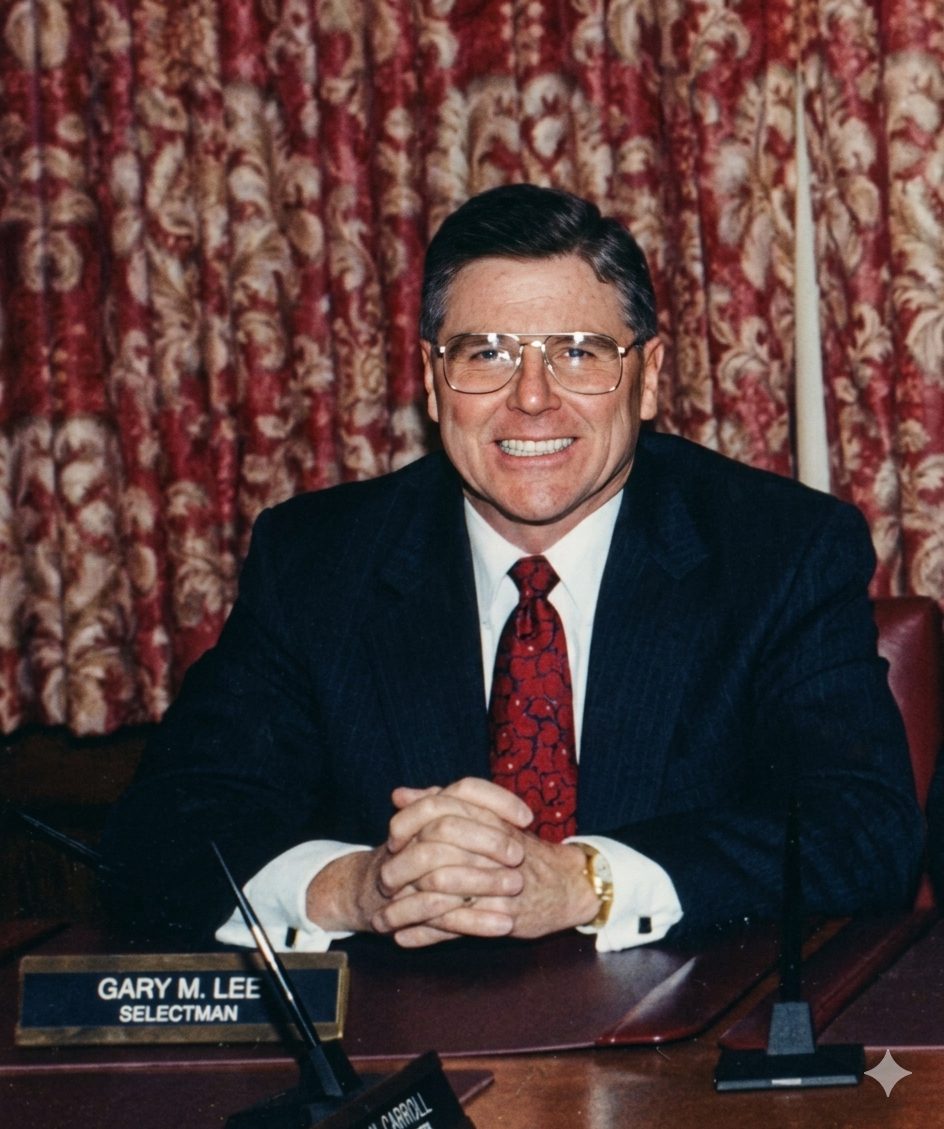
A Life of Service and Faith On April 30, 2023, the town of Norwood, Massachusetts, suddenly lost a dedicated community leader, family man, and professional with the unexpected passing of Gary M. Lee at the age of 67. Gary’s life, rooted deeply in the soil of his hometown, was a model of civic engagement, multifaceted…
-
Norwood Voters Approve Tax Increase To Build New Coakley Middle School-April 10, 2022
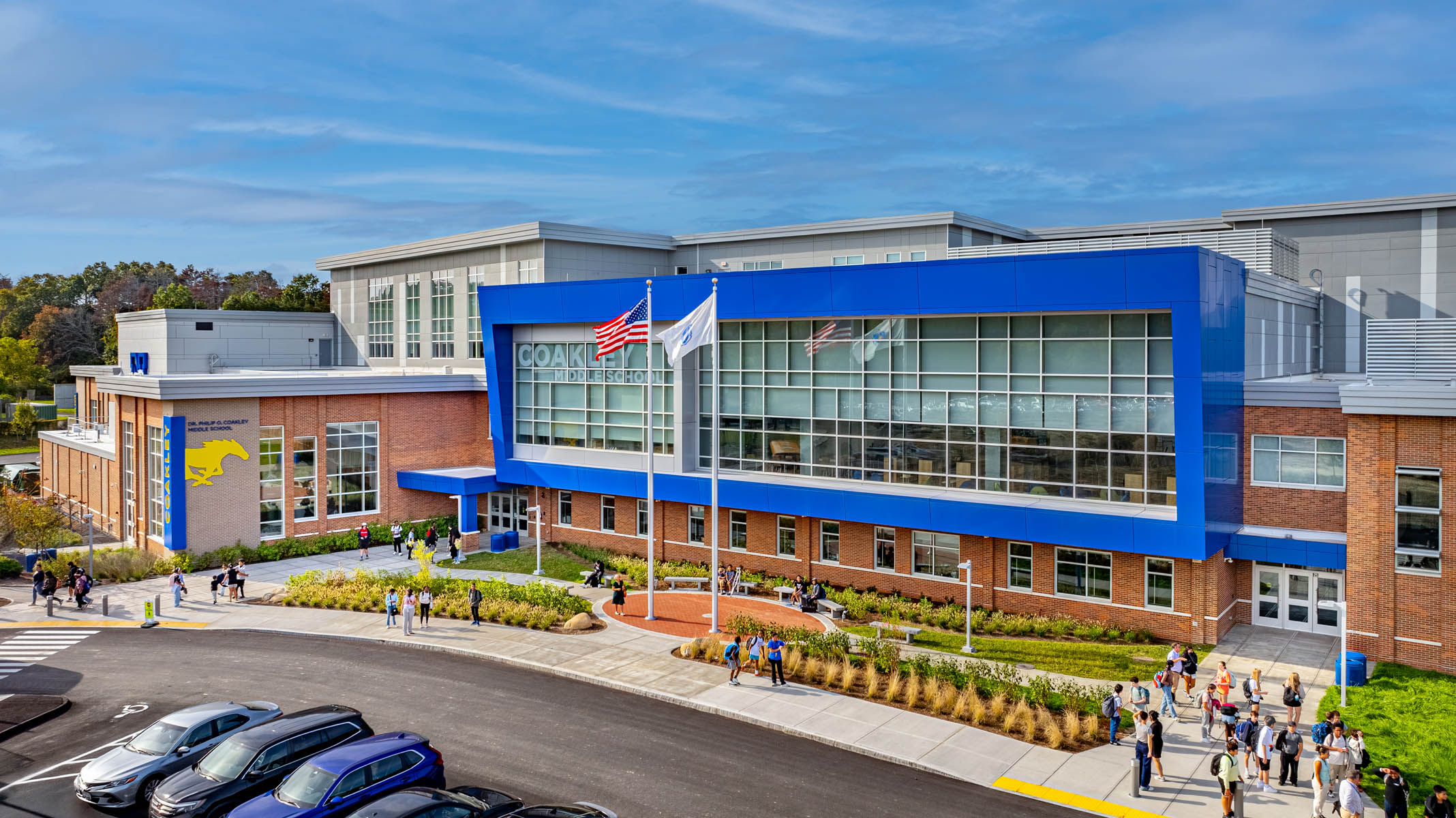
Norwood residents delivered a decisive vote, choosing to raise local taxes in order to fund a long‑awaited new middle school. The ballot question passed by a wide margin — 2,365 to 831 — clearing the final hurdle required under Proposition 2½ for the town to take on additional debt. The vote followed a Special Town…
-
Parade Committee Targets Self-Support-July 10, 1992

Even as the echoes of the Fourth of July parade faded, the organizing committee in Norwood wasted no time in looking toward the future. On July 10, 1992, ⠀ it was reported that the parade committee, led by co-chairman Paul Wasil, had set a primary goal of making the annual celebration entirely self-sufficient. ⠀ Wasil,…
-
Selectmen Vote to Ban “Brown-Bagging” of Alcohol in All Local Restaurants-October 16, 1986

Patrons accustomed to bringing their own wine or beer to local dining establishments will soon have to change their habits. The Board of Selectmen voted last night to institute a comprehensive ban prohibiting customers from carrying alcoholic beverages into any eating place in Norwood—stretching from fast-food chains like McDonald’s and Burger King to local Chinese…
-
Norwood Conservation Commission Approves Father McAleer Playground Soccer Fields-July 17, 1985
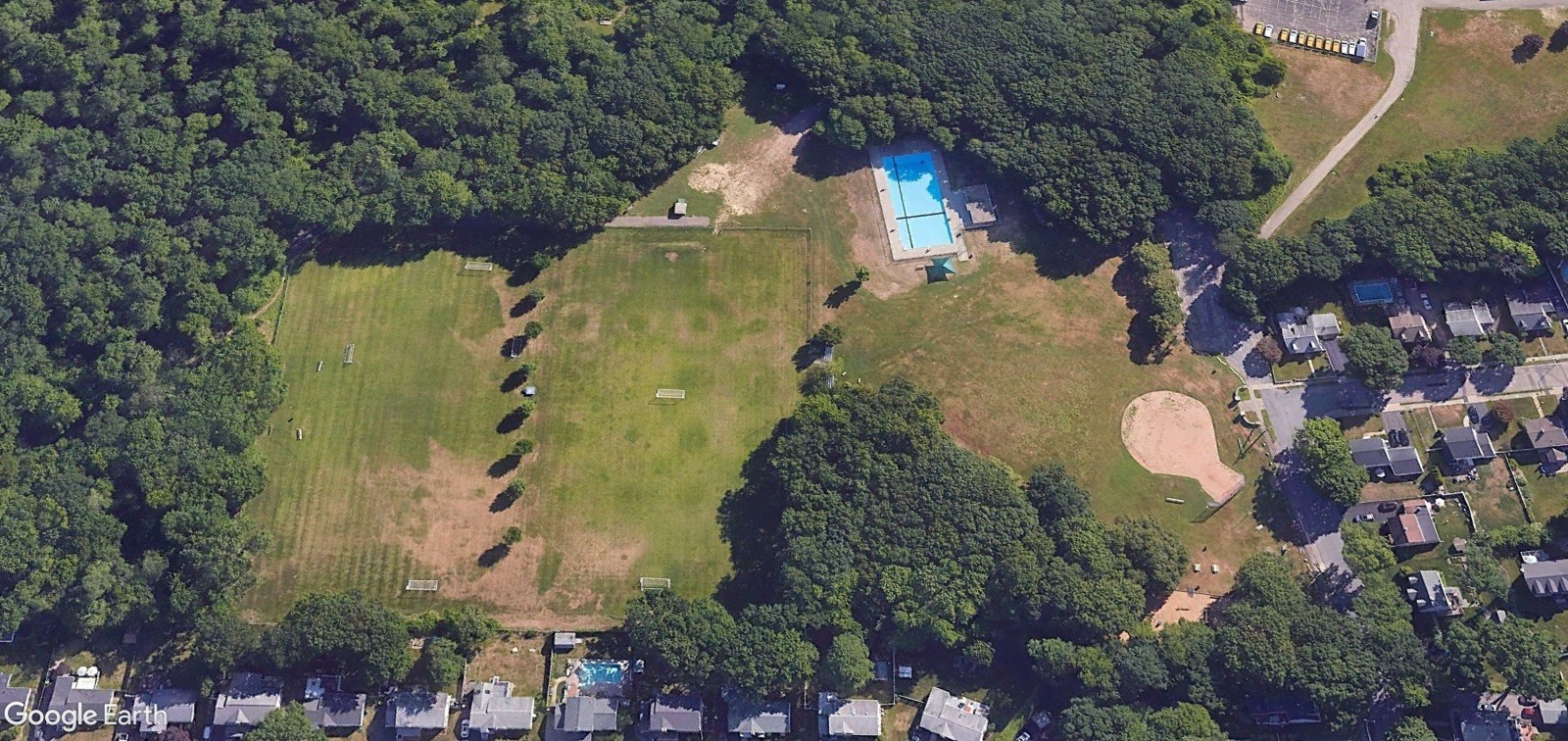
With $110,000 in Town Meeting funding secured, the Recreation Department plans to complete the project within a year while creating new wetlands.
-
Town Meeting Approves Neponset Street Traffic Lights and Additional Municipal Appropriations-September 25, 1984
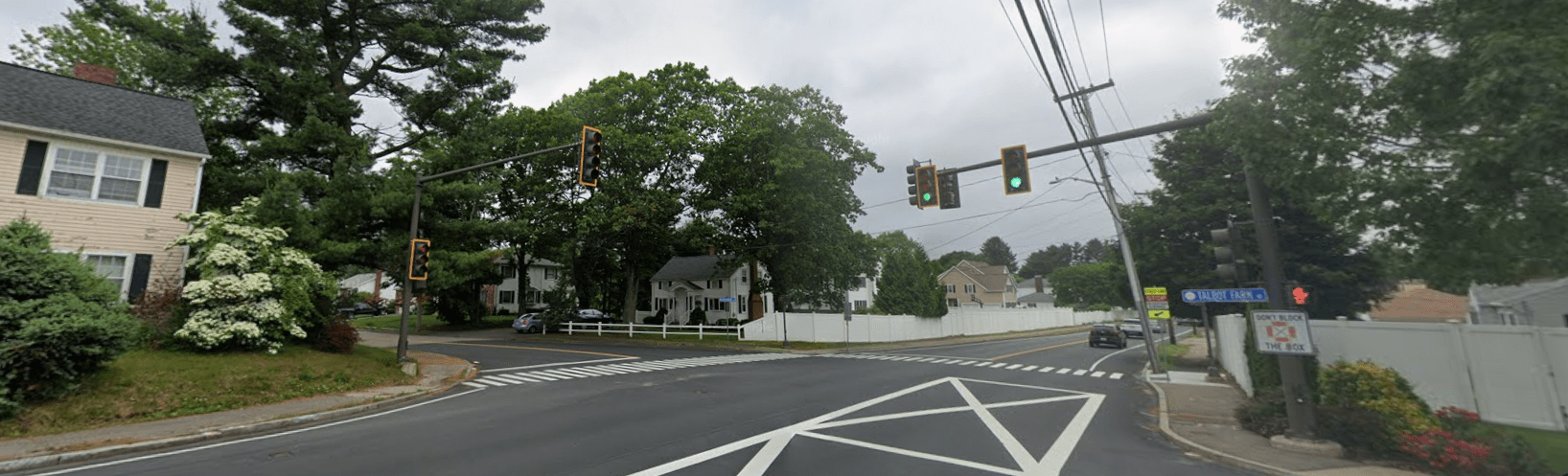
Town Meeting approves $75,000 for traffic lights at the Wedgewood Drive intersection on Neponset Street, alongside funding for municipal vehicles, sidewalk adjustments, and civic center completion.
-
Selectmen Grant Cost-Of-Living Pay Raises For Non-Union Town Staff-June 24, 1983
Town Clerk Robert M. Thornton notes that independent municipal boards plan to implement the matching salary adjustments via a $1.1 million town meeting fund.
-
Town Meeting Member Proposes Charter Amendment Requiring Incumbent Nominations-September 2, 1982

In an effort to foster greater accountability and civic engagement among local legislators, a Norwood town meeting member is spearheading a proposed amendment to the town charter. Thomas C. Coen of District 4 announced plans to present an article at the upcoming September 20 special town meeting requiring incumbent town meeting members to gather ten…
-
Town Meeting Representative Walter J. Grady to Reintroduce Aaron Guild School as Civic Center Site-October 23, 1981
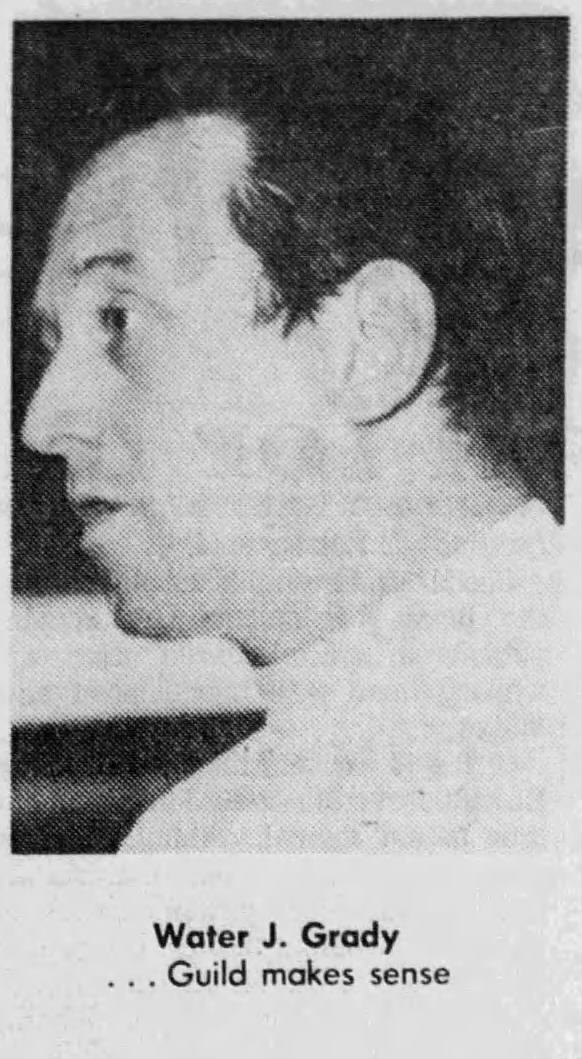
Undeterred by an October 1 defeat, Town Meeting Representative Walter J. Grady plans to reintroduce the former Aaron Guild School as a cost-effective civic center site for early 1982.
Discover more from Norwood Historical Society
Subscribe to get the latest posts sent to your email.