
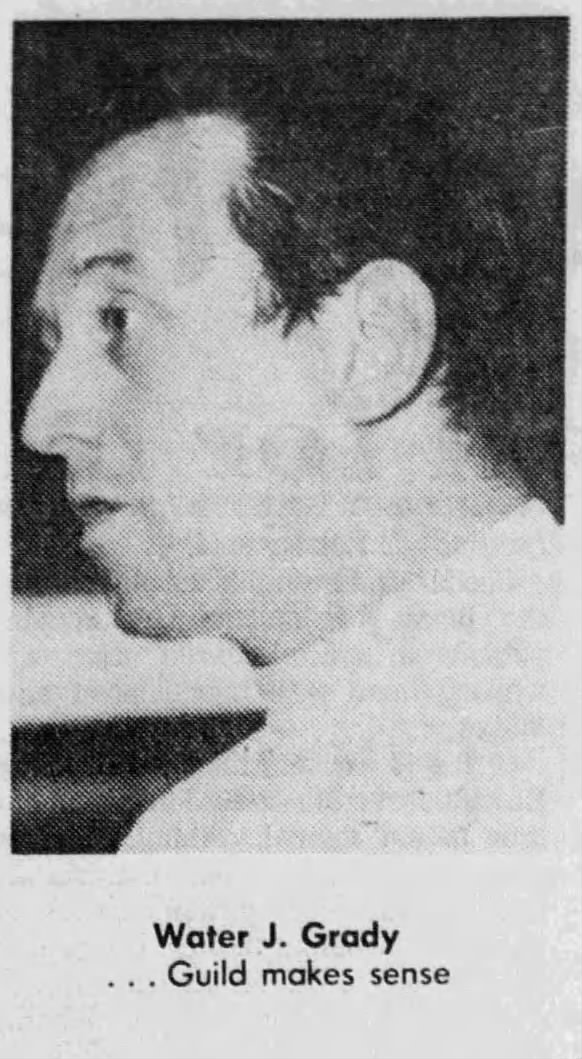
Walter J. Grady Renews Push for Guild School Civic Center After Previous Rejection
Undaunted by town meeting’s narrow rejection of a $2.2 million proposal earlier in the month, Town Meeting Representative Walter J. Grady announced last night that he will once again champion the former Aaron Guild School on Washington Street as the ideal location for Norwood’s new municipal recreational and civic center. Grady, a primary architect of the Guild initiative, intends to bring the measure back before the town meeting expected in early 1982.
Although town meeting initially approved the $2.2 million Guild project in June, opponents successfully struck down the plan on October 1 after raising concerns over the total cost. In response to the defeat, the Board of Selectmen began evaluating alternative options, narrowing their focus to five potential sites: the National Guard armory on Nahatan Street and four separate locations requiring brand-new construction. Describing the fractured board, Grady remarked, “We have five selectmen and five different answers. We’ve looked at every site in some detail. The Guild is not a perfect solution, but it’s the only one that makes any sense.”
Evaluating the National Guard Armory Versus the Guild Building
Selectmen Chairman John F. Kinnaly planned to meet with Governor Edward J. King to discuss whether the state would be willing to sell or gift the 52-year-old armory to the town, with Kinnaly viewing the military facility as an optimal site. However, Grady—drawing on findings from his ad-hoc civic replacement committee originally formed in 1976—dismissed the armory option as structurally and financially unviable.
Assessing the armory, Grady stated, “It’s past its peak, let’s say that. It’s decrepit and ancient.” He explained that interior support columns and structural posts would make installing a gymnasium or swimming pool in the basement impossible, and argued it would ultimately be cheaper to demolish the armory and build from scratch—though the available $2.2 million funding allocation would fall short of new construction costs. Furthermore, Grady doubted the state would relinquish the property given the nation’s increasing defense emphasis on National Guard readiness. By contrast, renovating the former elementary school building at the Guild site would prove far more cost-effective.
A Phased Strategy for the Upcoming Town Meeting
To secure voter approval at the next town meeting, Grady plans to alter his legislative approach. Rather than asking for combined design and construction funds simultaneously, he intends to request design funding first, allowing construction money to be sought at a subsequent meeting.
This phased strategy will provide town meeting members with a programmatic “shopping list,” enabling voters to select specific civic features and trim elements they oppose. “It takes longer that way, but the Guild makes sense,” Grady affirmed.
Archival Note: This article has been dynamically reconstructed from the original public record print archives of the Patriot Ledger
More…
-
Foam Day at Father Mac’s Camp Brings Joy to Norwood Youth-July 19, 2013

Over 300 campers participated in the annual Foam Day at Father Mac’s Camp in Norwood, featuring massive piles of foam and firefighter support.
-
Norwood Lions Club Playground Fund Nears $20,000 Goal Following $5,000 Bank of Boston Donation-August 7, 1989
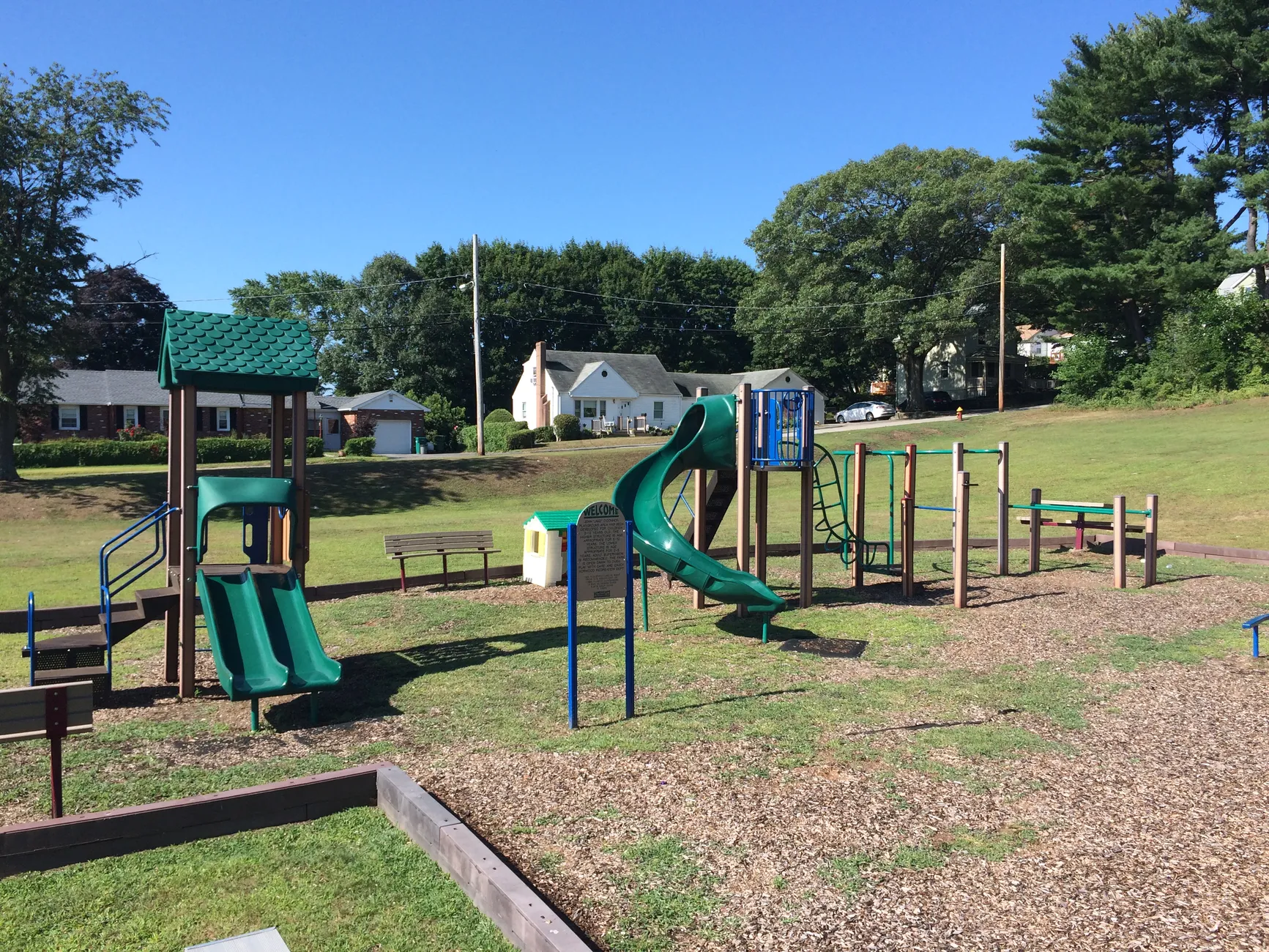
Boosted by a $5,000 donation from the Bank of Boston, the Norwood Lions Club’s fundraising campaign for a new Bond Street toddler playground reached within $55 of its $20,000 goal.
-
Mosquitoes Taking a Bite Out of Summer Fun-August 2, 1986

A heavy surge of rain-hatched mosquitoes flooded Norwood, Dedham, and Needham, sparking over 100 complaints per day to the Norfolk County Mosquito Control Project.
-
Thousands Turn Out for Summerfest “Italian Night” on the Common-August 15, 1985
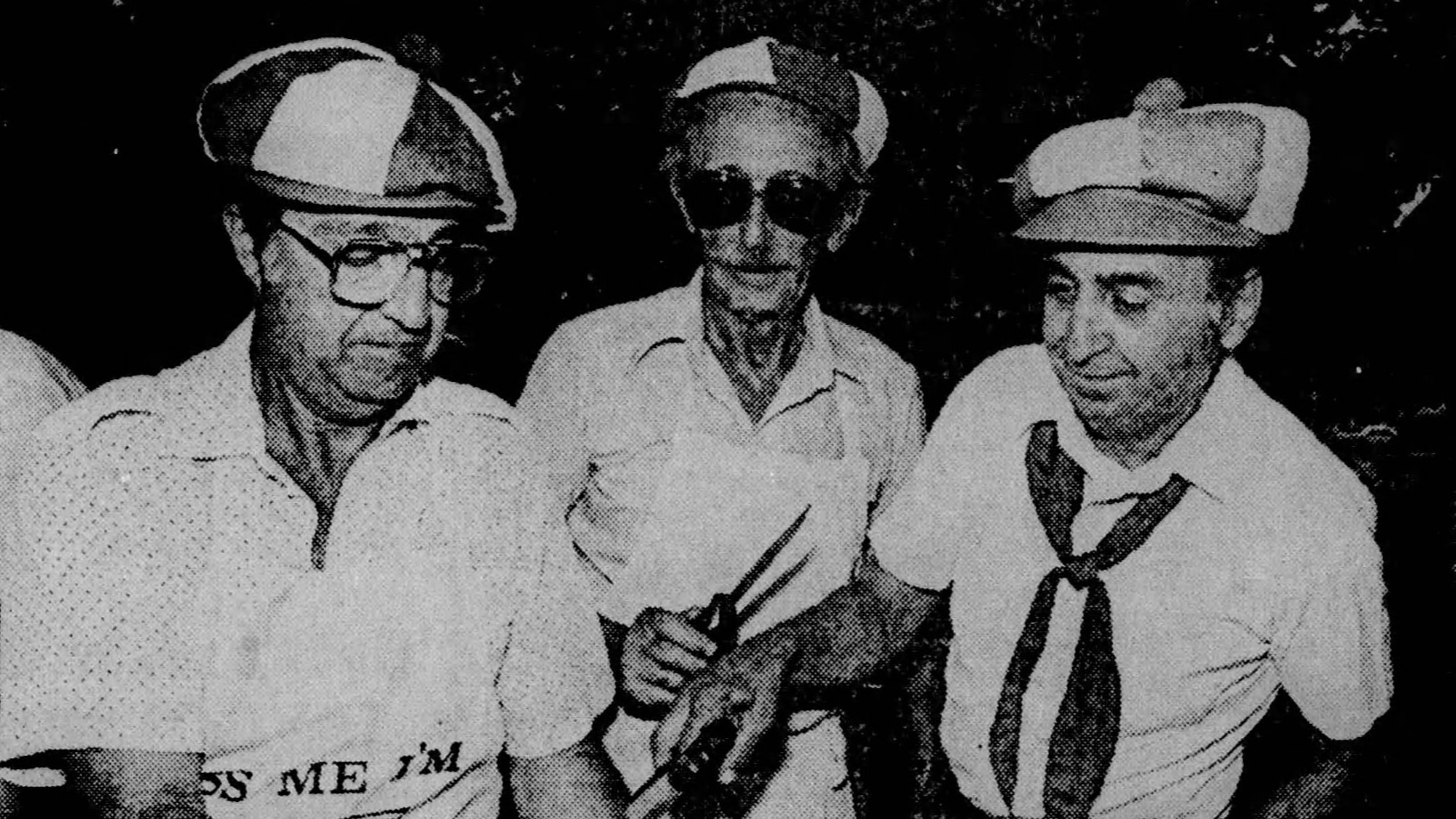
Drawing the largest crowd of the summer, Norwood’s Summerfest Italian Night brought thousand of residents to the town common for food, music, and dancing.
-
Norwood Selectmen to Reconsider Recreation Fees for New Civic Center-July 16, 1984
After implementing daily charges for gym access, the board faced intense backlash and scheduled a review for their July 24 meeting.
-
Recreation Department-July 23, 1981
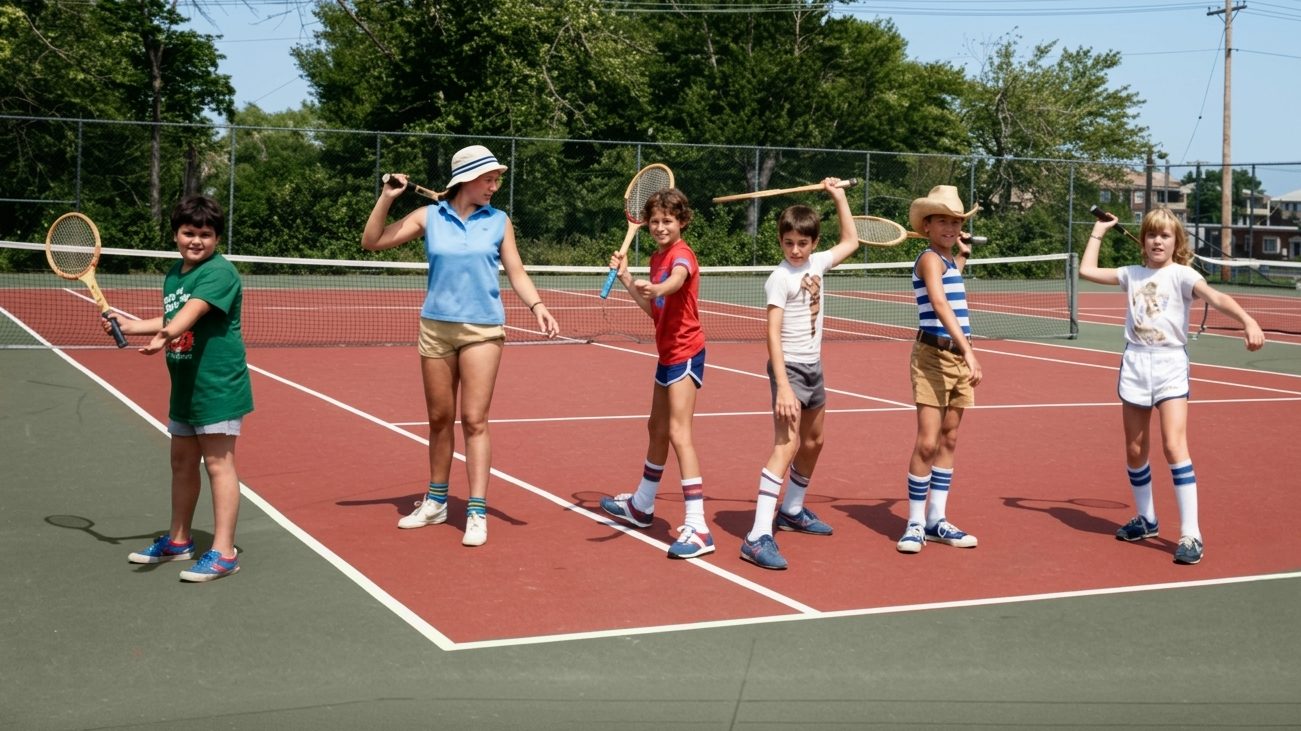
The town’s Summerfest concert series, sponsored by the Norwood Arts Council, continues to draw large crowds. On July 22, an estimated 2,500 people attended a concert featuring traditional and “pub-style” Irish music on the town hall lawn. Summerfest committeeman Jerry Miller attributed the growing attendance to the event’s ability to showcase local talent and provide…
-
Norwood Teens Compete in Seventh Annual Tiot Relay Race-July 13, 1981

Local organizers Dorothy Pember and her committee successfully raised funds for the Civic Center while fostering friendly competition among area residents.
-
Norwood Recreation Department Announces Fourth Session Class Rosters for Summer Programs-July 31, 1980

The Norwood Recreation Department published complete enrollment lists for swimming and tennis classes across municipal pools and school courts for the fourth session running through August 15, 1980
-
Armory Still Eyed for Municipal Use-July 9, 1980
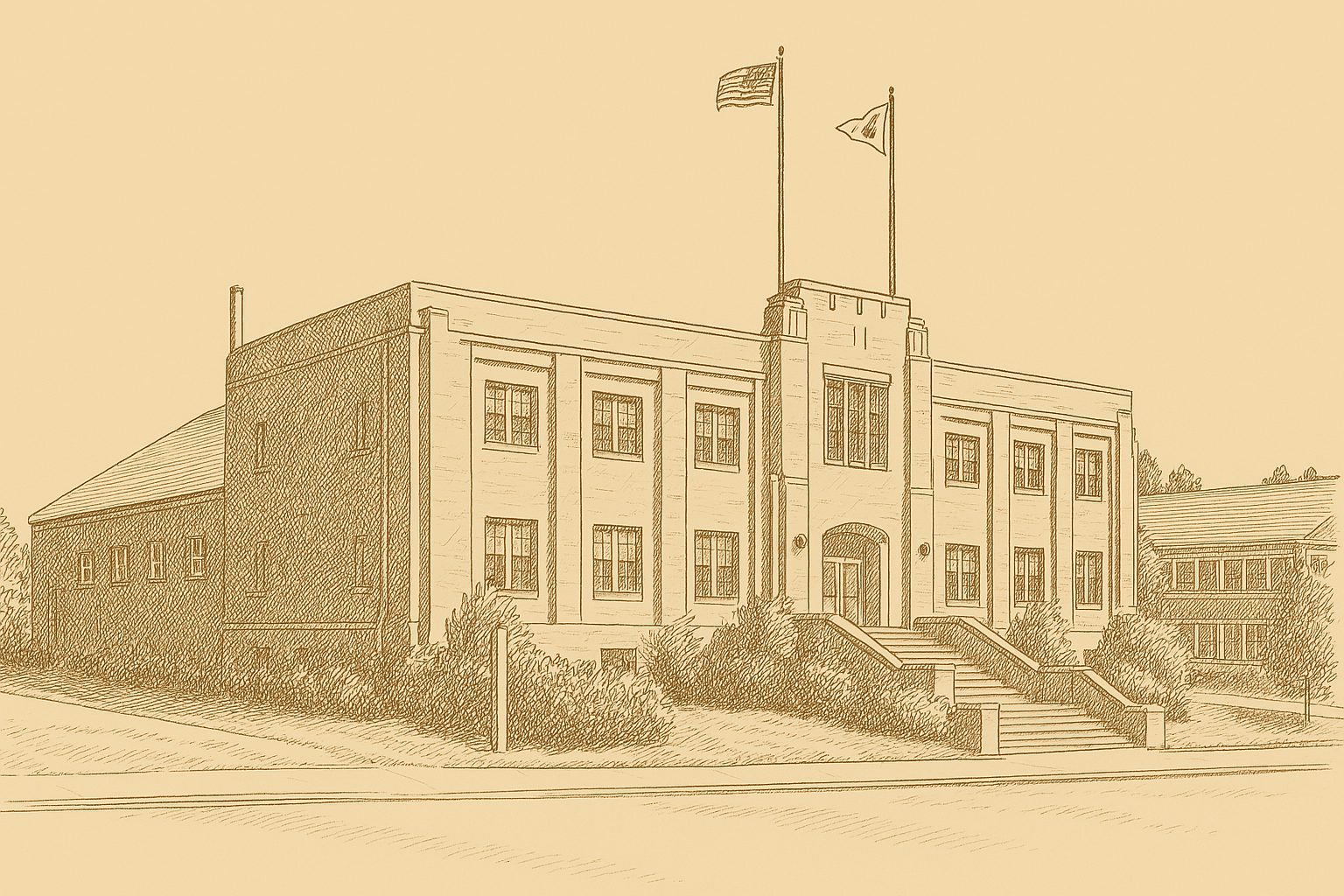
Discover the 1980 efforts by town leadership to acquire the Norwood Armory from the state, following legislative changes and the recent Civic Center location shift.
-
Guild School Picked for Civic Center-July 8, 1980
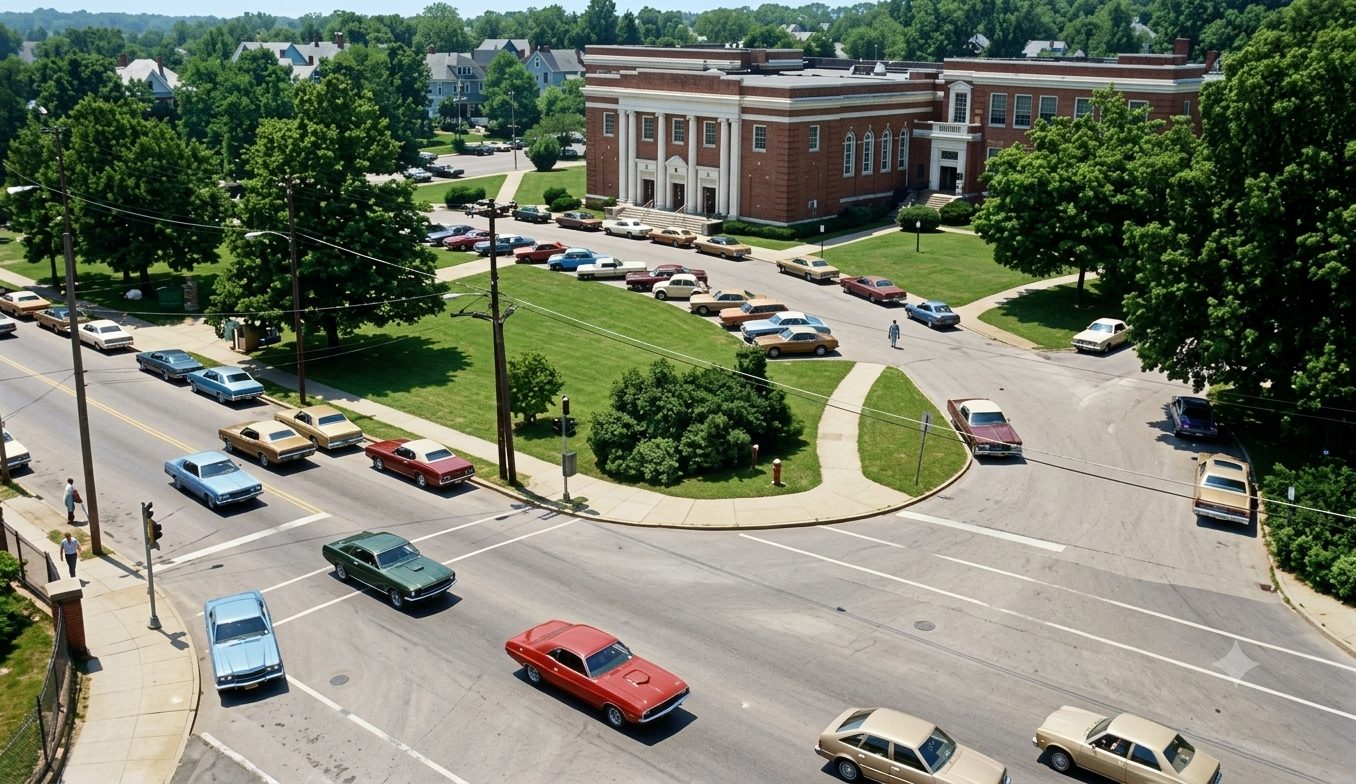
Discover the 1980 decision that transformed the Aaron Guild School into a multi-purpose recreation hub, replacing the former Civic Center sold to Norwood Hospital.
Discover more from Norwood Historical Society
Subscribe to get the latest posts sent to your email.