

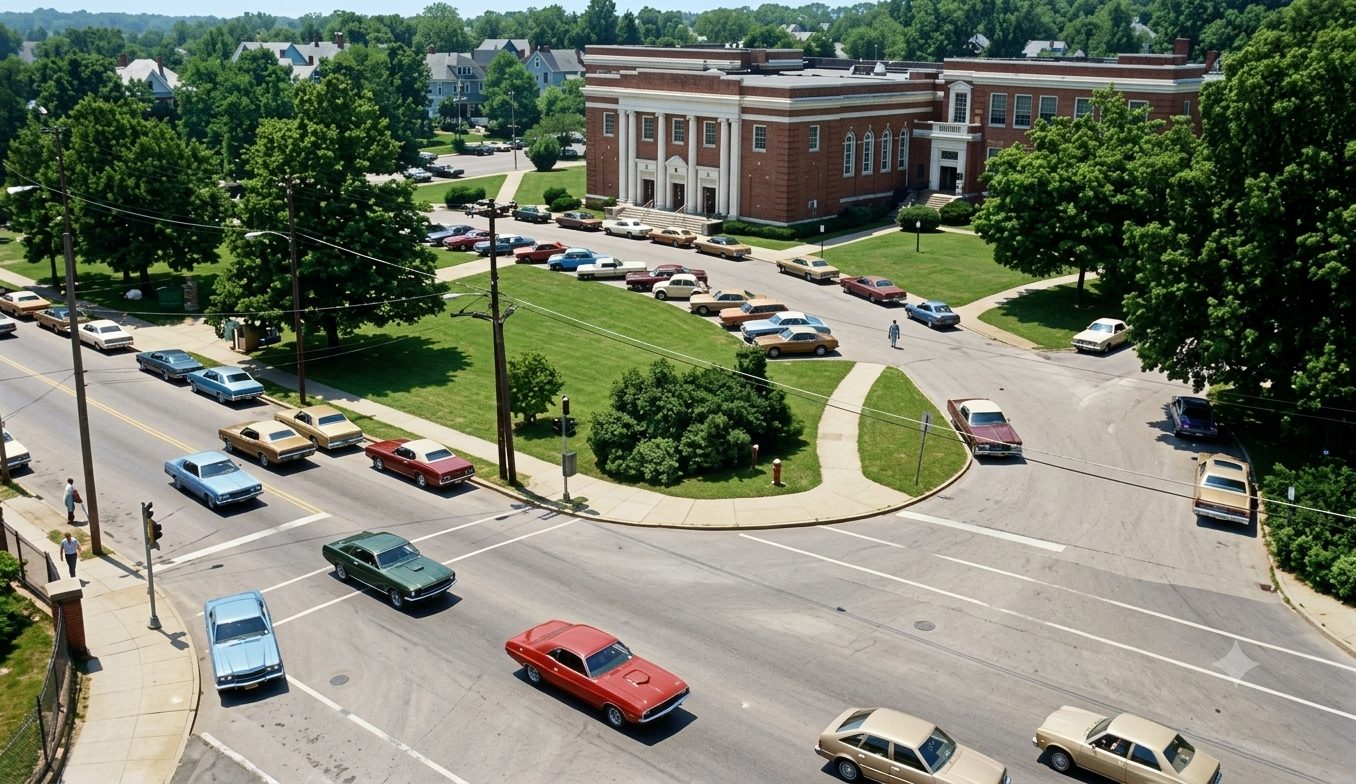
In a decisive move to address the town’s long-standing recreational needs, the Norwood Town Meeting voted on July 07, 1980, to authorize the conversion of the former Aaron Guild School into a new Civic Recreation Center. The project, which is expected to cost approximately $2,350,000, received the support of town meeting members by a vote of 84-48, with $180,000 immediately appropriated for the development of final plans. The repurposing of the 62-year-old school building, which has remained vacant for a year, follows the sale of the town’s old Civic Center—located across the street—to Norwood Hospital for $2 million earlier this past April. The hospital has also tentatively offered the town an additional $250,000 incentive to vacate the old facility by August 1, 1981, ahead of the originally planned date.
The proposal to utilize the Aaron Guild School was championed by Walter J. Grady, whose campaign to override the recommendations of the board of selectmen and the finance commission proved successful. Recreation Superintendent Robert H. Ivatts endorsed the plan as the most viable option given the town’s current financial constraints. The planned facility is ambitious in its scope; the blueprints include a 25-meter swimming pool, saunas, a college-sized basketball court, a social hall, and an auxiliary gymnasium, alongside a senior citizen’s center, game rooms, and indoor recreation spaces. Additionally, the development plan provides for lighted ball fields and a playground at Eliot Park in South Norwood, as well as the construction of four new tennis courts on the east side of town.
The victory for the Grady plan was notable for its direct challenge to the town’s leadership. Selectmen had initially sought only $65,000 to design outdoor athletic facilities, and the majority of the board—with the notable exception of Selectman Mary J. Fox—had expressed concerns regarding the conversion. Selectmen Chairman William J. Plasko, who had long advocated for the construction of a complete new facility at Hennessey Field, congratulated Grady on a “brilliantly executed” campaign, though he cautioned that the decision might not serve the town’s best interests over the coming 50 years. Other critics, such as Stanley J. Wasil, expressed outright opposition to the choice, while some representatives worried that acting too quickly might lead to future regrets.
Despite these warnings, the overwhelming sentiment of the town meeting was one of impatience and readiness to act. Supporters, including neighborhood resident Mary Foley and tennis club president Frank Morrill, argued that Norwood had delayed action on replacing the Civic Center for too long. Robert E. Wohler urged his colleagues to act immediately, citing confidence in the Permanent Building Construction Committee to execute the project effectively. The evening concluded with other administrative actions, including the formal acceptance of numerous new streets and the transfer of the Winslow School to the selectmen for maintenance, effectively closing a major chapter in the town’s ongoing efforts to modernize its municipal and recreational infrastructure.
Archival Note: This article has been dynamically reconstructed from the original public record print archives of the Patriot Ledger
More…
-
Foam Day at Father Mac’s Camp Brings Joy to Norwood Youth-July 19, 2013

Over 300 campers participated in the annual Foam Day at Father Mac’s Camp in Norwood, featuring massive piles of foam and firefighter support.
-
Norwood Lions Club Playground Fund Nears $20,000 Goal Following $5,000 Bank of Boston Donation-August 7, 1989
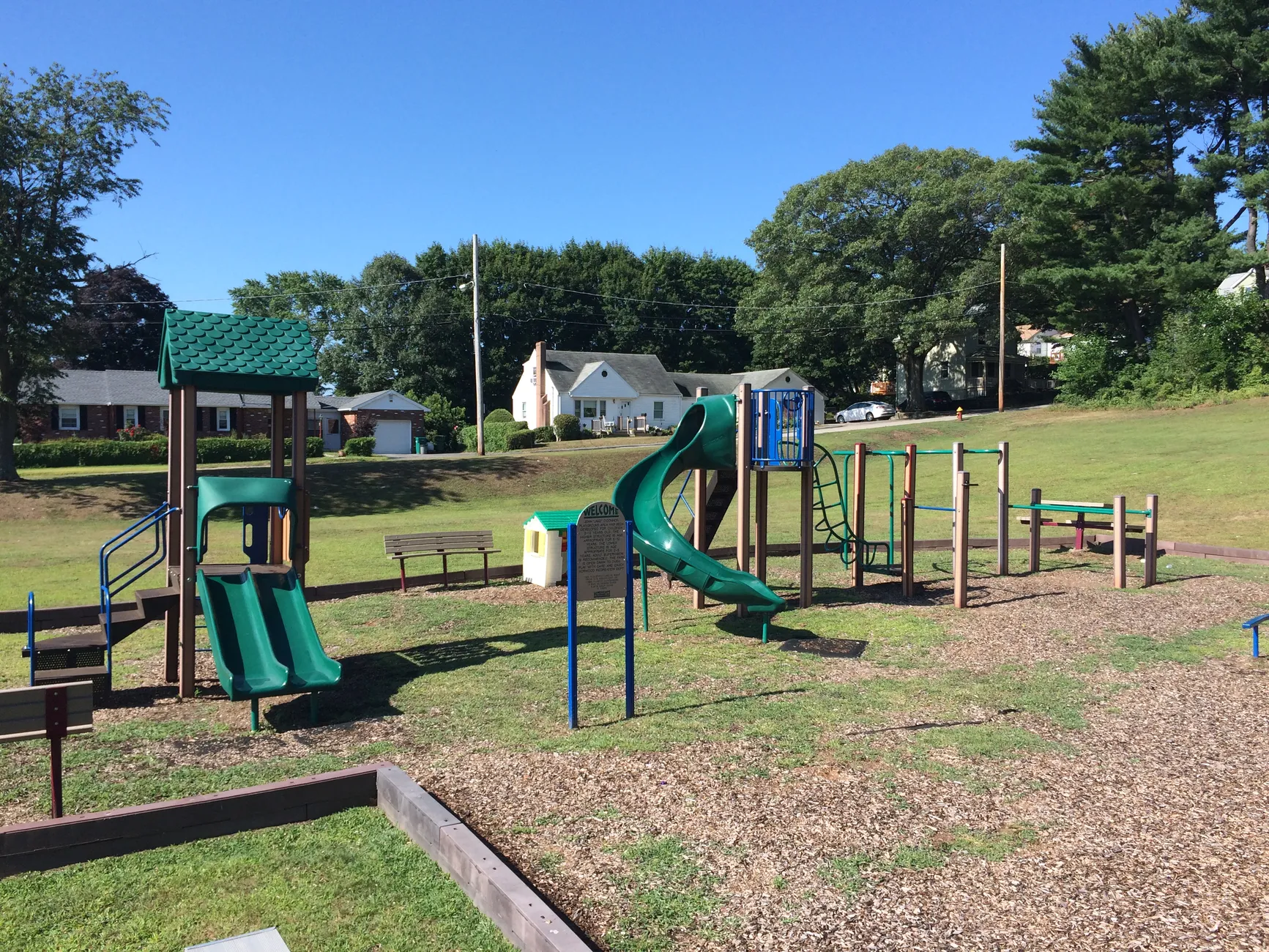
Boosted by a $5,000 donation from the Bank of Boston, the Norwood Lions Club’s fundraising campaign for a new Bond Street toddler playground reached within $55 of its $20,000 goal.
-
Mosquitoes Taking a Bite Out of Summer Fun-August 2, 1986

A heavy surge of rain-hatched mosquitoes flooded Norwood, Dedham, and Needham, sparking over 100 complaints per day to the Norfolk County Mosquito Control Project.
-
Thousands Turn Out for Summerfest “Italian Night” on the Common-August 15, 1985
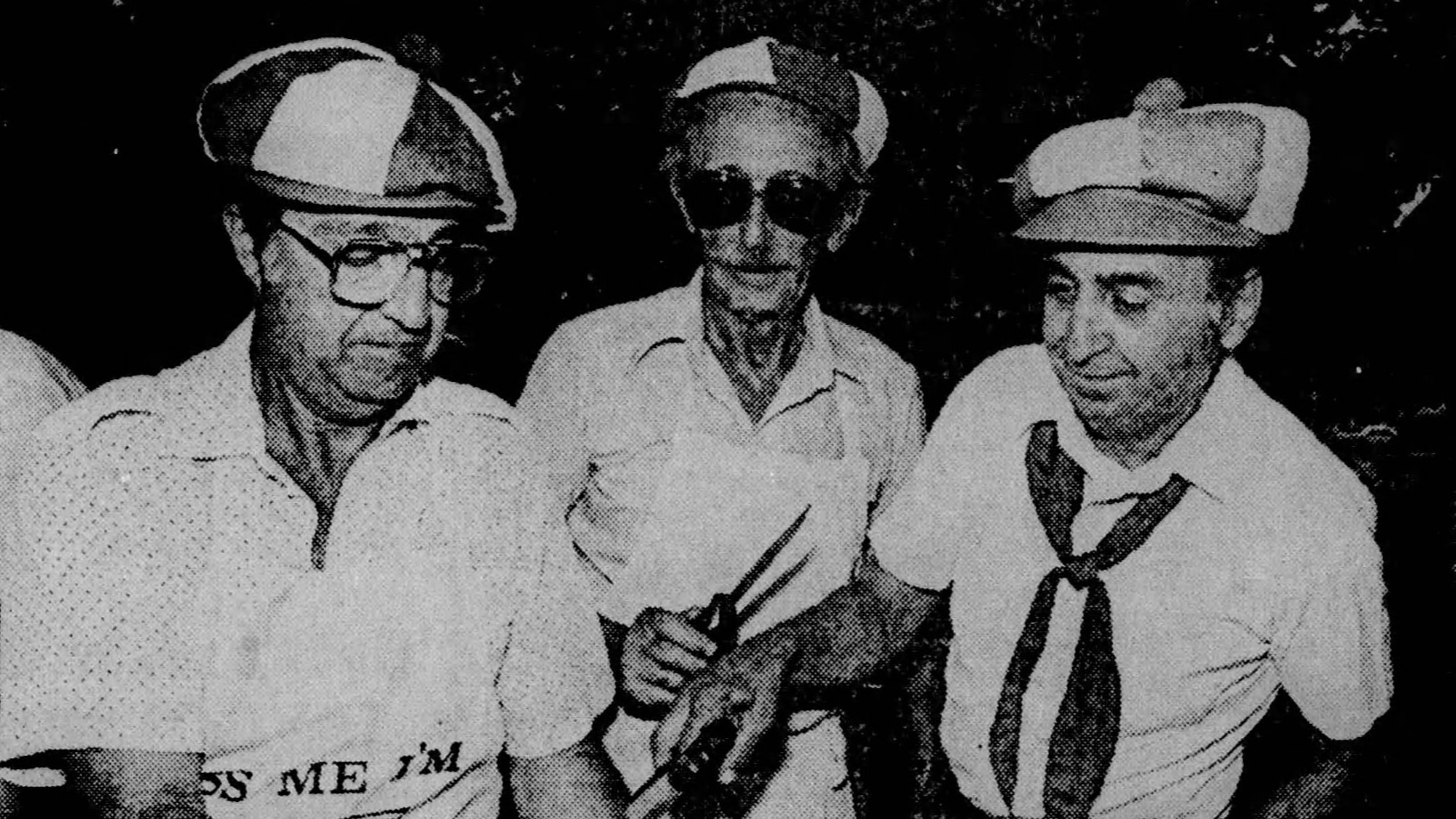
Drawing the largest crowd of the summer, Norwood’s Summerfest Italian Night brought thousand of residents to the town common for food, music, and dancing.
-
Norwood Selectmen to Reconsider Recreation Fees for New Civic Center-July 16, 1984

After implementing daily charges for gym access, the board faced intense backlash and scheduled a review for their July 24 meeting.
-
Recreation Department-July 23, 1981
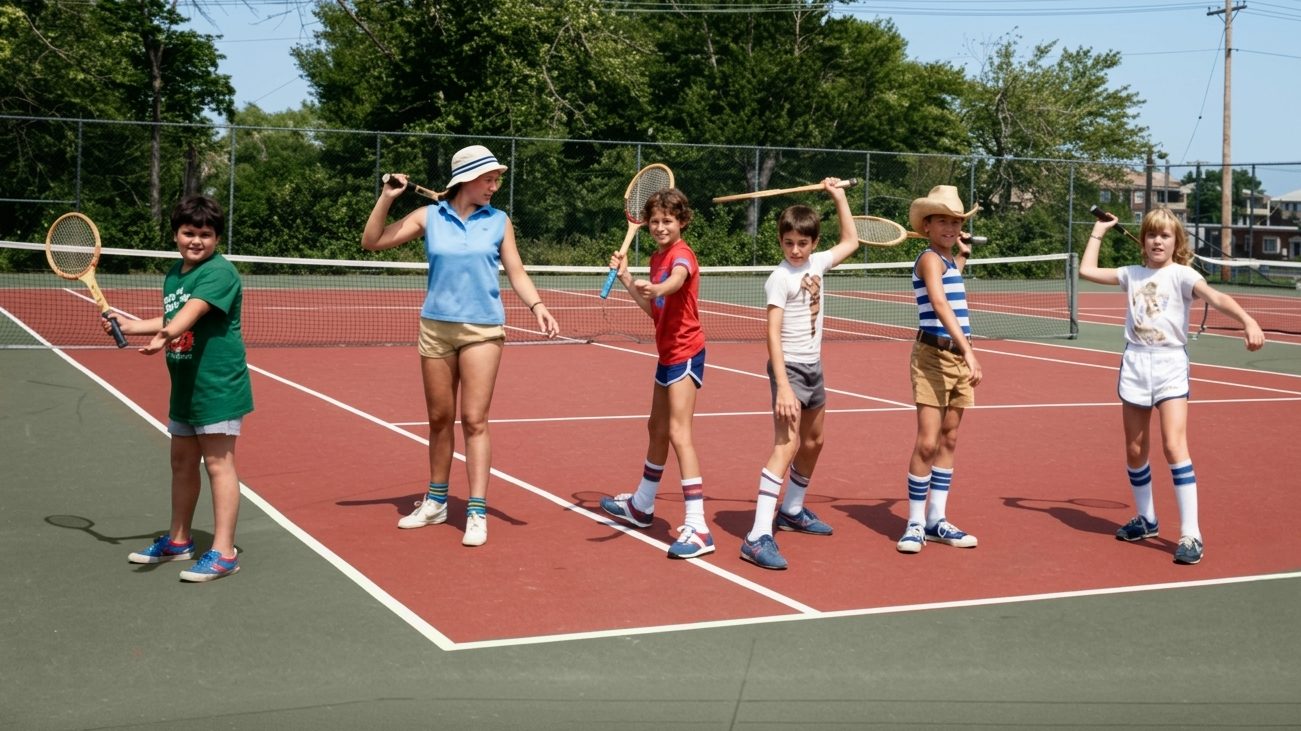
The town’s Summerfest concert series, sponsored by the Norwood Arts Council, continues to draw large crowds. On July 22, an estimated 2,500 people attended a concert featuring traditional and “pub-style” Irish music on the town hall lawn. Summerfest committeeman Jerry Miller attributed the growing attendance to the event’s ability to showcase local talent and provide…
-
Norwood Teens Compete in Seventh Annual Tiot Relay Race-July 13, 1981

Local organizers Dorothy Pember and her committee successfully raised funds for the Civic Center while fostering friendly competition among area residents.
-
Norwood Recreation Department Announces Fourth Session Class Rosters for Summer Programs-July 31, 1980

The Norwood Recreation Department published complete enrollment lists for swimming and tennis classes across municipal pools and school courts for the fourth session running through August 15, 1980
-
Armory Still Eyed for Municipal Use-July 9, 1980
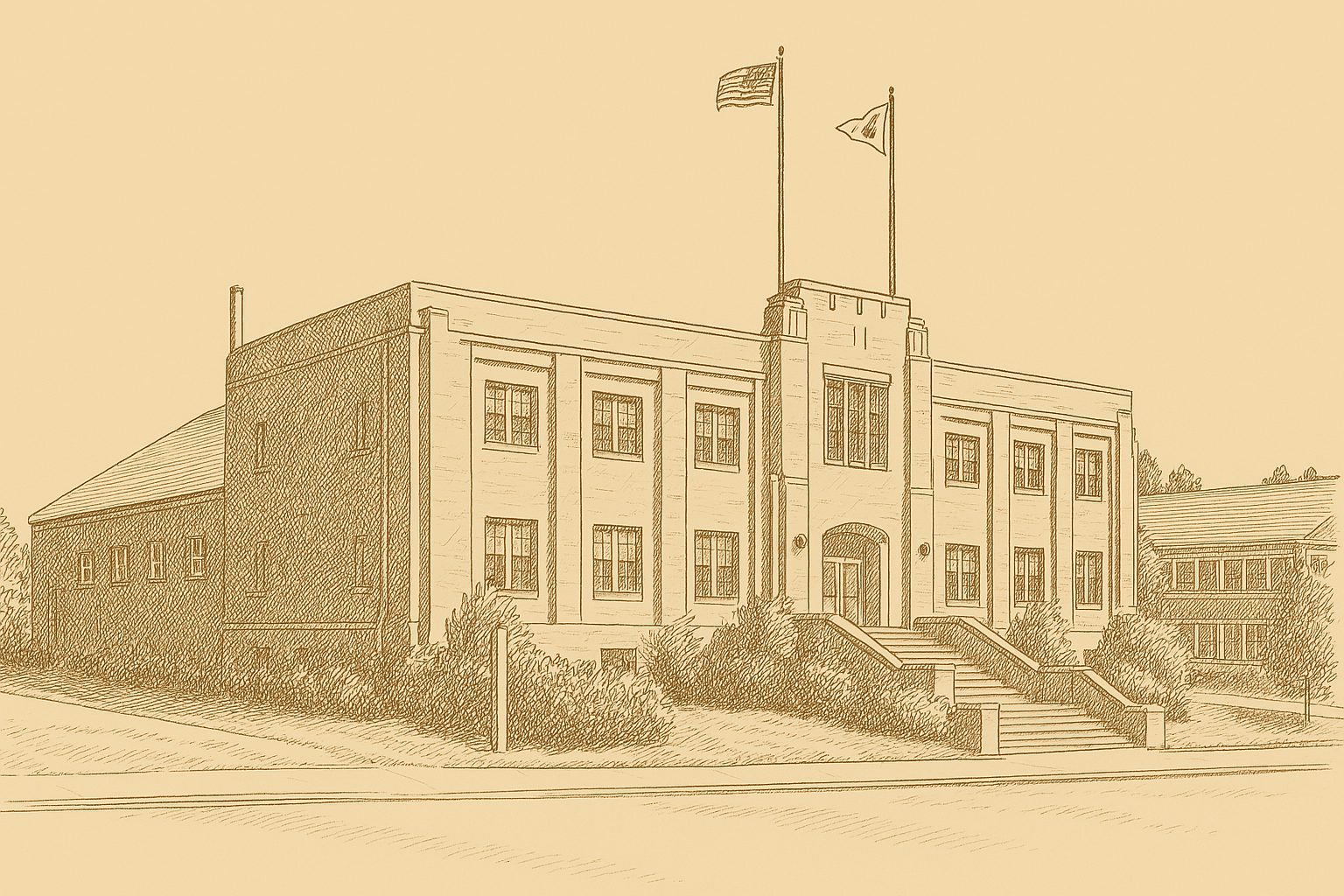
Discover the 1980 efforts by town leadership to acquire the Norwood Armory from the state, following legislative changes and the recent Civic Center location shift.
-
Guild School Picked for Civic Center-July 8, 1980
Discover the 1980 decision that transformed the Aaron Guild School into a multi-purpose recreation hub, replacing the former Civic Center sold to Norwood Hospital.
Discover more from Norwood Historical Society
Subscribe to get the latest posts sent to your email.