
FDA Approves Genetically Engineered Clot-Dissolving Protein Tested Locally Under Cardiologist Dr. John Cadigan III
NORWOOD – Marking a monumental milestone in modern cardiology, the federal Food and Drug Administration (FDA) officially approved the use of a revolutionary emergency heart attack drug on Friday, November 13, 1987. Clinically tested on patients at Norwood Hospital and Brockton Hospital, the breakthrough medication—known as TPA (tissue plasminogen activator)—was hailed by local medical leaders as a historic leap forward.
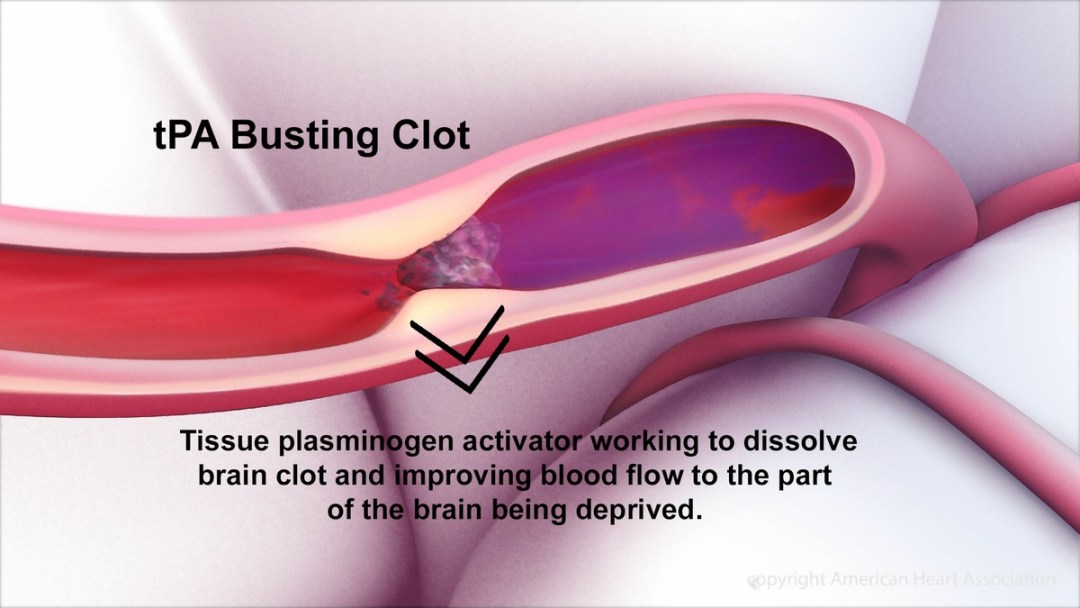
“This therapy is an absolutely revolutionary treatment. It’s the equivalent to curing cancer,” declared Dr. John Cadigan III, a Norwood Hospital cardiologist who served as the coordinator of the clinical trials at the facility. Unlike traditional treatments that merely managed the aftermath of a cardiac event, TPA works by triggering the body’s natural enzymes to dissolve blood clots blocking coronary arteries, halting the progression of a heart attack in its tracks.
Local Trial Success, National Medical Acclaim, and Administration Guidelines
Only three Boston-area community hospitals were chosen to participate in the clinical trials: Norwood Hospital, Brockton Hospital, and Emerson Hospital in Concord. Since trials commenced in November 1986, 35 patients received TPA at Norwood Hospital. According to Dr. Cadigan, a remarkable percentage of the 29 patients who survived their heart attacks showed zero detectable tissue damage to the heart muscle and experienced none of the major bleeding side effects previously associated with clot-dissolving therapies.
Nationally, health leaders praised the milestone:
- FDA Commissioner Frank E. Young characterized approval of the genetically engineered protein—developed by South San Francisco-based Genentech Inc.—as a major advance in managing coronary heart disease, noting it could save 10 to 30 percent of first-time heart attack victims depending on how quickly treatment is administered. Comparing a blocked coronary artery to a plugged pipe, Young emphasized, “The faster the plug is dissolved, the faster you restore blood to the heart.”
- Dr. Howard Morgan, president of the American Heart Association, stressed that TPA significantly reduces heart muscle damage and mortality if administered within the first few hours after symptom onset.
- Dr. James H. Sammons, executive vice president of the American Medical Association, expressed gratification that the drug had successfully transitioned from laboratory research to bedside application.
Medical experts underscored that the treatment’s efficacy depends heavily on prompt action. Dr. Cadigan and federal officials urged individuals experiencing classic heart attack symptoms—such as chest constriction and pain radiating down the left arm—to seek emergency medical care immediately without waiting or denying symptoms. Genentech officials indicated that TPA would arrive in hospital emergency rooms nationwide within two to three weeks, priced in line with international markets at approximately $2,000 per treatment.
TPA Clinical Trial & FDA Approval Overview
Drug & Trial Specifications
- Date: Saturday, November 14, 1987
- Medication: TPA (Tissue Plasminogen Activator)
- Developer: Genentech Inc. (South San Francisco)
- Norwood Trial Count: 35 patients treated since Nov. 1986
Key Medical Leaders
- Norwood Trial Coordinator: Dr. John Cadigan III
- FDA Commissioner: Dr. Frank E. Young
- AHA President: Dr. Howard Morgan
- AMA Executive VP: Dr. James H. Sammons
Archival Note: This article has been dynamically reconstructed from the original public record print archives of the Patriot Ledger
More Norwood Hospital Stories
-
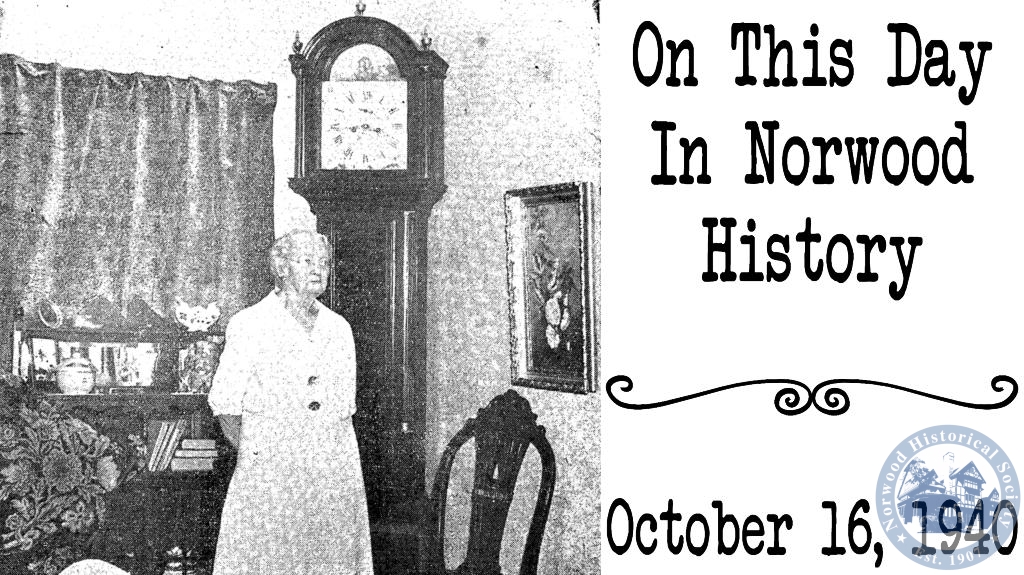
Local Woman Has Many Fine Colonial Antiques-This Day in Norwood History-October 16, 1940
Mrs. Daniel H. Philbrook of 145 Walpole st. has an imposing collection of antiques which date back hundreds of years. In a modest dwelling at 145 Walpole st. unknown to hundreds of local residents, is housed some of the finest Colonial antiques in New England. Thirty-five members of the Congregational church had the privilege of…
-
Norwood Man Near Death After Ax Attack, Friend Held-This Day in Norwood History-September 20, 1934
Norwood Man Near Death After Ax Attack, Friend Held-This Day in Norwood History- September 20, 1934

-
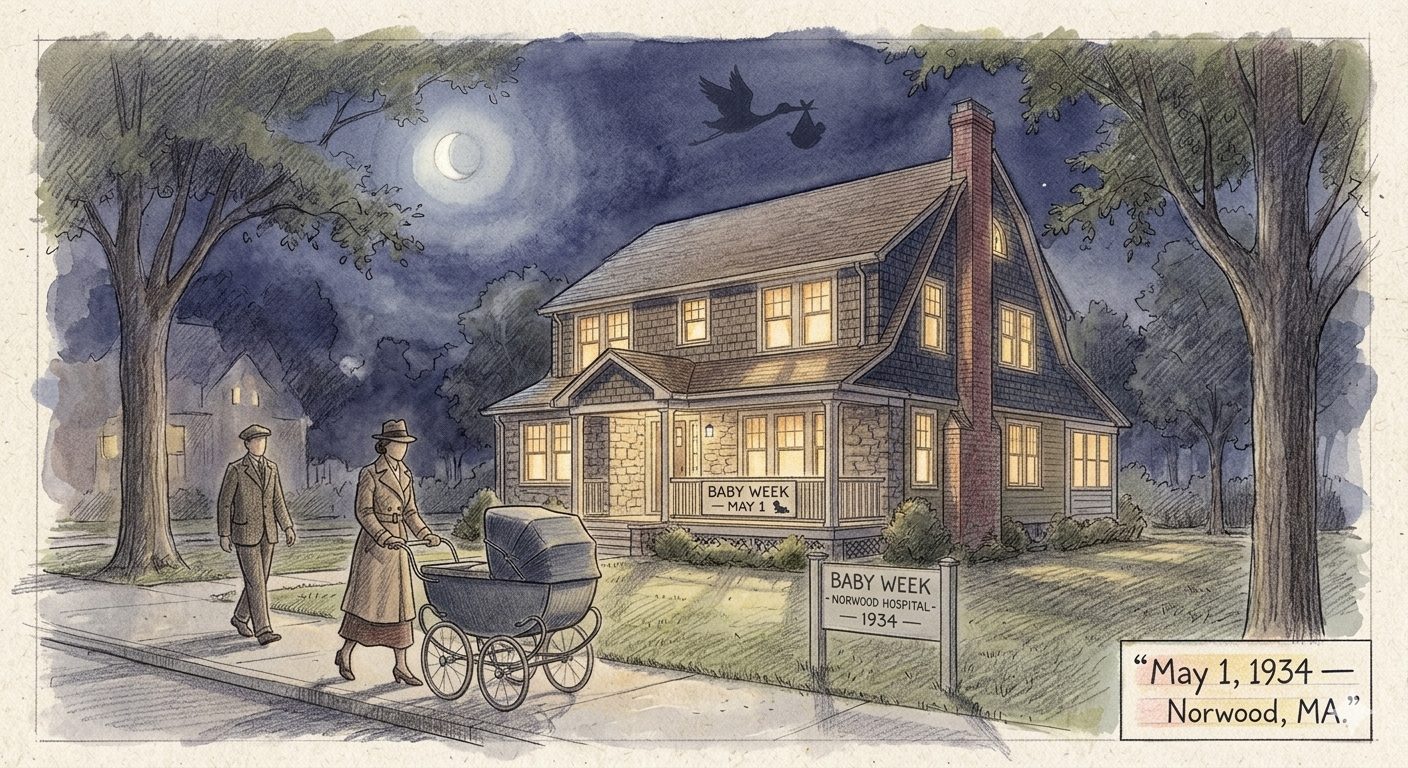
Lucky Girl Born to Norwood Couple-This Day In Norwood History-May 1, 1934
In the earliest minutes of May 1, 1934, Norwood welcomed a new resident under circumstances as charming as they were competitive. At precisely 12:40 a.m., the “stork” paid a visit to the home of Mr. and Mrs. William Dequette of 21 Folan Avenue, delivering an eight‑pound baby girl who instantly became the talk of the…
-
Pamela W. Childs First Co-Ed Admitted to Northeastern University College of Pharmacy-This Day in Norwood History-January 4, 1962
Miss Pamela W. Childs, 25 Florence Avenue, Norwood, has been accepted as the first co-ed student in the Northeastern University College of Pharmacy, it was announced today by Dr. Gilbert C. Garland, N.U. Dean of Admissions. In her last year at Norwood Senior High School, Miss Childs, the daughter of Mr. and Mrs. Stephen M.…

-
This Day In Norwood History-May 6, 1931-Everett School Lot Seems to Be Favored For Post Office Site
Forty prominent citizens of the town assembled in Memorial Hall yesterday afternoon to discuss before representatives from Washington the location for the new Post Office building. Ernest F. Sharp, from the Post Office Department at Washington, and Jerome J. Lawlor, from the Treasury Department will make their report to Washington.Postmaster Albin K. Parker presided. James…
-
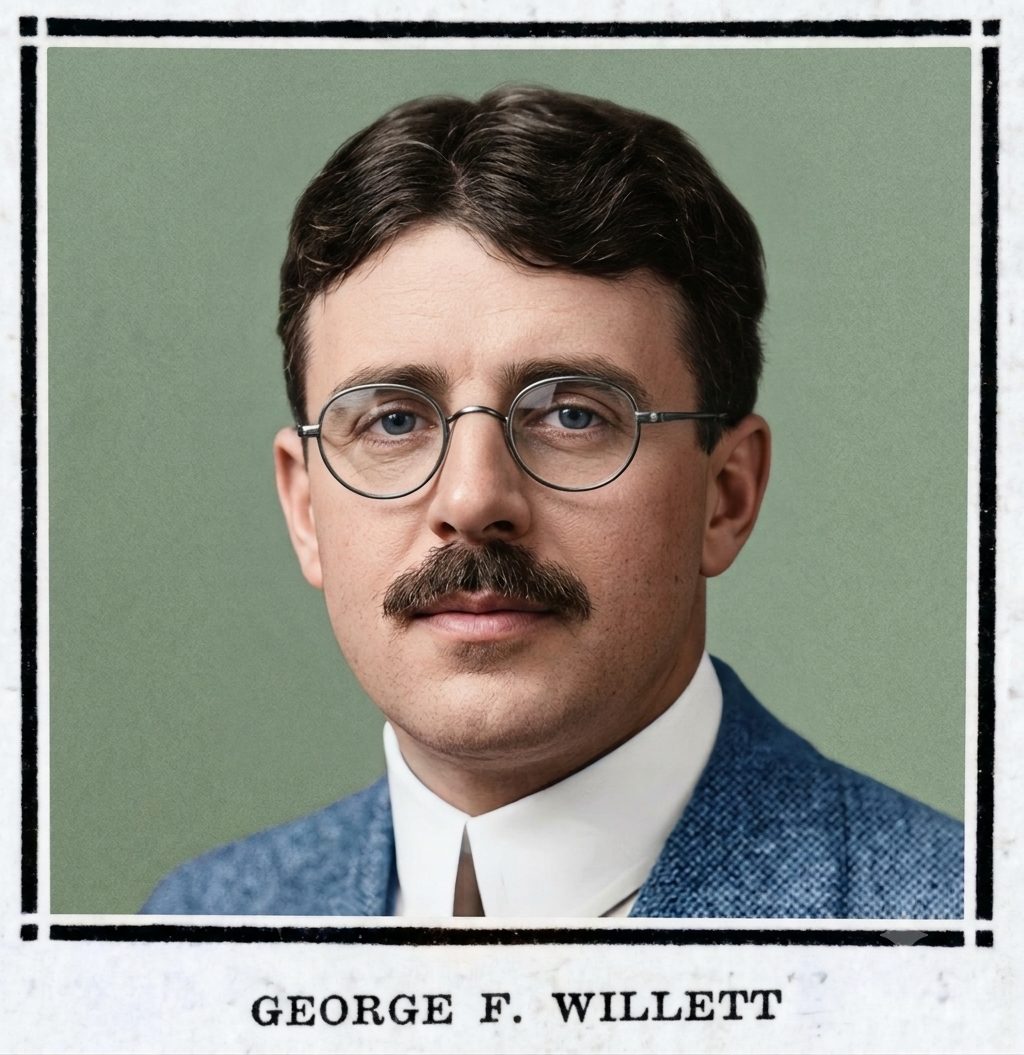
George Willett Seeks Senate Seat-This Day In Norwood History- July 1, 1930
George F. Willett, one of Norwood’s most influential civic figures, surprised the region in 1930 by launching a State Senate campaign.
-
Town Considers Buying Civic Property-This Day In Norwood History-April 22, 1930
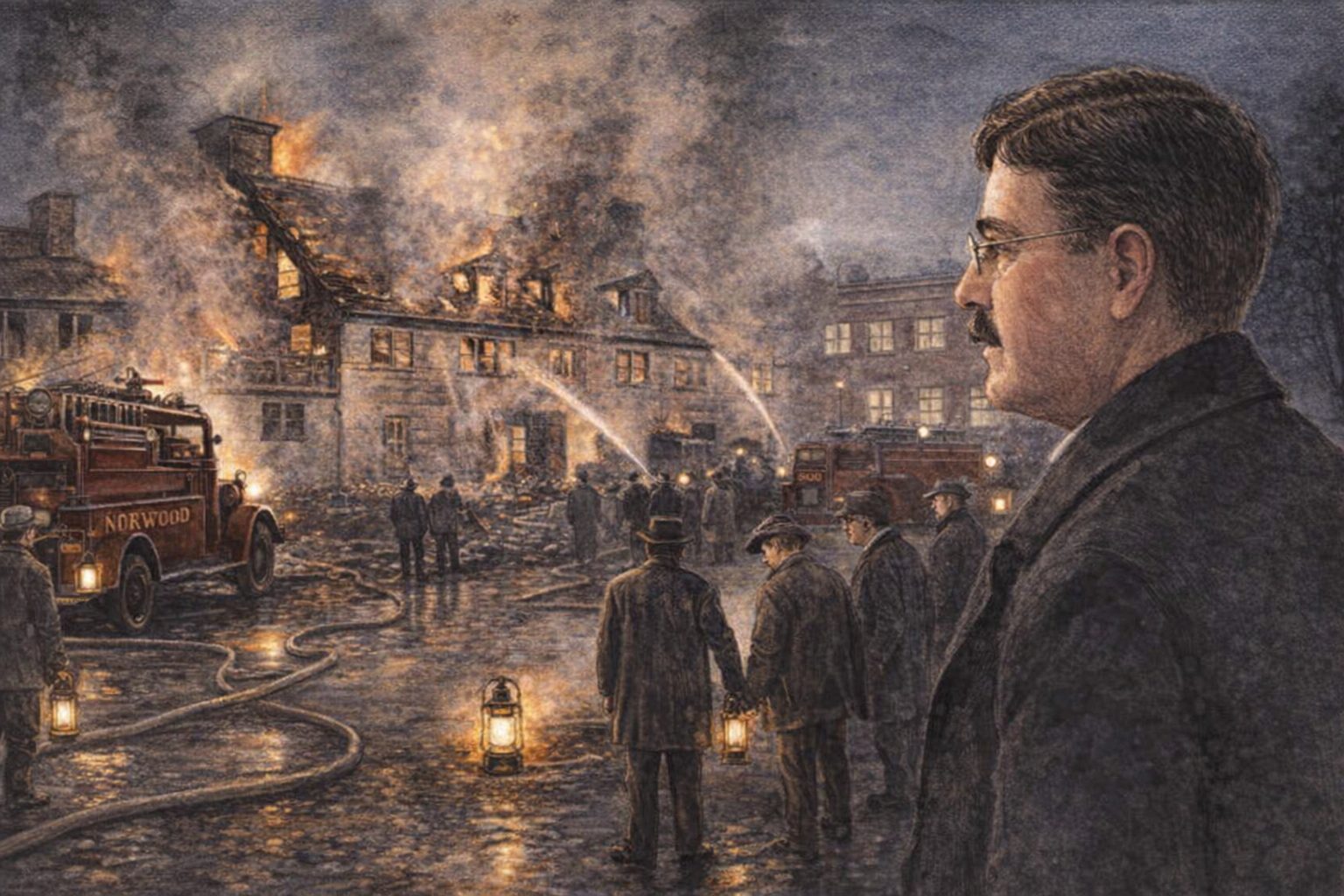
Norwood awoke on April 22, 1930, to the smoldering remains of one of its proudest civic landmarks. The Norwood Civic Association complex, a six‑building group gifted to the town years earlier by philanthropist George F. Willett, was gutted by a fire that began the previous afternoon and raged into the night. Four of the six structures—Everett Hall, the gymnasium, the office building,…
-
Gives Administration Building To Norwood Hospital-This Day In Norwood History-February 24, 1928
ADMINISTRATION BUILDING OF NORWOOD HOSPITAL NORWOOD, Feb 24—The new administration building of Norwood Hospital was opened Wednesday for the first time for inspection. About 800 persons were present at the opening exercises. There remain two weeks for visitation by the public. The new building is the gift of Herbert Mosley Plimpton. Mr. Plimpton has always…
-
More Than 2500 Attend Norwood Hospital Opening-This Day in Norwood History-September 2, 1926
This Day in Norwood History- September 2, 1926- More Than 2500 Attend Norwood Hospital Opening

-
Norwood Hospital To Be Opened For Inspection-This Day in Norwood History- August 31, 1926
This Day in Norwood History- August 31, 1926-Norwood Hospital To Be Opened For Inspection

Discover more from Norwood Historical Society
Subscribe to get the latest posts sent to your email.