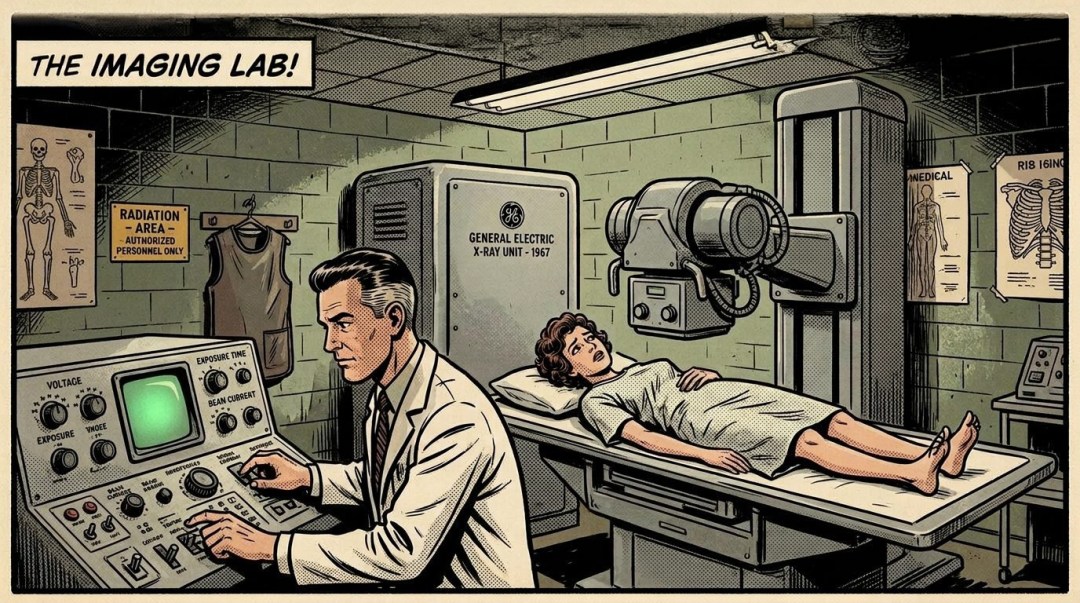
On July 6, 1964, the Norwood Hospital was reported to be at the forefront of medical diagnostics following the installation of a sophisticated Image Intensifier unit.

The device, which had been in operation for eight weeks at the time of the report, represented a significant capital investment of $12,000. This equipment replaced the traditional fluoroscopic unit, promising to enhance the quality of diagnostic care while prioritizing patient comfort and safety.
According to Charles A. Richardson, the hospital administrator, the advantages of the new technology far outweighed its substantial cost. One of the most critical benefits of the Image Intensifier was the reduction of radiation exposure; the system required 60 percent less x-ray energy to perform examinations than previous models. Furthermore, the system operated using a specialized tube that converted x-ray energy into light energy, which was then concentrated through an optical system for viewing on a mirror. This process allowed the radiologist to see a clear, distinct image of a patient’s interior without the need for high levels of radiation.
The shift in technology also provided significant logistical benefits for medical staff. In traditional fluoroscopy, radiologists were required to wear special goggles for 30 to 40 minutes before testing to allow their eyes to adjust to a totally dark room. The Image Intensifier eliminated this necessity, as testing could be performed in subdued light. This transition to a better-lit environment served a dual purpose: it made the experience less apprehensive and more relaxing for the patient, who could see their surroundings throughout the procedure.
The hospital’s modernization efforts were ongoing. At the time of the report, plans were already in place to integrate a television monitor system paired with the Image Intensifier. This addition was projected to provide instantaneous video tapes, which the radiologist could play back for on-the-spot analysis. Unlike the conventional spot-picture method, which required time-consuming film development and manual review, the combination of the Image Intensifier and video recording offered a continuous, dynamic image. This allowed for more immediate and positive diagnostic results, marking a major leap forward in the hospital’s operational capabilities.
Archival Note: This article has been dynamically reconstructed from the original public record print archives of the Patriot Ledger
More Norwood Hospital Stories
-
Owner of Norwood Site Says He Was Unaware of Gravel Removal-July 24, 1985
The Norwood Zoning Board of Appeals clashed with property owner Paul C. Balboni over unpermitted gravel excavation at a University Avenue site flagged by Building Inspector John Grover.

-
Rev. Daniel J. Crowley Appointed New Parish Administrator of St. Peter’s Church-August 22, 1984
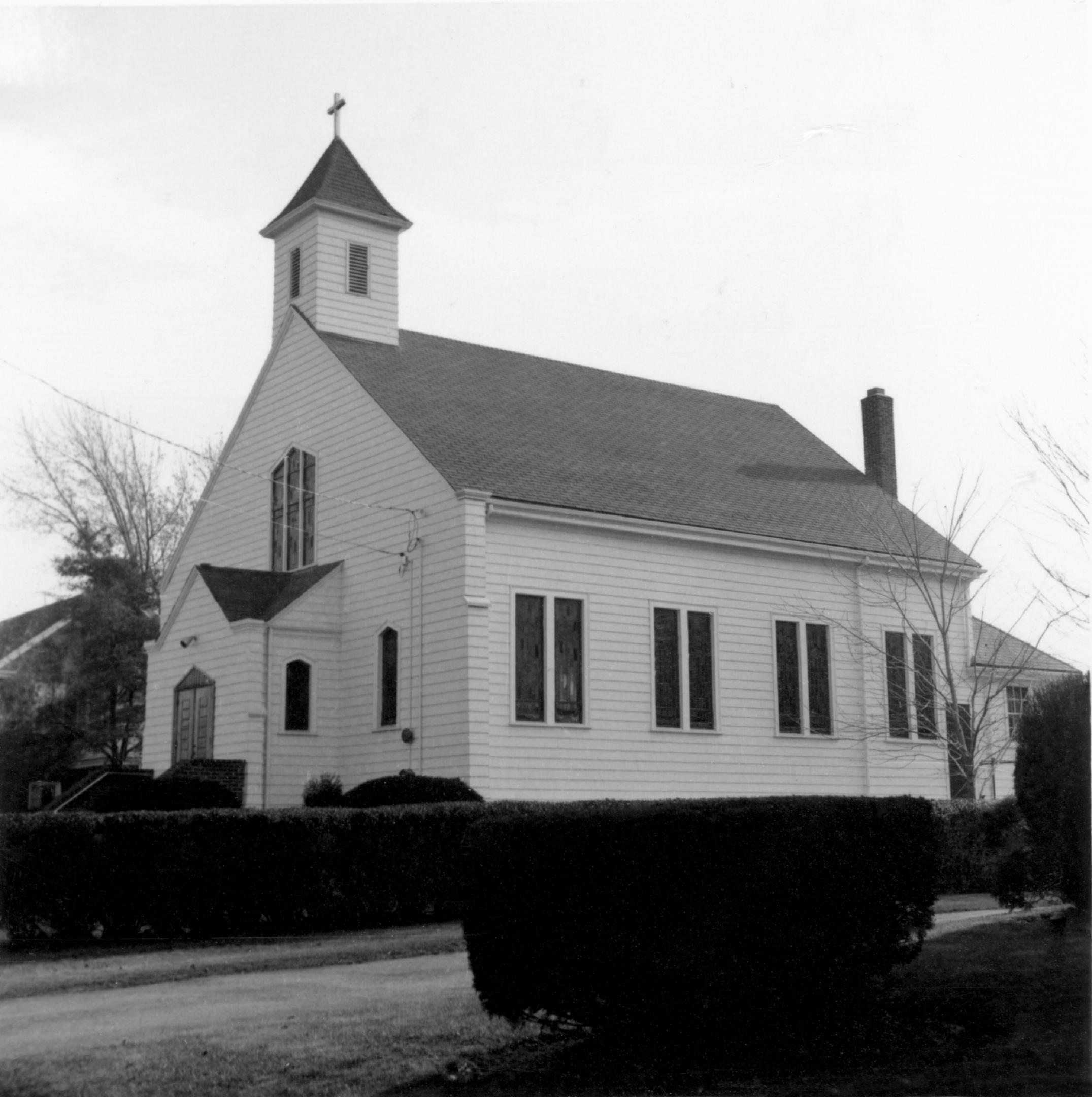
Following the lengthy absence of Rev. Thaddeus A. Saja due to illness, Norwood Hospital chaplain Rev. Daniel J. Crowley has been appointed as the new administrator of St. Peter’s Church in South Norwood.
-
Norwood Hospital Expects Completion of New $18.4 Million Building by November-August 2, 1983
Norwood Hospital announced that construction on its massive new $18.4 million five-level building on the former Civic Center site is slated for completion in November, with patient admissions beginning in January.Norwood Hospital announced that construction on its massive new $18.4 million five-level building on the former Civic Center site is slated for completion in November,…
-
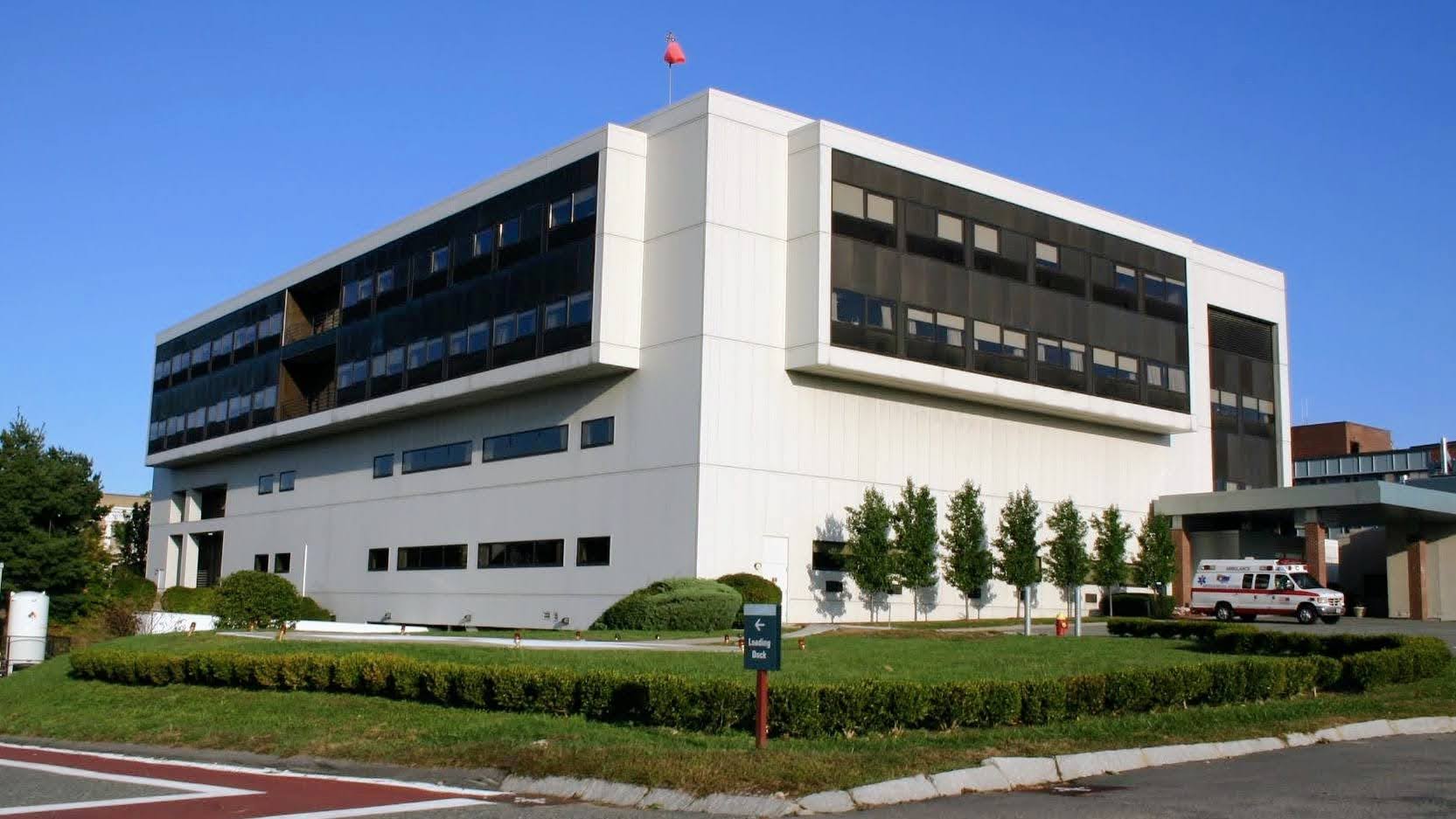
Norwood Hospital’s Response to PCBs Case Praised-July 29, 1983
Norwood Hospital addressed community concerns regarding the effects of toxic wastes. The hospital’s swift action and provision of facilities for sampling blood from residents earned praise from State Health Commissioner Bailus Walker Jr. In a letter to David Kinzer, president of the Massachusetts Hospital Association, Walker emphasized the importance of hospitals taking proactive measures to…
-
Norwood Hospital Warned About Incinerator Standards – July 14, 1983
Norwood was abuzz with news of a local institution facing scrutiny from state and local authorities regarding its incinerator standards. Norwood Hospital, a stalwart presence in the community for decades, found itself at the center of a controversy that would test its commitment to environmental responsibility. The hospital was under pressure to update its incinerator…

-
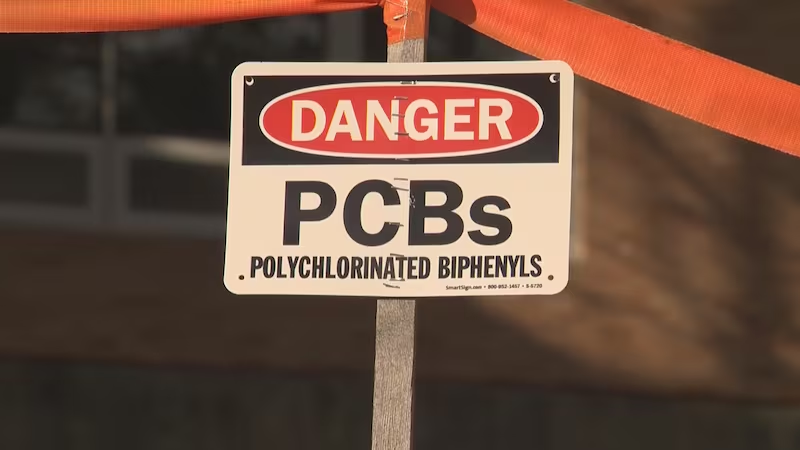
Norwood Residents Begin PCB Blood Testing Program-July 12, 1983
State health officials launched the screening program to analyze the health impact of toxic chemical exposure following soil contamination cleanup.
-
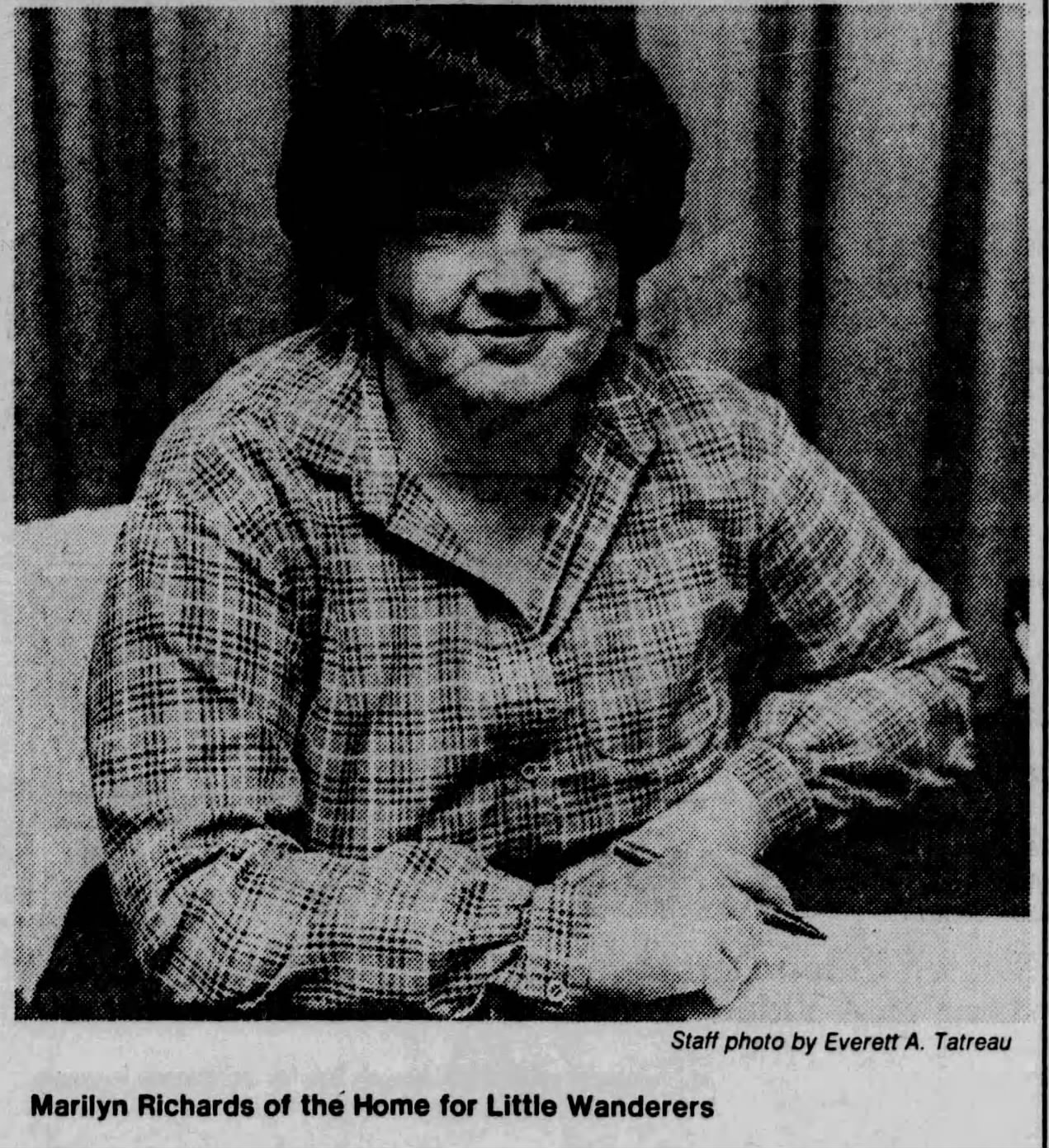
New England Home for Little Wanderers Fights to Keep Norwood Foster Program for Teenage Girls-October 15, 1982
Facing a cease and desist order from the building inspector, the New England Home for Little Wanderers appeals to keep its teenage foster home on Walpole Street.
-
Norwood Hospital Denies Treating Former New England Patriot Greg Taylor in $30 Million Lawsuit-October 6, 1982
Norwood Hospital denies any record of treating former New England Patriots player Greg Taylor, blasting his $30 million lawsuit as irresponsible and false.
-
Proposed Washington Street Rezoning Divides Norwood Hospital Area Residents Ahead of Special Town Meeting-September 14, 1982
A special town meeting rezoning proposal to allow professional offices on Washington Street near Norwood Hospital draws sharp debate from neighboring property owners.
-
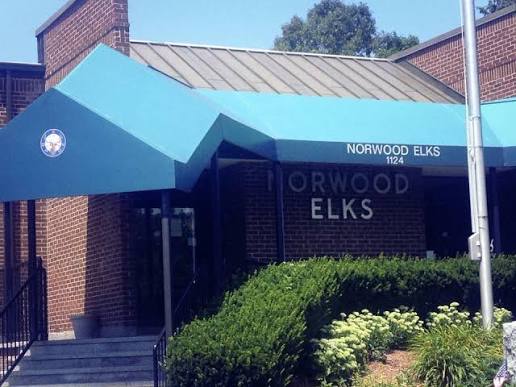
Norwood Briefs: Taxi Subsidy, East Hoyle Street Grant, Elks Parking, and Senior Activities-August 26, 1982
Norwood prepares to launch a taxi subsidy program for seniors and handicapped residents, receives a state grant to widen East Hoyle Street, and denies the Elks Club parking expansion.
Discover more from Norwood Historical Society
Subscribe to get the latest posts sent to your email.