
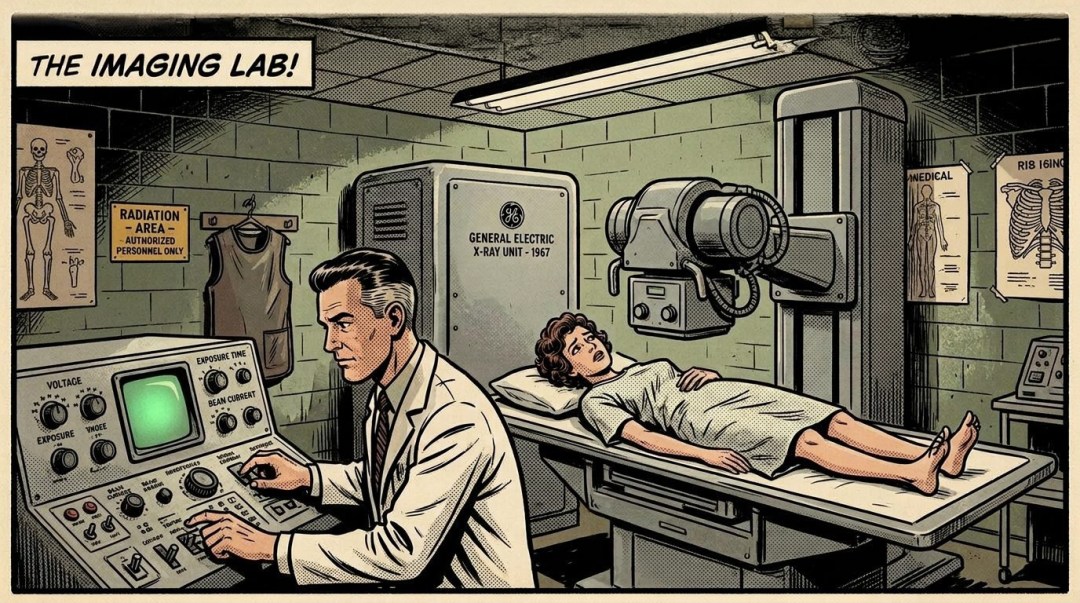
On July 6, 1964, the Norwood Hospital was reported to be at the forefront of medical diagnostics following the installation of a sophisticated Image Intensifier unit.

The device, which had been in operation for eight weeks at the time of the report, represented a significant capital investment of $12,000. This equipment replaced the traditional fluoroscopic unit, promising to enhance the quality of diagnostic care while prioritizing patient comfort and safety.
According to Charles A. Richardson, the hospital administrator, the advantages of the new technology far outweighed its substantial cost. One of the most critical benefits of the Image Intensifier was the reduction of radiation exposure; the system required 60 percent less x-ray energy to perform examinations than previous models. Furthermore, the system operated using a specialized tube that converted x-ray energy into light energy, which was then concentrated through an optical system for viewing on a mirror. This process allowed the radiologist to see a clear, distinct image of a patient’s interior without the need for high levels of radiation.
The shift in technology also provided significant logistical benefits for medical staff. In traditional fluoroscopy, radiologists were required to wear special goggles for 30 to 40 minutes before testing to allow their eyes to adjust to a totally dark room. The Image Intensifier eliminated this necessity, as testing could be performed in subdued light. This transition to a better-lit environment served a dual purpose: it made the experience less apprehensive and more relaxing for the patient, who could see their surroundings throughout the procedure.
The hospital’s modernization efforts were ongoing. At the time of the report, plans were already in place to integrate a television monitor system paired with the Image Intensifier. This addition was projected to provide instantaneous video tapes, which the radiologist could play back for on-the-spot analysis. Unlike the conventional spot-picture method, which required time-consuming film development and manual review, the combination of the Image Intensifier and video recording offered a continuous, dynamic image. This allowed for more immediate and positive diagnostic results, marking a major leap forward in the hospital’s operational capabilities.
Archival Note: This article has been dynamically reconstructed from the original public record print archives of the Patriot Ledger
More Norwood Hospital Stories
-
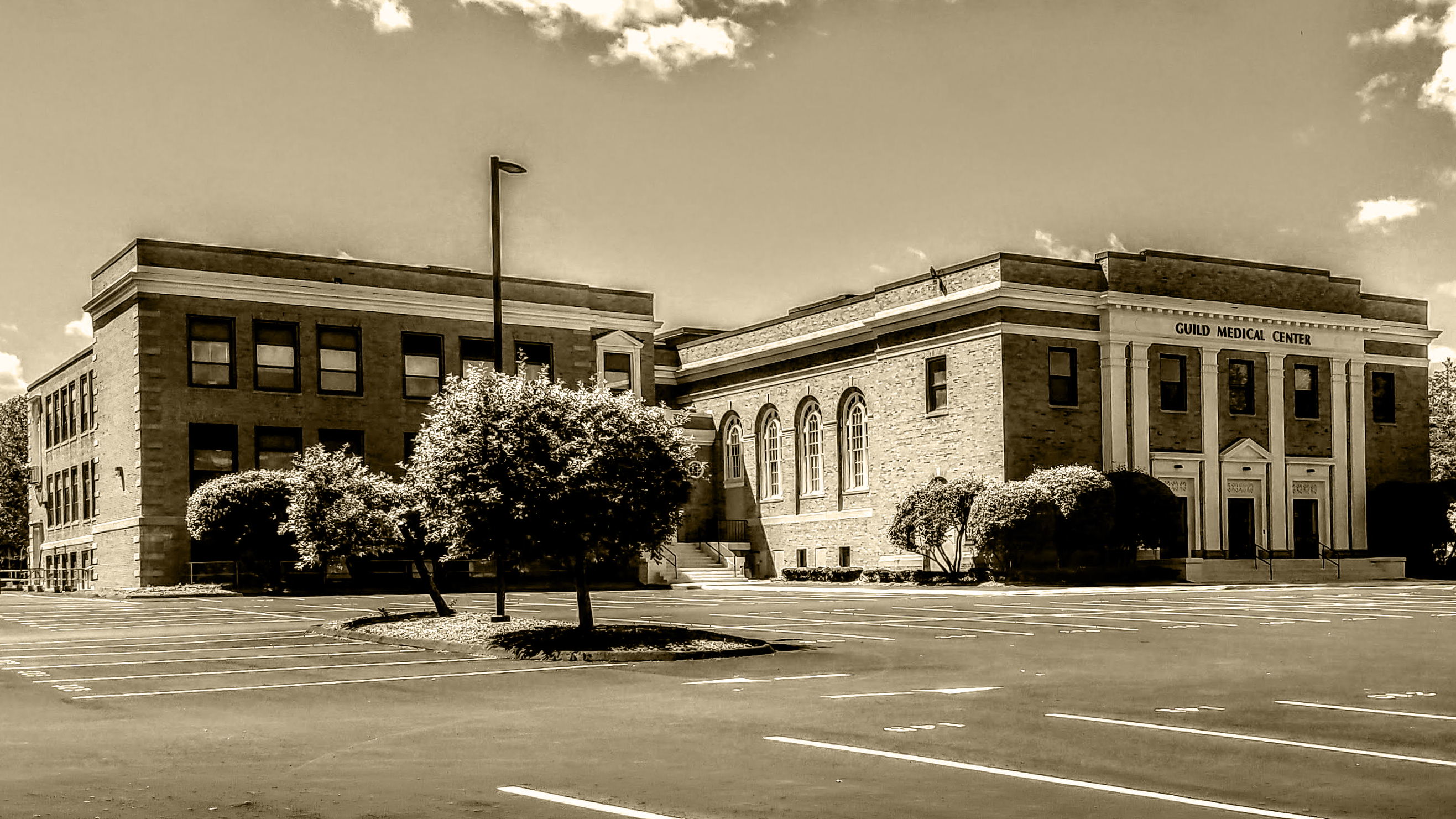
Norwood Hospital to Lease Two Rooms in Former Aaron Guild School for Childbirth Education Program-August 14, 1982
Norwood Hospital reached an agreement with selectmen to rent two rooms in the former Aaron Guild School on Washington Street for a new childbirth education program.
-
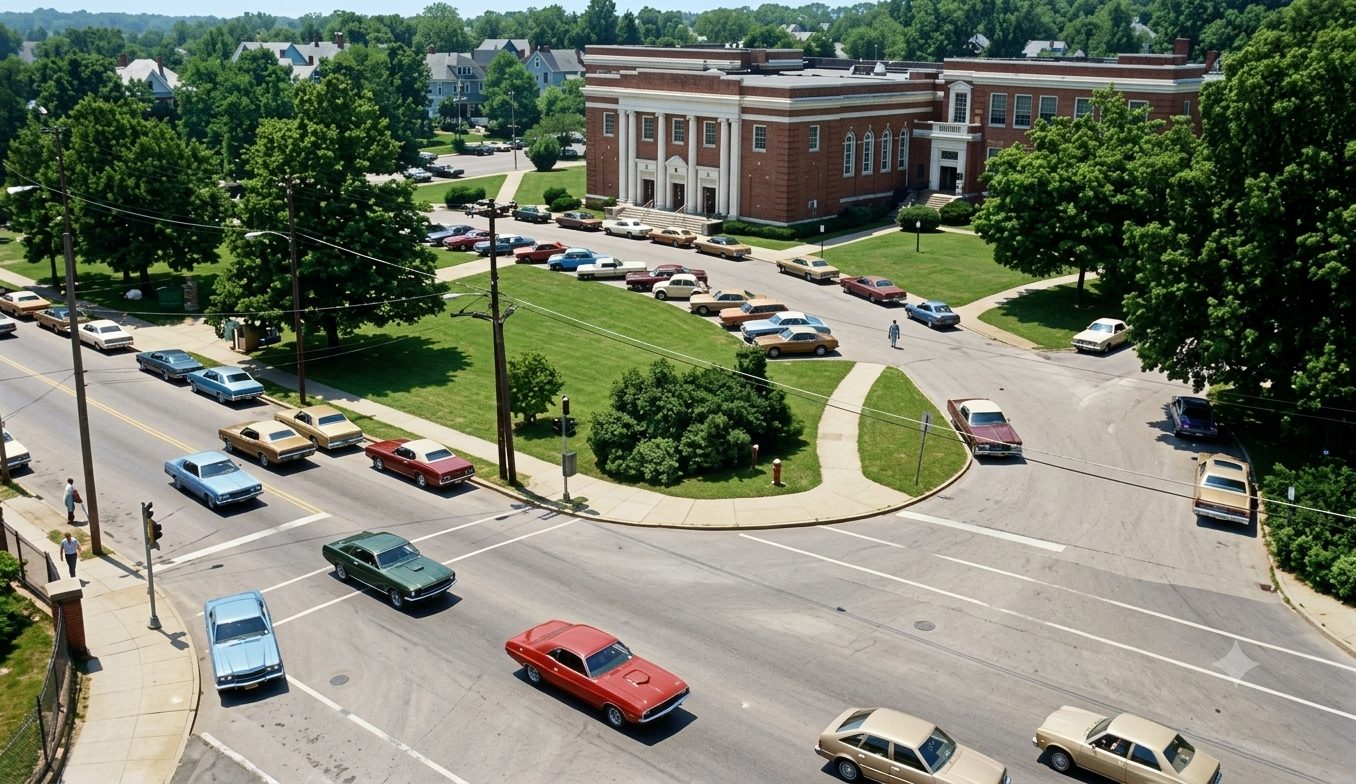
Norwood Hospital Disclaims Interest in Buying Former Aaron Guild School-August 4, 1982
Norwood Hospital administrator David P. Buchmueller announced the hospital has no interest in purchasing the former Aaron Guild School, though the institution supports professional office or elderly housing use nearby.
-
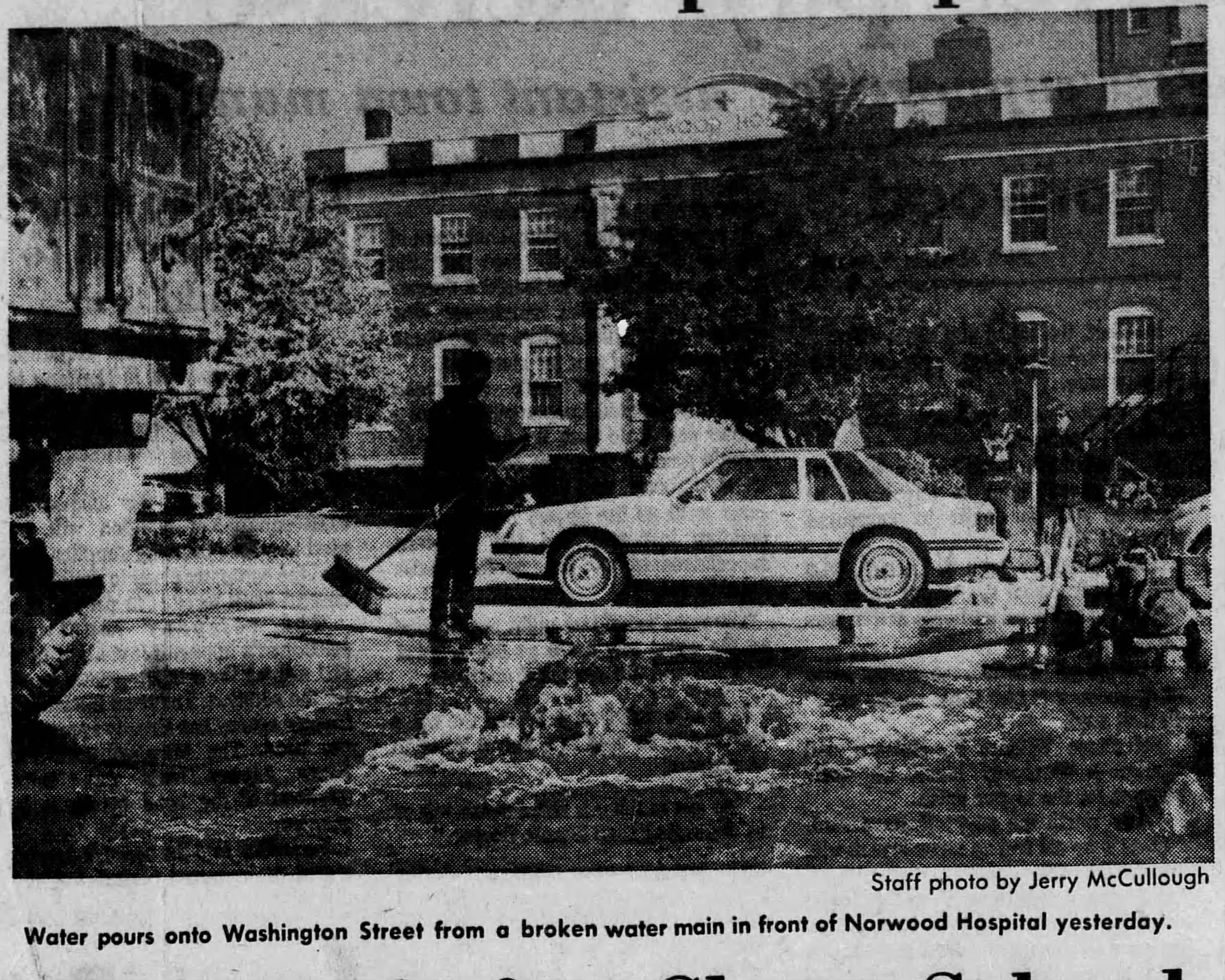
Broken Water Main Leaves Norwood Hospital Without Sprinkler System for Hours-October 21, 1981
A water main break on Washington Street flooded the area, leaving Norwood Hospital without sprinkler coverage for hours while fire officials maintained a close watch.
-
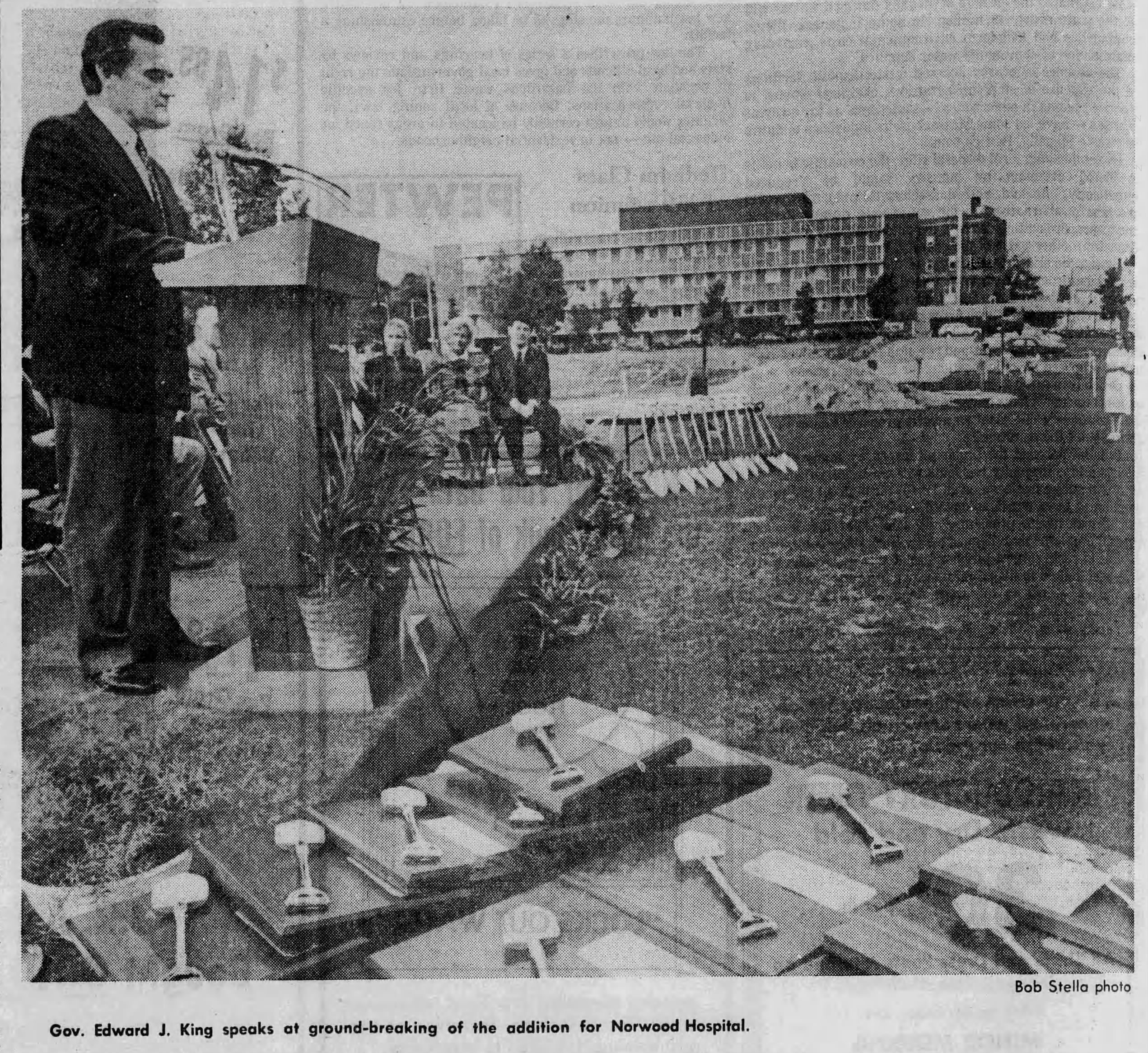
Groundbreaking Held for $28 Million Norwood Hospital Addition After Decade of Planning-September 28, 1981
Governor Edward J. King and local leaders break ground on Norwood Hospital’s $28 million, five-story addition, marking the end of a decade of planning and regulatory hurdles.
-
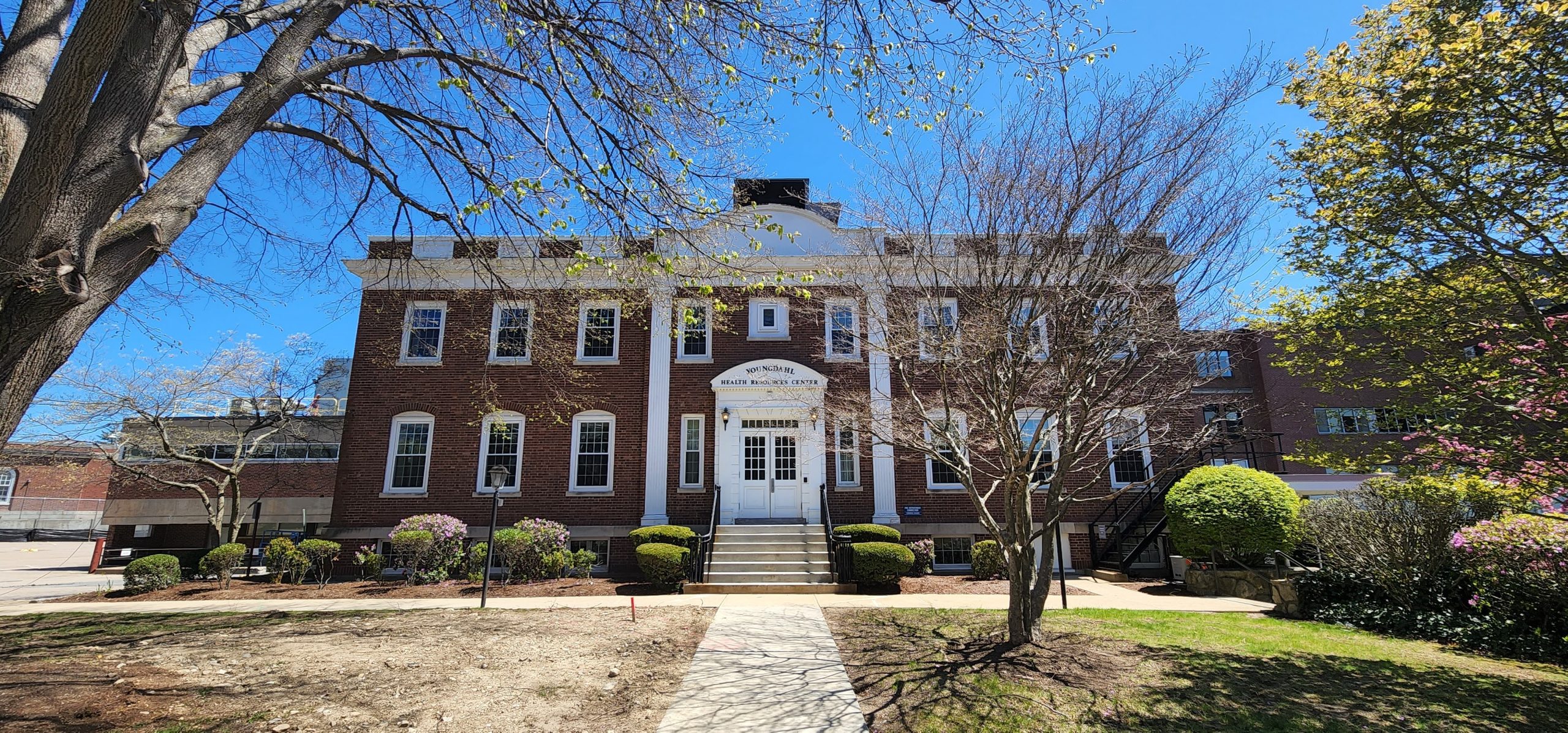
Twice Postponed: Couple Exchanges Wedding Vows in Unusual Norwood Hospital Setting-September 28, 1981
After the groom is hospitalized with a bleeding ulcer, Wayne Gauthier and Marie Lumnah tie the knot in an unusual ceremony inside Norwood Hospital’s Plimpton Hall.
-
Norwood Hospital Announces “Groundbreaker” Road Race to Kick Off $28 Million Expansion-September 3, 1981
Fitness enthusiasts and community supporters will soon lace up their running shoes as Norwood Hospital officially announces the inaugural “Groundbreaker” road race, scheduled for 10:00 a.m. on September 27. The athletic event serves as a festive centerpiece launching construction on the hospital’s massive $28 million Phase II expansion project. Organized by the hospital’s physical therapy…
-
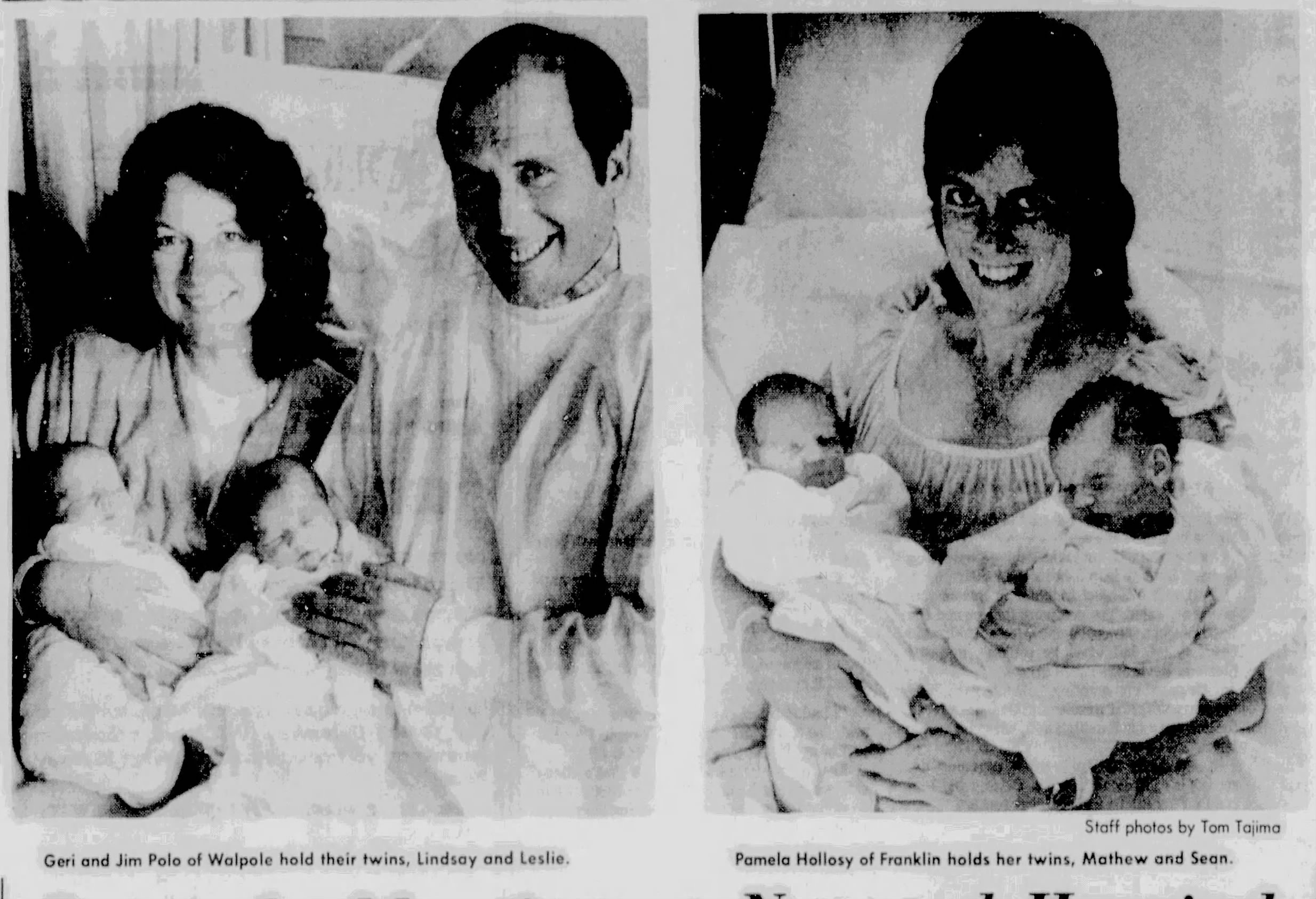
Baby Boom Brings Two Sets of Twins to Norwood Hospital Maternity Ward in One Week-August 15, 1981
Norwood Hospital welcomed a flurry of newborns this week as two sets of twins—Lindsay and Leslie Polo, and Matthew and Sean Hollosy—were delivered by Dr. Frank Mason.
-
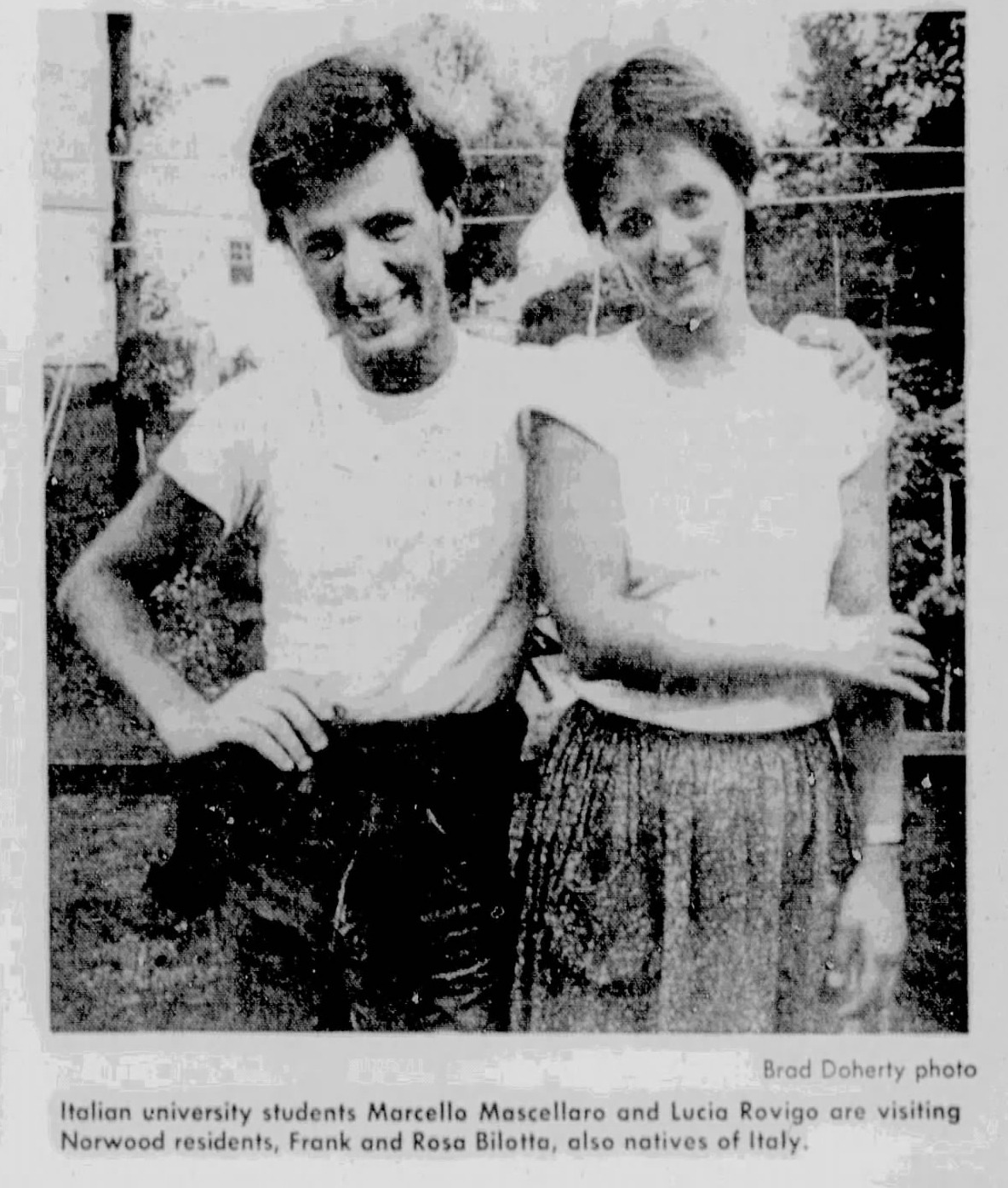
Italian University Students Lucia Rovigo and Marcello Mascellaro Bring Touch of Home to Norwood Host Families-August 10, 1981
Italian university students Lucia Rovigo and Marcello Mascellaro are spending a month in Norwood as guests of local families through the Interstudy program.
-
Talk of the Town-July 20, 1981
Discover more from Norwood Historical Society Subscribe to get the latest posts sent to your email. Type your email… Subscribe

-
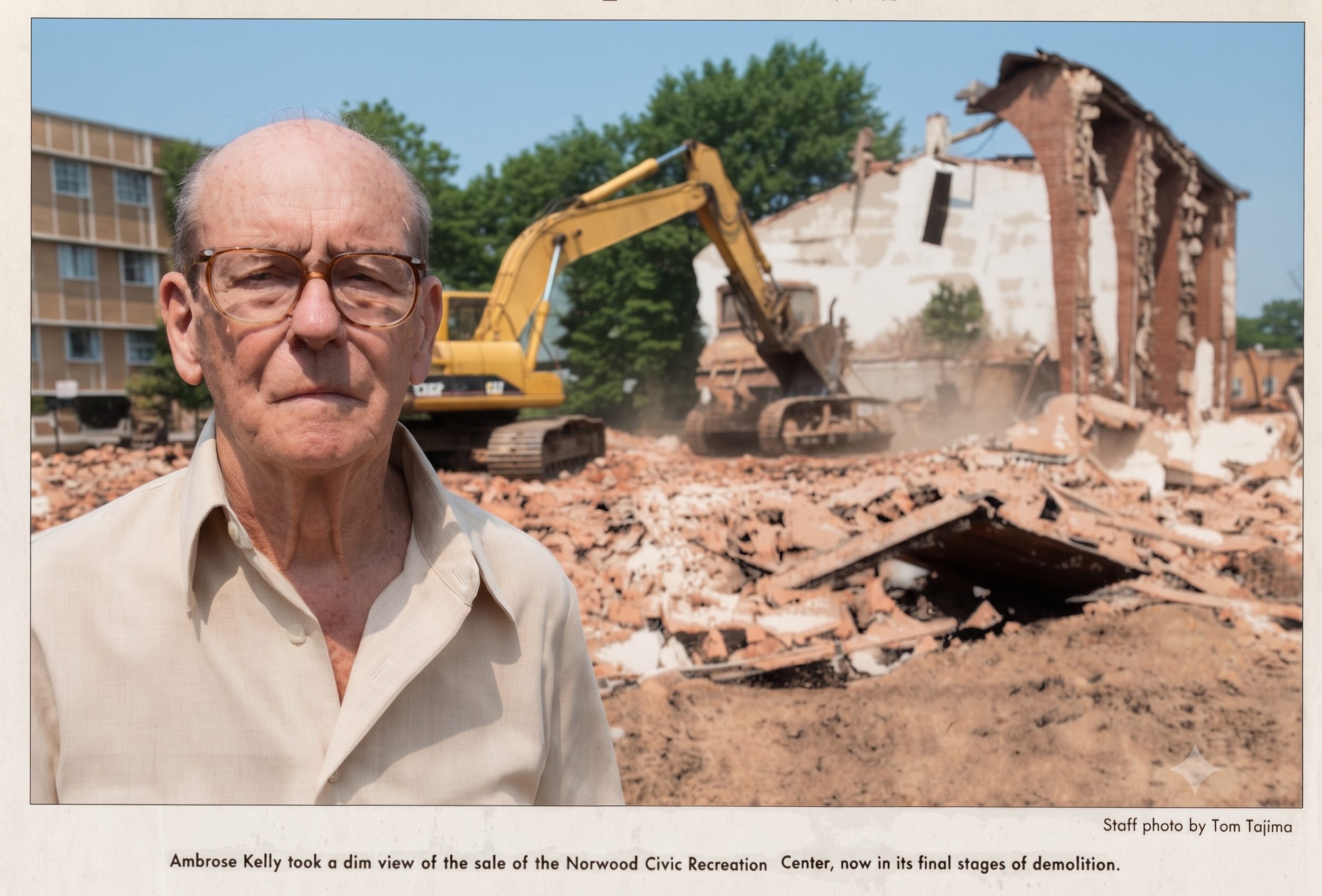
End of an Era: Norwood Civic Center Demolition Complete-July 11, 1981
Norwood Civic Center Demolition ⠀ On July 11, 1981, the Norwood Civic Recreation Center—a fixture of the town’s social and recreational life for decades—was leveled as demolition reached its final stages. For longtime resident and former town finance commissioner Ambrose J. Kelly, the sight of the structure reduced to rubble was a somber conclusion to…
Discover more from Norwood Historical Society
Subscribe to get the latest posts sent to your email.