
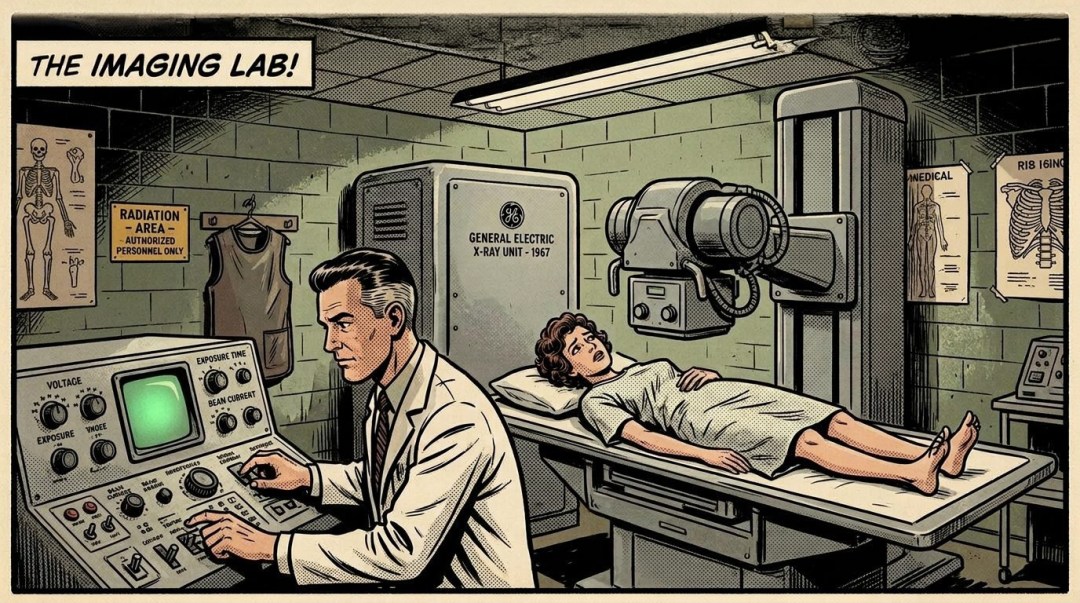
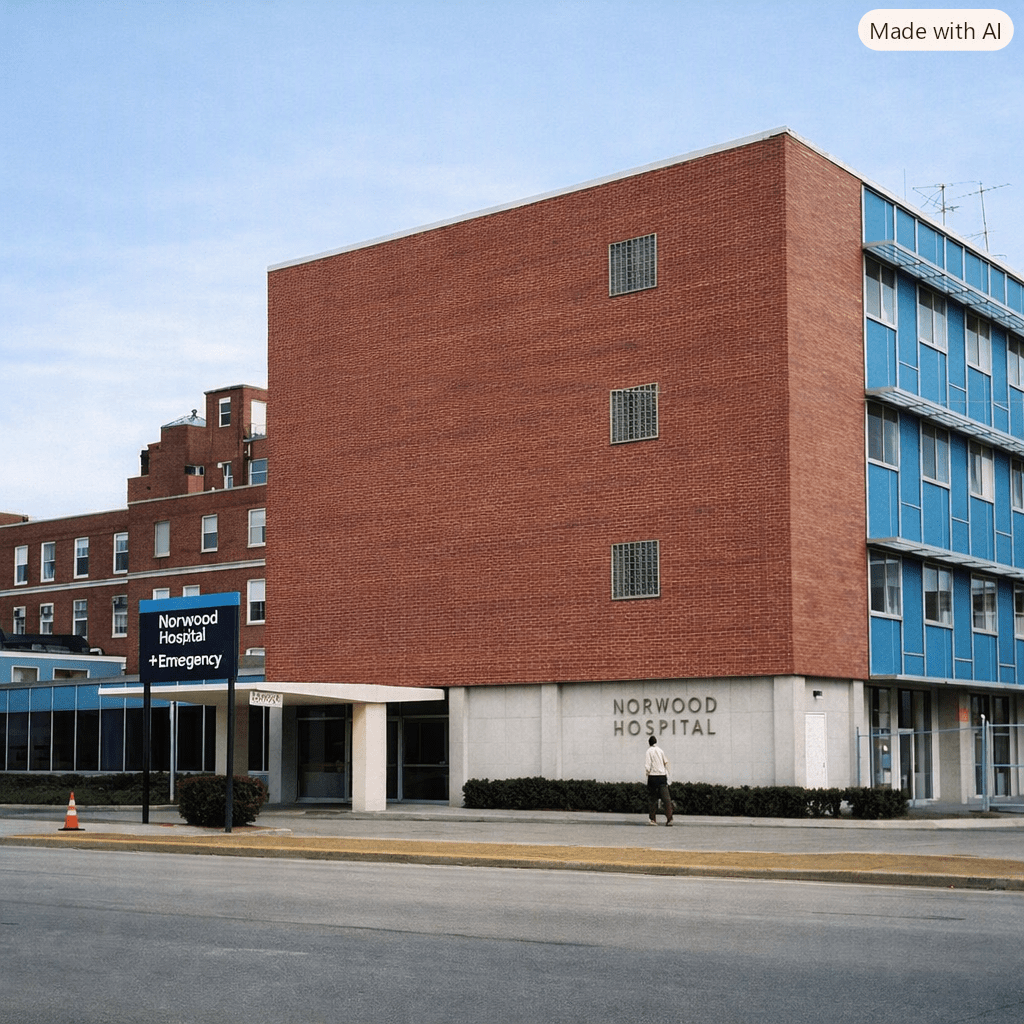
On July 6, 1964, the Norwood Hospital was reported to be at the forefront of medical diagnostics following the installation of a sophisticated Image Intensifier unit.

The device, which had been in operation for eight weeks at the time of the report, represented a significant capital investment of $12,000. This equipment replaced the traditional fluoroscopic unit, promising to enhance the quality of diagnostic care while prioritizing patient comfort and safety.
According to Charles A. Richardson, the hospital administrator, the advantages of the new technology far outweighed its substantial cost. One of the most critical benefits of the Image Intensifier was the reduction of radiation exposure; the system required 60 percent less x-ray energy to perform examinations than previous models. Furthermore, the system operated using a specialized tube that converted x-ray energy into light energy, which was then concentrated through an optical system for viewing on a mirror. This process allowed the radiologist to see a clear, distinct image of a patient’s interior without the need for high levels of radiation.
The shift in technology also provided significant logistical benefits for medical staff. In traditional fluoroscopy, radiologists were required to wear special goggles for 30 to 40 minutes before testing to allow their eyes to adjust to a totally dark room. The Image Intensifier eliminated this necessity, as testing could be performed in subdued light. This transition to a better-lit environment served a dual purpose: it made the experience less apprehensive and more relaxing for the patient, who could see their surroundings throughout the procedure.
The hospital’s modernization efforts were ongoing. At the time of the report, plans were already in place to integrate a television monitor system paired with the Image Intensifier. This addition was projected to provide instantaneous video tapes, which the radiologist could play back for on-the-spot analysis. Unlike the conventional spot-picture method, which required time-consuming film development and manual review, the combination of the Image Intensifier and video recording offered a continuous, dynamic image. This allowed for more immediate and positive diagnostic results, marking a major leap forward in the hospital’s operational capabilities.
Archival Note: This article has been dynamically reconstructed from the original public record print archives of the Patriot Ledger
More Norwood Hospital Stories
-
State Plans Hearing on Norwood Hospital Sale-July 9, 1997
In July 1997, Attorney General Scott Harshbarger announced a public hearing to review the proposed $58 million acquisition of Norwood and Southwood Community Hospitals by healthcare giant Columbia/HCA.
-
Second-Generation Officer Paul Bishop Praises Norwood’s Community Services and Quality of Life-September 22, 1994
Second-generation police officer Paul Bishop and local families highlight Norwood’s excellent municipal services, schools, and community pride.
-
Norwood Hospital Cuts 84 Staff Jobs-This Day in Norwood History-May 1, 1994
On May 1, 1994, the community of Norwood awoke to sobering news: Norwood Hospital—long one of the region’s most stable employers—announced the elimination of 84 staff positions, a 10‑percent reduction in its workforce. The cuts reflected a seismic shift underway in American health care, one that would reshape hospitals across Massachusetts and the nation. The…
-
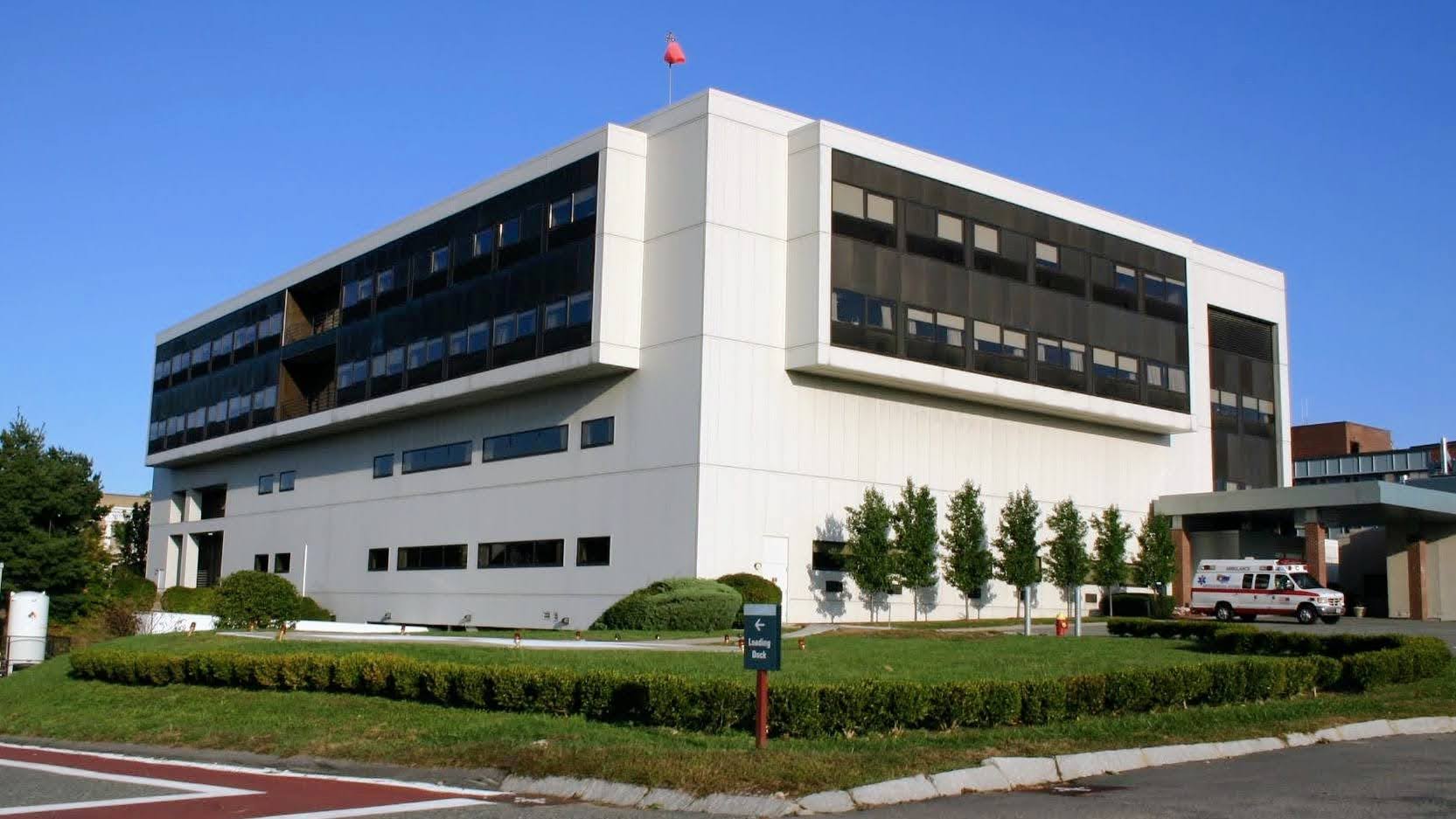
Norwood Hospital Released Man Later Accused of Murder-July 3, 1992
In the wake of a tragic incident that shook the community, Norwood Hospital officials addressed public concerns regarding the discharge of Steven Stivaletta, a patient who was later accused of murdering his grandmother. Frank Niro, the new president of Neponset Valley Health Systems-the entity that owns Norwood Hospital-offered the hospital’s first public explanation regarding the…
-
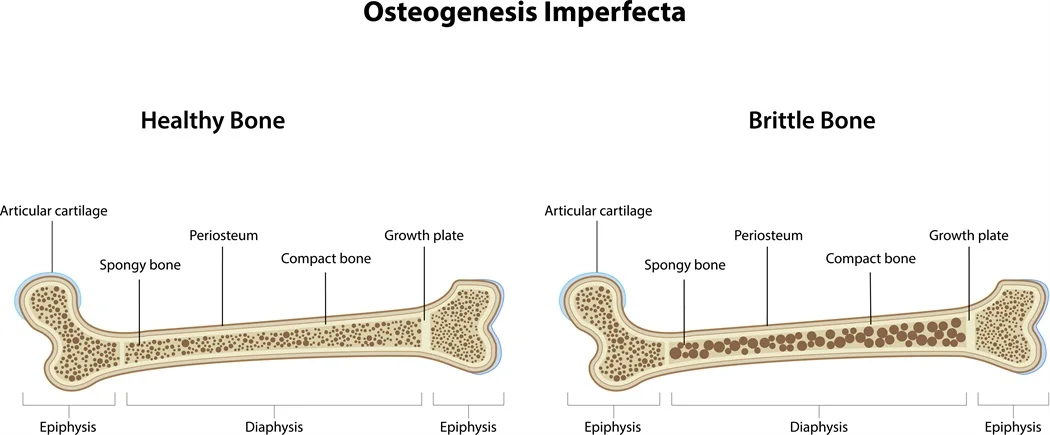
Breaking the Silence on Brittle Bone Disorder-This Day in Norwood History-June 28, 1991
A Norwood family’s national custody battle over a rare bone disorder inspires a new library support group to protect innocent parents.
-
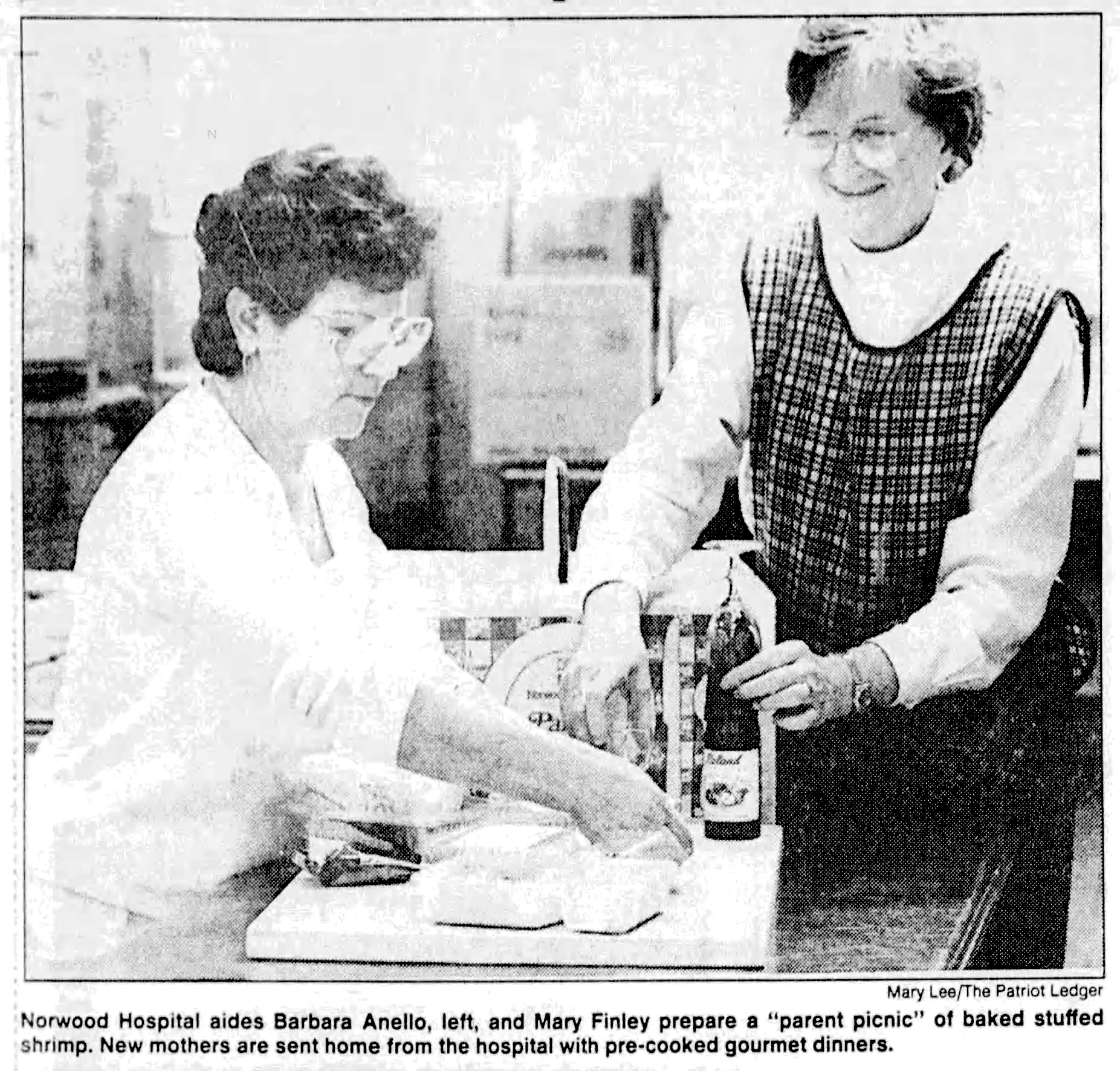
Norwood Hospital Introduces “Parent Picnic” Take-Home Gourmet Dinners for New Parents-October 16, 1989
When Joanne Bartucca checked out of the maternity wing at Norwood Hospital weeks ago, she left with two precious bundles of joy: newborn Paul Mario Bartucca (weighing in at 11 pounds, 5 ounces) and a complete gourmet dinner for two packed in an insulated basket. To ease the transition home for exhausted new parents, Norwood…
-
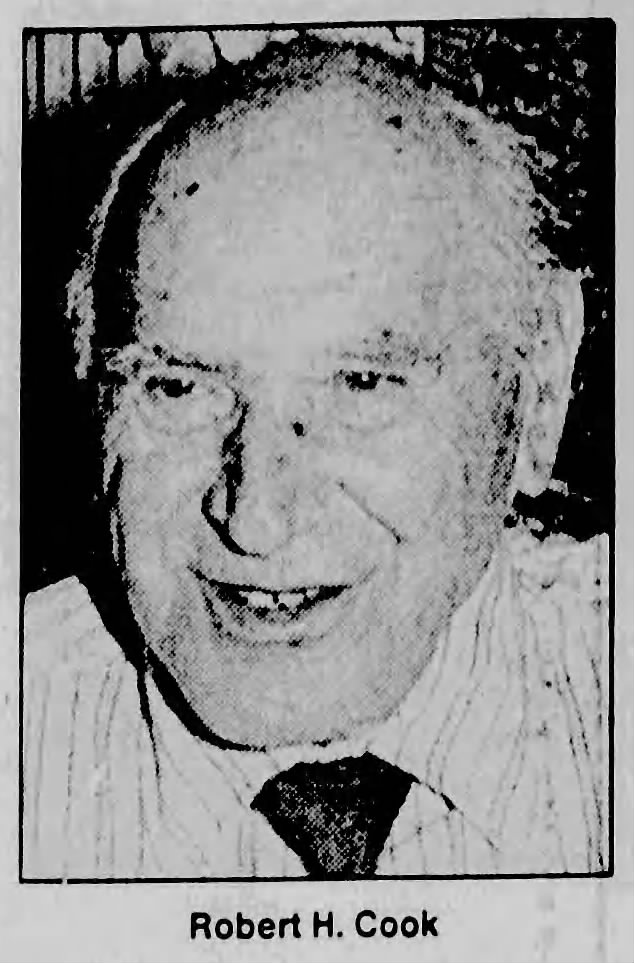
Robert H. Cook, Former Norwood Area Chamber of Commerce President and Boston Edison Union Pioneer, Dies at 87-October 16, 1987
Remembering Robert H. Cook, a dedicated Norwood civic leader, longtime Chamber of Commerce executive secretary, and influential utility union organizer.
-
Norwood Hospital Temporarily Closes 28-Bed Unit Due to Low Seasonal Occupancy-September 5, 1985
Norwood Hospital officials announced the temporary shutdown of a 28-bed medical-surgical unit yesterday, taking nearly 10 percent of the facility’s total bed capacity offline in response to a seasonal drop in patient census. Administrator Bruce Komiske firmly rejected notions that the closure signaled underlying financial instability, describing the move as a routine cost-saving measure frequently…
-
Norwood Hospital Lays Off 35 Employees and Implements Budget Cuts-August 24, 1985
Citing $5 million in unpaid patient bills and declining revenues, Norwood Hospital laid off 35 employees, shuttered a 28-bed wing, and froze capital projects to stabilize its budget.
-
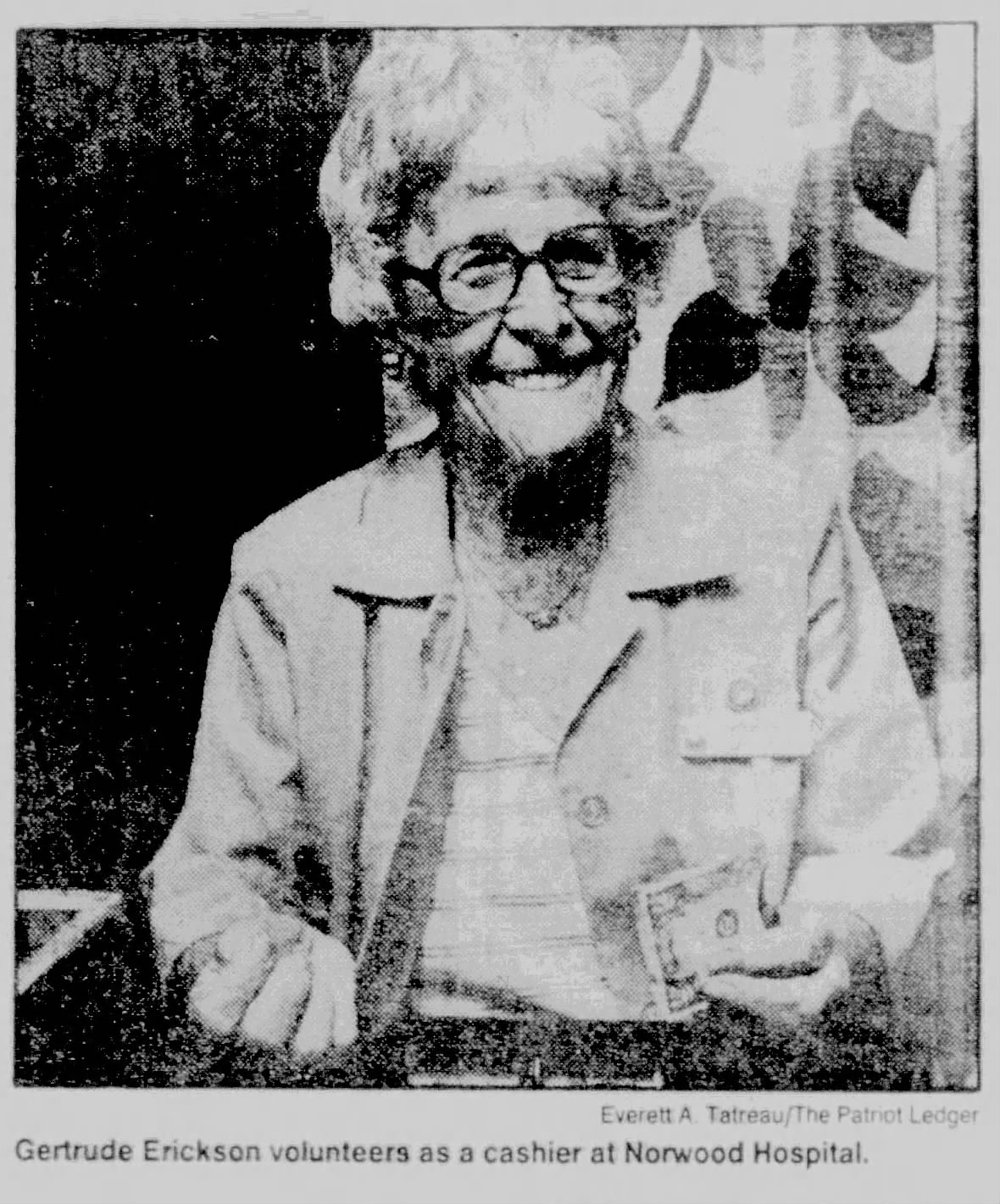
Eighty-Year-Old Volunteer Gertrude “Gertie” Erickson Celebrated as a Beloved Institution at Norwood Hospital-August 22, 1985
Known as the whistling cashier, 80-year-old Gertrude Erickson is celebrated for her 13 years of dedicated volunteer service at Norwood Hospital’s coffee shop.
Discover more from Norwood Historical Society
Subscribe to get the latest posts sent to your email.