
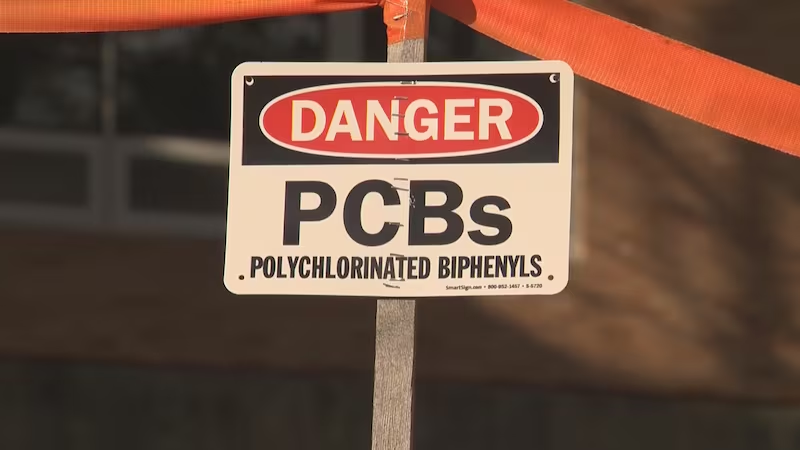
On July 11, 1983, the first phase of an extensive medical screening program began as residents concerned about potential exposure to polychlorinated biphenyls (PCBs) arrived at Norwood Hospital for blood analysis.
The testing initiative was sparked by the discovery one month prior of extremely high concentrations of PCBs in soil within a 25-acre field located off Dean Street and Route 1. Among the first to be tested was Donald Oliveira, a 37-year-old resident of 26 Sturtevant Ave., who had spent his childhood playing and eating berries in the contaminated area. Oliveira, who operated White’s Variety Store on Chapel Street, expressed a common anxiety among the residents: the fear that if his own blood levels were elevated, it might suggest a long-term risk to his children’s health.
State health officials identified 94 individuals for the initial round of testing, selected following an exhaustive survey of 712 households in the vicinity of the contaminated site. In addition to providing blood samples, residents were required to complete a comprehensive 26-page questionnaire detailing their personal medical histories, potential workplace exposure to hazardous chemicals, and any medications currently in use. Norwood Hospital spokesman Marjorie A. Clapprood noted that while participants felt a measure of apprehension, they were largely relieved that the town and state were finally taking concrete action to address their health concerns.
The scientific understanding of PCB exposure remained a source of uncertainty for many. While PCBs were known to cause cancer in laboratory animals and had been linked to rashes and gastrointestinal issues in humans, Elaine Krueger of the Massachusetts Department of Public Health acknowledged a sobering reality: if PCBs had already entered a person’s body, there were few established medical methods to remove them. While some suggested fasting to break down fat tissue—where the toxins are stored—experts like Krueger warned that this remained a debated approach, as it might inadvertently release the poison back into the system. Petra Langer, also of the Department of Public Health, sought to temper local fears by noting that the likelihood of serious, systemic exposure was likely small for anyone who had not spent significant time in direct contact with the contaminated dirt. With testing expected to continue throughout the week, officials planned to analyze the data over the next two weeks before making any official results available to the public.
Archival Note: This article has been dynamically reconstructed from the original public record print archives of the Patriot Ledger
More…
-
Legionnaire’s Disease Case Confirmed-July 9, 1977
Discover how local medical professionals successfully identified and treated a rare case of Legionnaire’s Disease in 1977, confirming the effectiveness of erythromycin treatment.

-
23 Positive TB Tests at High School-June 26, 1974
A massive public health sweep down at the high school tags twenty-three cases for clinical follow-up after an initial custodian exposure scare.


Discover more from Norwood Historical Society
Subscribe to get the latest posts sent to your email.