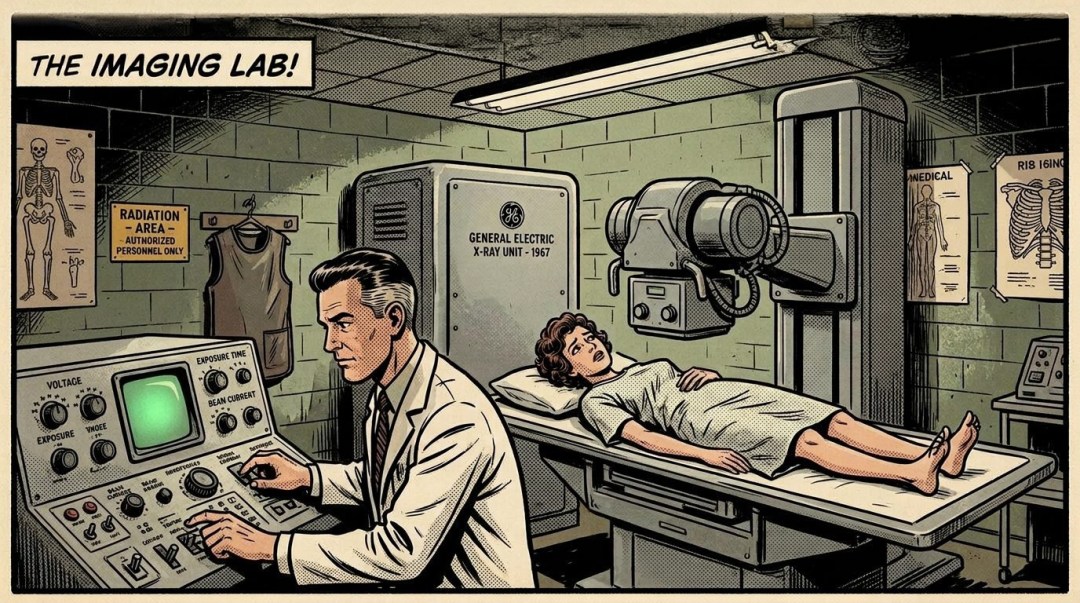
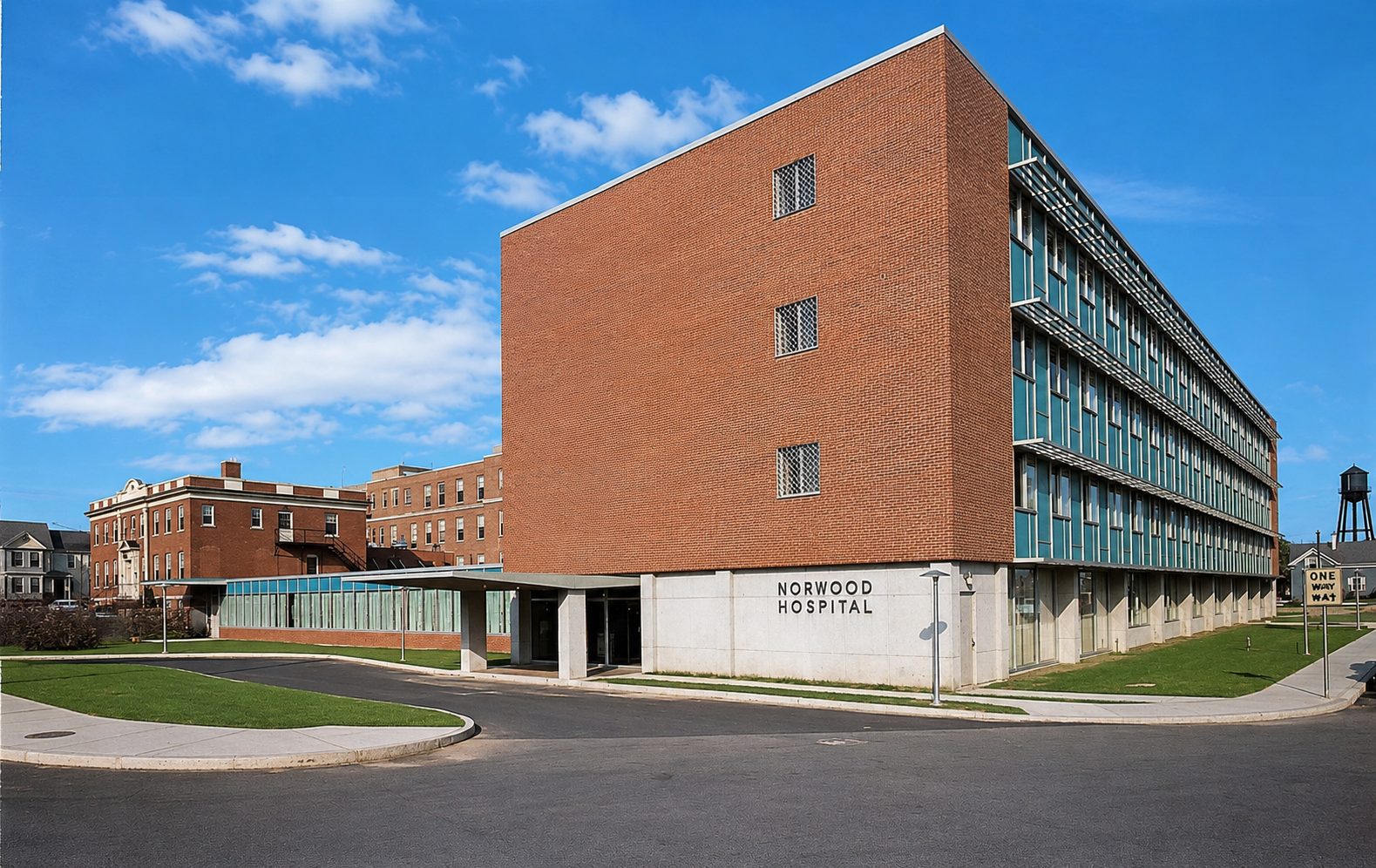
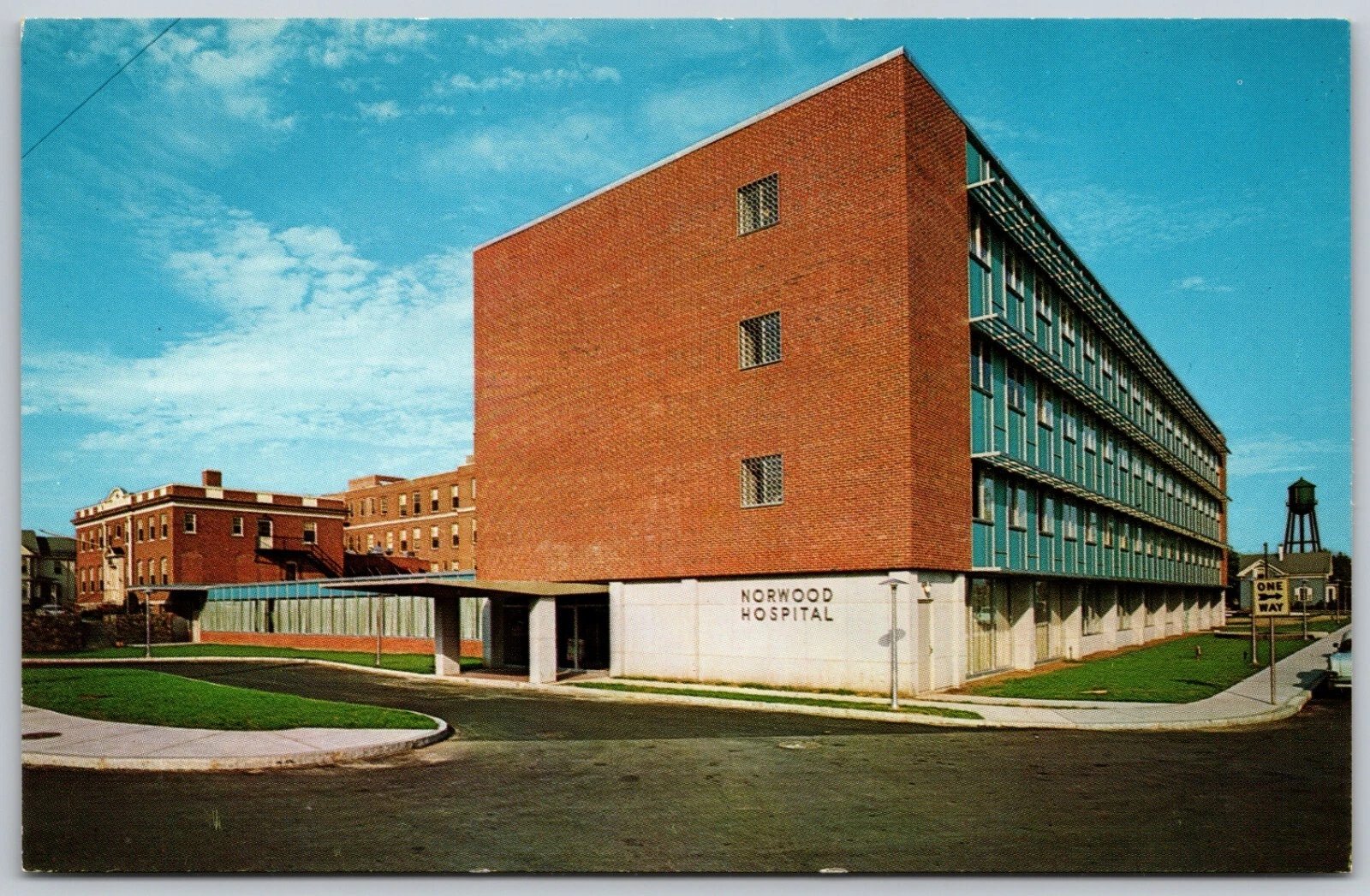
On July 6, 1964, the Norwood Hospital was reported to be at the forefront of medical diagnostics following the installation of a sophisticated Image Intensifier unit.

The device, which had been in operation for eight weeks at the time of the report, represented a significant capital investment of $12,000. This equipment replaced the traditional fluoroscopic unit, promising to enhance the quality of diagnostic care while prioritizing patient comfort and safety.
According to Charles A. Richardson, the hospital administrator, the advantages of the new technology far outweighed its substantial cost. One of the most critical benefits of the Image Intensifier was the reduction of radiation exposure; the system required 60 percent less x-ray energy to perform examinations than previous models. Furthermore, the system operated using a specialized tube that converted x-ray energy into light energy, which was then concentrated through an optical system for viewing on a mirror. This process allowed the radiologist to see a clear, distinct image of a patient’s interior without the need for high levels of radiation.
The shift in technology also provided significant logistical benefits for medical staff. In traditional fluoroscopy, radiologists were required to wear special goggles for 30 to 40 minutes before testing to allow their eyes to adjust to a totally dark room. The Image Intensifier eliminated this necessity, as testing could be performed in subdued light. This transition to a better-lit environment served a dual purpose: it made the experience less apprehensive and more relaxing for the patient, who could see their surroundings throughout the procedure.
The hospital’s modernization efforts were ongoing. At the time of the report, plans were already in place to integrate a television monitor system paired with the Image Intensifier. This addition was projected to provide instantaneous video tapes, which the radiologist could play back for on-the-spot analysis. Unlike the conventional spot-picture method, which required time-consuming film development and manual review, the combination of the Image Intensifier and video recording offered a continuous, dynamic image. This allowed for more immediate and positive diagnostic results, marking a major leap forward in the hospital’s operational capabilities.
Archival Note: This article has been dynamically reconstructed from the original public record print archives of the Patriot Ledger
More Norwood Hospital Stories
-
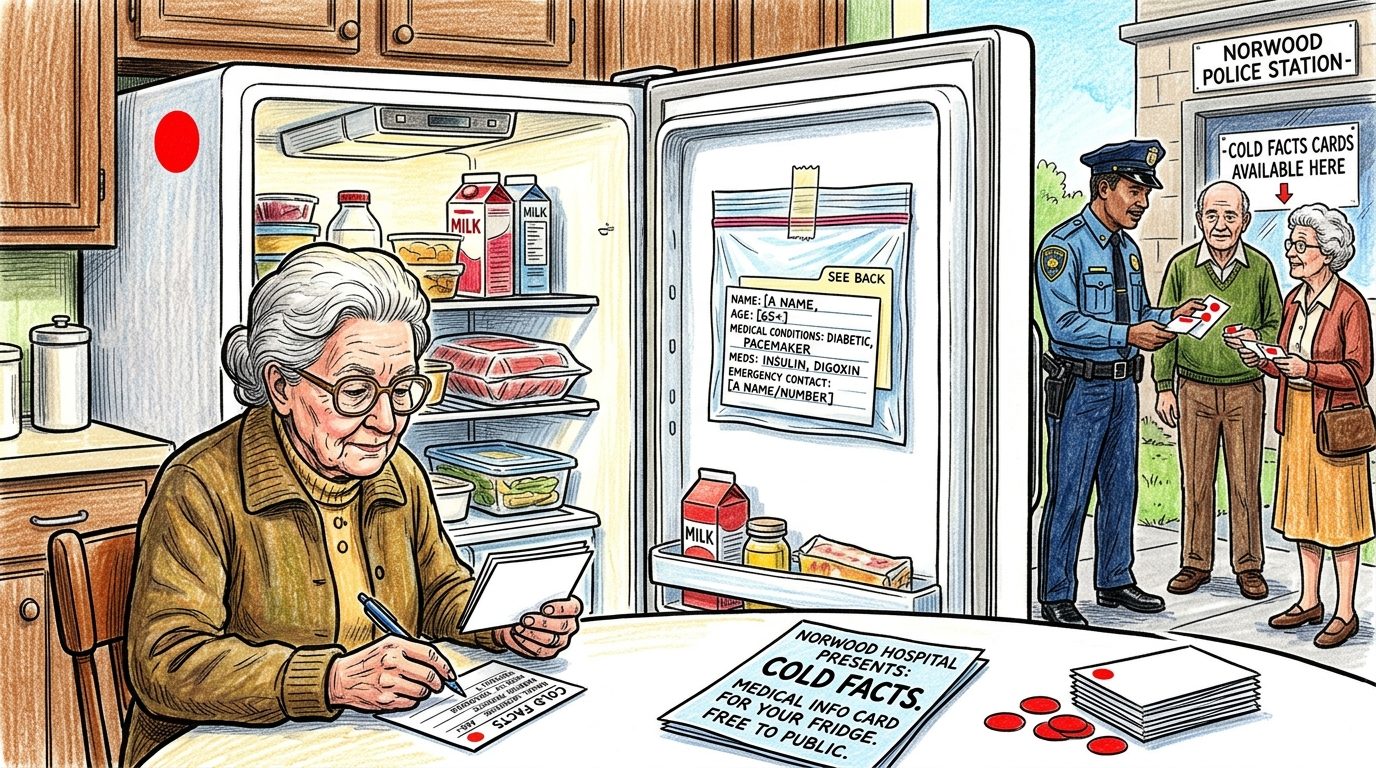
Some Cold Facts Could Save A Life-June 20, 1978
Norwood Hospital distributes free emergency medical indicators via local police stations and senior hubs.
-
Citizens’ Group Keeps Recall Threat “On Hold” Awaiting Action on Civic Center Replacement-September 9, 1977
Opposition leaders Ambrose J. Kelly and Jeannette M. Troiano state that a recall petition drive against Norwood selectmen remains an active option if replacement Civic Center plans stall.
-
Norwood Hospital Outlines Traffic Solutions for Linden Street-July 11, 1977
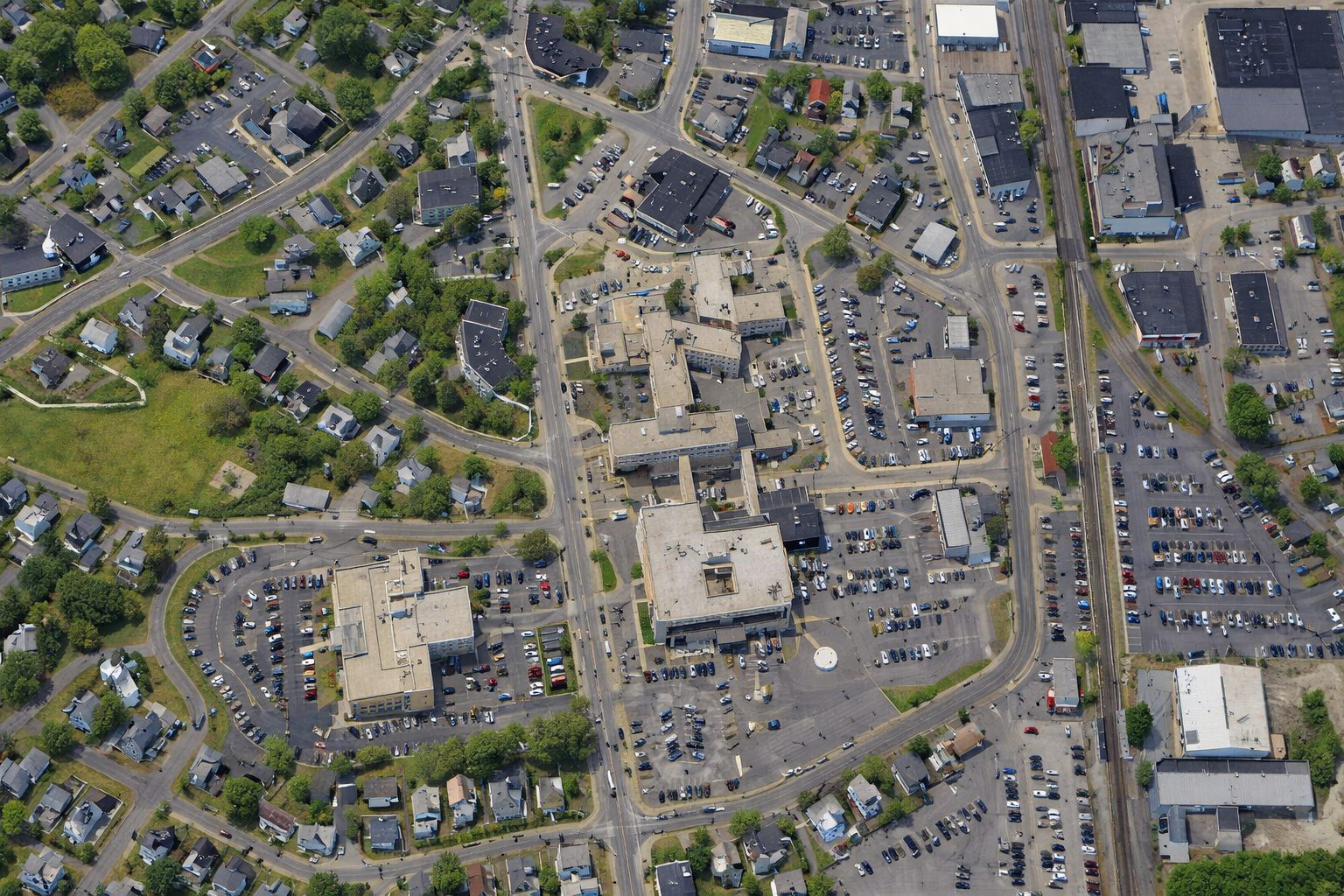
Norwood Hospital Expansion and Linden Street Traffic ⠀ On July 11, 1977, Norwood Hospital administration addressed growing concerns among Linden Street residents regarding how future hospital expansion might disrupt local traffic patterns. With the hospital moving forward with its acquisition of Winter Street—which previously provided a thoroughfare between the hospital and the town civic center—residents…
-
Legionnaire’s Disease Case Confirmed-July 9, 1977
Discover how local medical professionals successfully identified and treated a rare case of Legionnaire’s Disease in 1977, confirming the effectiveness of erythromycin treatment.

-
Medical Building Still Empty-July 8, 1977
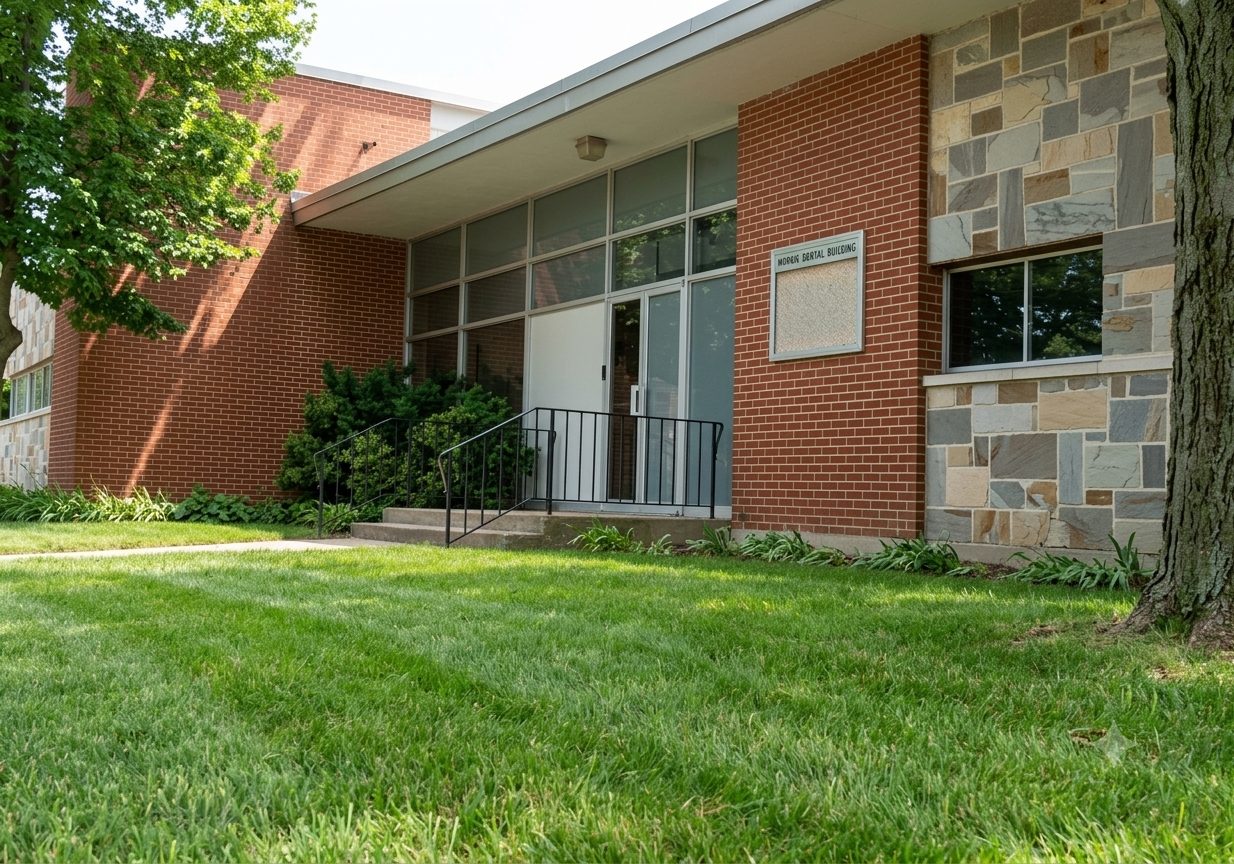
Discover the story behind 480 Washington Street, once the town’s premier medical hub in 1959, and the 1977 efforts to reconcile its high market price with local demand for office space.
-
In Memoriam – Walter Blasenak
Former Norwood Town Manager, Dead At 71 Funeral services will be held Wednesday at 2 p.m. at the United Church of Norwood for Walter A. Blasenak, who was Norwood town manager for more than 14 years, from 1957 to 1971. Mr. Blasenak, 71, of 28 Nottingham Dr., died in Norwood Hospital yesterday after a long…

-
Norwood Hospital Expansion Appraisal Backed for Civic Center Site-October 19, 1976
Town Study Committee Backs Civic Center Appraisal-October 19, 1976 Moving one step closer to a definitive decision regarding the future of Norwood Hospital, the town’s hospital study committee recommended last night that selectmen authorize an independent architectural appraisal of the Civic Center property. Meeting with hospital leadership—including board of trustees president John Fuller, vice president…
-
Norwood Hospital Weighs Civic Center Expansion, Light Meter Tampering Under Investigation, MDC Wastewater Plant Sites Debated-September 17, 1976
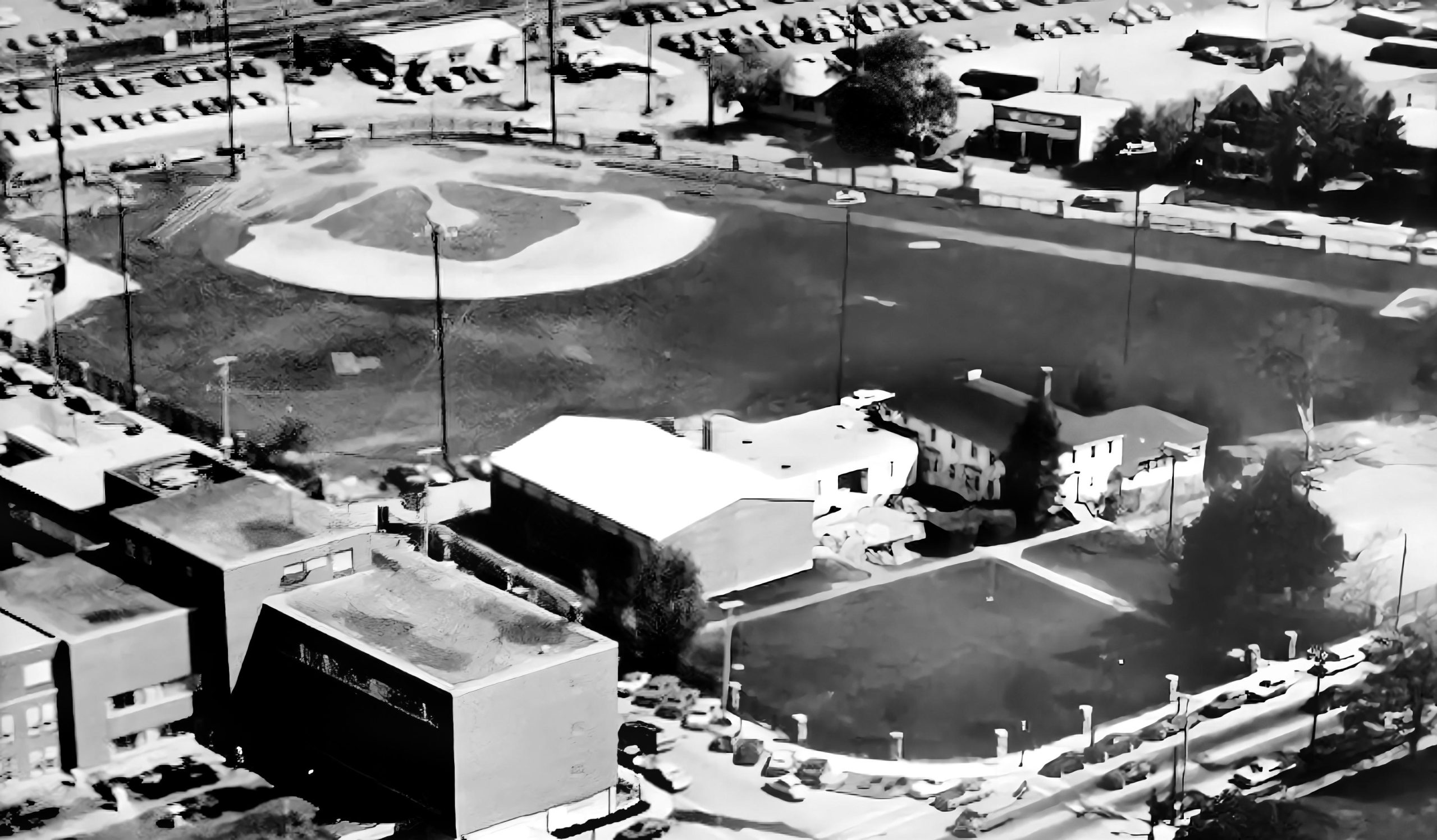
Norwood Hospital trustees prepare for an October 27 decision on acquiring the Civic Center site for expansion, while town officials investigate light meter tampering and review MDC wastewater plant sites.
-
Lofty Solution Possible For Hospital Expansion-September 5, 1975
Norwood Airport officials reveal that 1973 changes to flight path glide slopes may allow Norwood Hospital to build higher on its current site, challenging relocation theories.
-
Hospital Study Committee Recommends Four Alternate Sites for Recreation Complex-August 17, 1976
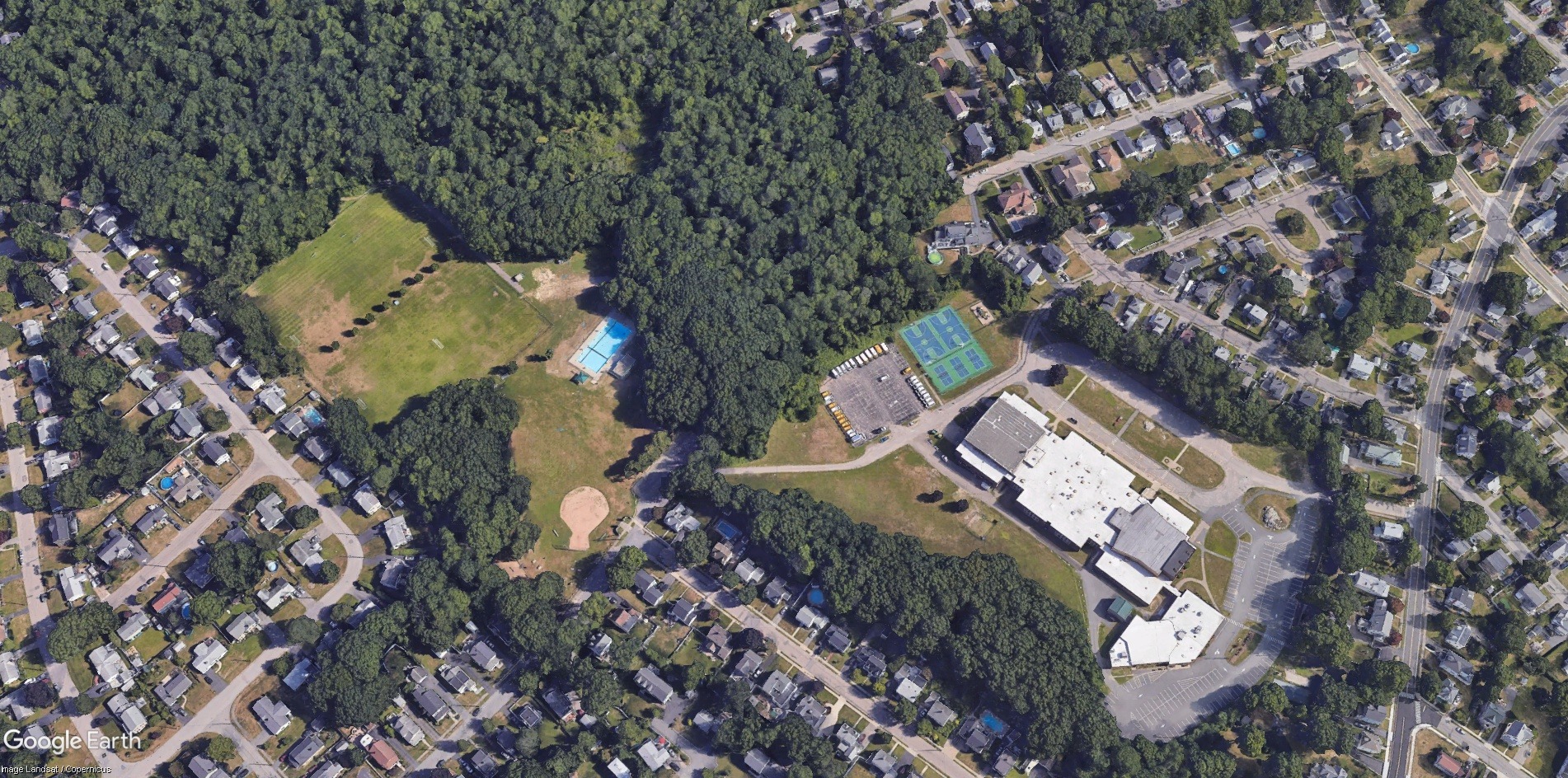
If Norwood Hospital expands onto the Civic Center site, a study committee recommended four alternate locations for a new recreation complex, prioritizing an Olympic pool and comprehensive athletic facilities.
Discover more from Norwood Historical Society
Subscribe to get the latest posts sent to your email.