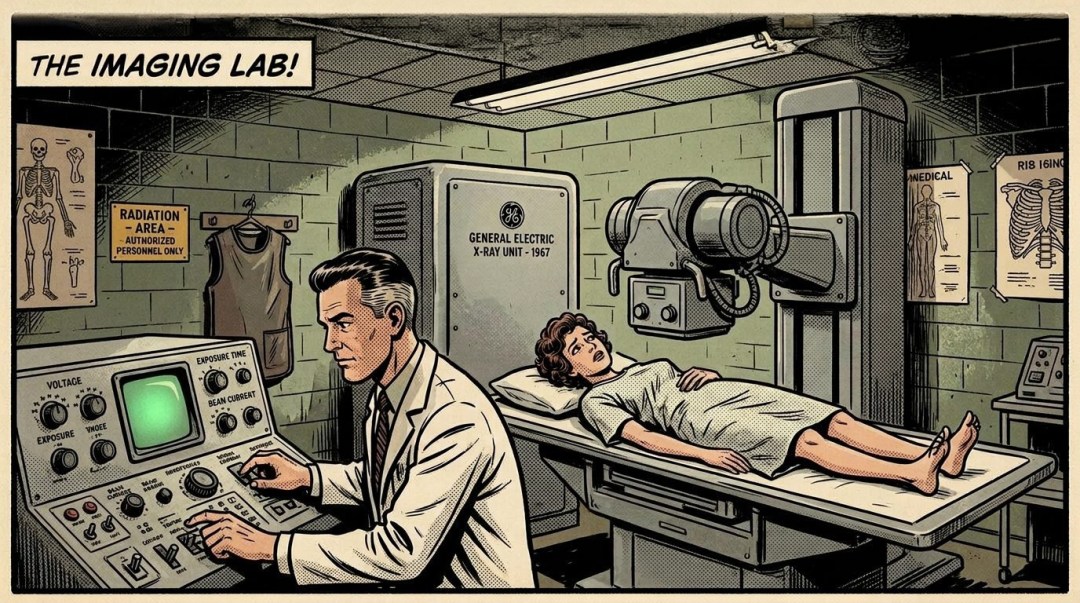
On July 6, 1964, the Norwood Hospital was reported to be at the forefront of medical diagnostics following the installation of a sophisticated Image Intensifier unit.

The device, which had been in operation for eight weeks at the time of the report, represented a significant capital investment of $12,000. This equipment replaced the traditional fluoroscopic unit, promising to enhance the quality of diagnostic care while prioritizing patient comfort and safety.
According to Charles A. Richardson, the hospital administrator, the advantages of the new technology far outweighed its substantial cost. One of the most critical benefits of the Image Intensifier was the reduction of radiation exposure; the system required 60 percent less x-ray energy to perform examinations than previous models. Furthermore, the system operated using a specialized tube that converted x-ray energy into light energy, which was then concentrated through an optical system for viewing on a mirror. This process allowed the radiologist to see a clear, distinct image of a patient’s interior without the need for high levels of radiation.
The shift in technology also provided significant logistical benefits for medical staff. In traditional fluoroscopy, radiologists were required to wear special goggles for 30 to 40 minutes before testing to allow their eyes to adjust to a totally dark room. The Image Intensifier eliminated this necessity, as testing could be performed in subdued light. This transition to a better-lit environment served a dual purpose: it made the experience less apprehensive and more relaxing for the patient, who could see their surroundings throughout the procedure.
The hospital’s modernization efforts were ongoing. At the time of the report, plans were already in place to integrate a television monitor system paired with the Image Intensifier. This addition was projected to provide instantaneous video tapes, which the radiologist could play back for on-the-spot analysis. Unlike the conventional spot-picture method, which required time-consuming film development and manual review, the combination of the Image Intensifier and video recording offered a continuous, dynamic image. This allowed for more immediate and positive diagnostic results, marking a major leap forward in the hospital’s operational capabilities.
Archival Note: This article has been dynamically reconstructed from the original public record print archives of the Patriot Ledger
More Norwood Hospital Stories
-
Norwood Votes $180,000 Civic Center Move-July 8, 1980
The Norwood Town Meeting voted 84-48 last night to appropriate $180,000 to move the Norwood Civic Center to the site of the old Aaron Guild School on Washington Street across from the civic center’s present location. The center was sold to the Norwood Hospital, Its neighbor, on April 10 for $2,075,000. The meeting also voted…

-
Norwood Hospital Auxiliary Honors 132 Junior Volunteers at Annual Candystriper Recognition Ceremony-October 4, 1979
The Norwood Hospital Auxiliary honors 132 junior volunteers with service certificates and awards for their dedicated assistance to patients and staff.

-
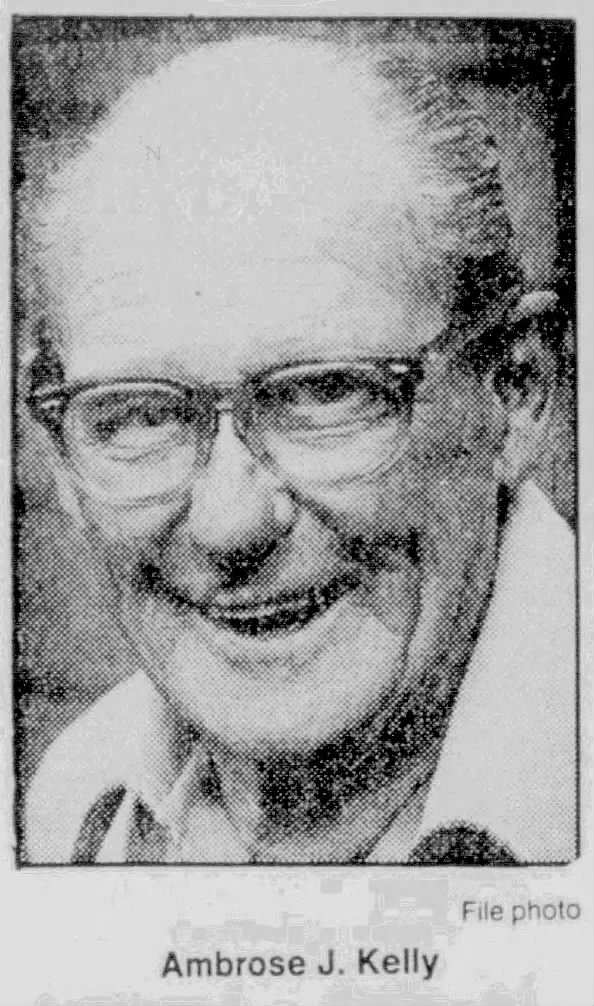
Ambrose Kelly Renews Criticism Over Norwood Hospital Civic Center Purchase-September 17, 1979
Former Finance Commissioner Ambrose J. Kelly revives opposition to Norwood Hospital’s purchase of the Civic Center, arguing promised replacement facilities have not materialized
-
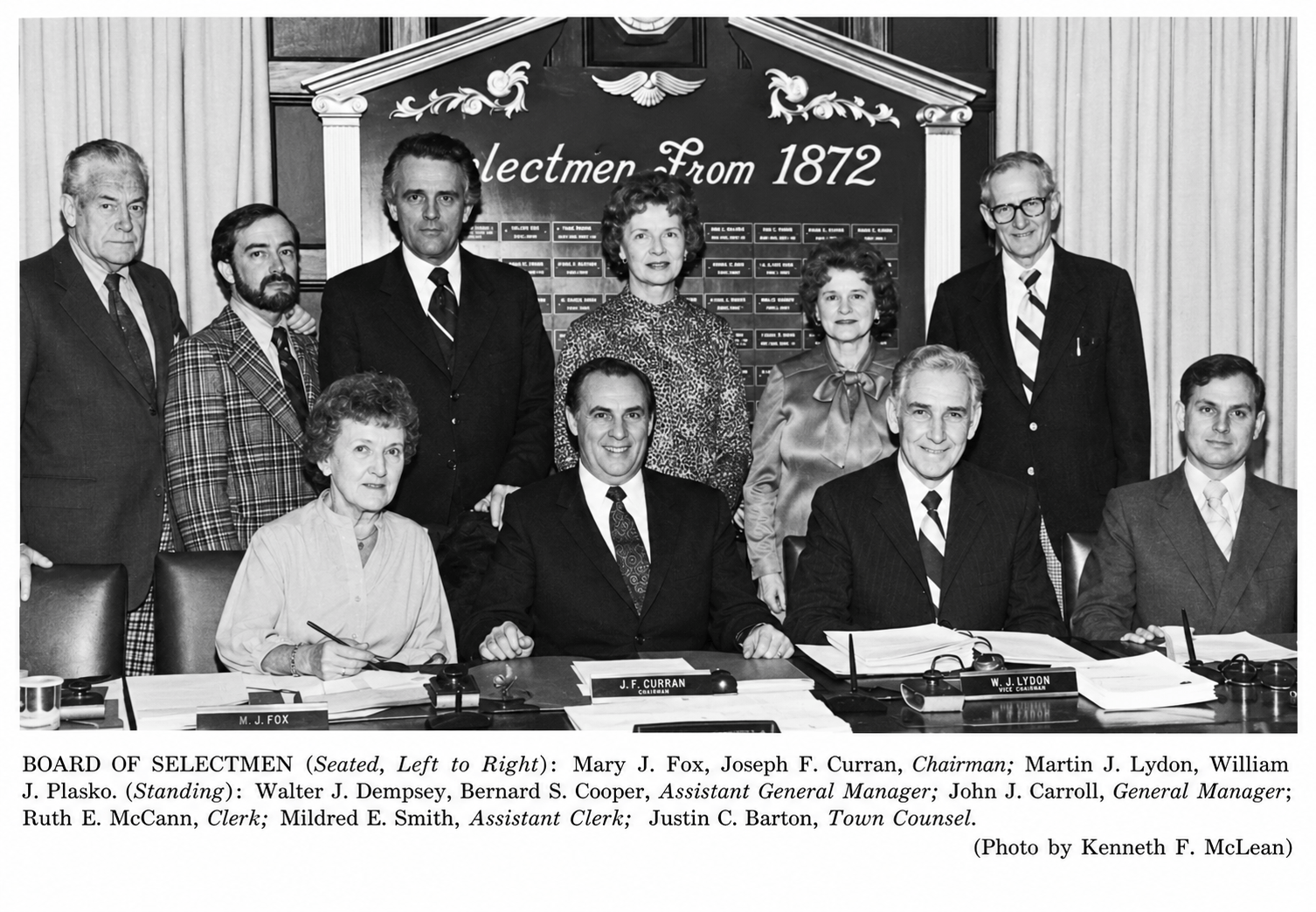
Chemical Concerns at Buckmaster Pond; Selectmen Tighten Fuel Storage Rules-September 12, 1979
Town Manager John J. Carroll reports a borderline concentration of tetrachloroethylene in the Buckmaster Pond well in Westwood, prompting caution on upcoming water infrastructure investments.
-
Zoning Board of Appeals Set to Review Norwood Hospital Expansion Plans Following Purchase Agreement-August 17, 1979
Building Inspector John E. Grover confirmed that Norwood Hospital must secure zoning board special permits for its Civic Center expansion as officials prepare for an August 23 groundbreaking.

-
Aaron Guild School Leased to Norwood CETA Consortium and EdCo for One Year-August 1, 1979
Norwood selectmen voted unanimously to lease the closed Aaron Guild School for one year to the Norwood CETA Consortium and the Educational Collaborative of Greater Boston (EdCo) for $148,000.

-
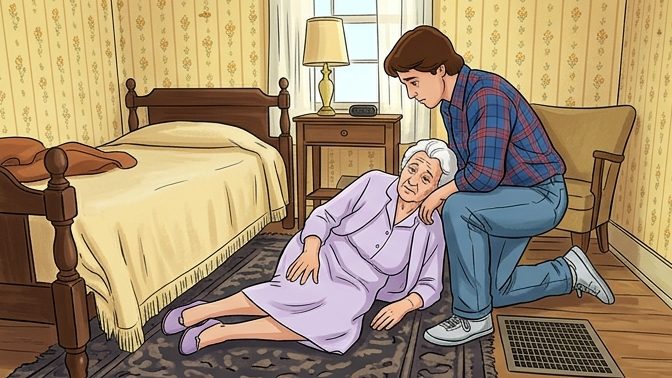
Rescued by Neighbor: Norwood Woman Survives 5-Day Ordeal-July 9, 1979
Discover the heroic story of Jim Rossetsky, an orderly at Norwood Hospital, who discovered his 65-year-old neighbor injured in her bedroom after she had been trapped for five days.
-
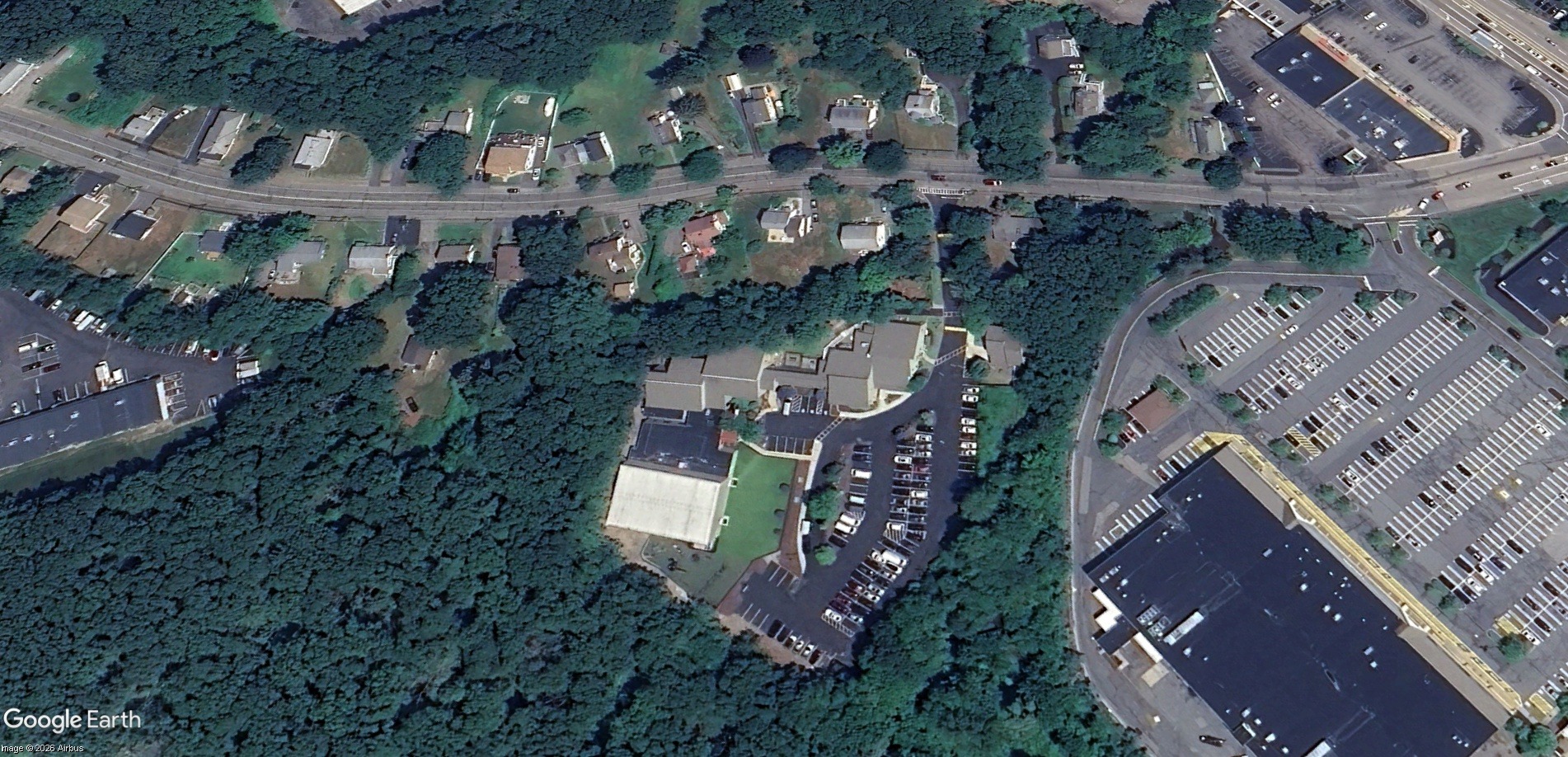
Norwood Couple Questions Legality of New Access Road Built Next to Their Sumner Street Home-August 8, 1978
Anita and Joseph Fraone questioned the legality of a new bulldozer-cleared access road beside their 99 Sumner St. home during a Norwood Planning Board meeting.
-
Hazardous Shooting Incident On Route 1-July 22, 1978
On July 22, 1978, Stephen Pacheco was sought after a van was struck by gunfire near the Norwood-Canton exit.

-
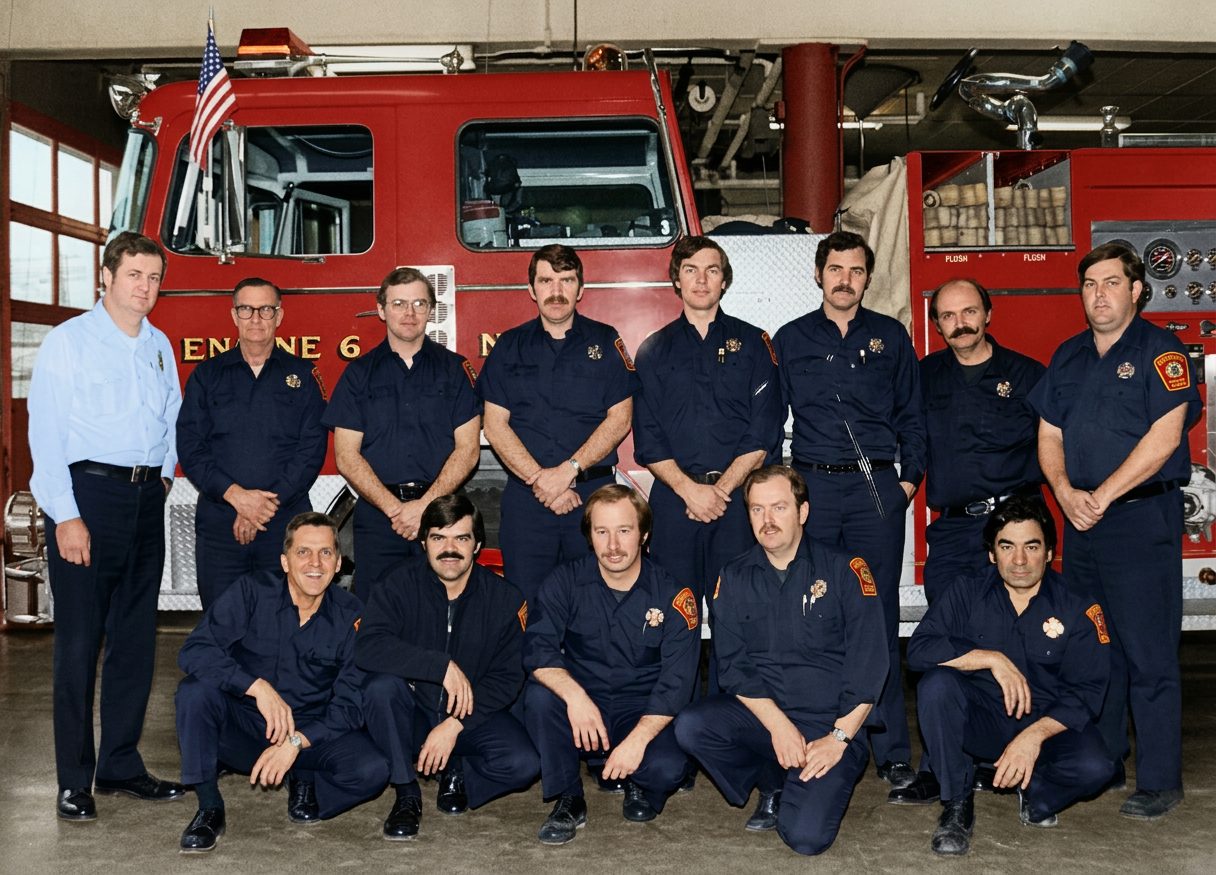
Norwood Selectmen Uphold Fire Department Staffing Levels Amid Labor Disputes-July 12, 1978
Fire Department Manning Shifts and Physical Exam Standoff On July 12, 1978, the Norwood Board of Selectmen stepped directly into a complex municipal and labor dispute, voting 3–1 to reaffirm a long-established minimum manning policy of 13-man shifts within the Norwood Fire Department. The decision effectively determined that any budgetary economies or cost-cutting measures targeted…
Discover more from Norwood Historical Society
Subscribe to get the latest posts sent to your email.