
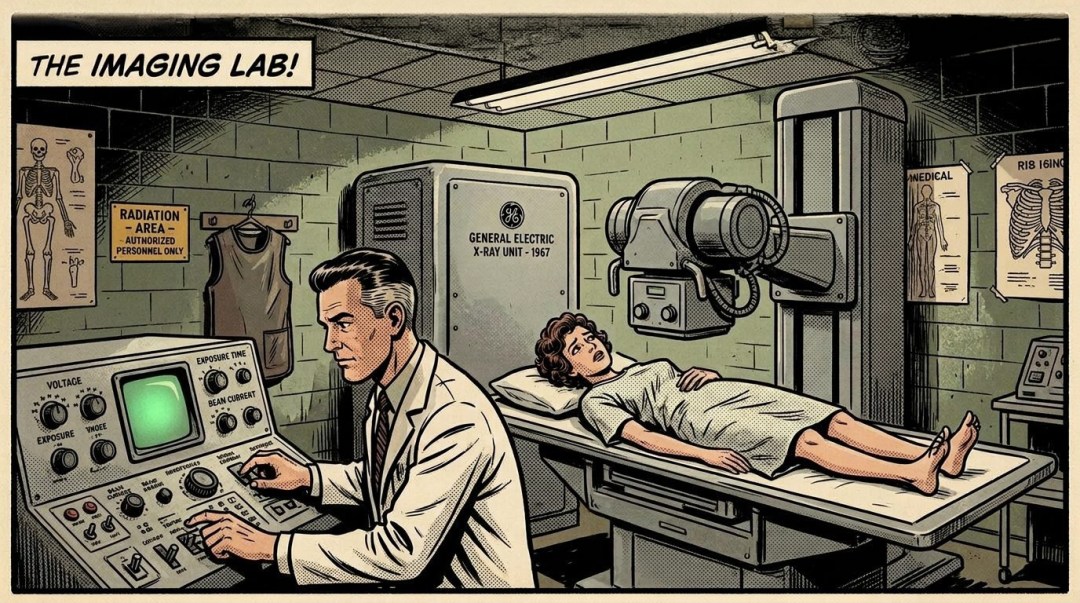
On July 6, 1964, the Norwood Hospital was reported to be at the forefront of medical diagnostics following the installation of a sophisticated Image Intensifier unit.

The device, which had been in operation for eight weeks at the time of the report, represented a significant capital investment of $12,000. This equipment replaced the traditional fluoroscopic unit, promising to enhance the quality of diagnostic care while prioritizing patient comfort and safety.
According to Charles A. Richardson, the hospital administrator, the advantages of the new technology far outweighed its substantial cost. One of the most critical benefits of the Image Intensifier was the reduction of radiation exposure; the system required 60 percent less x-ray energy to perform examinations than previous models. Furthermore, the system operated using a specialized tube that converted x-ray energy into light energy, which was then concentrated through an optical system for viewing on a mirror. This process allowed the radiologist to see a clear, distinct image of a patient’s interior without the need for high levels of radiation.
The shift in technology also provided significant logistical benefits for medical staff. In traditional fluoroscopy, radiologists were required to wear special goggles for 30 to 40 minutes before testing to allow their eyes to adjust to a totally dark room. The Image Intensifier eliminated this necessity, as testing could be performed in subdued light. This transition to a better-lit environment served a dual purpose: it made the experience less apprehensive and more relaxing for the patient, who could see their surroundings throughout the procedure.
The hospital’s modernization efforts were ongoing. At the time of the report, plans were already in place to integrate a television monitor system paired with the Image Intensifier. This addition was projected to provide instantaneous video tapes, which the radiologist could play back for on-the-spot analysis. Unlike the conventional spot-picture method, which required time-consuming film development and manual review, the combination of the Image Intensifier and video recording offered a continuous, dynamic image. This allowed for more immediate and positive diagnostic results, marking a major leap forward in the hospital’s operational capabilities.
Archival Note: This article has been dynamically reconstructed from the original public record print archives of the Patriot Ledger
More Norwood Hospital Stories
-
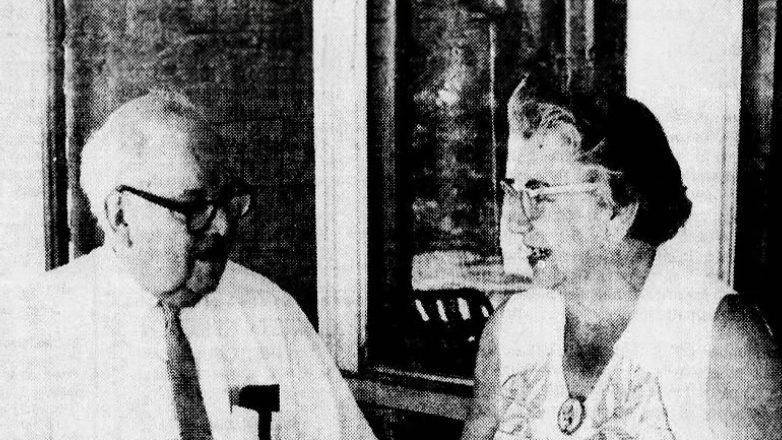
Volunteer Margaret Kennedy Brings Joy to Homebound Residents Through Meals on Wheels-August 6, 1976
At 75 years old, Norwood Meals on Wheels volunteer Margaret Kennedy dedicates her retirement to helping homebound seniors, veterans, and local community organizations.
-
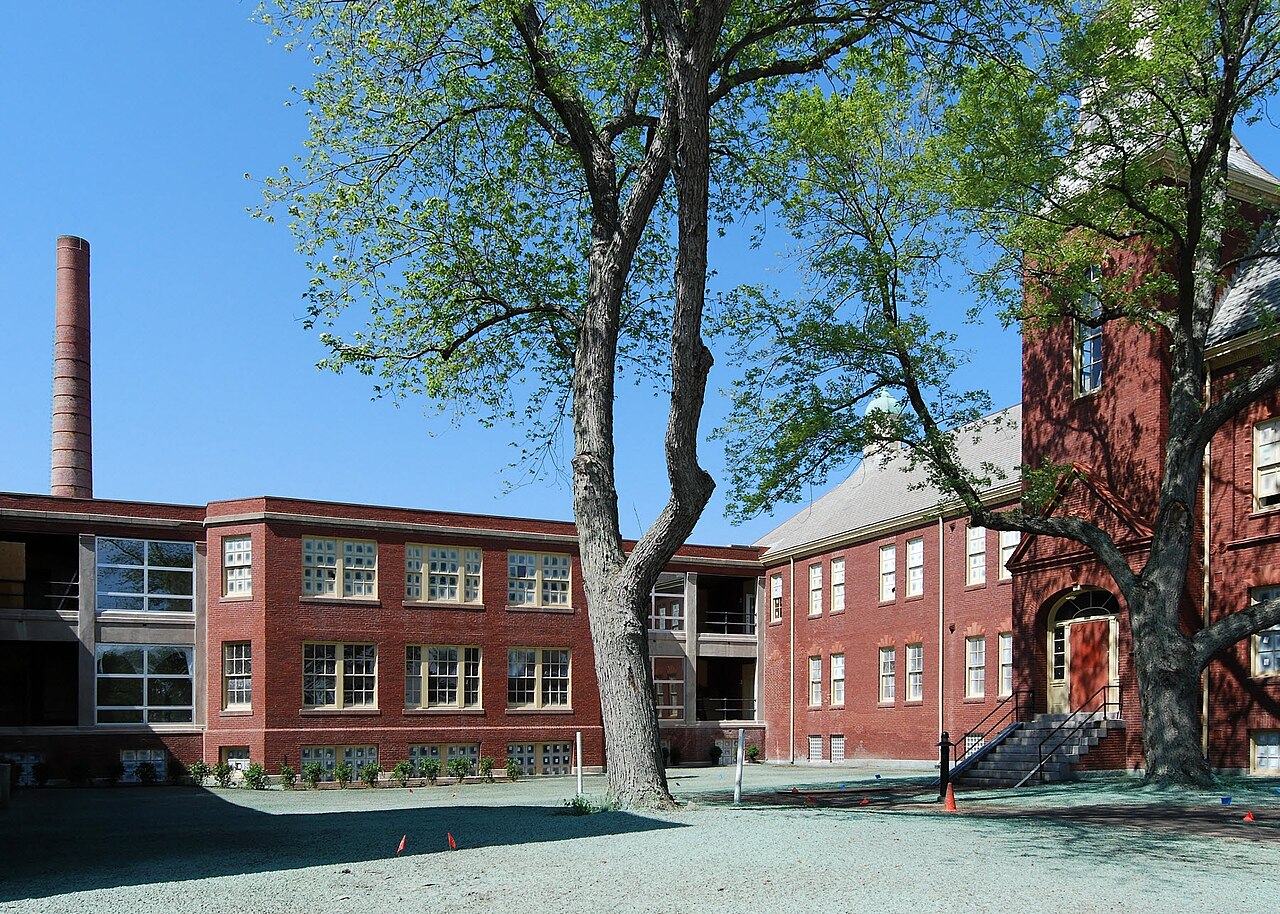
Norwood Hospital, State Discuss Foxboro State Hospital-August 5, 1976
Negotiations between Norwood Hospital and the Department of Mental Health over utilizing Foxboro State Hospital buildings have stalled, leaving the state land use committee waiting for finalized plans.
-
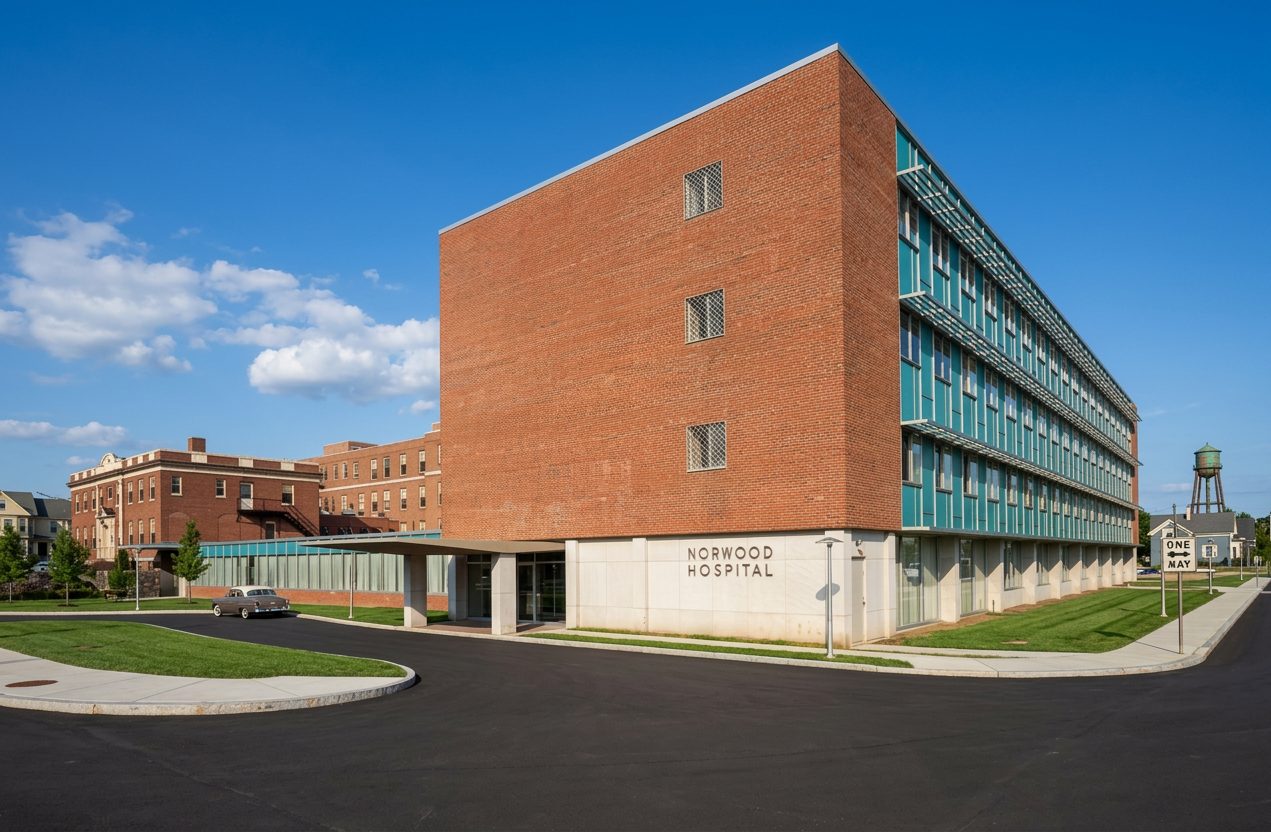
Norwood Hospital Expansion Likely to Target Civic Center Site-July 13, 1976
The expansion aims to address the critical need for increased bed capacity, support services, and advanced medical units, as outlined by consulting firm Medicus Planning, Inc.
-
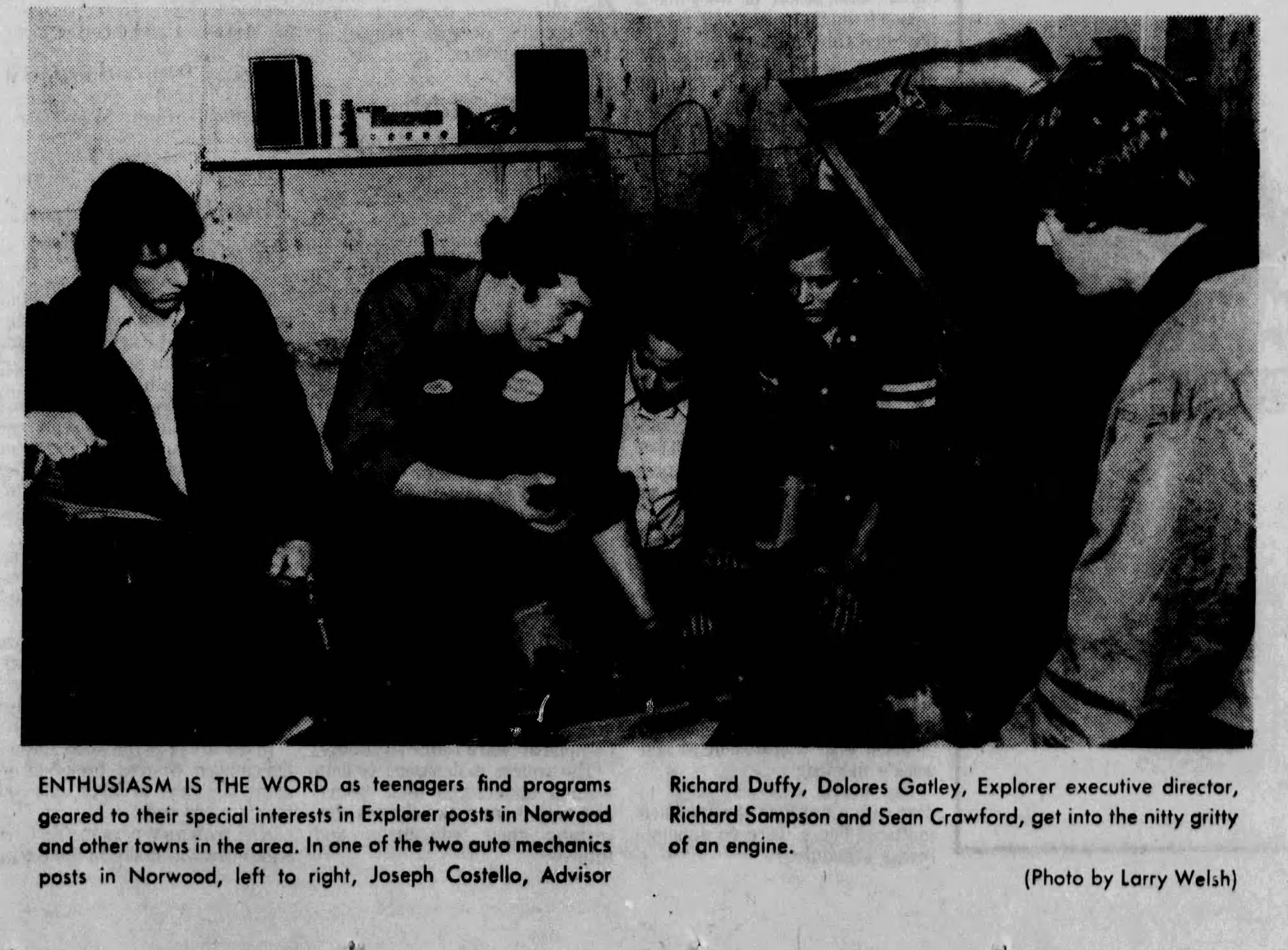
Norwood Explorer Posts Experience Remarkable Growth to Eight Active Chapters-October 22, 1975
Driven by coed participation, hands-on career programs, and strong community support, Norwood’s Explorer scouting program expanded from two to eight active posts in a single year.
-
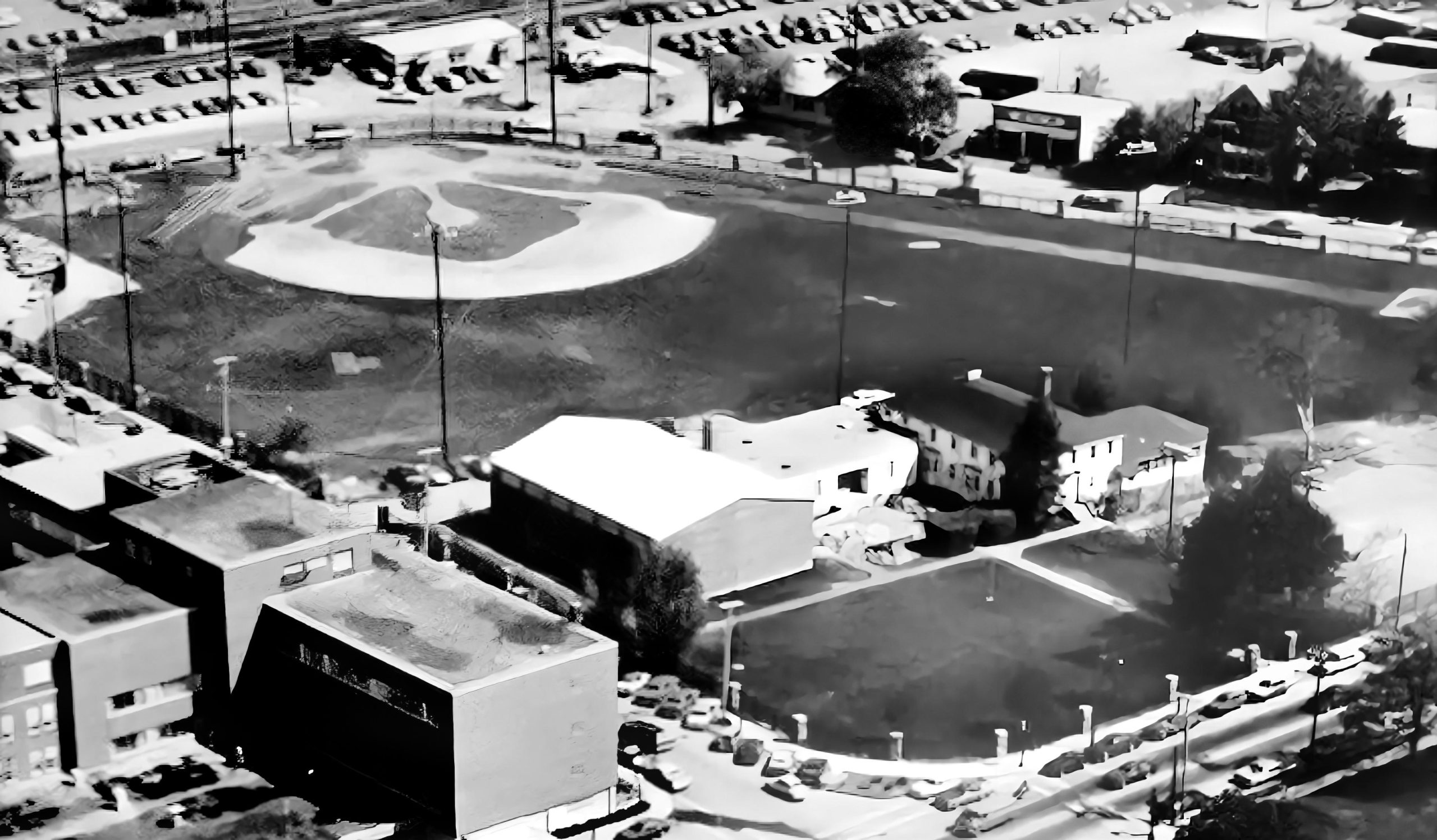
Planners Examine Norwood Hospital Parking Proposals on Civic Center Land-October 21, 1975
Following the abandonment of a Washington Street parking plan, Norwood planners and hospital officials reviewed proposals for two parking lots on Civic Center land adjacent to Norwood Hospital.
-
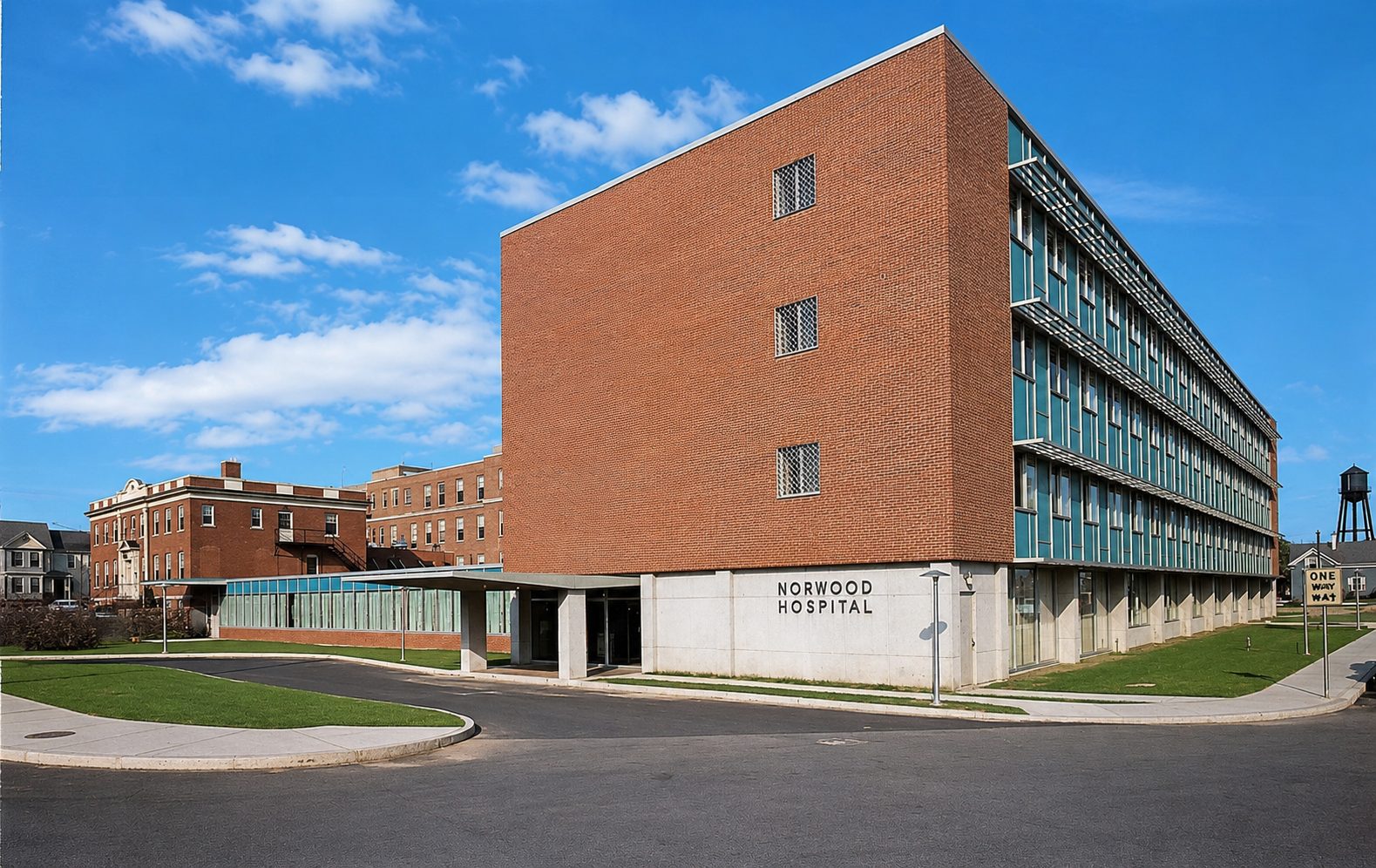
Norwood Hospital Administrator David Buchmueller Eyes High-Rise Expansion as Best Alternative-October 4, 1975
Norwood Hospital Administrator David P. Buchmueller explores a high-rise addition and acquisition of the adjacent Civic Center as the preferred expansion path.
-
Charles A. Richardson Retires After 26 Years as Executive Director of Norwood Hospital-October 3, 1975
Charles A. Richardson retires after 26 years as executive director of Norwood Hospital, transforming the institution into a 277-bed regional health center.

-
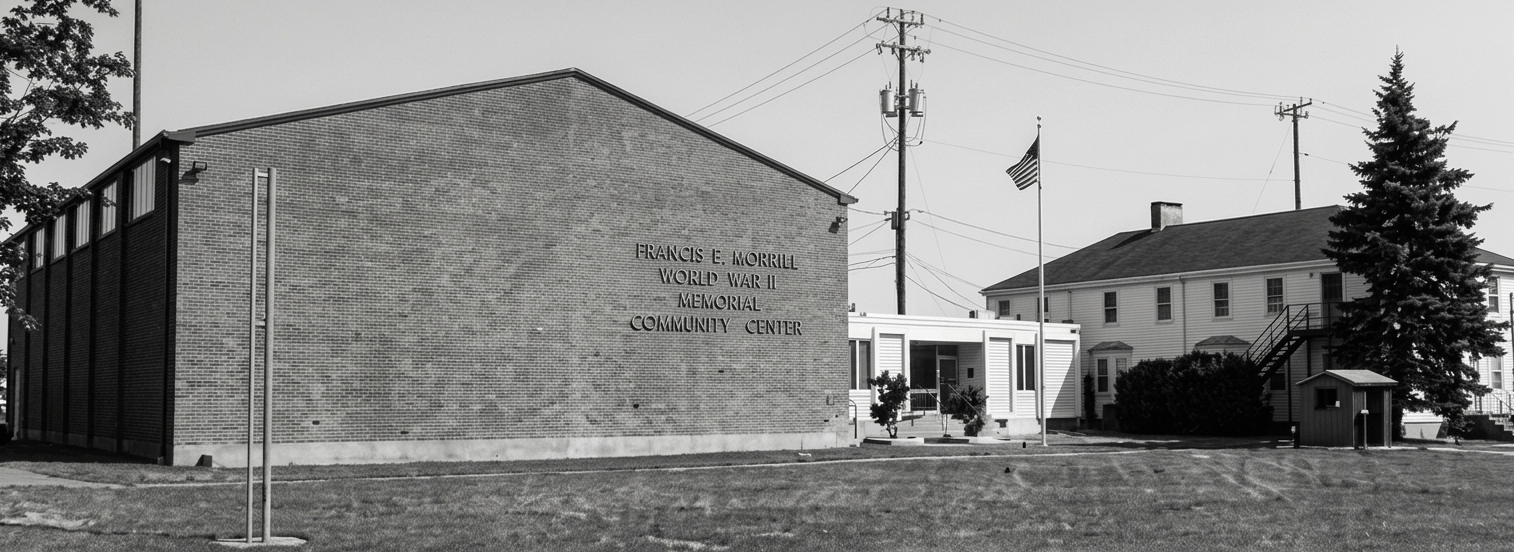
Norwood Hospital Study Committee Begins Gathering Information on Civic Center Purchase Proposal-September 9, 1975
The Norwood Hospital Study Committee begins evaluating hospital proposals to purchase the Norwood Civic Center for expansion while exploring alternative recreation sites.
-
Norwood Hospital’s Proposed Parking Lot at Washington and Winter Streets Draws Heavy Fire-August 13, 1975
Norwood Hospital’s request for a zoning variance to build a 44-car parking lot at Washington and Winter Streets drew sharp opposition from planning board representative Francis Wisgirda and neighborhood residents over zoning, traffic, and safety concerns.
-
Norwood Hospital Proposes Purchasing Civic Center as Expansion Alternative, Other Selectmen’s Notes-August 6, 1975
Facing severe space constraints and rising relocation estimates to Walpole, Norwood Hospital officials proposed acquiring the Civic Center as a viable local expansion alternative during a selectmen’s meeting.⠀
Discover more from Norwood Historical Society
Subscribe to get the latest posts sent to your email.