
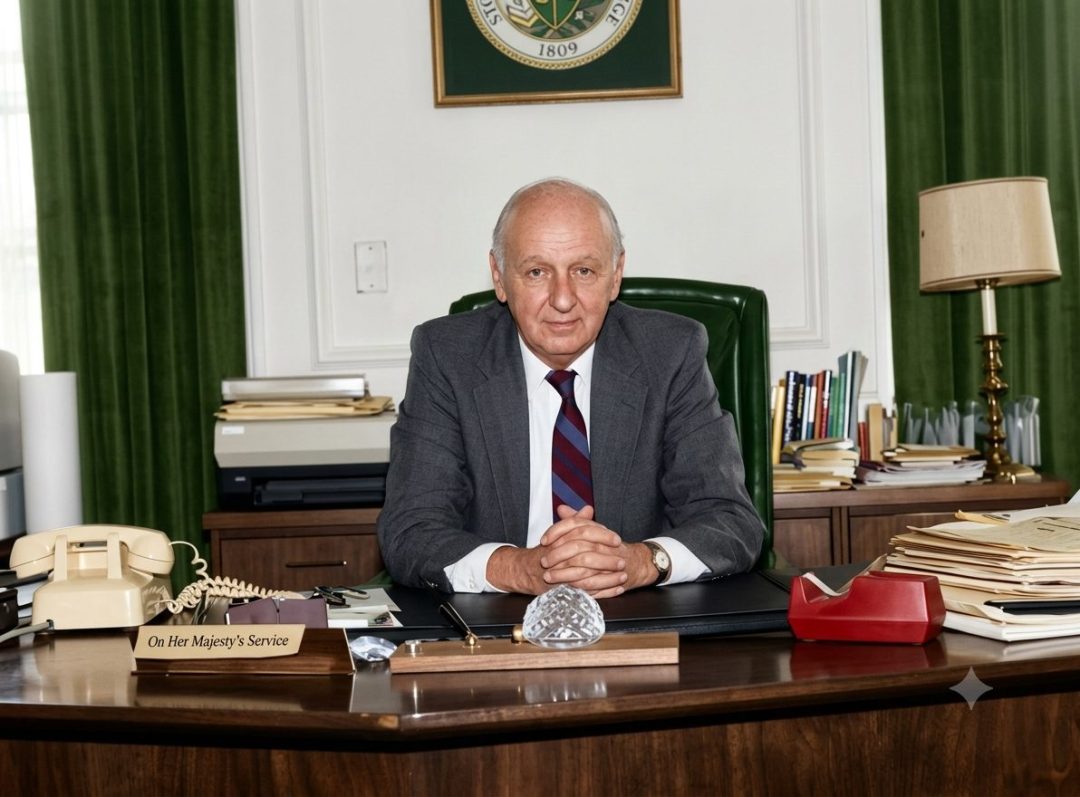
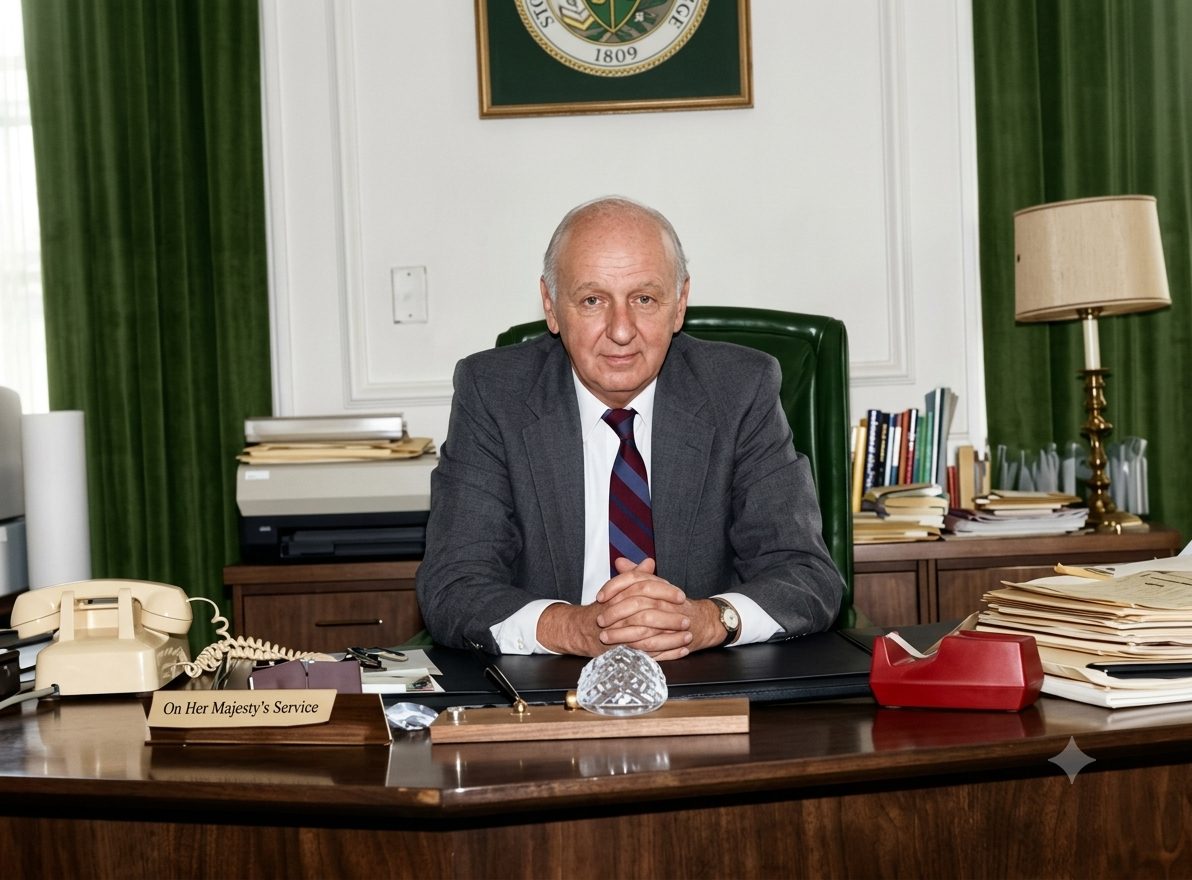
The Patriot Ledger’s front-page article on July 14, 1977, announced a significant change in leadership at Stonehill College. The Rev. Ernest J. Bartell, who had been the president of the institution since 1971, tendered his resignation effective August 1, 1977. This decision marked the end of an era for Rev. Bartell, who had played a pivotal role in shaping the college’s growth and development during his six-year tenure.
Rev. Bartell’s departure was not unexpected, as he had been exploring new opportunities outside of academia. He had been named director designate of the Fund for the Improvement of Postsecondary Education (FIPSE), a grant-making organization established to promote innovative reforms and ideas in postsecondary education. This appointment reflected Rev. Bartell’s commitment to improving educational opportunities and his desire to contribute to the broader national conversation on higher education.
The college board of trustees, aware of Rev. Bartell’s impending departure, had already begun the process of identifying a suitable replacement. A presidential search committee, comprising eight members, was established to interview potential candidates for the permanent president’s position. The committee’s chairman, Rev. William R. Ribando, was tasked with leading the search effort and ensuring that the college found a worthy successor to Rev. Bartell.
In the meantime, C. James Cleary of Norwood, associate academic dean at Stonehill College, was appointed interim president. This decision marked a significant milestone in Mr. Cleary’s career, as he had been a lifelong resident of Norwood and had spent nearly three decades serving the college community. His appointment as interim president reflected his deep understanding of the institution’s values and mission.
Mr. Cleary’s background and experience made him an ideal candidate for the role. He had joined the Stonehill College faculty in 1949, shortly after completing his bachelor’s degree from Boston College. Over the years, he had held various positions within the college, including chairman of the social science department (1950-1954) and director of the summer school (1967-1968). His tenure as associate academic dean since 1968 had provided him with valuable insight into the college’s administrative functions.
Mr. Cleary’s personal life was also noteworthy. He was married to Florence (Grande) Cleary, and they had five children together. Two of their children were students at Stonehill College, which added a personal touch to Mr. Cleary’s role as interim president. His family’s connection to the college underscored his commitment to the institution and its community.
Rev. Bartell’s legacy at Stonehill College was marked by several significant physical expansion projects. During his presidency, the college had constructed additional town house dormitories, a new wing for the library, and a chapel and human resources center. These initiatives had not only enhanced the college’s infrastructure but also provided students with modern facilities to learn and grow.
The Rev. Fr. Bartell’s departure from Stonehill College marked the beginning of a new chapter in the institution’s history. As he assumed his new role as director designate of FIPSE, he would continue to contribute to the national conversation on higher education. Meanwhile, C. James Cleary would lead the college community through this transition period, ensuring that the institution remained focused on its core mission and values.
The appointment of Mr. Cleary as interim president was a testament to his dedication and service to Stonehill College. As he navigated the challenges of leading the institution during this critical period, he would draw upon his extensive experience and knowledge of the college’s inner workings. His commitment to the institution and its community would serve as a beacon of stability and continuity in the face of change.
In conclusion, Rev. Ernest J. Bartell’s resignation as president of Stonehill College marked a significant turning point in the institution’s history. His departure was a testament to his dedication to improving postsecondary education and his desire to contribute to the broader national conversation on higher education. The appointment of C. James Cleary as interim president reflected the college’s commitment to continuity and stability during this transition period.
-
Skaters Break Guinness World Record in Norwood-July 14, 1977
On July 13–14, 1977, two long‑distance roller skaters — Sylvia Haffke and John LeClaire – completed one of the most remarkable athletic feats ever connected to Norwood. What began as a casual bet over a couple of beers turned into a grueling, record‑breaking charity challenge that pushed both skaters to their physical limits. Haffke and…

-
Norwood Beautification Committee Launches Property Contest-July 11, 1977
Beautification Contest Announced ⠀ On July 11, 1977, the Beautification Committee of Norwood officially announced the commencement of a town-wide contest dedicated to recognizing the most attractive and well-maintained residential and industrial properties in town. The committee is inviting all citizens to participate by submitting nominations for homes or businesses that demonstrate consistent upkeep or…
-
Norwood Beekeeper Howard C. Ayer Shares Two Decades of Expertise-August 13, 1976
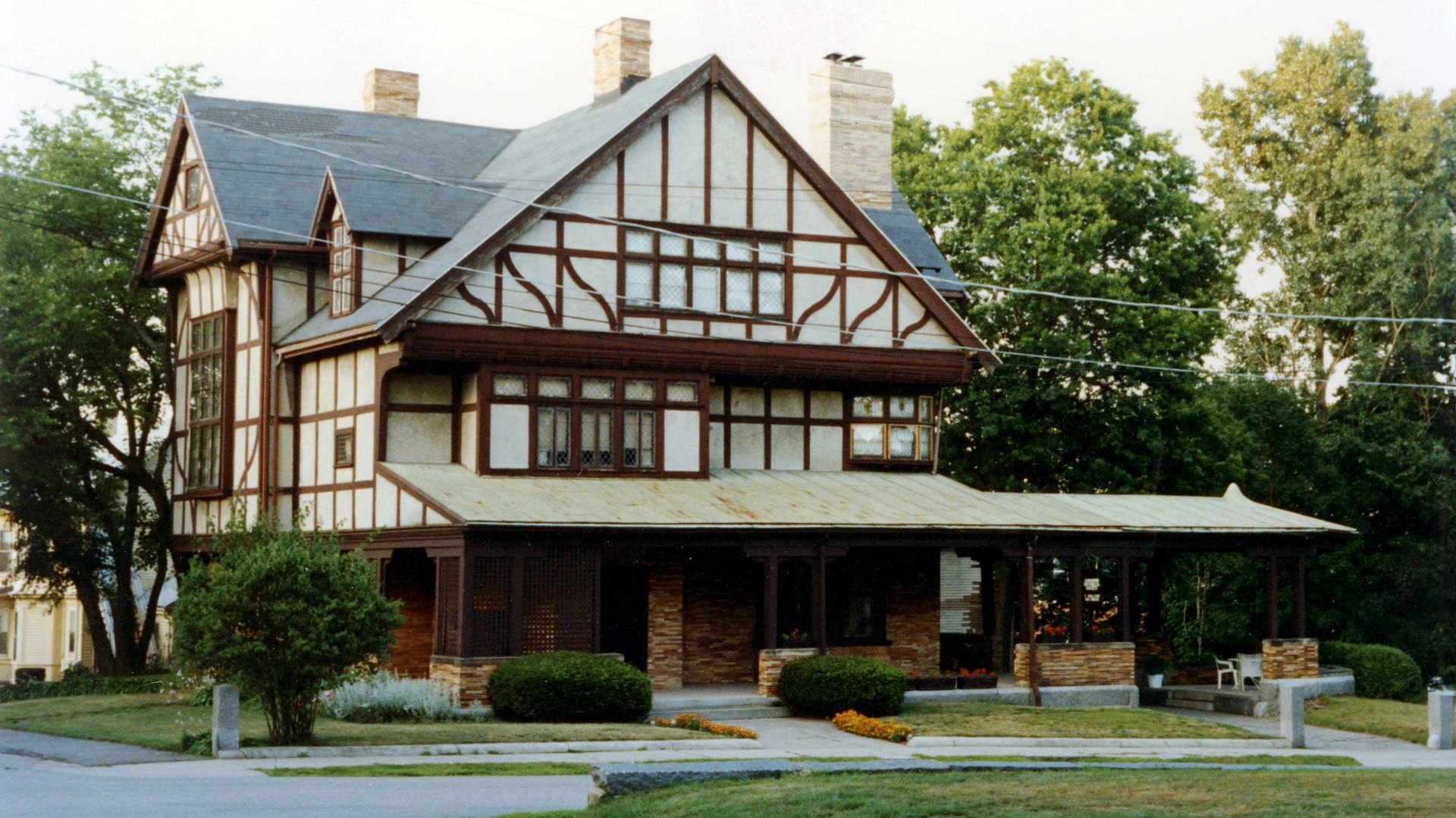
Reflecting on 20 years of beekeeping at his Winslow Avenue home, Harvard electronics specialist Howard C. Ayer discussed the rewards of apiculture, honey production, and pollination alongside his wife Helen.
-
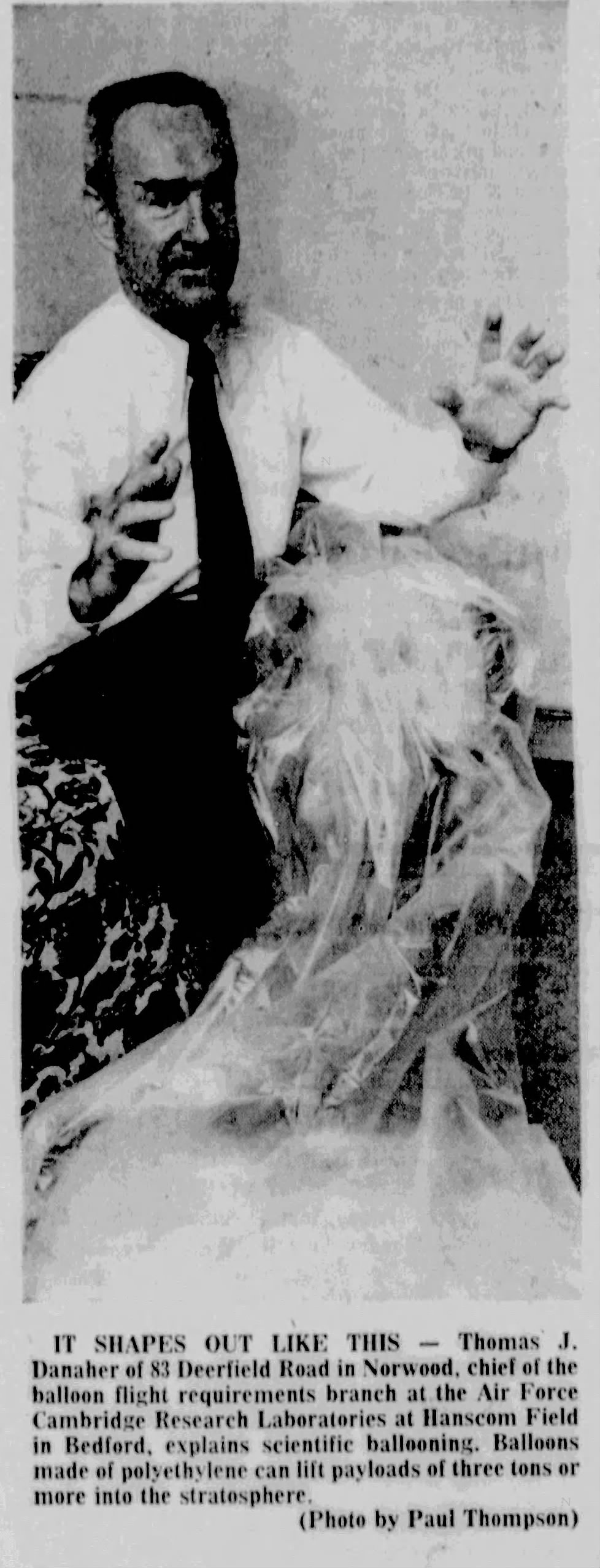
Toying With Balloons No Big Puff To Him-September 17, 1974
Norwood resident Thomas J. Danaher directs Air Force scientific balloon operations at Hanscom Field, advancing stratospheric research and ozone pollution monitoring.
-
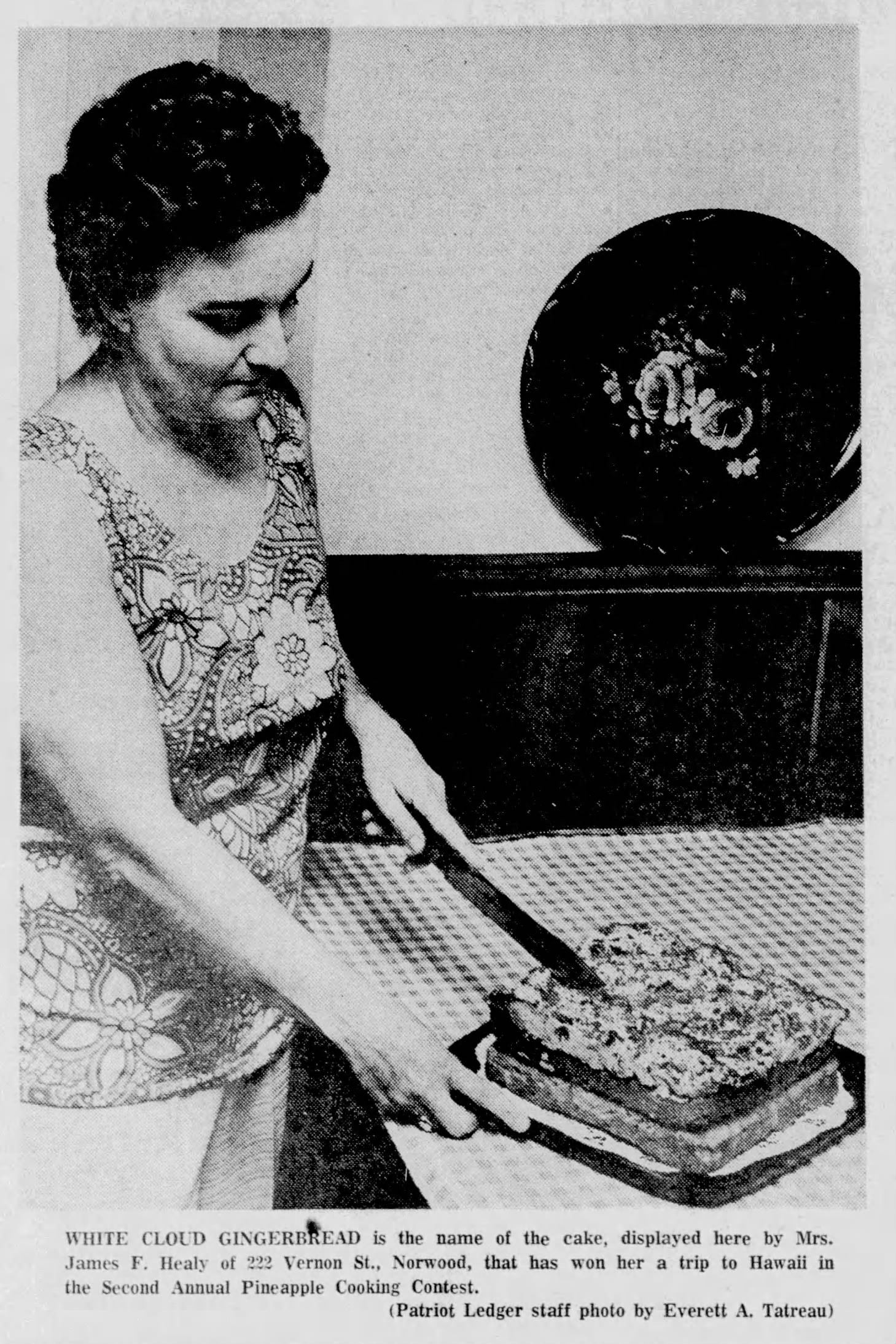
Norwood Housewife Mary Lou Healy Wins Trip to Hawaii in Second Annual Pineapple Cooking Contest-August 8, 1973
Norwood resident Mary Lou Healy won a trip to Hawaii as a national finalist in the Second Annual Pineapple Cooking Contest with her award-winning “White Cloud Gingerbread” recipe.
-
Norwood Man Wanders “Dreams-Come-True” Circuit-September 14, 1972
Norwood native Ken Samone reflects on life as an independent New England carnival concessionaire, navigating economic ups and downs on the 1972 fair circuit.

-
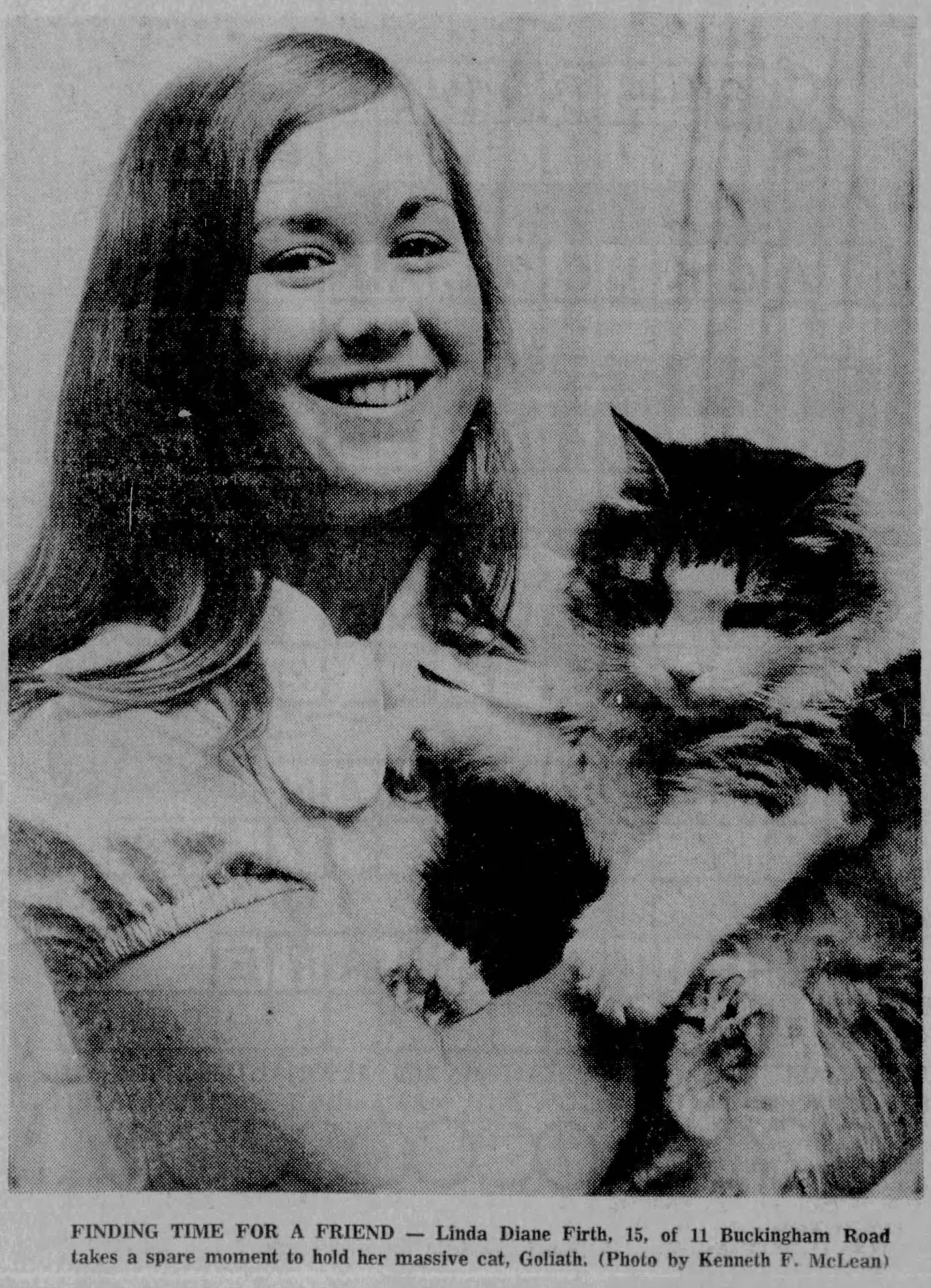
Busy Norwood Teenager Balances Pageants, Volunteer Work, and Personal Goals-August 26, 1972
Fifteen-year-old Linda Diane Firth of Buckingham Road reflects on her titles as Miss Norwood and first runner-up in the Miss Massachusetts Teenager Pageant while managing a busy schedule of hospital volunteering and civic activities.
-
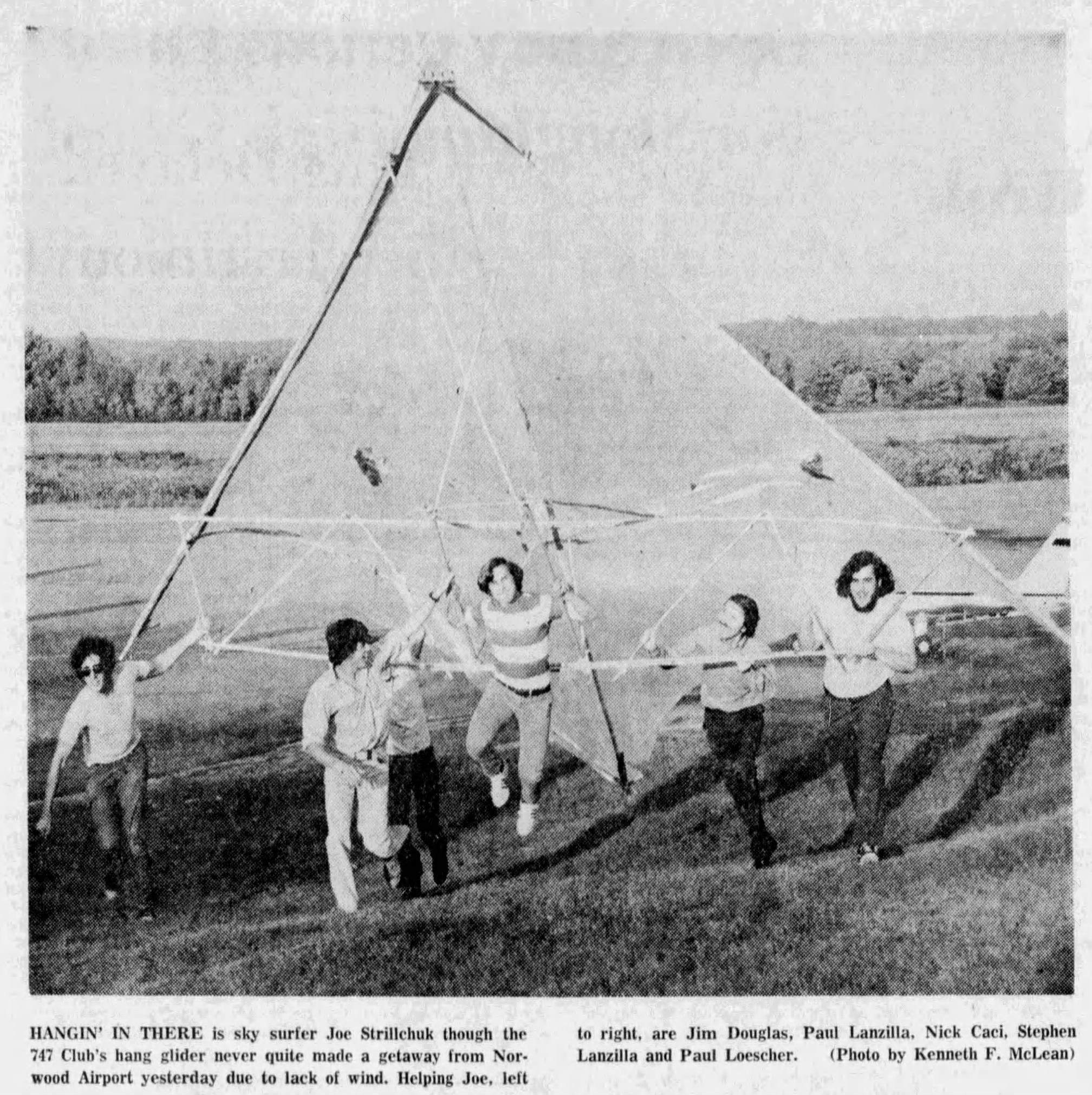
Norwood 747 Club Members Bring Hang Gliding and Air Surfing to Town-August 9, 1972
Members of Norwood’s 747 Club brought hang gliding to the East Coast by constructing their own bamboo butterfly glider and testing it at Norwood Airport.
-
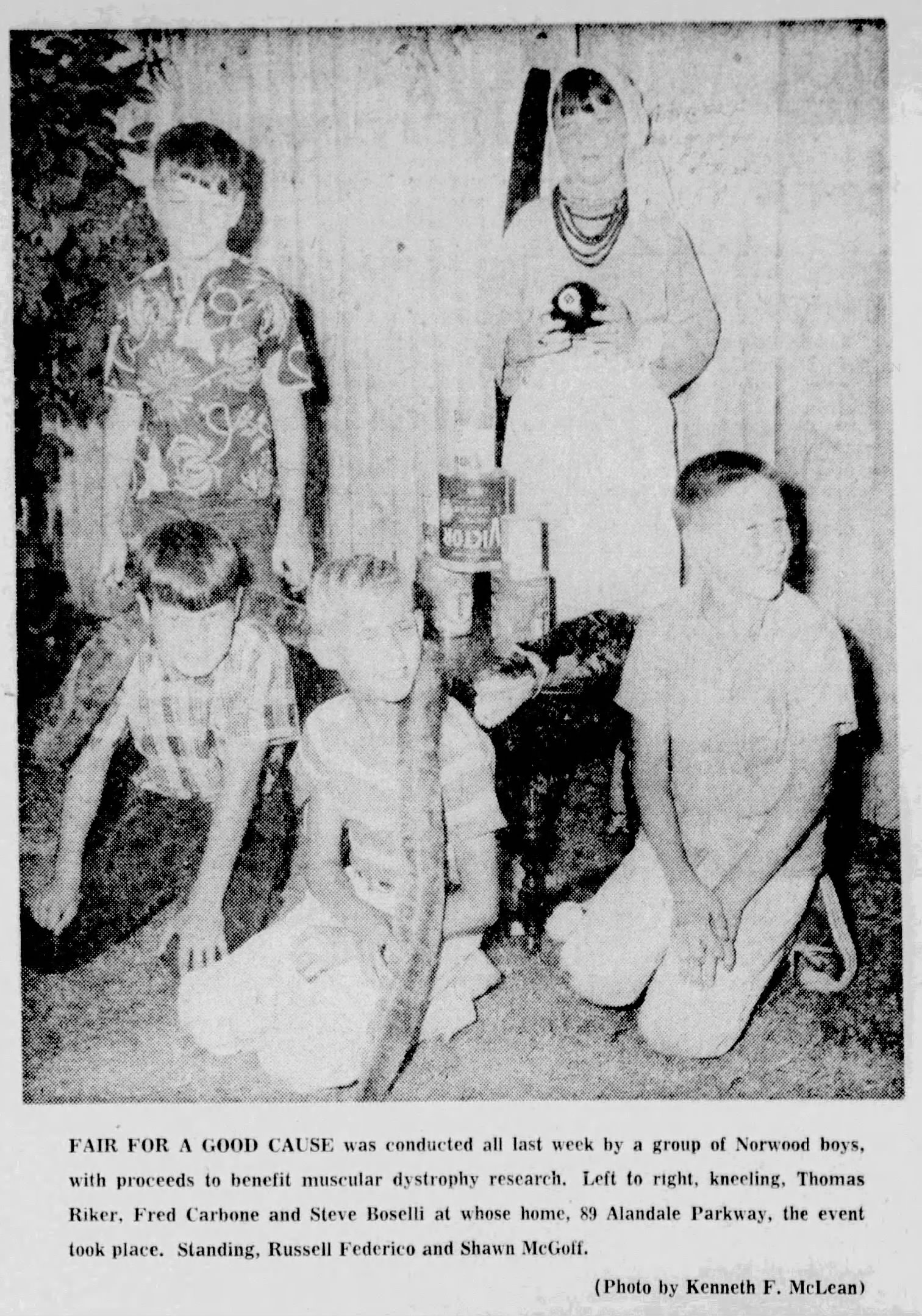
Alandale Parkway Neighborhood Boys Host Charity Fair for Muscular Dystrophy-August 8, 1966
Combining summer fun with community service, 10 neighborhood boys on Alandale Parkway spent the spring building games and hosting a weeklong charity fair that raised $31.31 for muscular dystrophy.
-
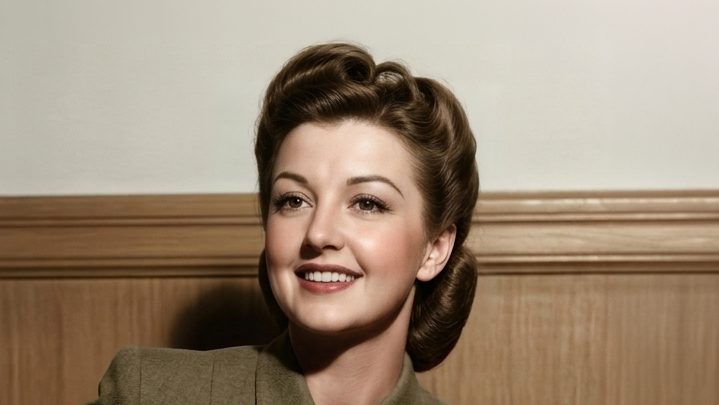
Another Bette, Or a New Star For Hollywood?-August 1, 1941
Norwood resident Marion Rosamond arrived in Hollywood to launch her acting career, facing both the challenge of looking like Bette Davis and the determination to succeed.
Discover more from Norwood Historical Society
Subscribe to get the latest posts sent to your email.