

A state evaluation of Norwood’s Chapter 766 special education program has identified nine areas where the local school program is out of compliance across elementary, junior high, and high school levels.

However, the report also commended the school department for successful implementation and noted that most deficiencies can be corrected for the upcoming school year at minimal cost to taxpayers.
The program audit, conducted by a nine-member state Department of Education team following a two-day visit in February, is a standard evaluation performed every three years in every town across the Commonwealth. The evaluation specifically cited deficiencies in in-service training for regular and special education teachers, as well as shortcomings in the core evaluation process, particularly regarding student records and educational plans.
According to Roderick Smith, director of pupil personnel and Norwood’s 766 administrator, all nine areas will be complied with in September, with many changes already in effect. “Norwood is by far one of the leaders in the 766 program,” Smith stated. School Committee Chairman Richard W. Kief echoed that sentiment, noting that the town “stands proud” of the audit findings and that the report contained “more favorable material in it than derogatory.”
The only cited improvement that could entail a direct expenditure of funds is the requirement to provide paid school department attendants to ride on vehicles transporting three- and four-year-old children receiving special education services—a role previously funded through CETA grants in May. Other corrective measures include drafting formal written in-service training programs, providing clear written notifications to parents regarding their rights in the core evaluation process, refining student educational plans, and revising internal job descriptions to streamline administrative oversight under a single special education administrator.
The audit also praised the district for strengths such as staff and community communication, program flexibility, coordination during student grade transitions, and a strong commitment to mainstreaming special needs students. Commended areas included accessibility modifications at the Oldham School, Prescott School, and Junior High South for physically handicapped students, though the state report explicitly emphasized that Norwood High School must also be made fully accessible to accommodate incoming students with physical disabilities.
The local school committee has 30 days to prepare a formal written response to the report, with Smith coordinating responses for consideration at a scheduled meeting in early September. While the Chapter 766 special education mandate has remained controversial in many municipalities—particularly in light of Norwood’s historical $1.8 million loss in state aid reimbursements (of which roughly $800,000 has since been recouped)—local officials expressed confidence in resolving the audit’s findings promptly. (Reporting by local archives).
Archival Note: This article has been dynamically reconstructed from the original public record print archives of the Patriot Ledger
-
Norwood Faces Fiscal Crunch Under Chapter 766 Special Education Mandates-August 28, 1975

School officials report that Norwood’s special education program faces a funding shortfall under state Chapter 766 mandates, prompting legal review and contract awards.
-
Norwood School Committee Approves Balch School Remedial Class and Eight-Period High School Day-July 31, 1975
The Norwood School Committee approved a pilot transitional first grade and modified kindergarten at Balch School to address kindergarten screening results and language needs.
-
School Committee Approves Shortened High School Day Format-July 16, 1975
The school committee of Norwood last night all but formally approved a switch to a shorter, eight-period day for the high school. The decision was made in response to a request from absent member Richard Joseph, who asked that the board defer its official vote on the plan until its next regular meeting in two…
-
Quality is The Main Ingredient: Inside the Henry O. Peabody School Culinary Arts Program-October 7, 1974
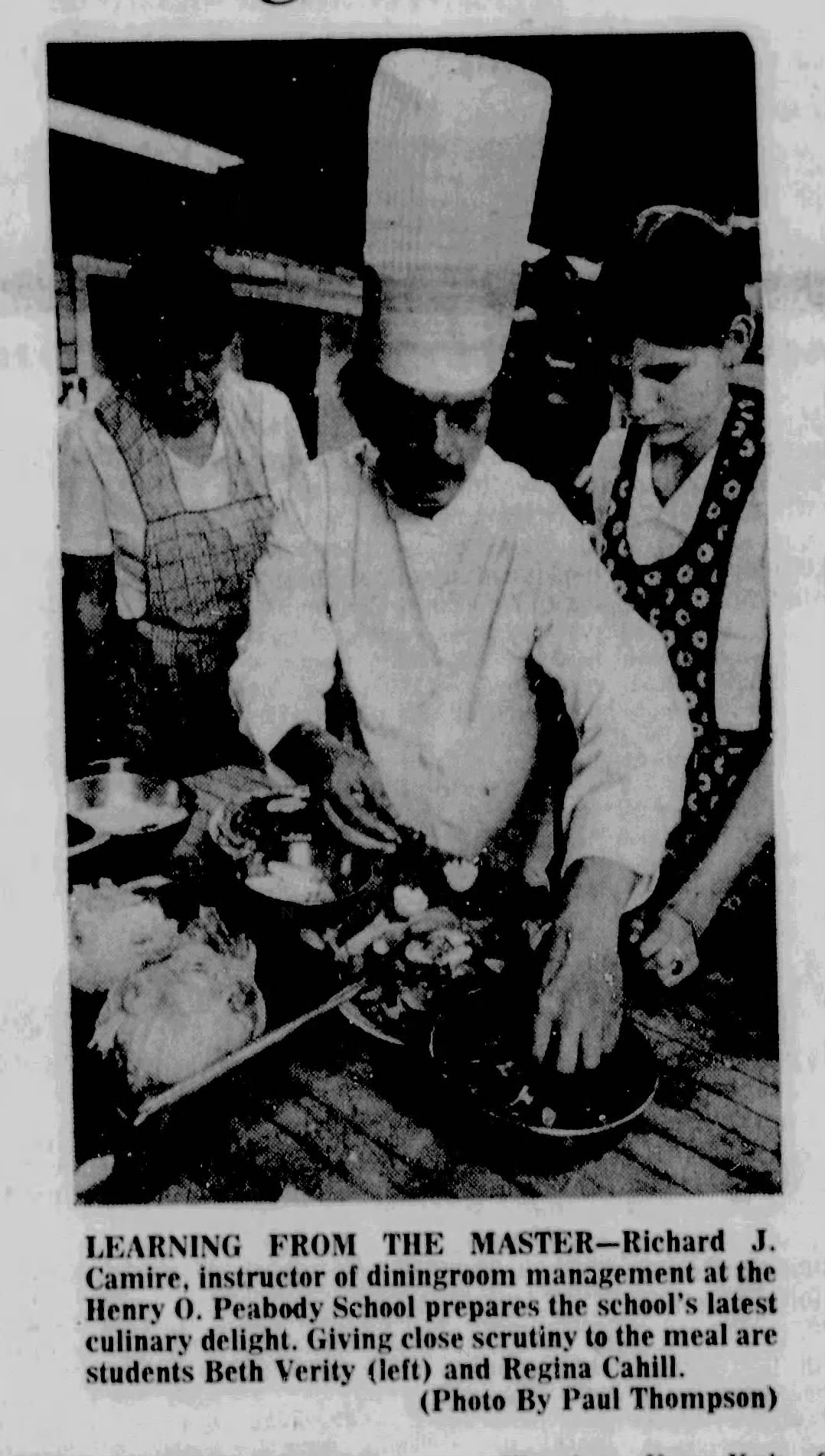
An inside look at the Henry O. Peabody School culinary arts program under instructor Richard J. Camire, featuring affordable student-cooked meals and a popular public bakery.
-
Willett School Overcrowding And Parent Protests-September 5, 1974
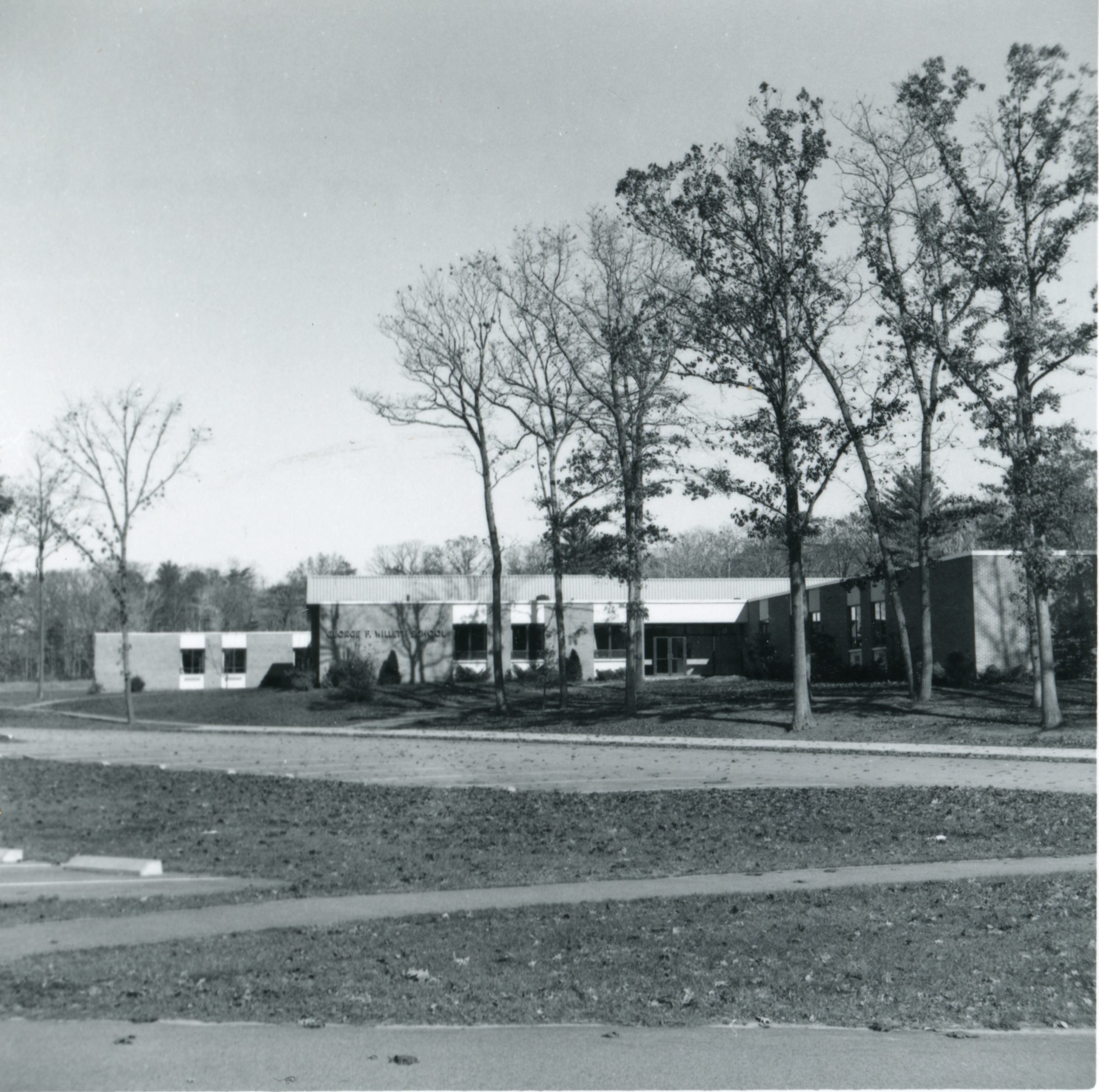
Angry parents confront the Norwood School Committee over severe overcrowding at the Willett School, while officials address elementary enrollment spikes and pedestrian safety.
-
Youth Enriched at Summer School-August 13, 1974
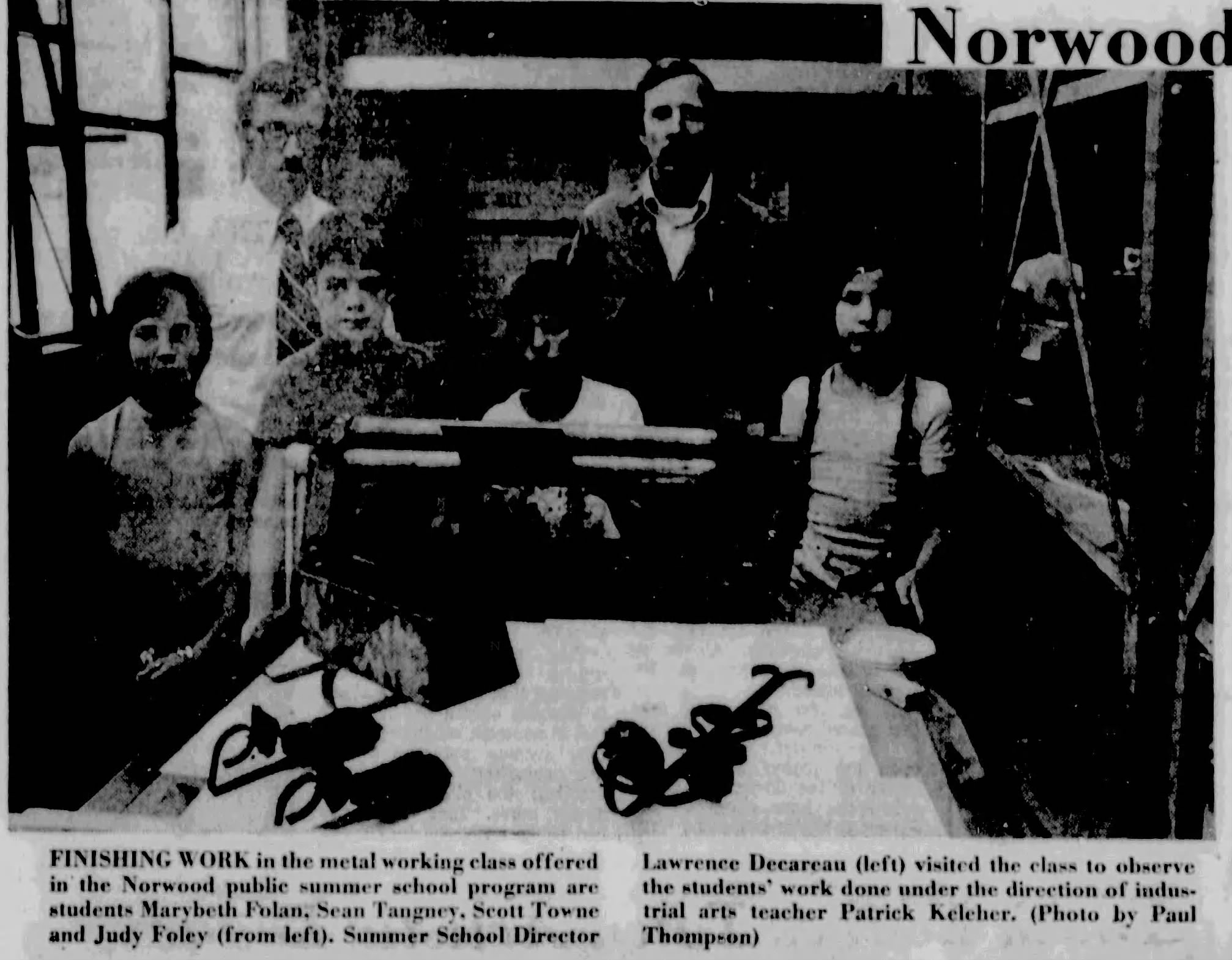
Directing over 600 local students, Norwood’s public summer school program completed its 30-day session, highlighting strong popularity for enrichment classes in arts and trades alongside vital remedial and special education tutoring.
-
Norwood School Committee Votes to Relocate School Administration Offices-August 1, 1974
The Norwood School Committee voted 5-2 to relocate central school administration offices to the Winslow School, pending cost estimates from Superintendent Philip O. Coakley.
-
Uncertainty Looms Over Norwood Junior High South Opening Date-July 12, 1974
After three years of double sessions following a 1971 fire, Norwood officials faced the possibility of further delays for the new Junior High South.
-
Unfinished Junior High To Open On Schedule-July 8, 1974

Discover the construction history of the $4.5 million Junior High South project in 1974, detailing the challenges faced during the transition from the old Washington Street school.
-
School Board Rejects ‘Floating Principal’ Proposal-July 03, 1974
The Norwood School Committee held a contentious session on the evening of July 2, 1974, where, following two weeks of deliberation and a lengthy 90-minute executive session, the board voted 5-1 to reject a proposal to create a new administrative position titled “floating principal.“ The concept, initially championed by Committee Member Joseph M. Pentowski, was…
Discover more from Norwood Historical Society
Subscribe to get the latest posts sent to your email.