

A state evaluation of Norwood’s Chapter 766 special education program has identified nine areas where the local school program is out of compliance across elementary, junior high, and high school levels.

However, the report also commended the school department for successful implementation and noted that most deficiencies can be corrected for the upcoming school year at minimal cost to taxpayers.
The program audit, conducted by a nine-member state Department of Education team following a two-day visit in February, is a standard evaluation performed every three years in every town across the Commonwealth. The evaluation specifically cited deficiencies in in-service training for regular and special education teachers, as well as shortcomings in the core evaluation process, particularly regarding student records and educational plans.
According to Roderick Smith, director of pupil personnel and Norwood’s 766 administrator, all nine areas will be complied with in September, with many changes already in effect. “Norwood is by far one of the leaders in the 766 program,” Smith stated. School Committee Chairman Richard W. Kief echoed that sentiment, noting that the town “stands proud” of the audit findings and that the report contained “more favorable material in it than derogatory.”
The only cited improvement that could entail a direct expenditure of funds is the requirement to provide paid school department attendants to ride on vehicles transporting three- and four-year-old children receiving special education services—a role previously funded through CETA grants in May. Other corrective measures include drafting formal written in-service training programs, providing clear written notifications to parents regarding their rights in the core evaluation process, refining student educational plans, and revising internal job descriptions to streamline administrative oversight under a single special education administrator.
The audit also praised the district for strengths such as staff and community communication, program flexibility, coordination during student grade transitions, and a strong commitment to mainstreaming special needs students. Commended areas included accessibility modifications at the Oldham School, Prescott School, and Junior High South for physically handicapped students, though the state report explicitly emphasized that Norwood High School must also be made fully accessible to accommodate incoming students with physical disabilities.
The local school committee has 30 days to prepare a formal written response to the report, with Smith coordinating responses for consideration at a scheduled meeting in early September. While the Chapter 766 special education mandate has remained controversial in many municipalities—particularly in light of Norwood’s historical $1.8 million loss in state aid reimbursements (of which roughly $800,000 has since been recouped)—local officials expressed confidence in resolving the audit’s findings promptly. (Reporting by local archives).
Archival Note: This article has been dynamically reconstructed from the original public record print archives of the Patriot Ledger
-
Assistant Superintendent James R. Donovan Ending 43-Year Journey in Norwood School System-November 6, 1980
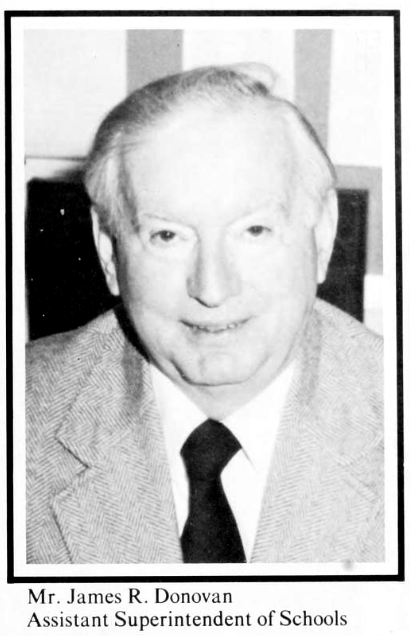
Marking the end of a 43-year career as a student, teacher, and administrator, Norwood Assistant Superintendent James R. Donovan announced his retirement effective December 31, 1980.
-
Norwood High School Renovation Plans Scrapped in Favor of New Building-October 15, 2005
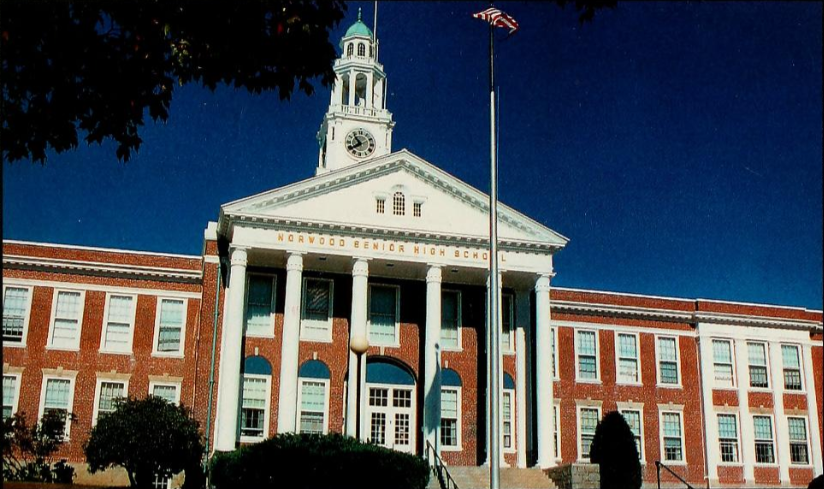
Facing accreditation warnings and failing infrastructure, Norwood’s School Facility Task Force votes overwhelmingly to pursue a new high school building.
-
Norwood Junior High School Honor Rolls for the Last Term-This Day In Norwood History-July 21, 1997

Celebrating Academic Excellence at Norwood Junior High The academic landscape at Norwood Junior High School was highlighted by a formal recognition of student achievement, as the administration released the latest honor rolls for Grade 7 and Grade 6. These lists, comprised of students who attained HIGH HONORS and HONORS status, served as a public commendation…
-
Norwood High School Revives Latin Classes After Nearly a Decade-September 26, 1994
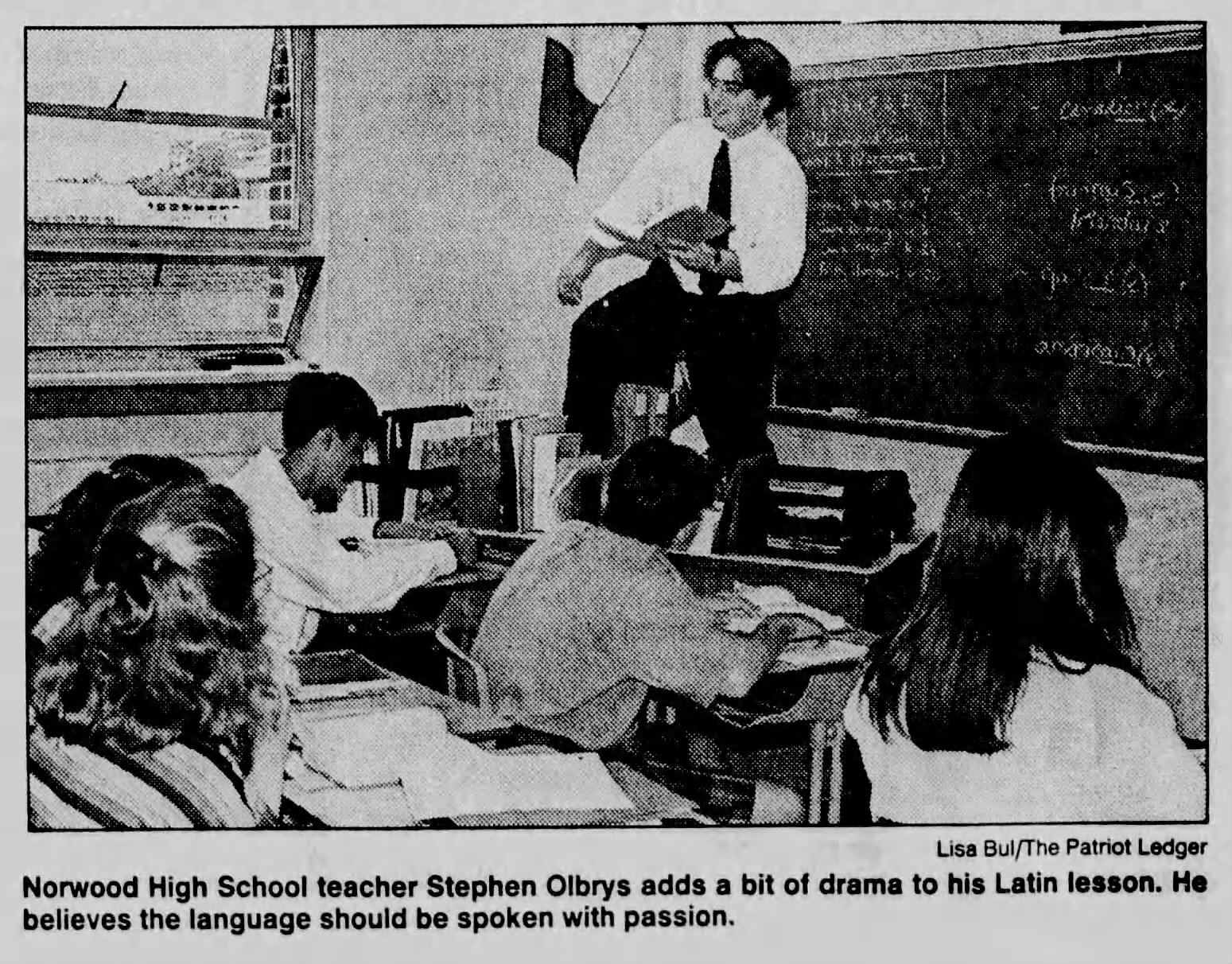
Norwood High School brings back Latin classes for the first time in nearly a decade, led by young instructor Stephen Olbrys to enthusiastic student enrollment.
-
Norwood Elementary Grades Drive Enrollment Increase-September 2, 1993
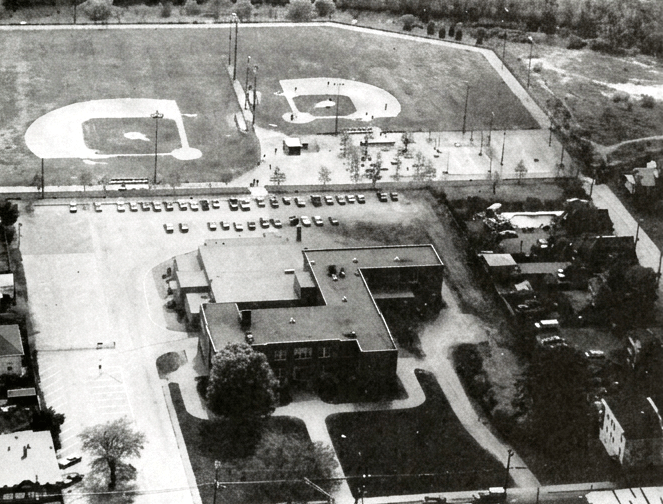
School System Reaches 3,565 Total Students Norwood public schools have experienced an overall enrollment increase of 136 students compared to the previous academic year, bringing total district enrollment to 3,565 students, according to an announcement made by Assistant Superintendent Roderick Smith during a school committee meeting. Enrollment Breakdown by Grade Level The surge is heavily…
-
Summer Education Program Helps Students Stay Sharp-August 12, 1992
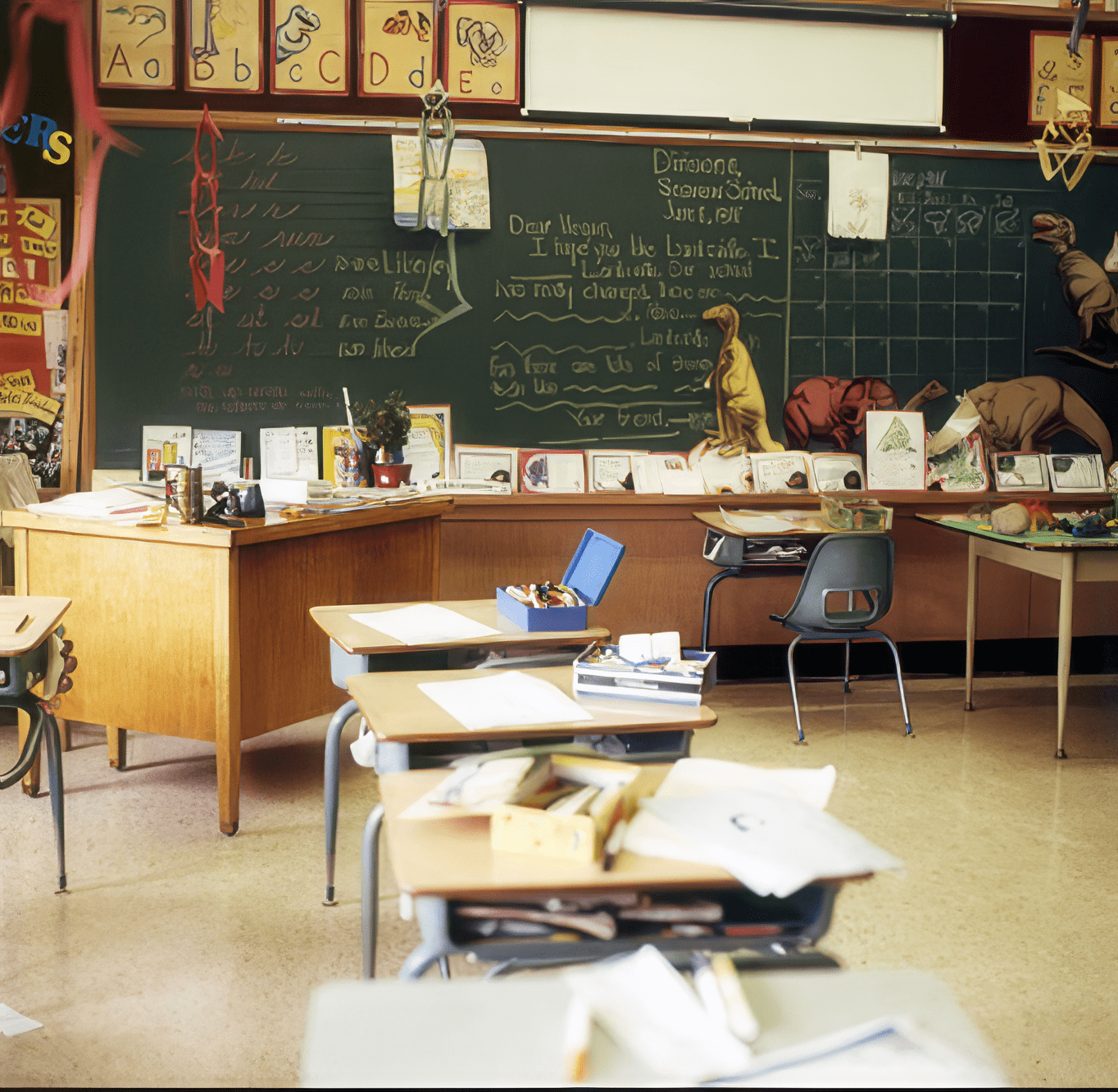
Federal Chapter 1 funding revived Norwood’s summer remedial education program at the Cleveland School, combining academics with local field trips for 48 students.
-
Norwood Parents Music Association: The Dedicated Power Base Behind the High School Band-October 11, 1991

As the fall marching band season kicks into high gear, Joann Pasquantonio is bracing herself for a grueling schedule of long days. There will be days when she boards a school bus at 4:00 p.m. and doesn’t return home until midnight, utterly exhausted after hours of competitions. The catch? Pasquantonio isn’t in the band. She…
-
Prescott Elementary School Parents Urge School Committee to Alleviate Overcrowding-September 12, 1991
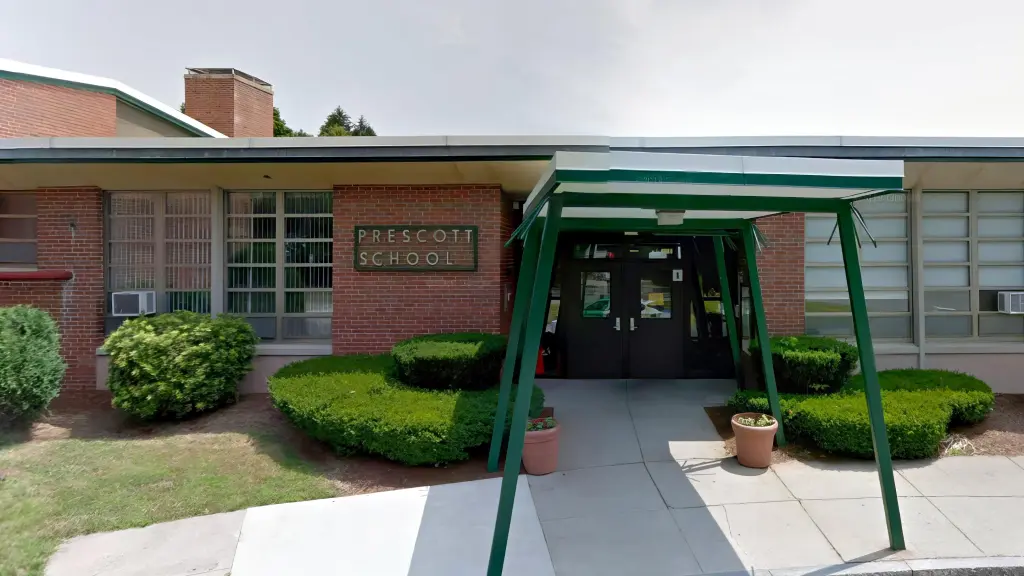
Prescott Elementary School parents petition the Norwood School Committee to hire a part-time teacher to alleviate overcrowded kindergarten classes.
-
Schools Open with Retained Programs Despite Budget Cuts and Staff Reductions-September 3, 1991
When Norwood students return to classrooms tomorrow for the start of the new academic year, they will encounter a few visible adjustments—including higher cafeteria prices, a smaller teaching staff, and the discontinuation of Latin courses. However, school officials emphasized that despite a roughly $600,000 reduction to the $18 million school budget amid town-wide cutbacks, Norwood…
-
Search for Superintendent Stirs Conflict on Committee-July 24, 1991
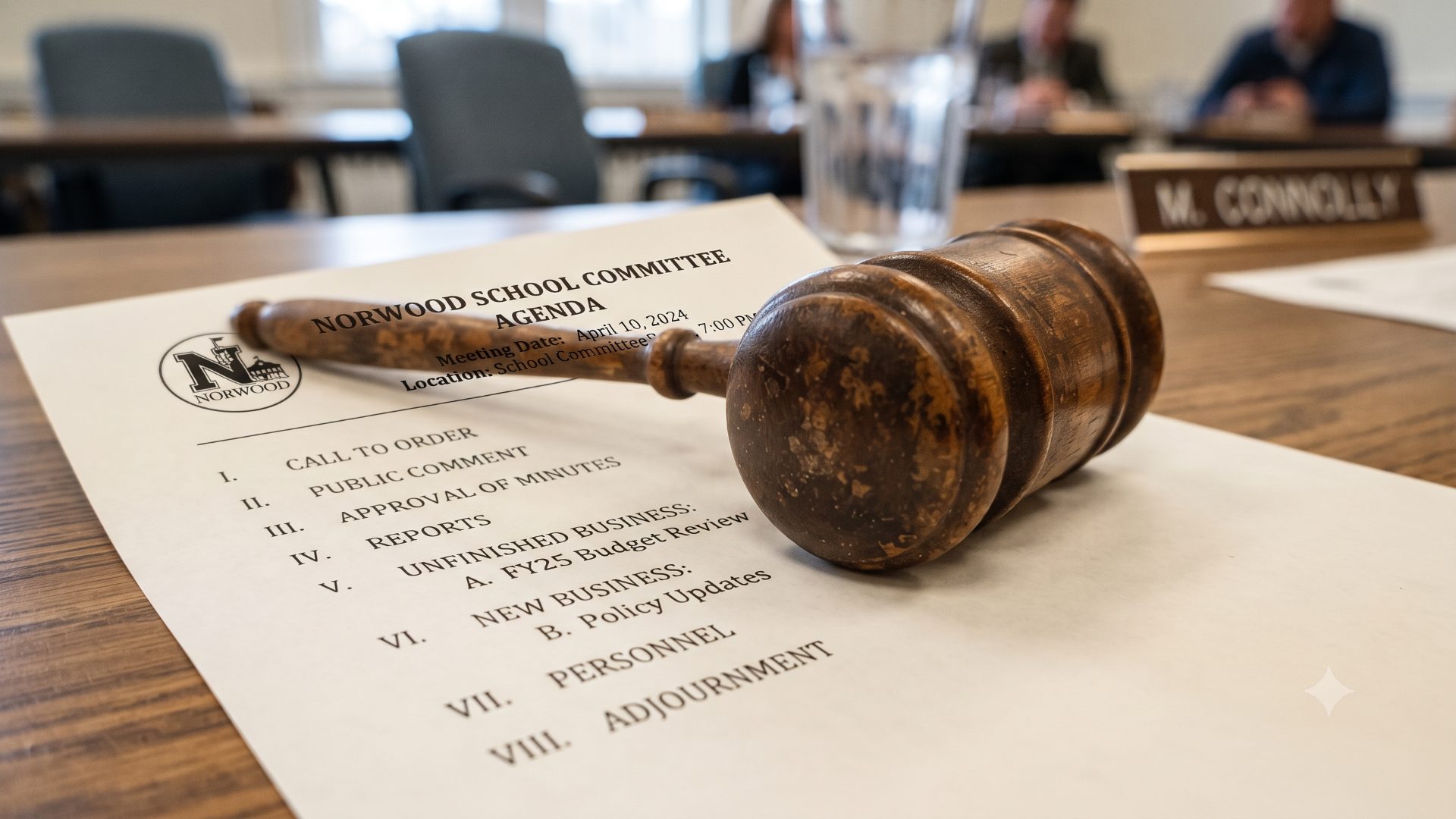
The Norwood School Committee engaged in a tense debate over expanding the superintendent search committee to include PTA representation and broader community voices.
Discover more from Norwood Historical Society
Subscribe to get the latest posts sent to your email.