

A state evaluation of Norwood’s Chapter 766 special education program has identified nine areas where the local school program is out of compliance across elementary, junior high, and high school levels.

However, the report also commended the school department for successful implementation and noted that most deficiencies can be corrected for the upcoming school year at minimal cost to taxpayers.
The program audit, conducted by a nine-member state Department of Education team following a two-day visit in February, is a standard evaluation performed every three years in every town across the Commonwealth. The evaluation specifically cited deficiencies in in-service training for regular and special education teachers, as well as shortcomings in the core evaluation process, particularly regarding student records and educational plans.
According to Roderick Smith, director of pupil personnel and Norwood’s 766 administrator, all nine areas will be complied with in September, with many changes already in effect. “Norwood is by far one of the leaders in the 766 program,” Smith stated. School Committee Chairman Richard W. Kief echoed that sentiment, noting that the town “stands proud” of the audit findings and that the report contained “more favorable material in it than derogatory.”
The only cited improvement that could entail a direct expenditure of funds is the requirement to provide paid school department attendants to ride on vehicles transporting three- and four-year-old children receiving special education services—a role previously funded through CETA grants in May. Other corrective measures include drafting formal written in-service training programs, providing clear written notifications to parents regarding their rights in the core evaluation process, refining student educational plans, and revising internal job descriptions to streamline administrative oversight under a single special education administrator.
The audit also praised the district for strengths such as staff and community communication, program flexibility, coordination during student grade transitions, and a strong commitment to mainstreaming special needs students. Commended areas included accessibility modifications at the Oldham School, Prescott School, and Junior High South for physically handicapped students, though the state report explicitly emphasized that Norwood High School must also be made fully accessible to accommodate incoming students with physical disabilities.
The local school committee has 30 days to prepare a formal written response to the report, with Smith coordinating responses for consideration at a scheduled meeting in early September. While the Chapter 766 special education mandate has remained controversial in many municipalities—particularly in light of Norwood’s historical $1.8 million loss in state aid reimbursements (of which roughly $800,000 has since been recouped)—local officials expressed confidence in resolving the audit’s findings promptly. (Reporting by local archives).
Archival Note: This article has been dynamically reconstructed from the original public record print archives of the Patriot Ledger
-
School Committee Unanimously Approves Period of Silent Meditation Following State Legislative Act-October 25, 1973

Acting on a new state law permitting voluntary reflection, the Norwood School Committee unanimously approved a daily period of silent meditation for local students and teachers.
-
Proposal Would Combine High School and Henry O. Peabody School Facilities-October 4, 1973

The School Committee reviews a preliminary proposal to combine Norwood High School and Henry O. Peabody School facilities for a new career development and vocational program.
-
Public Schools Face Delays and Possible State Action on Mandatory Hot Lunch Program-August 31, 1973
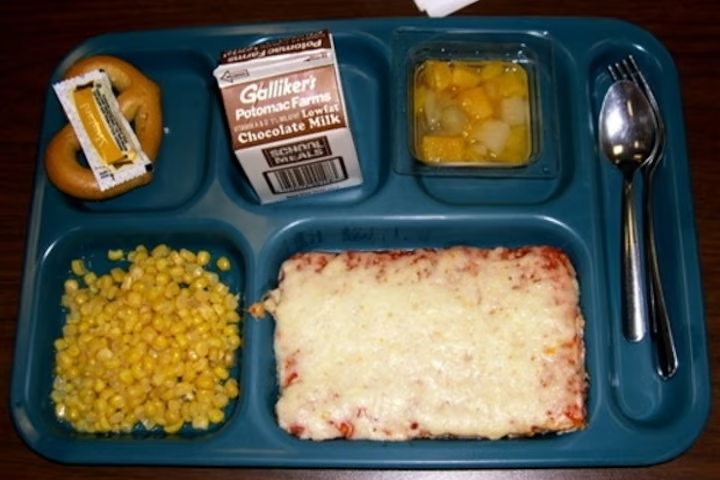
Parents of elementary school students in Norwood will need to continue packing brown-bag lunches for the start of the academic year. School Superintendent Philip O. Coakley announced that the town will fail to meet the state-mandated September deadline for implementing a universal public school hot lunch program, exposing the municipality to potential legal action by…
-
Norwood High School Refines Open Campus Program in Second Year of Operation-October 2, 1972

Entering its second year, Norwood High School’s open campus system sees tighter corridor rules, sophomore restrictions, and expanded academic seminars while undergoing state-mandated evaluation.
-
Andy Scafati Recalls 40 Seasons in Athletics Ahead of Norwood Retirement-September 7, 1972
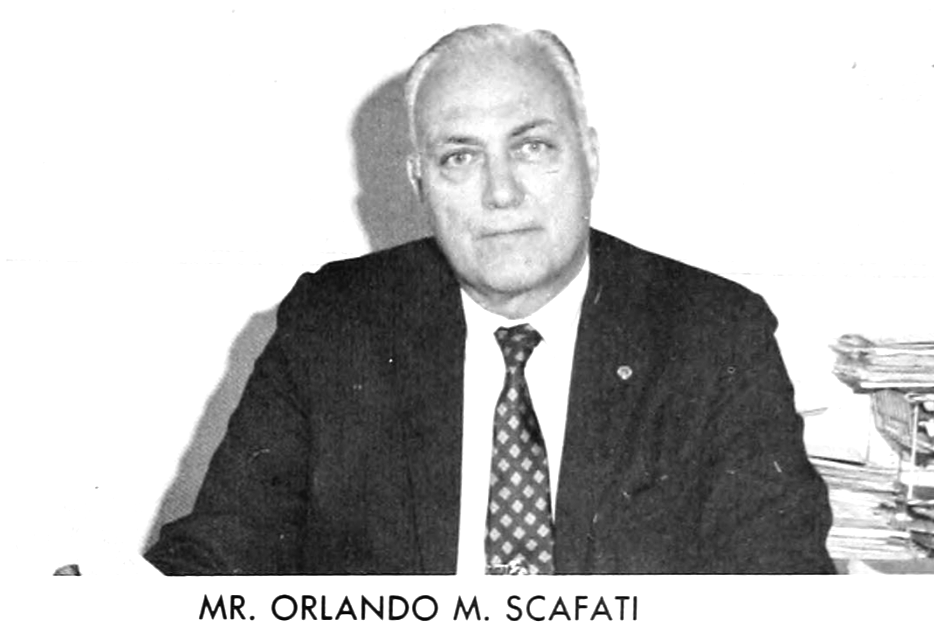
Longtime Norwood High School athletic director Andy Scafati reflects on 40 years in sports and the remarkable expansion of the town’s athletic programs as he prepares to step down.
-
School Board Reverses Vote, Keeps NorWest Woods Pupils at Oldham-August 29, 1972
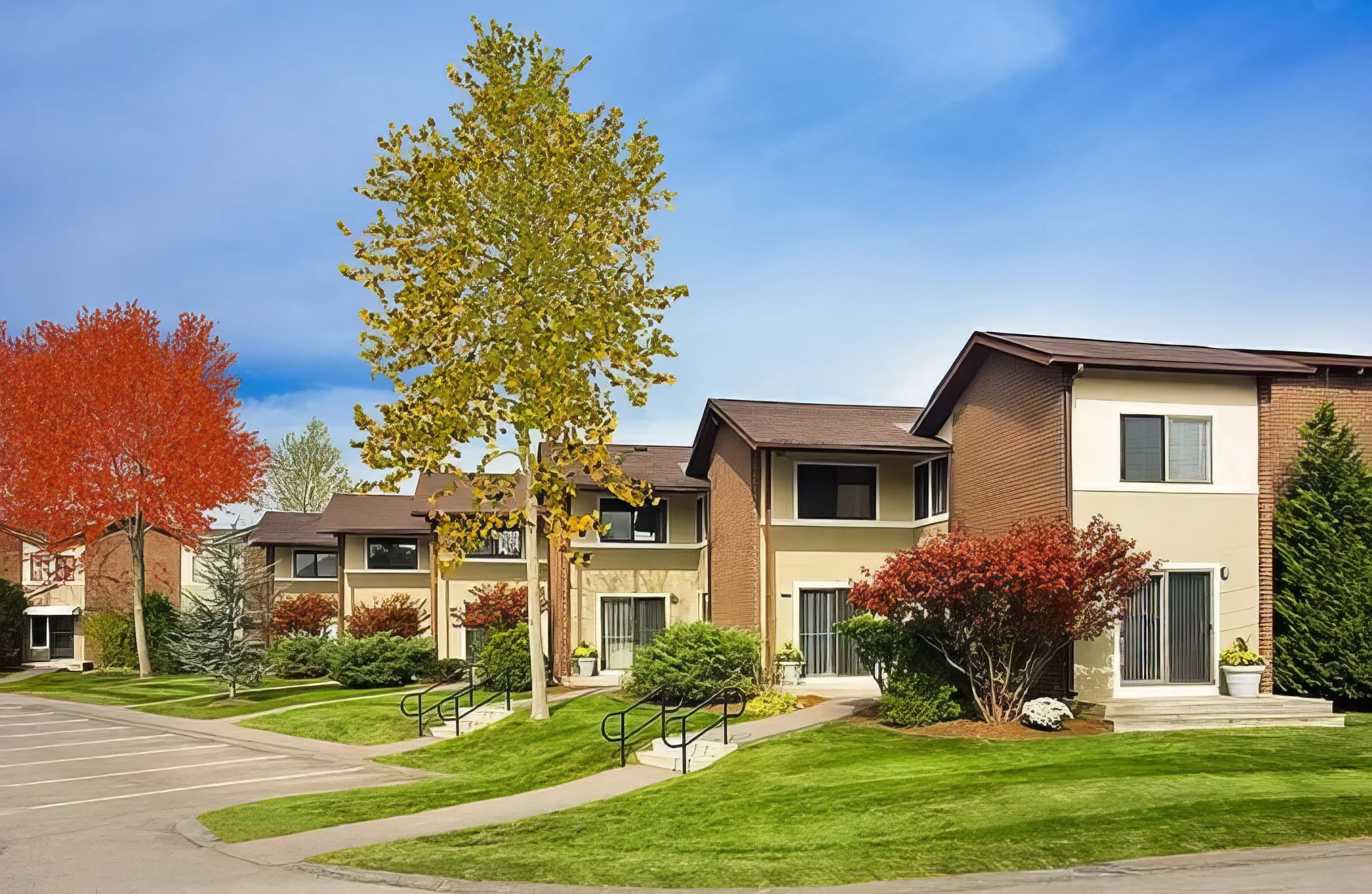
In a reversal of a previous decision, the School Committee has voted to keep 46 elementary school children from the Nor-West Woods apartment complex at the Oldham School, rescinding a July 5 vote that would have transferred them to the Shattuck School. Superintendent Dr. Philip O. Coakley explained that the committee revoted on the matter…
-
Norwood Sets $38 Tax Rate on Court-Ordered 100% Property Valuation for 1972-August 16, 1972

Announcing a 1972 tax rate of $38 per $1,000 under a court-ordered 100 percent property valuation, Assessor Chairman James J. Drummey concluded a major reassessment by Cole, Layer and Trumble.
-
Norwood Jr. High Offered Land At $9,500 An Acre-September 30, 1971
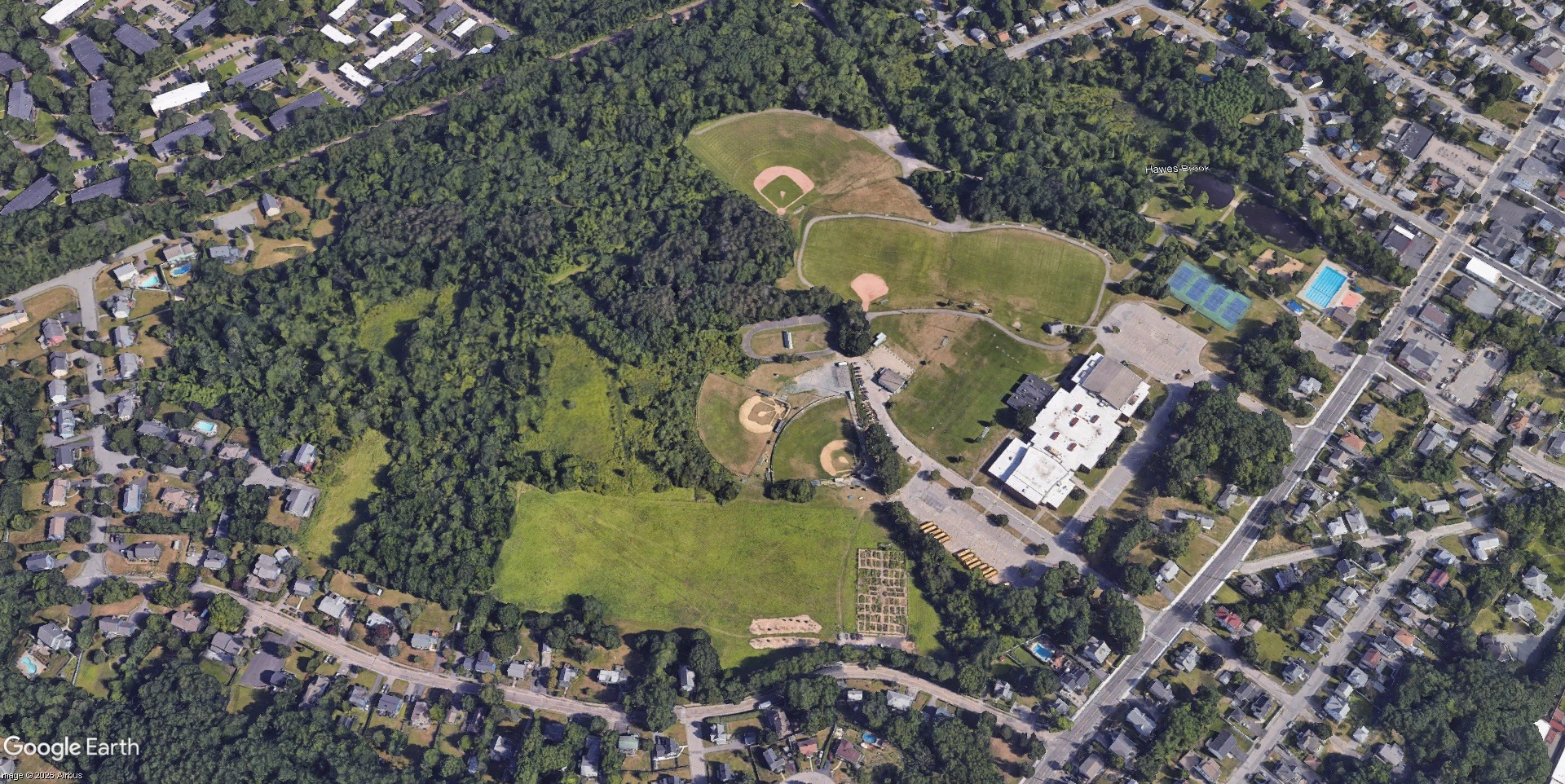
The Norwood School Committee recommends the Endean area in Walpole as the site for a new junior high school, facing sharp questioning from town meeting members over rising costs and site shifts.
-
Norwood High School Launches Innovative Open Campus Plan for Fall Term-September 8, 1971
Norwood High School opens the fall term by launching an innovative open campus and extended-day program designed by Principal John F. Monbouquette to foster student responsibility.
-
Junior High Alternate Estimates Sought-June 25, 1971

A sharp debate divides Town Manager Walter Blasenak and finance officials over mounting unappropriated architectural fees for Boston design firms.
Discover more from Norwood Historical Society
Subscribe to get the latest posts sent to your email.