

A state evaluation of Norwood’s Chapter 766 special education program has identified nine areas where the local school program is out of compliance across elementary, junior high, and high school levels.

However, the report also commended the school department for successful implementation and noted that most deficiencies can be corrected for the upcoming school year at minimal cost to taxpayers.
The program audit, conducted by a nine-member state Department of Education team following a two-day visit in February, is a standard evaluation performed every three years in every town across the Commonwealth. The evaluation specifically cited deficiencies in in-service training for regular and special education teachers, as well as shortcomings in the core evaluation process, particularly regarding student records and educational plans.
According to Roderick Smith, director of pupil personnel and Norwood’s 766 administrator, all nine areas will be complied with in September, with many changes already in effect. “Norwood is by far one of the leaders in the 766 program,” Smith stated. School Committee Chairman Richard W. Kief echoed that sentiment, noting that the town “stands proud” of the audit findings and that the report contained “more favorable material in it than derogatory.”
The only cited improvement that could entail a direct expenditure of funds is the requirement to provide paid school department attendants to ride on vehicles transporting three- and four-year-old children receiving special education services—a role previously funded through CETA grants in May. Other corrective measures include drafting formal written in-service training programs, providing clear written notifications to parents regarding their rights in the core evaluation process, refining student educational plans, and revising internal job descriptions to streamline administrative oversight under a single special education administrator.
The audit also praised the district for strengths such as staff and community communication, program flexibility, coordination during student grade transitions, and a strong commitment to mainstreaming special needs students. Commended areas included accessibility modifications at the Oldham School, Prescott School, and Junior High South for physically handicapped students, though the state report explicitly emphasized that Norwood High School must also be made fully accessible to accommodate incoming students with physical disabilities.
The local school committee has 30 days to prepare a formal written response to the report, with Smith coordinating responses for consideration at a scheduled meeting in early September. While the Chapter 766 special education mandate has remained controversial in many municipalities—particularly in light of Norwood’s historical $1.8 million loss in state aid reimbursements (of which roughly $800,000 has since been recouped)—local officials expressed confidence in resolving the audit’s findings promptly. (Reporting by local archives).
Archival Note: This article has been dynamically reconstructed from the original public record print archives of the Patriot Ledger
-
Schools Face Heating Oil Shortage for Upcoming Winter, While Band Camp and Library Art Programs Make Headlines-August 6, 1970
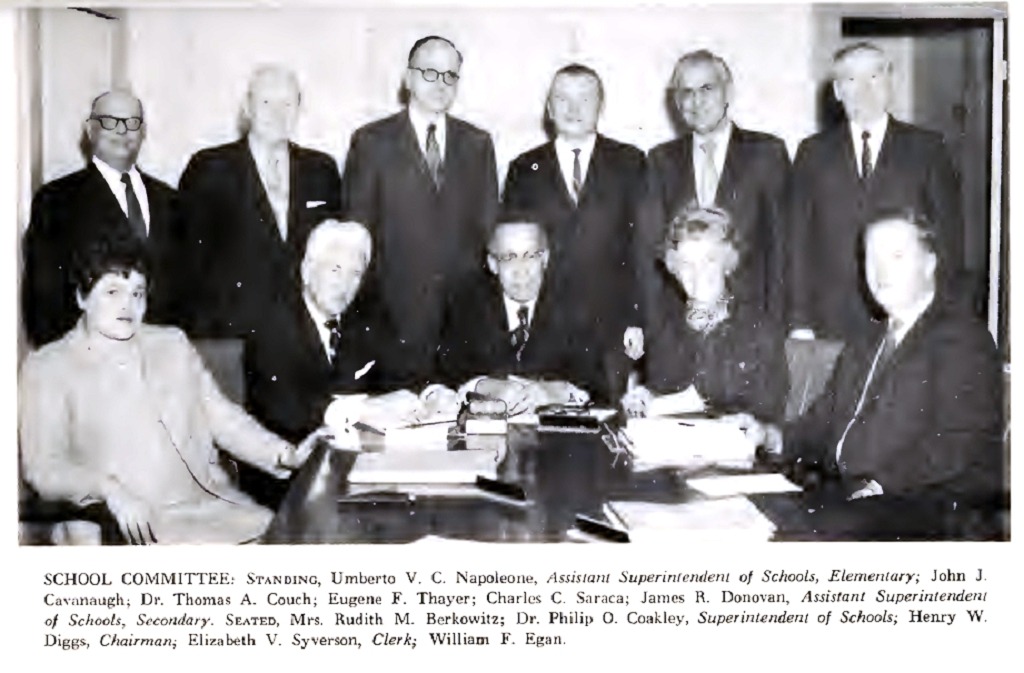
Superintendent Dr. Philip O. Coakley informed the Norwood School Committee that no companies submitted bids to supply 110,000 gallons of No. 5 heating oil for town schools due to quotas, shortages, and environmental regulations.
-
Bells Are Ringin’-July 3, 1970
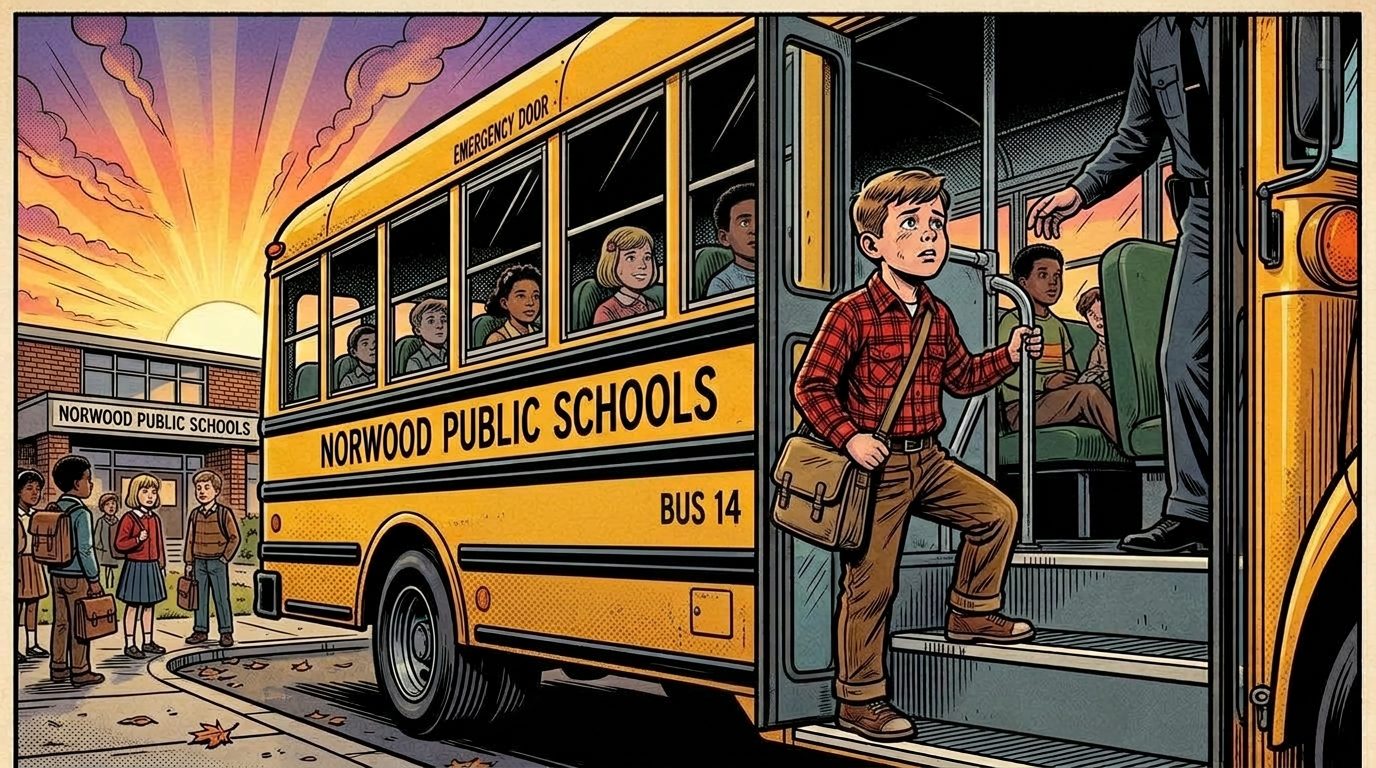
The Norwood School Committee overhauled its student transportation system and faced an $8,000 wave of structural school vandalism in July 1970
-
Henry O. Peabody School of Practical Nursing Graduates 28 Students-October 13, 1969
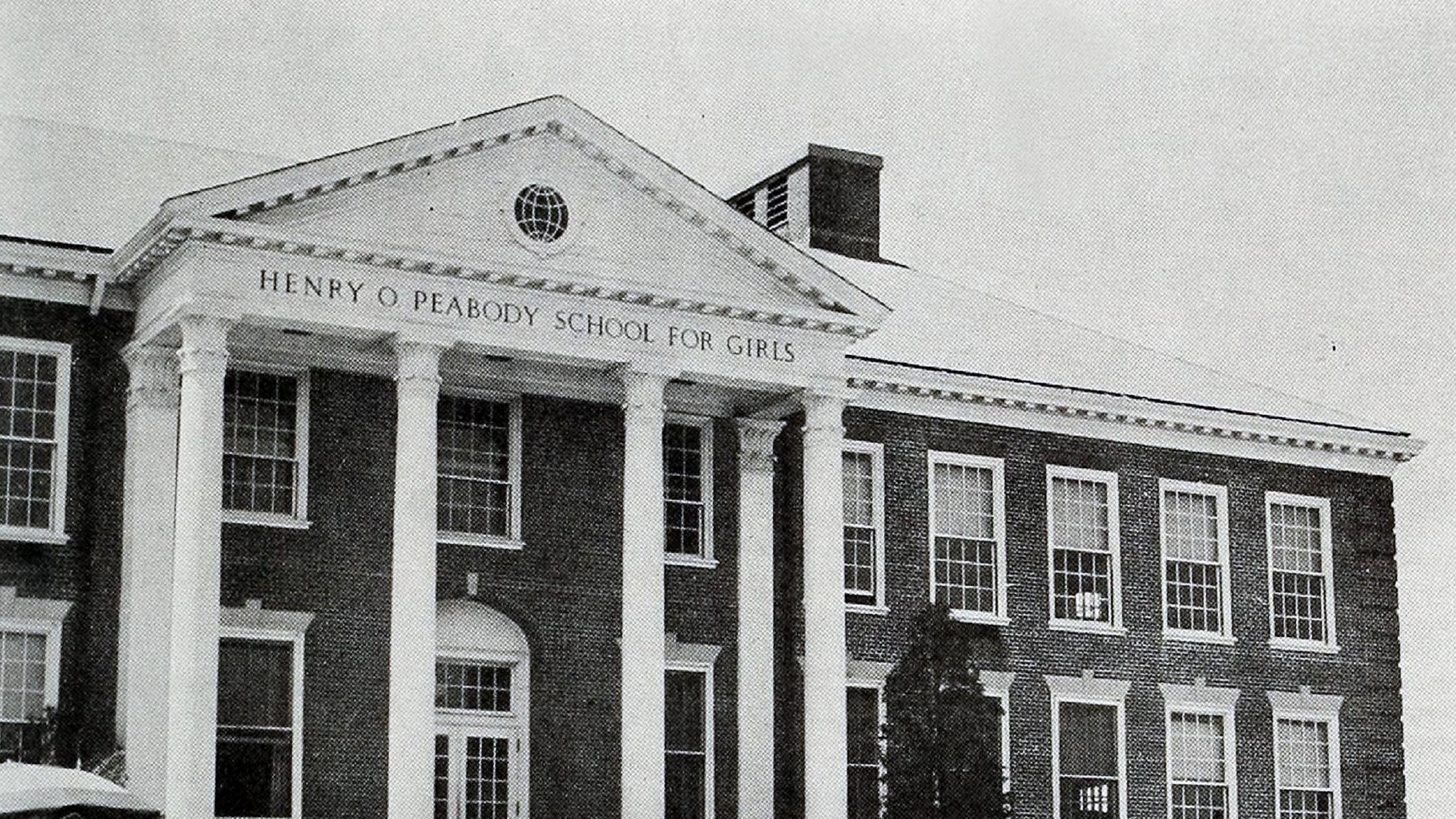
Twenty-eight practical nursing students graduate from Norwood’s Henry O. Peabody School, with special honors awarded to local standouts Gail Penza, Mary A. Paulin, and Grace Robinson.
-
Permanent Building Committee Suspends Planning For Norwood High Addition-September 5, 1969

The building committee pauses planning for a $6.1 million Norwood High School addition pending further review, while addressing low-bidding rules for school furnishings.
-
Almost 50% of Graduates Head To College-July 10, 1969
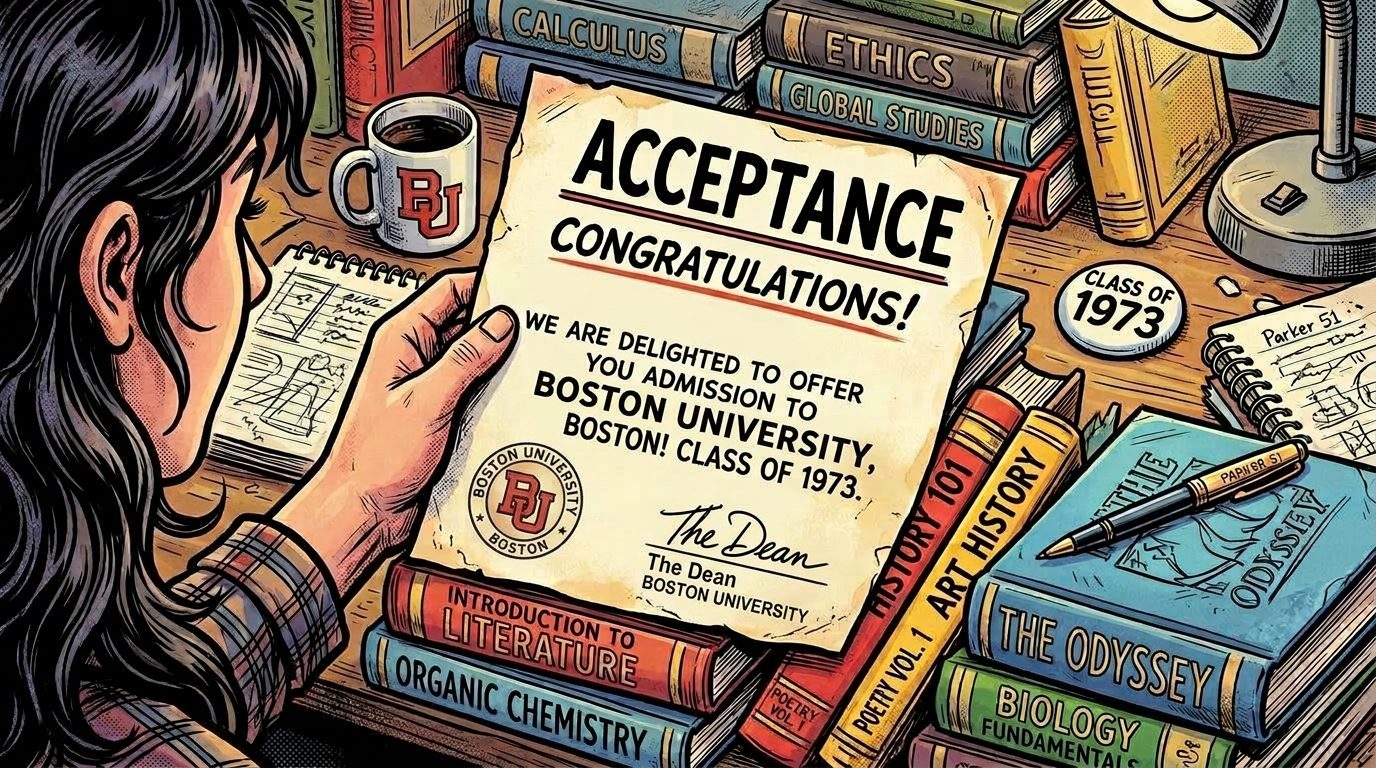
The Norwood High School guidance department released a significant report on July 10, 1969, detailing the educational future of the school’s 419 graduates. The data revealed that approximately 45 percent of the class planned to attend four-year colleges that fall, a figure the department noted was likely the highest percentage of four-year institution acceptances in…
-
Special School Program Enters Fourth Year-June 24, 1969

Utilizing a low 5-1 student-to-teacher ratio, a staff of 36 professionals works to reinforce reading skills and improve academic performance for public and parochial school children.
-
School District Prepares for New Academic Year with Orientation Institute and Registration Dates-August 14, 1968

Superintendent Dr. Philip O. Coakley announced student registration dates and school opening schedules as Norwood public schools welcome dozens of new educators for the 1968-1969 academic year.
-
Norwood Superintendent Clarifies Textbook Home-Study Policy Following Balch School Parent Dispute-October 23, 1967

Addressing concerned parents at a special public hearing, Norwood Superintendent Dr. Philip O. Coakley clarified that teachers hold the final judgment on whether students can take textbooks home.
-
Plenty on the Menu, But Students Still Love Pizza Best-October 10, 1967
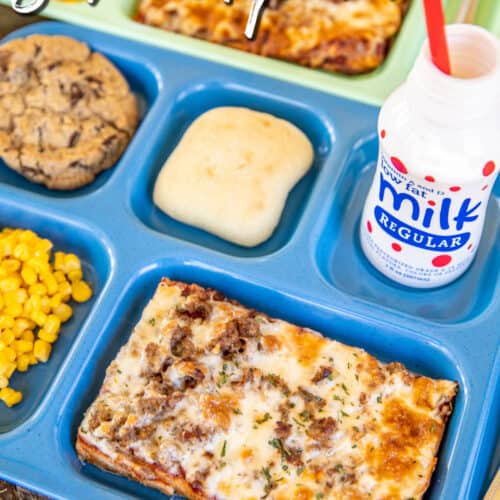
During National School Lunch Week, Norwood cafeteria supervisor Mrs. Madlynne Connolly notes that while balanced hot lunches provide vital nutrition for 25 cents, pizza reigns supreme as the student favorite.
-
Winslow School PTA President Criticizes “Cellar Classrooms”, Lack of Facilities-October 5, 1967
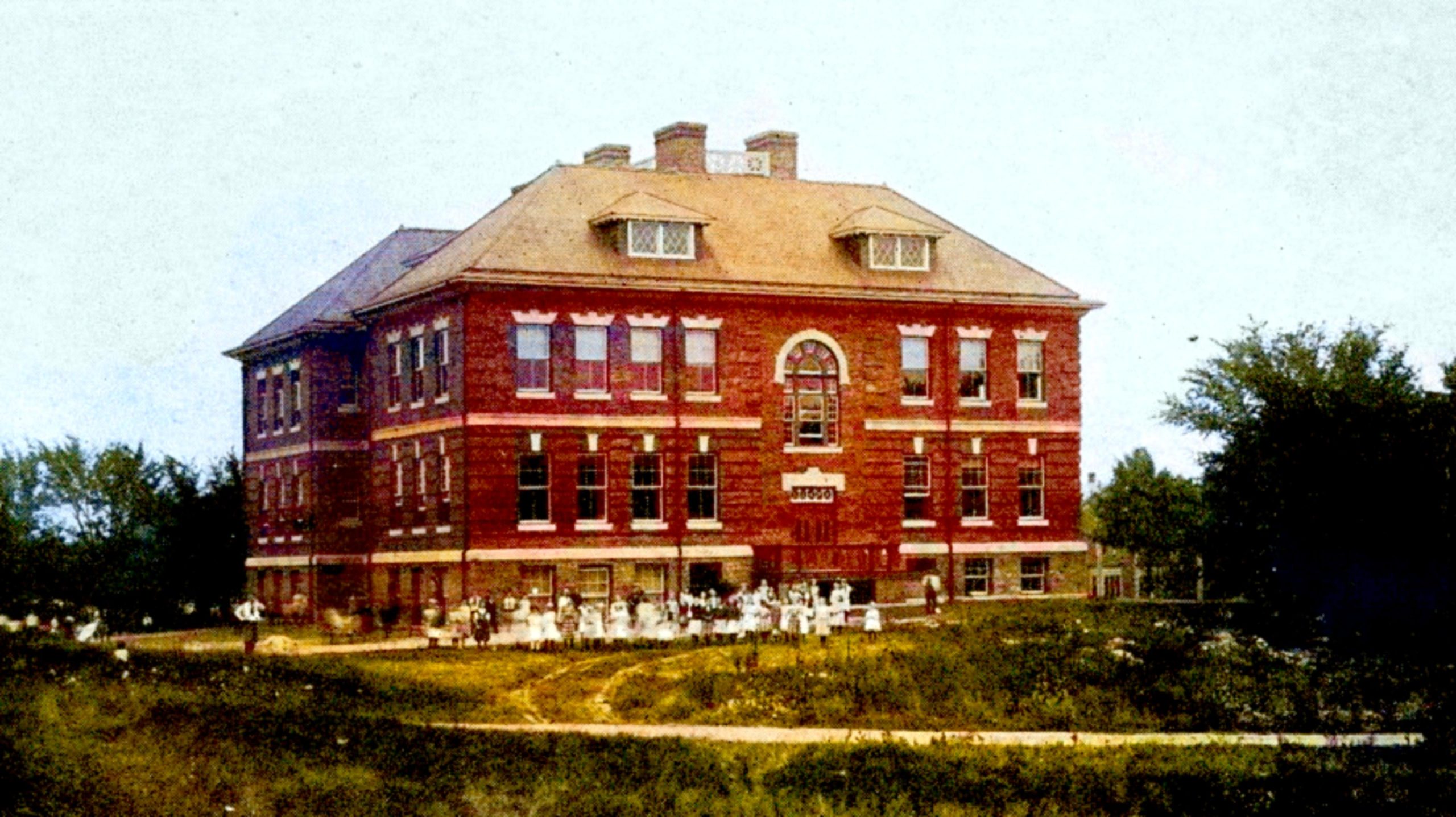
Winslow School PTA President Edmund G. Linehan criticizes cellar classrooms and missing gym facilities at a School Committee meeting addressing budget shortfalls and teacher talks.
Discover more from Norwood Historical Society
Subscribe to get the latest posts sent to your email.