
Plan to Remove Dirt and Graffiti Follows Successful Nahatan Street Merchant Clean-Up Campaign
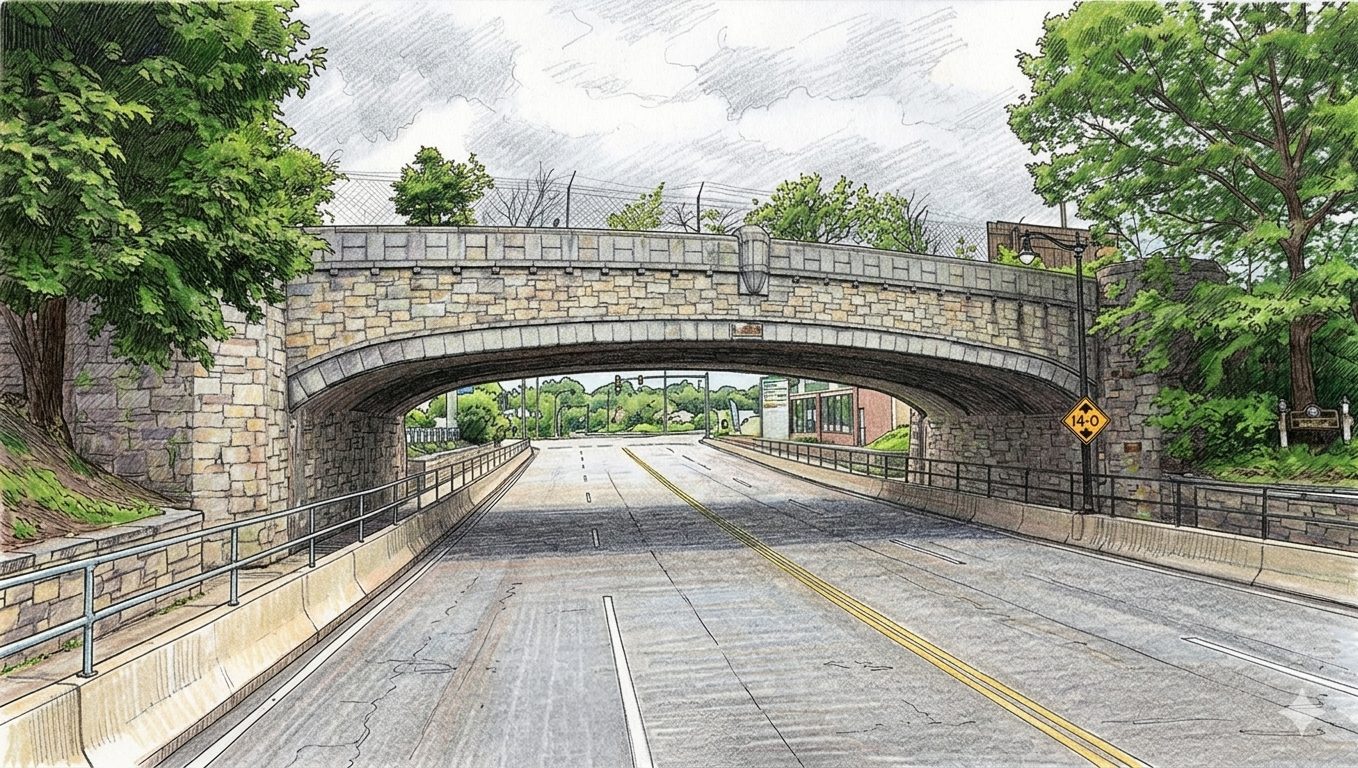
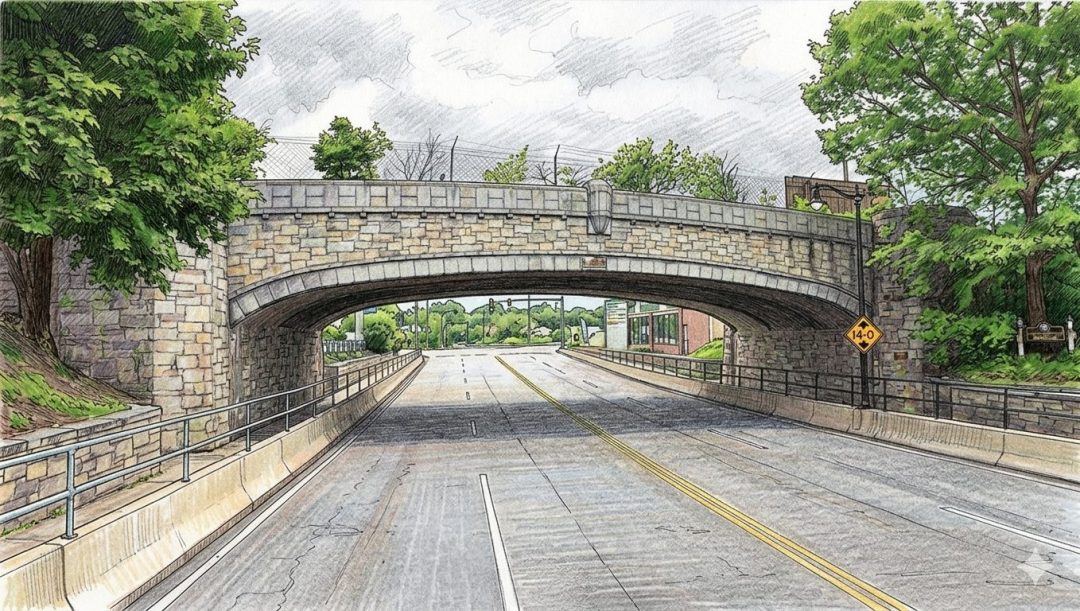
If it worked once, it might work again. The South Norwood Study Committee is currently toying with the idea of launching a grass-roots fund-raising drive to successfully clean accumulated dirt, soot, and graffiti off two landmark neighborhood railroad bridges.
The community revitalization concept is backed by a successful local precedent. Last year, a coalition of 28 mostly uptown businesses and local organizations stepped forward to donate approximately $12,000 worth of volunteer time, money, and materials to scrub down the railroad bridge crossing over Nahatan Street near the intersection of Broadway. Study committee chairman Walter J. Gotovich reported last night that his board is actively looking into the possibility of organizing a similar cooperative cleaning effort for the stone railroad bridges passing over Dean Street and situated at the busy corner of Washington Street and Chapel Street in South Norwood. Local officials calculate that a thorough cleanup job will significantly help to make the commercial district of South Norwood more attractive to neighborhood residents and regional shoppers alike.
Walter J. Gotovich noted that the committee has no definitive idea yet what the specialized masonry work would cost. “If the cost is up in the heavens, there’s no sense in even considering it,” Walter J. Gotovich reasoned. “We’ll be investigating to see if it’s feasible. We’re just talking about it”. If structural engineers find the costs are within reasonable reach, the committee plans to directly approach local businesses to anchor the funds. “We’re not sure of the response we’d get,” Walter J. Gotovich admitted, noting that committee members have not yet formalised discussions with neighborhood merchants. “It worked out well with the Nahatan Street bridge, so we think it might also work out well on these projects”.
Municipal funding assistance for the bridge wash is completely out of the question. “We don’t have any money, and with Proposition 2½ fiscal restraints, we’re not likely to get any,” Walter J. Gotovich emphasized. “It would have to be privately financed”. In addition to raising the private capital, the committee must also obtain formal administrative permission from the MBTA, which owns the railroad bridges, before any cleaning crews can legally begin work on the spans.
Archival Note: This article has been dynamically reconstructed from the original public record print archives of the Patriot Ledger
More…
-
South Norwood Committee Seeks Private Funding to Clean Landmark Railroad Bridges-June 26, 1981
Faced with tight Proposition 2½ limits, South Norwood look to private donors to clean soot and graffiti off historic stone railroad spans.
-
Norwood Tests New Traffic Pattern at Subway Hill Intersection in South Norwood-October 29, 1980
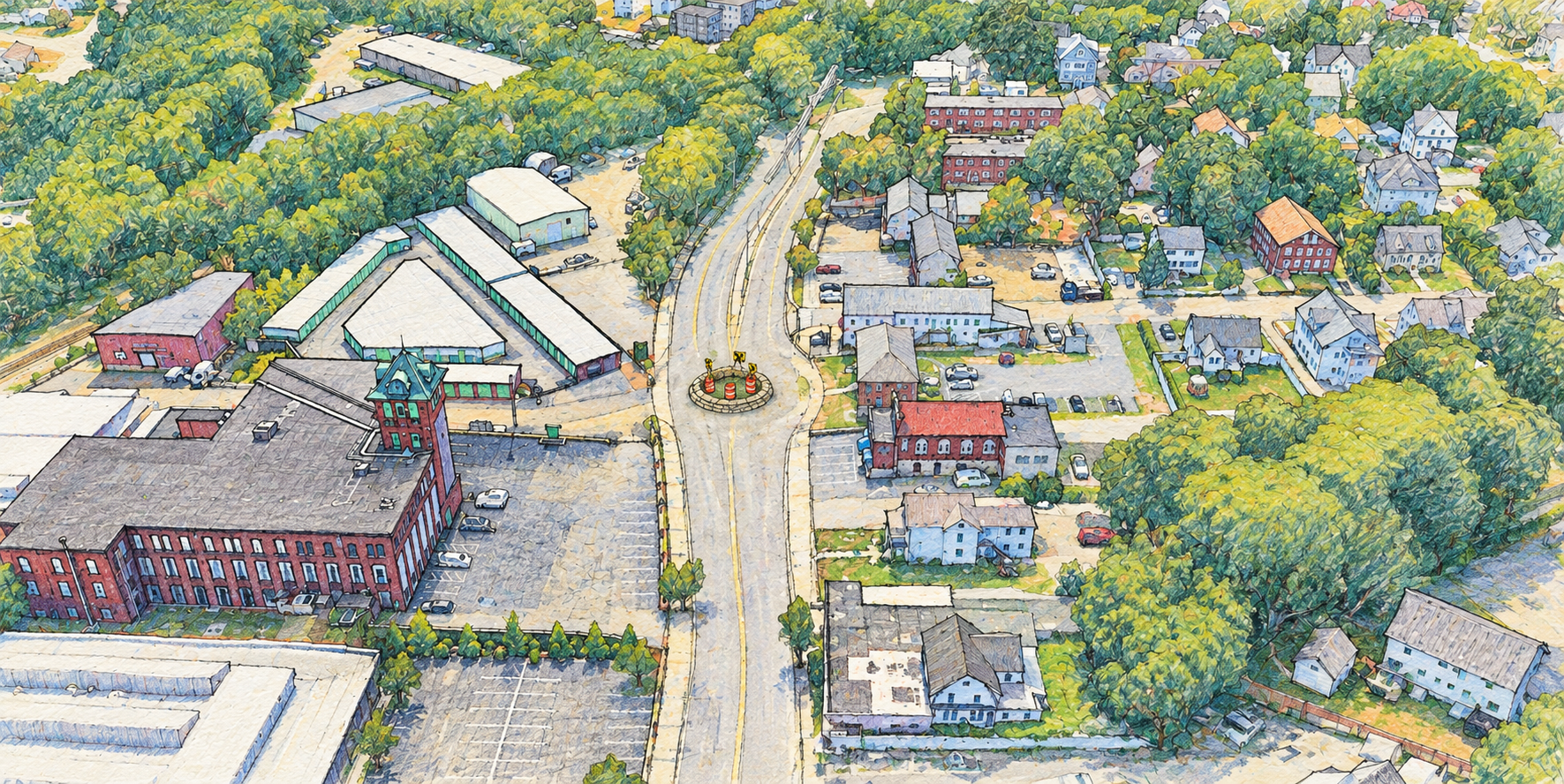
Following recommendations from the South Norwood study committee, selectmen approved a temporary traffic island experiment at Subway Hill to improve safety at Washington and Chapel streets.
-
Guild School Recreation Center Project & Eliot Field Renovation-August 26, 1980
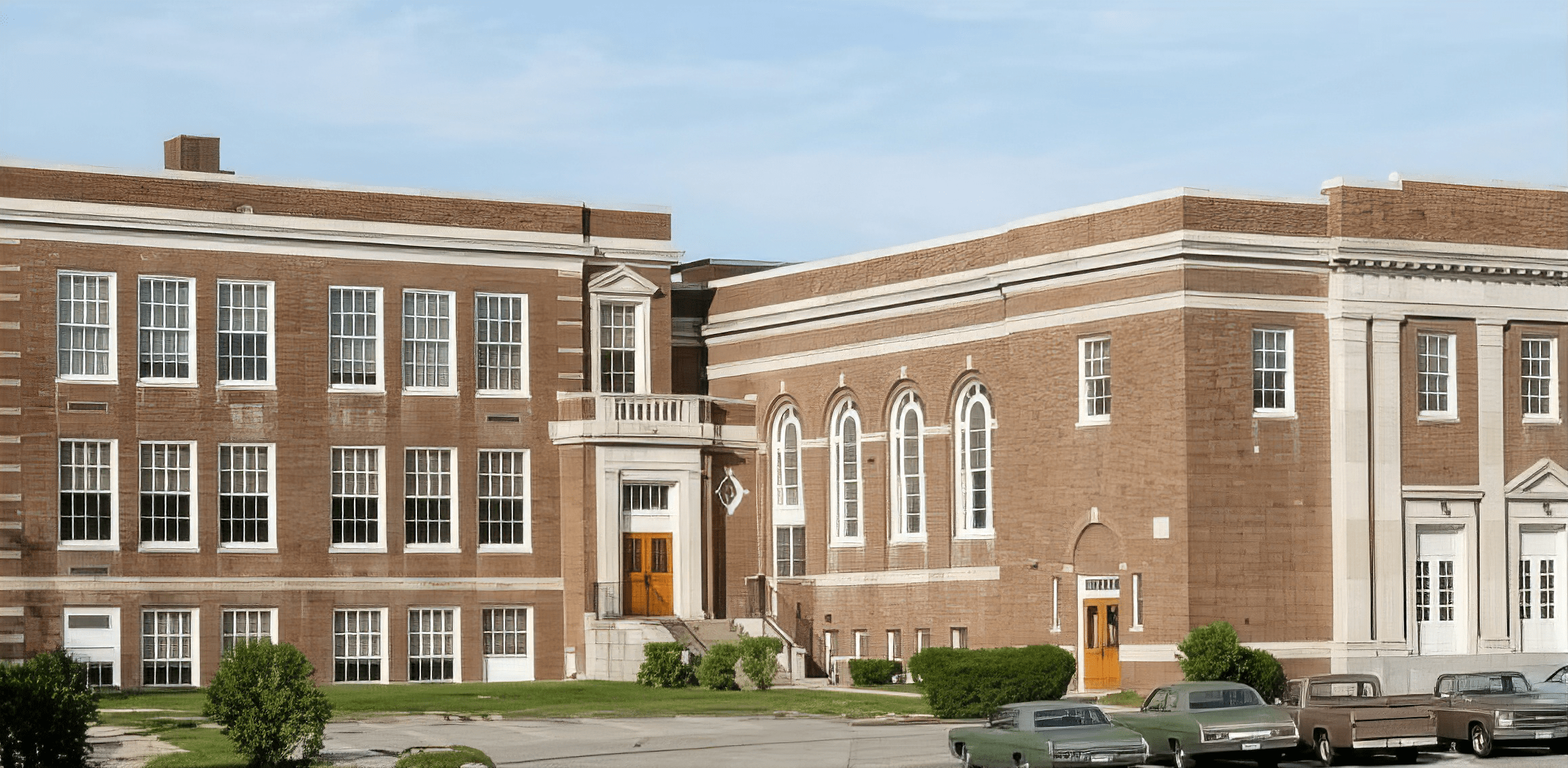
The Norwood Permanent Building Committee selected six architectural firms to interview for the Guild School renovation project, while Norwood Engineering secured the Eliot Field design contract.
-
Armory Still Eyed for Municipal Use-July 9, 1980
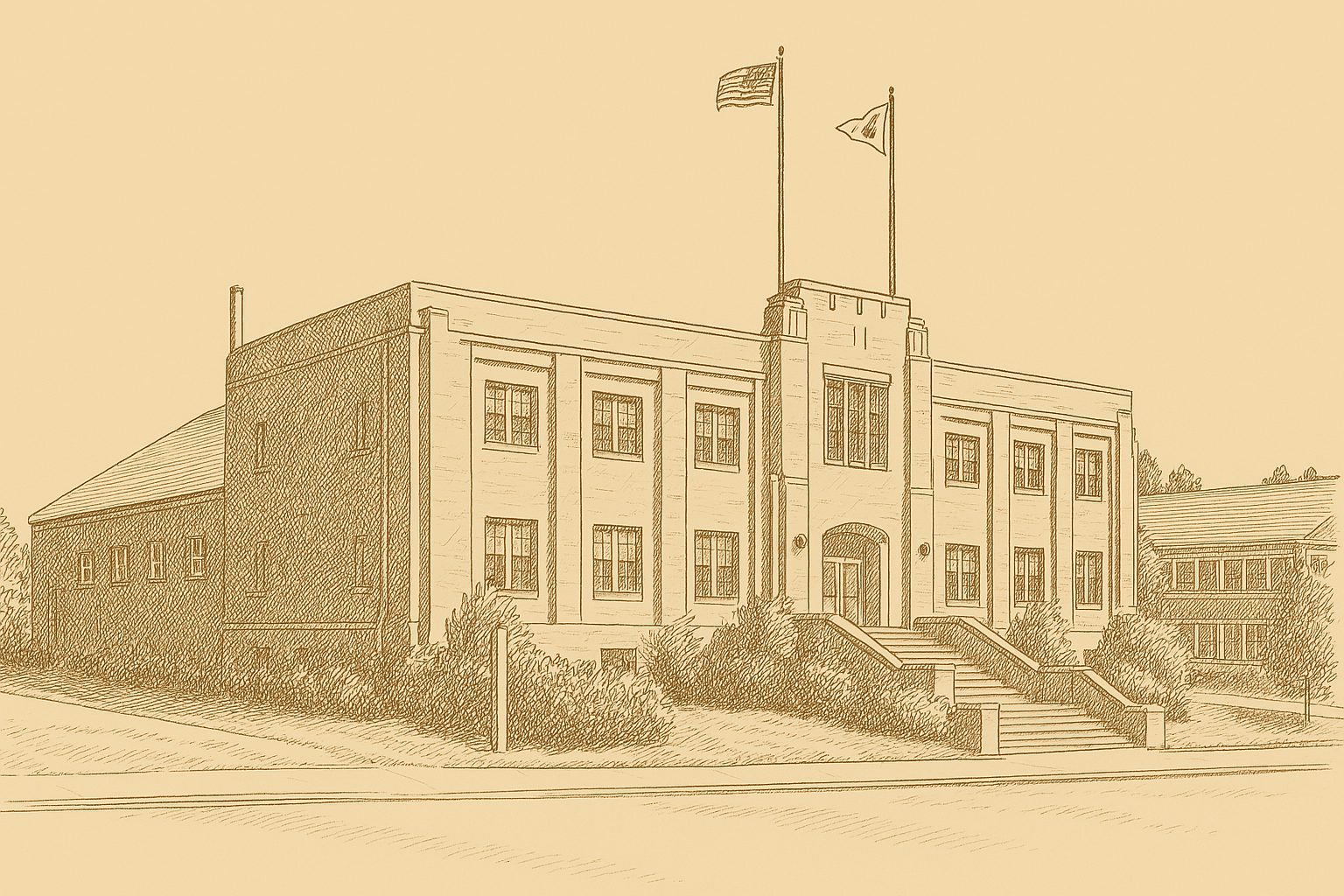
Discover the 1980 efforts by town leadership to acquire the Norwood Armory from the state, following legislative changes and the recent Civic Center location shift.
-
Guild School Picked for Civic Center-July 8, 1980
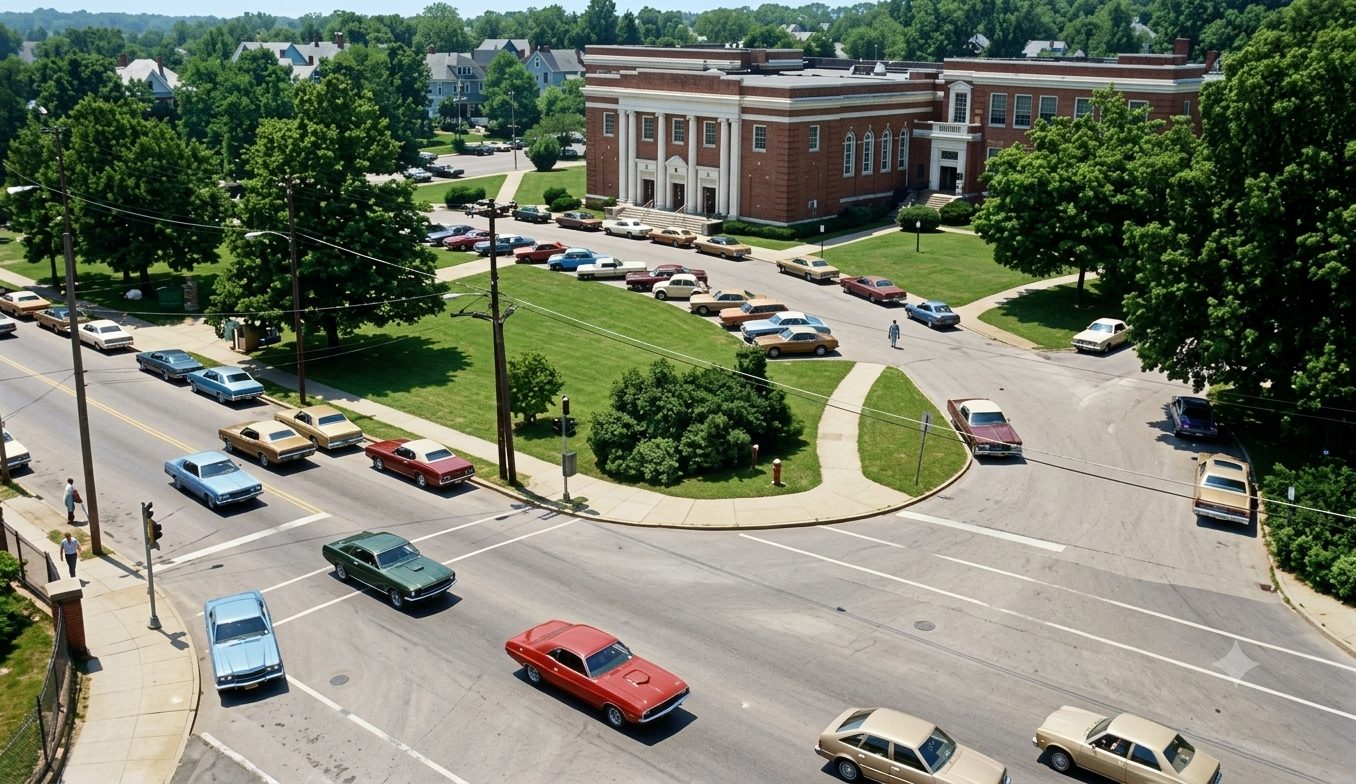
Discover the 1980 decision that transformed the Aaron Guild School into a multi-purpose recreation hub, replacing the former Civic Center sold to Norwood Hospital.
-
Only Two Norwood Intersections Qualify for Right Turns on Red Under New State Law-October 3, 1979
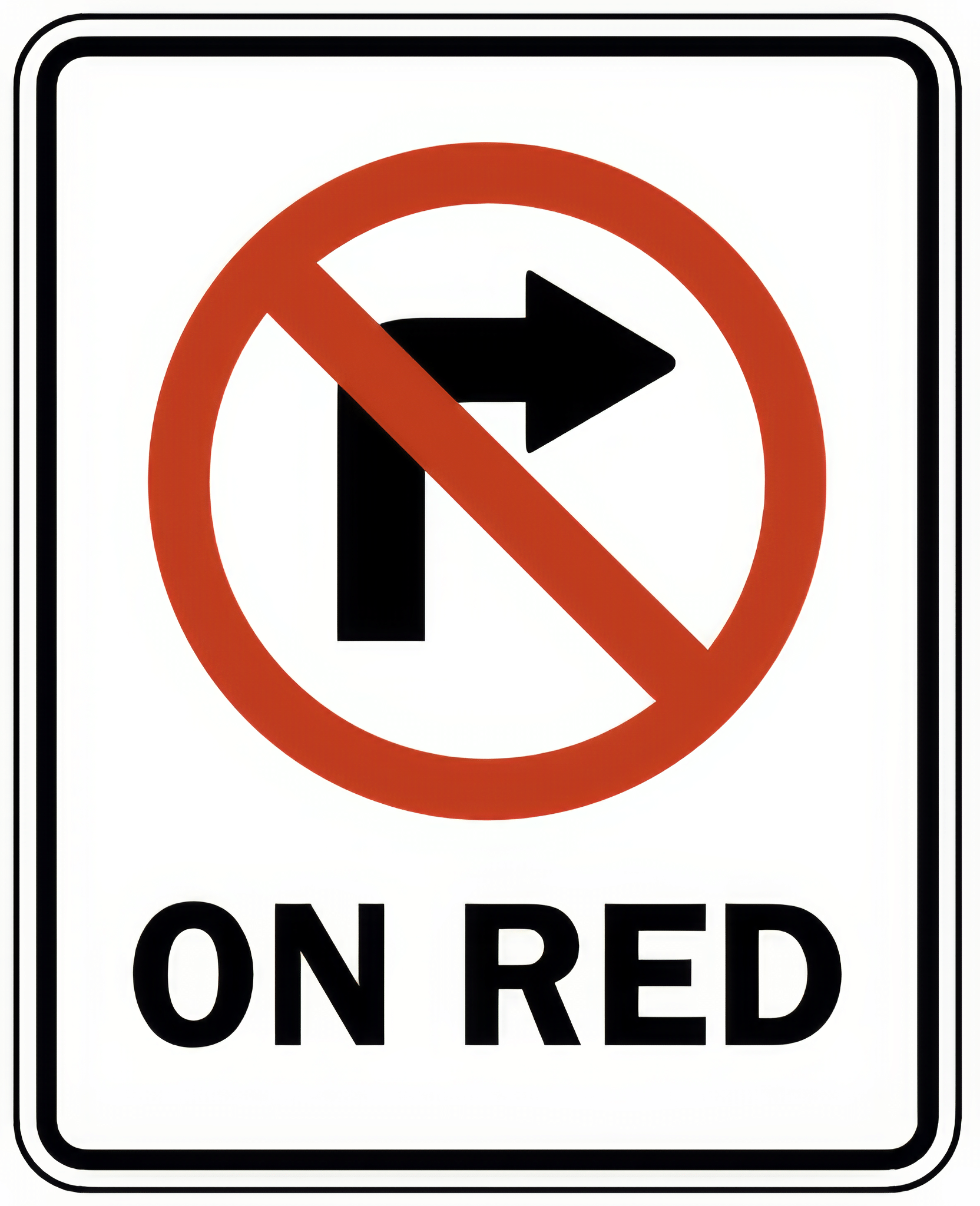
Following a town survey, Town Manager John J. Carroll announces that right-on-red turns will be permitted at only two Norwood intersections when the state law takes effect.
-
Norwood Selectmen Consider One-Way Traffic, Business District Upgrades-August 8, 1979

Building on the Washington Street revitalization project, Town Manager John J. Carroll proposed working with local merchants to secure a second Urban Systems grant for Nahatan Street improvements.
-
Road Resurfacing Project in Norwood-This Day In Norwood History-July 21, 1978

Faced with decades of neglected road maintenance, Norwood officials debated an ambitious $1.9 million resurfacing plan in 1978. While proponents saw it as a path to smooth roads, others questioned the feasibility of the massive effort.
-
Uncertainty Looms Over Norwood Junior High South Opening Date-July 12, 1974
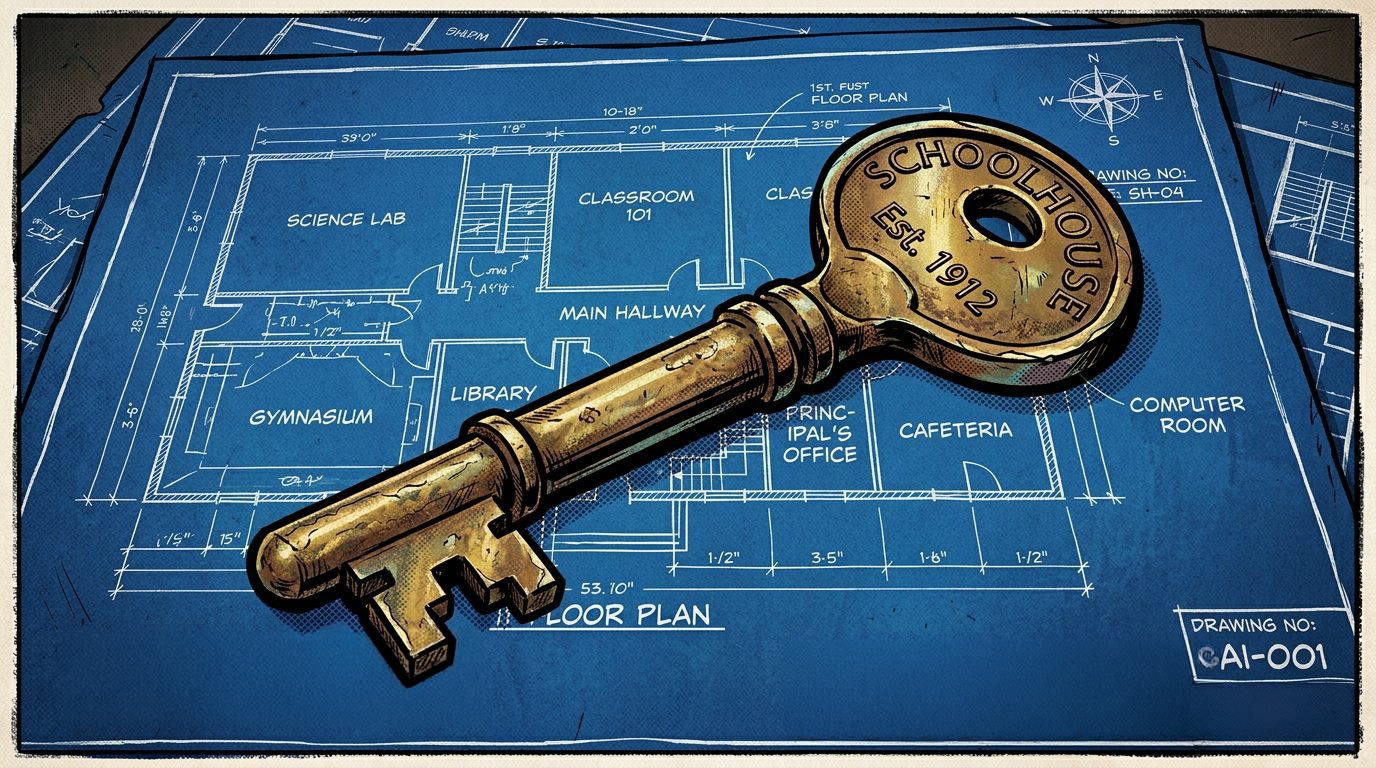
After three years of double sessions following a 1971 fire, Norwood officials faced the possibility of further delays for the new Junior High South.
-
Unfinished Junior High To Open On Schedule-July 8, 1974

Discover the construction history of the $4.5 million Junior High South project in 1974, detailing the challenges faced during the transition from the old Washington Street school.
Discover more from Norwood Historical Society
Subscribe to get the latest posts sent to your email.