
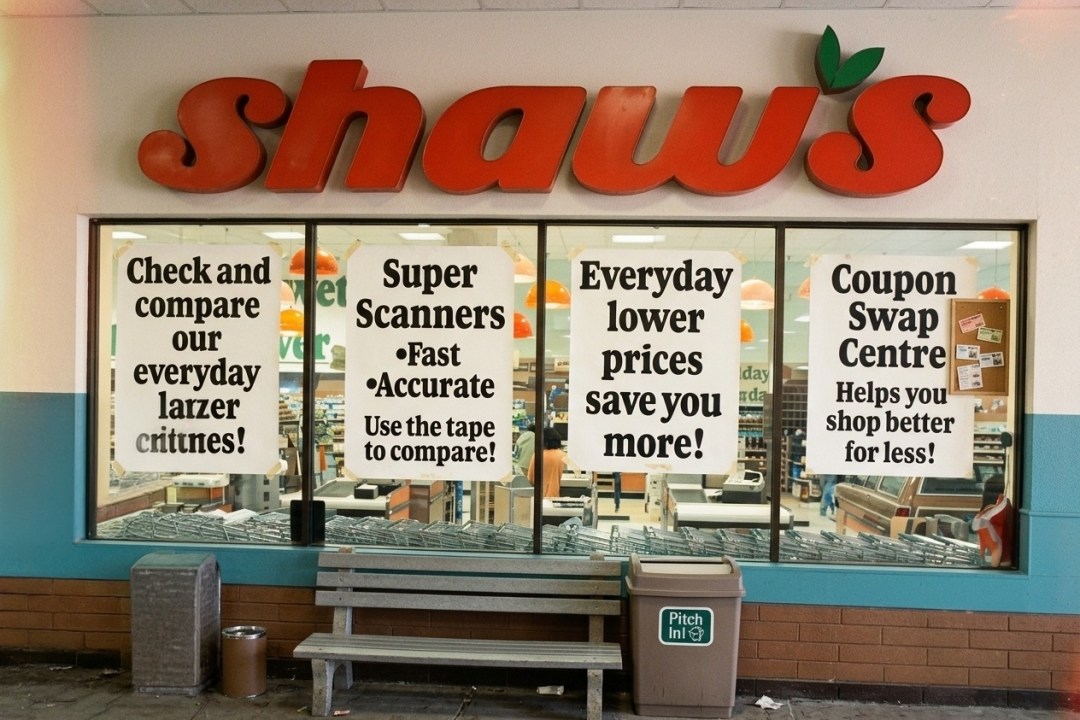
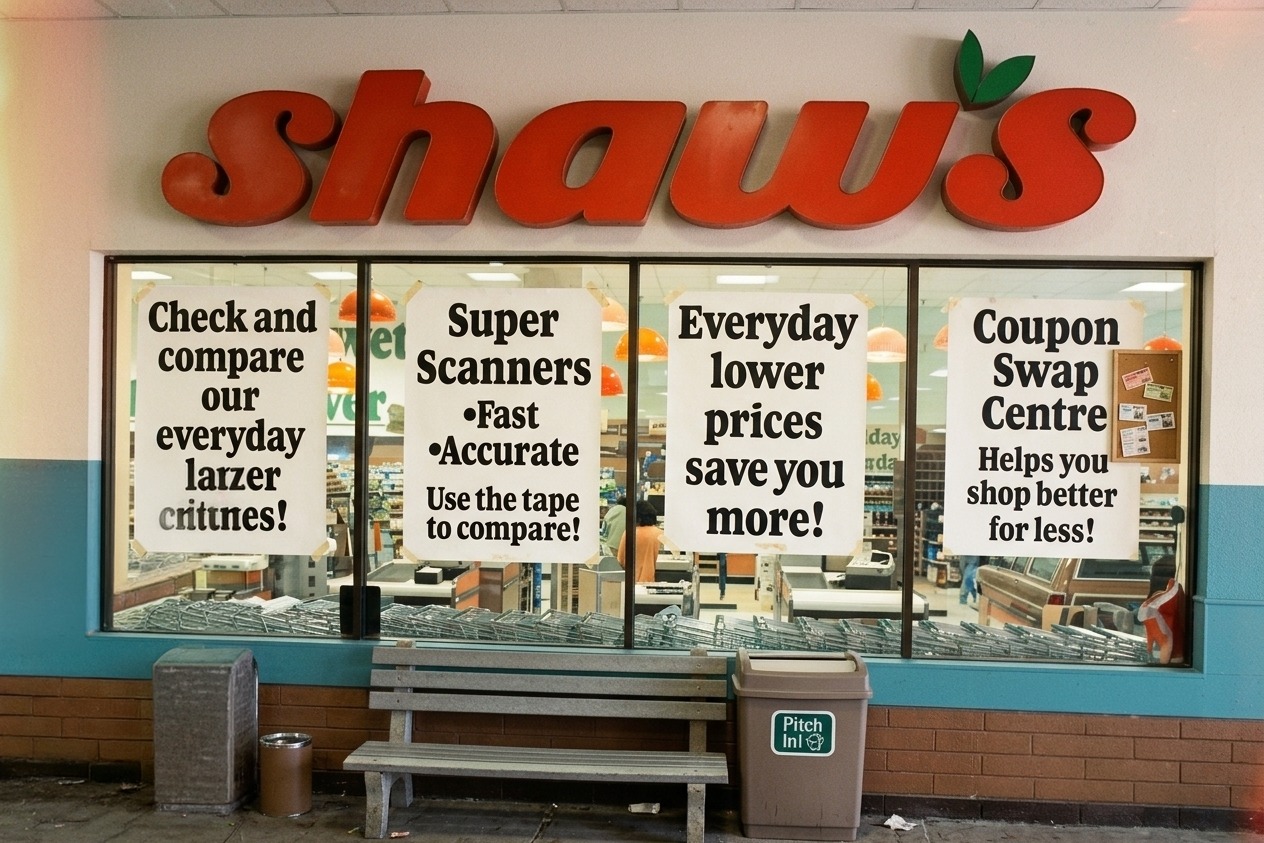
The quaint town of Norwood, nestled in the heart of Massachusetts, was abuzz with controversy on a sweltering summer evening in July 1983. The local selectmen had gathered at their meeting hall to deliberate on a pressing matter that would have far-reaching implications for the community’s residents and businesses alike. At the center of this maelstrom was Shaw’s supermarket, a stalwart institution on Walpole Street that had been serving the good people of Norwood for over a year and a half.
The issue at hand was Shaw’s request to remain open 24 hours a day, seven days a week. This proposal had sent shockwaves through the community, with some residents expressing concerns about the potential consequences of such an arrangement. The town bylaw, which prohibited stores from staying open after midnight without a permit from selectmen, had been cited as the reason for Shaw’s decision to seek permission.
According to Richard L. Woodman, vice president and general manager of Shaw’s southern division, the store’s late hours had been requested by customers who wished to shop at their convenience. However, this argument was met with skepticism by some members of the community. Pamela Edge, owner of Pam’s Markets on Rock Street, warned that if Shaw’s were granted a 24-hour permit, she would demand one as well. This threat was not unfounded, given the history between Edge and the town.
In 1980, Edge‘s store had been forced to close at midnight after neighbors complained about noise and vandalism associated with late-night customers. The problems had been so severe that the town had intervened, citing concerns for public safety and property values. It was this precedent that John O’Toole, a resident of 96 Rock Street, invoked when expressing his opposition to Shaw’s request.
“We used to be up all hours of the night calling the police,” O’Toole said, his words dripping with frustration and concern for the well-being of his community. “We’ll have the same problems again.” His sentiments were echoed by Richard W. Alden, another resident of Rock Street, who declared, “We don’t want a 24-hour store in the town.”
Despite these objections, Shaw’s officials maintained that their late hours had caused no problems for neighbors. In fact, they claimed to have been good citizens and neighbors of Norwood, with Woodman stating that customers had requested the later hours.
The selectmen ultimately voted 5-0 to deny Shaw’s request, citing the residents’ opposition as a major factor in their decision. While Curran, one of the selectmen, acknowledged that Shaw’s argument had merit, he felt compelled to turn down the request due to the concerns raised by the community.
As the meeting drew to a close, it was clear that the debate over 24-hour shopping hours would continue to simmer in the background. The town’s residents and businesses would need to navigate this complex issue, weighing the benefits of convenience against the potential drawbacks for public safety and property values.
Archival Note: This article has been dynamically reconstructed from the original public record print archives of the Patriot Ledger
More Norwood Business History
-
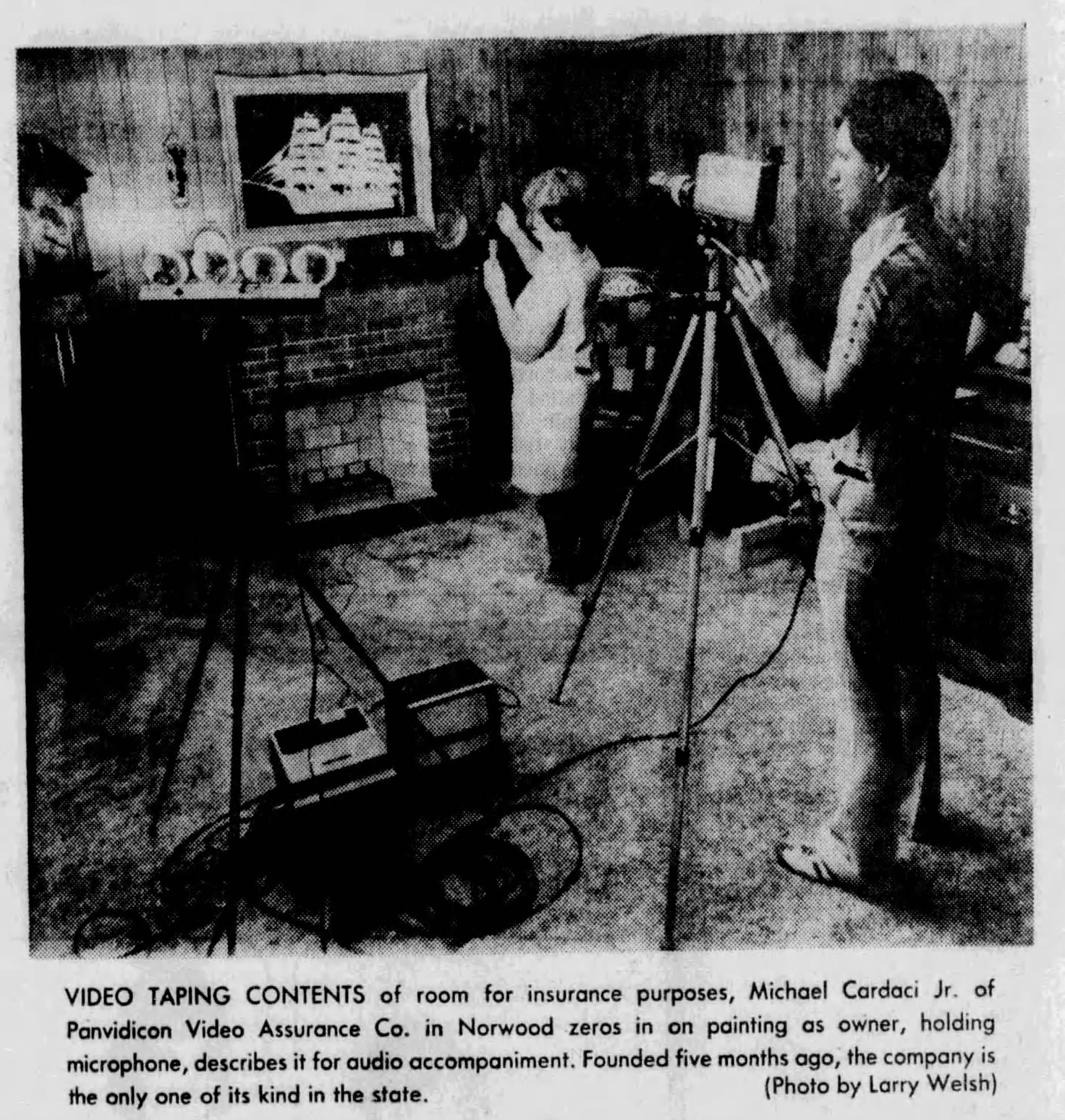
Norwood Entrepreneurs Launch Innovative Video Home Inventory Service to Ease Insurance Claims-August 20, 1975
Utilizing cutting-edge audio-video technology, Norwood’s Michael Cardaci Jr. and Christopher McKinnon founded Panvidicon Video Assurance Co. to catalog home possessions for insurance claims.
-
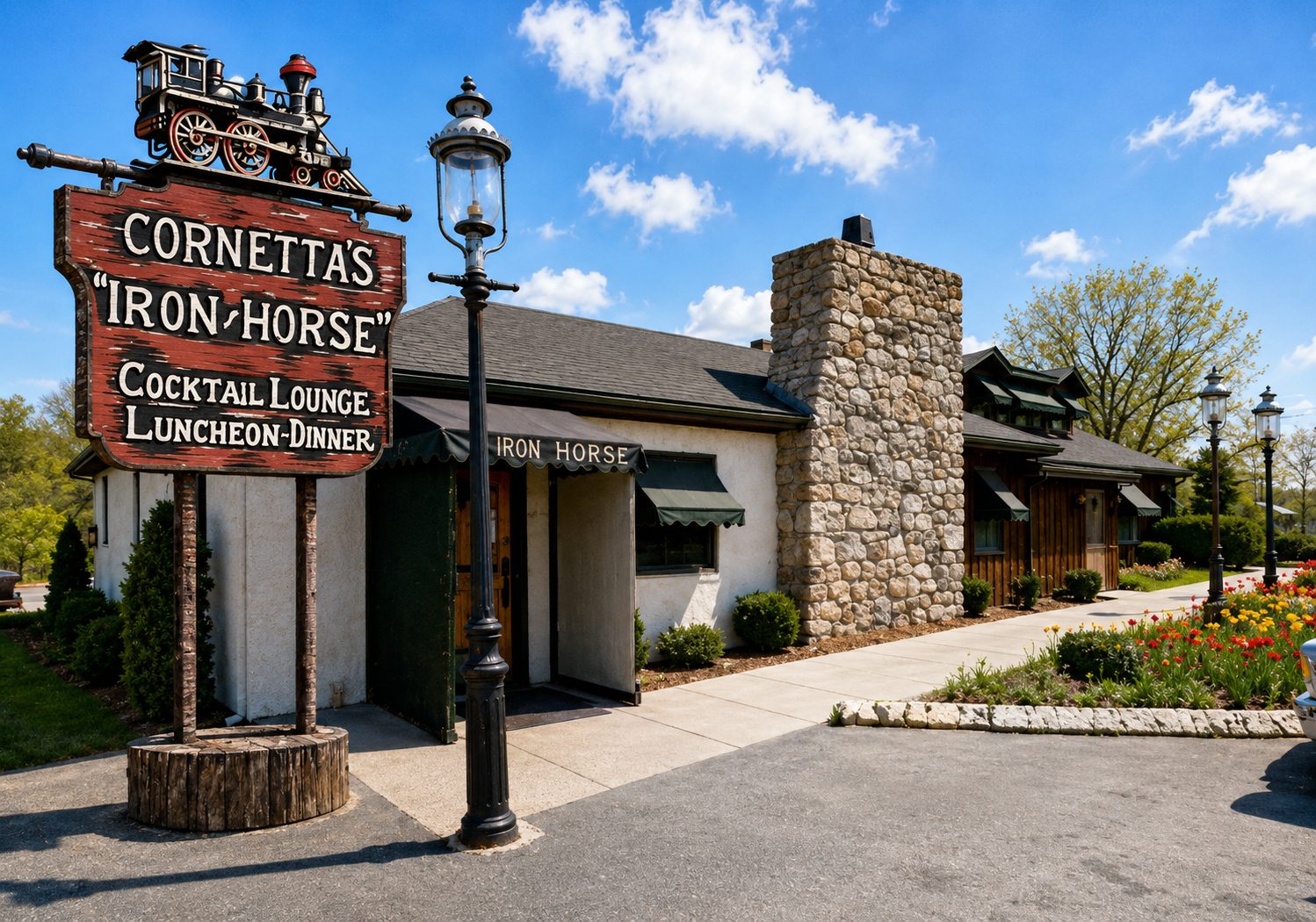
Norwood Selectmen Fight State Over Iron Horse Outdoor Liquor License-August 21, 1974
Norwood selectmen resist a state ABCC mandate to grant an outdoor liquor license to the Iron Horse’s Mida Piazza Garden.
-
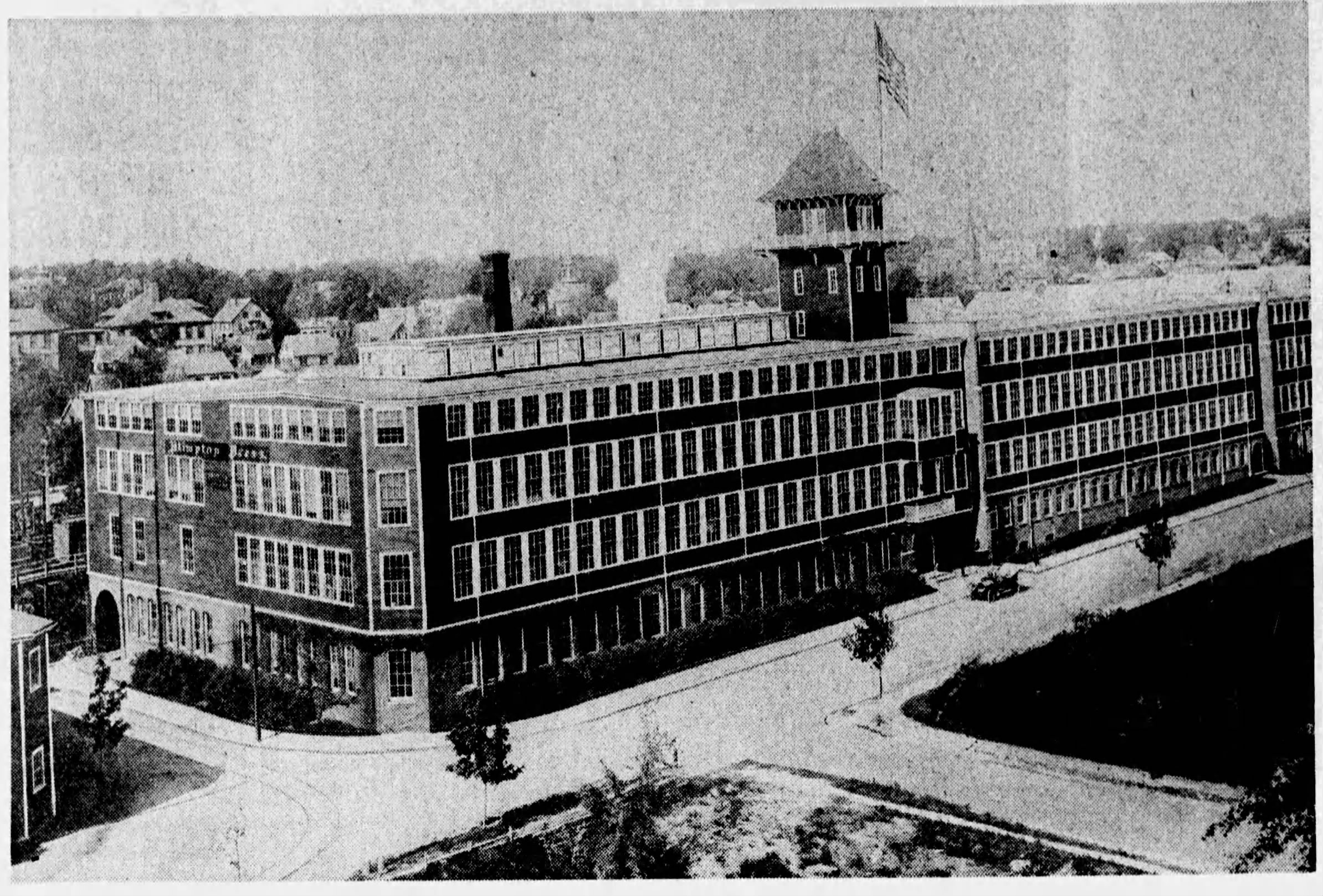
The Final Chapter: The Rise and Fall of the Plimpton Press in Norwood-October 8, 1973
From its foundational beginnings in 1897 until the present day, the Plimpton Press maintained a long, storied, and vital history of book manufacturing and community building in Norwood. But when the press officially closed its doors last Friday, it marked the end of an era, leaving behind a legacy preserved now only in town archives.…
-
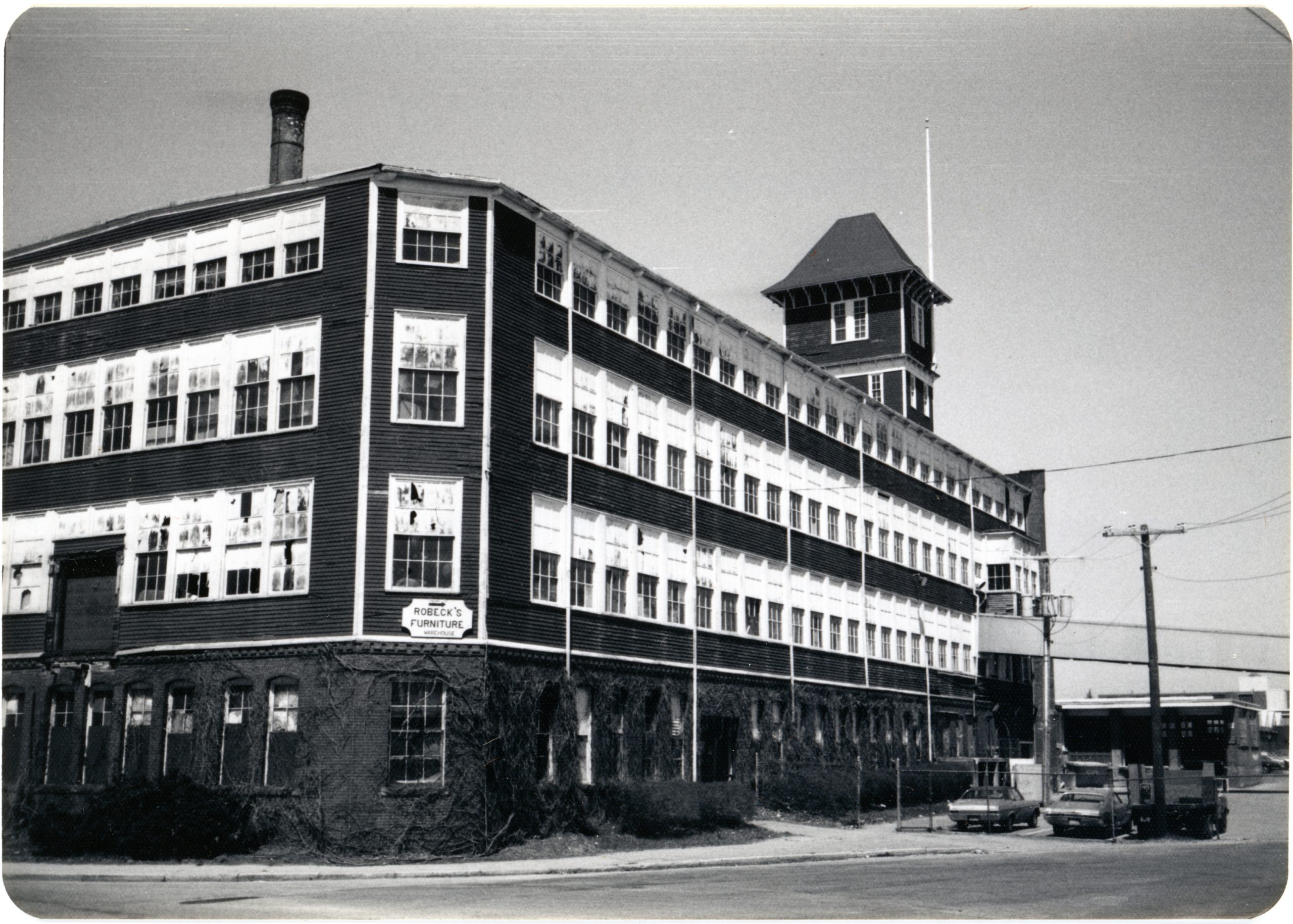
Town May Take Historic Plimpton Press After Tax Foreclosure-September 25, 1973
Citing severe financial troubles, the 76-year-old Plimpton Press announces its permanent closure for October 5, leaving Norwood to pursue foreclosure over $238,000 in unpaid taxes.
-
Norwood Selectmen Mandate Uniform Meter Rates for Local Taxi Companies-August 8, 1973
Ending a two-month debate, Norwood selectmen voted to establish uniform meter rates for Bob’s Taxi Co. and Norwood Taxi Co., setting fares at 60 cents for the first sixth-mile and 10 cents thereafter.

-
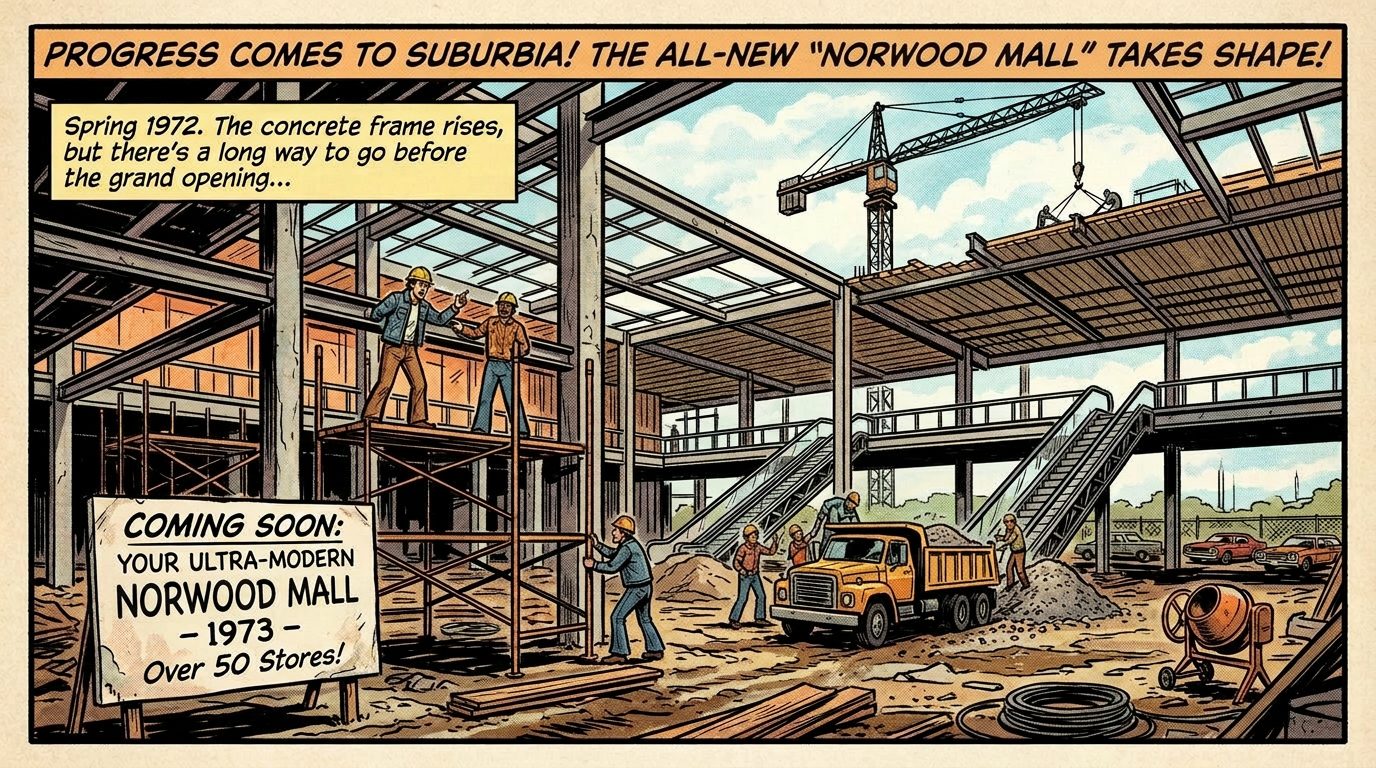
Seeds Of Vast Industrial Development Planted-July 10, 1973
On July 10, 1973, the industrial committee in Norwood underwent a significant reorganization, appointing local developer Robert L. Rizzo as chairman and establishing a five-member steering committee to promote business and industry within the town. ⠀ The committee’s primary focus was to advance a plan for “garden-type industrial development” on a large parcel of land…
-
Norwood Plastics Firm Starts Full Operations-This Day In Norwood History-July 21, 1969,
The dawn of a new era in Norwood’s industrial landscape unfolded on July 21, 1969, as the Gamma Platics Corporation embarked on its full-scale manufacturing operations. Nestled at 370 Lenox St., this pioneering plastics firm was poised to revolutionize the industry with its custom injection molding services. At the helm of this innovative venture stood…

-
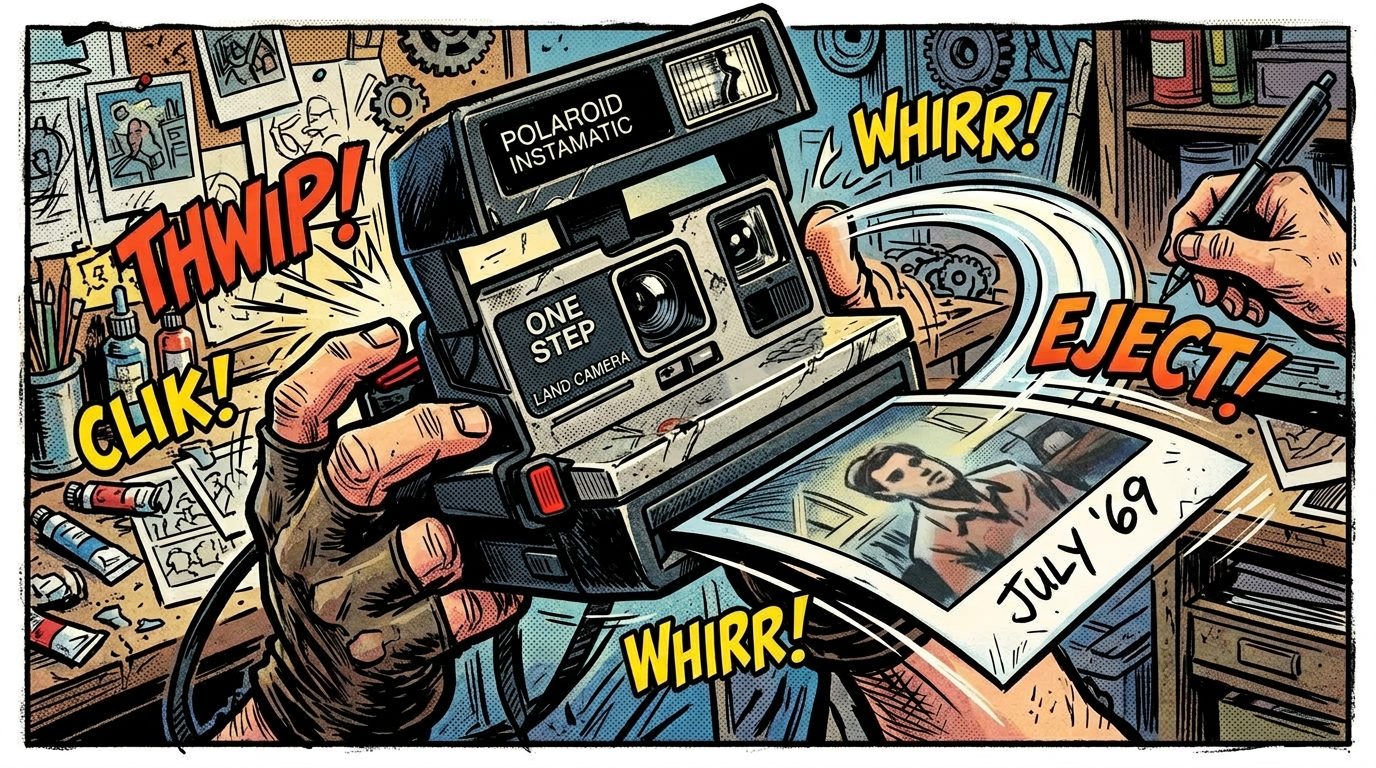
Polaroid Begins Production At Norwood Complex-July 9, 1969
In 1969, Polaroid began producing goods in their newly constructed facility on the former Forbes Estate in Norwood.
-
Goodyear Store Approved for Nahatan Street Alongside Town School and Church Updates-October 20, 1967
Board of Appeal Approves Goodyear Tire and Service Store-October 20, 1967 The Norwood Board of Appeal voted unanimously to approve a special permit requested by 153 Realty Trust to construct a $135,000 Goodyear Tire and Rubber sales and service store at 153 Nahatan St., subject to final review and approval by the Board of Selectmen.…

-
Polaroid Corporation Conducts Site Studies on 220-Acre Forbes Estate in Norwood and Westwood-August 8, 1967
Partnering with landscape architects Sasaki, Dawson and Demay, the Polaroid Corp. is actively surveying its 220-acre Forbes Estate in Norwood and Westwood to draft revised facility and manufacturing plans.

Discover more from Norwood Historical Society
Subscribe to get the latest posts sent to your email.