
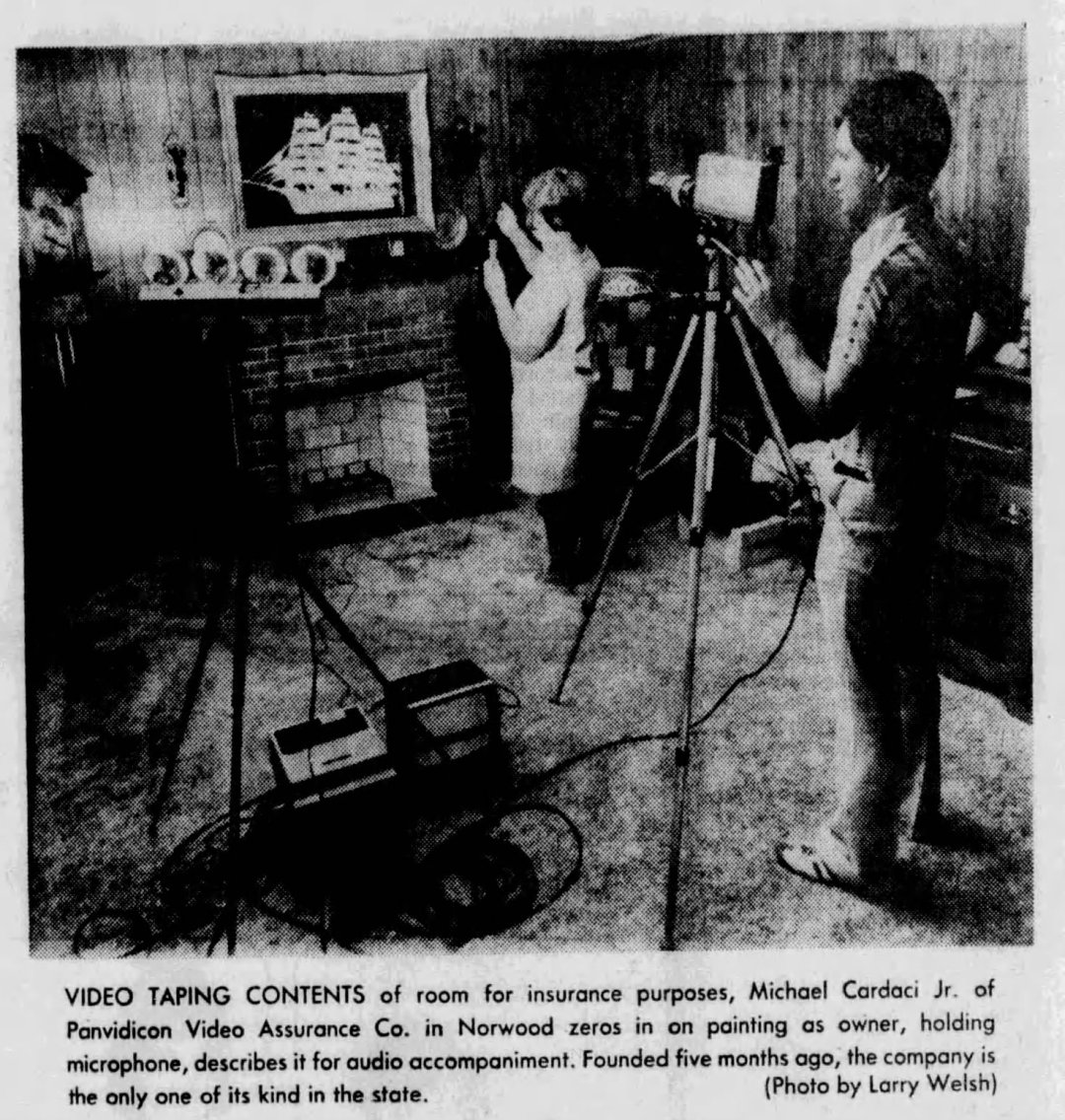
Imagine the panic of returning home to find a house destroyed by fire or ransacked by burglars, only to realize the sheer impossibility of remembering every lost possession for an insurance claim. To alleviate this age-old dilemma, two young entrepreneurs—24-year-old Norwood resident Michael Cardaci Jr. and 26-year-old Watertown resident Christopher McKinnon—established Panvidicon Video Assurance Co. at 10 Quincy Ave. in Norwood.
Operating for five months, the innovative startup utilizes 20th-century audio-video technology to catalog home contents for up to ten customers a week. Believed to be the only company of its kind in the state and potentially the country, Panvidicon records a comprehensive visual and audio inventory of a residence. During a two- to four-hour session, the team films exterior views and pans every room, while the homeowner speaks into a microphone describing each item, its distinguishing features, book titles, and serial numbers, with special markings captured in close-up.
Once filming is complete, the tape is reviewed on the homeowner’s television, validated, accompanied by a signed notarized document of agreement, and sealed. “As long as the seal remains unbroken, Panvidicon guarantees the content of the tapes as evidence of what was in the home,” Cardaci explained, recommending clients store the tape in a safe deposit box. Priced as a one-time operation, the service has drawn strong interest from middle- to high-income homeowners and passionate collectors cataloging books, magazines, art, guns, and heirloom jewelry.
Cardaci and McKinnon conceived the venture after witnessing a friend’s home burn down and watching him struggle for months to piece together an itemized loss list. Though Cardaci studied law at Reed College in Oregon and McKinnon earned a civil engineering degree from Northeastern University, both gravitated toward audio-visual work while previously employed at Cody Video Enterprises in Watertown. Beyond home inventories, the duo harbors ambitions to expand into independent television programming for education, business, and medical fields. “To us, video means independence,” Cardaci stated. “People are happy, in fact overwhelmed, by the comprehensive detail… and they are amazed to learn that television is something that can work for them.” (Reporting by Nona Dearth, The Patriot Ledger).
Archival Note: This article has been dynamically reconstructed from the original public record print archives of the Patriot Ledger
More Norwood Business History
-
Norwood Entrepreneur Quontay Turner-January 30, 2026
Quontay Turner, owner of The Emerald City Plant Shop on Washington Street, for her business success and community leadership.

-
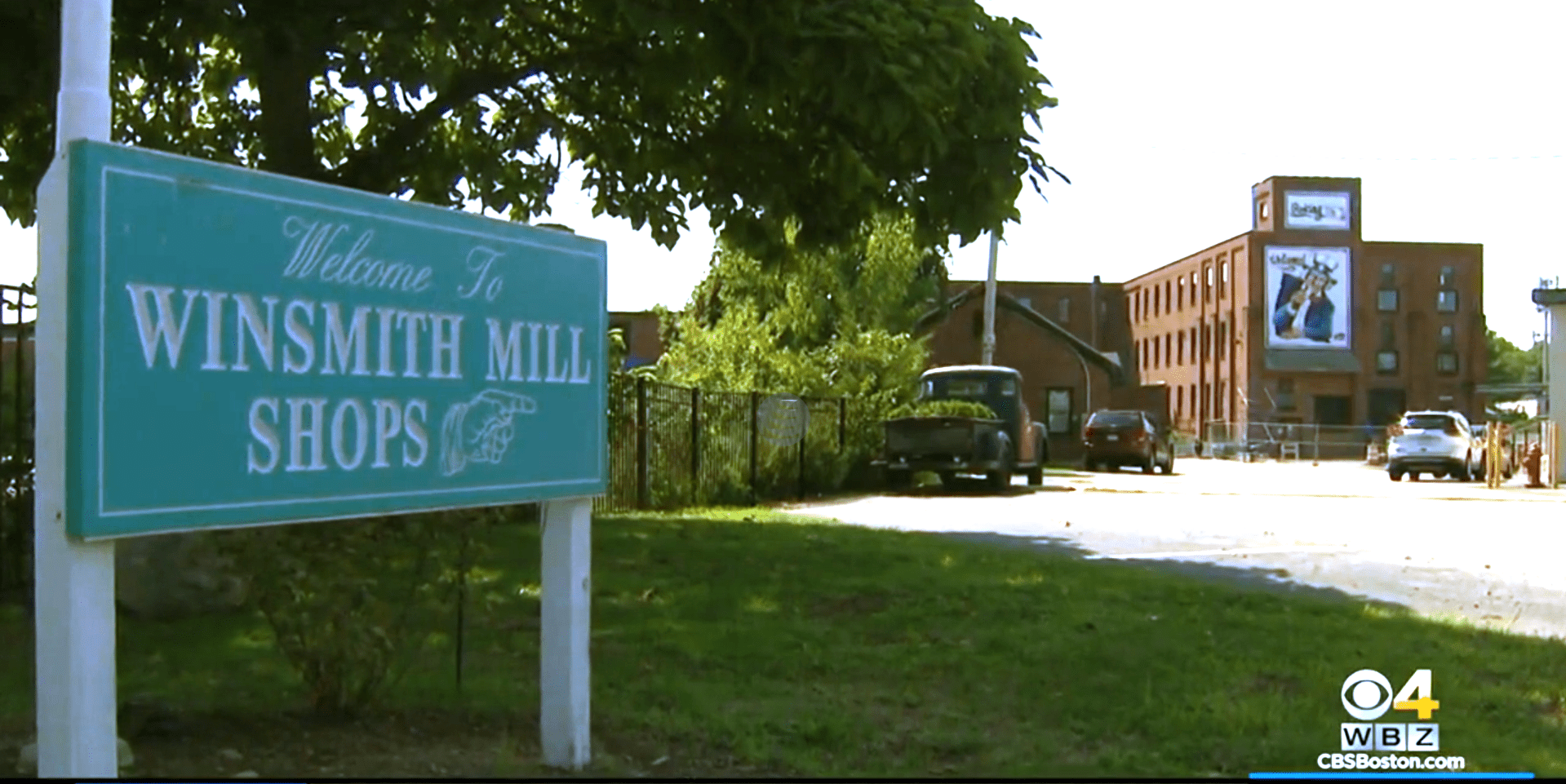
Winsmith Mill Transformed into Eclectic Shopping Center and Creative Hub (CBS-4)-September 22, 2022
The historic 200-year-old Winsmith Mill in Norwood is successfully transformed into a bustling shopping marketplace, artist lofts, and music venue.
-
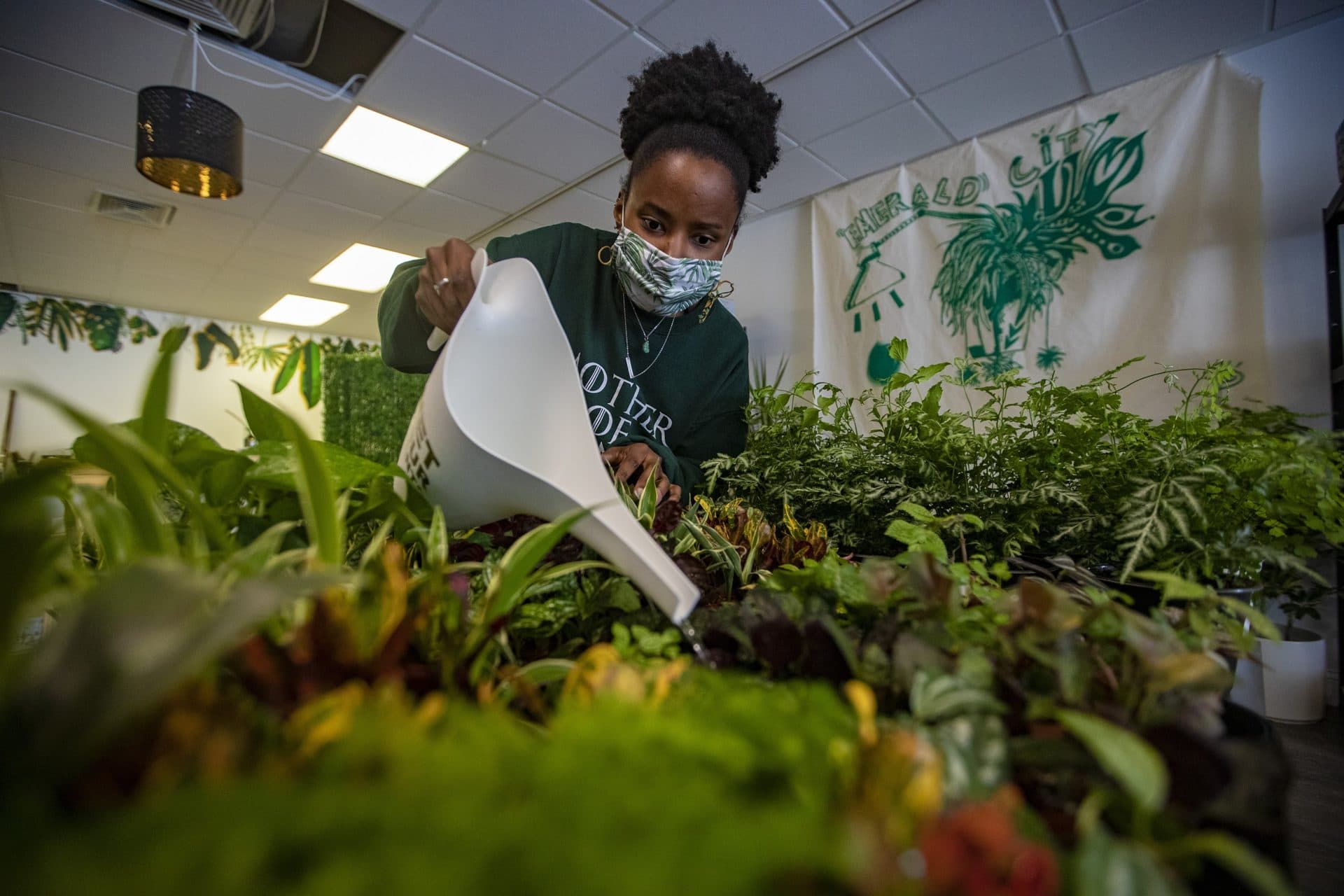
A Black-Owned Plant Shop Blooms In The Pandemic’s Wake-June 9, 2021
Quontay Turner opened Emerald City Plant Shop in Norwood, becoming New England’s first Black woman-owned plant store, turning a pandemic leap into a thriving botanical oasis and community space.
-
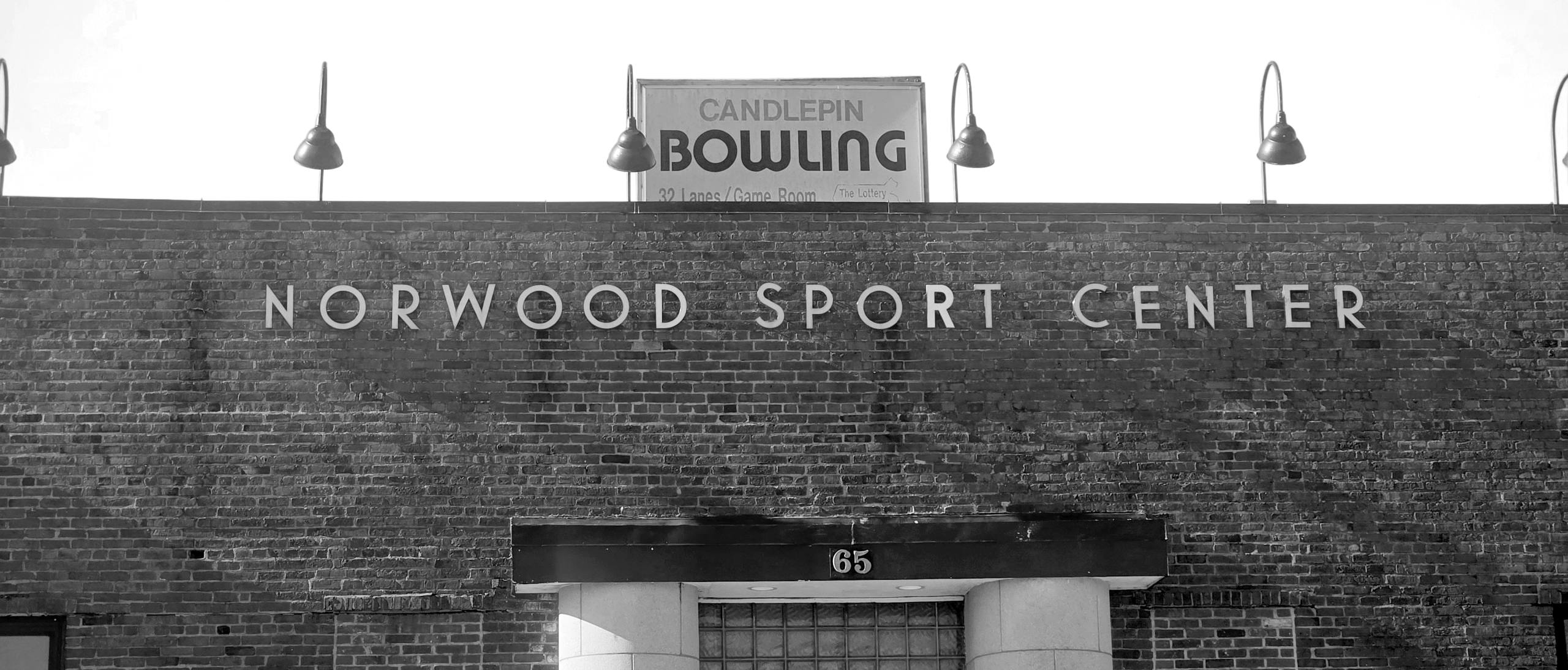
Norwood Sport Center
Explore the history of the Norwood Sport Center on Cottage Street in Norwood, MA, opened in 1940, featured in Hollywood films, and operating until its 2024 closure. Frank Sherwood opened the Norwood Sport Center on October 3, 1940. Modeled after the “Belgian Building” featured in the 1939 World’s Fair, it cost $50,000 to build, a…
-
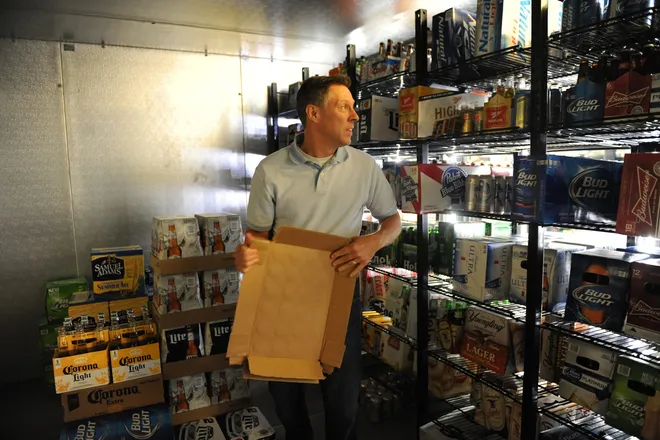
Hurley’s Beer & Wine Relocates to Vanderbilt Avenue-July 17, 2015
After 16 years in South Norwood, Hurley is navigating increased competition by emphasizing community involvement and quality customer service.
-
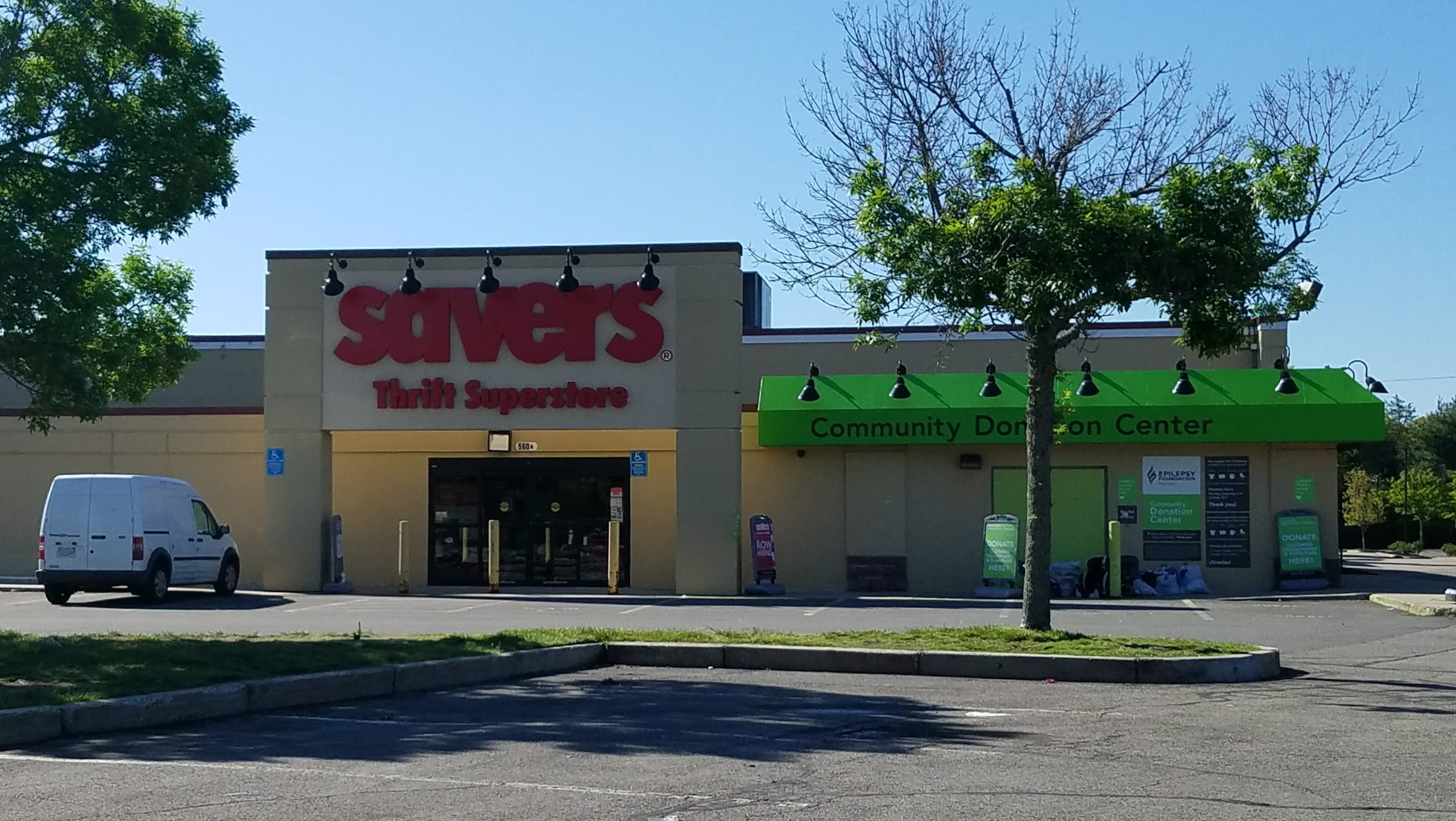
Savers Thrift Store Grand Opening In Norwood-July 30, 2013
On July 30, 2013, Savers Thrift Store opened at 560 Boston Providence Highway in Norwood, providing affordable goods, jobs, and charitable support.
-
Boston’s Baddest Burger-August 10, 2012
Kevin Tortorella’s “Boston’s Baddest Burger” is now serving fresh, locally sourced breakfast and lunch options in Norwood and Boston, marking the town’s first fully licensed food truck.

-
Ruma’s Fruit & Gift Basket World Wins Businesswoman of the Year-July 10, 2010
Tracing its roots back to 1900 on the cobblestones of Haymarket Square, the Ruma family of Norwood built a century-old produce and gift basket enterprise that earned Businesswoman of the Year honors in 2010.

-
Revitalizing Norwood Center: A Town’s Rebirth-July 2, 2005
Discover how Norwood has been working to transform its central business district into a vibrant shopping and dining destination.

-
Slump in Chip Industry Hits Norwood Maker-This Day In Norwood History – July 21, 1998
Analog Devices Inc. struggled with falling revenues in 1998 as global demand for semiconductors and testing equipment plummeted. Despite the fiscal pressure, the Norwood company avoided layoffs, maintaining its workforce through the market downturn.

Discover more from Norwood Historical Society
Subscribe to get the latest posts sent to your email.