
The History of the Norwood Sport Center: A Century-Spanning Candlepin Bowling Institution
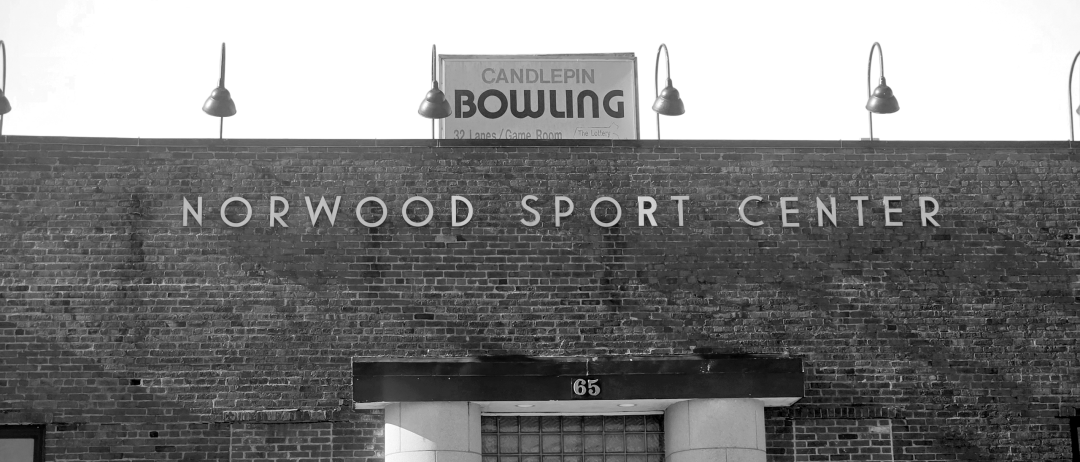
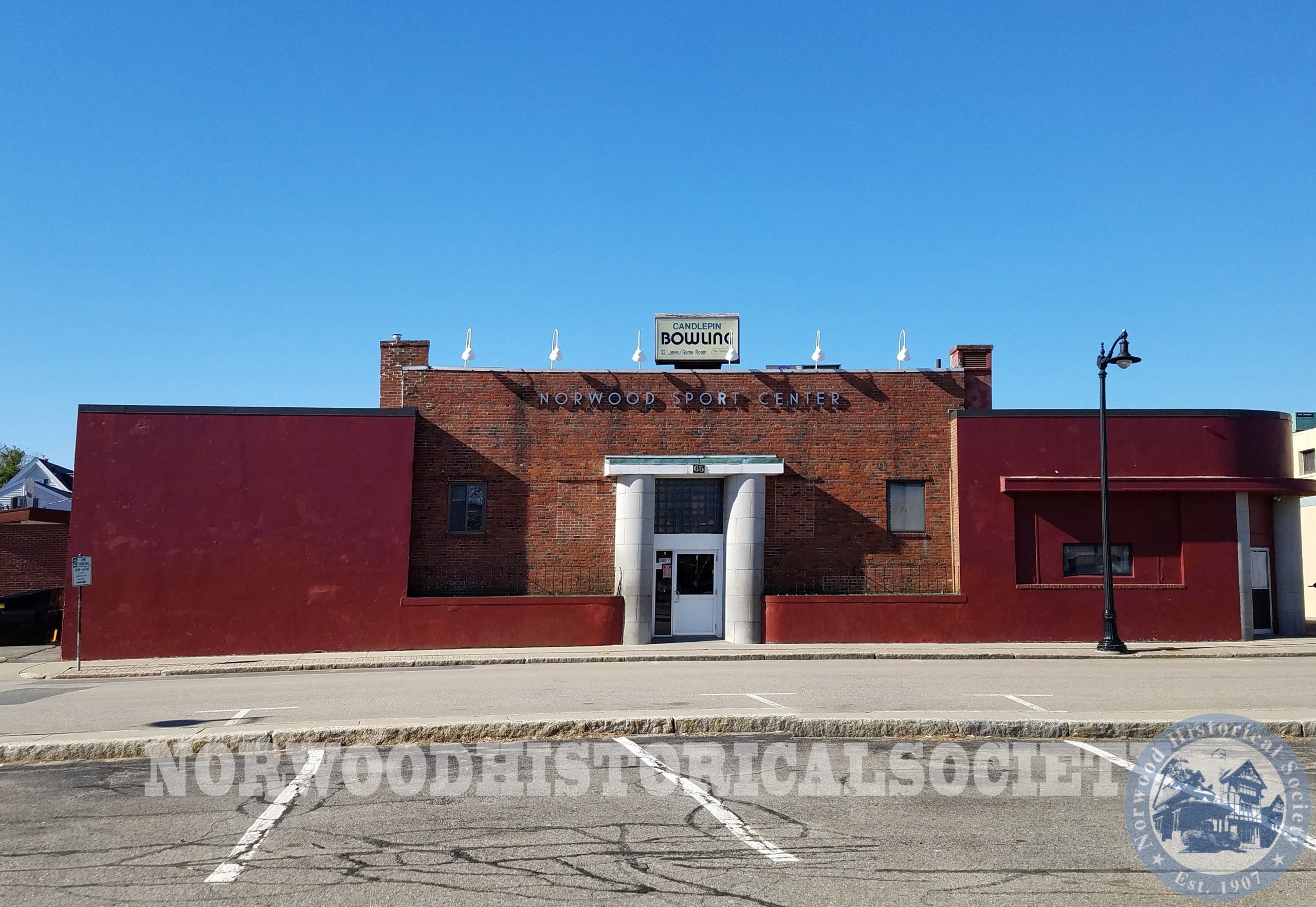
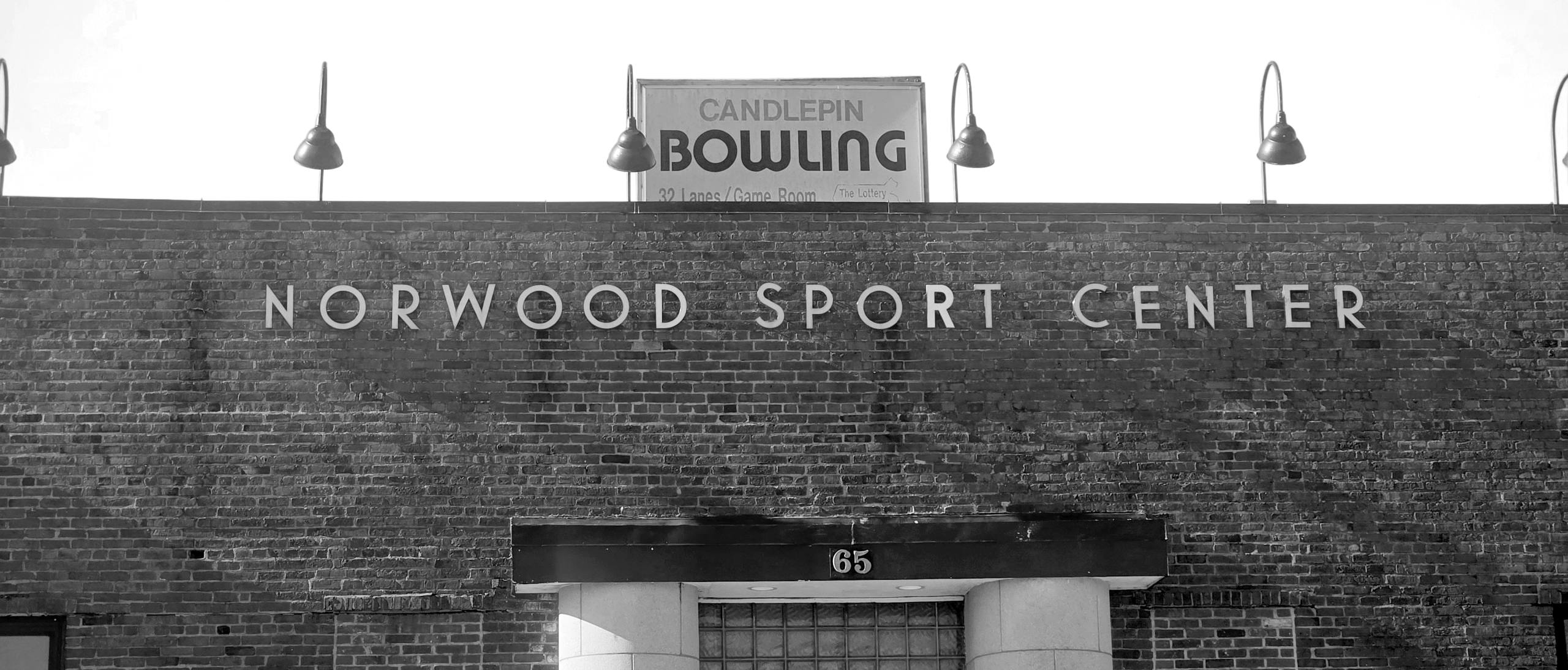
Nestled at 65 East Cottage Street in Norwood, Massachusetts, the Norwood Sport Center stands as an irreplaceable monument to New England sport culture, community resilience, and recreational history. For more than eight decades, its retro neon signs, authentic wooden lanes, and vibrant social hum bridged generations of local families, cementing its status as an enduring pillar of Norwood identity until its final closure in 2024.
Depression-Era Origins and Architectural Ambition
The genesis of the Norwood Sport Center dates back to the tail end of the Great Depression. On October 3, 1940, local entrepreneur Frank Sherwood officially opened the doors to the state-of-the-art recreational facility.
- The Investment:Erecting the building cost an estimated $50,000—a monumental financial commitment in 1940 that equates to over $1.1 million when adjusted for modern inflation.
- Architectural Inspiration:The structure’s design paid explicit homage to the striking modernism of the “Belgian Building,” one of the architectural marvels featured at the 1939 New York World’s Fair.
- A Historic Distinction:According to historical documentation maintained by the Norwood Historical Society and the facility’s archives, the Norwood Sport Center holds the unique national distinction of being the first building constructed specifically from the ground up to house a candlepin bowling alley, rather than being retrofitted out of an old textile mill, warehouse, or commercial block.
Designed from inception for multi-tiered entertainment, the building featured an innovative floor plan:
- The Upper Level: Dedicated to the initial layout of bowling lanes, a full-service food counter, and banks of glowing pinball machines.
- The Ground Level / Lower Entrance: Functioned as a dynamic social hub featuring game rooms equipped for billiards, table tennis (ping-pong), and indoor archery ranges.
World War II and the Era of the “Pin Boy”

Long before the invention of the automatic pin-setting machine revolutionized the sport in Massachusetts during the late 1940s, bowling alleys relied entirely on manual labor to reset the hard maple pins.
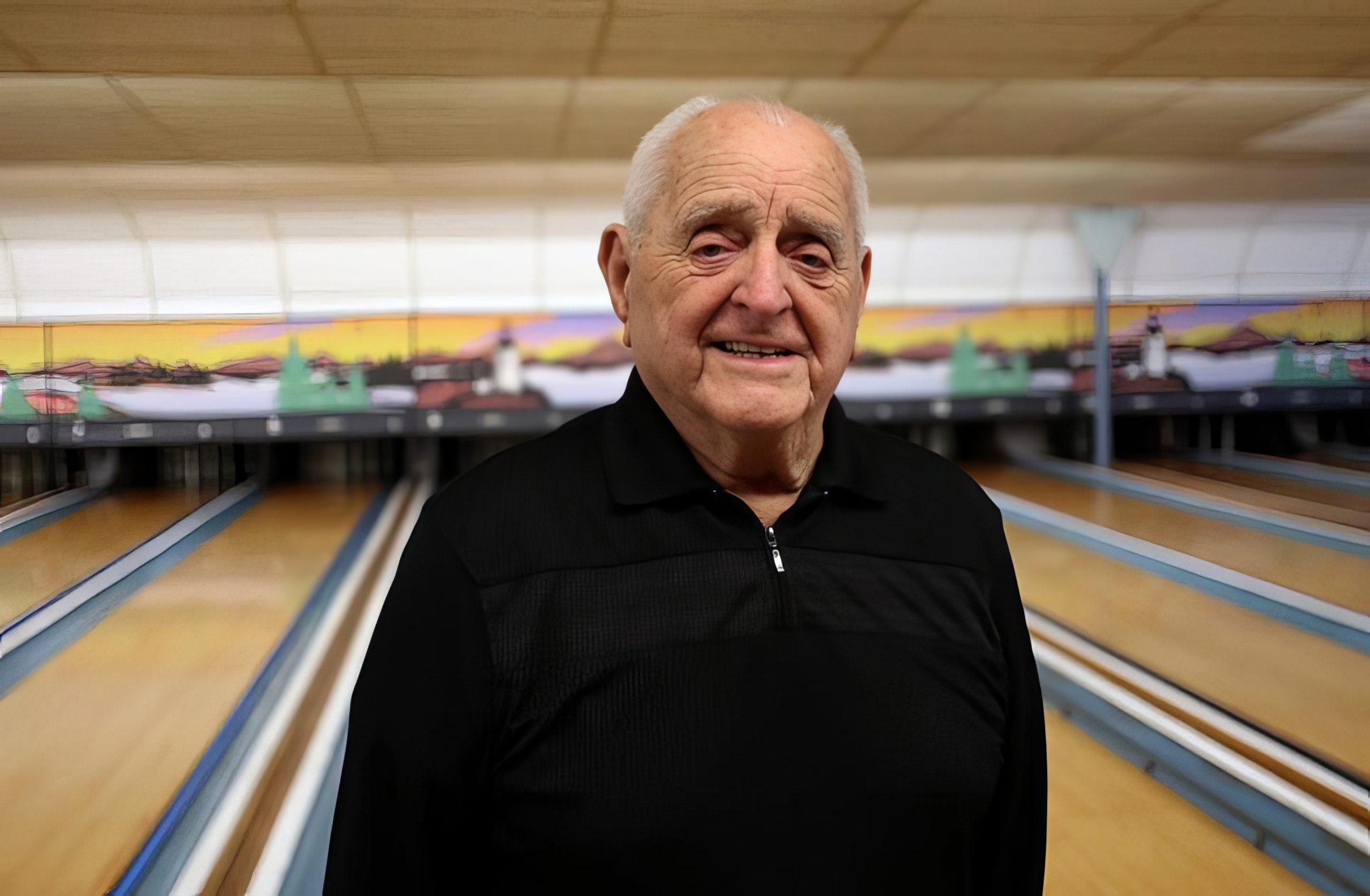
In 1941—just a year prior to graduating from Norwood High School—South Norwood resident Charlie Kuietauskas took a job at the Sport Center as a pin boy. Working swiftly amidst flying balls and heavy timber, youthful workers earned a modest 5 cents a string to clear the deck and reset the pins by hand.
When the United States entered World War II, Kuietauskas sought to enlist in the U.S. Army but was medically disqualified due to an ear condition.Undeterred in his commitment to the homefront, he dedicated his daytime hours to a defense-related job at a local tannery while continuing his evening shifts at the Sport Center, helping keep community recreation alive during wartime austerity. Following the conclusion of the war, Kuietauskas transitioned back to the bowling alley on a full-time basis, setting the stage for his lifelong vocation.
The Post-War Bowling Boom and Television Stardom

The post-World War II economic expansion ignited an unprecedented cultural craze for candlepin bowling across New England. Blue-collar workers, neighborhood syndicates, and civic groups flocked to local alleys, establishing a vast network of competitive leagues.
As television emerged into American living rooms, bowling found a massive broadcast audience. Local broadcasts of candlepin bowling on Channel 5 remained a New England staple for an incredible 38 years. During its zenith, television ratings for local bowling matches frequently eclipsed professional broadcasts for Boston’s major sports franchises, including the Bruins, Celtics, and Red Sox.
National metrics mirrored this local fervor: data compiled during the era shows that the total count of bowling facilities nationwide nearly doubled from 6,600 in 1955 to 11,000 by 1963, while registered league participants surged from under three million to seven million players. Major cities also witnessed the underground rise of high-stakes “action bowling”—intense, clandestine late-night matches where elite rollers competed for thousands of dollars.
Stewardship Under John Mutch and Charlie Kuietauskas
As the business matured, ownership transitioned to John Mutch, a prominent local masonry contractor, former State Representative, and Norwood Selectman. Charlie Kuietauskas steadily advanced through the ranks, transitioning from pin boy to assistant manager, manager, and eventually business partner to Mutch.
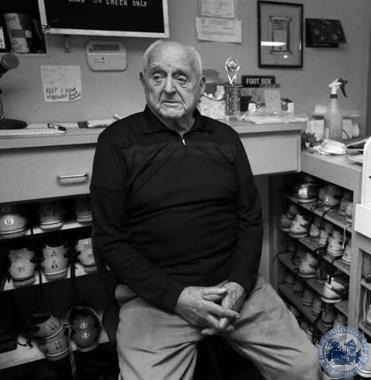
Following Mutch’s passing in 1952, Kuietauskas assumed full ownership of the Norwood Sport Center. Under his careful stewardship, the alley became the epicenter of civic organization. During the mid-20th century peak, the lanes hosted massive corporate and fraternal leagues:
- The Polaroid Corporation sponsored 16 dedicated employee bowling teams.
- The Norwood Knights of Columbus fielded 32 competing teams.
- The Norwood Elks organized high-profile annual tournaments that drew massive community followings.
Defending Traditional Candlepin Integrity
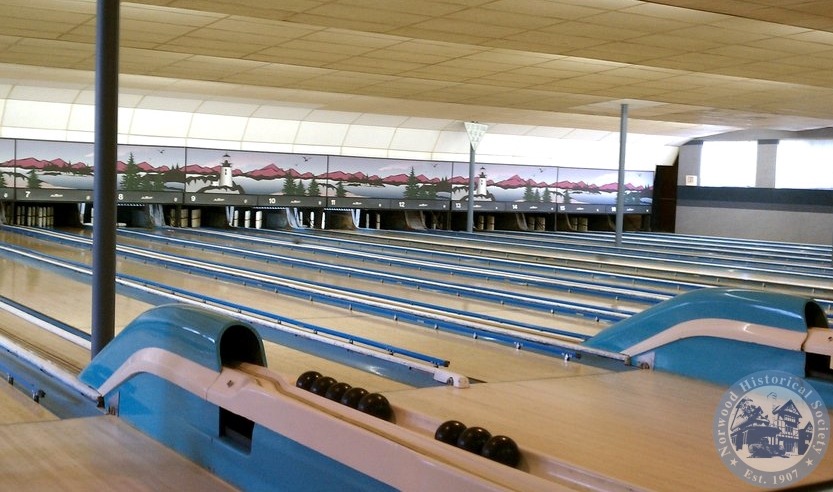
As the decades progressed, many commercial bowling chains across the country resorted to gimmicks to drive up scores and speed up play—such as applying slick silicone sprays beneath lanes or installing mechanical bumpers in gutters for children.
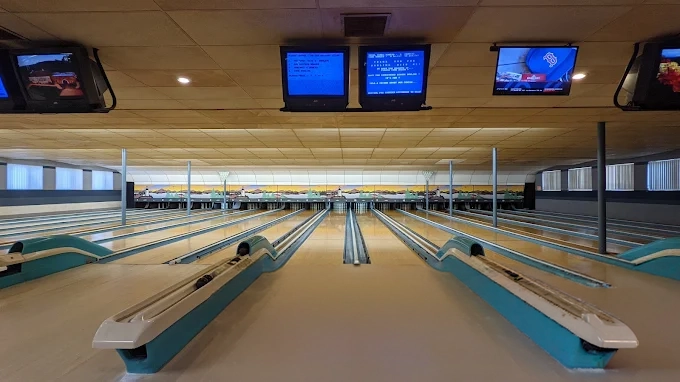
The Norwood Sport Center flatly rejected these shortcuts. Kuietauskas preserved traditional, unadulterated playing conditions. Consequently, maintaining a high score on the authentic, challenging Norwood lanes required genuine skill. It was widely acknowledged that a bowler who mastered the Norwood Sport Center lanes could successfully compete anywhere in New England.
Hollywood Cameos and Silver Screen Recognition
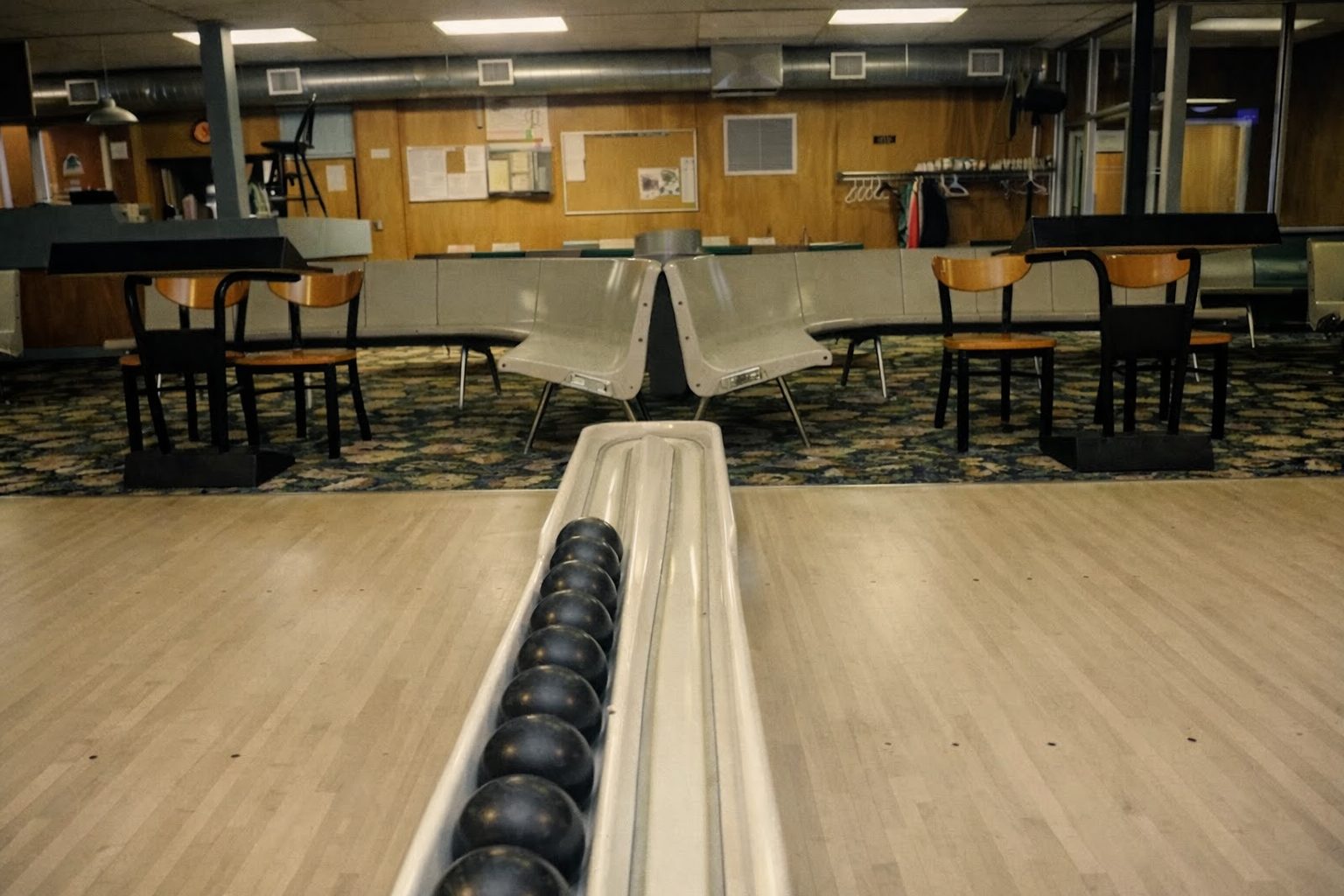
In July 2012, the classic aesthetic and vintage atmosphere of the Norwood Sport Center caught the eye of Hollywood location scouts.The historic alley was selected as a primary filming location for the feature drama Labor Day, directed by Jason Reitman and starring Academy Award-winner Kate Winslet and Josh Brolin. Town selectmen approved logistical support and street parking around Cottage Street and Broadway to accommodate production trucks and equipment, immortalizing the beloved Norwood landmark on the silver screen.
Navigating Industry Shifts and Passing the Torch

Even as President Richard Nixon famously ordered a private bowling alley installed beneath the White House West Wing in 1970 to indulge his personal passion for the sport, the broader American bowling industry faced severe headwinds through the 1970s, 1980s, and beyond. Changing suburban lifestyles and commercial real estate pressures caused total U.S. bowling alleys to contract sharply down to 5,400 by 1998, and fewer than 3,400 by the 2010s.
Through these structural shifts, the Norwood Sport Center remained remarkably steady. As Charlie Kuietauskas eventually eased into retirement, management responsibilities passed seamlessly to his daughter, Ann McGuire, ensuring that the family’s hands-on dedication to the venue continued uninterrupted.
Final Closing and End of an Era

After 84 years of continuous operation as a cornerstone of New England sport culture, the Norwood Sport Center finally closed its doors in July of 2024. Marking the end of an extraordinary run, the closure drew an outpouring of emotion from longtime patrons, bowlers, and town residents who had spent decades rolling frames under its iconic roof.
Though the pinsetters have gone quiet, the legacy of Frank Sherwood’s 1940 creation, Charlie Kuietauskas’s lifelong stewardship, and its unique place in Massachusetts sports and cinematic history remain deeply etched into the fabric of Norwood.
Sources: Boston Globe, WickedLocal, Norwood Sport Center
-
Norwood Sport Center
-
Bowling still strikes a chord with Norwood old-timer-April 14, 2017
-
Norwood Sports Center Backdrop In Upcoming Film-July 18, 2012
-
Norwood Seniors Strike Out Heat with Bowling League-July 29, 2011
-
The Issue Of Video Licenses-June 9, 1981
-

Selectmen Split Over Amusement Game Permits at Sport Center and Local Restaurants-August 6, 1980
-
Surgery Helped Bill Travers Elbow His Way To Big League Heights-July 4, 1976
-

Norwood Man Candlepin King-This Day in Norwood History-July 19, 1962
-
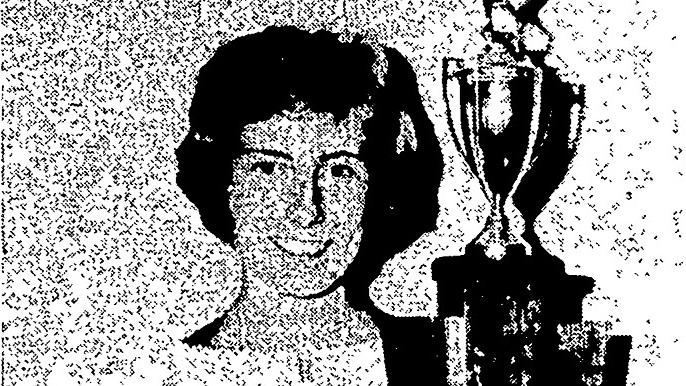
Claire Puchalski Crowned Class A Candlepin Queen-This Day in Norwood History-June 28, 1962
-

“Ladies’ Day” Is New Feature At Norwood Sport Center-This Day in Norwood History-February 8, 1962
Discover more from Norwood Historical Society
Subscribe to get the latest posts sent to your email.