
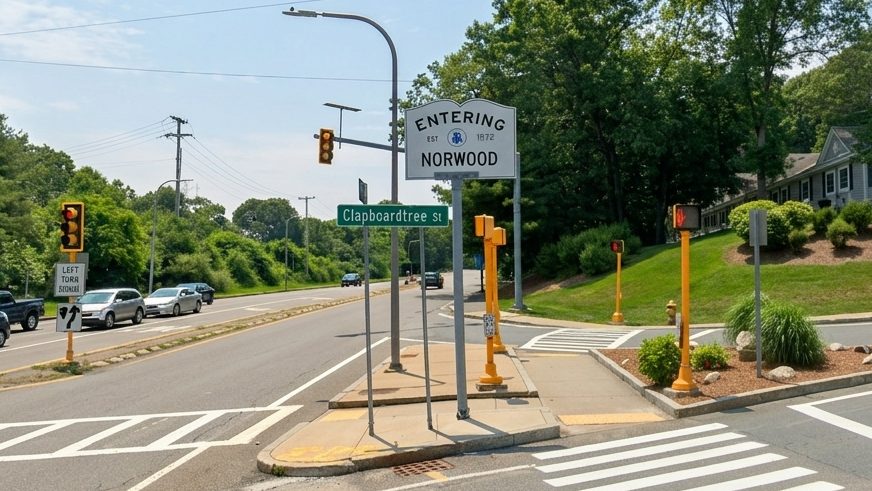
In a meeting held on July 12, 1971, the Norwood Board of Selectmen granted unanimous approval for an extensive infrastructure and traffic improvement project for the intersection of Upland Road and Clapboardtree Street. The proposed project, estimated at $750,000, sought to address long-standing traffic congestion and safety concerns in the area. The plan included the construction of a three-phase intersection with dedicated left-turn storage lanes for both directions, as well as the addition of pedestrian sidewalks. A major component of the project involved raising the local railroad bridge from 12 to 14.5 feet and removing center posts to accommodate larger vehicle passage. Additionally, the grade of Upland Road was to be lowered by three feet to facilitate a safer transition into Clapboardtree Street. The proposal was forwarded to state consulting engineers for consideration under the Chapter 90 funding framework, marking a significant step toward regional infrastructure modernization.
Beyond the roadwork, the selectmen addressed a series of pressing municipal issues, most notably a regulatory crisis concerning the town dump. Having been notified by the state Department of Public Health (DPH) that the dump failed to meet new sanitary regulations—which mandated specific facilities, a communication system, and a detailed site plan—the board declared an emergency. This declaration allowed the town to extend its current dump contract by 90 days, providing the necessary window for Town Manager Walter A. Blasenak to negotiate a compliance plan with state officials. Blasenak emphasized that the town must demonstrate an “intent to comply” to avoid further penalties or the imposition of state-run management.
Financial management also featured prominently during the session, as the selectmen and the Norwood Board of Assessors debated a proposal to utilize $300,000 in Municipal Light Department receipts to offset the tax rate. Town Manager Blasenak projected that using these funds, combined with other year-end receipts, could potentially lower the tax rate from the 1970 figure of $102 per thousand. Despite some initial hesitation regarding the use of utility revenues for general tax relief, the board passed the motion unanimously, with Selectman Joseph Wall describing it as “the best of all evils” given the fiscal pressures facing the town. The meeting concluded with the board addressing various secondary matters, including noise and traffic complaints concerning Choppers Unlimited, a motorcycle repair firm on Morse Hill, and the scheduling of Little League Tag Days.
Archival Note: This article has been dynamically reconstructed from the original public record print archives of the Patriot Ledger
More…
-
Selectmen Approve Upland Road and Clapboardtree Street Infrastructure Project-July 13, 1971
Local leaders also enacted emergency measures for the town dump to comply with state sanitary regulations and adjusted the 1971 tax rate through light department fund transfers.
-
Engineers Estimate $532,000 Cost for University Avenue Extension-September 4, 1970
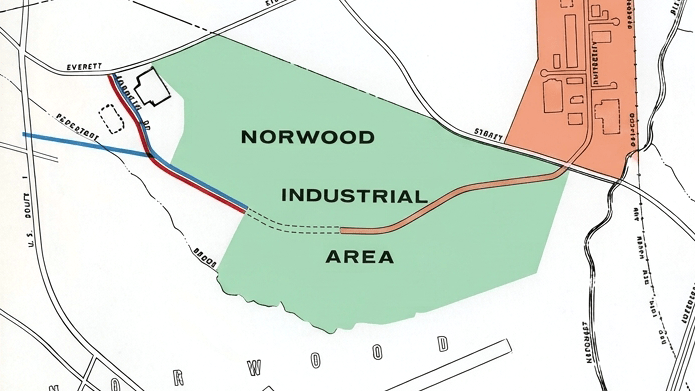
A four-month overdue engineering study prepared by Boston-based consultants Fay, Spofford & Thorndike Inc. at a cost of $8,000 has placed an estimated price tag of $532,000 on the proposed 2,700-foot extension of University Avenue. The recommended roadway layout will connect the existing portion of University Avenue with Everett Street just before intersecting Route 1,…
-
Route 1 Median Guard Rail and Safety Construction Nearing December Completion-October 15, 1969

Crews install median guard rails and chain-link safety fencing along Route 1 across Norwood, Westwood, and Dedham, with a target completion date of December.
-
Norwood Kills Funds For School Addition-June 26, 1969
Voters approve a $1,000 Endean Park drainage compromise and reverse a zoning rule to relocate Carl A. Johnson’s Norwood Cadillac Co. along Route 1.
-
State Unveils Route 1 and Everett Street Intersection Plans Ahead of Polaroid Complex Opening-November 19, 1968
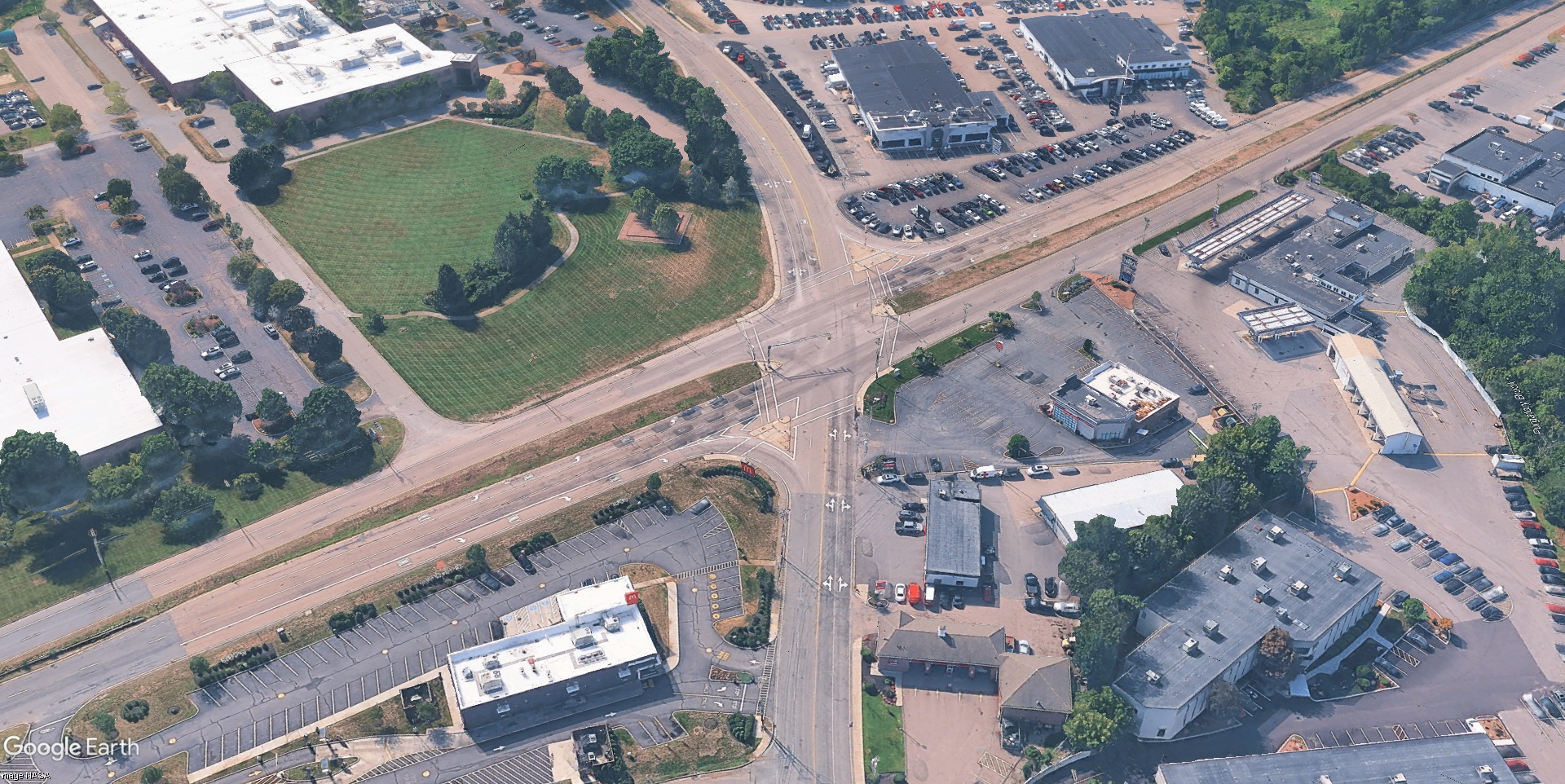
State DPW engineer Michael J. Mahoney told Norwood officials in November 1968 that widening Everett Street and adding Route 1 turning lanes would handle traffic from Polaroid’s 1,200-worker Forbes Estate plant until 1990 without a highway interchange.
-
Norwood Voters To Consider Lighting Funds-June 26, 1968

The Finance Commission backs the utility expansion alongside a $163,000 sewer construction article, while the town master plan is deferred.
-
Industrial Commission Welcomes Star Service Hub-June 30, 1967

Following 50 intensive town meetings to resolve department regulations, developers project the new multi-million square foot industrial hub will lower Norwood’s local tax rate.
-
Ask Town Meeting on Industrial Park-September 7, 1966
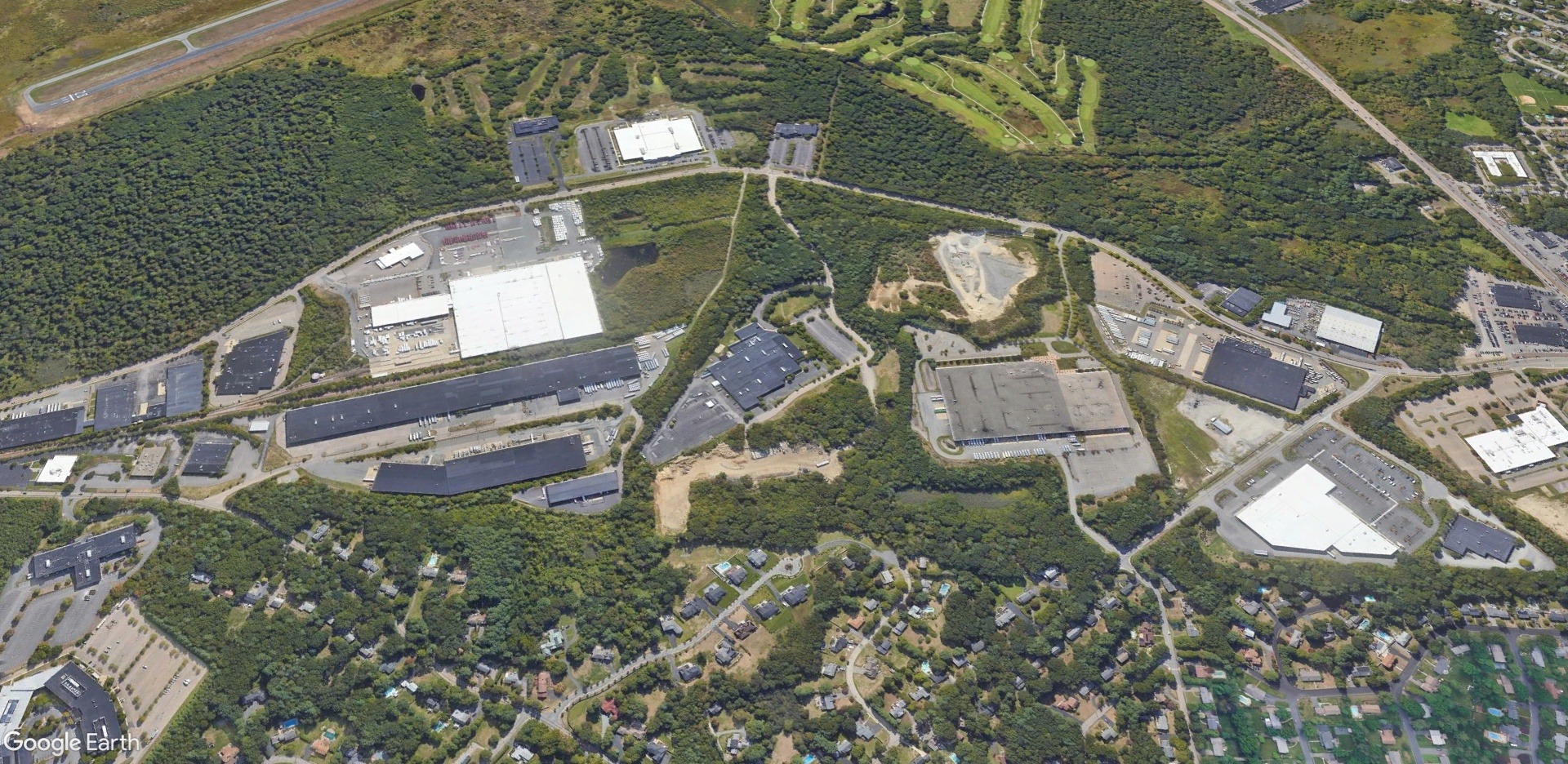
Representatives of the development firm Cabot, Cabot & Forbes (CC&F) urged the Board of Selectmen last night to place an article before an early October special town meeting to pave the way for major infrastructure development at the Norwood Industrial Park. C. Brooks Dodge, representing CC&F, asked the board to initiate town meeting action and…
-
State Traffic Engineers Investigate Missing Stop Sign Reports in Norwood-August 31, 1966

Local frustration over municipal traffic safety measures came to a head when town officials addressed long-standing delays regarding state approval for stop signs at key intersections. Commenting on the sluggish bureaucratic pace, one local selectman dryly remarked, “It takes an act of God to post a stop sign!” The exasperation stemmed from a nine-month delay…
-
Selectmen Call for Up-to-Date Delinquent Debt Listing-August 26, 1965

Norwood selectmen called for updated listings of delinquent town service accounts and authorized Dr. Norton Fishman to construct an access road along George Willett Parkway at his own expense.
Discover more from Norwood Historical Society
Subscribe to get the latest posts sent to your email.