
🏡 From Victory Gardens to Red Cross Drives: Norwood’s Homefront in 1943
In the summer of 1943, while battles raged overseas, Norwood’s citizens waged their own quiet war—one of resilience, resourcefulness, and civic pride. From fuel conservation campaigns to Red Cross mobilizations, the town’s homefront efforts reflected a community deeply committed to the national cause.
🌱 Cultivating Patriotism: Victory Gardens and Fuel Conservation
With rationing in full effect, Norwood residents turned to their backyards. Victory Gardens flourished across town, transforming idle plots into productive spaces. These gardens weren’t just about food—they were symbols of self-reliance and unity.
Meanwhile, fuel conservation became a civic duty. Local officials urged residents to reduce consumption, and carpooling was promoted as both patriotic and practical. The Eastern Massachusetts Street Railway Company adjusted its services to support wartime transit needs, reinforcing the town’s commitment to shared sacrifice.
🩸 Mobilizing Mercy: The Red Cross Motor Corps
One of the most visible symbols of Norwood’s wartime spirit was the Red Cross Motor Corps. In August 1943, the Norwood chapter received a new station wagon, enabling volunteers to transport blood donors to Boston hospitals more efficiently. The vehicle, a gift from the Red Cross War Fund, was a testament to the town’s generosity and logistical ingenuity.
The Motor Corps also played a vital role in emergency services and civil defense drills, often working in tandem with local police and fire departments. Their presence on the roads was a reminder that war work didn’t only happen in factories—it happened in the everyday movements of ordinary citizens.
🧵 Sewing, Saving, and Serving: Civilian Contributions
Norwood’s women were especially active in wartime service. Red Cross sewing circles produced bandages and garments for soldiers, while local churches hosted fundraisers and bazaars to support relief efforts. The town’s civic calendar was filled with events that blended community spirit with national purpose—from penny carnivals to patriotic pageants.
🕊️ A Legacy of Local Heroism
Though the headlines of 1943 often focused on distant fronts, the Norwood Free Press captured the heartbeat of a town determined to make a difference. The homefront was not a place of passive waiting—it was a theater of action, where every garden planted, every ride shared, and every dollar donated became part of the war effort.
Perfect follow-up, George. Here’s a draft for your second WordPress article titled “From Sicily to the Skies: Norwood’s Sons in World War II”, designed to honor local servicemen with vivid storytelling and archival fidelity:
✈️ From Sicily to the Skies: Norwood’s Sons in World War II
In August 1943, the battlefronts of World War II stretched from the beaches of Sicily to the skies over Europe—and Norwood’s young men were there. Through letters, promotions, and solemn announcements, the Norwood Free Press offered glimpses into the lives of those who served, reminding readers that the war was never far from home.
🇮🇹 Sgt. John Leahy: In the Thick of Sicily’s Campaign
Sgt. John Leahy, serving with the U.S. Army in Sicily, wrote home describing the intensity of combat and the camaraderie among troops. His letter, published in the local paper, painted a picture of dusty roads, long marches, and the resolve of soldiers pushing through one of the war’s most pivotal campaigns.
Leahy’s words resonated with Norwood readers, offering both pride and perspective. His account was more than a military update—it was a bridge between the front lines and the front porches of his hometown.
🛩️ Pvt. Naimi Bader: Taking Flight with the Army Air Forces
Pvt. Naimi Bader’s promotion to the Army Air Forces marked a new chapter in Norwood’s wartime narrative. Stationed at a training base, Bader was preparing for aerial missions that would take him far from Massachusetts. His advancement was celebrated in the Free Press, a reminder of the town’s growing presence in the skies.
These stories of flight and formation training underscored the technological evolution of warfare—and Norwood’s role in it.
🎖️ Promotions, Transfers, and Sacrifice
The August 20, 1943 edition also chronicled other servicemen’s movements: transfers to new bases, promotions in rank, and, in some cases, injuries sustained in battle. Each name carried weight. Each update was a thread in the tapestry of Norwood’s wartime experience.
Families hung flags in their windows, wrote letters daily, and gathered around radios hoping for good news. The community’s collective heartbeat pulsed with concern, pride, and unwavering support.
🕯️ Remembering the Fallen
While many stories celebrated progress and promotion, others carried the somber news of loss. The paper’s respectful tone and careful reporting reflected the gravity of war’s cost. Memorial services, Gold Star acknowledgments, and quiet tributes ensured that sacrifice was never forgotten.
Absolutely, George. Here’s a draft for your third WordPress article titled “Norwood’s Women in the Ranks: Nurses, WAVES, and WACs”, spotlighting the trailblazing roles local women played in 1943:
👩⚕️ Norwood’s Women in the Ranks: Nurses, WAVES, and WACs
In 1943, as Norwood’s men shipped out to battlefronts abroad, the town’s women stepped into new uniforms—and new roles. From military commissions to Red Cross service, Norwood’s daughters were reshaping the meaning of patriotism, proving that courage wore many faces.
🩺 Dr. Nersessian: A Commissioned Healer
One of the most notable announcements in the Norwood Free Press was the commissioning of Dr. Nersessian into the U.S. Army Medical Corps. Her appointment marked a significant milestone—not just for Norwood, but for women in medicine. As a physician, she would serve wounded soldiers with skill and compassion, embodying the quiet heroism of wartime caregivers.
Her story reflected a broader shift: women weren’t just supporting the war effort—they were leading it in critical fields.
⚓ WAVES and WACs: Breaking Military Barriers
Norwood women also joined the ranks of the Navy’s WAVES (Women Accepted for Volunteer Emergency Service) and the Army’s WACs (Women’s Army Corps). These roles, once unimaginable, became vital to military operations. From clerical work to communications, these women freed up men for combat and proved indispensable to the war machine.
The Free Press celebrated their enlistments with pride, often listing names, training locations, and letters home. These updates served as both inspiration and affirmation: Norwood’s women were answering the call.
🚗 Red Cross Motor Corps: Driving Change
Beyond formal military service, many women volunteered with the Red Cross Motor Corps. In August 1943, the Norwood chapter received a new station wagon, enabling female drivers to transport blood donors and assist in emergency drills. These women navigated wartime roads with precision and purpose, often coordinating with civil defense teams.
Their work blurred the lines between civilian and military service, showing that patriotism wasn’t confined to the battlefield.
🧵 Sewing, Organizing, Leading
Norwood’s women also led sewing circles, organized fundraisers, and hosted community events to support troops and their families. Churches and civic groups became hubs of activity, where women stitched bandages, packed care kits, and raised funds for war relief.
These efforts, though quieter than enlistments, were no less vital. They sustained morale, built community, and ensured that Norwood remained a town united in purpose.
🚌 Buses, Bases, and Blockades: Norwood’s Wartime Transit Story
In the thick of World War II, Norwood’s roads, rails, and runways became arteries of both civilian life and military strategy. The August 20, 1943 edition of the Norwood Free Press reveals a town adapting its transit systems to meet the demands of war—from decommissioned naval bases to rerouted bus lines.
⚓ Squantum Naval Base: A Strategic Shift
One of the most significant updates was the decommissioning of the Squantum Naval Air Station. Once a bustling hub for naval aviation, the base’s closure signaled a strategic realignment. Its operations were absorbed into larger facilities, reflecting the Navy’s evolving priorities.
For Norwood, this shift meant fewer military flights overhead—but also a reminder that wartime logistics were constantly in motion.
🛫 Norwood Airport Lease: Civilian Airspace Reclaimed
In a parallel development, the Norwood Airport was leased to a private operator. This move returned a portion of the town’s airspace to civilian use, opening the door for local aviation training and small-scale transport.
The lease reflected a balancing act: supporting the war effort while preserving local infrastructure for postwar growth.
🚌 Eastern Mass Bus Service: Keeping the Town Moving
On the ground, the Eastern Massachusetts Street Railway Company adjusted its bus routes and schedules to accommodate wartime needs. Fuel conservation, labor shortages, and increased demand led to tighter timetables and more strategic stops.
Despite these constraints, the buses remained lifelines—connecting workers to factories, families to hospitals, and volunteers to Red Cross stations. The Free Press reported on service updates with urgency, knowing that every route mattered.
🚧 Blockades, Drills, and Civil Defense
Transit wasn’t just about movement—it was about preparedness. Civil defense drills occasionally blocked roads, simulating air raids or emergency evacuations. These exercises, often coordinated with the Red Cross Motor Corps and local police, trained residents to respond swiftly and safely.
Norwood’s streets became rehearsal spaces for resilience, where every detour had a purpose.
Here’s your fifth WordPress article draft, George, titled “Victory Pageants and Penny Carnivals: Wartime Childhood in Norwood”. This one captures the spirit of youth, creativity, and community resilience during 1943:
🎠 Victory Pageants and Penny Carnivals: Wartime Childhood in Norwood
While the world was at war, Norwood’s children found joy, purpose, and pride in playgrounds, pageants, and penny carnivals. The Norwood Free Press from August 20, 1943 paints a vivid picture of how wartime shaped childhood—not through fear, but through imagination and civic engagement.
🎭 Victory Pageants: Patriotism in Costume
Local playgrounds hosted elaborate victory pageants, where children dressed as Liberty, Uncle Sam, and Allied soldiers. These performances weren’t just entertainment—they were educational, instilling values of unity and sacrifice through song, skits, and storytelling.
Parents and neighbors gathered to watch, turning public parks into stages of hope. The pageants served as gentle reminders that even the youngest citizens had a role to play in the national effort.
🎪 Penny Carnivals: Small Coins, Big Impact
One of the most charming traditions was the penny carnival—a child-led fundraiser where games, crafts, and homemade treats raised money for war relief. Kids organized booths, designed posters, and counted coins with pride, knowing their efforts helped buy bandages, books, or even war bonds.
These events blended play with purpose, teaching children that generosity could be joyful.
🧸 Doll Shows and Playground Contests
The Free Press also reported on doll shows, costume contests, and athletic competitions held across Norwood’s playgrounds. These activities offered normalcy in uncertain times, giving children a chance to shine, compete, and connect.
Judges awarded ribbons, local businesses donated prizes, and the community rallied around its youngest members with enthusiasm and affection.
🕊️ Childhood in Wartime: Resilience and Ritual
Despite rationing, blackouts, and air raid drills, Norwood’s children experienced a childhood rich in ritual and resilience. Their games echoed the headlines, their drawings depicted tanks and nurses, and their questions—though sometimes difficult—were met with honesty and care.
The town’s investment in youth programs ensured that wartime didn’t steal childhood—it reshaped it into something meaningful.
-
The United Church Honors Veterans of World War II-This Day in Norwood History-November 12, 1946
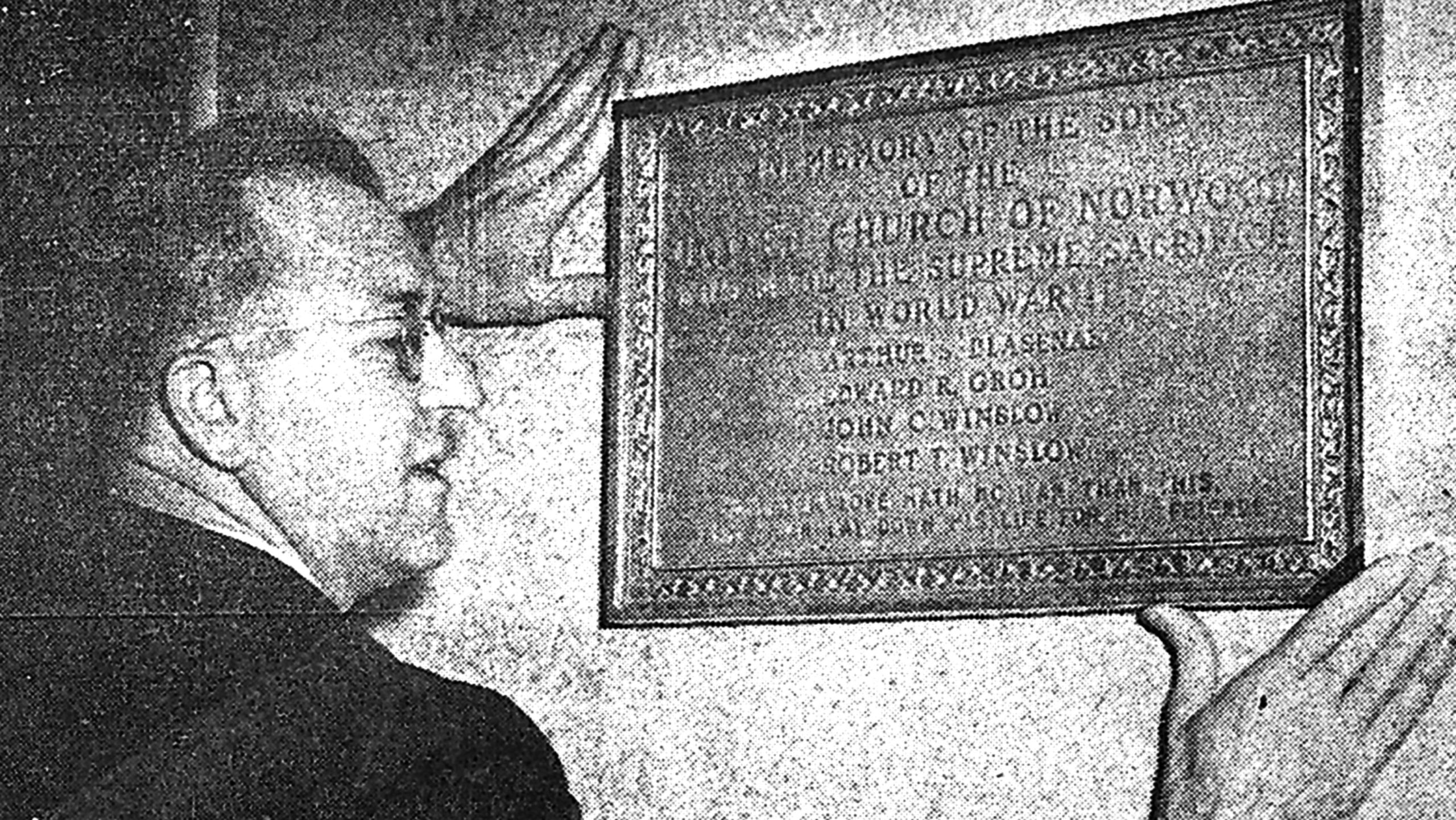
Before a large congregation at the regular service of Divine Worship on Sunday morning, the United Church paid tribute to both the living and the dead of World War II ) Speaking on behalf of the Church, the Rev. Edmund A. Miller officially welcomed the returned men and women of the armed forces. “We were…
-
110 War Veterans Honored At St. Peter’s Celebration-This Day in Norwood History-October 8, 1946
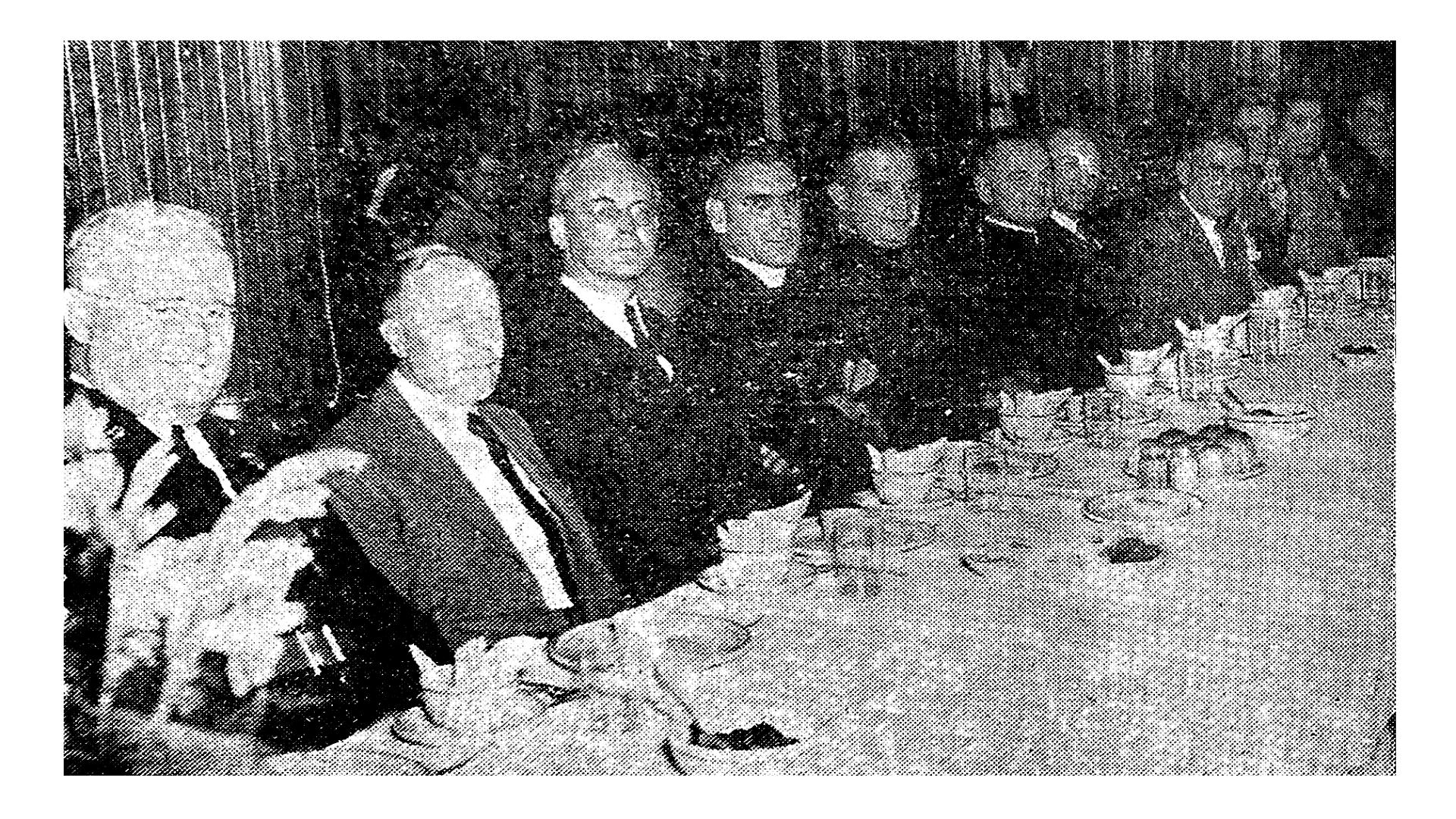
110 War Veterans Honored At St. Peter’s Celebration-This Day in Norwood History-October 8, 1946
-
Two Norwood GI Buddies Are Discharged-This Day In Norwood History-February 22, 1946
Two South Norwood boys who have been all through the war together have both recently received their honorable discharges from the Army. Sgt. Albert Mike, son of Mr. and Mrs. John Mike, 26 St. George Avenue, and Sgt. Shafie Boulis, son of Mrs. Kerrimie Boulis, Concord Avenue, have been in the service for three years…
-
Brothers Pfc. Kenneth & Ralph Cashen Both Purple Heart Veterans, Discharged-This Day in Norwood History-January 4, 1946
Two Norwood brothers, Pfc. Kenneth J. Cashen of the Marines, and Ralph D. Cashen of the Army, both of whom have been presented the Purple Heart for wounds received in action, recently were discharged from the service. Pfc, Kenneth Cashen entered the Marine Corps in September, 1943 and received his boot training at Parris Island,…
-
Veteran of Three Services, Andrew J. Hewitt, Managing Guild Theatre-This Day In Norwood History-August 3, 1945

This Day In Norwood History-August 3, 1945-Veteran of Three Services, Andrew J. Hewitt, Managing Guild Theatre
-
Technical Sgt Arthur C Webber Promoted to Master Sergeant-This Day in Norwood History-January 19, 1945
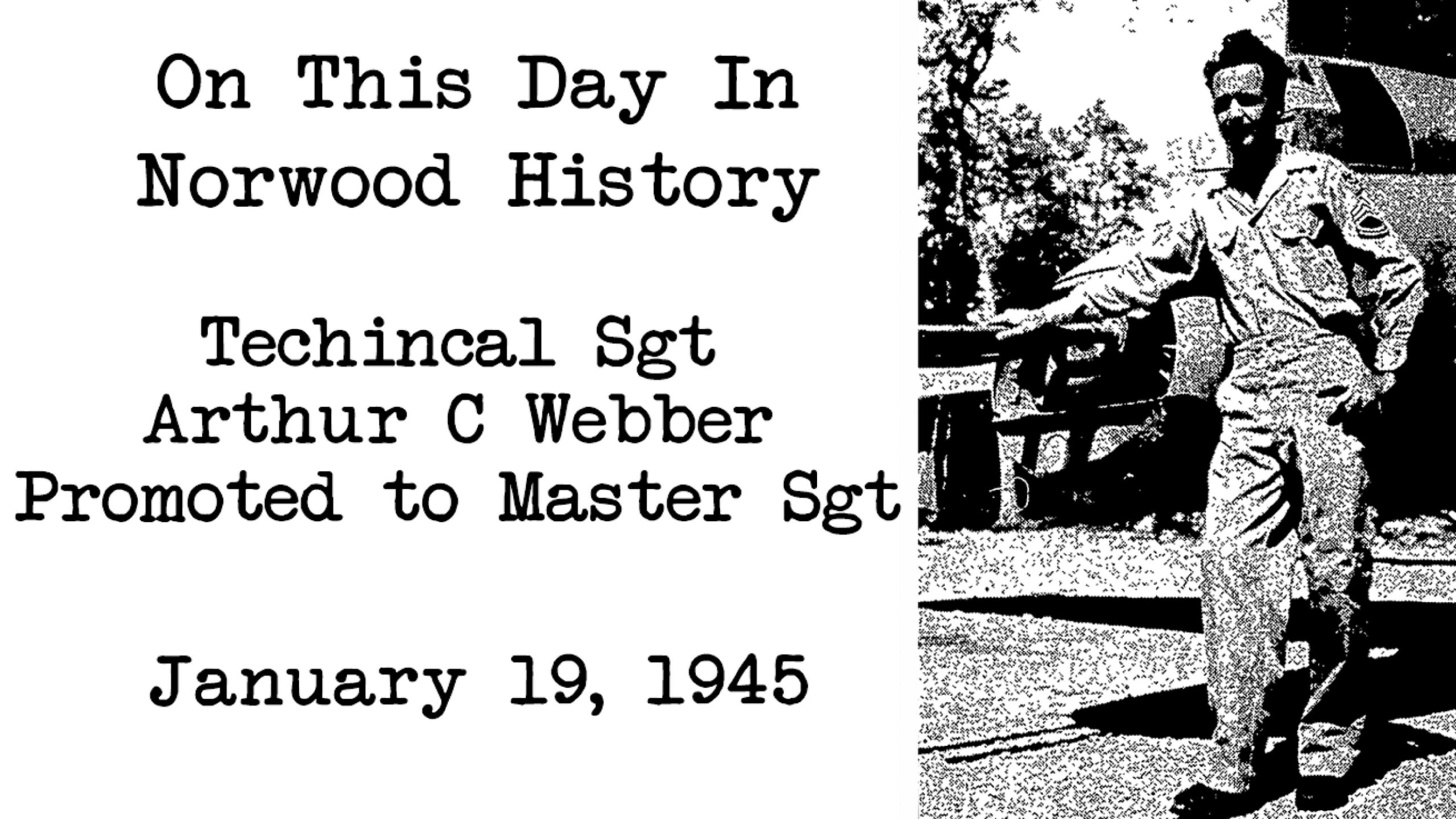
HEADQUARTERS. 13th AAF, Southwest Pacific—Arthur C Webber of Norwood, recently was promoted from technical to the highest enlisted rank of Master Sergeant at an advanced base of the “Fightin’ 13th AAF” in the Southwest Pacific. Son of Roy C. and Mrs. Inez B Webber of 39 Phillips avenue. Norwood. Sergeant Webber recently completed 18 months…
-
Local Marine Raymond B Rafuse Promoted To Sergeant-This Day in Norwood History-January 19, 1945
Sgt. Rafuse landed with assault troops on “D” day at Guam, but was wounded on the beach. He was evacuated to a Naval Hospital. Recently he returned to join his outfit. SOMEWHERE lN THE PACIFIC (Delayed) — Marine Sgt. Raymond B Rafuse, Jr., o£ 345 Winter street, Norwood, has been promoted to his present rank…
-
John Mulvehill Promoted To Rank Of Major-Norwood WWII Veteran-January 12, 1945
Captain John J. Mulvehill, 15th A.A.F., of 23 Cottage Street, Norwood was promoted on Christmas Day to the rank of Major, it was learned here today. Major Mulvehill has been overseas for two and one-half years with the Flying Fortress unit. This unit participated in the African invasion and later at an Italian base took…
-
First Sgt. Leonard J Masino Enjoys First Holidays Home In Four Years-This Day in Norwood History-December 29, 1944

After four years of overseas service, First Sgt. Leonard J Masino was able this year to spend the first Christmas during that tune with his parents. Mr. and Mrs. Michael Masino of 10 Park street. The long-awaited family reunion was not complete, however, because Leonard’s sister, Miss Arlene Masino, art supervisor of the East Hampton…
-
Lt. Col. George T. Lee Has Flown Over 200 Missions-This Day in Norwood History-December 29, 1944
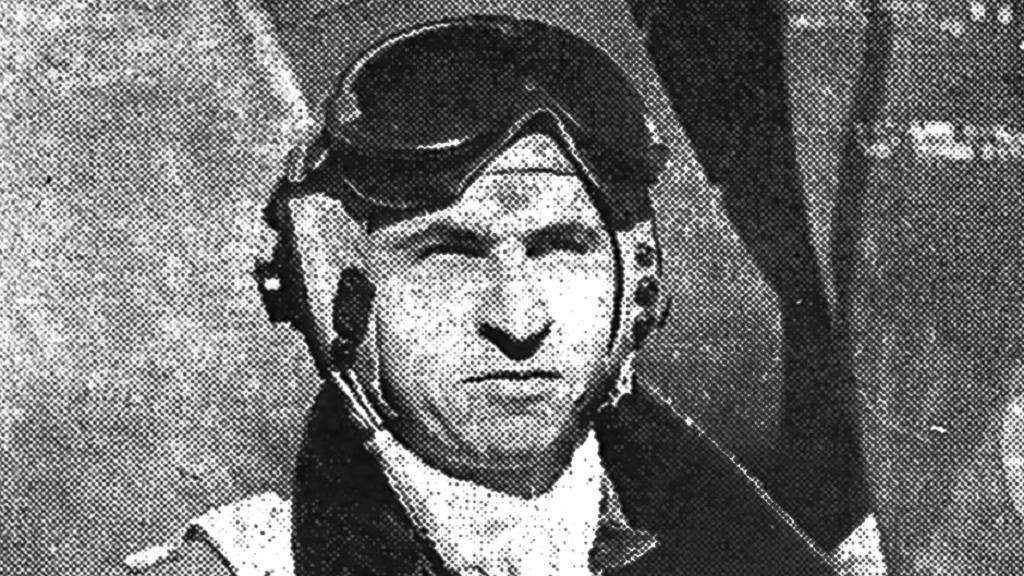
LT. COL. GEORGE T. LEE, of Norwood, recently promoted from Major in the Army Air Forces, is Deputy Group Commander of a veteran P-47 Thunderbolt Fighter Group supporting Allied Ground Forces in northern Italy and has flown ever 200 combat missions. (12th Air Force Photo) Discover more from Norwood Historical Society Subscribe to get the…
Discover more from Norwood Historical Society
Subscribe to get the latest posts sent to your email.