
End of the Road for an Innovative Retail Vision
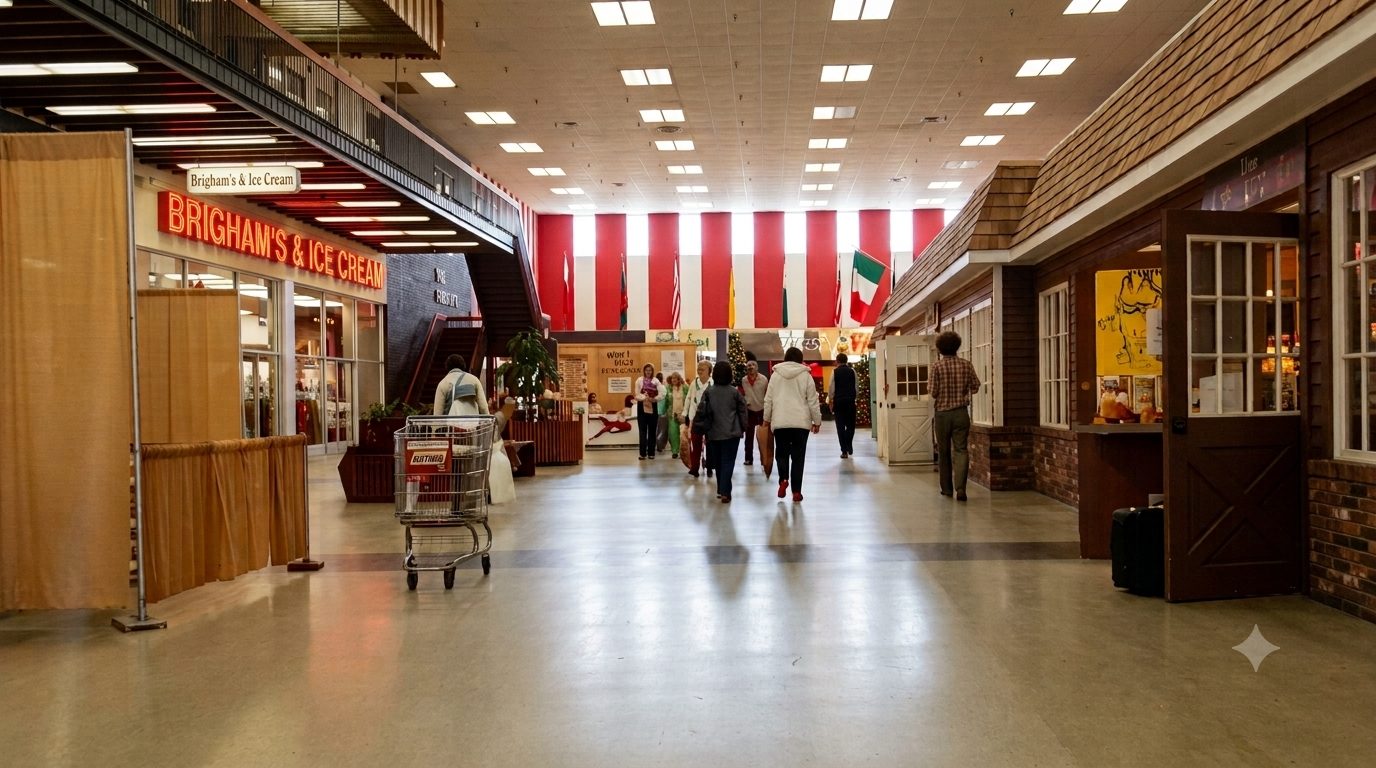
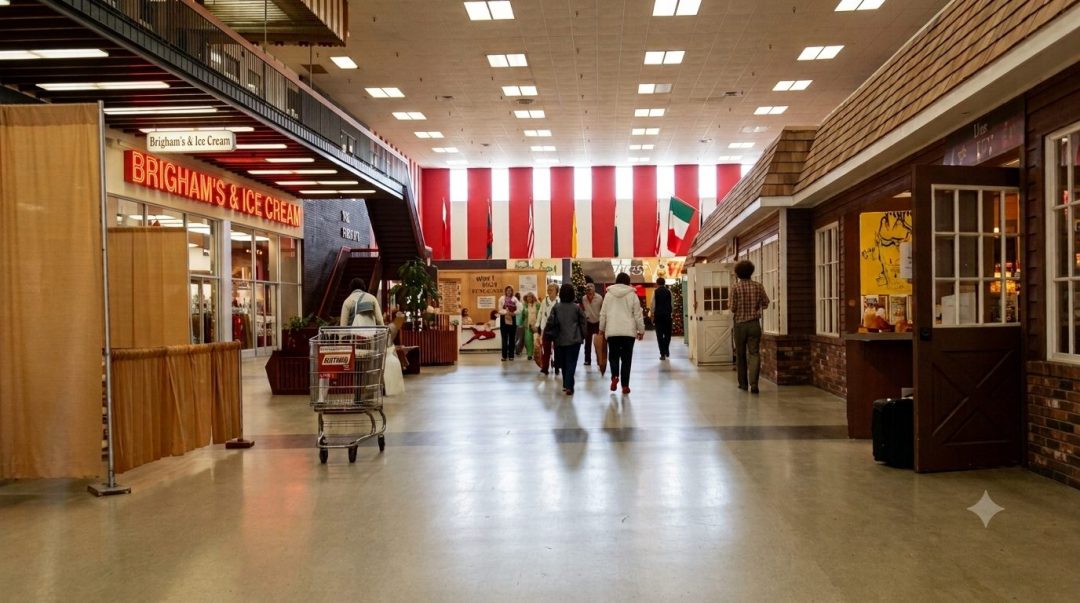
On July 21, 1977, the town of Norwood faced the official closure of a significant chapter in its commercial development history. Nearly two years prior, anticipation had reached a fever pitch with the announcement of a revolutionary shopping center project located at the intersection of Route 1 and Union Street. The proposed Lanning shopping mall, conceived by developers William Zoppo and Thomas Zoppo, had been touted as a paradigm-shifting venture designed to move away from the standardized retail models of the era.
The vision of the Lanning Corp. was to construct a shopping center that eschewed the traditional reliance on major department store anchors. Instead, the developers proposed a series of specialty shops arranged along a simulated “Main Street.” This concept was specifically curated to appeal to middle and upper-middle-income demographics, promising a personalized and eclectic shopping experience that stood in stark contrast to the ubiquitous, “cookie-cutter” malls that defined the retail landscape of the late 1970s. For the residents of Norwood, the project represented a bold, forward-thinking approach to local commerce.
However, the excitement surrounding the Lanning mall was abruptly tempered by the news that the project had failed to materialize. The 25-acre site at Route 1 and Union Street, once seen as the foundation for a vibrant new destination, was now effectively available for new development. According to Thomas A. Walsh, senior vice president of The Codman Company—a Boston-based real estate firm tasked with managing the property—the Lanning Corp. had allowed its purchase option on the land to lapse entirely.
Thomas A. Walsh clarified that his firm had been retained as marketing agents by the landowners approximately two months prior to this announcement. With the previous development plans formally dead, the firm turned its efforts toward identifying a new buyer or prospective tenant. The land was presented with an asking price of $50,000 per acre, offering significant flexibility to the market. The Codman Company indicated that the property could be sold in its entirety, subdivided for smaller parcels, or developed for a specific tenant through a build-to-suit lease agreement.
The versatility of the 25-acre site remained a primary selling point. Thomas A. Walsh suggested that the land held substantial potential for industrial development, which would shift the focus of the site’s logistics. In an industrial configuration, the need for direct access from Route 1 would be minimized, allowing developers to explore alternative ingress and egress points, such as the Route 1 median.
For Norwood, the cessation of the Lanning project was a notable setback, as it had been poised to be an innovative landmark for the town. Yet, the availability of such a large, well-positioned parcel represented a significant opportunity for the local real estate market. While the specific vision of the Zoppo brothers did not come to fruition, the site remained a prime target for future investment. As the town continued to expand and evolve, the plot at Route 1 and Union Street stood ready for a new proposal that would eventually define the next phase of its commercial development.
Archival Note: This article has been dynamically reconstructed from the original public record print archives of the Patriot Ledger
More…
-
“Planned Individuality” at Westover Estates-This Day in Norwood History-September 10, 1955
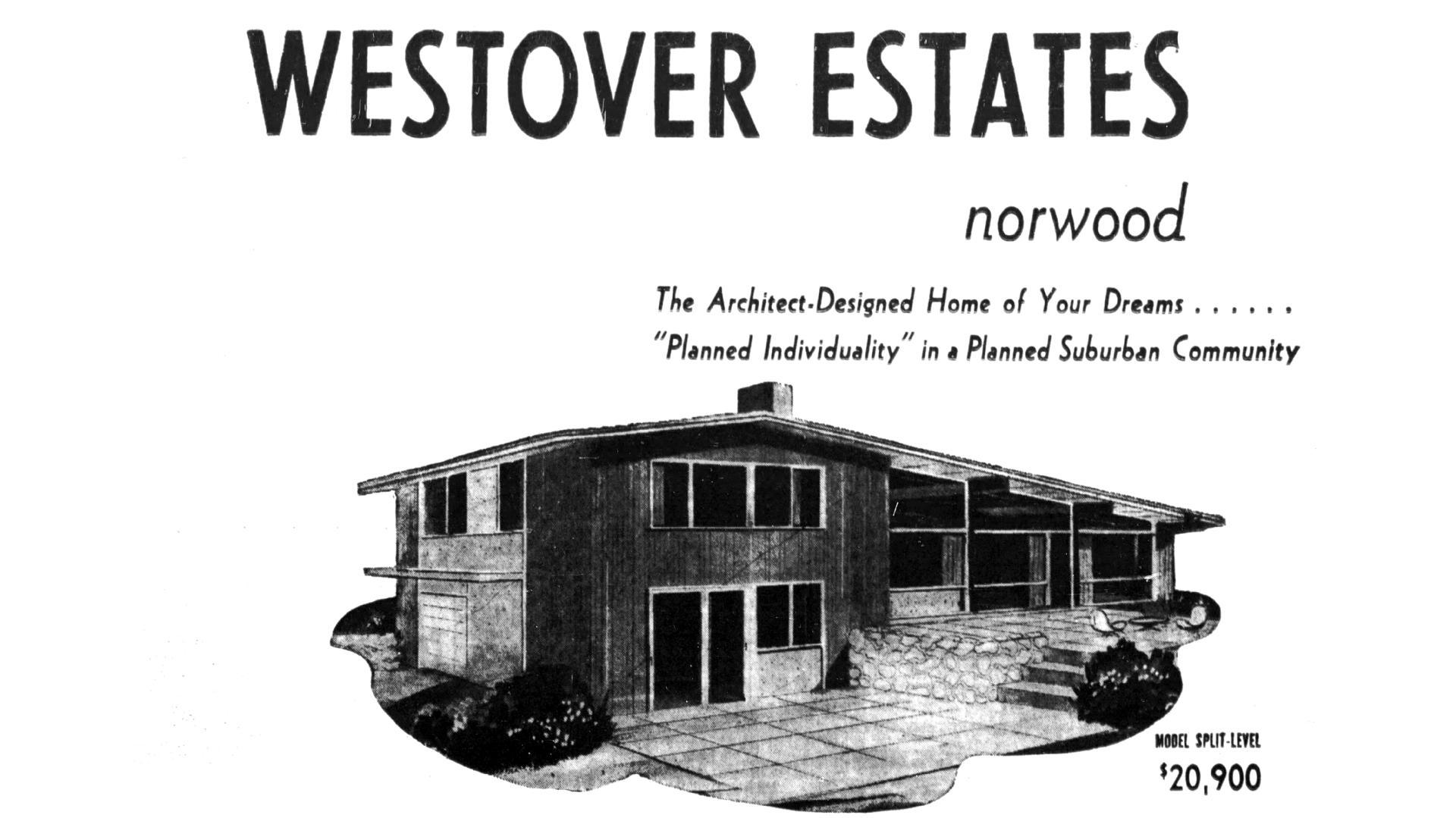
“For the discriminating home buyer who is seeking true contemporary architectural design in a tri-level or ranch home, there is nothing to compare with Westover Estates in Norwood.” says Leo Wolf of Norwood Properties. Inc. “Here is a planned community of homes in a traditional New England setting. At Westover Estates ‘planned individuality’ is the…
-
Norwood Park-January 16, 1955
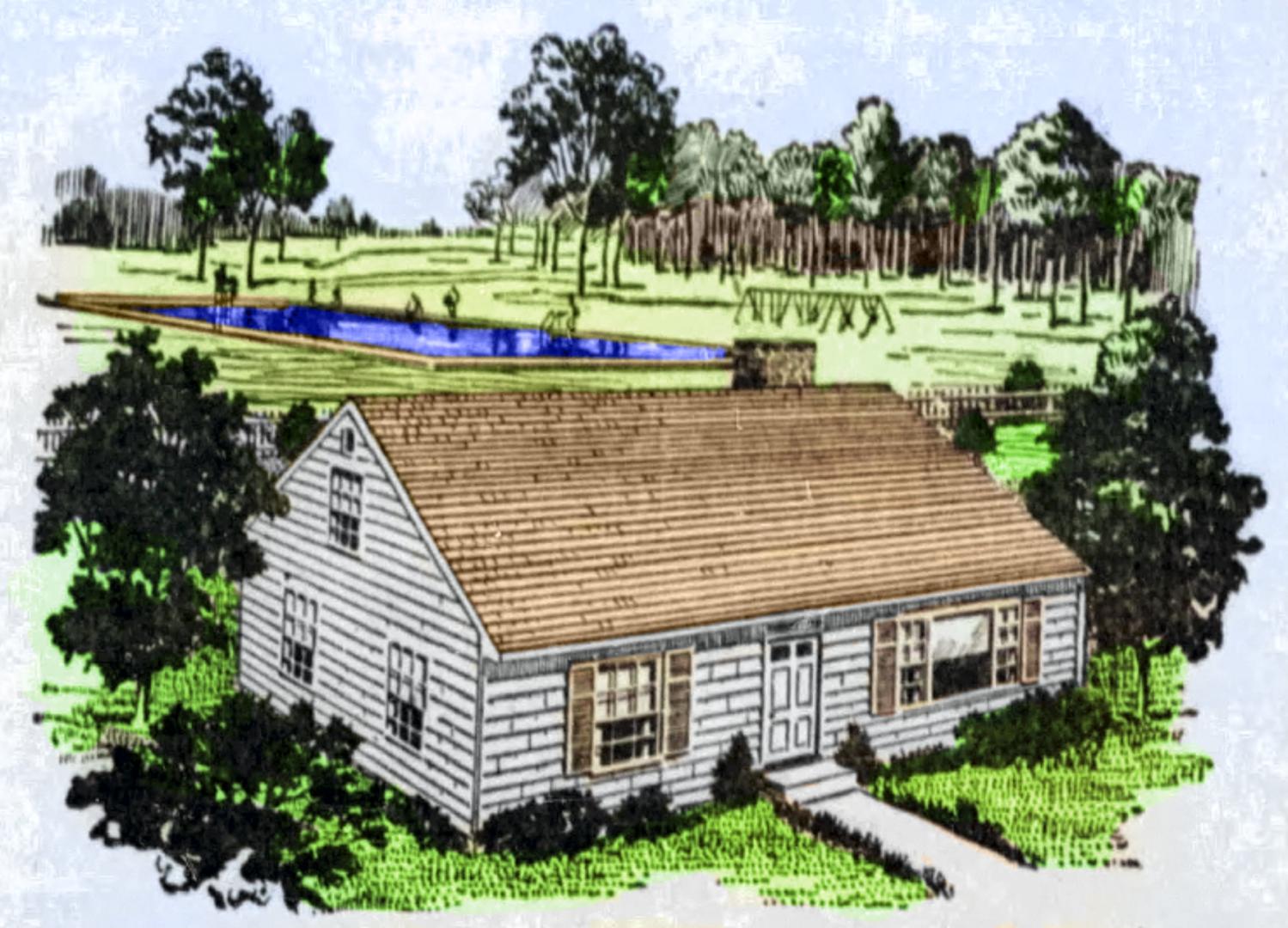
Norwood Park-at-Norwood Attracts Hundreds of People “The new model home, opened recently at Norwood Park-at-Norwood, is attracting hundreds of people to the area,” Martin Cerel, Natick realtor, reports. “Many of the homes are already occupied and new owners are moving in daily. “These people are really enthusiastic about their new contemporary Capes, and they are…
-
Gunmen Grab $12,000 in Bank Robbery-This Day in Norwood History-September 13, 1951
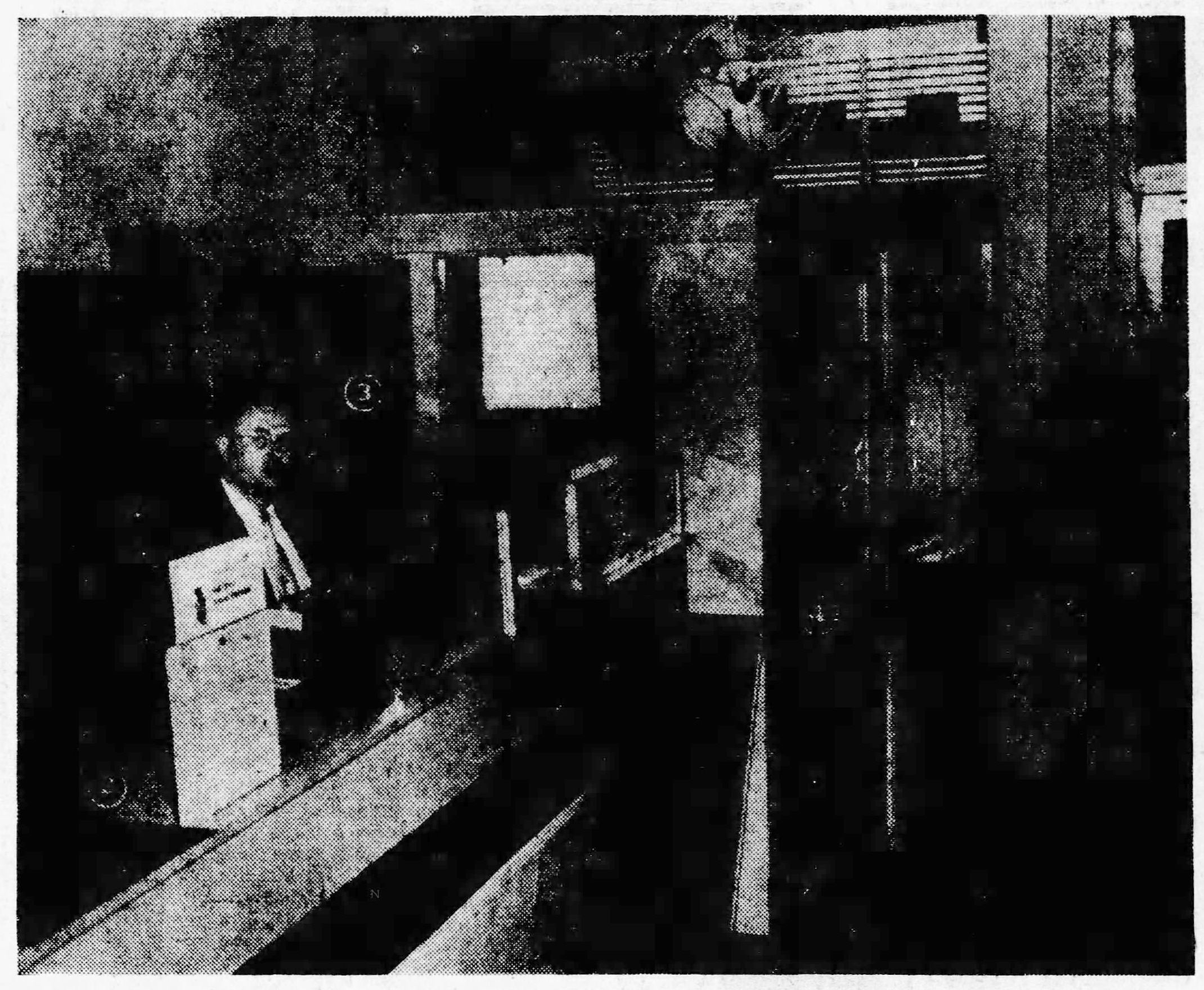
Gunmen Grab $12,000 in Bank Robbery-This Day in Norwood History- September 13, 1951
-
Mark Opening Of New A&P Store-This Day in Norwood History-January 29, 1948

Banquet For Employees Precedes Debut Here Of ‘Store Of Tomorrow’ Nearly 100 employees of the A. & P. Co. attended a banquet held last night at the Tyot Room, Lewis’ Restaurant, marking the completion of remodeling operations at A. & P.’s new ‘Store of Tomorrow’’ at Cottage and Central Streets, Norwood. The new store was…
-
Westover Proposed As Home For United Nations HQ-This Day in Norwood History-January 4, 1946

Possible That Delegates Will Be Taken Here In Inspection Tour Norwood has been included as one of the areas which might have a chance of becoming the permanent scat of the United Nations Organization. A representative of Governor Maurice J. Tobin’s committee to bring the UNO to the Boston Area told a Free Press reporter…
-
Shop Norwood-This Day in Norwood History-November 22, 1944

Christmas merchandise for holiday giving has made its appearance in Norwood stores and displays offer a wide variety of gift selections. With the mailing of overseas Christmas gifts out of the way, Christmas givers are now ready to concentrate on their home giving. May we suggest to Norwood folk that they visit the local shops…
-
Santa Salutes the Merchants of Norwood-This Day in Norwood History-December 10, 1942
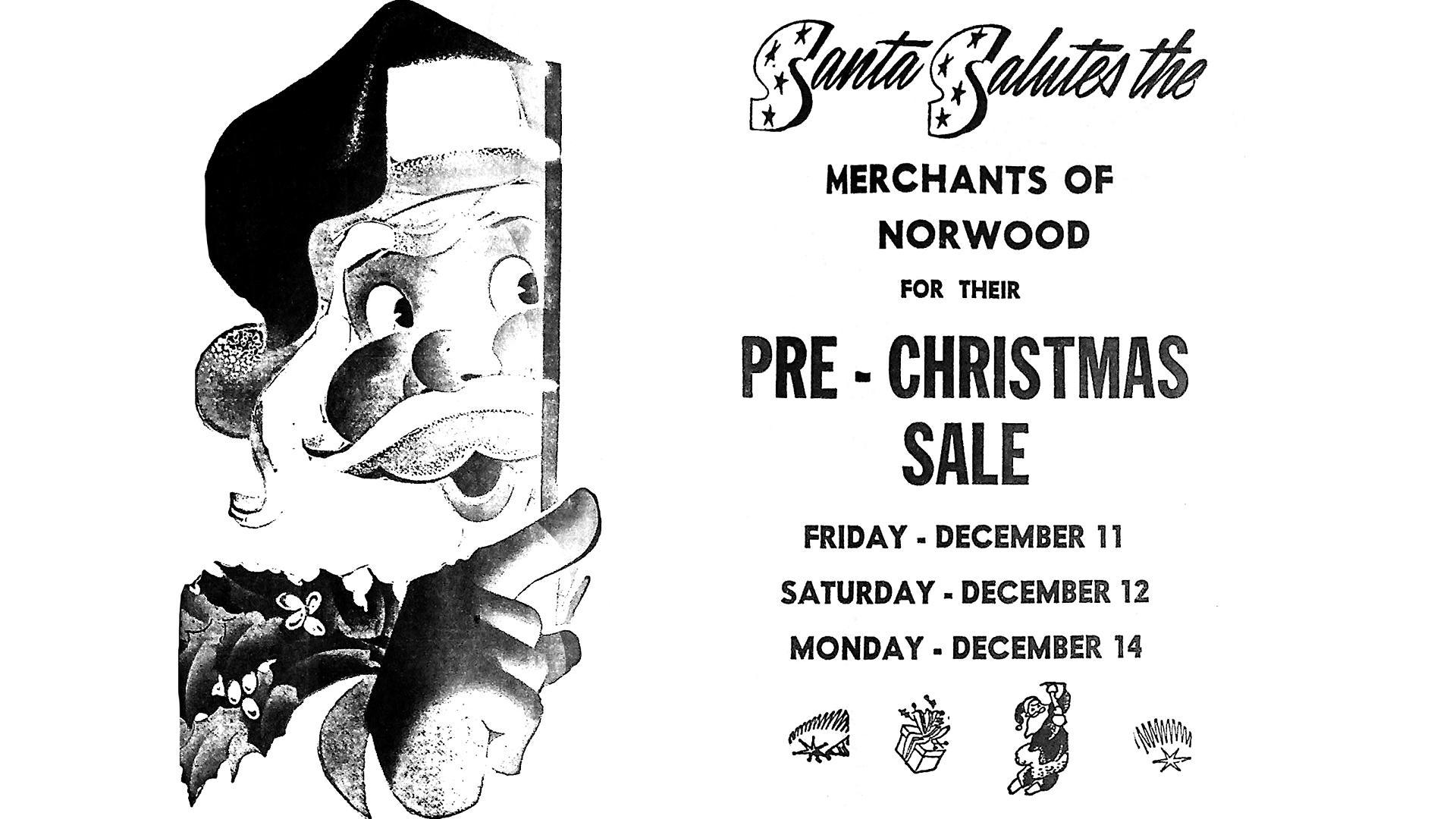
The merchants of Norwood, deciding to convince their customers of the absolute necessity of doing their Christmas shopping early this year, put their thinking caps on and came up with the idea that a pre-Christmas sale was the answer! 11 is imperative that ail mailing be done early … so all you well- meaning but…
-
South Norwood Merchants Form New Association-This Day in Norwood History-January 17, 1941
Pledged to work for the betterment of the community and the development of the trading center, the retail merchants of South Norwood have formed a new organization known as the South Norwood Merchants Association. Elected president of the Association at a meeting Tuesday night at Lithuanian Hall was Peter Cafaro. Other officers named were: Anthony…
-
Massachusetts’ New Executive Mansion—The Allen Home At Norwood-This Day In Norwood History-January 3, 1929
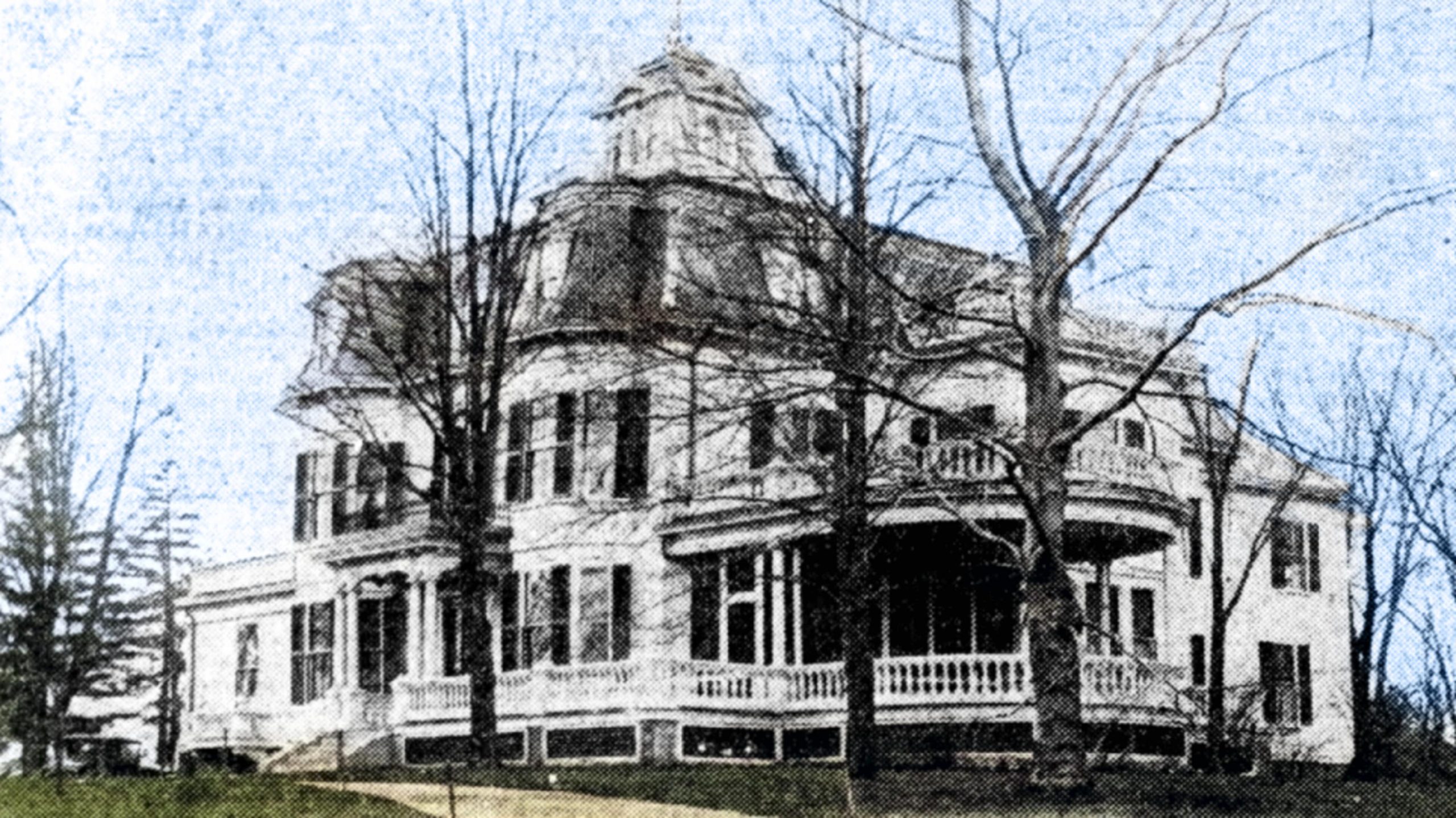
ALLENS WILL REMAIN AT NORWOOD WHERE BABY, FRANK JR, MAY THRIVE New Governor’s Son Has Elephants and Elephants And Mrs Allen Laughingly Wonders Why NORWOOD, Jan 3—With the inauguration of Gov Frank Gilman Allen this noon, the State found itself graced by one of the youngest wives of a Governor in history. Mrs Allen, the…
Discover more from Norwood Historical Society
Subscribe to get the latest posts sent to your email.