

As school doors swung open for the new academic term, Norwood High School officially launched an ambitious and innovative “open campus” plan, though initial participation drew a select group of students. Out of approximately 1,600 enrolled high school students, 122 pupils—representing less than 10 percent of the student body—signed formal agreements to participate in the experimental program on opening day.
Structure, Objectives, and Community Involvement
Spearheaded by Principal John F. Monbouquette, assistant superintendent for the secondary level John Donovan, and a dedicated staff advisory committee on school policy, the open campus initiative was designed to maximize the utilization of school facilities for an anticipated peak enrollment of 2,150 students by September 1974 while fostering greater personal responsibility among young adults.
Key structural and operational features of the program include:
- Extended Day Schedule: The traditional seven-period academic day was expanded into a nine-period schedule, unlocking roughly 60 additional learning spaces per period and temporarily alleviating severe classroom overcrowding.
- Unscheduled Time and Off-Campus Privileges: Students with unscheduled class periods are permitted to leave school grounds to go home, engage in approved work-study programs, or participate in community volunteer initiatives at local institutions such as Norwood Hospital, nursing homes, and the Wrentham State School for retarded children. On-campus students utilize the enlarged library media center or departmental resource centers for independent study.
- Mini-Courses and Cultural Enrichment: To engage students’ diverse interests, the curriculum incorporates short “mini-courses” taught by community members, alongside expanded auditorium programming featuring films, guest speakers, and performing arts panels.
- Strict Accountability Contracts: To ensure safety and liability protection, participating students and their parents were required to sign formal contracts absolving the town from responsibility for mishaps occurring off school grounds while reaffirming strict academic and behavioral expectations. School officials noted that roughly 100 parents had not yet returned signed contracts, placing those students on the standard traditional schedule pending formal authorization.
Archival Note: This article has been dynamically reconstructed from the original public record print archives of the Patriot Ledger
-
Norwood Renews Search For High School Principal-June 25, 1964
Officials plan to evaluate past candidates and request recommendations from Boston area colleges while Vice Principal John Mombouquette prepares for interim leadership.
-
Caroline Stratton Breaks Decades-Long Tradition as Female Freshman Class President-October 14, 1963

In a historic student election at Norwood Senior High School, Caroline Stratton becomes the first female freshman class president in over three decades.
-
Enrollment Hike Forces Split Classes in Norwood Public Schools-September 5, 1963
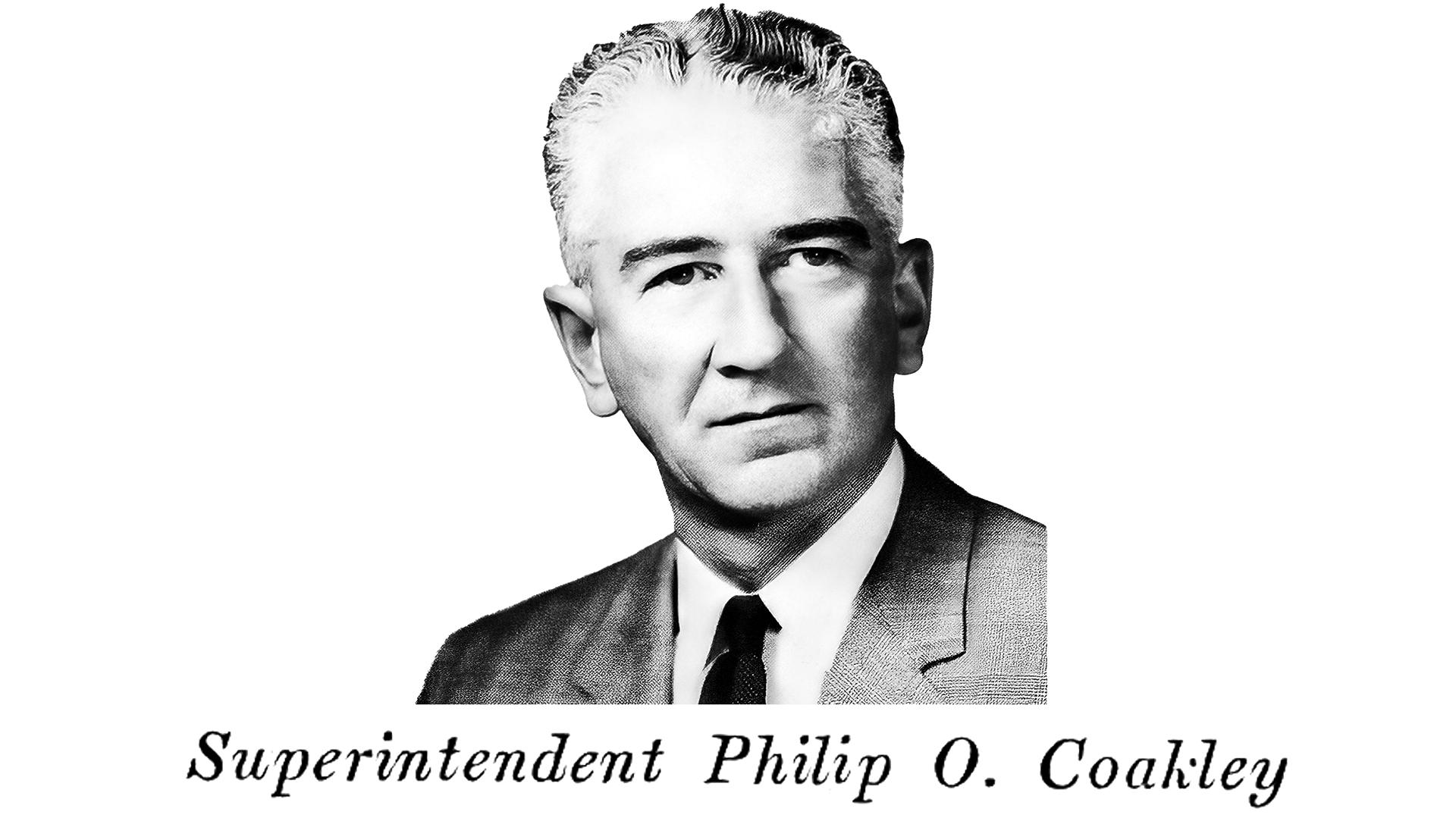
Norwood public schools experience an enrollment spike of 416 students, prompting split classes at Cleveland and Callahan schools and sparking a debate over elementary cafeteria capacity.
-
Eleventh-Hour Decision on Oldham School Registration-September 3, 1963
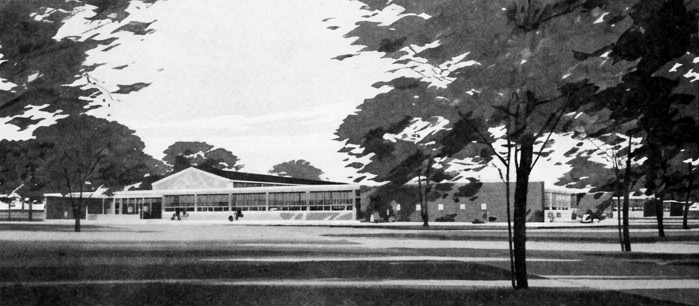
NORWOOD — An eleventh-hour session of the Oldham School Building Committee is being held tonight to make the decisive call on whether the newly constructed school will officially open its doors for student registration tomorrow morning. Final Scramble and Boiler Inspections Workmen labored through the weekend, including a full day on Saturday, trying to wrap…
-
Oldham School Opening Set for Wednesday, New Teacher Appointments-August 30, 1963
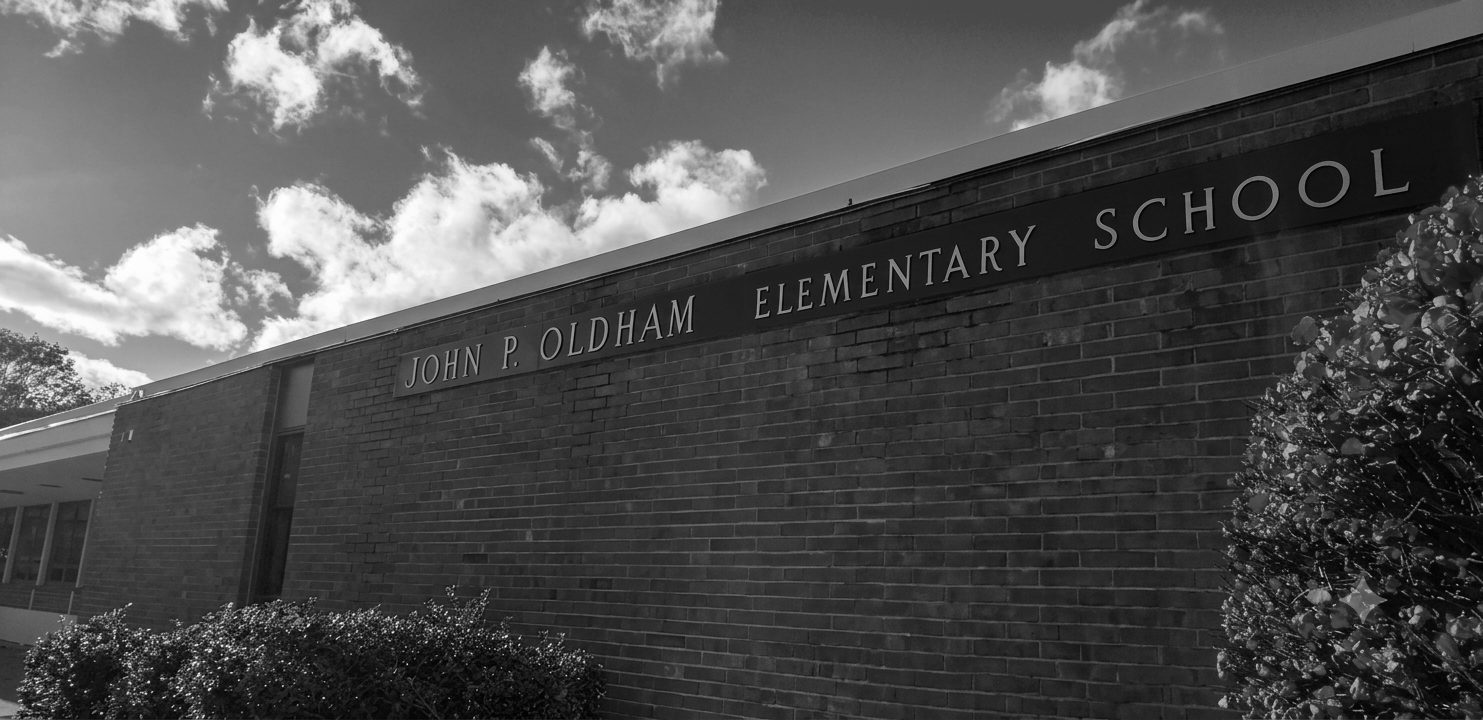
As Norwood prepares for the new academic year, the School Committee has announced plans to open the newly constructed John P. Oldham Elementary School next Wednesday, contingent upon final safety inspections of its heating and ventilating systems. While municipal electric light department crews rushed to finish electrical work and boilers were fired for the first…
-
Bios of New Norwood Public School Teachers-August 29, 1963

As the Norwood public school system prepares for the upcoming academic year, officials announced the appointment of 56 new teachers. Biographical profiles for the first 28 incoming educators highlight their educational backgrounds and assignments: High School Appointments Elementary, Junior High, and Special Services Appointments Discover more from Norwood Historical Society Subscribe to get the latest…
-
Superintendent Coakley Announces Upcoming Student Registration, New Teacher Orientation, and Summer Maintenance Progress-August 22, 1963
Norwood schools set registration dates and orientation schedules while summer maintenance projects wrap up across local buildings ahead of the September 4 opening.
-
Eight-Room Addition to Cleveland School Recommended Over New Construction-August 16, 1963
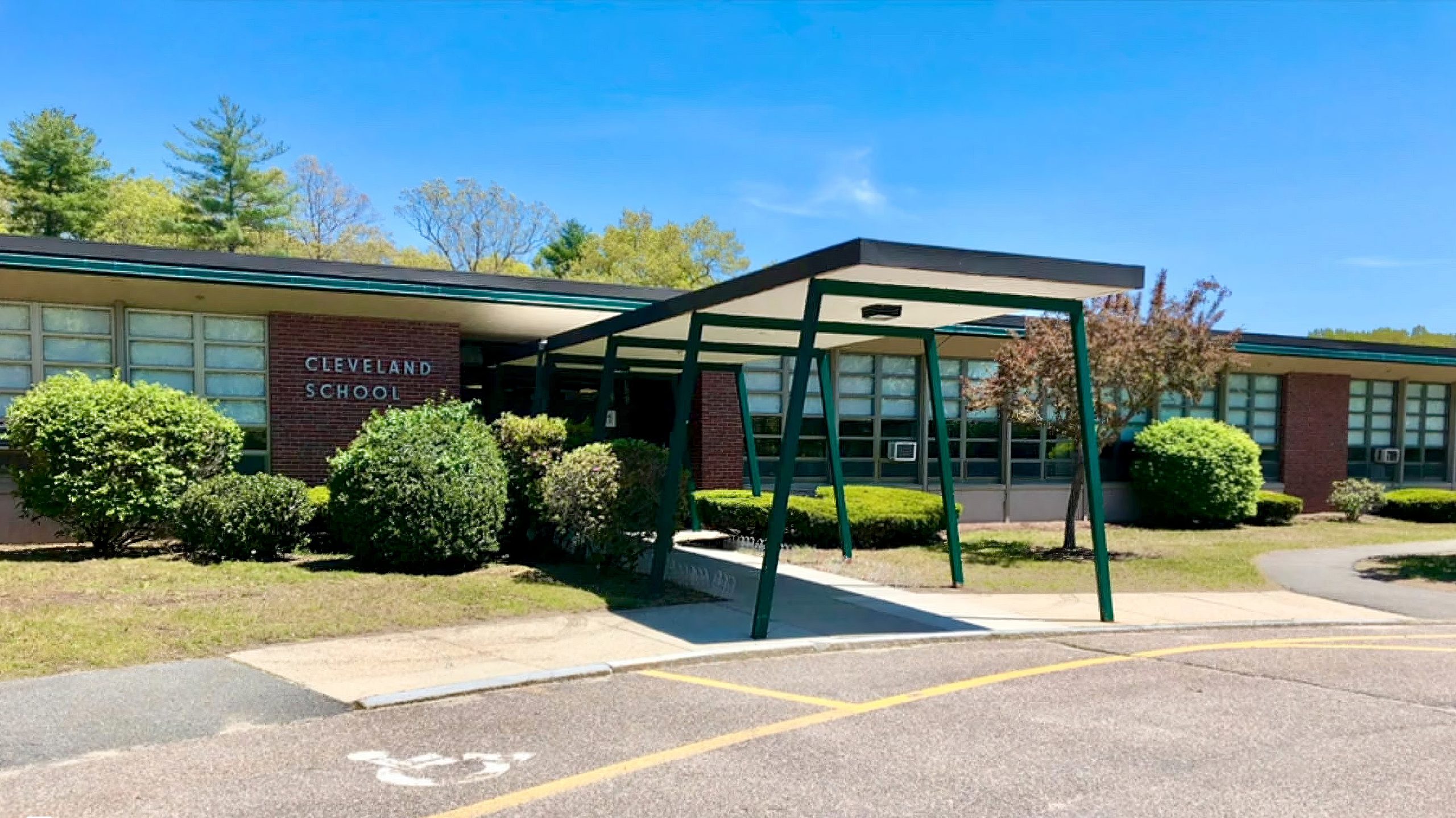
Voting 3 to 2, the Elementary School Building Committee recommended an eight-room addition to the Cleveland School over building a new facility, setting a joint meeting with Superintendent Philip O. Coakley.
-
School Building Committee Votes to Recommend Addition to Cleveland School-August 16, 1963
By a 3-2 vote, Norwood’s Elementary School Building Committee recommended an eight-room addition to the Cleveland School rather than constructing a new facility on Wilson Street.
-
Oldham School Building Committee Grapples with Defective Tile Work and Construction Delays-August 7, 1963
At a special meeting addressing 22 construction issues, the Oldham School Building Committee and architect George H. Stoner rejected 1,100 square feet of improperly installed exterior tile.⠀
Discover more from Norwood Historical Society
Subscribe to get the latest posts sent to your email.