
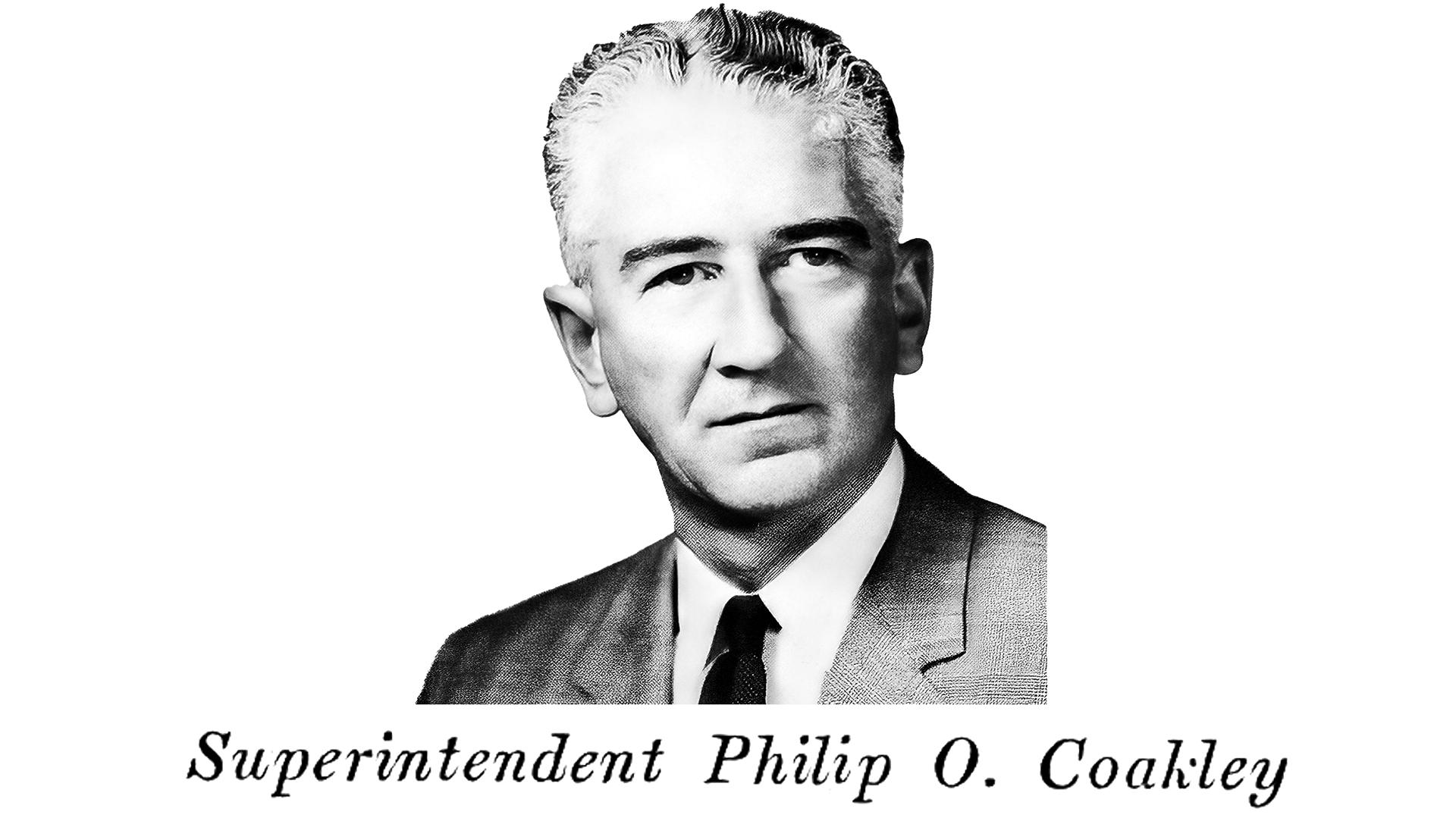
Student enrollment across Norwood Public Schools surged by 416 pupils compared to the previous year, creating immediate spatial challenges and forcing administrative adjustments as the new academic year got underway. Superintendent of Schools Philip O. Coakley reported the jump during a School Committee meeting, highlighting that surging attendance has necessitated split classes and cafeteria overhauls.
Cleveland and Callahan School Adjustments
At the Cleveland School, total opening enrollment reached 595 students—mirroring last year’s figures—but a massive influx at the third-grade level forced the establishment of a second third-grade class. Superintendent Coakley announced that Mrs. Marion Monbouquette has been hired to lead the new classroom space established within the school library. Meanwhile, a split class has also been instituted at the Callahan School, whereas two similar split classes required at the Winslow School last year have been successfully discontinued.
Administrators are also monitoring anticipated enrollment numbers at the newly constructed Oldham School, scheduled to open for student registration. Superintendent Coakley briefed committee members on a scheduled afternoon walk-through involving town officials, a State Public Safety Inspector, the general contractor, and other stakeholders to determine formal occupancy approval for classes starting Monday.
Cafeteria Capacity Dilemma at Elementary Level
The dramatic population increase has triggered logistical complications regarding student lunch programs. Superintendent Coakley warned that implementing a hot lunch program will necessitate shifting to a single-session school day due to severe spatial limitations.
“The lunch room is limited to a capacity of 180,” Coakley stated, noting that feeding the entire student body a hot lunch would stretch into a cumbersome two-hour operation. Committee member Joseph R. Olshan raised concerns regarding parents expecting children home for midday meals, while Mrs. Mary Hemman cautioned that mishandling the lunch schedule could create widespread complications. Committee member Joseph Curran argued that the town undermined the neighborhood school concept when hot lunch programs were originally instituted, remarking, “If I had my way, we wouldn’t have any hot lunch programs.” Chairman Thomas White emphasized that families must share logistical responsibilities, suggesting children either walk home or bring bag lunches. Ultimately, the committee authorized Superintendent Coakley to experiment with a temporary feeding format to find a workable solution.
Archival Note: This article has been dynamically reconstructed from the original public record print archives of the Patriot Ledger
-
Norwood High School Renovation Plans Scrapped in Favor of New Building-October 15, 2005
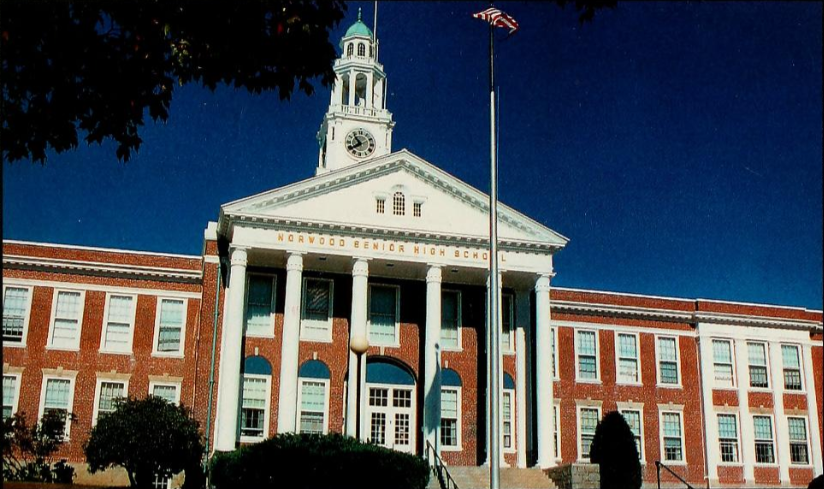
Facing accreditation warnings and failing infrastructure, Norwood’s School Facility Task Force votes overwhelmingly to pursue a new high school building.
-
Norwood Junior High School Honor Rolls for the Last Term-This Day In Norwood History-July 21, 1997

Celebrating Academic Excellence at Norwood Junior High The academic landscape at Norwood Junior High School was highlighted by a formal recognition of student achievement, as the administration released the latest honor rolls for Grade 7 and Grade 6. These lists, comprised of students who attained HIGH HONORS and HONORS status, served as a public commendation…
-
Norwood High School Revives Latin Classes After Nearly a Decade-September 26, 1994
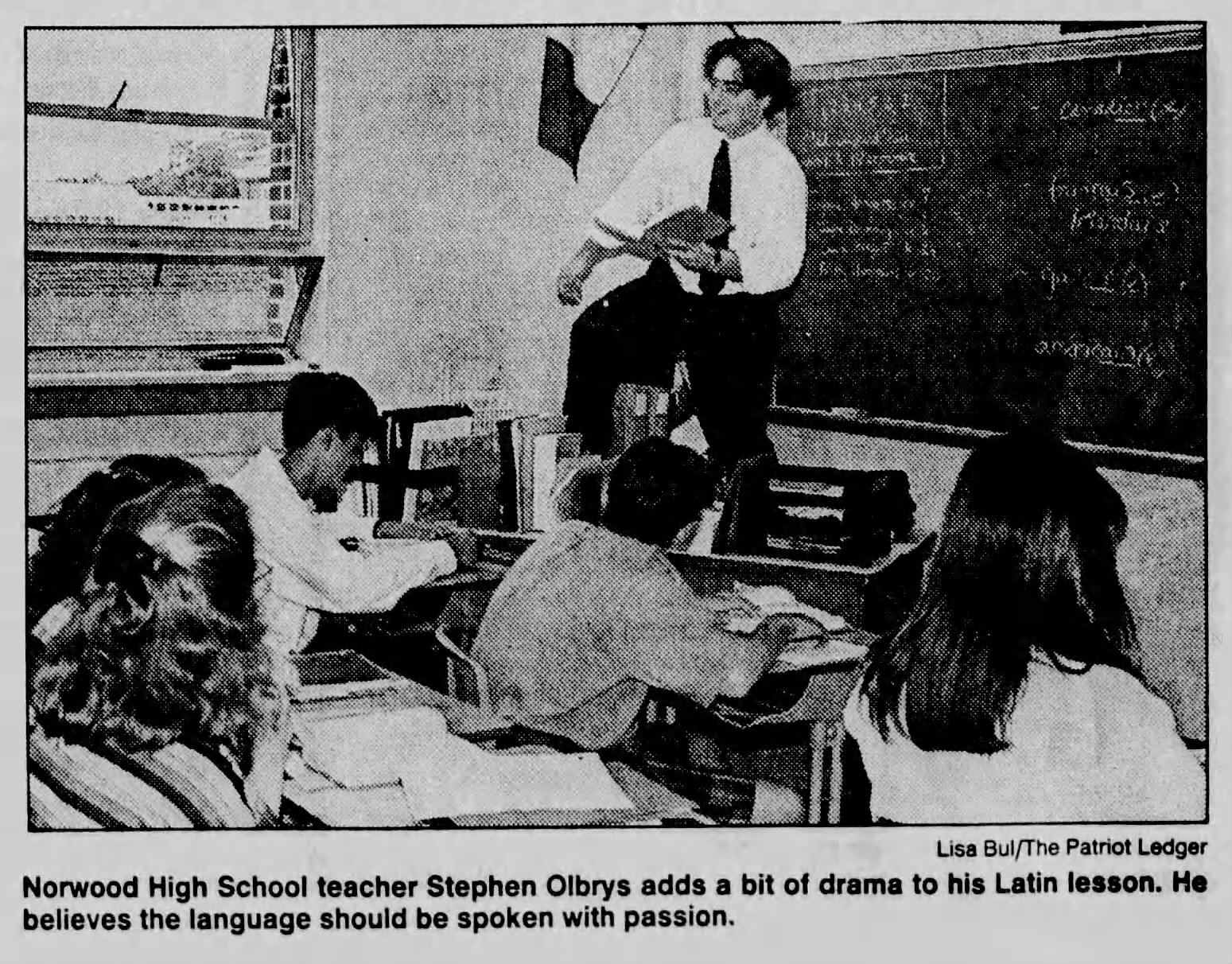
Norwood High School brings back Latin classes for the first time in nearly a decade, led by young instructor Stephen Olbrys to enthusiastic student enrollment.
-
Norwood Elementary Grades Drive Enrollment Increase-September 2, 1993
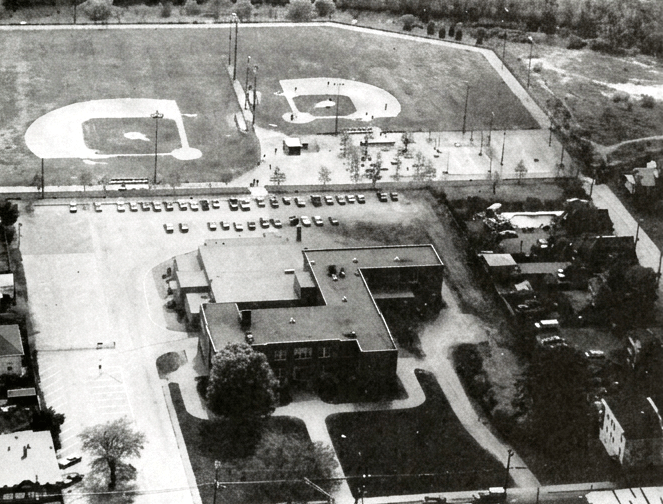
School System Reaches 3,565 Total Students Norwood public schools have experienced an overall enrollment increase of 136 students compared to the previous academic year, bringing total district enrollment to 3,565 students, according to an announcement made by Assistant Superintendent Roderick Smith during a school committee meeting. Enrollment Breakdown by Grade Level The surge is heavily…
-
Summer Education Program Helps Students Stay Sharp-August 12, 1992
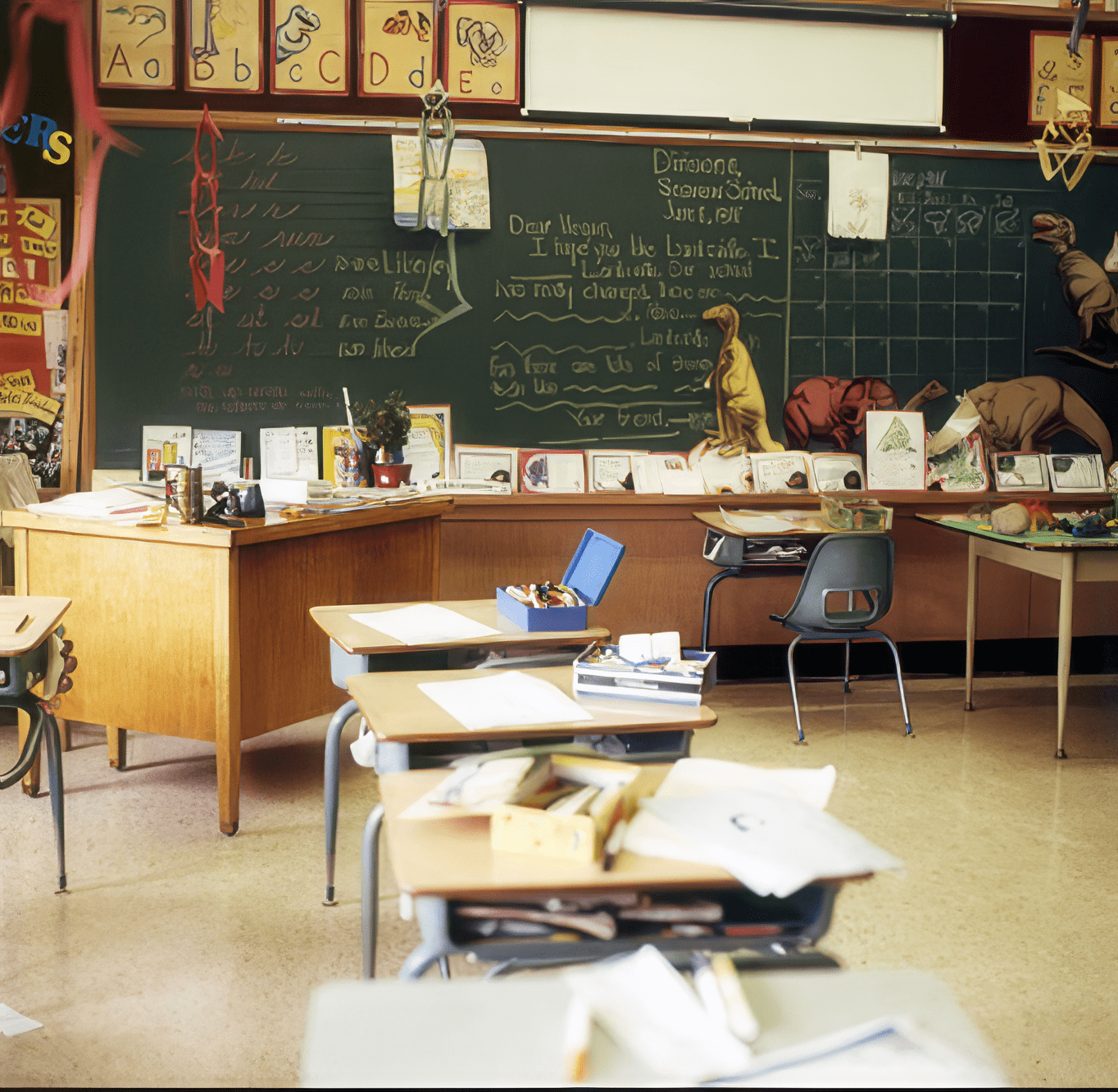
Federal Chapter 1 funding revived Norwood’s summer remedial education program at the Cleveland School, combining academics with local field trips for 48 students.
-
Norwood Parents Music Association: The Dedicated Power Base Behind the High School Band-October 11, 1991

As the fall marching band season kicks into high gear, Joann Pasquantonio is bracing herself for a grueling schedule of long days. There will be days when she boards a school bus at 4:00 p.m. and doesn’t return home until midnight, utterly exhausted after hours of competitions. The catch? Pasquantonio isn’t in the band. She…
-
Prescott Elementary School Parents Urge School Committee to Alleviate Overcrowding-September 12, 1991
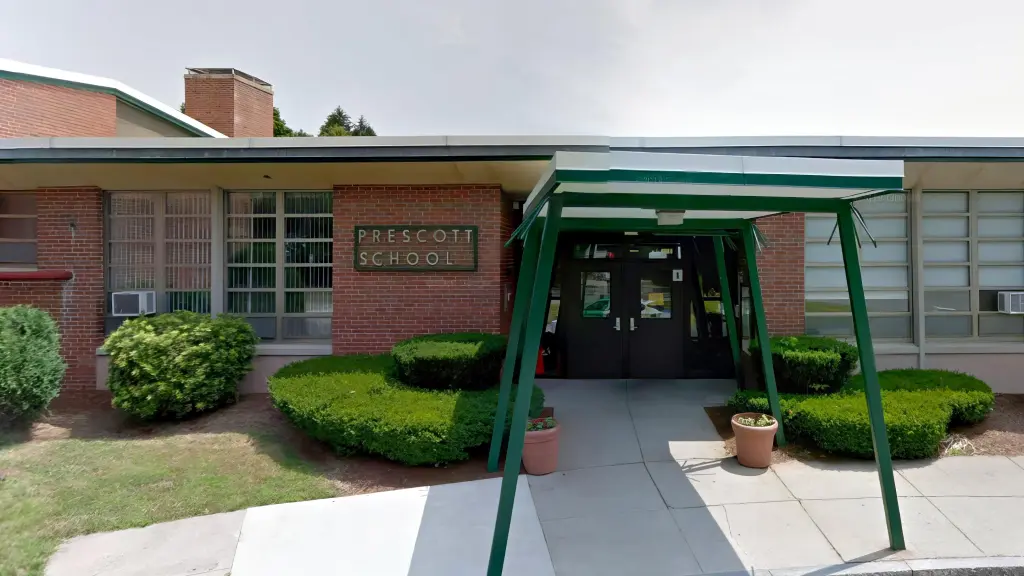
Prescott Elementary School parents petition the Norwood School Committee to hire a part-time teacher to alleviate overcrowded kindergarten classes.
-
Schools Open with Retained Programs Despite Budget Cuts and Staff Reductions-September 3, 1991
When Norwood students return to classrooms tomorrow for the start of the new academic year, they will encounter a few visible adjustments—including higher cafeteria prices, a smaller teaching staff, and the discontinuation of Latin courses. However, school officials emphasized that despite a roughly $600,000 reduction to the $18 million school budget amid town-wide cutbacks, Norwood…
-
Search for Superintendent Stirs Conflict on Committee-July 24, 1991
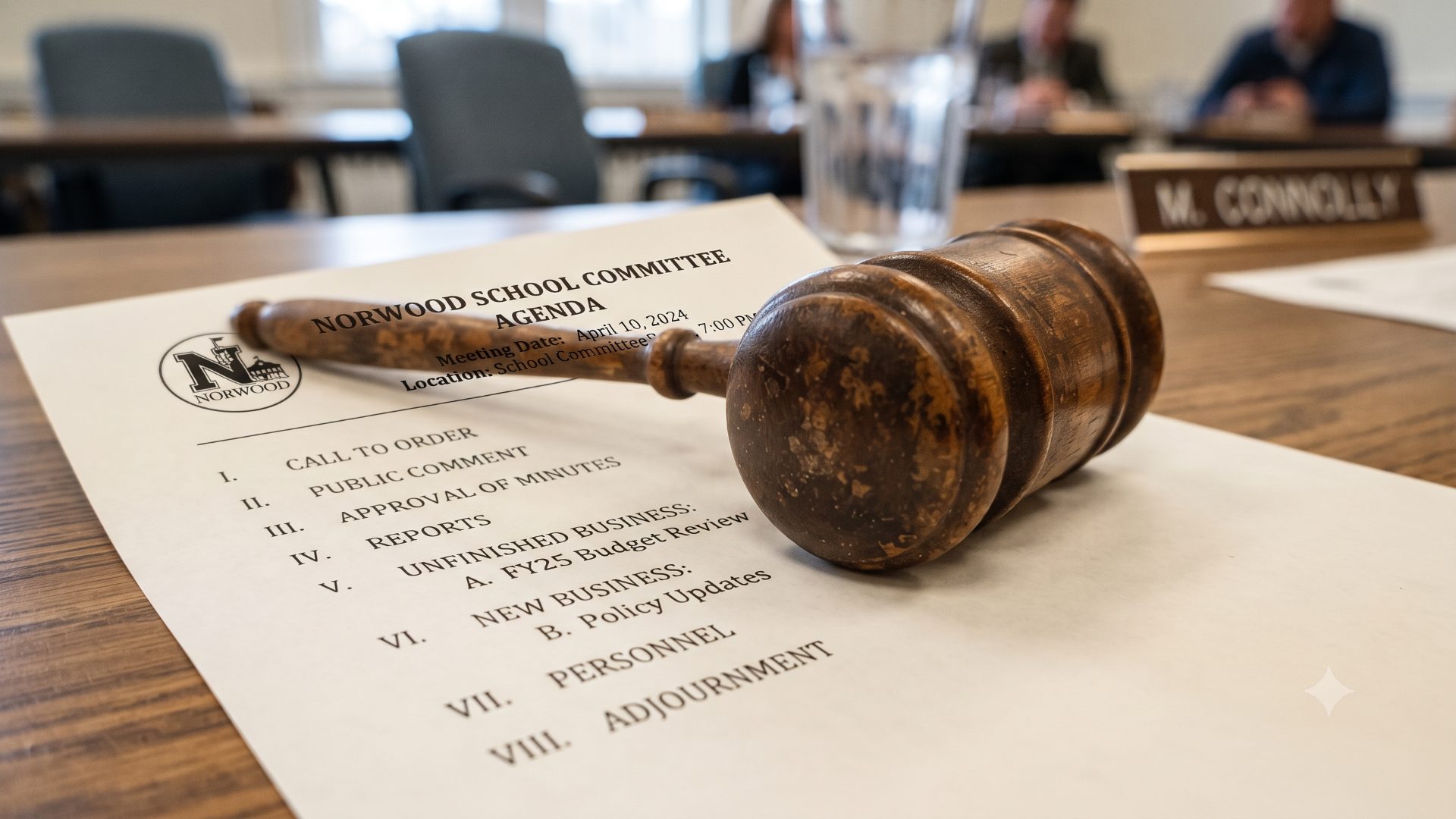
The Norwood School Committee engaged in a tense debate over expanding the superintendent search committee to include PTA representation and broader community voices.
-
Norwood High School to Drop Latin Program Due to Dwindling Enrollment-September 27, 1990

Citing dwindling enrollment and a lack of cost-effectiveness, Norwood High School officials announce that Latin courses will be eliminated from the curriculum after June.
Discover more from Norwood Historical Society
Subscribe to get the latest posts sent to your email.