
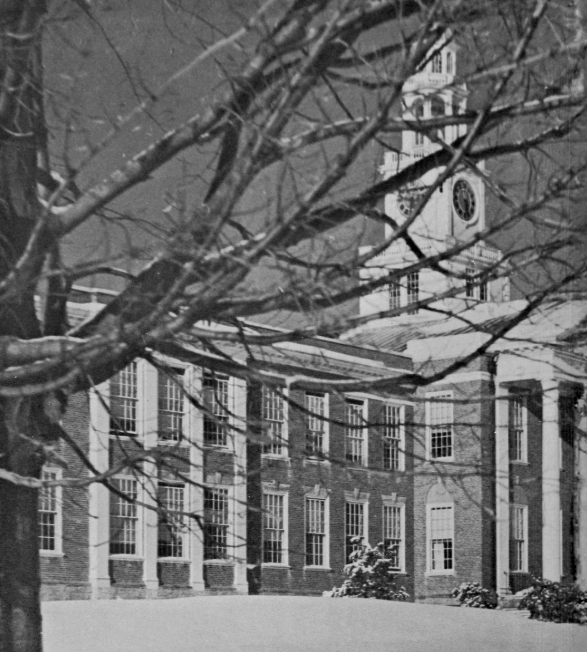
State Clears Four Area Schools While Norwood Schedules Reinspection
Following comprehensive inspections by the Massachusetts Department of Labor and Industries, four out of five area schools previously flagged for potentially hazardous asbestos ceilings have been given a clean bill of health after completing ceiling replacements and remediation work.
In October 1978, a special state asbestos commission identified five regional schools containing concerning levels of sprayed asbestos in ceiling coverings. While remediation projects removed hazardous materials in surrounding communities, Norwood High School was rechecked and found to be safe. However, as a precaution, state inspectors have mandated that the corridors and classrooms within the school’s 1962 addition be reinspected again next year.
Regional Asbestos Remediation & Inspection Status
Area Schools Remediation Summary
- Norwood High School: Rechecked and found safe; 1962 addition scheduled for reinspection next year.
- Memorial Middle School (Hull): Auditorium ceiling completely replaced with non-asbestos materials under the direction of business manager Leonard Colten.
- E. Lyons Elementary School (Randolph): Corrective work completed in hallways.
- Broadmeadows Junior High School (Quincy): Remediation finished in halls, cafeteria, and corridors.
- Milton High School: Corridors cleared following corrective measures.
Statewide Survey & Health Context
- Statewide Scope: **Harold Bavley** of Milton, director of the Division of Occupational Hygiene and Industrial Safety, noted that inspectors have surveyed **1,432 schools** out of 2,400 statewide (focusing on buildings constructed or renovated between 1946 and 1972).
- Financial Assistance: The Massachusetts Legislature appropriated **$2 million** to reimburse up to 74 percent of asbestos removal costs for approximately 50 applicant schools.
- Health Risks: Inhalation of airborne asbestos fibers has been linked to lung scarring, respiratory illnesses, and lung cancer, which can take years to manifest.
Ongoing Monitoring and Wear-and-Tear Factors
According to state health officials, ceiling coverings that are safe one year can deteriorate due to environmental factors or physical wear. Schools are placed on annual or triennial review schedules depending on facility conditions.
Bavley explained that disturbances are frequently triggered by roof and water leaks, maintenance activities, or physical contact with ceiling and pipe insulation. State authorities continue to survey public buildings across the Commonwealth to ensure long-term safety for students and staff.
Archival Note: This article has been dynamically reconstructed from the original public record print archives of the Patriot Ledger
-
Schools Prepare for 5th Annual New Teacher Orientation-August 22, 1967

Superintendent Dr. Philip O. Coakley welcomed 58 incoming educators at the fifth annual teacher orientation institute at Prescott School, introducing new faculty across secondary and elementary schools.
-
School Committee Inspects “Deplorable” Balch School, Demanding Immediate Repairs-October 27, 1966
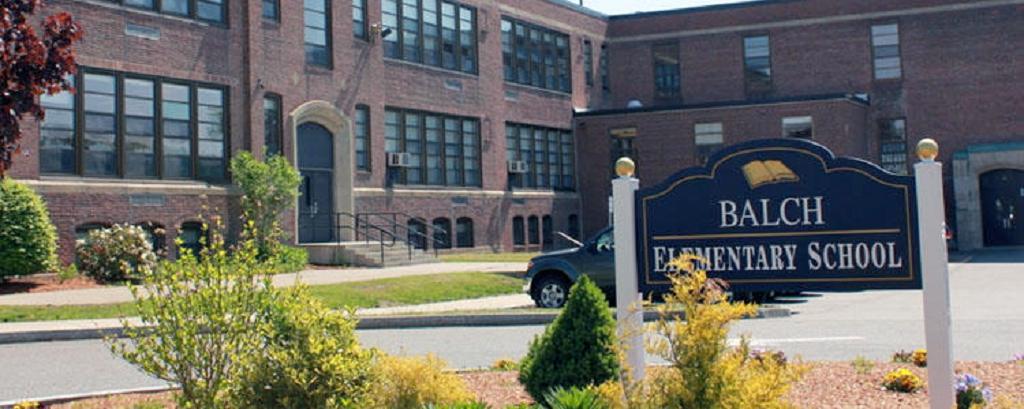
Following a 90-minute inspection revealing rotting windows, cracked ceilings, and decaying staircases, the School Committee ordered immediate priority repairs for the 50-year-old Balch Elementary School.
-
Norwood Teachers Association Submits $1,000 Pay Increase Proposal-August 18, 1966

The Norwood Teachers Association submitted a $1,000-plus pay raise proposal as the school committee signed its first collective bargaining agreement amid debate led by John J. Cavanaugh and William Egan.
-
Andrew J. Ciarletta Jr. Appointed Principal of Winslow Elementary School-July 27, 1966

The Norwood School Committee appointed Andrew J. Ciarletta Jr. as principal of Winslow Elementary School, succeeding Alan R. Wonson.
-
Thirteen Norwood High Class of 1965 Graduates Earn College Advanced Placement Honors-November 20, 1965
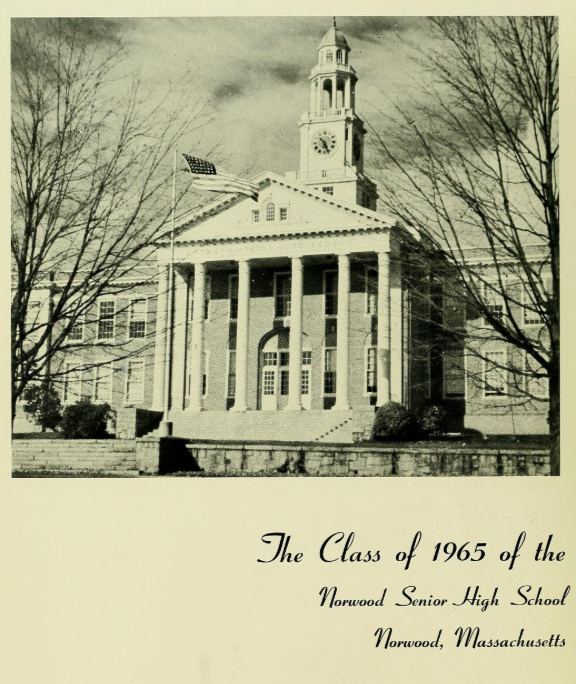
Twelve Norwood High Class of 1965 freshmen at the University of Massachusetts received advanced placement in November 1965, while Gerald Belastock earned sophomore math standing and 20 credits from Carnegie Institute of Technology.
-
“Middle School” Configuration Proposed to Address School Overcrowding-November 4, 1965

Norwood School Committee member William Egan proposed establishing a sixth-grade “middle school” and a 2,000-pupil high school to address surging enrollment pressures.
-
Retired Norwood Junior High Vice-Principal Mildred I. O’Donnell Honored at Testimonial Dinner-October 30, 1965
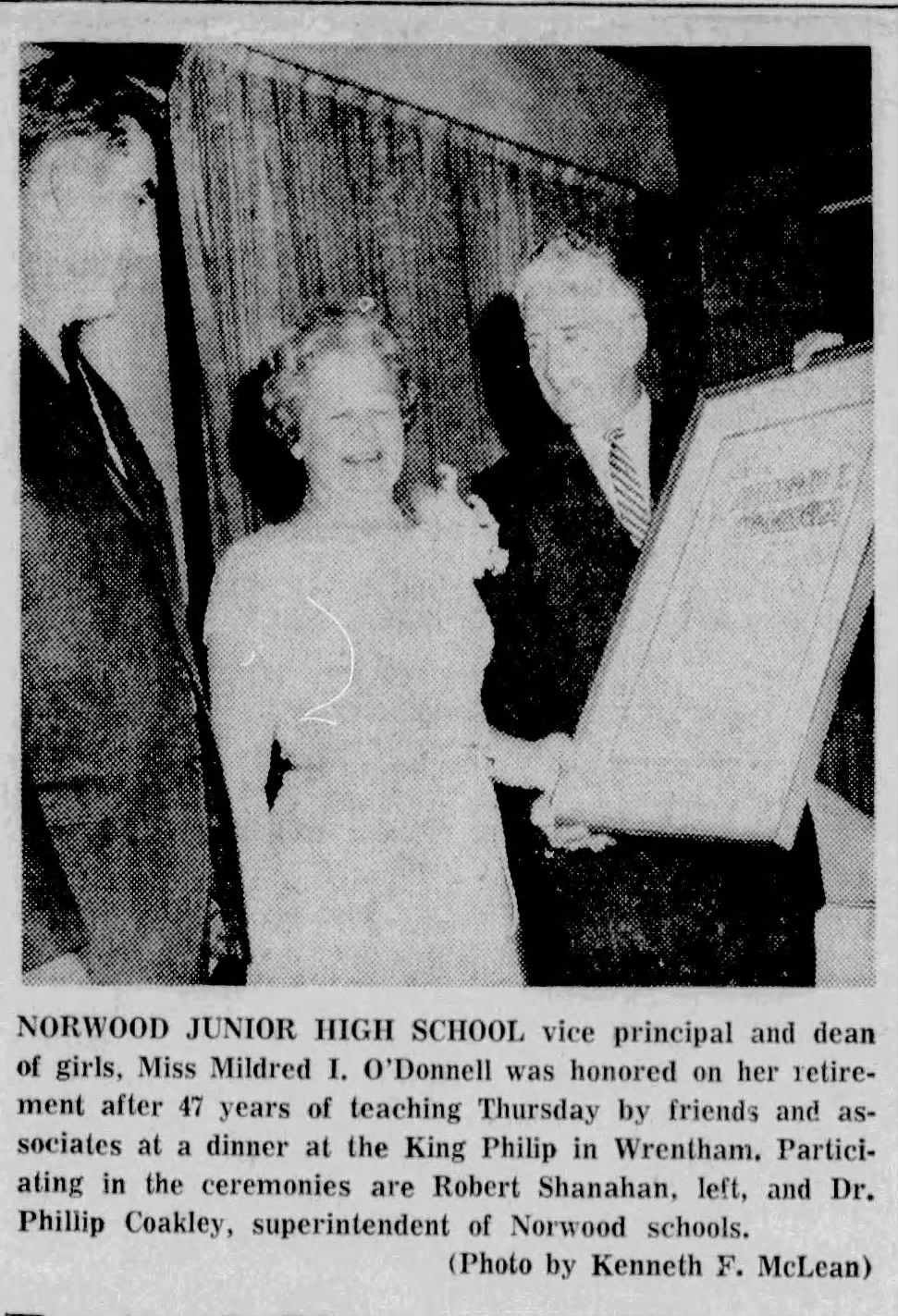
Celebrating a 47-year teaching career, retired Norwood Junior High vice-principal and dean of girls Mildred I. O’Donnell was honored during a testimonial dinner at the King Philip in Wrentham.
-
Superintendent Coakley Tells PTA Council That $4 Million in New School Construction Is Mandatory-September 10, 1965

Dr. Philip O. Coakley tells the PTA Council that $4 million in new school construction—including a new elementary and junior high—is mandatory to handle over-capacity enrollment.
-
Norwood School Committee Reviews Summer School Program and Proposes Token Fees-September 3, 1965

Following the successful completion of Norwood’s first town-sponsored summer school program—which enrolled approximately 330 local students in remedial coursework—the Norwood School Committee is evaluating future administrative structures, including a proposal to institute a nominal student fee. Superintendent Philip O. Coakley presented a comprehensive report detailing the inaugural summer session, noting that progress reports for every…
-
School Wiring Hazard Suspected at Norwood Junior High-September 3, 1965
Expressing deep concern over aging infrastructure, the Norwood School Committee has called for an immediate investigation into potential electrical wiring hazards at the Norwood Junior High School to determine whether emergency repairs are urgently required. The inquiry was initiated after Superintendent of Schools Philip O. Coakley delivered an alarming report on the condition of the…
Discover more from Norwood Historical Society
Subscribe to get the latest posts sent to your email.