
Computer Teacher Operates Out of Converted Storage Closet at Cleveland School
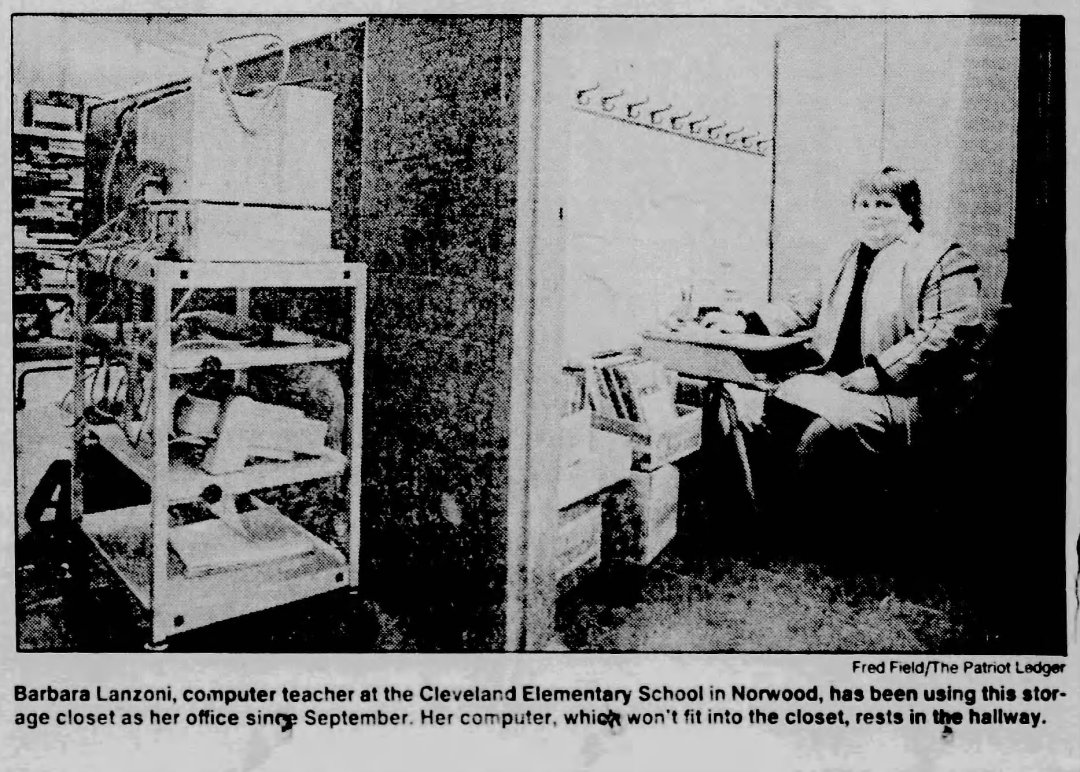
Overflowing classrooms and creative space conversions have become the norm across Norwood’s elementary school system, exemplified by Barbara Lanzoni, computer teacher at the Cleveland Elementary School. As reported by Patriot Ledger staff reporter Stephen Walsh (with photography by Fred Field), Lanzoni has been forced to use a converted storage closet as her office since September. Because her computer will not fit inside the tiny space, the machine sits out in the hallway.
“It’s either the computer or me,” Lanzoni joked, noting she must step out of the closet into the hallway to teach. “I get jokes all the time, everyone always kidding me about coming out of the closet. I’m lucky to have it; it seems there’s no space in any elementary school.”
A tour of the 29-year-old, single-story brick and cinderblock Cleveland School—the largest of the town’s five elementary facilities—revealed space at an absolute premium. In one wide hallway, makeshift partitions braced by file cabinets have been erected to carve out areas for the gifted and talented student program, the music office, a preschool, physical therapy, and remedial education.
Staff members acknowledged the drawbacks of the layout. Early childhood specialist Marcia Krasnow noted, “The partitions don’t work as well as walls. The sound certainly carries farther. Partitions are used in large areas, but the noise can be distracting.” Cleveland Principal William Kenny explained that staff carefully positioned the partitions and file cabinets to give students receiving remedial or physical therapy as much privacy as possible. Nevertheless, ambient noise from band practice and neighboring classes frequently filters through. Band director Daniel Troderman added, “In years past, we had a room to ourselves, but now we’re out in the open, and the sound can travel… The kids don’t notice the overcrowding. The teachers notice the effects [of] any distractions.”
System-Wide Space Crunch and Sixth-Grade Debate
Overcrowding is not isolated to the Cleveland facility:
- Oldham Elementary School: Will require 17 classrooms next September, up from its current 16.
- Callahan Elementary School: Utilizes all 15 classrooms, forcing the school nurse and another staffer to continue sharing the secretary’s office, with zero space available for computer instruction or instrumental music.
- Prescott and Balch Elementary Schools: Currently utilize every available classroom.
School officials attribute the crunch not only to rising enrollment—climbing steadily from 1,571 students in 1983 to a projected 1,816 students by 1989—but also to expanding curricula. “It’s all these extras—the computer program, preschool, state-mandated remedial education; the extras that we either want or have to provide that cause the space problems,” Principal Kenny said.
Amid the elementary squeeze, the Norwood League of Women Voters is urging the school committee to reconsider its decision and move the sixth grade to the junior high next year. Without this shift, elementary schools will remain severely jammed while the junior high school—having a capacity of 865 students—is slated to host only 474 students next September, sitting nearly half-empty.
Archival Note: This article has been dynamically reconstructed from the original public record print archives of the Patriot Ledger
-
Willett School PTA Launches Petition Drive to Fight Potential School Closure-October 11, 1977
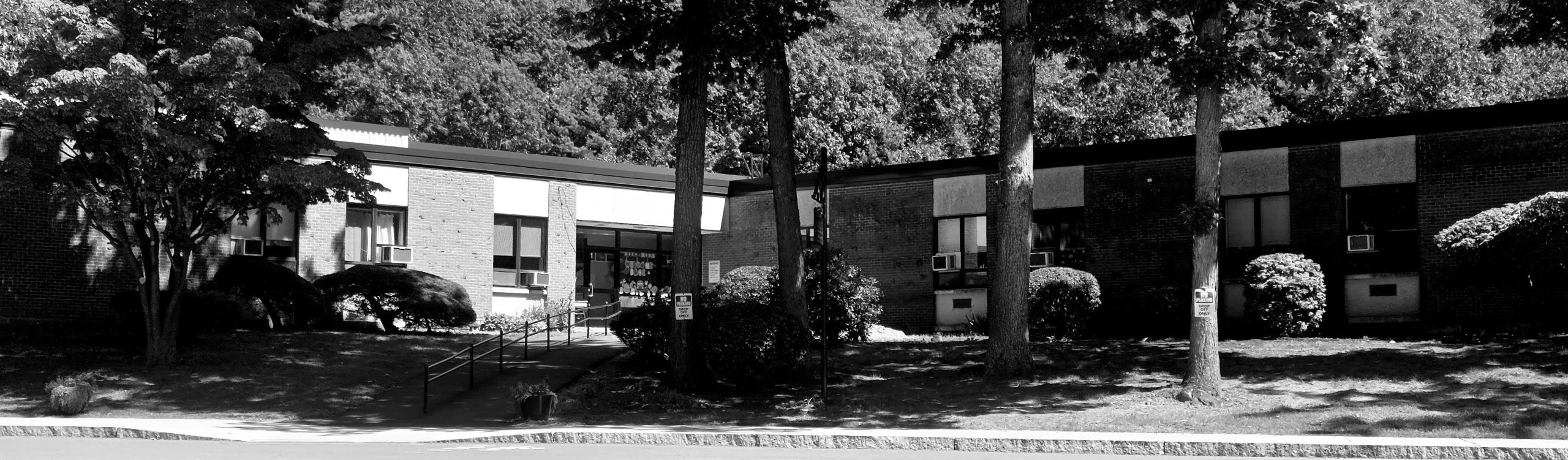
Facing declining student enrollments across Norwood, the Willett School PTA initiates a petition drive to keep their school open, while school officials weigh options.
-
New Teachers Association President Richard T. King Focuses on Students and Educational Priorities Over Dollars-September 25, 1977
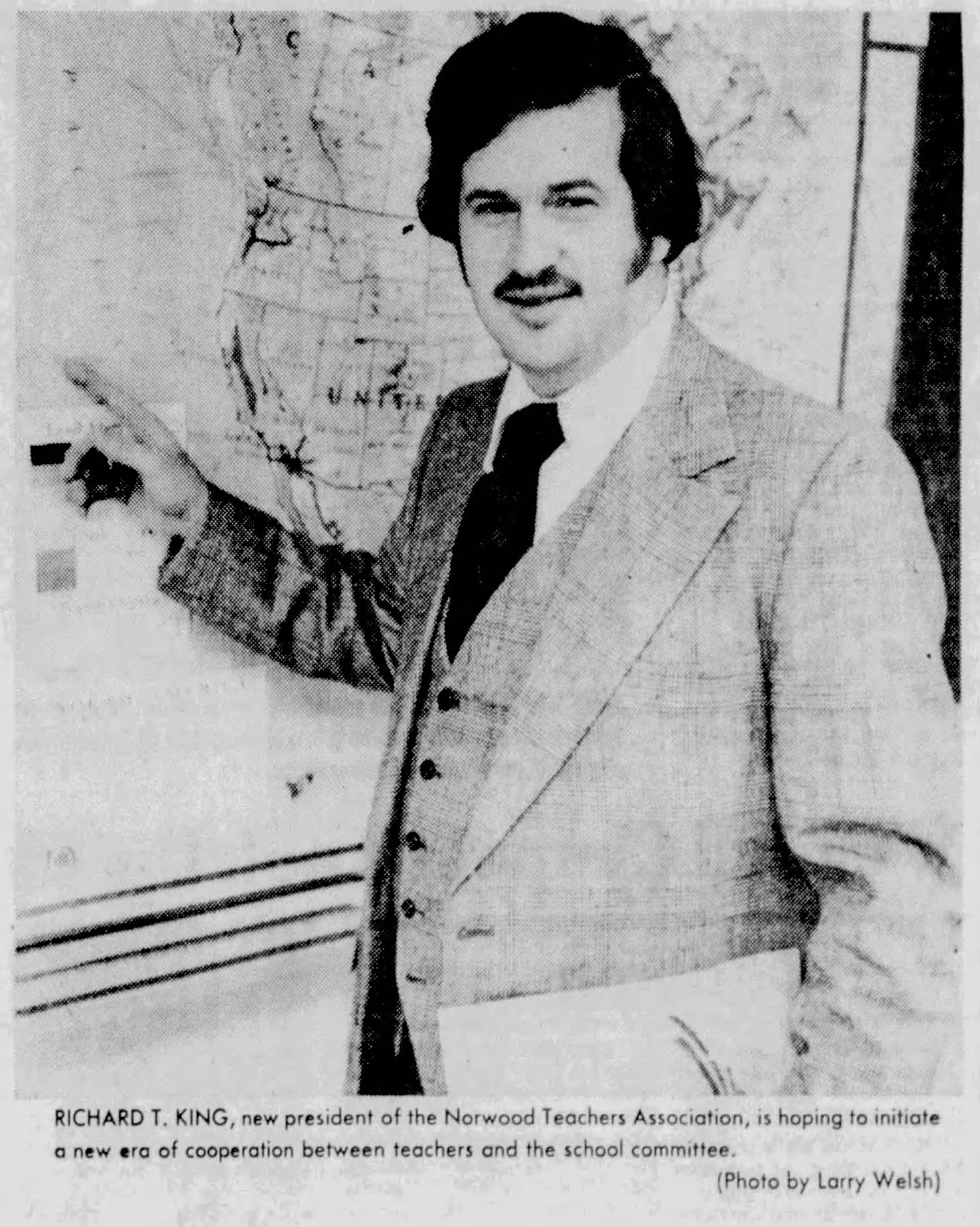
Newly elected Norwood Teachers Association President Richard T. King outlines a cooperative agenda focused on educational issues, special needs training under Chapter 766, and student scholarship programs.
-
Town Requests Bids for Audio-Activated Alarm System Trial at George F. Willett School-August 31, 1977
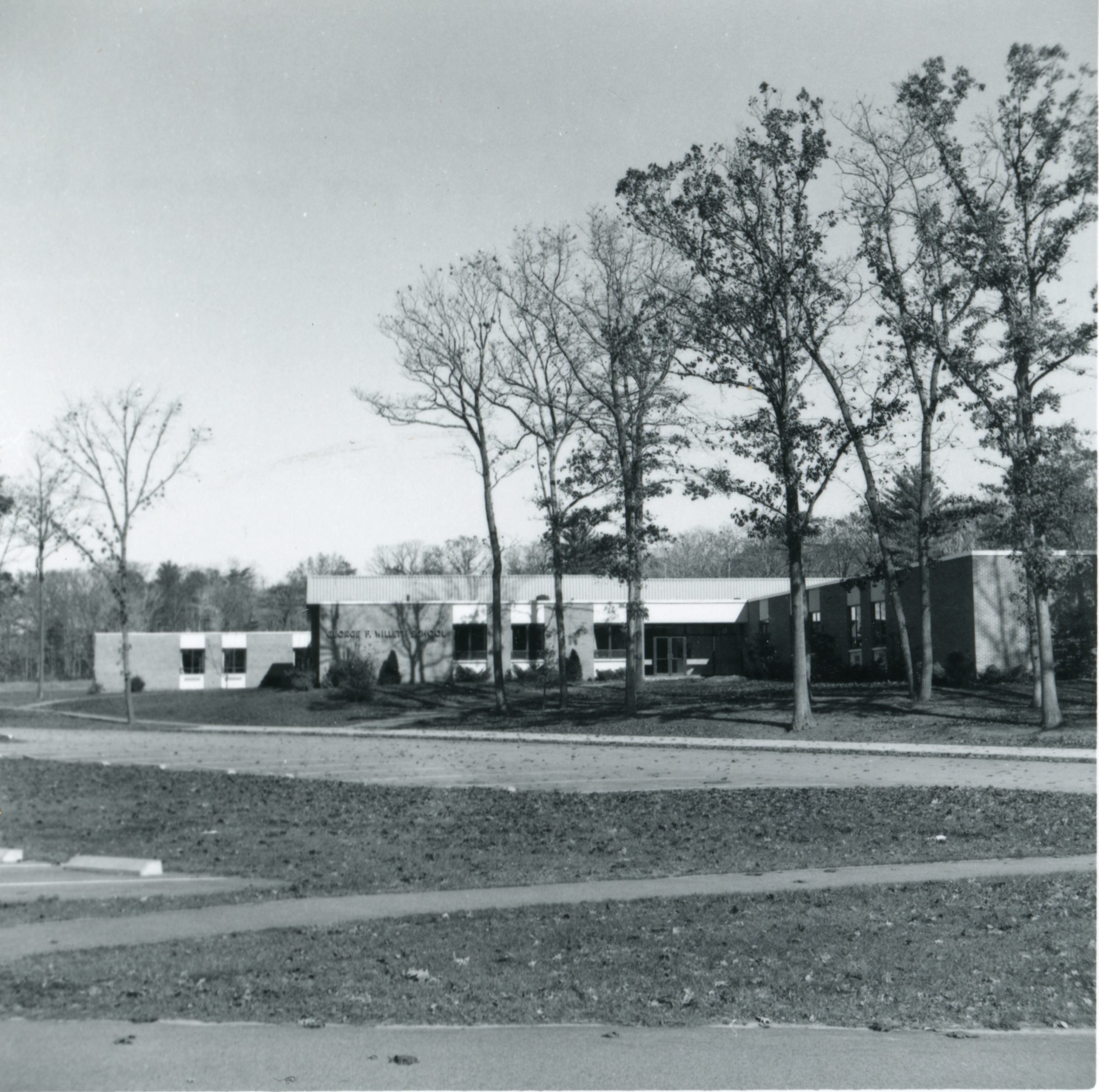
Seeking proactive solutions to combat recurring vandalism, the town manager’s office has officially requested bids for furnishing and installing an advanced audio-activated alarm system at the George F. Willett School on Westover Parkway. Trial Security System Specifications According to municipal procurement notices, sealed bids will be publicly opened at 11:00 a.m. on September 14 in…
-
Public Schools Announce 1977-78 Opening Schedules and Projected Enrollment of 5,842 Students-August 31, 1977
Superintendent of Schools Philip O. Coakley has officially announced that all Norwood public schools-covering grades 1 through 12, alongside special education classes-will open for the 1977–78 academic year on Wednesday, September 7. Registration is open daily in each school building from 9:00 a.m. to 3:00 p.m. ahead of opening day, with classrooms prepped for an…
-
State Cites Nine Deficient Areas in Norwood Special Ed-August 16, 1977

A state Department of Education audit of Norwood’s Chapter 766 special education program cited nine minor compliance issues while praising overall staff commitment and progress.
-
Norwood Zeroes In On School Vandals-August 3, 1977

A newly formed blue‑ribbon security committee convened to confront a surge of costly vandalism at Norwood’s public schools. Members reviewed structural, technological, and community‑based deterrents while assigning formal research duties for a comprehensive townwide response.
-
Public Schools Enrollment Down 341 Students, Though Upcoming Apartment Construction Expected to Boost Numbers-September 16, 1976
Norwood school officials report a drop of 341 students in total enrollment, but anticipate new apartment construction will push numbers back up.
-
Louis Buscone Jr. Appointed High School Vice-Principal After Close School Committee Vote-September 9, 1976
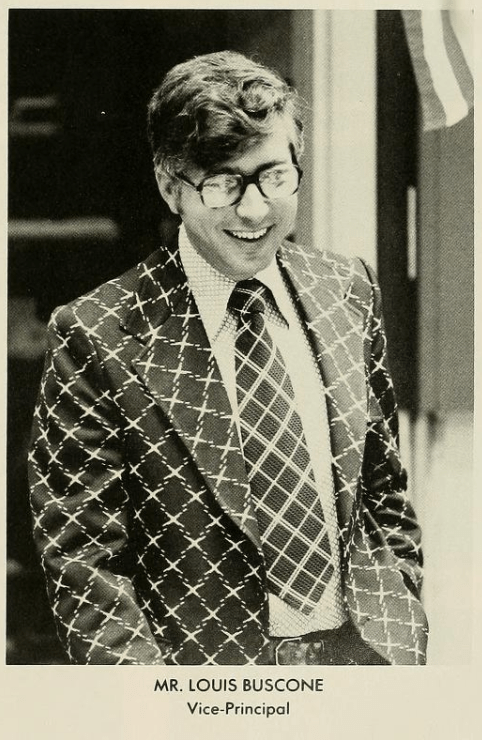
Louis Buscone Jr. wins a one-year appointment as Norwood High School vice-principal by a 4-3 school committee vote as the board reviews declining enrollment figures.
-
Norwood School Committee Seeks Field Trip Funds and Awards Bus Transportation Contracts-July 29, 1976

Facing budget cuts that eliminated student field trips, the Norwood School Committee voted to appeal to the Finance Commission and special town meeting for restoration funds.
-
Norwood Board Rejects Blue Hills Collaborative-July 29, 1976
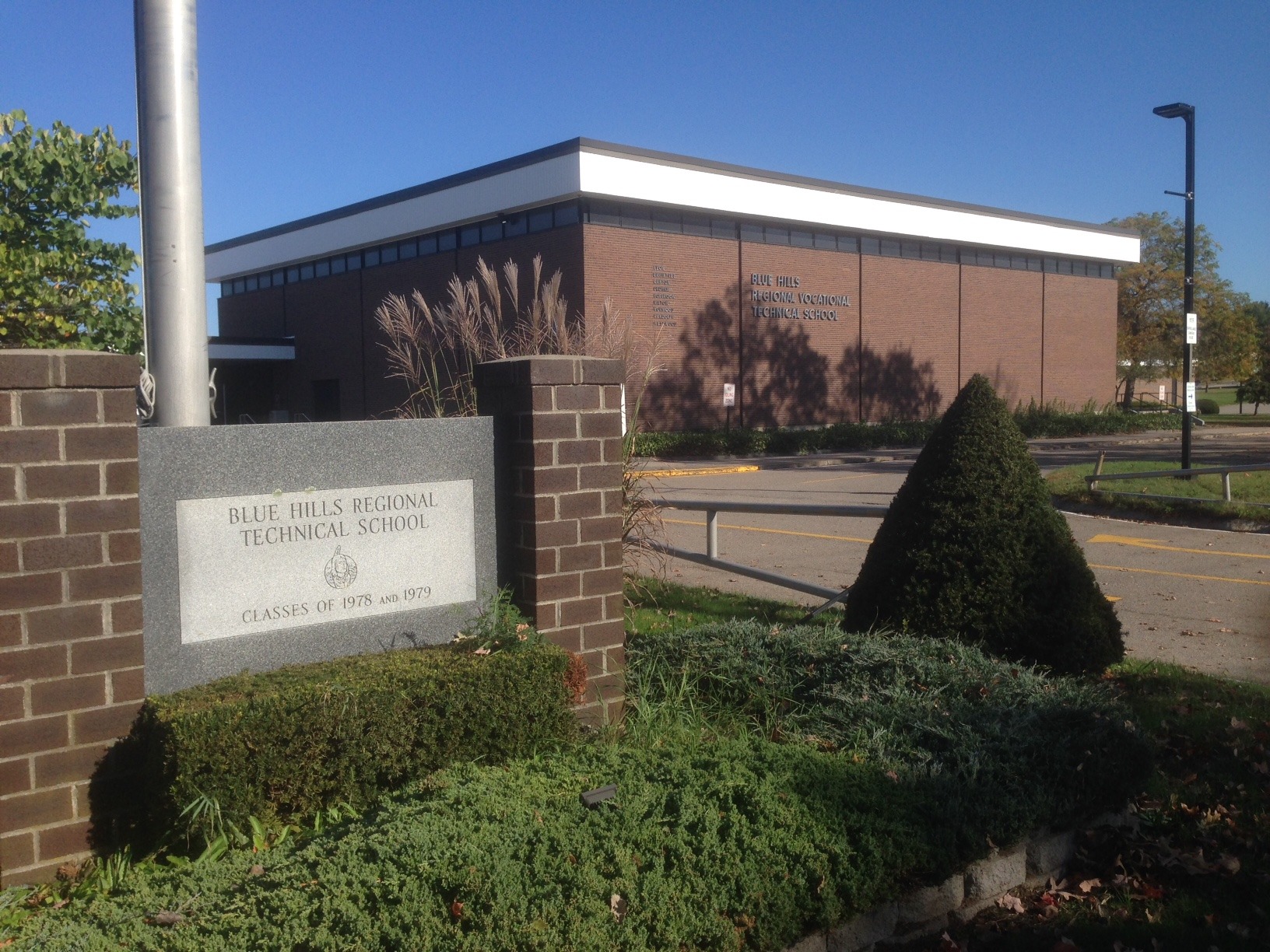
The summer of 1976 was a time of great change and uncertainty for the town of Norwood, Massachusetts. As the nation celebrated its bicentennial, local residents were grappling with issues of education, finance, and community involvement. One such issue that dominated the headlines in July 1976 was the proposed Blue Hills Collaborative, a vocational school…
Discover more from Norwood Historical Society
Subscribe to get the latest posts sent to your email.