
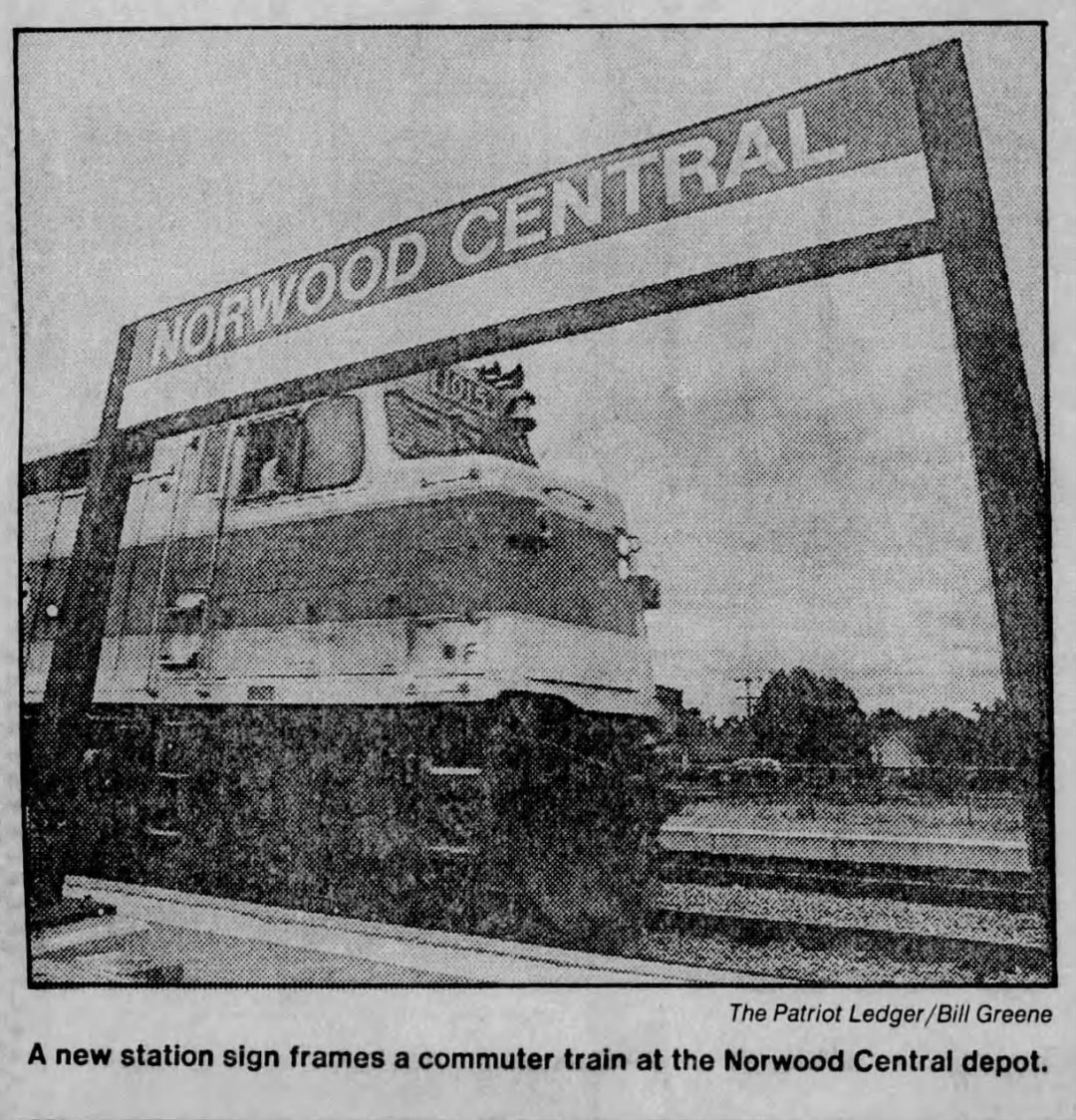
Citizens for Improvement of Commuter Rail Grows From 150 to 2,000 Members in Six Years as State Rep. Gregory Sullivan Credits Group With Sparking South Side Transit Upgrades
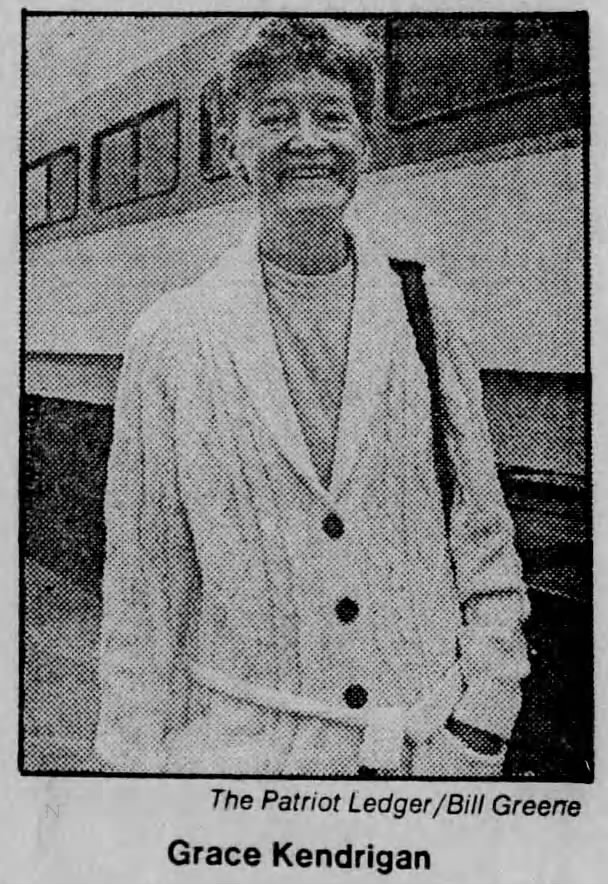
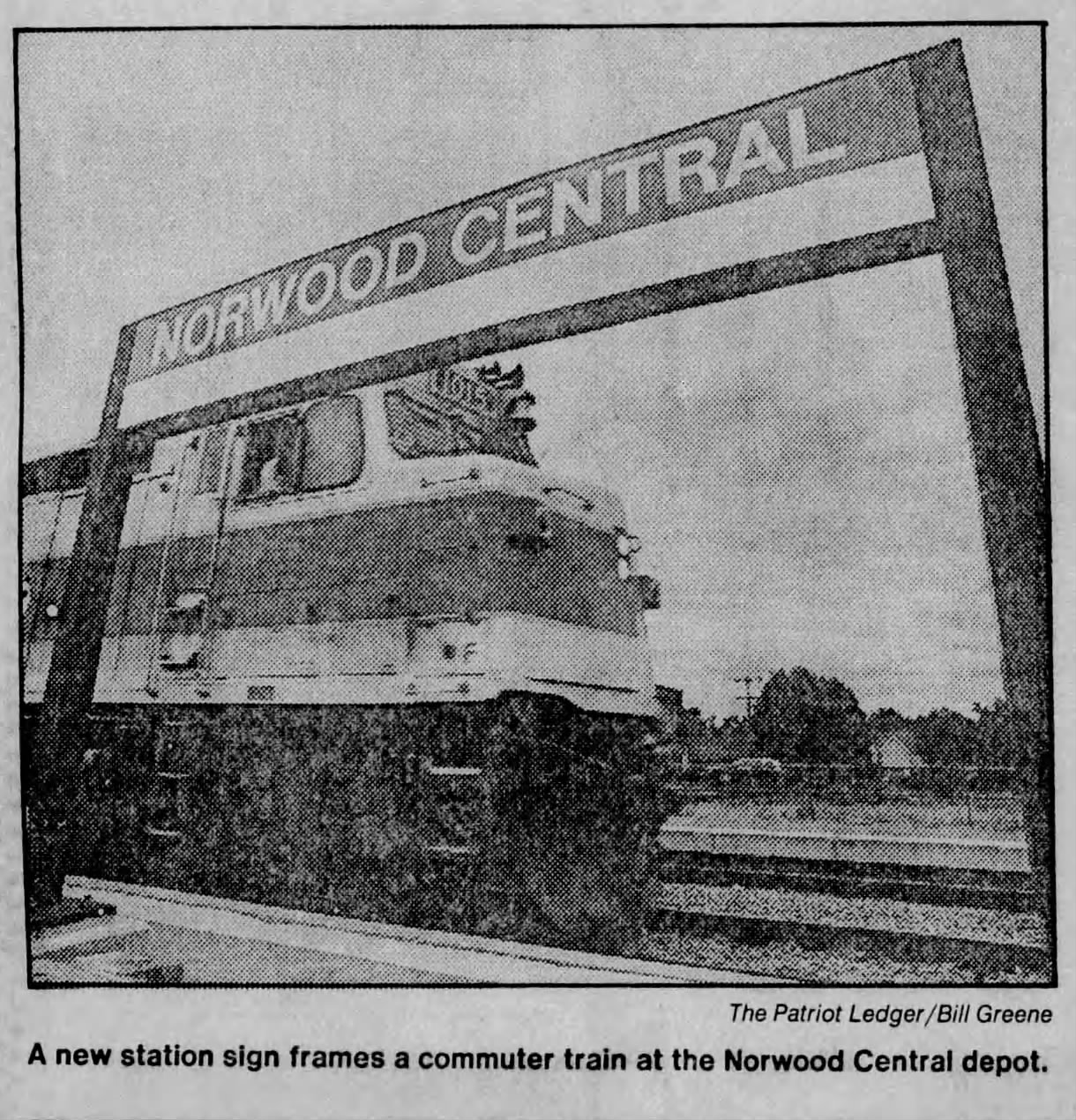
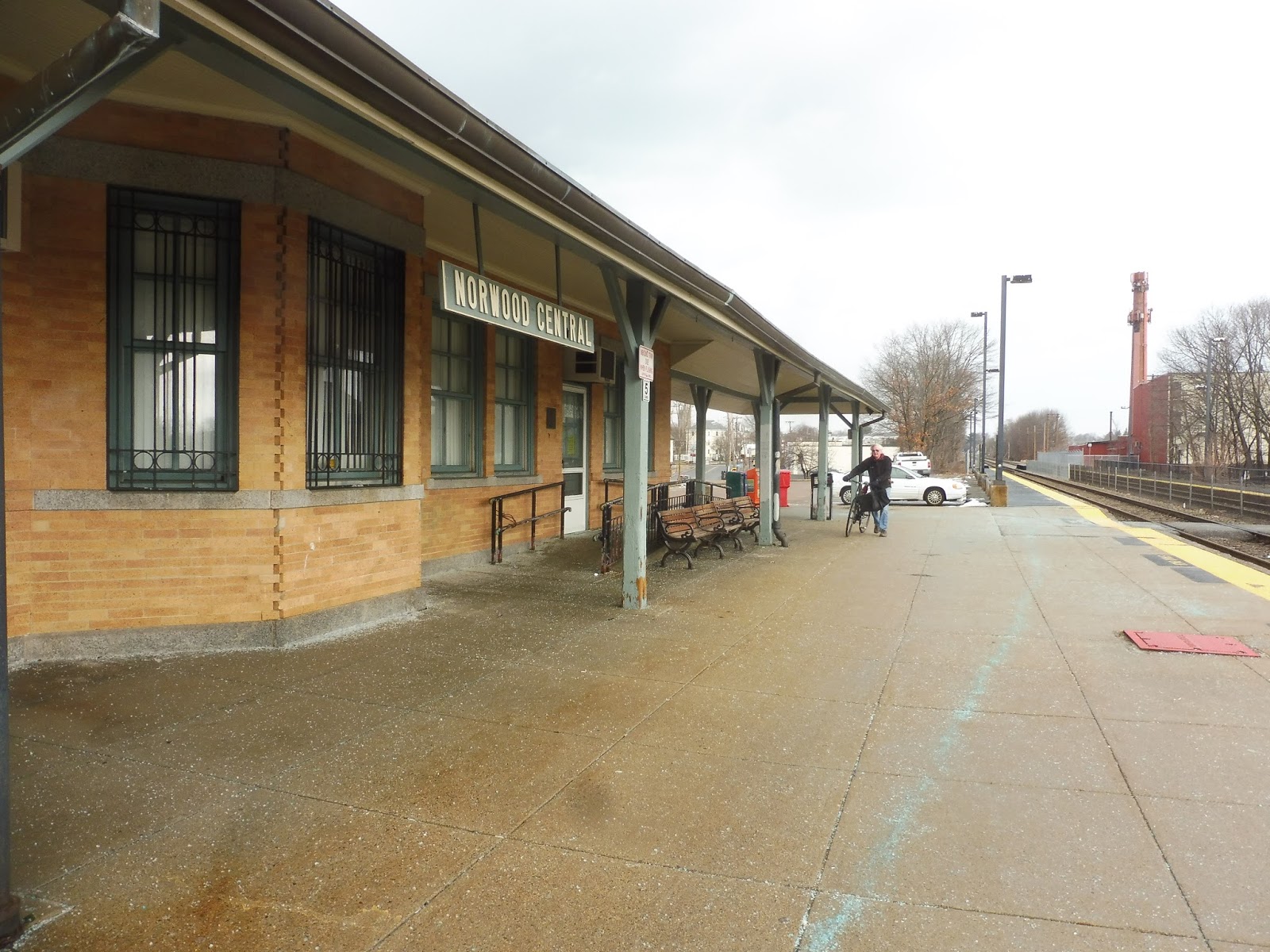
NORWOOD – The more people who ride the train, the better—a conviction Grace “Rusty” Kendrigan of Norwood championed across nearly a decade of grassroots advocacy for Massachusetts commuter rail riders. Profiled in The Patriot Ledger on Monday, November 26, 1984, alongside a photograph by Bill Greene showing passengers walking toward their parked cars after disembarking at Norwood Central depot, the 61-year-old corporate attorney and treasurer of Citizens for Improvement of Commuter Rail (CICR) looked back with satisfaction on how organized rider pressure transformed rail service south of Boston.
“Increasing ridership doesn’t help just commuter rail. It helps everybody, because it gets cars off the road,” Kendrigan explained. Over just six years, the citizen-led coalition had expanded dramatically from 150 to 2,000 dues-paying members, maintaining constant vigilance over train schedules, equipment conditions, and state capital investments. State Rep. Gregory Sullivan (D-Norwood)—whom the group credited with championing its priorities inside the State House—gave CICR direct credit for pushing modernization forward. “Citizens for Improvement of Commuter Rail really has been the spark behind the renovations,” Sullivan said. Recalling the group’s relentless lobbying during deliberations over a 1980 state transportation bond issue, Sullivan laughed: “One secretary called me up and said, ‘Call off the hounds.'”
Kendrigan’s activism began in 1975, ignited by the decision to close Back Bay Station during the massive Southwest Corridor Project—the multi-year undertaking to rebuild the railroad main line and relocate the MBTA’s Orange Line. While Kendrigan rode Franklin Line commuter trains giving impromptu speeches urging fellow passengers to demand better service, Hugh Jones—a former Norwood resident and engineer at Stone & Webster Inc. in Boston—was organizing riders along the Needham Branch. *”Hugh called me one evening and said, ‘Let’s join forces,'” Kendrigan recalled. “I said that was a splendid idea.” Together they launched Citizens for Improvement of Commuter Rail, and the campaign so reshaped Jones’s life that he left Stone & Webster to become an engineer for Amtrak.
By late 1984, Kendrigan felt riders had far more to celebrate than criticize. “I don’t think anyone could criticize anything about the Franklin line. Everything is greatly improved from five years ago, and the proof is in the ridership,” she observed, noting that South Side commuter lines had received upgrades ahead of North Shore routes specifically because CICR concentrated its early organizing south of the city. The coalition’s sole setback had been the temporary suspension of Needham Branch train service during Southwest Corridor construction—service scheduled to return once the corridor project wrapped up in two years.
Meanwhile, CICR’s reputation had spread far beyond Norfolk County, drawing members from as far north as Maine and New Hampshire willing to pay the $2 annual dues in hopes of restoring passenger rail in their own communities. “We will do anything we can for any train anywhere,” Kendrigan declared.
Source: The Patriot Ledger • Monday, November 26, 1984 • Photo: Bill Greene
“Increasing ridership doesn’t help just commuter rail. It helps everybody, because it gets cars off the road. We will do anything we can for any train anywhere.”
Archival Note: This article has been dynamically reconstructed from the original public record print archives of the Patriot Ledger
More…
-
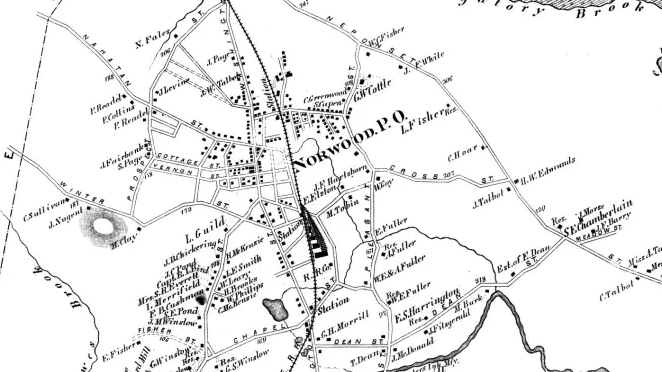
Norwood in 1876: What the Old Map Reveals
1876 Map of Norwood
-
MBTA Adding Long-Awaited Wheelchair Accessibility to Norwood Central-August 24, 1989
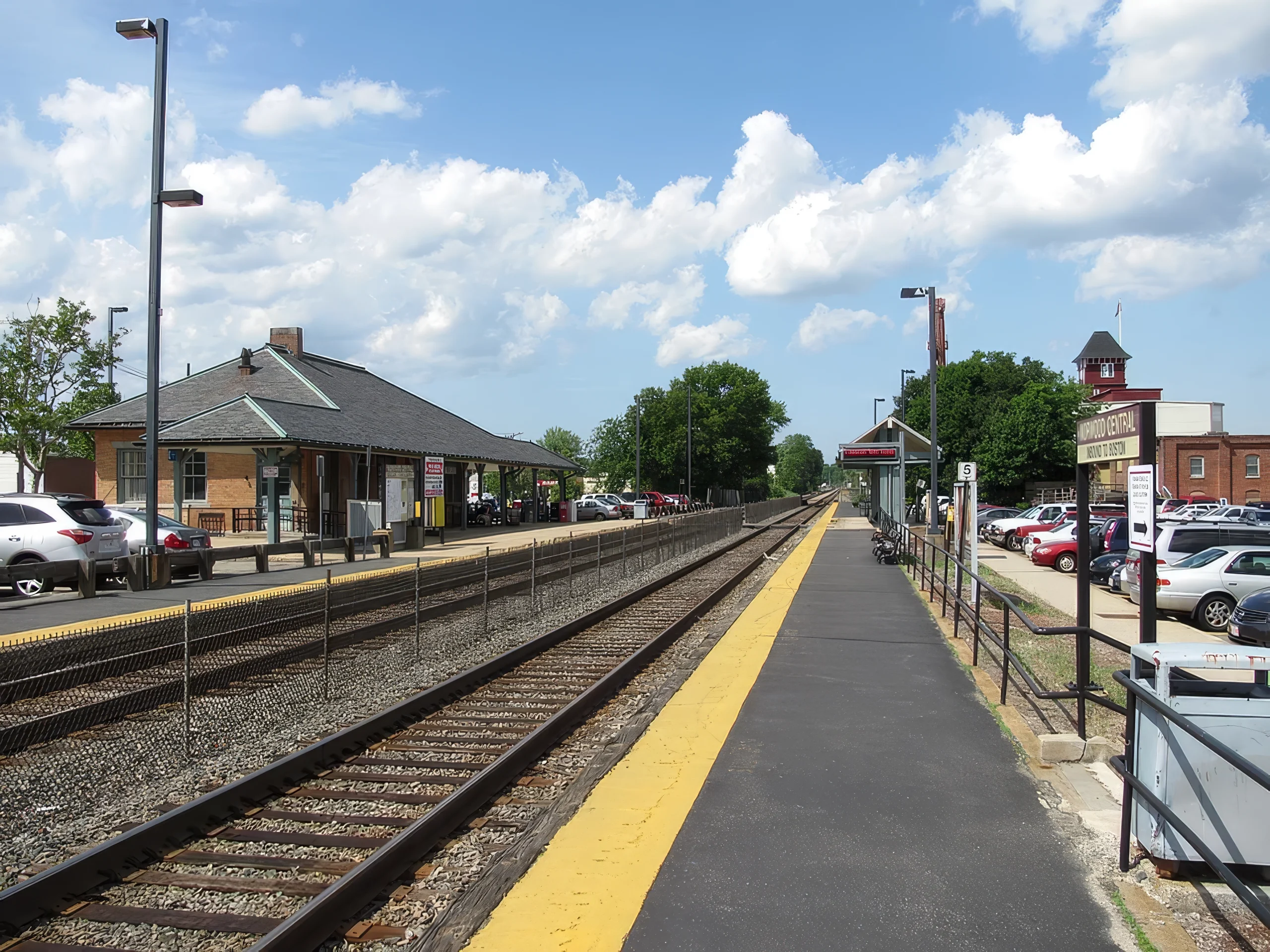
Following years of advocacy and a dramatic protest by Robert Haskell, the MBTA signed a $1.4 million contract to build a wheelchair ramp and renovate the Norwood Central commuter rail station.
-
Selectmen Oppose MBTA Plans for Parking at Ex-Stop & Shop-July 13, 1988
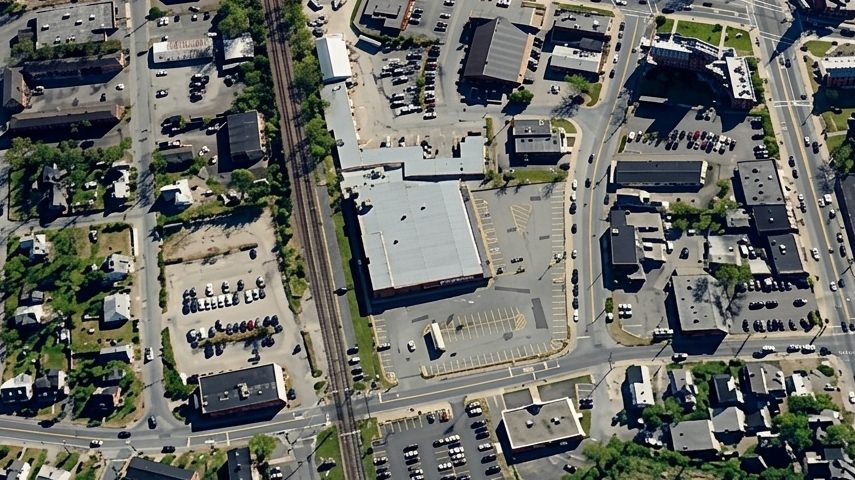
The Patriot Ledger’s July 13, 1988 edition carried a significant story that highlighted the concerns of Norwood selectmen regarding the Massachusetts Bay Transportation Authority (MBTA) plans to establish a commuter parking lot at the site of the former Stop & Shop store in Norwood Center. The proposal, which aimed to provide 315 spaces for commuters,…
-
Norwood Commuter Rail Activist Grace “Rusty” Kendrigan Savors Grassroots Group’s Victories Along Franklin Line-November 26, 1984
Norwood resident Grace “Rusty” Kendrigan, treasurer of Citizens for Improvement of Commuter Rail, reflected in November 1984 on how her 2,000-member group helped modernize Franklin Line commuter rail service.
-
Norwood Commuters Don’t Cut Train-June 24, 1981
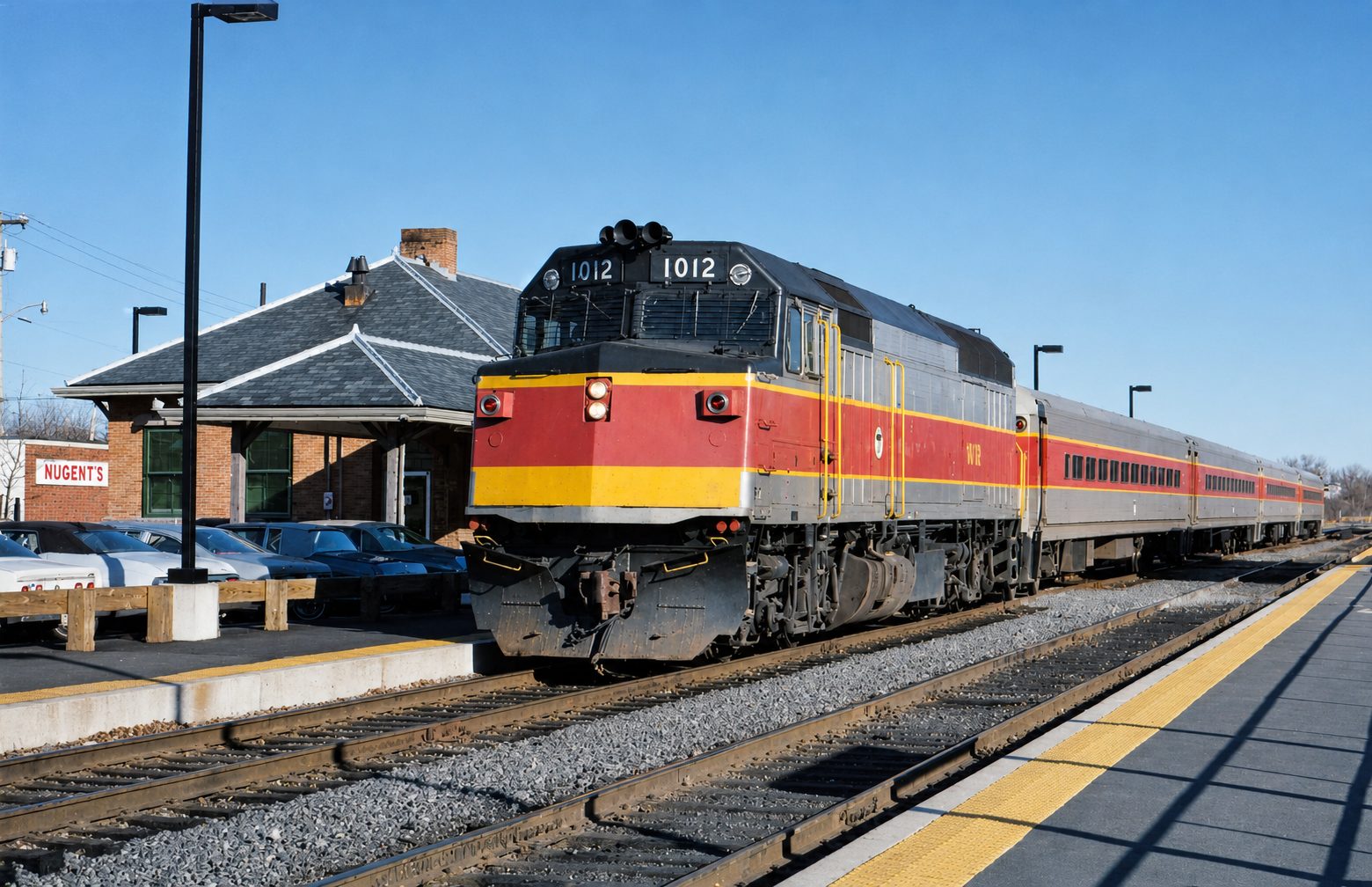
Transit officials lay out a proposal reducing the Norwood line to six daily runs each way while pushing one-way ticket prices up to $1.75.
-
School Transportation Contract Audit Sought Following Inquiries by Yellow Cab Operators-November 15, 1979
Prompted by Richard Armour and Yellow Cab Co., Norwood officials initiated an audit into school transportation billing records following concerns over special needs contract costs.

-
Railroad Tracks Through Norwood Center Become a “No-Man’s Land” of Vandalism and Frustration-October 8, 1979
Railroad tracks running through Norwood center become a magnet for vandals, costing local businesses thousands in property damage and prompting police intervention.
-
The Good Old Days on the Trolley-July 28, 1979
Lifelong Norwood resident and trolley historian Carl L. Smith reflected on the golden age of electric street railways, scenic cross-country routes, and freight delivery.

-
Norwood Commuting Hearing Requested-June 26, 1968
Planners present data showing a two-dollar weekly savings per rider, while state lawmakers scramble to pass emergency MBTA subsidy extensions.

-
New York Express Jumps Track at Norwood, But None Injured-This Day In Norwood History-June 26, 1920
SCENE IMMEDIATELY AFTER THE TRAIN WRECK IN NORWOOD ON THE NEW HAVEN. More than 135 passengers escaped serious injury yesterday when the 11:21 train from Boston for Hartford and New York on the Midland Division, jumped the rails at Winslow station in Norwood. The steel cars prevented a big loss of life. The photo shows…

Discover more from Norwood Historical Society
Subscribe to get the latest posts sent to your email.