The Rise of Norwood’s Young Outfielder
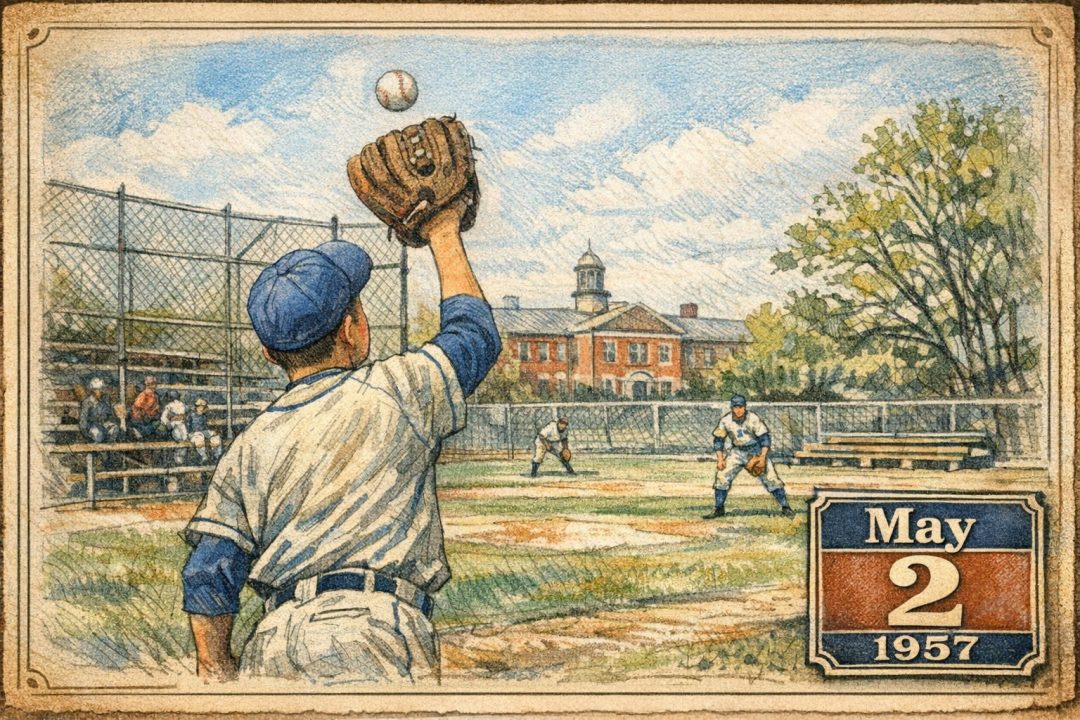
On a bright spring afternoon in 1957, the baseball fields behind Norwood High School buzzed with the familiar rhythm of batting practice, infield drills, and the sharp pop of leather meeting ball.
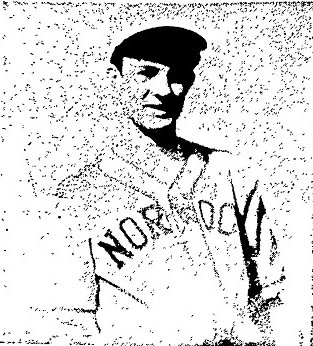
Among the players moving with quiet confidence across the outfield grass was Jimmy Balfour, a 17‑year‑old junior whose steady rise through Norwood’s youth baseball system had made him one of the most promising young athletes “on the Hill.”
Balfour was not the biggest player on the roster—standing 5’8″ and weighing 135 pounds—but what he lacked in size he more than made up for in speed, instincts, and a left‑handed swing that coaches described as “pure natural talent.” His teammates called him “Bal,” a nickname that had followed him from the playground diamonds of his childhood to the competitive world of high‑school baseball.
A Deep Norwood Baseball Pedigree
Balfour’s journey began in the Norwood Little League, where he first learned the fundamentals of the game in 1952. By 1954, he had advanced to the Norwood Pony League, sharpening his skills against older, stronger players. Summers were spent on the playground fields, where he played three full seasons of recreational ball—an experience that gave him the versatility and confidence that would later define his high‑school career.
His development accelerated when he joined the St. Catherine’s CYO team, a program known for producing disciplined, technically sound players. That same year, he earned a spot on the Norwood High Junior Varsity, where he came under the guidance of Coach John Levitsky, a respected figure in local baseball circles.
Levitsky quickly recognized Balfour’s potential. During the 1956 JV season, Balfour delivered one of the most remarkable offensive performances in school history: 19 hits in 23 at‑bats, an astonishing .826 batting average. It was the kind of season that turned heads across the Bay State Conference and made varsity coaches take notice.
A Player with a Passion for the Game
Despite his success, Balfour remained grounded. He loved baseball not for the accolades but for the pace, the strategy, and the thrill of competition. “It’s fast and exciting,” he told reporters. “The competition in the leagues makes the game interesting.” His favorite major‑league player was Jimmy Piersall of the Boston Red Sox, known for his fearless defense and electric personality—traits that Balfour admired and tried to emulate.
His best performance, he recalled, came during a Junior Varsity game the previous year: four hits in five trips to the plate, including a towering home run, a triple, and two singles. It was the kind of all‑around display that hinted at his future potential.
A Crowded Outfield — and a Determined Competitor
The 1957 varsity squad featured a strong outfield anchored by Gunnavic, Cloherty, and Feeney, making it difficult for younger players to break into the starting lineup. But Balfour’s coaches saw him as a valuable asset—an outfielder with excellent range, a reliable glove, and the ability to deliver in clutch situations.
He was expected to make spot appearances throughout the season, gaining experience and positioning himself for a full‑time starting role in 1958. His work ethic was unquestioned; teammates often saw him taking extra swings after practice or running sprints long after the field had emptied.
Beyond Baseball: A Scholar with Ambition
Off the field, Balfour excelled academically. His favorite subject was Geometry, and he expressed interest in becoming a Mechanical Engineer—a profession that appealed to his analytical mind and attention to detail. His hobbies included bowling and tennis, sports that complemented his hand‑eye coordination and competitive spirit.
In many ways, Balfour represented the ideal Norwood student‑athlete: talented, hardworking, humble, and deeply connected to the town’s athletic traditions.
A Snapshot of Norwood in 1957
The late 1950s were a golden era for Norwood High athletics. The town’s population was growing, its schools expanding, and its sports programs thriving. Baseball, in particular, held a special place in the community’s heart. Local businesses sponsored youth teams, families filled the bleachers on warm evenings, and the names of standout players were spoken with pride in barbershops, classrooms, and corner stores.
In this environment, Jimmy Balfour’s rise was more than a personal achievement—it was a reflection of a town that valued discipline, teamwork, and the joy of competition.
Legacy in the Making
Though still early in his varsity career, Balfour’s trajectory suggested a bright future. Coaches believed he had the potential to become one of Norwood’s standout outfielders, and his combination of skill, intelligence, and determination made him a player to watch.
For now, he remained a junior with a dream, a glove, and a powerful left‑handed swing—waiting for his chance to shine under the springtime sun at Norwood High’s baseball field.
Discover more from Norwood Historical Society
Subscribe to get the latest posts sent to your email.