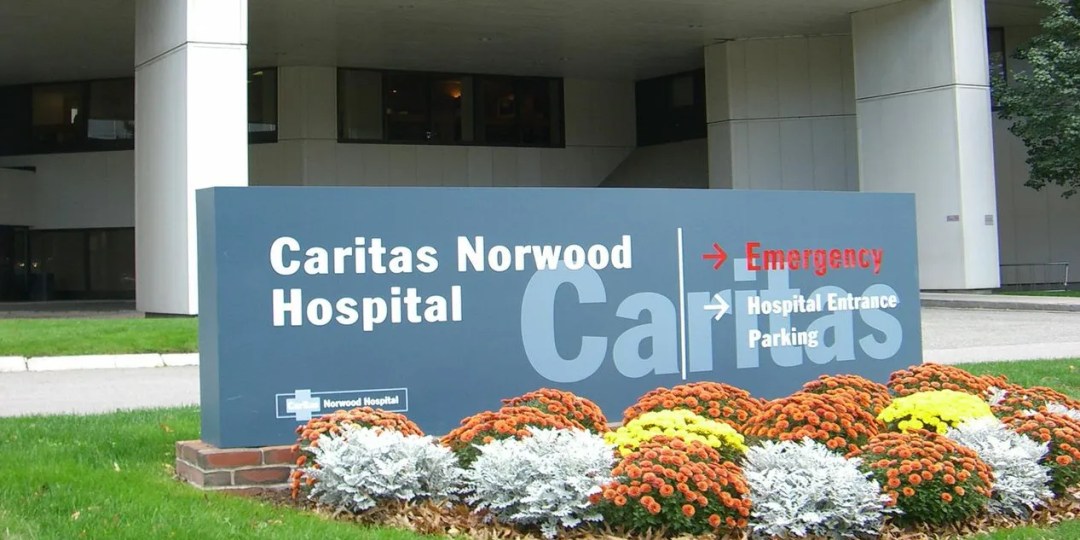
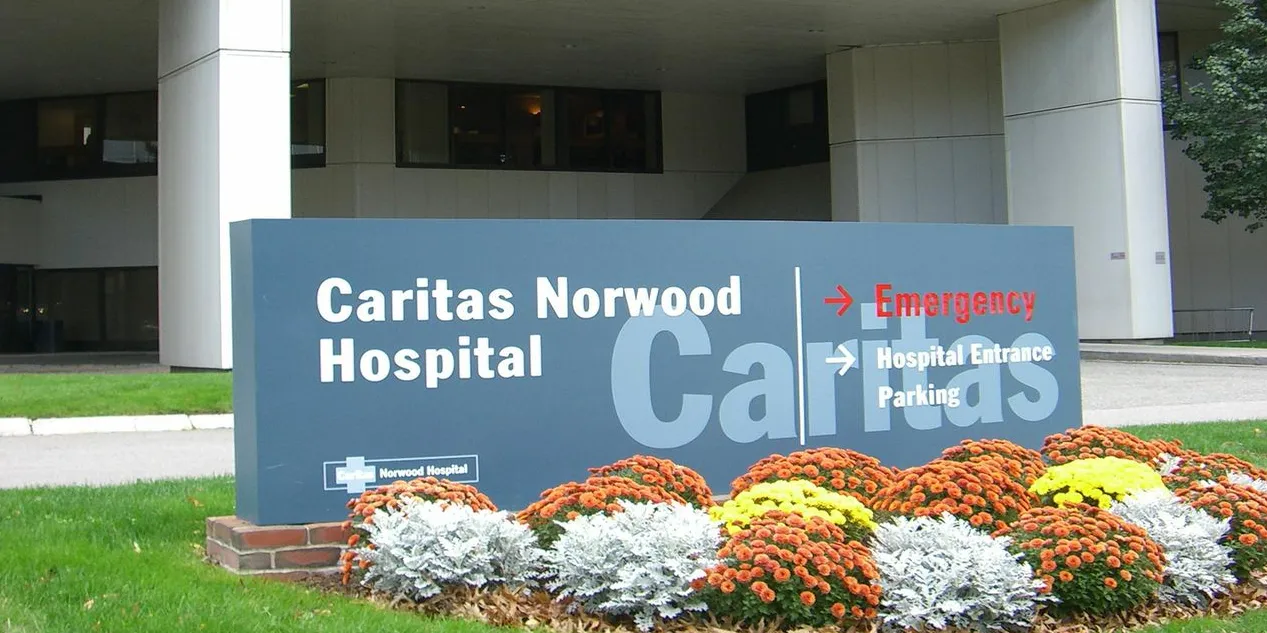
For decades, Caritas Norwood Hospital had been regarded as a dependable community institution — the kind of place where residents felt known, heard, and cared for. But a series of changes in early 2005 left many wondering whether that relationship was beginning to fray.
The first shock came in January, when longtime donor Bill McCoy arrived for his routine blood donation. After giving blood every 56 days for 46 years — nearly 29 gallons in total — he was told the hospital’s blood bank was closing. A letter soon confirmed it. For McCoy, the decision symbolized a deeper shift. “Norwood Hospital used to be a great community hospital,” he said. “I don’t think it is anymore.”
Hospital officials offered a practical explanation. The blood bank had only a handful of regular donors, and with the American Red Cross operating nearby in Dedham, maintaining an in‑house program was no longer financially viable. Caritas Norwood is part of the Caritas Christi Health Care system, which had been undergoing a major restructuring after reporting an $11.8 million operating loss the previous year. Across the system, about 170 employees had been laid off. Norwood Hospital avoided staff cuts, but the ripple effects were felt nonetheless.
The resignation of the hospital’s widely respected president, Delia O’Connor, added to the uncertainty. O’Connor had been credited with restoring the hospital’s financial stability between 2001 and 2004. Her departure fueled rumors — whispers of possible nursing layoffs and speculation that the hospital might stop accepting Secure Horizons, a Medicare HMO offered through Tufts Health Plan. Acting president Dick Cunningham denied both claims, insisting that no such plans had ever been discussed.
Still, communication — or the lack of it — became a central concern. Several town officials said they were learning about major developments through rumors or newspaper reports rather than directly from hospital leadership. Selectman Gary Lee said he first heard about O’Connor’s resignation and the Secure Horizons rumors from the press. “The whole communication has been going down fast and furious,” he said.
Lee was also troubled by reports from the fire chief that some ambulance calls were being diverted to other emergency rooms. Cunningham acknowledged the diversions but said they reflected a broader statewide trend. “The emergency room is too busy and the inpatient beds are full,” he said. “We just simply can’t take any more patients. That’s happening across the country, particularly in Massachusetts, where many hospitals have closed.”
Cunningham pushed back on the idea that communication had broken down. He pointed to a February meeting with the Board of Selectmen and said he had offered to return quarterly to provide updates. He also encouraged town officials to contact him or any member of the management team directly whenever questions arose.
According to Caritas Christi spokeswoman Christine Baratta, the system was transitioning from a collection of independent hospitals to an integrated network designed to survive in a competitive healthcare market. “Change is always difficult,” she said. “But our mission remains to provide the highest quality healthcare services to every patient.”
Community groups, however, were not content to wait and see. The Neponset Valley Community Health Coalition, formed in the late 1990s during an earlier battle over hospital ownership, sought clarification from the Attorney General’s office about what oversight existed. Coalition member Laurie Martinelli said the group wanted to ensure that Caritas Christi continued honoring its agreement to solicit community‑nominated trustees — a requirement attached to the hospital’s operating license. “The new hospital has not been following the process,” she said, “and it’s causing consternation among the local communities.”
Cunningham said he was willing to meet with the coalition and had already sent letters to them and to the selectmen. “Our desire is to get as much input as we possibly can,” he said.
Some town leaders urged caution. Selectman Tom McQuaid, whose wife works at the hospital as community benefits manager, said he planned to request monthly updates from hospital representatives. He rejected the idea that his involvement posed a conflict of interest and warned that the board might be unintentionally amplifying concerns. “I think there are some legitimate communication issues,” he said, “but the hospital is still a great hospital. I’m sure they’ll be cooperative in improving communication.”
Amid the uncertainty, a gesture of generosity offered a reminder of the hospital’s enduring place in the community. Neno A. Malaguti, a former patient, donated $148,000 to establish the Margaret Lorenzo Malaguti Memorial Nursing Fund in honor of his late wife, a registered nurse. Cunningham called the gift “wonderful and generous,” noting that it would help nurses pursue further education and strengthen the hospital’s clinical staff.
For many residents, the donation underscored what was at stake. Norwood Hospital had long been a cornerstone of the region’s healthcare landscape. The question now was whether the institution — and its leadership — could rebuild the trust that had defined its relationship with the community for generations.
Source: Boston Globe
Text and images may have been created, edited, colorized, or digitally restored using AI tools such as Microsoft Copilot or Google Gemini. All content is reviewed for accuracy and historical integrity before publication by the Norwood Historical Society
Discover more from Norwood Historical Society
Subscribe to get the latest posts sent to your email.