


⠀
The Aaron Guild School doors will open in September to two new tenants as Norwood selectmen voted unanimously last night to lease the building for one year to the Norwood CETA Consortium and the Educational Collaborative of Greater Boston (EdCo) for a total rent of $148,000. In doing so, the board rejected for the time being a proposal to move the town’s Civic Recreation Center into the ground floor of the three-story building. Arguing that the town needed time to determine a long-range use for the school—which was closed in June due to declining enrollment—Town Manager John J. Carroll and Joan H. Cuff, chairman of the Guild Study Committee, recommended the two short-term leases.
This is a temporary expediency; it will give us security and occupancy, Selectmen Chairman Joseph F. Curran told the sixty-five residents at the meeting. However, Walter J. Grady, chairman of the Civic Replacement Committee, had urged the board to reserve the ground floor for recreation facilities to replace the Civic Center. Following the meeting, he stated, This is the first step toward losing our Civic Center. If we lose the Aaron Guild, we will never have a central recreation facility. Walter J. Grady called the decision a bad business transaction, arguing that delaying action for a year will decrease the buying power of the $2 million Norwood Hospital is paying to replace the recreation facilities. The town has agreed to sell the present Civic Center, located across the street from the Guild School, to the hospital once its expansion plans are approved by the state.
Long-delayed state approval is expected around August 14, and hospital officials are considering offering financial incentives to vacate the Civic as soon as possible. Hospital Administrator David P. Buchmueller stated that one possible incentive would be to pay the town $10,000 per month for each month earlier than the twenty-one-month deadline that the Civic is vacated. While Walter J. Grady contended this incentive could offset the rent, Town Manager John J. Carroll dismissed the proposed schedule as totally unrealistic, noting it takes three or four months to hire an architect-consultant.
Under the approved terms, CETA will occupy the first and second floors starting October 1 on a full-year lease for $117,000, while EdCo will take over the ground level (except for the auditorium-gymnasium) starting September 1 on a ten-month lease for $31,000. Representatives of both tenants confirmed they could vacate when the leases expire if required. CETA, presently located on Davis Avenue, will use the larger quarters to expand vocational training programs under Executive Director Larry Fitch, while EdCo will use six classrooms to work with about thirty severely handicapped students from the Wrentham and Fernald state schools. Selectman Joseph F. Curran noted that other proposed uses, such as a police sub-station and a drop-in center for the elderly, will be considered when permanent plans are developed. Selectman Mary J. Fox was absent from the unanimous vote.
Archival Note: This article has been dynamically reconstructed from the original public record print archives of the Patriot Ledger
-
New Teachers Association President Richard T. King Focuses on Students and Educational Priorities Over Dollars-September 25, 1977
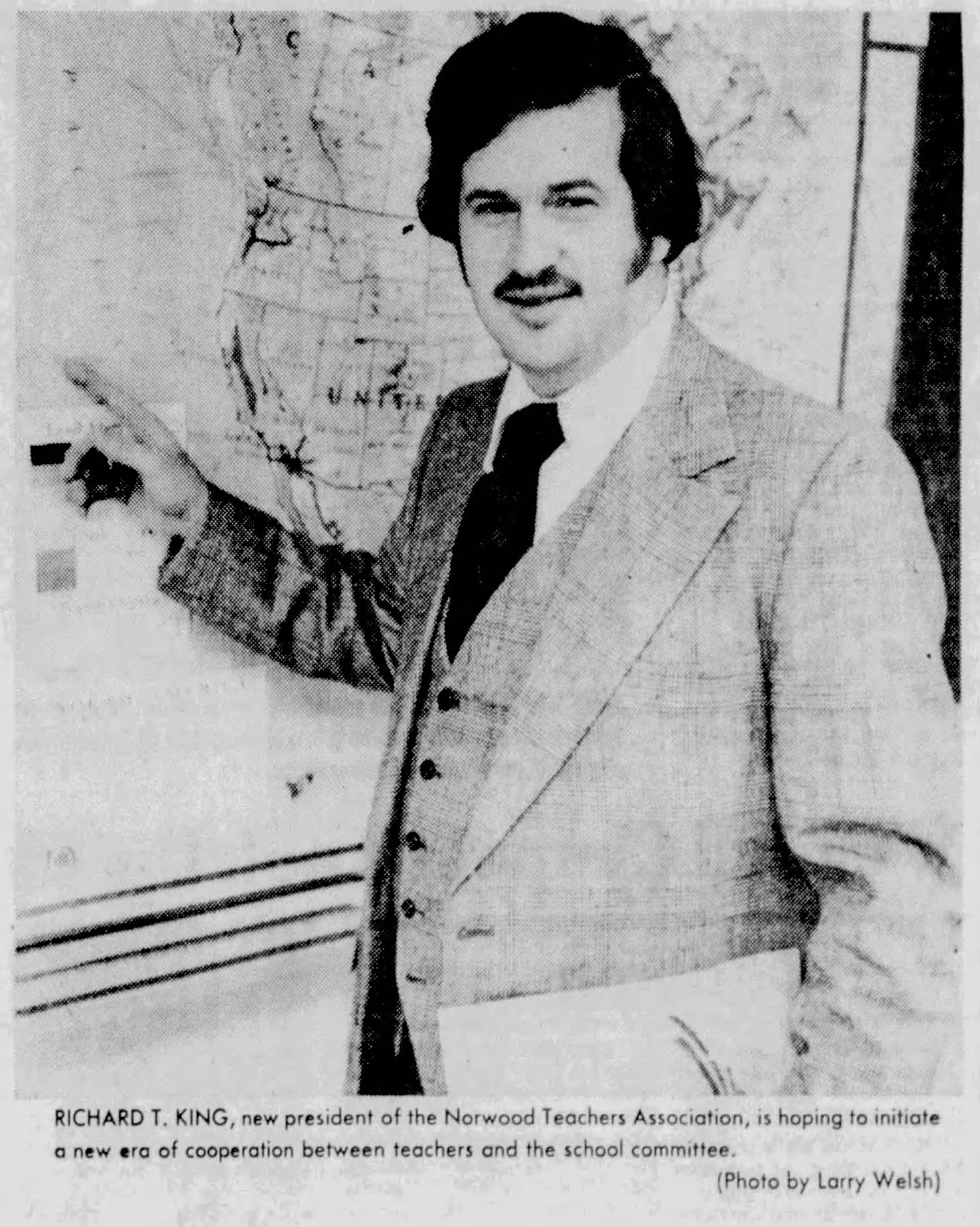
Newly elected Norwood Teachers Association President Richard T. King outlines a cooperative agenda focused on educational issues, special needs training under Chapter 766, and student scholarship programs.
-
Town Requests Bids for Audio-Activated Alarm System Trial at George F. Willett School-August 31, 1977
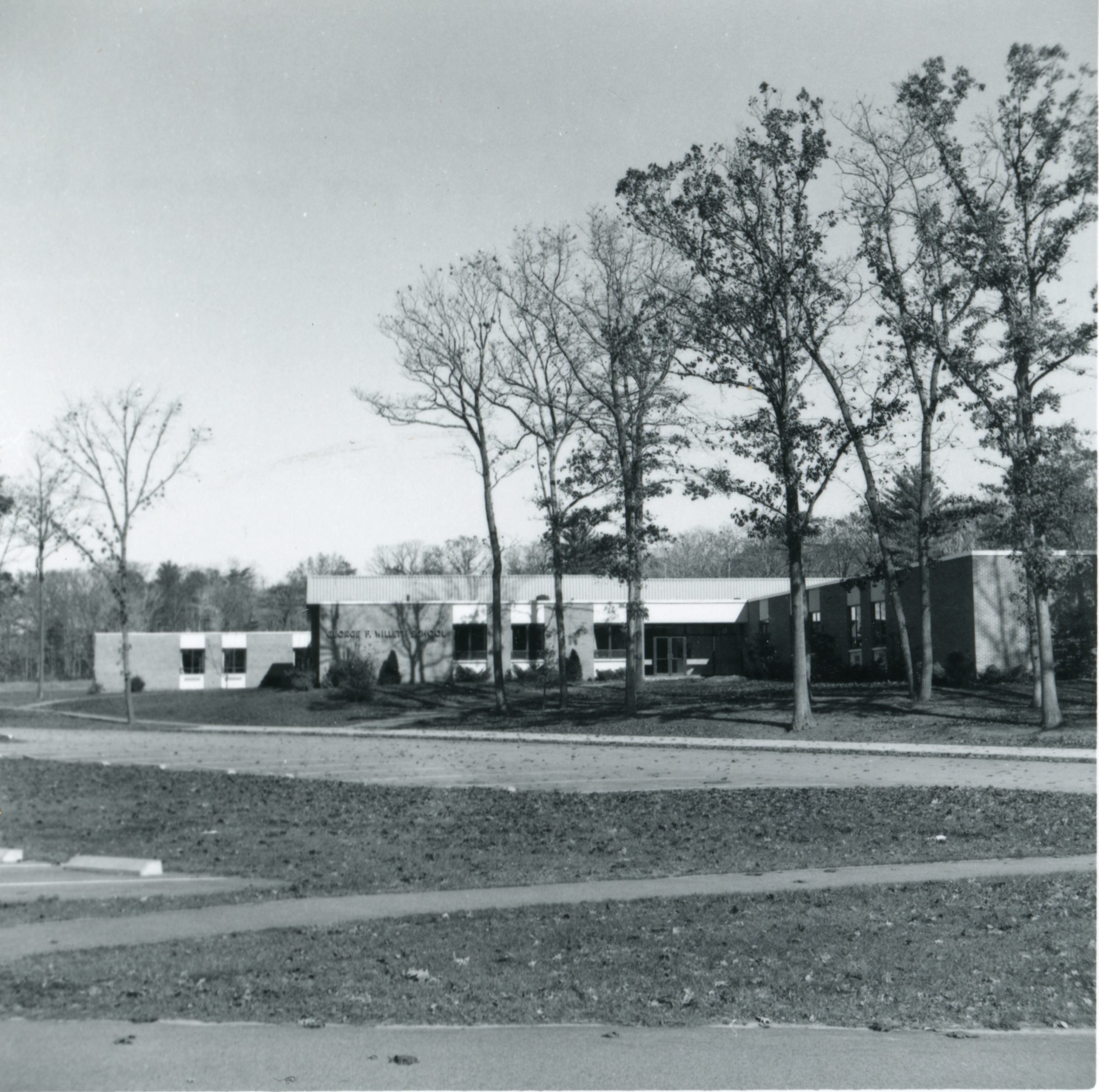
Seeking proactive solutions to combat recurring vandalism, the town manager’s office has officially requested bids for furnishing and installing an advanced audio-activated alarm system at the George F. Willett School on Westover Parkway. Trial Security System Specifications According to municipal procurement notices, sealed bids will be publicly opened at 11:00 a.m. on September 14 in…
-
Public Schools Announce 1977-78 Opening Schedules and Projected Enrollment of 5,842 Students-August 31, 1977
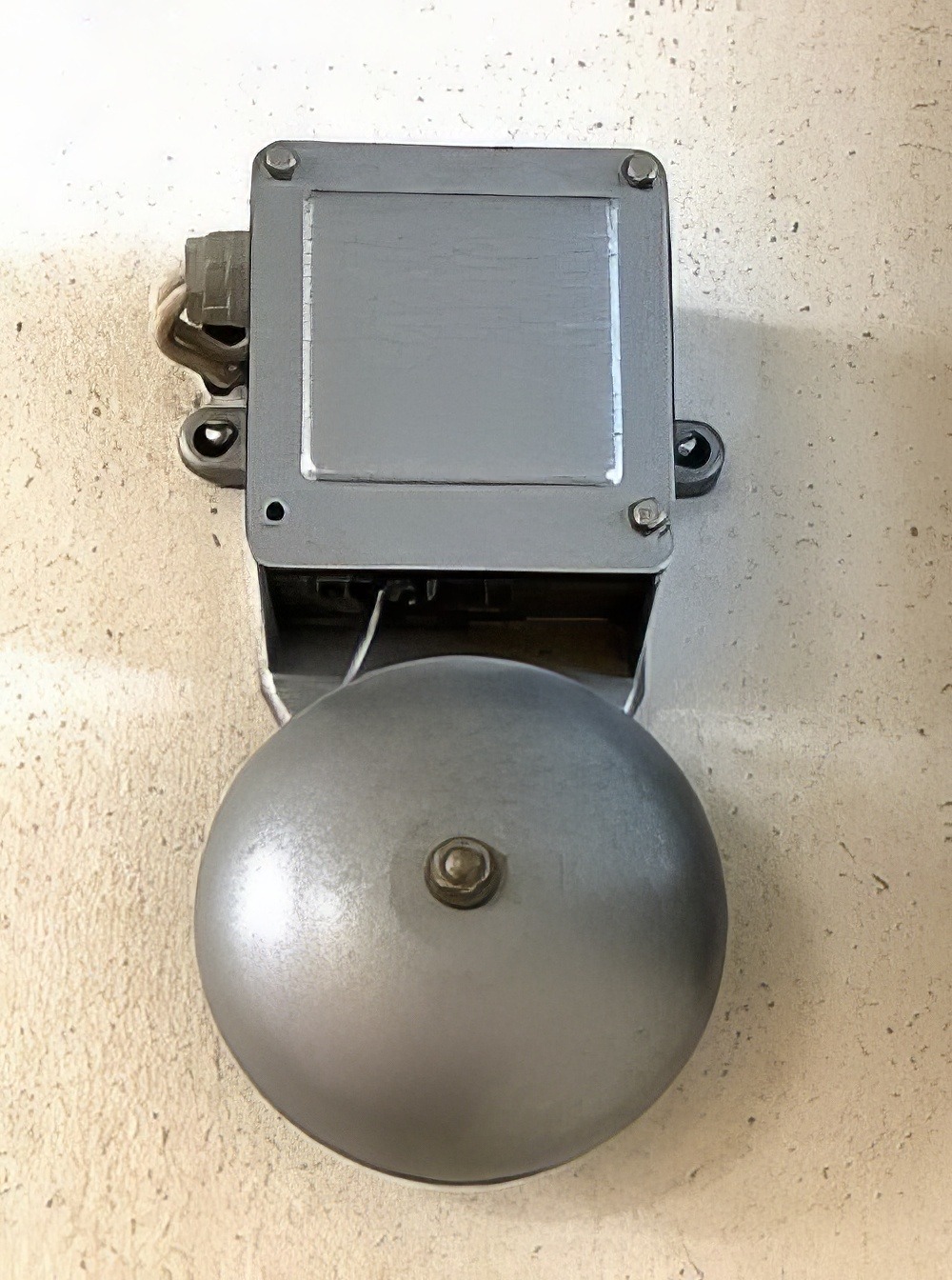
Superintendent of Schools Philip O. Coakley has officially announced that all Norwood public schools-covering grades 1 through 12, alongside special education classes-will open for the 1977–78 academic year on Wednesday, September 7. Registration is open daily in each school building from 9:00 a.m. to 3:00 p.m. ahead of opening day, with classrooms prepped for an…
-
State Cites Nine Deficient Areas in Norwood Special Ed-August 16, 1977

A state Department of Education audit of Norwood’s Chapter 766 special education program cited nine minor compliance issues while praising overall staff commitment and progress.
-
Norwood Zeroes In On School Vandals-August 3, 1977

A newly formed blue‑ribbon security committee convened to confront a surge of costly vandalism at Norwood’s public schools. Members reviewed structural, technological, and community‑based deterrents while assigning formal research duties for a comprehensive townwide response.
-
Special Needs Association Hosts Mock Core Evaluation at Oldham School Library-November 15, 1976
The Special Needs Association held a mock core evaluation at Oldham School Library led by Roderick Smith and William Deveney to guide parents through special education assessments.
-
Public Schools Enrollment Down 341 Students, Though Upcoming Apartment Construction Expected to Boost Numbers-September 16, 1976

Norwood school officials report a drop of 341 students in total enrollment, but anticipate new apartment construction will push numbers back up.
-
Louis Buscone Jr. Appointed High School Vice-Principal After Close School Committee Vote-September 9, 1976

Louis Buscone Jr. wins a one-year appointment as Norwood High School vice-principal by a 4-3 school committee vote as the board reviews declining enrollment figures.
-
Norwood School Committee Seeks Field Trip Funds and Awards Bus Transportation Contracts-July 29, 1976

Facing budget cuts that eliminated student field trips, the Norwood School Committee voted to appeal to the Finance Commission and special town meeting for restoration funds.
-
Norwood Board Rejects Blue Hills Collaborative-July 29, 1976
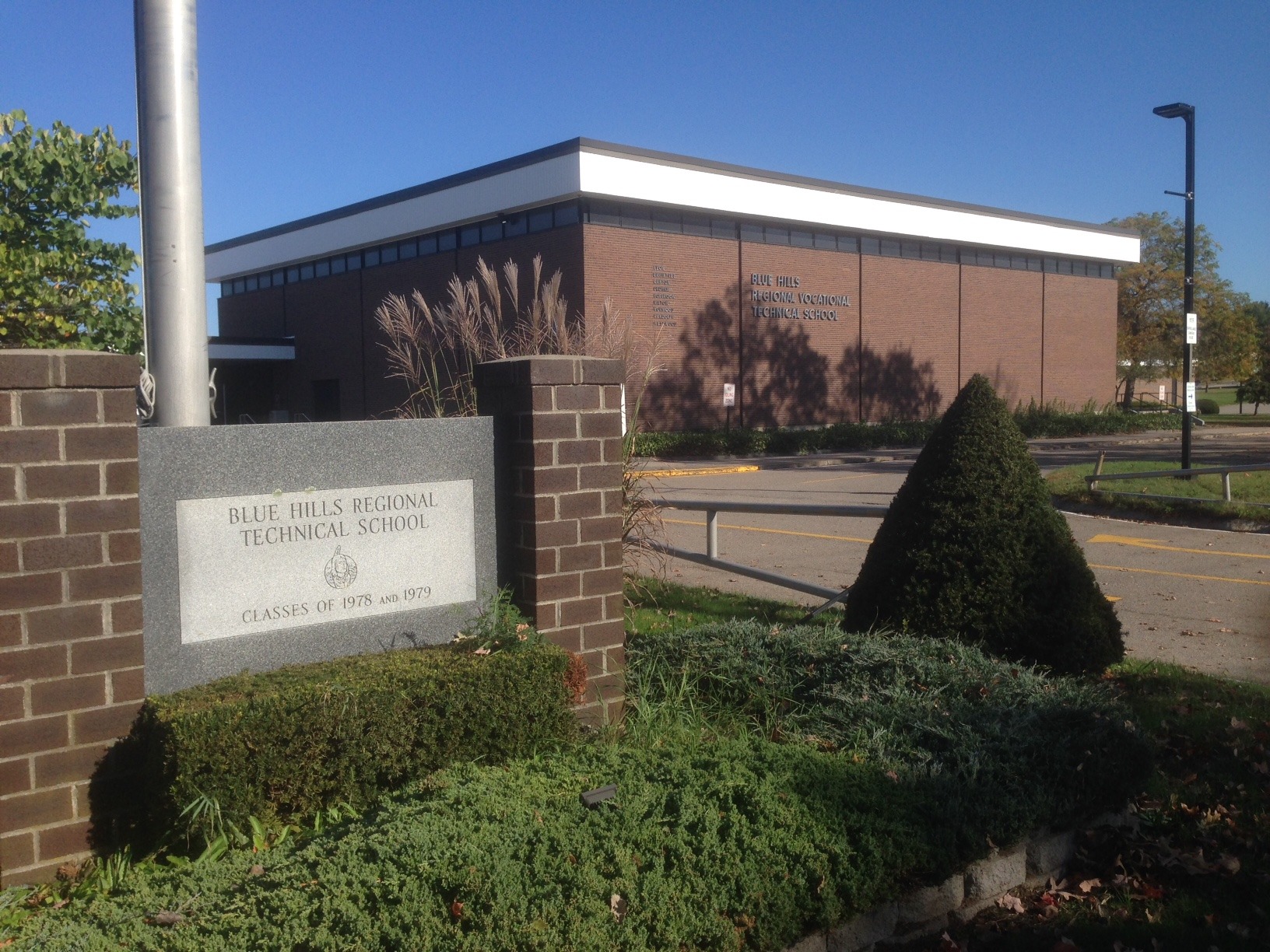
The summer of 1976 was a time of great change and uncertainty for the town of Norwood, Massachusetts. As the nation celebrated its bicentennial, local residents were grappling with issues of education, finance, and community involvement. One such issue that dominated the headlines in July 1976 was the proposed Blue Hills Collaborative, a vocational school…
Discover more from Norwood Historical Society
Subscribe to get the latest posts sent to your email.