


⠀
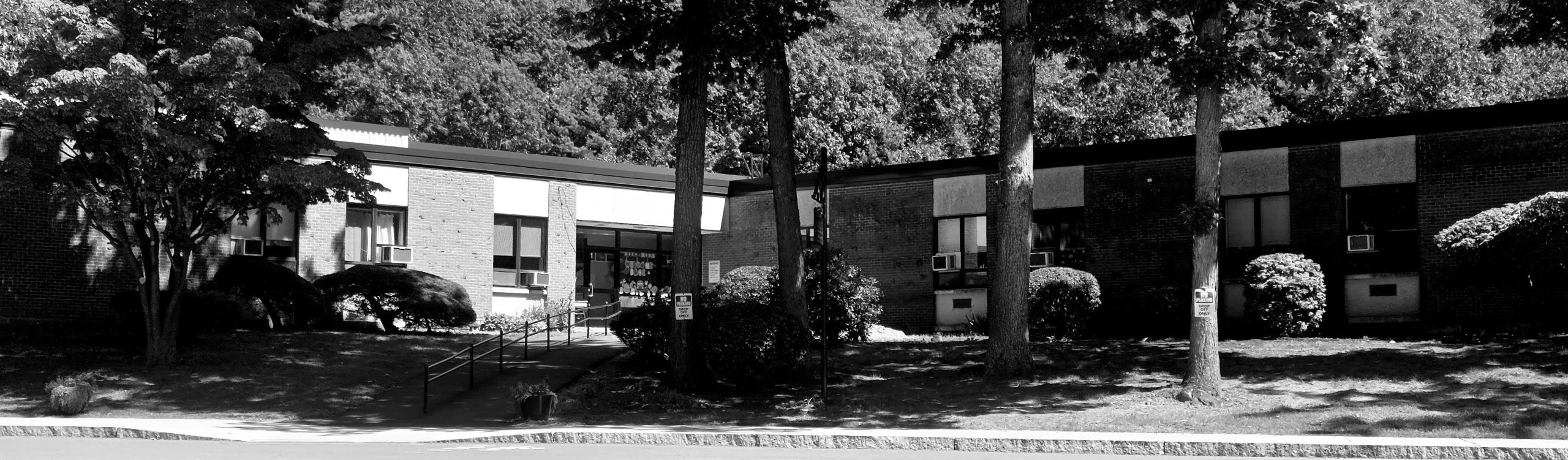
The Aaron Guild School doors will open in September to two new tenants as Norwood selectmen voted unanimously last night to lease the building for one year to the Norwood CETA Consortium and the Educational Collaborative of Greater Boston (EdCo) for a total rent of $148,000. In doing so, the board rejected for the time being a proposal to move the town’s Civic Recreation Center into the ground floor of the three-story building. Arguing that the town needed time to determine a long-range use for the school—which was closed in June due to declining enrollment—Town Manager John J. Carroll and Joan H. Cuff, chairman of the Guild Study Committee, recommended the two short-term leases.
This is a temporary expediency; it will give us security and occupancy, Selectmen Chairman Joseph F. Curran told the sixty-five residents at the meeting. However, Walter J. Grady, chairman of the Civic Replacement Committee, had urged the board to reserve the ground floor for recreation facilities to replace the Civic Center. Following the meeting, he stated, This is the first step toward losing our Civic Center. If we lose the Aaron Guild, we will never have a central recreation facility. Walter J. Grady called the decision a bad business transaction, arguing that delaying action for a year will decrease the buying power of the $2 million Norwood Hospital is paying to replace the recreation facilities. The town has agreed to sell the present Civic Center, located across the street from the Guild School, to the hospital once its expansion plans are approved by the state.
Long-delayed state approval is expected around August 14, and hospital officials are considering offering financial incentives to vacate the Civic as soon as possible. Hospital Administrator David P. Buchmueller stated that one possible incentive would be to pay the town $10,000 per month for each month earlier than the twenty-one-month deadline that the Civic is vacated. While Walter J. Grady contended this incentive could offset the rent, Town Manager John J. Carroll dismissed the proposed schedule as totally unrealistic, noting it takes three or four months to hire an architect-consultant.
Under the approved terms, CETA will occupy the first and second floors starting October 1 on a full-year lease for $117,000, while EdCo will take over the ground level (except for the auditorium-gymnasium) starting September 1 on a ten-month lease for $31,000. Representatives of both tenants confirmed they could vacate when the leases expire if required. CETA, presently located on Davis Avenue, will use the larger quarters to expand vocational training programs under Executive Director Larry Fitch, while EdCo will use six classrooms to work with about thirty severely handicapped students from the Wrentham and Fernald state schools. Selectman Joseph F. Curran noted that other proposed uses, such as a police sub-station and a drop-in center for the elderly, will be considered when permanent plans are developed. Selectman Mary J. Fox was absent from the unanimous vote.
Archival Note: This article has been dynamically reconstructed from the original public record print archives of the Patriot Ledger
-
Aaron Guild School Leased to Norwood CETA Consortium and EdCo for One Year-August 1, 1979
Norwood selectmen voted unanimously to lease the closed Aaron Guild School for one year to the Norwood CETA Consortium and the Educational Collaborative of Greater Boston (EdCo) for $148,000.
-
Norwood School Bus Billing Questioned-July 31, 1979
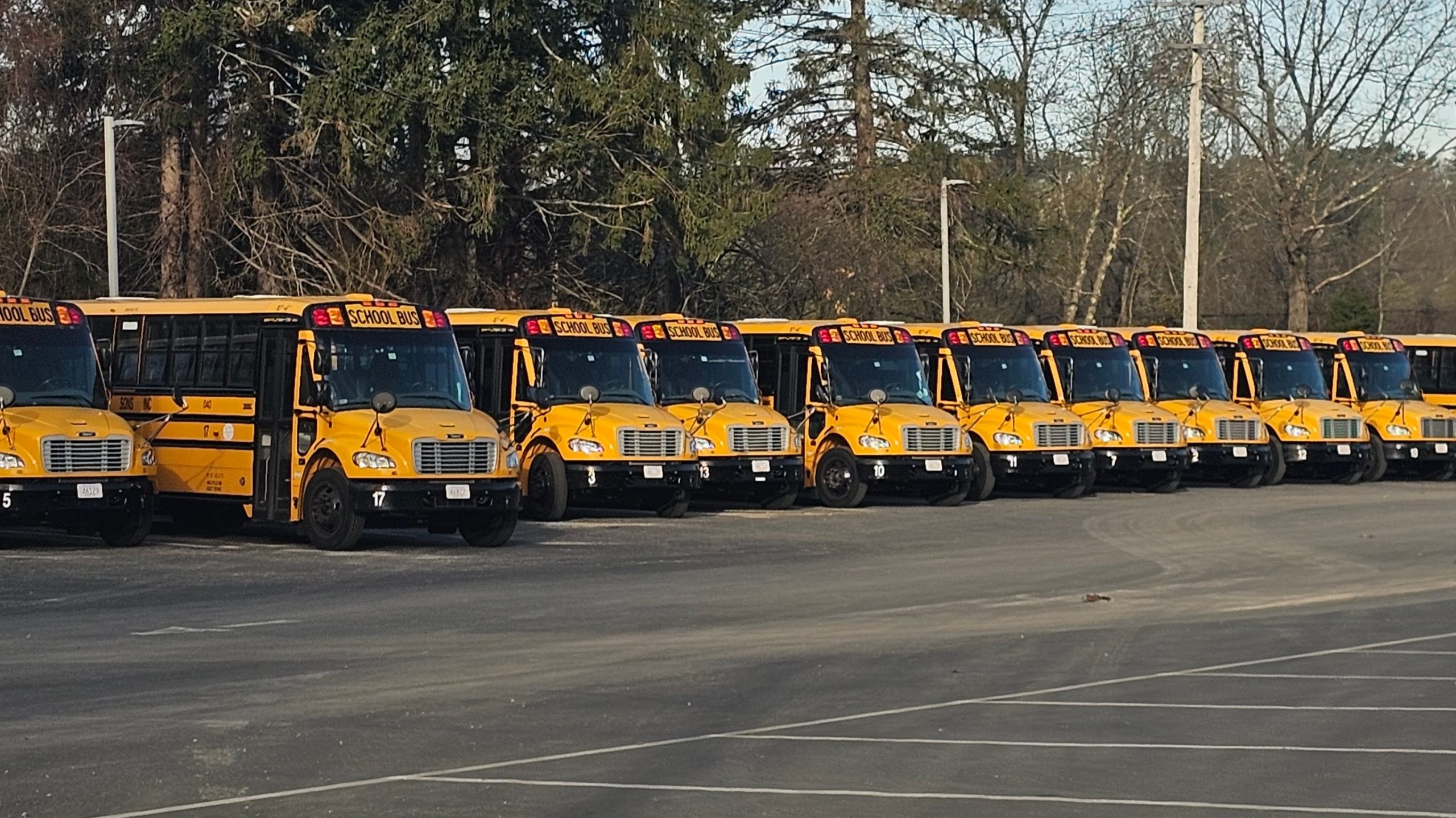
The Patriot Ledger’s July 31, 1979 edition brought to light a controversy surrounding the billing practices of Kiessling School Transportation of Dedham, which had been contracted by the town of Norwood to transport special needs children. The issue at hand was whether the company had overcharged the town for mileage on certain routes. According to…
-
School Supplies Budget Maintained at Prior Year Level Amid Spending Pressures and Utility Shortfall Concerns-September 14, 1978

Superintendent Louis J. Taris reports that Norwood’s school instructional supplies budget maintains prior-year per-pupil rates despite tight spending constraints.
-
School Department Releases Bus Routes and Eligibility Rules-August 30, 1978

As the late-summer excitement of a new academic year approached in 1978, the Norwood School Department officially released its comprehensive student transportation schedules, route mappings, and eligibility guidelines for the upcoming school term. Designed to ensure safe and orderly transit for thousands of local students, the announcement established clear boundaries and behavioral expectations for families…
-
Norwood School Committee Considers Staggered School Closing Plan-July 14, 1978
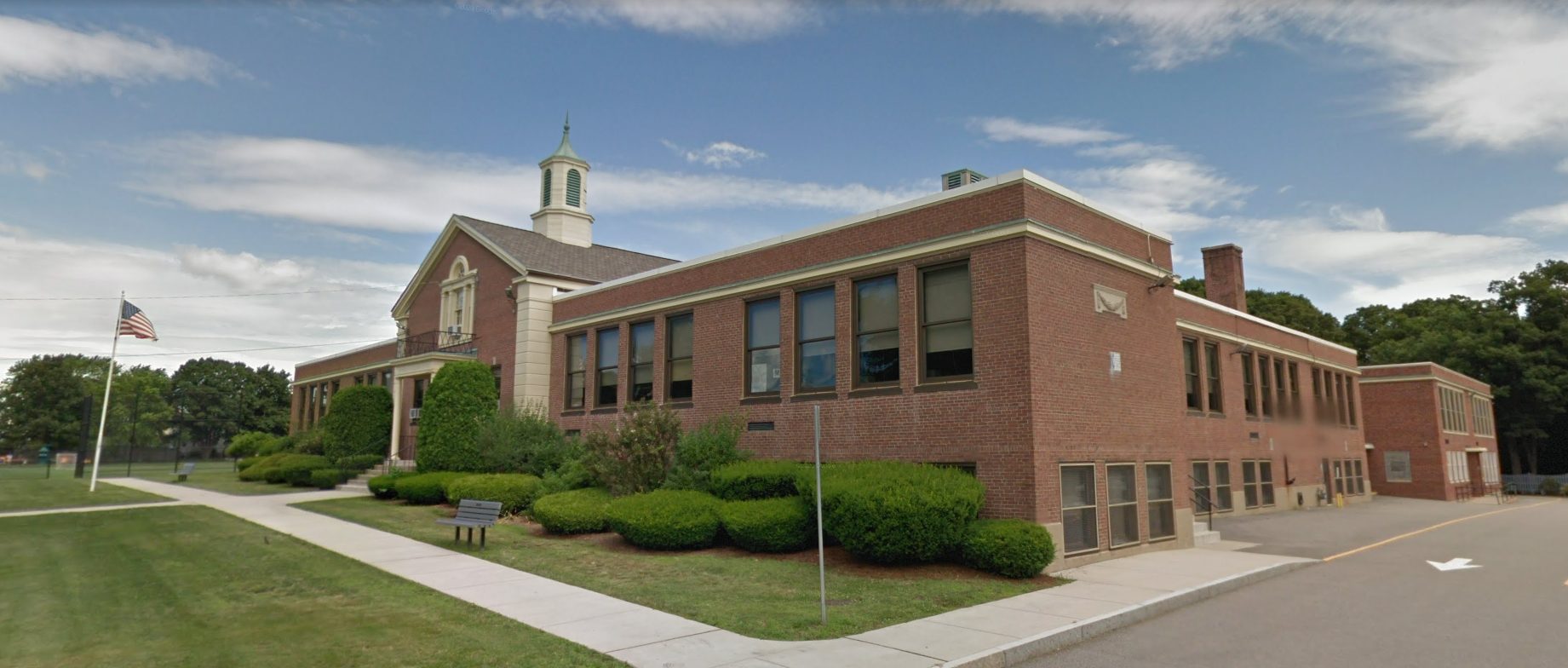
The school housing needs committee last night recommended a second school closing plan that would close the doors of the Callahan School in September, shut down the Balch School in 1981 and close a third, unnamed elementary school in 1983. The plan was backed by seven of the nine members voting and was billed as…
-
Norwood High School Accessibility Concerns-July 10, 1978

On July 10, 1978, parents of handicapped students in Norwood voiced serious concerns regarding the lack of physical accessibility at the local high school. Mrs. Charlotte Haskell, president of the Norwood Special Needs Parents Group, recently sent a formal letter to School Superintendent Philip O. Coakley. In the communication, she urged the district to take…
-
School Board Recall Urged-July 8, 1978
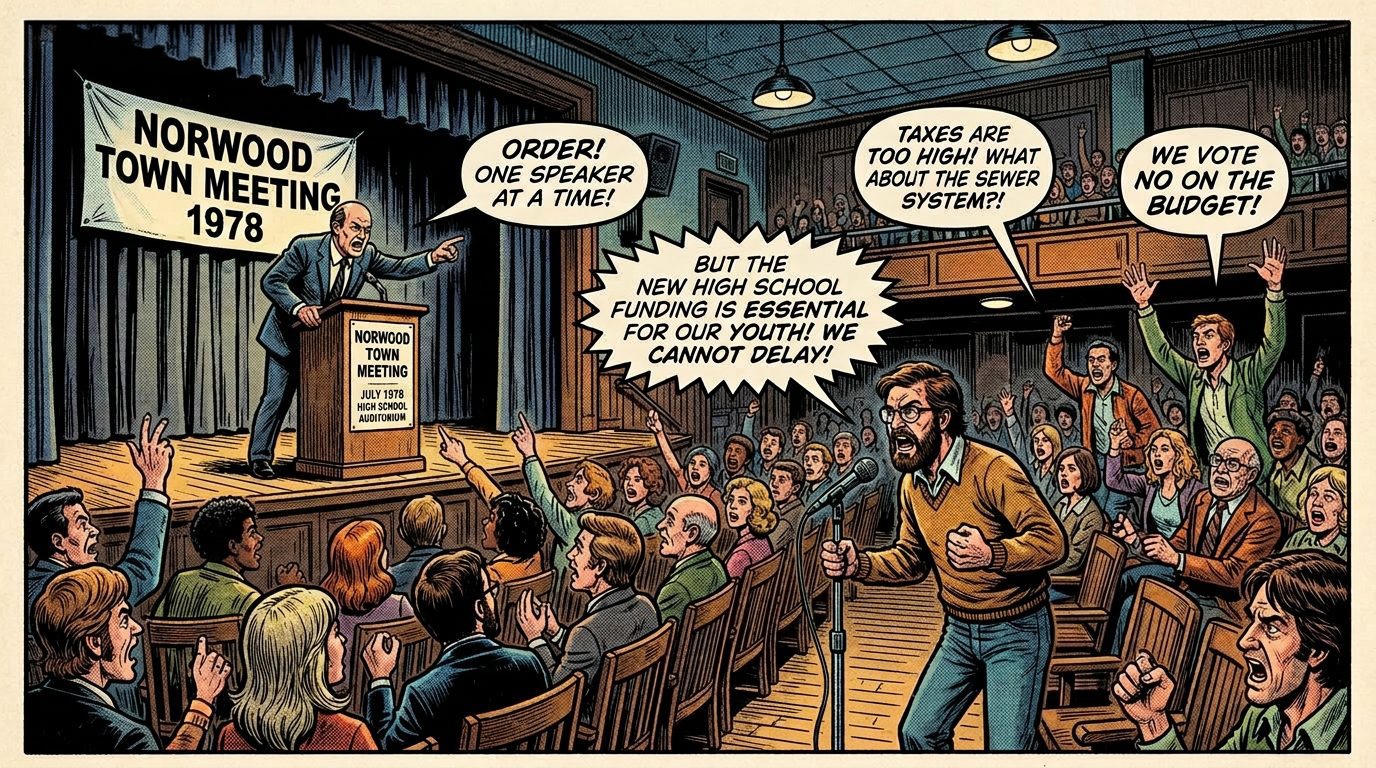
Discover the 1978 budget battle in Norwood, where deep cuts to the school district’s $11.3 million budget led to a controversial recall effort and a lawsuit involving the Massachusetts Teachers Association.
-
Taxpayers Sue to Restore School Budget-July 6, 1978

Seeking to prevent a mid-summer school closure, 36 Norwood taxpayers filed a lawsuit in 1978 to restore $600,000 in education funding.
-
Henry O. Peabody School Hosts Fifth Annual Harvest Fair and Flea Market-October 15, 1977
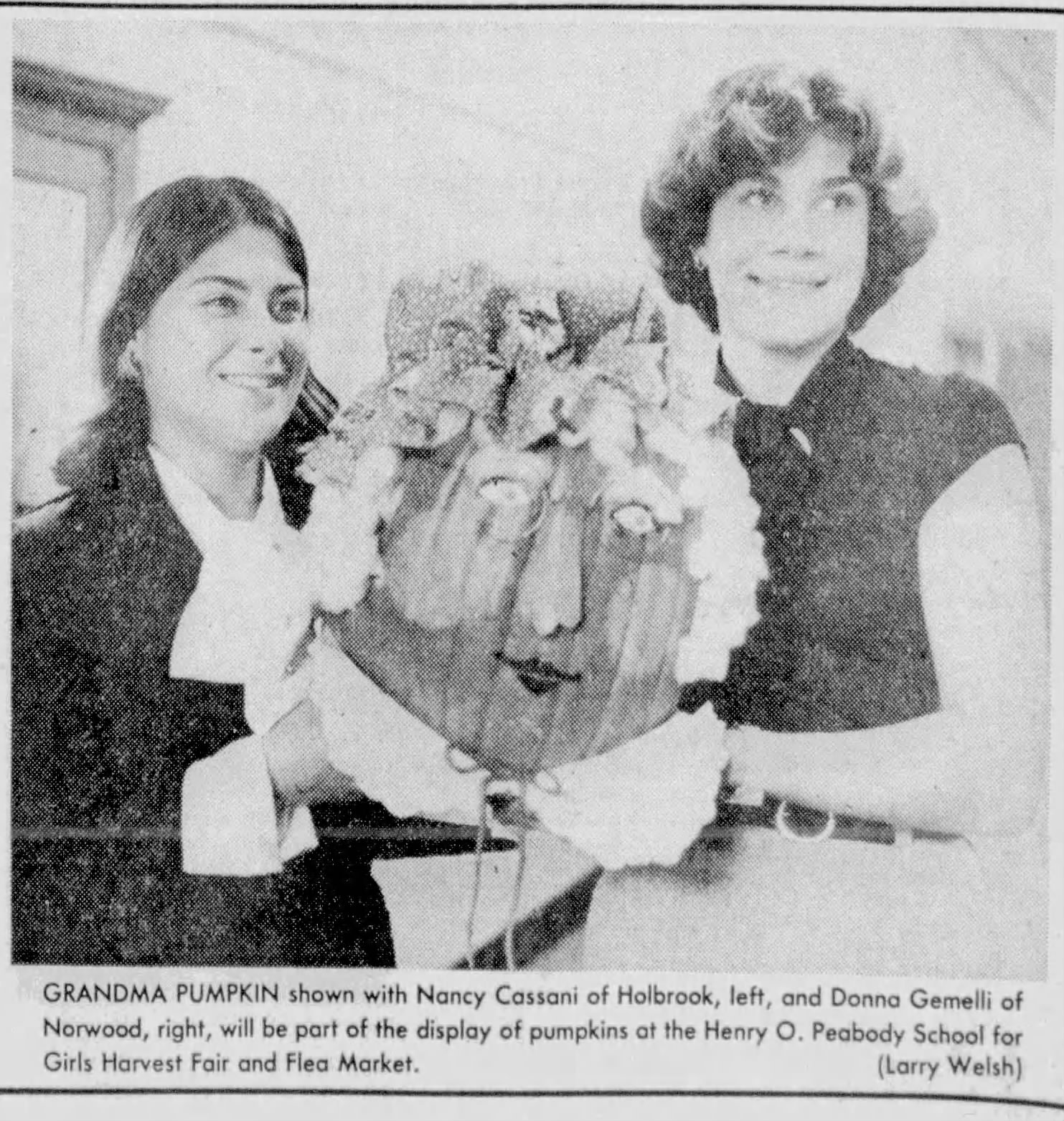
The Henry O. Peabody School for Girls holds its fifth annual Harvest Fair featuring food booths, crafts, flea market treasures, and student fundraiser activities.
-
Willett School PTA Launches Petition Drive to Fight Potential School Closure-October 11, 1977
Facing declining student enrollments across Norwood, the Willett School PTA initiates a petition drive to keep their school open, while school officials weigh options.
Discover more from Norwood Historical Society
Subscribe to get the latest posts sent to your email.