

The long-awaited conversion of the Shattuck School property into a modern housing complex for the elderly is finally approaching the construction phase. Kevin F. Maguire, executive director of the Norwood Housing Authority (NHA), announced that the project is expected to go out to bid by July 15, 1978. If the current progress remains on track, a construction contract could be awarded by August, with the possibility that the first of the 475 applicants currently on the elderly housing waiting list could be moving into their new homes by August 1979.
Designed by Cambridge-based architect Charles Jacobs, the project represents a significant revitalization of the Shattuck School site located at the intersection of Nahatan and Fulton streets. The plan calls for the transformation of the two-story brick schoolhouse—which dates back to 1903 and ceased classroom operations four years ago—into 17 apartments. An additional 55 apartments will be clustered in new construction on the 3.5-acre school site. The project carries an estimated cost between $1.8 million and $2 million. Maguire explained that the NHA cannot formally take over the property until the construction contract is awarded, as no funds are advanced for property purchase beforehand. The town will receive $72,000 for the sale of the site, a price reflecting a $1,000 allowance per unit under state land cost guidelines for subsidized projects.
The project’s timeline had previously been delayed, largely because the state held up funding while an investigation into NHA books and practices was conducted last year. However, Maguire remains optimistic, stating, “Everything looks good.” A spokesman for the Massachusetts Department of Community Affairs, which is the source of the project’s funding, confirmed that the development is now on schedule, noting that while rehabilitations of historic structures can entail uncertainties, they anticipate completion within a year or less.
In other local news, three area youths—Billy Pride of Medway, Dennis Whitten of Foxboro, and Jack Zervas of Norfolk—recently participated in a unique vocational exploration program. As part of Norwood CETA’s youth work experience initiative, the three were matched with Star Market truck drivers “Red” McEllin of Cochituate, Allan Bush of Natick, and Bill Rimsa of Watertown. The youths spent a full working day shadowing the drivers on deliveries throughout New England. For Billy Pride, the experience provided a practical perspective on the trucking industry; he remarked, “I decided I’d try to go with a big corporation since I learned it costs an independent about $1,500 a month just to keep a rig on the road.“
Herb Johnson, the Star Market traffic and transportation manager who coordinated the pairings, provided the youths with an unvarnished look at the industry, noting the current economic climate for workers. “I tried to be candid, sometimes very blunt with them. Twenty-five percent of the Teamsters are now unemployed, so finding openings for new people sometimes seems next to impossible,” Johnson explained. The Norwood CETA program continues to serve a wide consortium of towns, including Bellingham, Canton, Dedham, Foxboro, Franklin, Medfield, Medway, Millis, Norfolk, Norwood, Plainville, Sharon, Walpole, Westwood, and Wrentham, and is currently planning additional vocational shadow programs for the summer.
Meanwhile, the school committee and administrators continue to navigate the implementation of Chapter 766, the state’s four-year-old mandate for special education. Bolognese, an official involved in auditing the program, noted that while some areas such as educational planning and progress monitoring require improvement, these deficiencies could be addressed with additional personnel. Bolognese had previously recommended the addition of 18 special education positions over a three-year period. To date, eight positions have been approved, funded through a mix of federal grants and town resources. While the town receives approximately 73 percent reimbursement from the state for special education costs, some committee members remain cautious about further increasing expenditures until state reimbursement levels reach a more consistent average of 52 percent.
Archival Note: This article has been dynamically reconstructed from the original public record print archives of the Patriot Ledger
More…
-
Residents Protest South Norwood Condos-July 16, 1986

The quaint town of Norwood, Massachusetts, was abuzz with controversy in the sweltering summer of 1986. On a balmy July evening, residents gathered at the zoning board of appeal to voice their concerns over a proposed condominium development in South Norwood. The project, spearheaded by developer Anthony T. Civitarese Jr., aimed to construct a 20-unit…
-
Frank L. Walsh Housing for the Elderly Nears Completion at Shattuck School-August 1, 1980
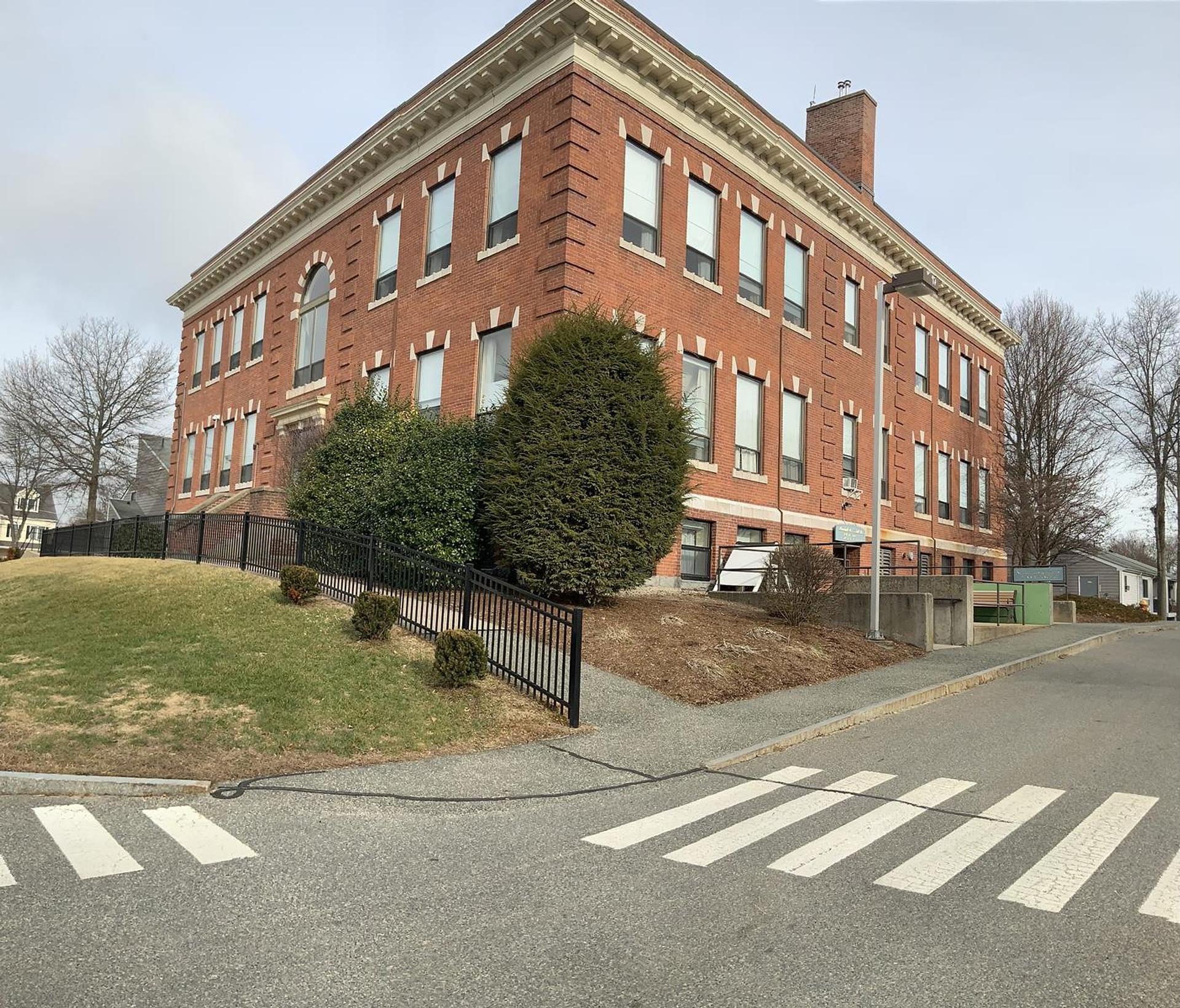
Norwood’s Frank L. Walsh Housing for the Elderly complex, combining 55 new units and 17 renovated apartments inside the 76-year-old Shattuck School, neared completion for a September opening.
-
Dormant Nahatan Street Land Primed for Major Public and Private Housing Construction-August 22, 1975
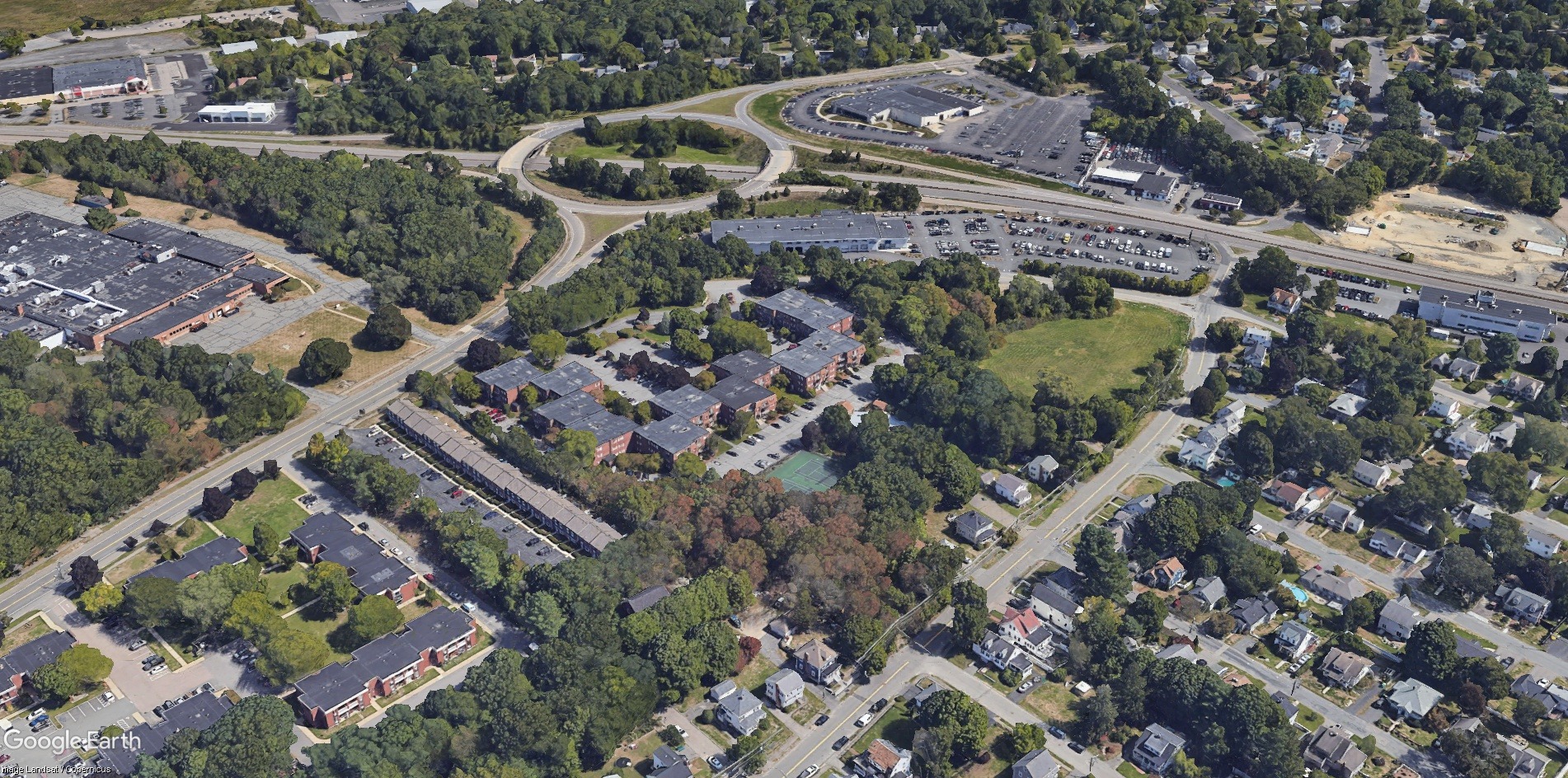
Vacant land near Nahatan Street and West Border Road is set for a construction surge, featuring a 104-unit elderly housing expansion and a 138-unit private apartment complex by Franchi Brothers.
-
Norwood Fights Plan For Housing Complex At Arena Site-June 7, 1974

Norwood fights plan for housing complex at arena site For decades, the roar at the Norwood Arena had been the sound of racing engines, cheering crowds, and the unmistakable pulse of a local institution. But by the mid‑1970s, that familiar noise had been replaced by a different kind of rumble — the voices of townspeople,…
-
Windsor Gardens to Open Model Apartment Saturday-September 6, 1962
Windsor Gardens to Open Model Apartment Saturday-This Day In Norwood History-September 6, 1962
-
Progress Report On Playground At Ellis Garden-This Day in Norwood History-June 28, 1962

Reporting on the latest developments regarding the proposed playground In the Ellis Gardens area, Kevin P. Barry, chairman of the Ellis Gardens Playground Committee, stated, that he had received a letter from General Manager Walter Blasenak. According to Mr, Barry, the letter was dated June 21 and read as follows: “Currently we are having additional…
-
Rustic Acres by Countryside Homes-June 19, 1960

June 19, 1960-Rustic Acres by Countryside Homes
-
Hearth Stones Community in Norwood “Designed To Be Different”-April 24, 1960

Color Schemes Left To New Home Owners A new community of homes “designed to be different” will be formally opened today in Norwood. The Hearth Stones, developed by Alvin Slotnick of Almor Homes, is being offered for sale by Murray J. Sloane, realtor. The Hearth Stones community is located in one of the last large…
-
Hearth Stones Community in Norwood “Designed To Be Different”-April 24, 1960
Color Schemes Left To New Home Owners A new community of homes “designed to be different” will be formally opened today in Norwood. The Hearth Stones, developed by Alvin Slotnick of Almor Homes, is being offered for sale by Murray J. Sloane, realtor. The Hearth Stones community is located in one of the last large…
-
New Norwood Community, Westover, to Open Saturday-June 12, 1955
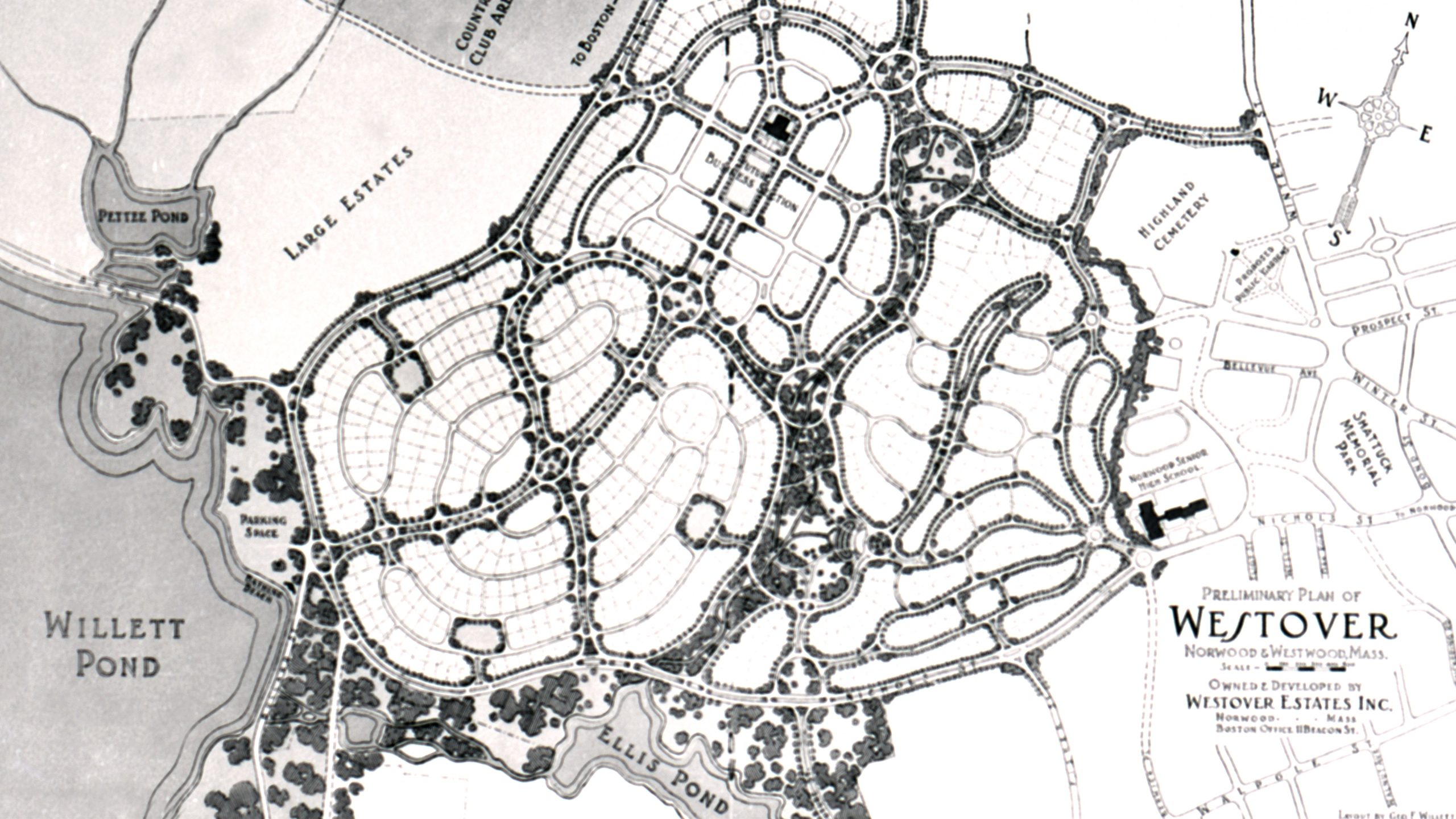
Welcome to the neighborhood! In June 1955, a major chapter in Norwood’s post-war suburban boom unfolded with the grand opening of Westover Estates. Designed by architects Compton and Pierce and built by the Jacet Construction Corporation, this planned community introduced stylish mid-century modern split-level and ranch homes featuring floor-to-ceiling fireplaces, all-electric Hotpoint kitchens, and ideal…
Discover more from Norwood Historical Society
Subscribe to get the latest posts sent to your email.