
Board Lowers School Thermostats to 65 Degrees and Evaluates $7,000 to $329,000 High School Handicapped Accessibility Plans
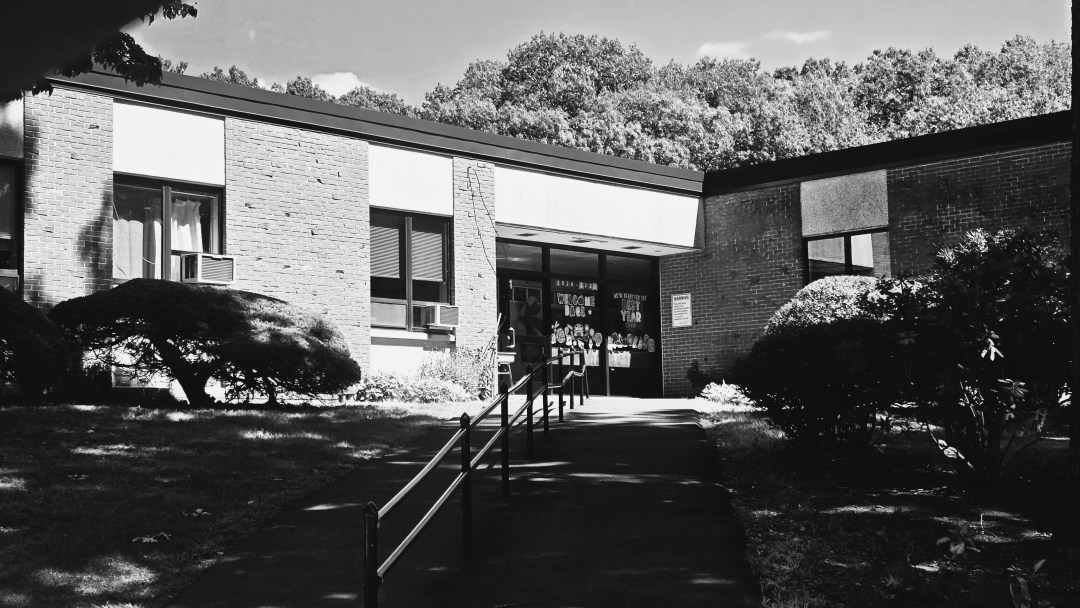
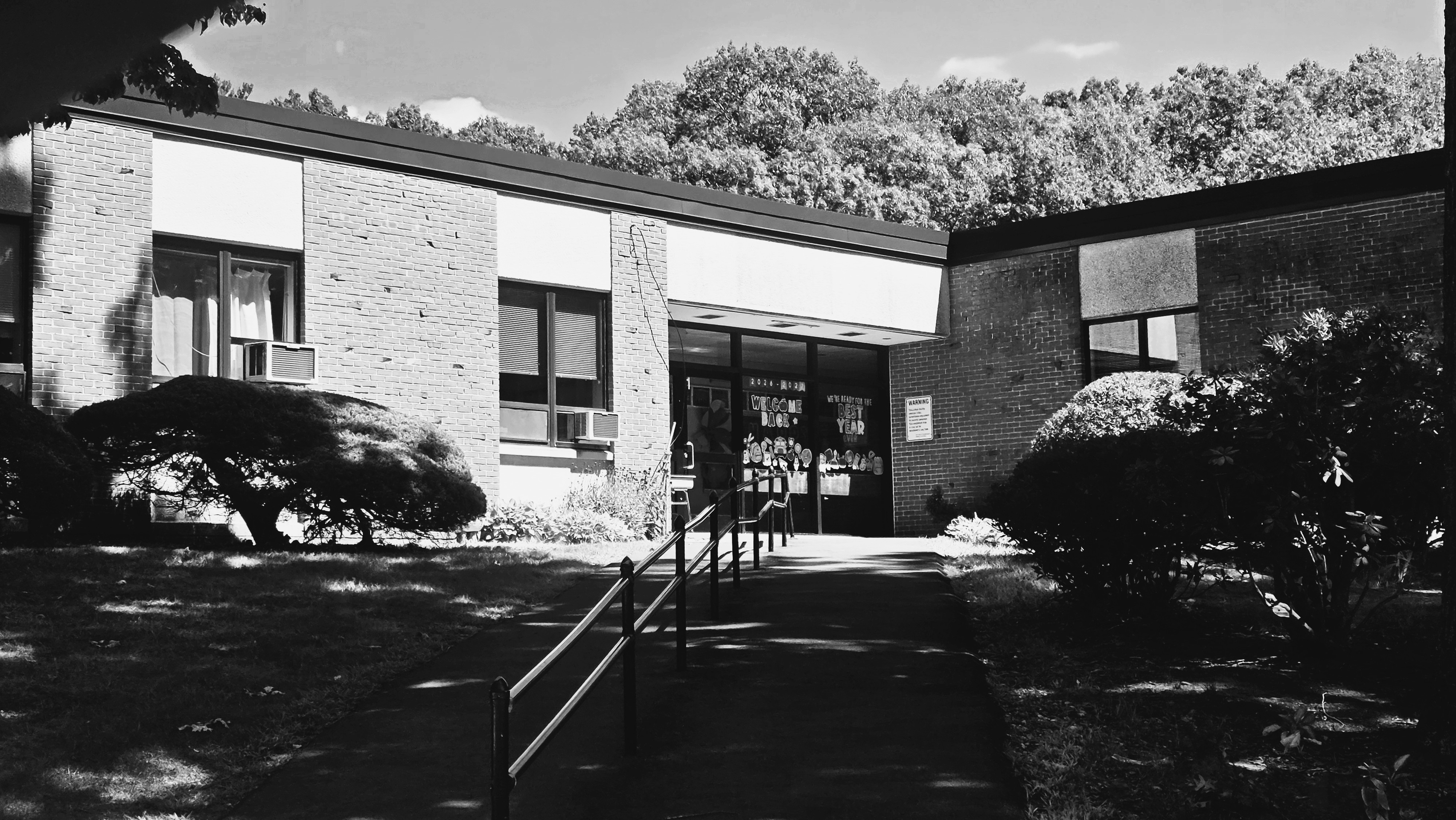
NORWOOD – In a contentious session on Wednesday night, November 14, 1979, an effort to place the controversial Willett School closing plan back onto the Norwood School Committee agenda for further review ended in a 3-3 deadlock. Initiated by committee member Joseph M. Pentowski, who sought to schedule the matter for the December 14 agenda, the motion sparked a lengthy debate over how closing the Willett School would impact enrollment across other district buildings. Pentowski, Charles Saraca, and Richard Joseph repeatedly pressed Superintendent Louis J. Taris regarding warnings from teachers and administrators that the Cleveland School and special services programs could become severely overcrowded.
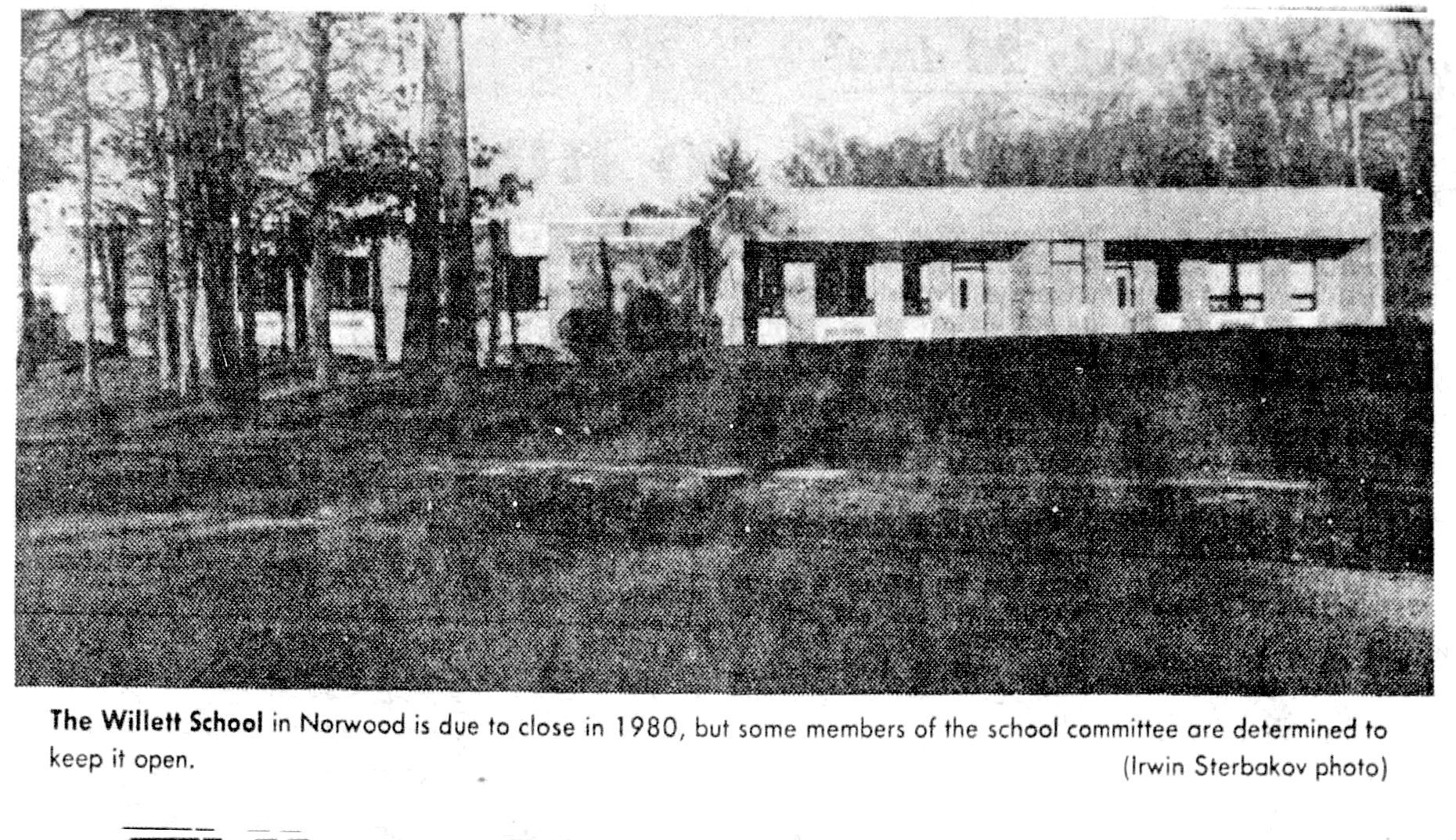
Pentowski, Saraca, and William F. Egan voted in favor of reopening the discussion, while Chairman Rudith M. Berkowitz, Joan Cuff, and Joseph voted against—with William Pudsey abstaining. Although Joseph honored his April election campaign promise not to move for reconsideration of the board’s January vote to close the Willett, he acknowledged, “I do have some problems with the plan.” Amid sharp exchanges of “politicking” between Berkowitz and Pentowski, Berkowitz insisted, “You are only trying to forestall action on a decision that has already been made,” before Superintendent Taris closed the debate calmly: “All I am going to say is, I know how to handle these things.”
Energy Conservation Directives and High School Accessibility Options
Ironically, inside an uncomfortably warm school committee meeting room, members voted unanimously to enact immediate energy-saving mandates aligned with U.S. Department of Energy guidelines. The directive ordered all thermostats in secondary schools and the administration building lowered to 65 degrees during occupied daytime hours and 55 degrees at night, while lowering hot water temperatures across all school buildings to 105 degrees or the lowest functional setting. Superintendent Taris also noted ongoing initiatives to insulate the Norwood High School ceiling, recalibrate classroom univents, and conduct a district-wide electrical audit.
Meanwhile, the Permanent Building Committee, chaired by Roger Pelletier, delivered cost estimates to the School Committee for three scaled-down plans designed to improve handicapped accessibility at Norwood High School under federal mandates, serving as lower-cost alternatives to a comprehensive $700,000 accessibility plan recommended in September:
- Option 1 ($7,000 to $19,000): Construction of accessibility ramps at the east side of the auditorium and the boys’ gymnasium entrance, plus accessible restroom facilities near the gym.
- Option 2 ($210,000): Includes all Option 1 improvements plus a five-level passenger elevator.
- Option 3 ($329,000): Includes all Option 1 and Option 2 upgrades plus a second elevator near the adjoining Henry O. Peabody School.
Assistant Superintendent for Secondary Education James R. Donovan explained that the scaled-down options were intended to “show good intent” toward federal compliance ahead of a potential future high school renovation, while Pelletier and architect Leonard Quann of Korslund, LeNormand and Quann prepared to review the blueprints with the school board.
Word Count Documentation
- Original Article Word Count: 566 words
- Rewritten Narrative Word Count: 578 words
1979 High School Accessibility Cost Options Adjusted to 2026 Dollars
Adjusted for inflation using U.S. Bureau of Labor Statistics CPI data ($1.00 in Nov. 1979 ≈ $4.33 in 2026)
| 1979 Accessibility Proposal | 1979 Estimate | 2026 Equivalent |
|---|---|---|
| Option 1: Auditorium & Gym Ramps + Accessible Restroom | $7,000 – $19,000 | ~$30,310 – $82,270 |
| Option 2: Option 1 + Five-Level Elevator | $210,000 | ~$909,300 |
| Option 3: Option 2 + Second Elevator near Henry O. Peabody School | $329,000 | ~$1,424,570 |
| Full Building Committee Plan: Total High School Accessibility | $700,000 | ~$3,031,000 |
Archival Note: This article has been dynamically reconstructed from the original public record print archives of the Patriot Ledger
-
School Committee Warns of Political Firestorms Over Forthcoming School Closing Study-October 21, 1981

Praising the progress of a long-range school planning study, Norwood School Committee members warned that recommendations regarding school closures could spark emotional political debates in January.
-
School Committee to Study Possibility of Closing Junior High School-July 22, 1981

The Patriot Ledger reported on July 22, 1981, that the school committee in Norwood was planning to establish a long-range school planning committee to study the possibility of closing a junior high school. The committee saw no chance of a junior high closing until 1984 at the earliest but believed that starting the planning process…
-
Proposition 2 1/2 Puts Willett School Closing on Hold-November 6, 1980

Facing potential budget reductions of up to $1 million from Proposition 2 1/2, Norwood school officials have placed the scheduled closure of Willett Elementary School on hold pending a comprehensive K-12 system review.
-
School Committee Deadlocks 3-3 on Reopening Willett School Closing Debate-November 16, 1979
Norwood’s School Committee deadlocked 3-3 on reopening the Willett School closing debate, lowered school thermostats to 65 degrees, and reviewed three handicapped accessibility options for Norwood High School.
-
Willett School Closing Vote Stands-November 8, 1979
In a tense 4-2 vote, the Norwood School Committee rejected a motion to rescind the planned 1980 closure of the Willett School, confirming student reassignments to Cleveland and Prescott schools despite parent opposition.
-
Willett School Closing Next Year Not a Sure Thing as School Committee Debates Postponement-November 5, 1979
Amid debate over enrollment and real estate concerns, Norwood officials and candidates clash over whether to delay the scheduled June 1980 closure of the Willett School.
-
Norwood Weighs Closing of 2 Elementary Schools-December 6, 1978

The Norwood school committee will discuss closing two elementary schools at tonight’s meeting at the Junior High School South Auditorium. School Supt. Louis J. Taris expected to recommend closing both the Willett and Aaron Guild schools. Town meeting members ordered a reduction of elementary school buildings last June due to declining enrollments. (All articles originally…
-
Norwood Teachers Association Proposes Closing Winslow Administration Building Instead of Neighborhood Schools-November 17, 1978
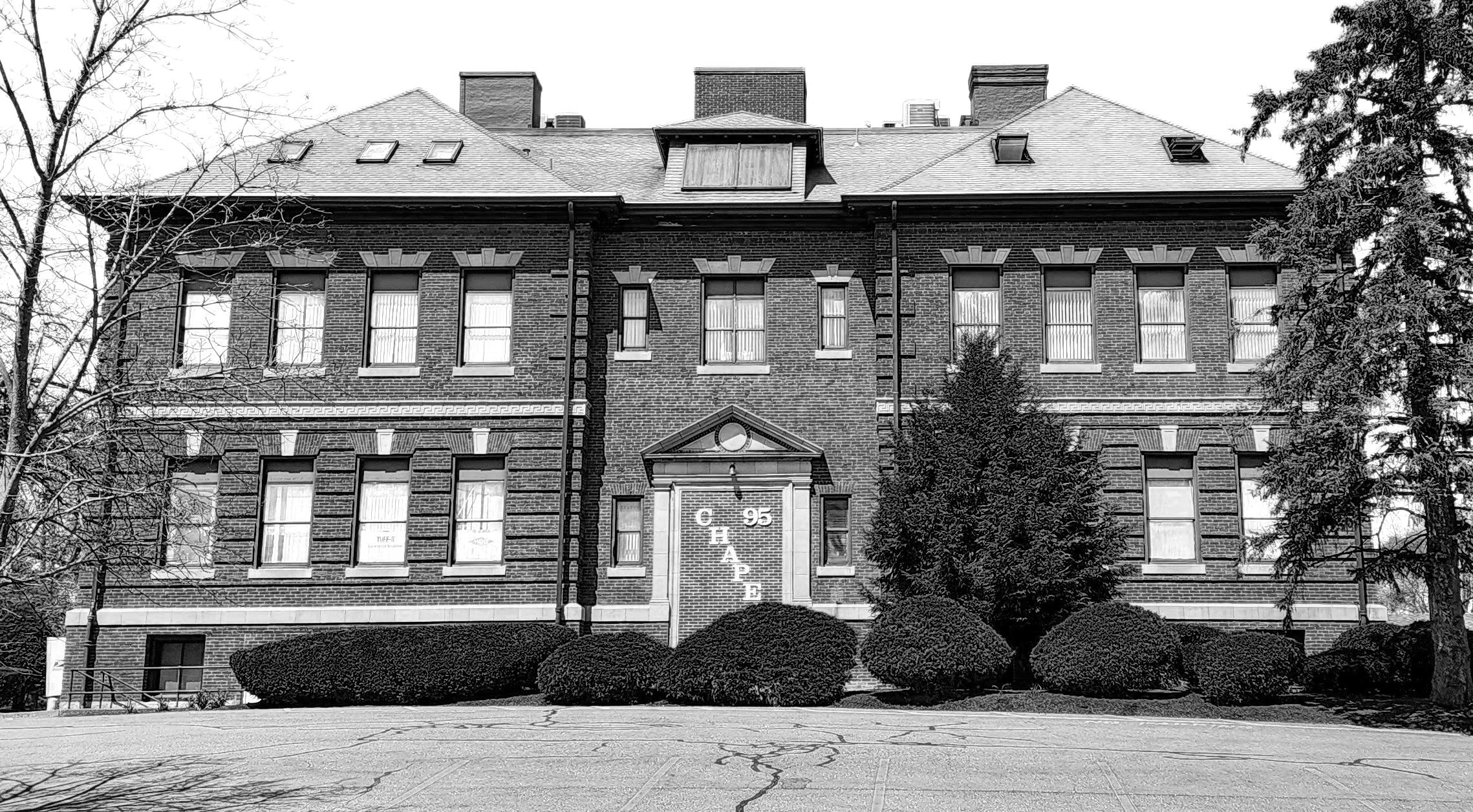
Separately on Thursday, November 16, the Norwood Teachers Association (NTA) entered the town’s heated school-consolidation debate by unanimously endorsing a plan to close and sell the two-story brick Winslow School central administration building on Chapel Street rather than shutting down any of Norwood’s seven elementary schools in 1979. Ahead of a December 4 public hearing…
-
School Housing Needs Committee Proposes Staggered Elementary School Closings in Norwood-November 3, 1978
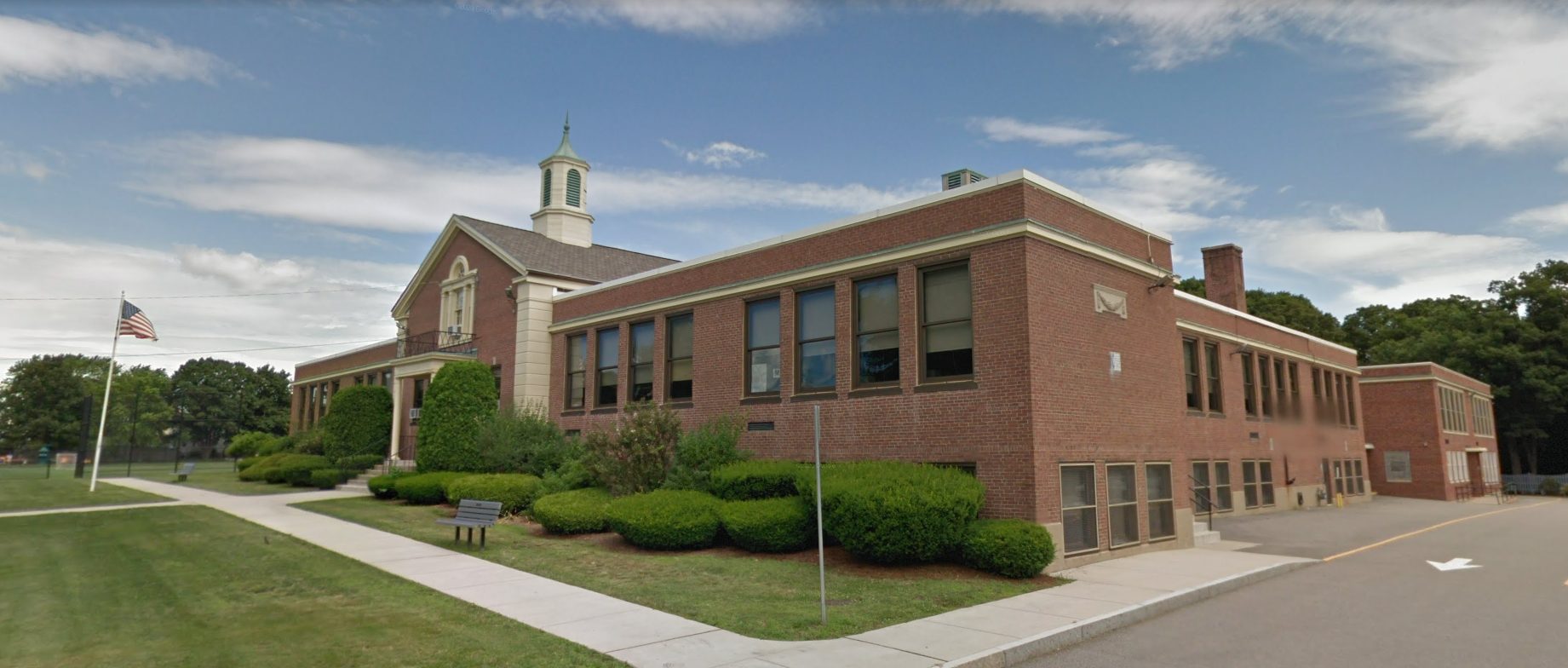
Pushing a staggered timeline to address declining enrollment, Norwood’s housing needs committee recommended closing Callahan School in 1979, Balch in 1981, and a third school by 1983.
-
Norwood Residents Mobilize to Save Balch and Callahan Schools from Proposed Closure-October 31, 1978
More than 200 residents packed the Balch School cafeteria to protest a preliminary recommendation to close the Balch and Callahan elementary schools, organizing PTAs to lobby the School Committee.
Discover more from Norwood Historical Society
Subscribe to get the latest posts sent to your email.