
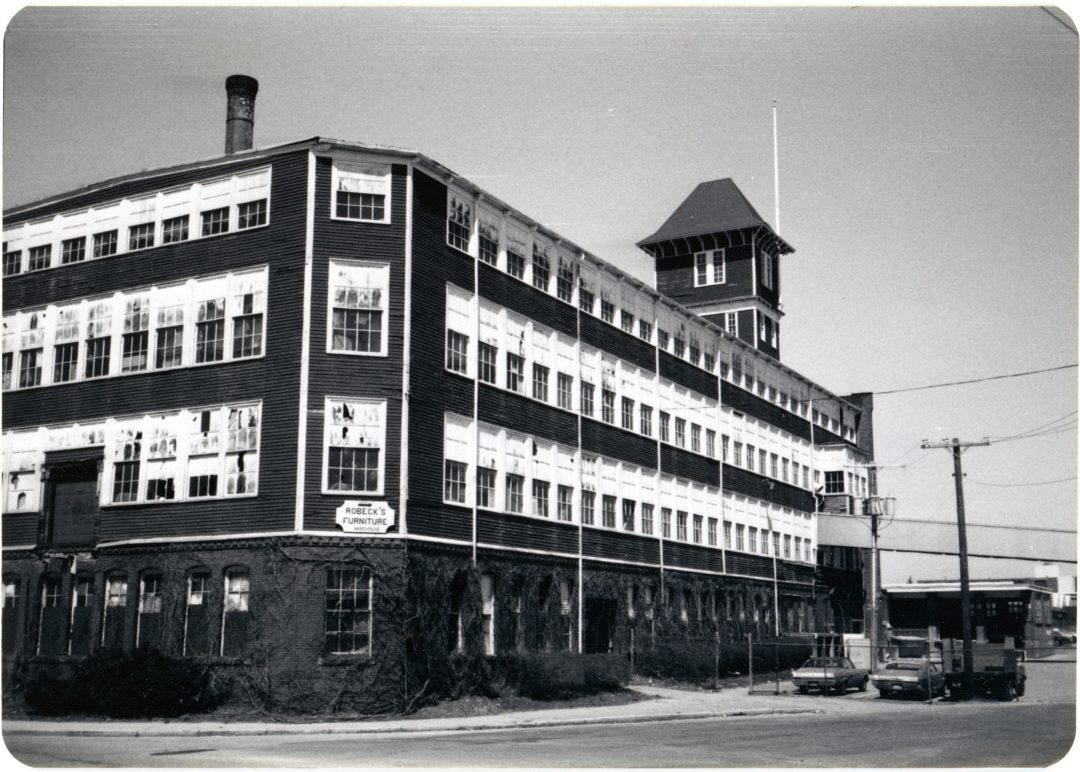
Murray Traub Acquiring Corp. Requests 50 Percent Tax Abatement and Back-Tax Relief
Following the abrupt closure of the legendary 76-year-old Plimpton Press a month ago, company owners and management have proposed a municipal tax agreement aimed at reopening the Lenox Street plant under a new, smaller bookbinding operation.
Representatives from the New York-based Murray Traub Acquiring Corp.—the current owner of the facility—presented town officials with two alternative proposals during a closed-door conference. Under both proposals, the company has asked Norwood for a 50 percent abatement on its 1973 taxes (reducing the assessed valuation from $1,722,900 to $861,450, and cutting the roughly $67,000 tax bill down to $33,500).
The two proposals differ in their handling of approximately $385,000 in accumulated back taxes owed for 1970, 1971, and 1972:
- Proposal One: Plimpton would pay the full back-tax debt with interest, spread out over a 10-year period.
- Proposal Two: Plimpton requested both the 1973 tax abatement and a 50 percent reduction on the retroactive back-tax debt.
If accepted, Alfred M. Flaxington—formerly Plimpton’s general manager and Traub’s treasurer—would form a new corporation, lease the Lenox Street property, and launch a scaled-down bookbinding operation. Flaxington estimated that the new venture would initially employ about 150 workers, drawing heavily from the former Plimpton workforce. He noted that the primary financial hurdle is securing $20,000 to $25,000 to recondition existing bookbinding machinery, which he intends to fund through employee stock sales or an insured loan.
Selectmen Debate Legal Hurdles and Industrial Alternatives
Board of Selectmen Chairman William F. Butters announced that the town has formed a special committee to investigate the legality of adjusting an existing municipal tax debt, particularly since Town Treasurer Raymond T. Halloran has already initiated foreclosure proceedings on the property and expressed legal and moral reservations against forgiving back taxes.
While former Plimpton employees—many of whom have remained unemployed since the plant folded—are eager to see the business reopen, Selectman Chairman Butters expressed skepticism. Butters noted that Murray Traub’s counsel argued the settlement could be recommended to a judge presiding over ongoing foreclosure court cases, and emphasized that Traub is personally worth $5 million, guaranteeing the ability to pay. However, Butters stated he would personally prefer exploring a federally funded industrial redevelopment plan for the property if the town takes ownership via tax title.
Assessor Chairman James J. Drummey noted that granting a 1973 tax abatement presents fewer hurdles since an application is already pending on his desk, but the overarching legal questions regarding back-tax reductions remain under review by the board’s newly appointed committee.
Archival Note: This article has been dynamically reconstructed from the original public record print archives of the Patriot Ledger
More Norwood Industrial History
-
Purifying The Neponset River-This Day in Norwood History-August 18, 1906
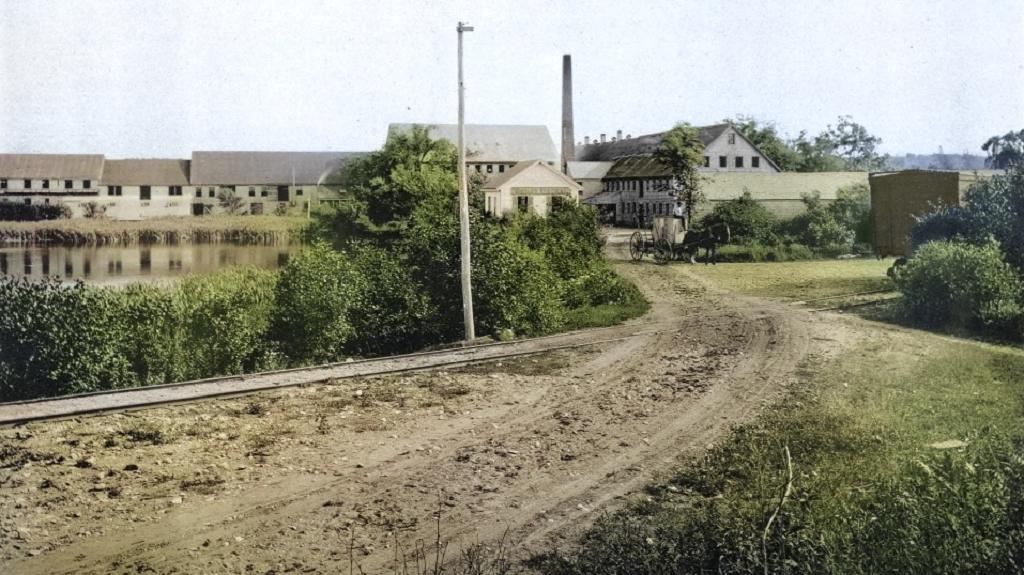
This Day in Norwood History- August 18, 1906-Purifying The Neponset River
-
Business Men Meet After Summer Recess-This Day In Norwood History-October 6, 1905
Business Men Meet After Summer Recess-This Day In Norwood History-October 6, 1905
-
First Gravity Sewer In Town Being Constructed at the Winslow Tannery-This Day In Norwood History-October 28, 1904
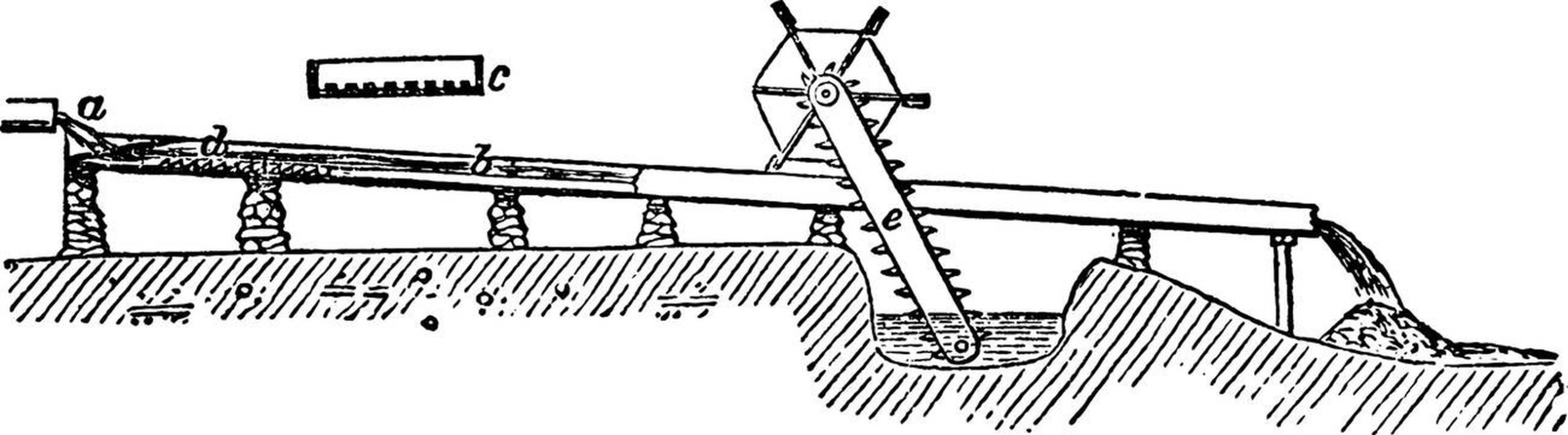
It is a little too early to give in detail an account of the arrangements now being made to install the first gravity system of sewerage ever practically attempted in this town. If the town introduces sewerage, it will remain a matter of history that the town’s first filter bed system was the one established…
-
Winslow’s Tannery Scores A Big Success with a Flag-Raising and Field Day-This Day In Norwood History-August 19, 1904

DESPITE DAMPNESS. A field day and flag raising was given yesterday afternoon by the employees of Winslow’s tannery, with sports at Prospect park and a general good time. The exercises connected with the flag raising were held in the large addition, lately completed, to Winslow Bros.’ tannery. On the platform, decorated for the occasion with…
-
Obituary-Charles E. Pond-This Day In Norwood History-September 13, 1901
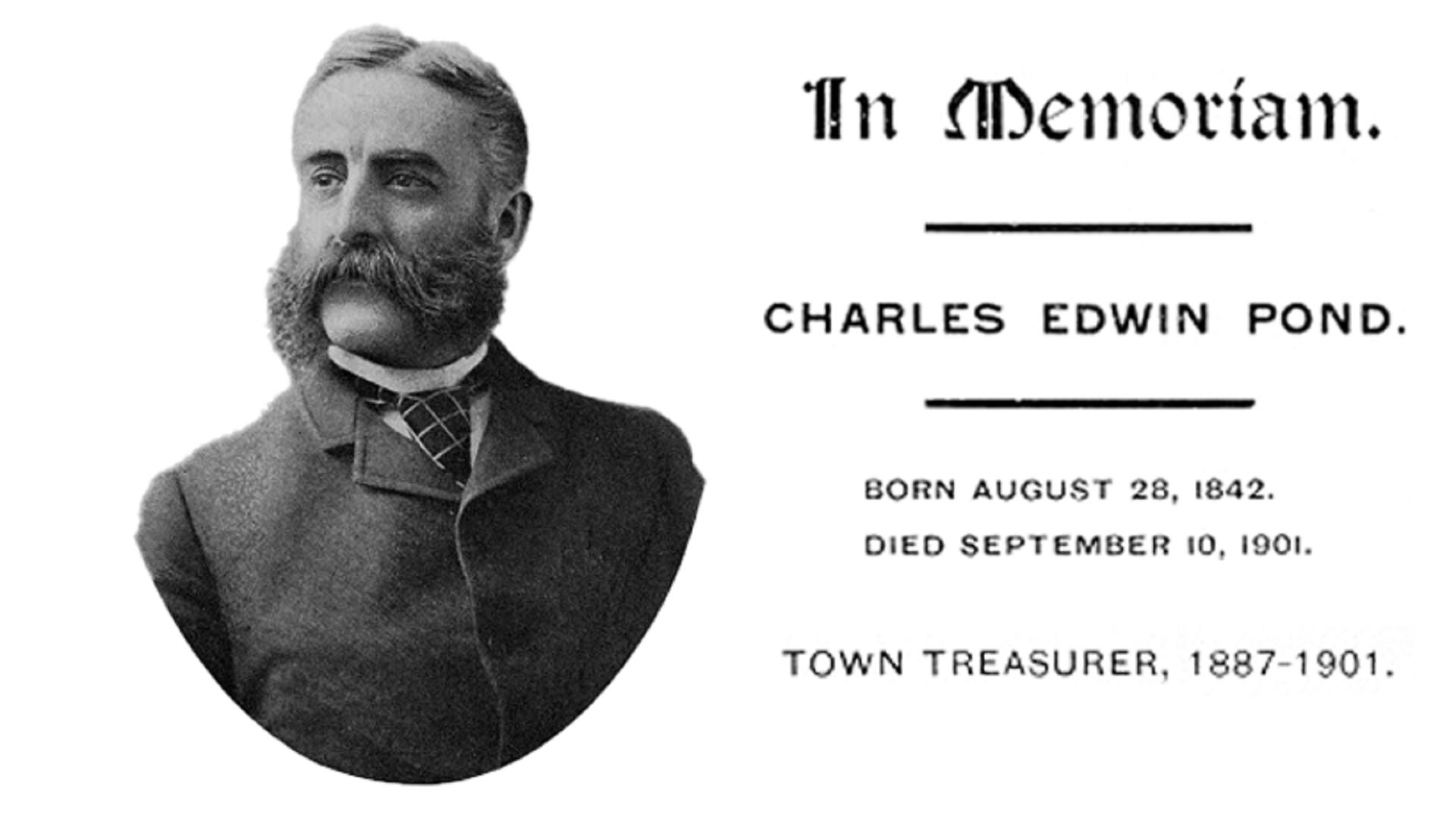
Town Treasurer Charles E. Pond, one of the most universally popular in town, died at his home on Nahatan Street, at 8.45 o’clock last Tuesday morning. The cause of death was anosmia. He bad been in failing health for nearly a year past but had not taken to his bed until a few weeks ago.…
-
Nine-Hour WorkDay Established By The Norwood Press-This Day in Norwood History-May 20, 1898
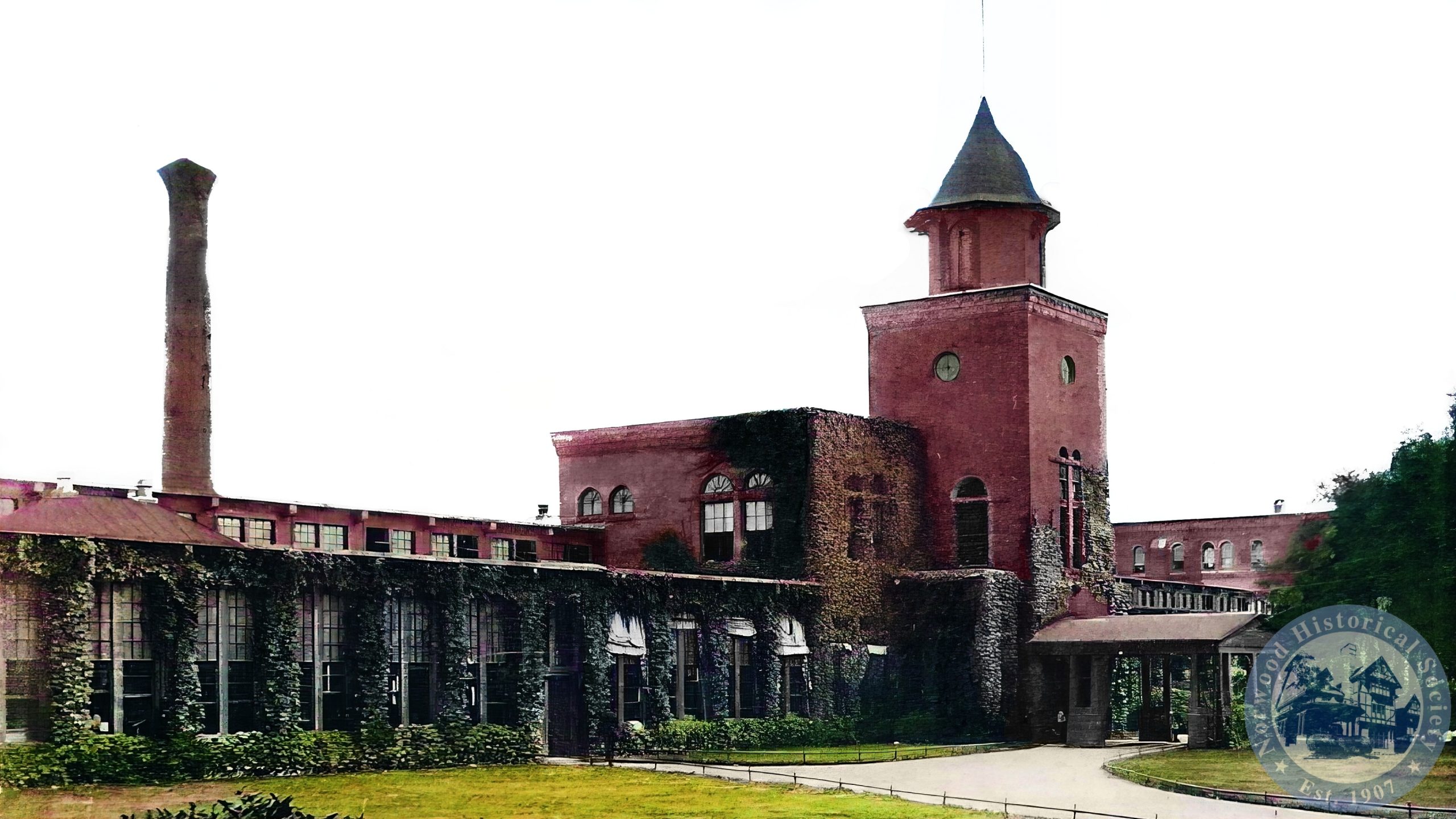
This Day in Norwood History-May 20, 1898-Nine-Hour WorkDay Established By The Norwood Press
-
The Plimpton Press And Bindery Dedication-This Day In Norwood History-August 6, 1897
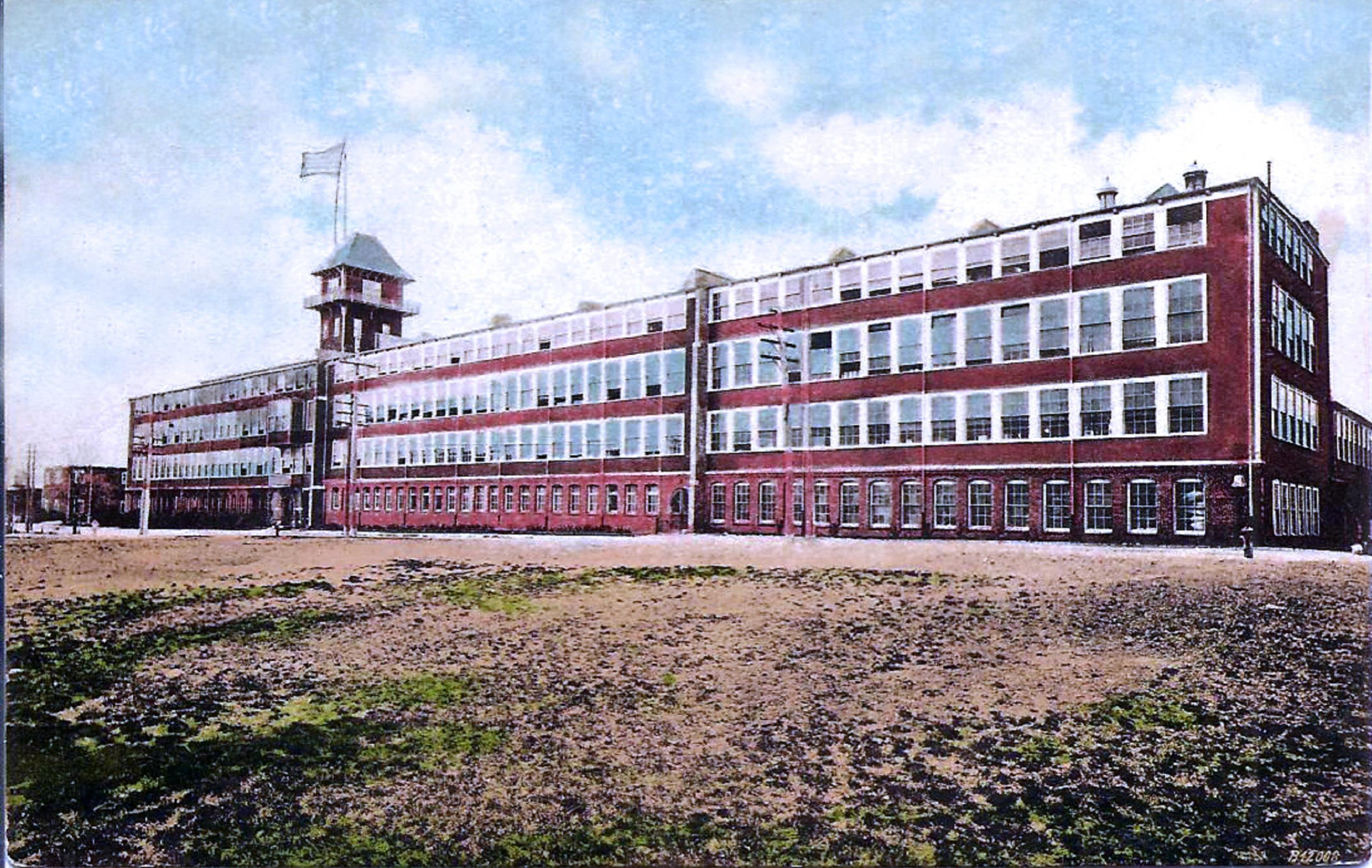
This Day In Norwood History-August 6, 1897-The Plimpton Press And Bindery Dedication
-
Phenomenal Boom in Real Estate-November 4, 1895

Phenomenal Boom in Real Estate-Norwood Press Works and Tanneries All Running Up to Their Full Capacity-This Day In Norwood History-November 4, 1895
-
Norwood Press a Valued Industry-This Day in Norwood History-June 29, 1895

This Day in Norwood History-June 29, 1895-Norwood Press a Valued Industry
-
A Press With A History-This Day in Norwood History-June 22, 1895
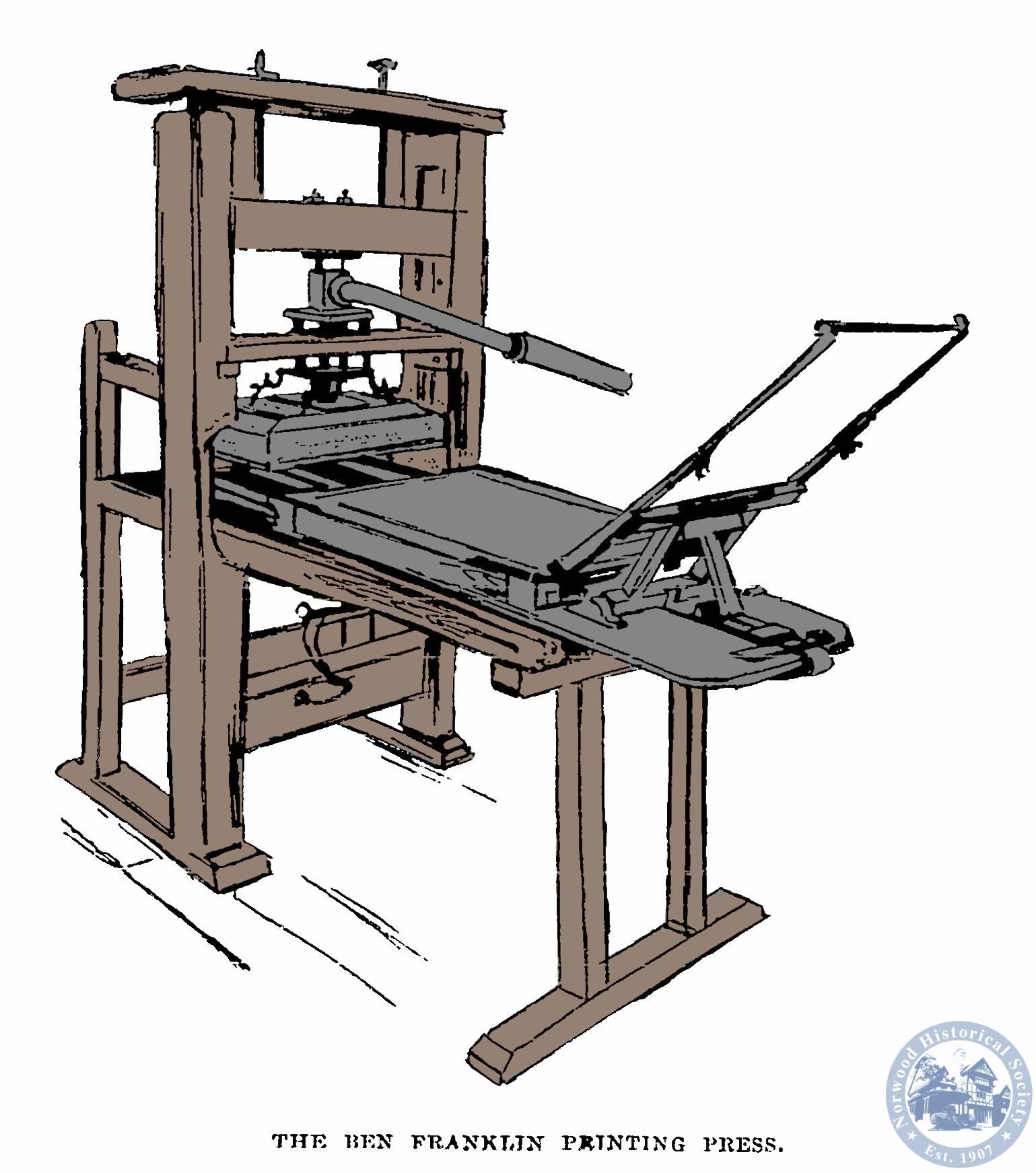
The old-time hand press illustrated on our first page, and which was displaced in the parade last Monday by the Norwood Press, has a hallowed history, for over its frame worked the immortal Franklin. The press is in a very good state of preservation and was the first press in the country to have an…
Discover more from Norwood Historical Society
Subscribe to get the latest posts sent to your email.