
Murray Traub Acquiring Corp. Requests 50 Percent Tax Abatement and Back-Tax Relief
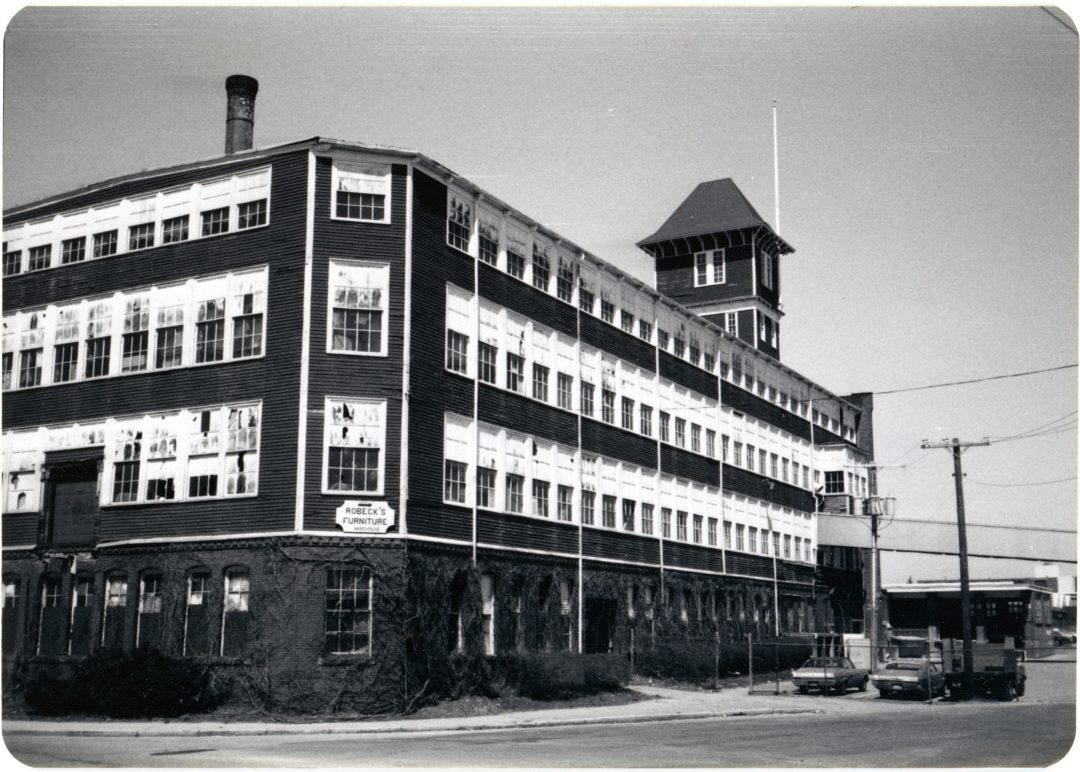
Following the abrupt closure of the legendary 76-year-old Plimpton Press a month ago, company owners and management have proposed a municipal tax agreement aimed at reopening the Lenox Street plant under a new, smaller bookbinding operation.
Representatives from the New York-based Murray Traub Acquiring Corp.—the current owner of the facility—presented town officials with two alternative proposals during a closed-door conference. Under both proposals, the company has asked Norwood for a 50 percent abatement on its 1973 taxes (reducing the assessed valuation from $1,722,900 to $861,450, and cutting the roughly $67,000 tax bill down to $33,500).
The two proposals differ in their handling of approximately $385,000 in accumulated back taxes owed for 1970, 1971, and 1972:
- Proposal One: Plimpton would pay the full back-tax debt with interest, spread out over a 10-year period.
- Proposal Two: Plimpton requested both the 1973 tax abatement and a 50 percent reduction on the retroactive back-tax debt.
If accepted, Alfred M. Flaxington—formerly Plimpton’s general manager and Traub’s treasurer—would form a new corporation, lease the Lenox Street property, and launch a scaled-down bookbinding operation. Flaxington estimated that the new venture would initially employ about 150 workers, drawing heavily from the former Plimpton workforce. He noted that the primary financial hurdle is securing $20,000 to $25,000 to recondition existing bookbinding machinery, which he intends to fund through employee stock sales or an insured loan.
Selectmen Debate Legal Hurdles and Industrial Alternatives
Board of Selectmen Chairman William F. Butters announced that the town has formed a special committee to investigate the legality of adjusting an existing municipal tax debt, particularly since Town Treasurer Raymond T. Halloran has already initiated foreclosure proceedings on the property and expressed legal and moral reservations against forgiving back taxes.
While former Plimpton employees—many of whom have remained unemployed since the plant folded—are eager to see the business reopen, Selectman Chairman Butters expressed skepticism. Butters noted that Murray Traub’s counsel argued the settlement could be recommended to a judge presiding over ongoing foreclosure court cases, and emphasized that Traub is personally worth $5 million, guaranteeing the ability to pay. However, Butters stated he would personally prefer exploring a federally funded industrial redevelopment plan for the property if the town takes ownership via tax title.
Assessor Chairman James J. Drummey noted that granting a 1973 tax abatement presents fewer hurdles since an application is already pending on his desk, but the overarching legal questions regarding back-tax reductions remain under review by the board’s newly appointed committee.
Archival Note: This article has been dynamically reconstructed from the original public record print archives of the Patriot Ledger
More Norwood Industrial History
-
Industries
The industrialization of Norwood is the most significant and distinctive feature of its history. Beginning in the mid-19th century, local tanneries, printing presses, ink manufacturers and other industries helped transform Norwood into a booming and ethnically-diverse industrial town. The story of Norwood’s industrialization and its impact on local residents can be seen in this selection…
-
Norwood’s Living History-The Presses And Immigration
The last great industrial growth of the Hook was the coming of the presses to Norwood. The dedication of the Berwick and Smith Press in 1891 marked the end to sectionalism in the town. The Rev. George Hill records that the people from both sides of town danced on the floor of the Berwick and…
-
Norwood’s Living History-Manufacturing Begins
In 1849, the sound of pick and shovel on the Norfolk County Railroad re-awakened agricultural South Dedham to its industrial possibilities, and the town began to become a manufacturing center. The Everett furniture factory was built, patenting and producing the extension table. Besides the established industries such as the tanneries, local “cottage industries” also benefited…
-
Star warehouse to close-September 14, 1999

In a major post-merger integration move, Shaw’s parent company J Sainsbury Plc announces the impending closure of the Star Market distribution warehouse in Norwood, triggering a high-stakes standoff with Teamsters Local 25.
-
High-Stakes Chemical Scare on Pleasant Street-This Day in Norwood History-June 27, 1980

Firefighters race to Pleasant Street as a toxic chemical cloud escapes a rail tanker, igniting fears of a major regional disaster.
-
Regal Press Revives Historic Plimpton Press Site on Lenox Street-September 25, 1978
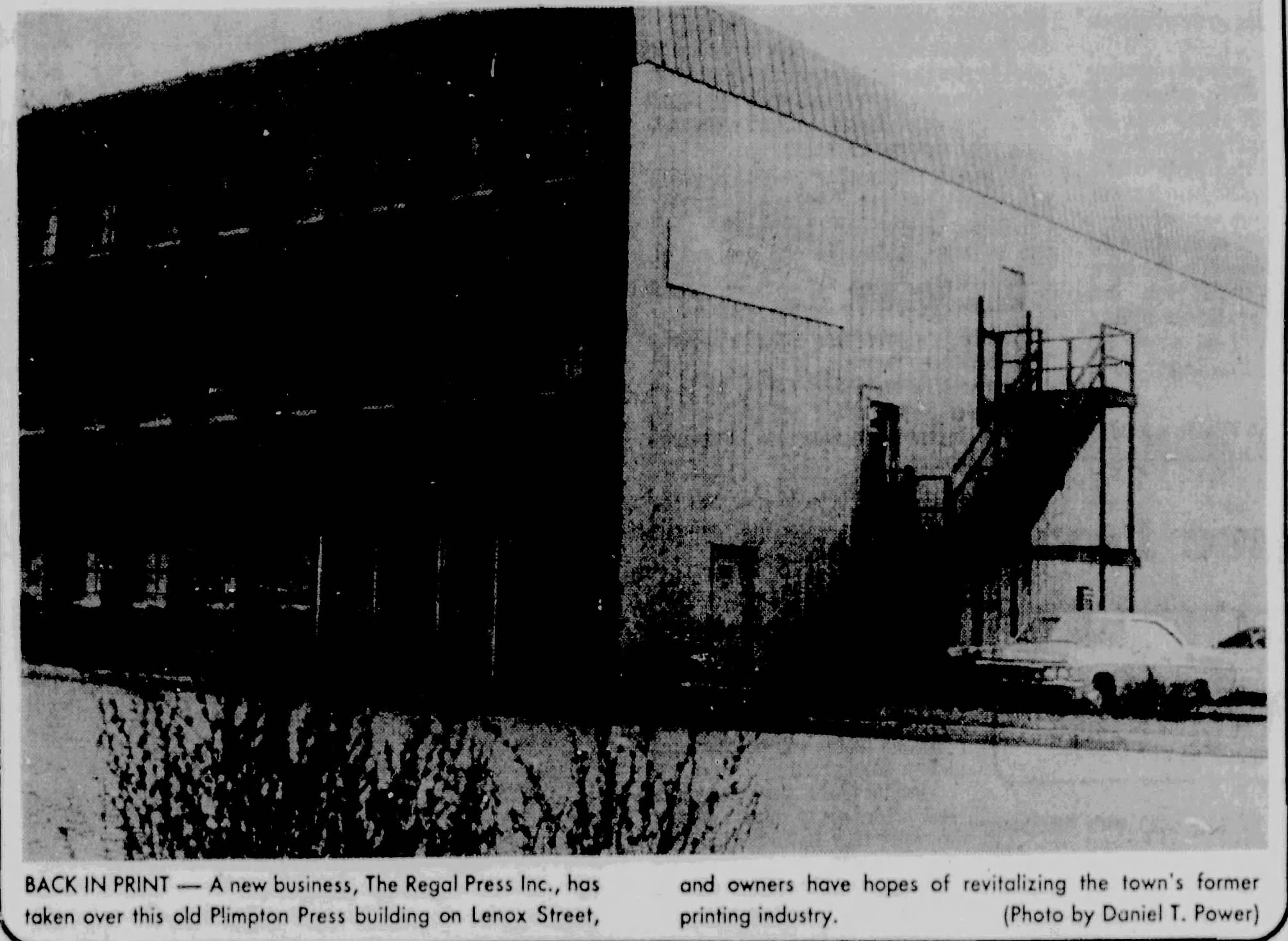
The Regal Press Inc. breathes new life into the historic Plimpton Press building on Lenox Street, bringing specialized printing operations and hundreds of projected jobs to Norwood.
-
Plimpton Press Officials Propose Tax Deal to Reopen Defunct Norwood Plant as New Bookbinding Firm-October 30, 1973
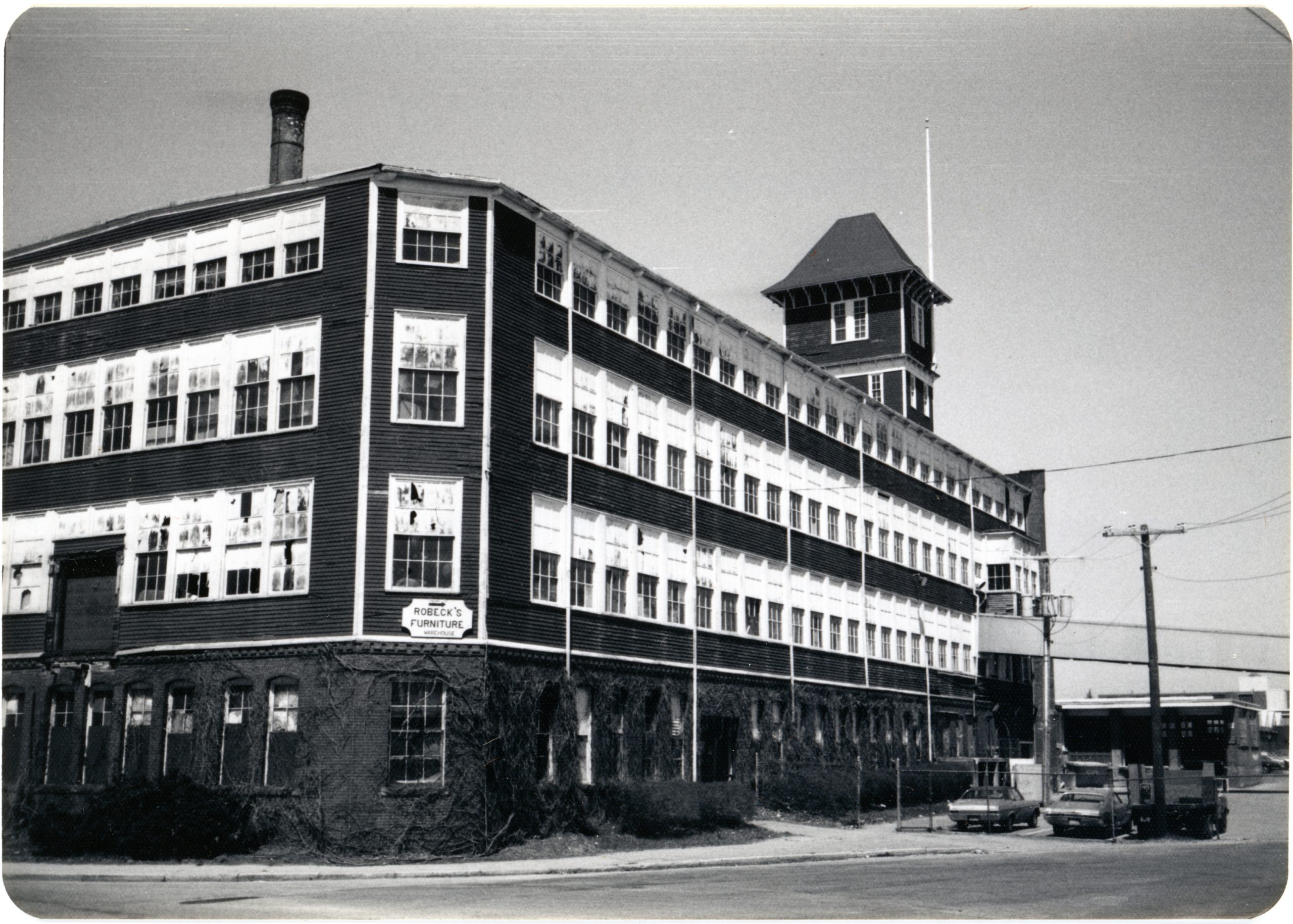
Owners of the defunct Plimpton Press proposed a 50 percent tax abatement and back-tax restructuring to town officials in an effort to reopen the Lenox Street facility as a new bookbinding operation under Alfred M. Flaxington.
-
Industrial Exodus: Plimpton Press Leaving Norwood-This Day in Norwood History-June 28, 1966
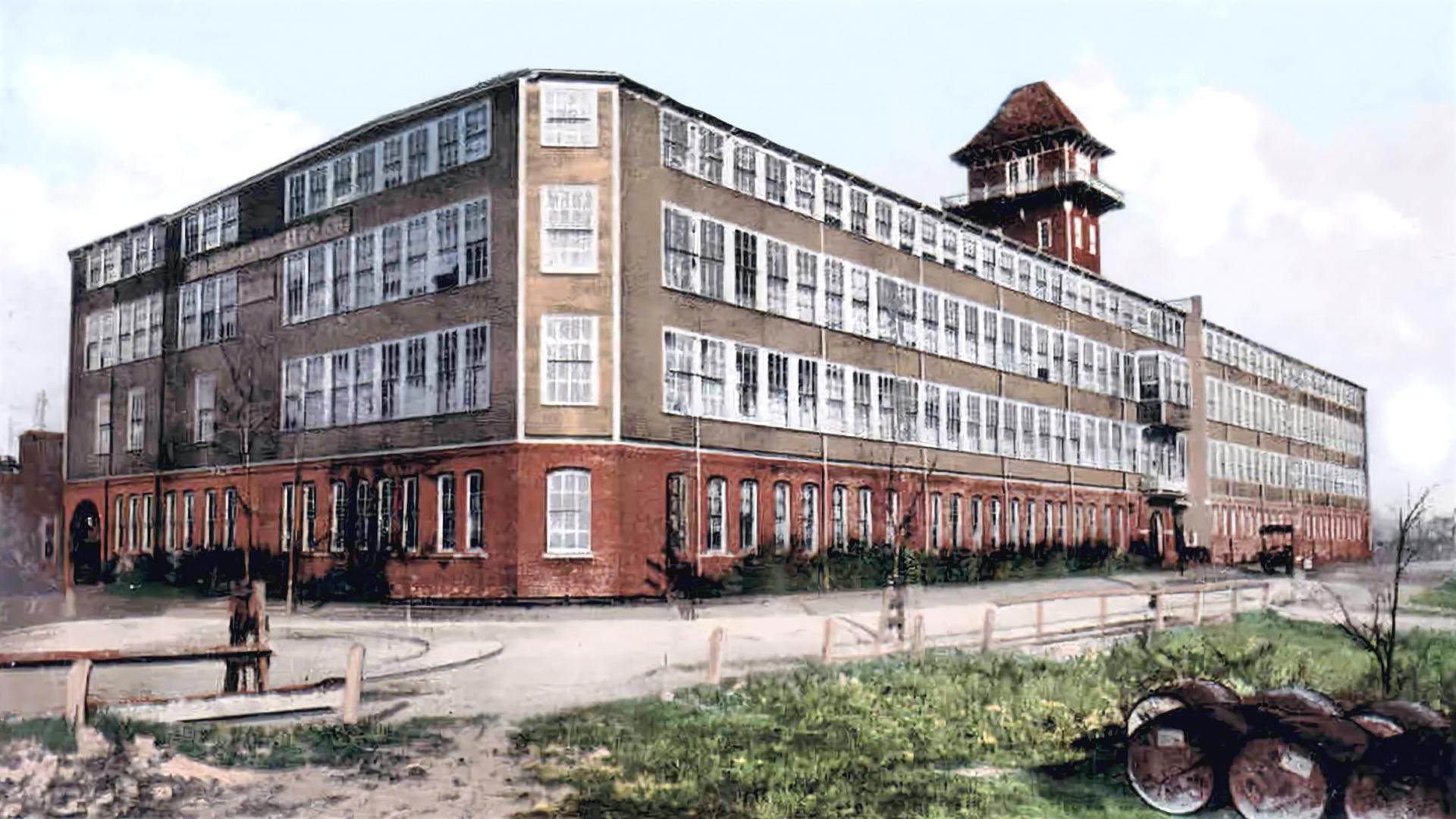
An industrial crisis hits Norwood as its largest employer unveils a $5-million piecemeal exit, taking 1,200 printing jobs out of town.
-
Plimpton Press Acquired By McCallsThis Day in Norwood History-April 15, 1964
The McCall Corporation announced over the weekend that it has acquired two companies, Plimpton Press and Jersey City Printing Company for $14,000,000 in cash. Plimpton Press, which was established in 1882, is one of the oldest, largest and best-integrated manufacturers of books in the United States The company, which specializes in textbooks, maintains its headquarters…
-
Plimpton Press Provides Jobs for 900- Annual Payroll $3.5 Million-This Day in Norwood History-February 3, 1955
Plimpton Press, the famous printing house which occupies the sprawling industrial buildings between Lenox Street and the railroad, provides jobs for some 800 to 900 people in highly skilled work who take home an annual payroll of three and a half million dollars. These were among the little known facts related by Harry F. Howard,…
Discover more from Norwood Historical Society
Subscribe to get the latest posts sent to your email.